Carrie Gibson's book 'The Great Resistance' explores the 400-year fight to end slavery in the Americas, highlighting lesser-known stories of enslaved people's resistance, the brutal realities of the transatlantic slave trade, and the lasting legacies of slavery in society today.
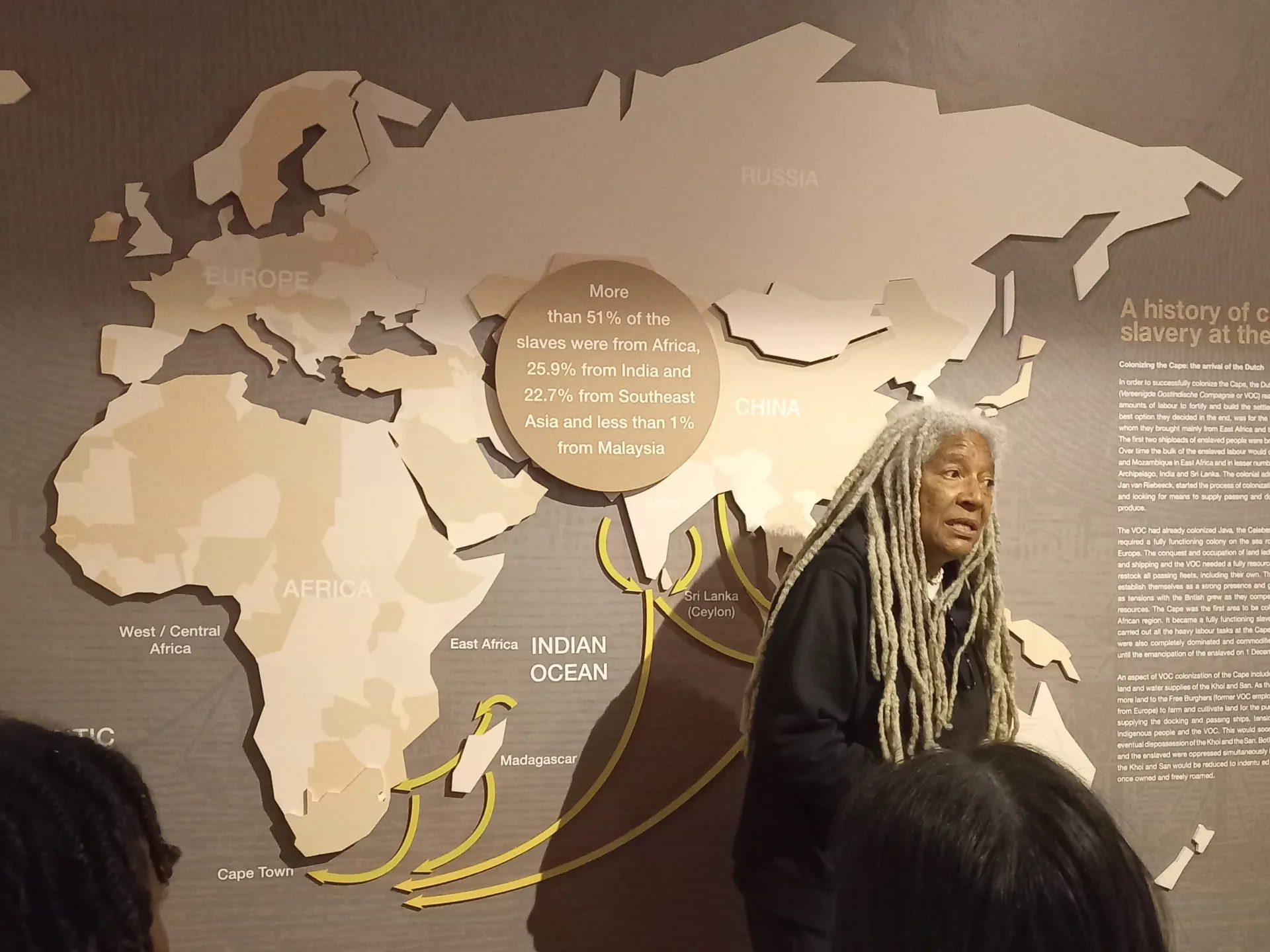
Lucy Campbell, a South African activist and historian, uses her tours of Cape Town's historic sites to highlight the ongoing impacts of colonialism, slavery, and dispossession, criticizing how these histories are memorialized and calling for more inclusive and truthful representations of the past.
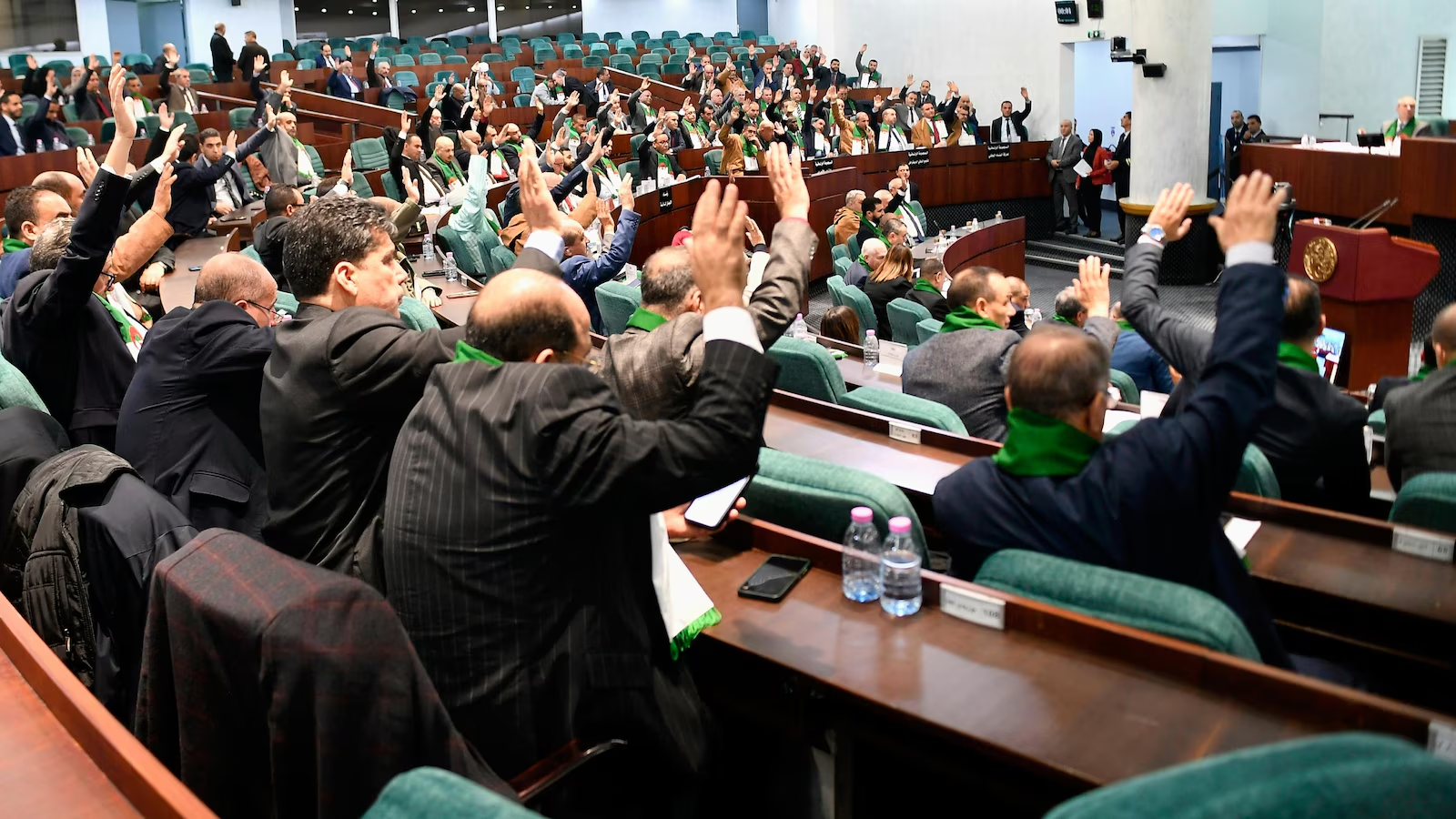
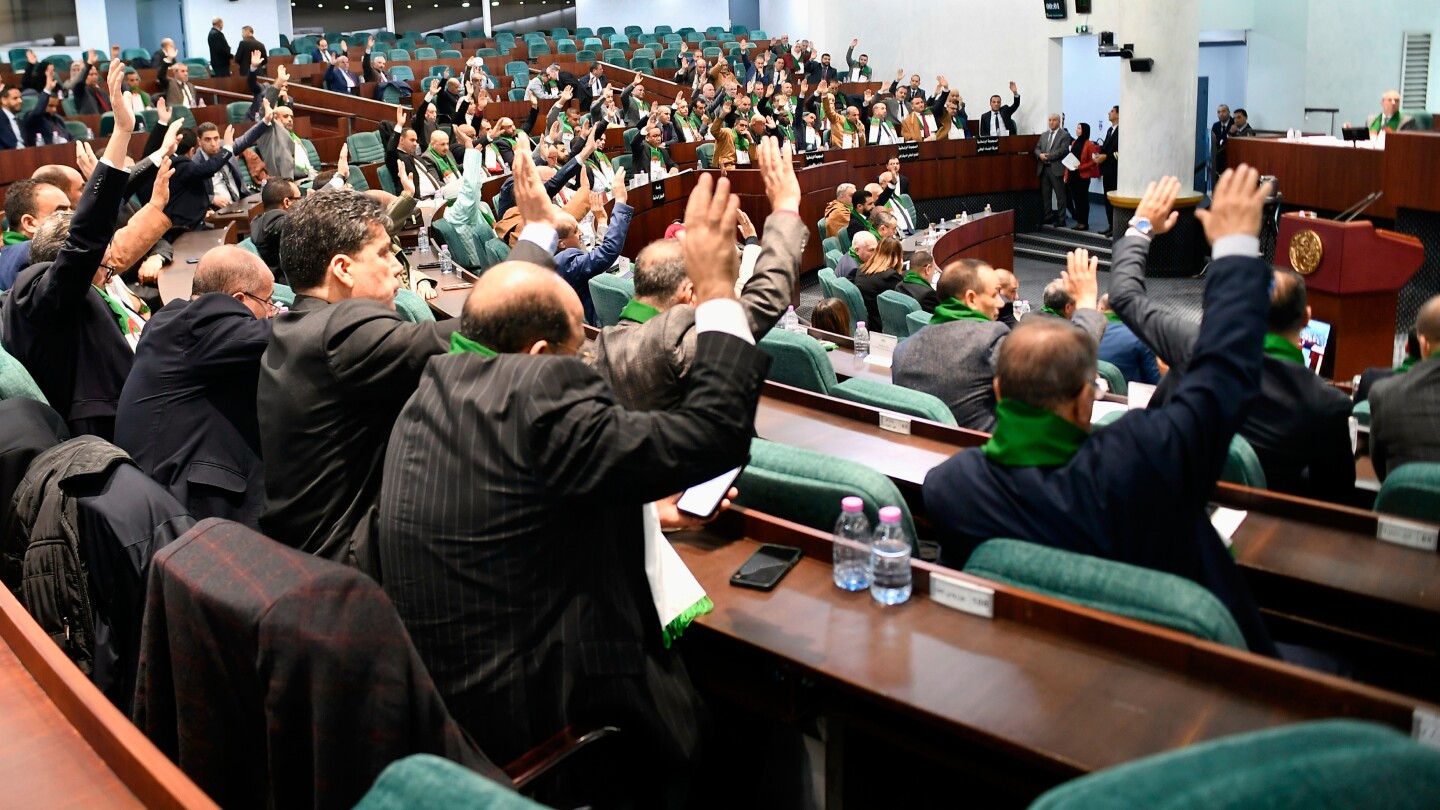
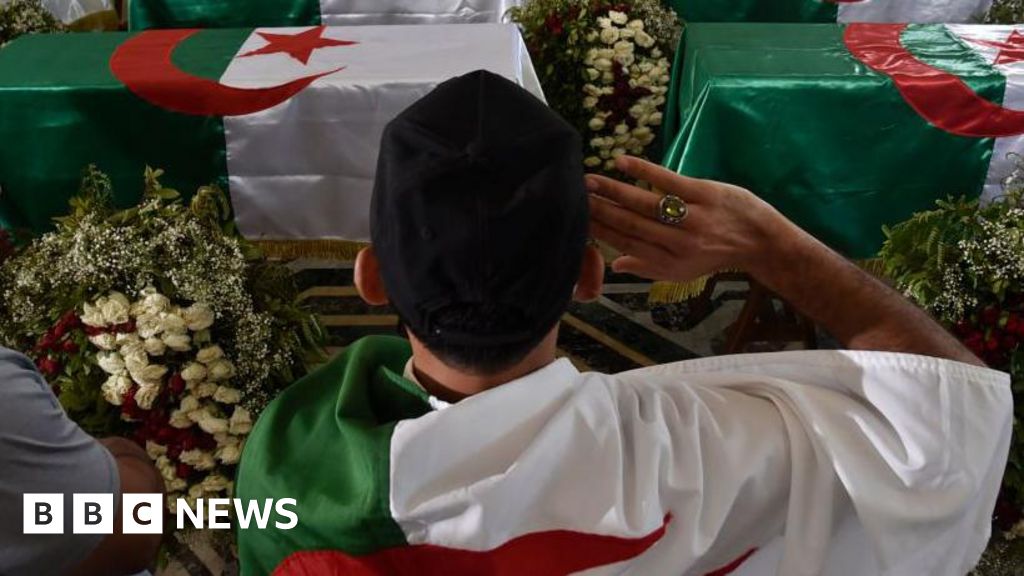
Algeria's National Assembly voted to declare France's colonization a crime, demanding restitution and redress for colonial-era injustices, in a move that France criticizes as hostile, reflecting ongoing tensions over historical grievances.
Algeria's parliament voted to declare France's colonization a crime, demanding restitution and reparations for colonial-era wrongs, in a move that France criticizes as hostile, amid ongoing tensions over historical grievances.
Algeria's parliament unanimously approved a law declaring France's colonization a crime, demanding an apology and reparations, amid strained diplomatic relations and historical disputes over colonial atrocities and restitution of artifacts.
The article discusses how the October 7 attack in Gaza marked a significant shift in global understanding of the Palestinian struggle, exposing Israeli apartheid and settler colonialism, and catalyzing worldwide radicalization against global systems of domination. It criticizes attempts to restore the old order through diplomacy and emphasizes that true liberation requires dismantling systemic structures of oppression, with Palestine now seen as a symbol of broader anti-colonial and anti-capitalist struggles.
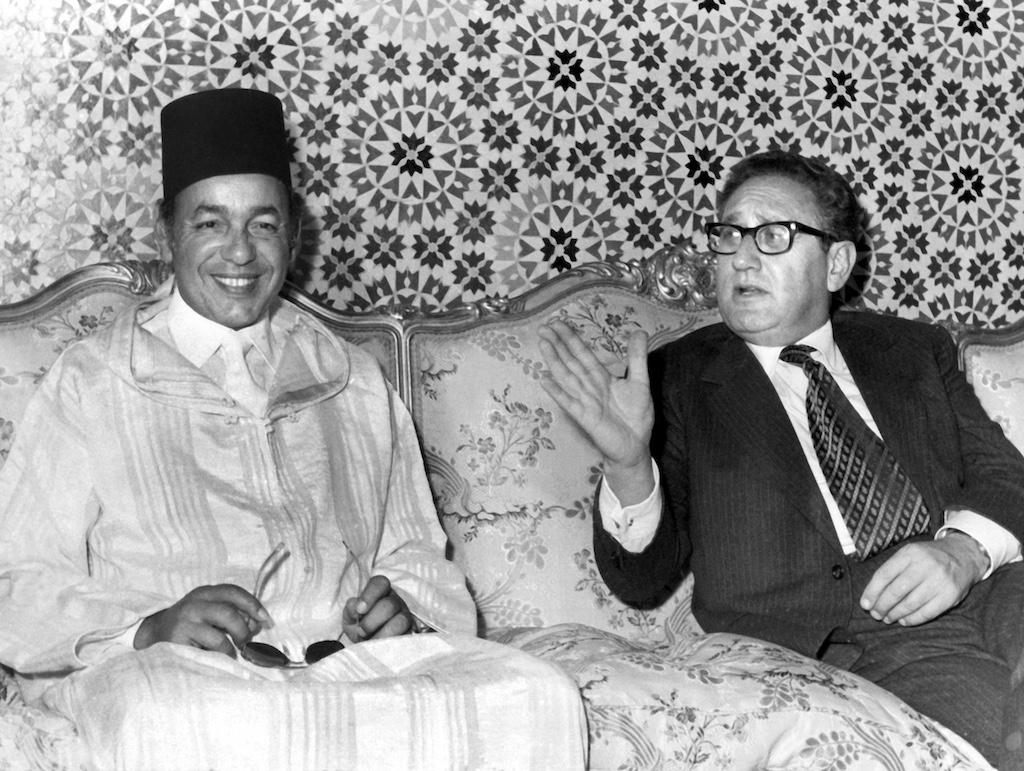
Morocco has denied Western Sahara's independence for 50 years, following a history of military invasion, diplomatic manipulation, and international neglect, despite legal and moral claims for self-determination by the Sahrawi people and international bodies like the ICJ.
The article argues that the recognition of a Palestinian state by European countries is not an act of solidarity but a betrayal that legitimizes Zionist colonialism, accelerates the ongoing genocide in Gaza, and undermines Palestinian sovereignty and rights, emphasizing that true liberation requires ending impunity, sanctions, and dismantling colonial structures, not symbolic recognition.
The live-action remake of Disney's 'Lilo & Stitch' has sparked debate over its narrative changes, particularly its ending, which critics argue contribute to harmful stereotypes and the displacement of Hawaiians, contrasting with the original film's themes of family and resistance to colonial systems.
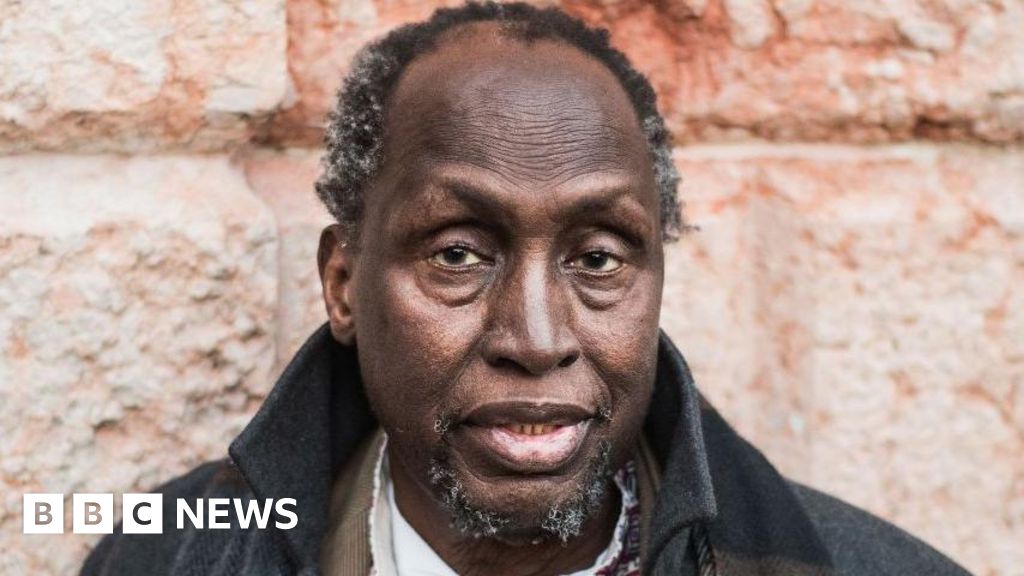
Ngũgĩ wa Thiong'o, a renowned Kenyan writer and advocate for African languages, has died at 87. His work, spanning six decades, documented Kenya's transformation and challenged colonial and post-independence leadership, emphasizing the importance of native languages in literature. He faced exile, imprisonment, and health struggles but remained a pivotal figure in African literary and cultural activism. His legacy includes a commitment to decolonizing African literature and inspiring future generations.
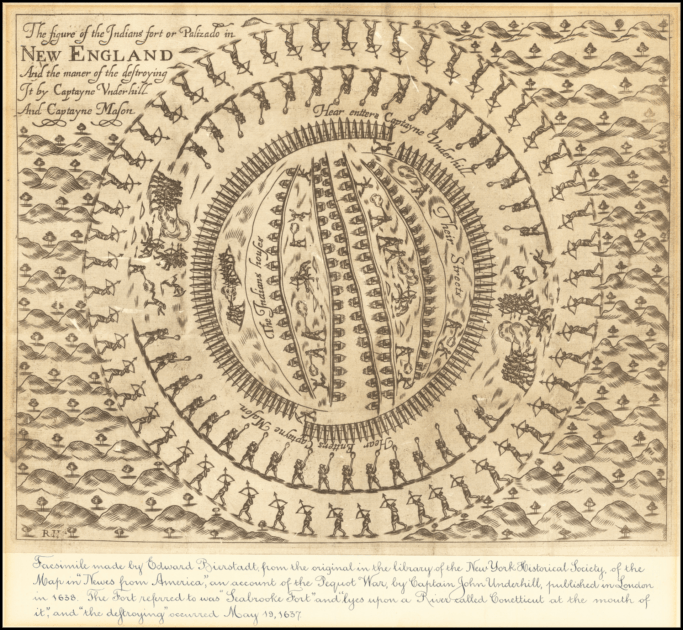
The article critiques the traditional narrative of Thanksgiving, highlighting its colonial origins and the violent history of European settlers' interactions with Indigenous peoples, such as the Pequot Massacre. It argues that the holiday's portrayal as a harmonious event between Pilgrims and Native Americans whitewashes the reality of genocide and land dispossession faced by Indigenous communities. The authors emphasize the ongoing impact of these historical injustices on Native populations and call for a more honest acknowledgment of history.
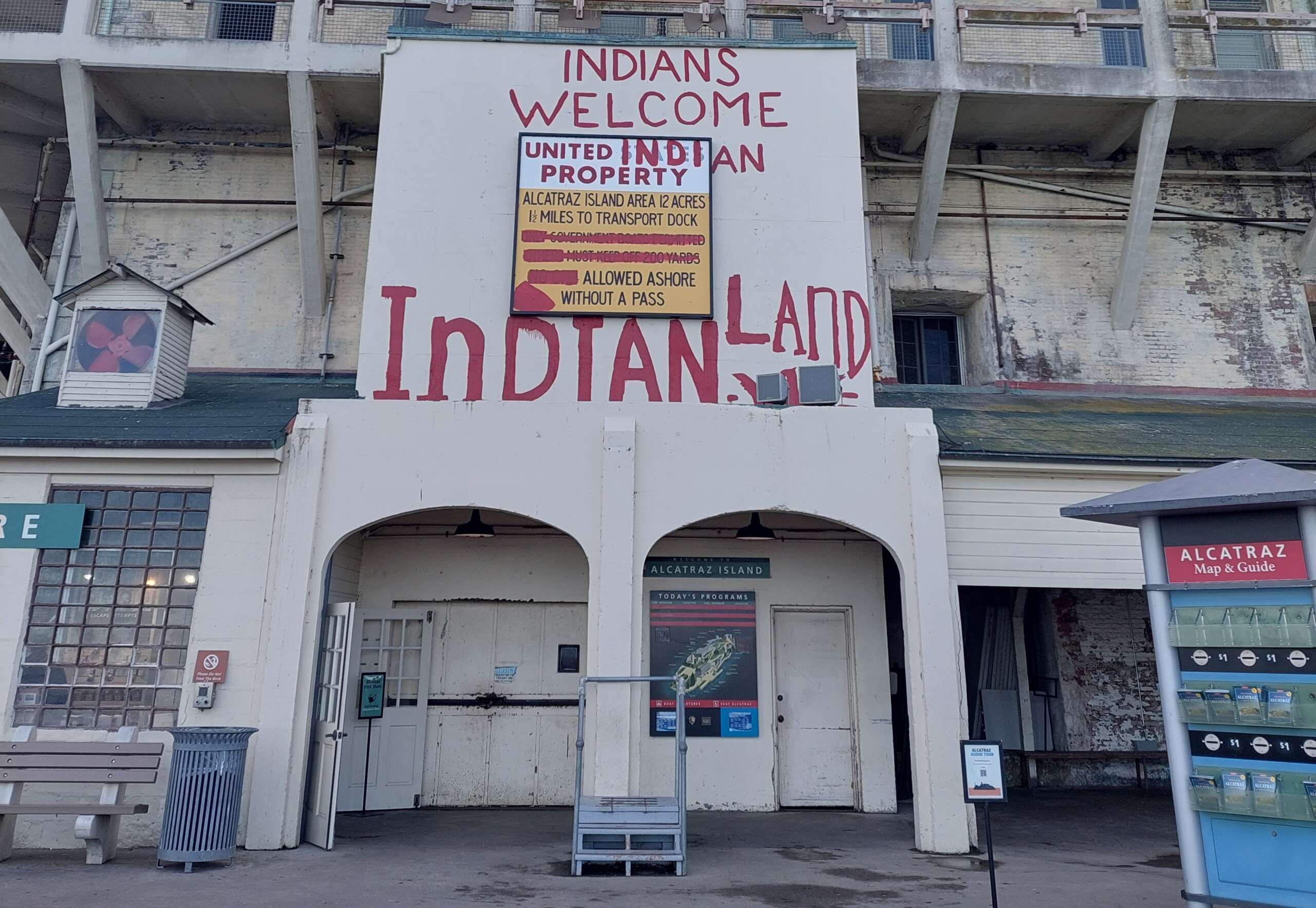
The article discusses the myths surrounding Thanksgiving, highlighting how they serve to erase the violent history of colonization and silence Indigenous voices. It emphasizes the importance of challenging these narratives and recognizing the true history of the United States. Events like the Day of Mourning and Unthanksgiving Day are examples of Indigenous communities reclaiming their history and advocating for justice. The article also draws parallels between the experiences of Indigenous peoples in the U.S. and Palestinians in Gaza, both facing land dispossession and oppression under settler-colonial systems.
Azerbaijan's President criticized France and the Netherlands for their 'colonial' overseas territories during the COP29 summit, leading to France boycotting the event. The Azerbaijani leader specifically blamed the French government for violence in New Caledonia earlier this year.
In "The Wide Wide Sea," Hampton Sides delves into the final voyage of British explorer James Cook, offering a comprehensive portrayal of his encounters in the Pacific islands. Sides presents a morally complex narrative, intertwining themes of colonialism, Eurocentrism, toxic masculinity, and cultural appropriation. Cook's third expedition, unlike his previous scientific-focused voyages, was entangled with colonial ambitions, exemplified by the story of a Polynesian man named Mai and his journey to London. Sides' book provides a vivid and propulsive history of Cook's last voyage, shedding light on the intricate dynamics of exploration and imperialism.
The film "Dune: Part Two" attempts to build on the anti-colonial leanings of the original novels, but ultimately fails to present an effective anti-colonial vision. The story centers on a colonial hero, Paul Atreides, who appropriates the power of the indigenous Fremen people, despite his guilt and the ambivalence of his Fremen lover, Chani. The film's failure to prioritize the experiences of colonized people reflects a broader trend in blockbuster films, where narratives continue to center on colonial heroes rather than the colonized.