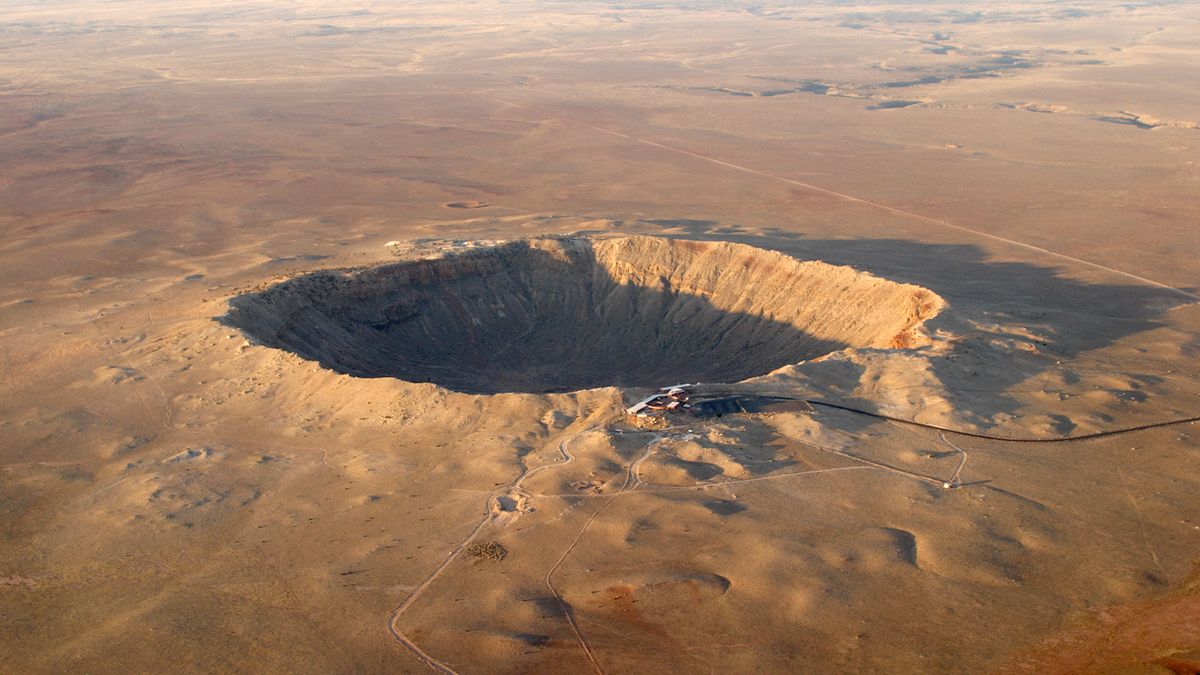
Unveiling the Cosmic Curveball: Simulations Reveal Origins of Barringer Crater
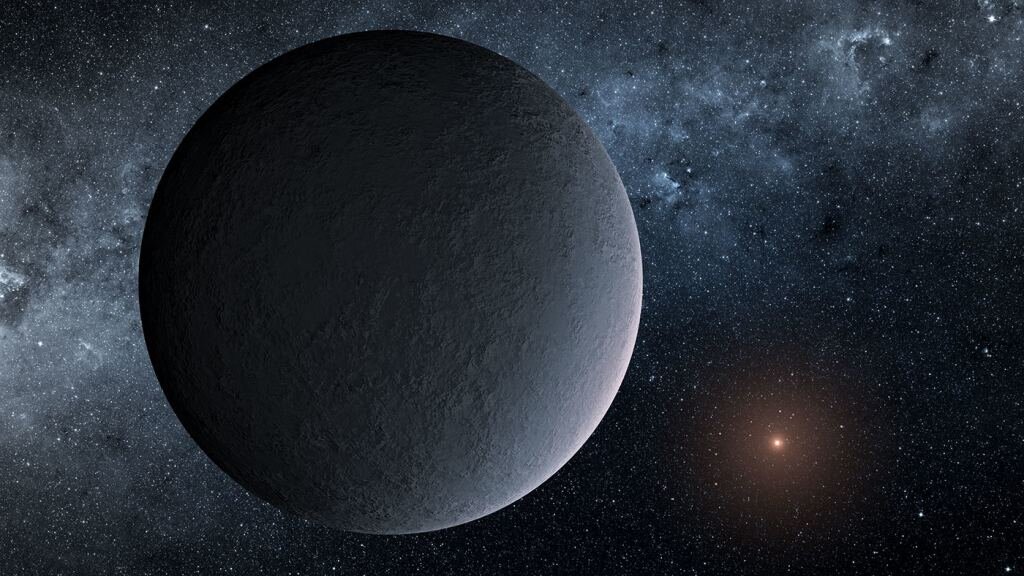
A study published in the journal Physical Review E suggests that fast-spinning asteroids may have created wide and shallow impact craters, such as Arizona's Barringer Crater. The study found that loosely-bound clumpy asteroids with curveball-like spins tend to produce craters that are wider and shallower compared to slower-spinning asteroids. The research focused on the spin and clumpiness of asteroids, using simulations to investigate their impact on the formation of craters. The findings provide insights into the diversity of crater shapes and how different types of craters are formed.