Tag

Immune Evasion

All articles tagged with #immune evasion

health4 months ago

Breakthrough in Diabetes Treatment: CRISPR and Bioengineering Enable Immune-Evasive Insulin-Producing Cells

Researchers have successfully implanted CRISPR-edited pancreatic cells into a person with type 1 diabetes, enabling the cells to produce insulin and evade immune detection without immunosuppressive drugs, marking a significant step toward a potential cure for the disease. However, the study involved only one patient and more research is needed to confirm efficacy.

medical-research1 year ago

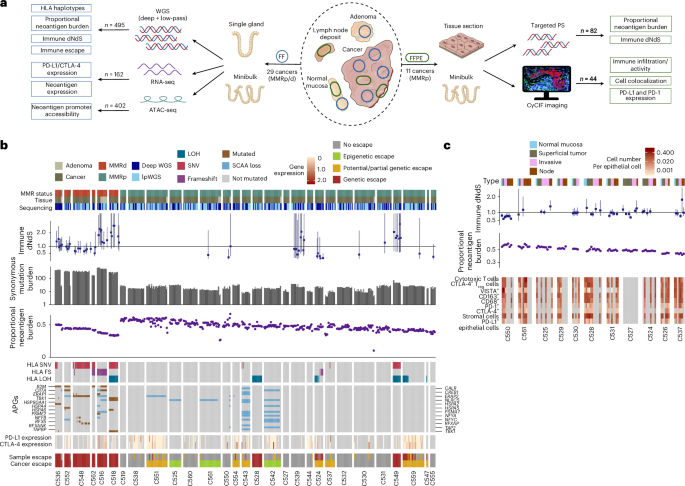
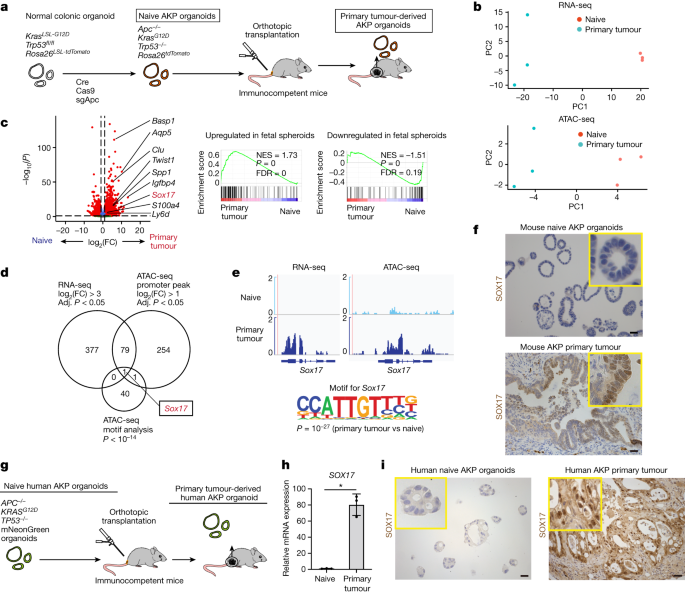
"SOX17's Role in Immune Evasion of Colorectal Adenomas and Cancers"

A study has found that SOX17 enables immune evasion in early colorectal adenomas and cancers. The research, which utilized RNA-seq data, ATAC-seq data, and single-cell RNA-seq data, sheds light on the role of SOX17 in immune evasion and its potential implications for colorectal cancer treatment. The findings provide valuable insights into the mechanisms underlying immune evasion in colorectal cancer and may contribute to the development of targeted therapies.

medical-research2 years ago

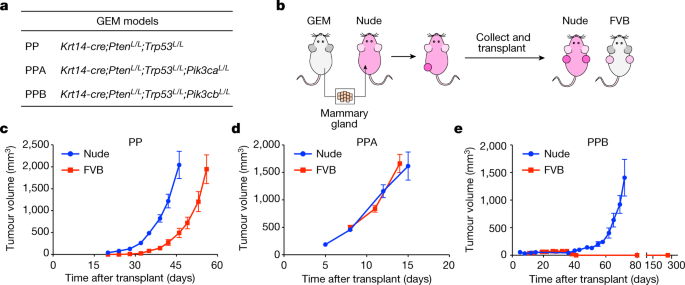
Enzyme PI3Kβ Promotes Immune Evasion in PTEN-Deficient Breast Tumors.

Researchers have discovered that PI3Kβ plays a crucial role in immune evasion in PTEN-deficient breast tumors. The study found that inhibiting PI3Kβ led to increased immune cell infiltration and improved response to immunotherapy in mouse models. The findings suggest that targeting PI3Kβ could be a potential strategy for enhancing the effectiveness of immunotherapy in breast cancer patients with PTEN-deficient tumors.

medical-science-news2 years ago

New discoveries in SARS-CoV-2 research and prevention.

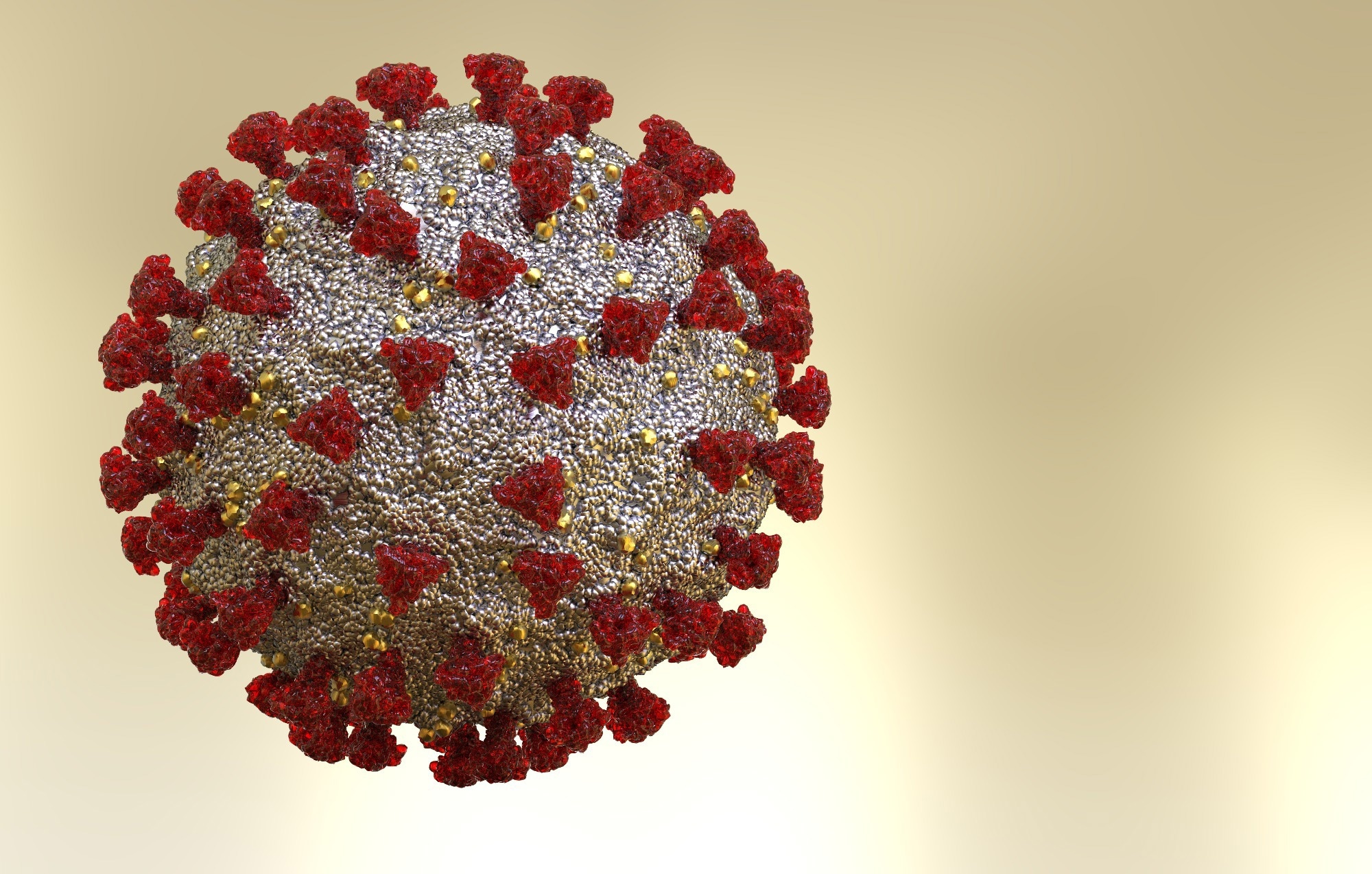
A recent study has explored the virological characteristics of the SARS-CoV-2 Omicron XBB subvariant, XBB.1.16, which has two S substitutions, including E180V and T478R in the N-terminal domain (NTD) and receptor-binding domain (RBD), respectively. The study found that XBB.1.16 has immense potential to disseminate and infect people worldwide to a greater extent than XBB.1 and XBB.1.5 subvariants. Furthermore, XBB.1.16 exhibits a higher immune-evasion potential that is similar to that of XBB.1 and XBB.1.5.