Tag

Cambrian Explosion

All articles tagged with #cambrian explosion

science1 year ago

Discover 5 Ancient Creatures Preserved in Iconic Fossil Site

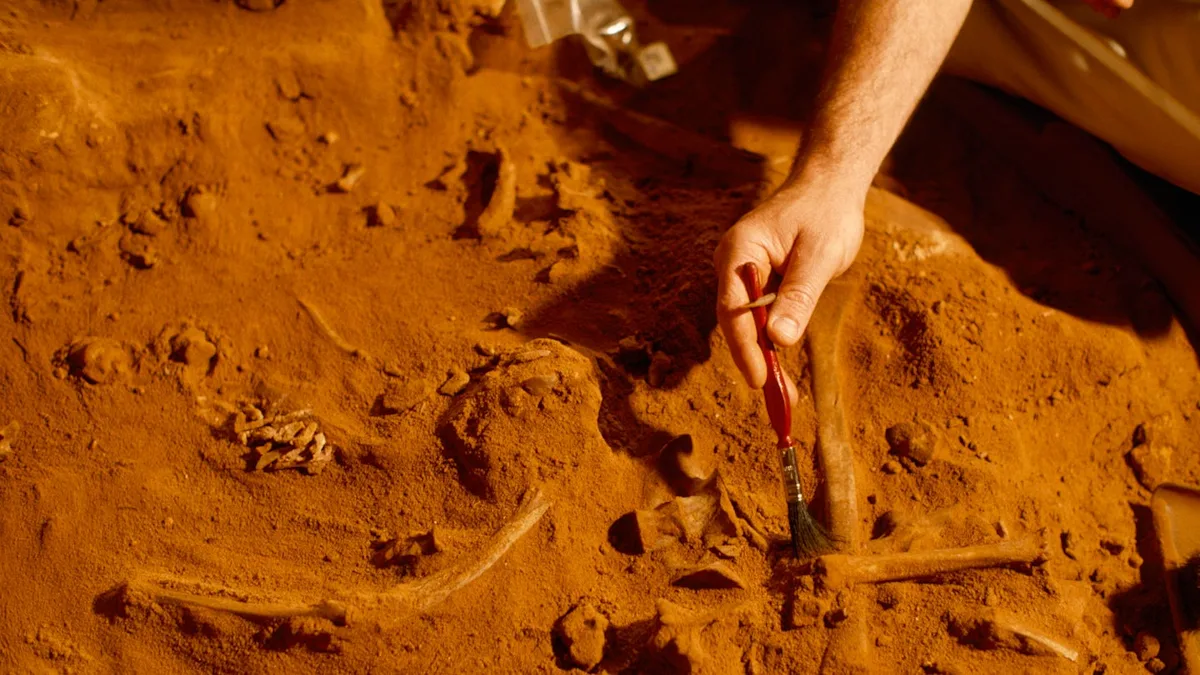
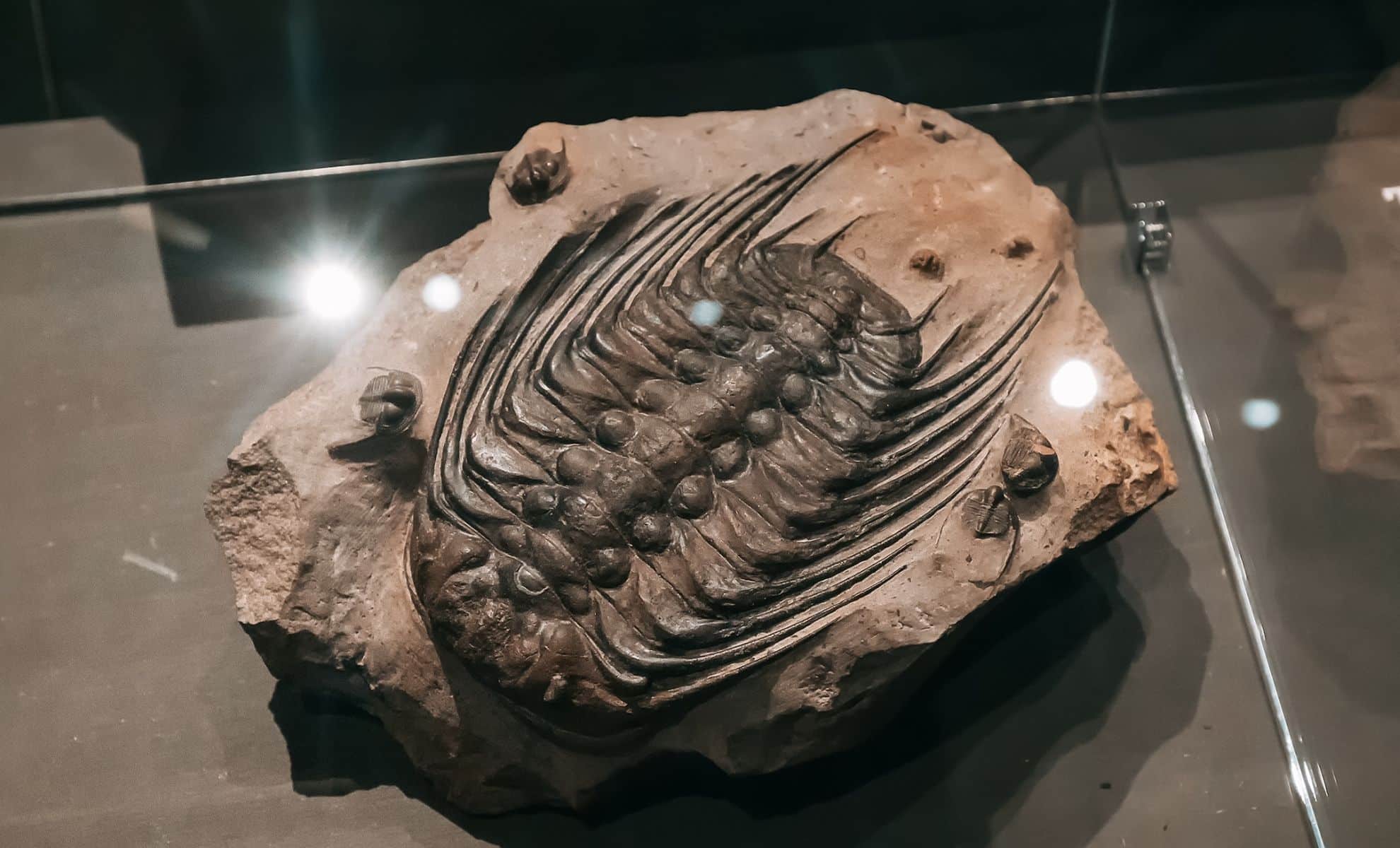
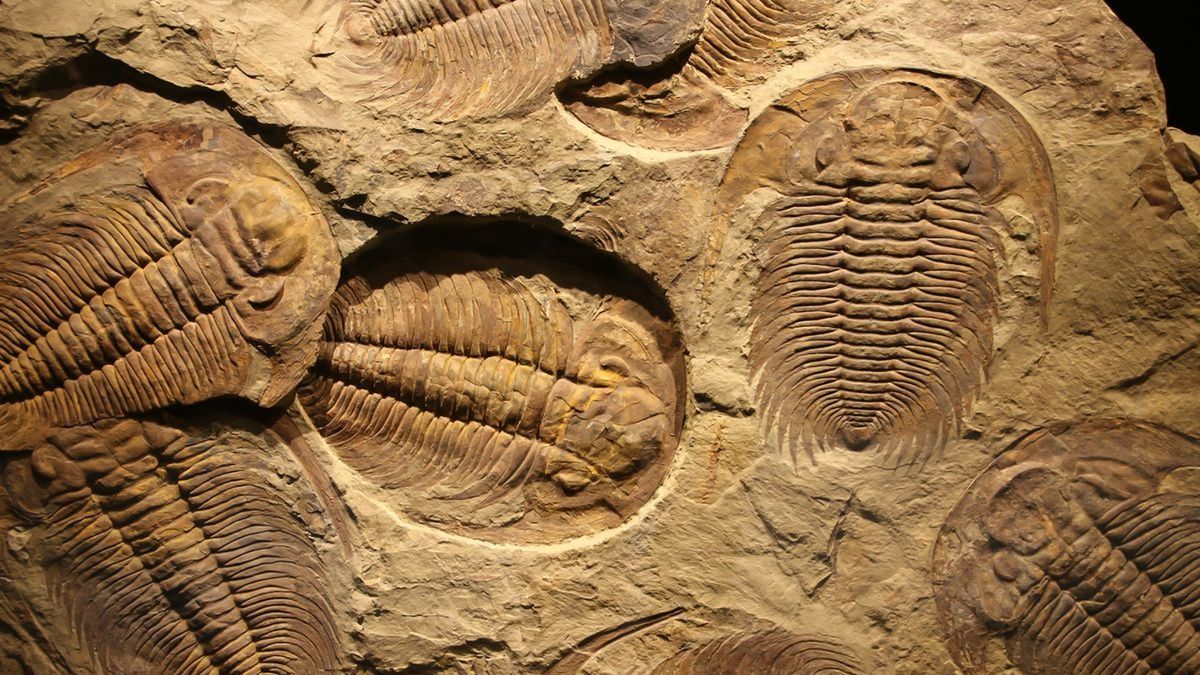
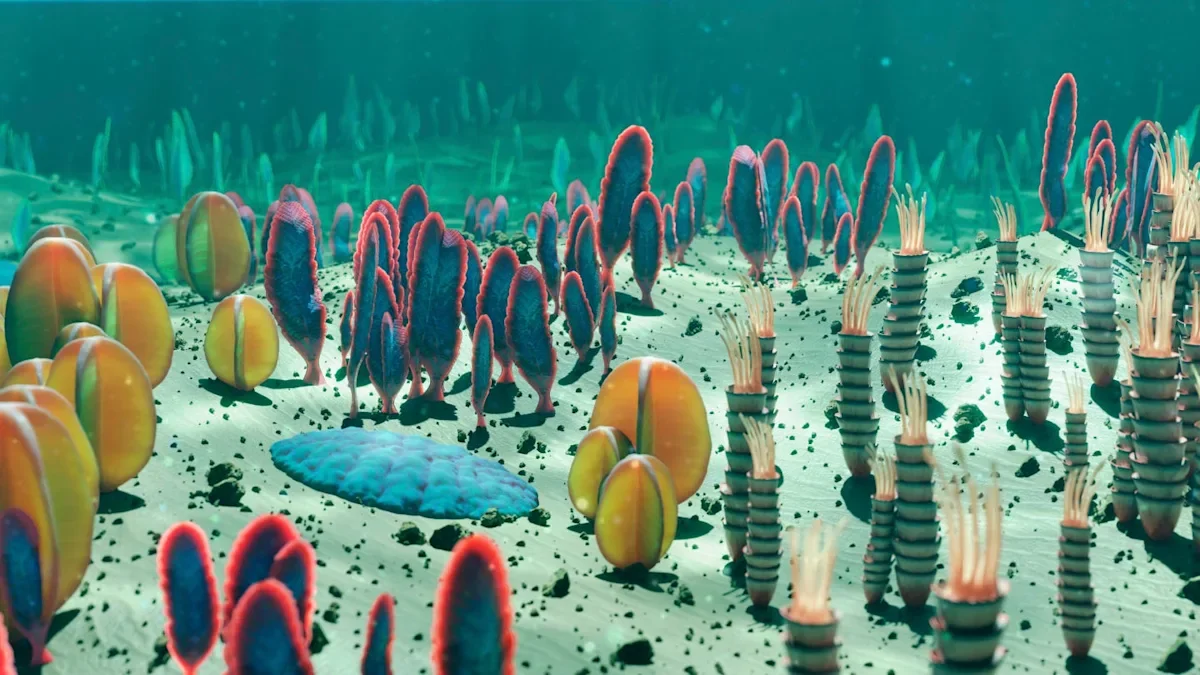
The Burgess Shale deposits in the Canadian Rockies have revealed stunningly preserved fossils of ancient creatures from the Cambrian period, including Cambroraster falcatus and Titanokorys gainesi. These early arthropods, resembling modern horseshoe crabs, highlight the diversity of life during the Cambrian explosion 500 million years ago. The site also features other bizarre ancient animals like Hallucigenia and Opabinia, showcasing the evolutionary complexity of early marine life. The preservation of these fossils is threatened by climate change.

science1 year ago

Ancient Sandworm's Existence Extended by Millions of Years

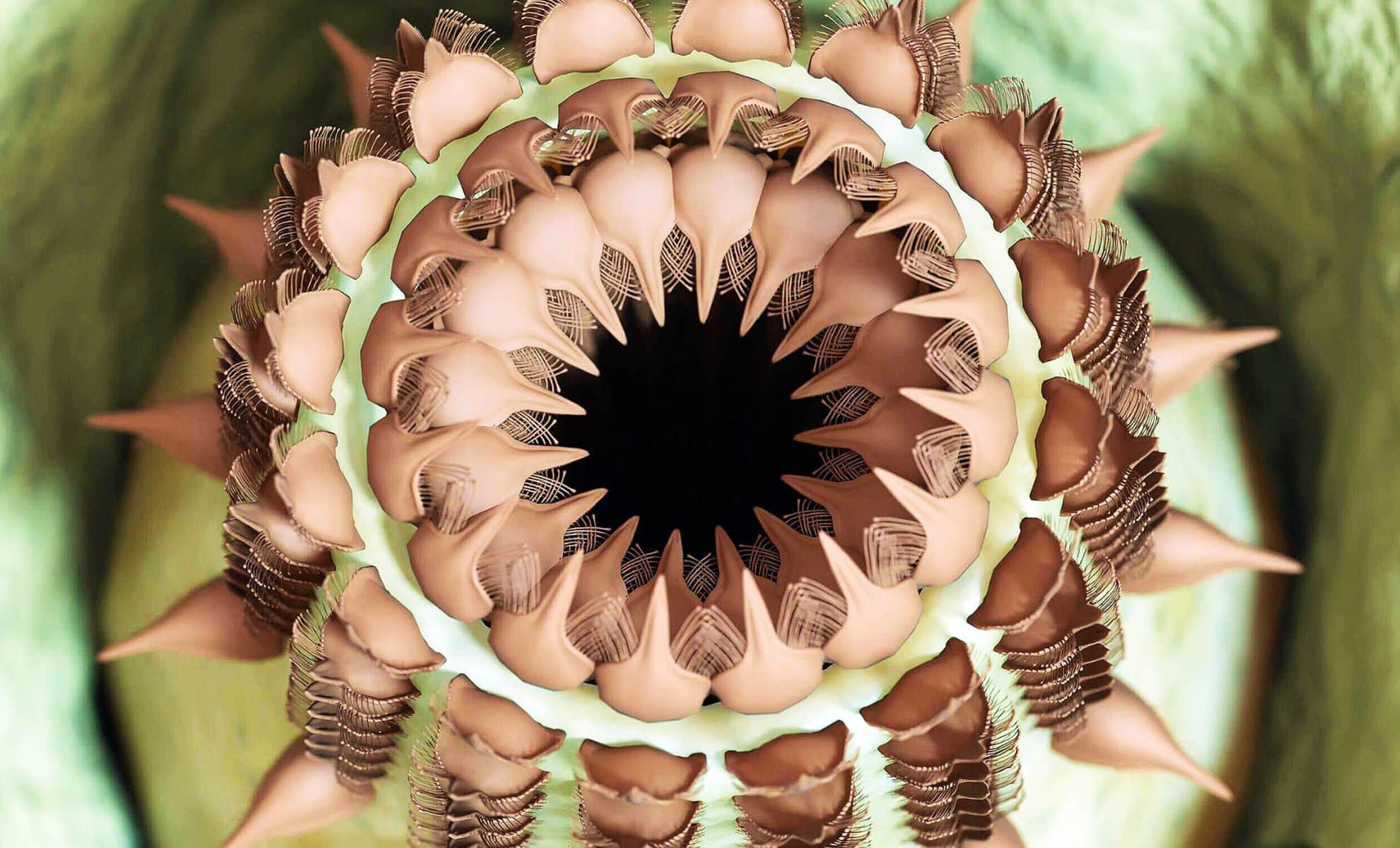
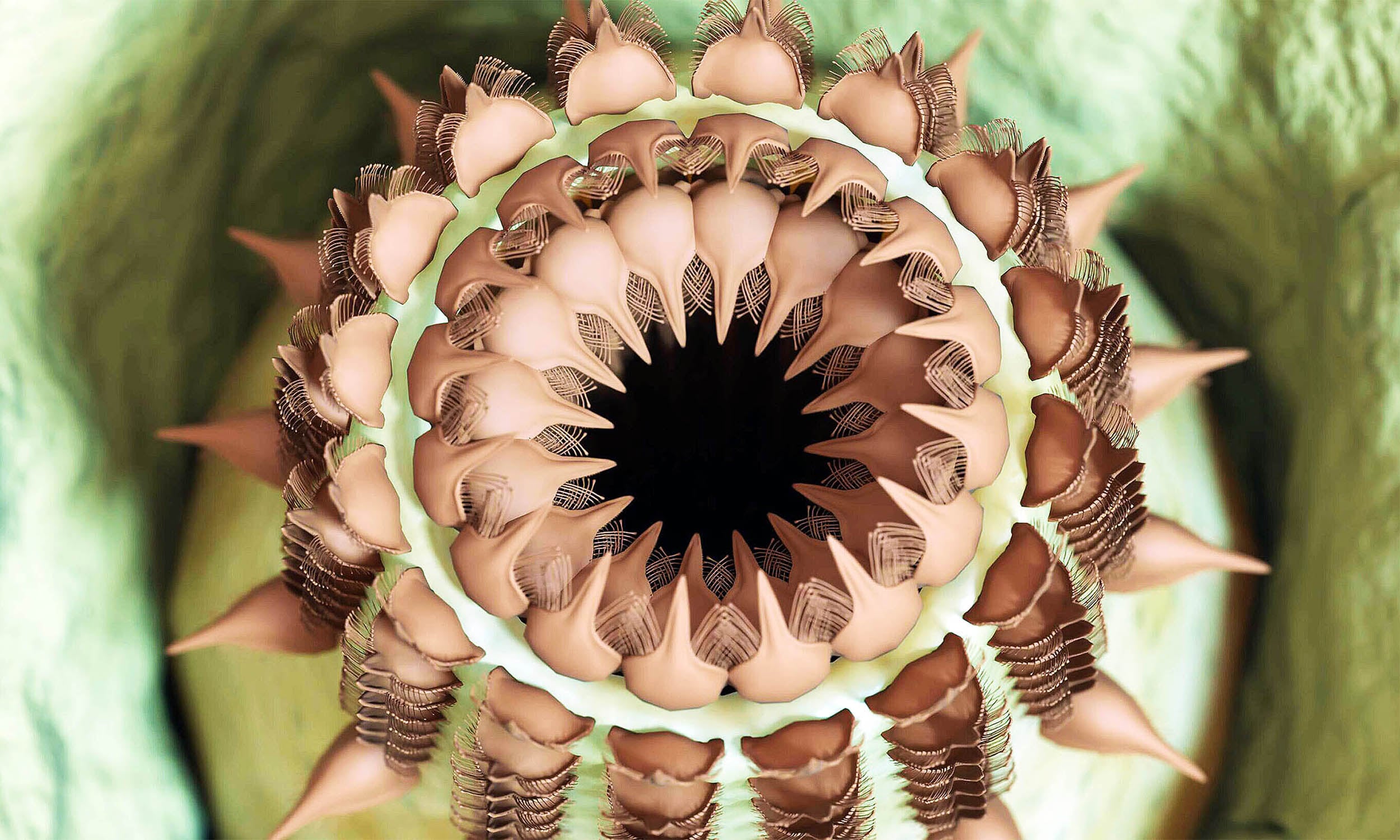
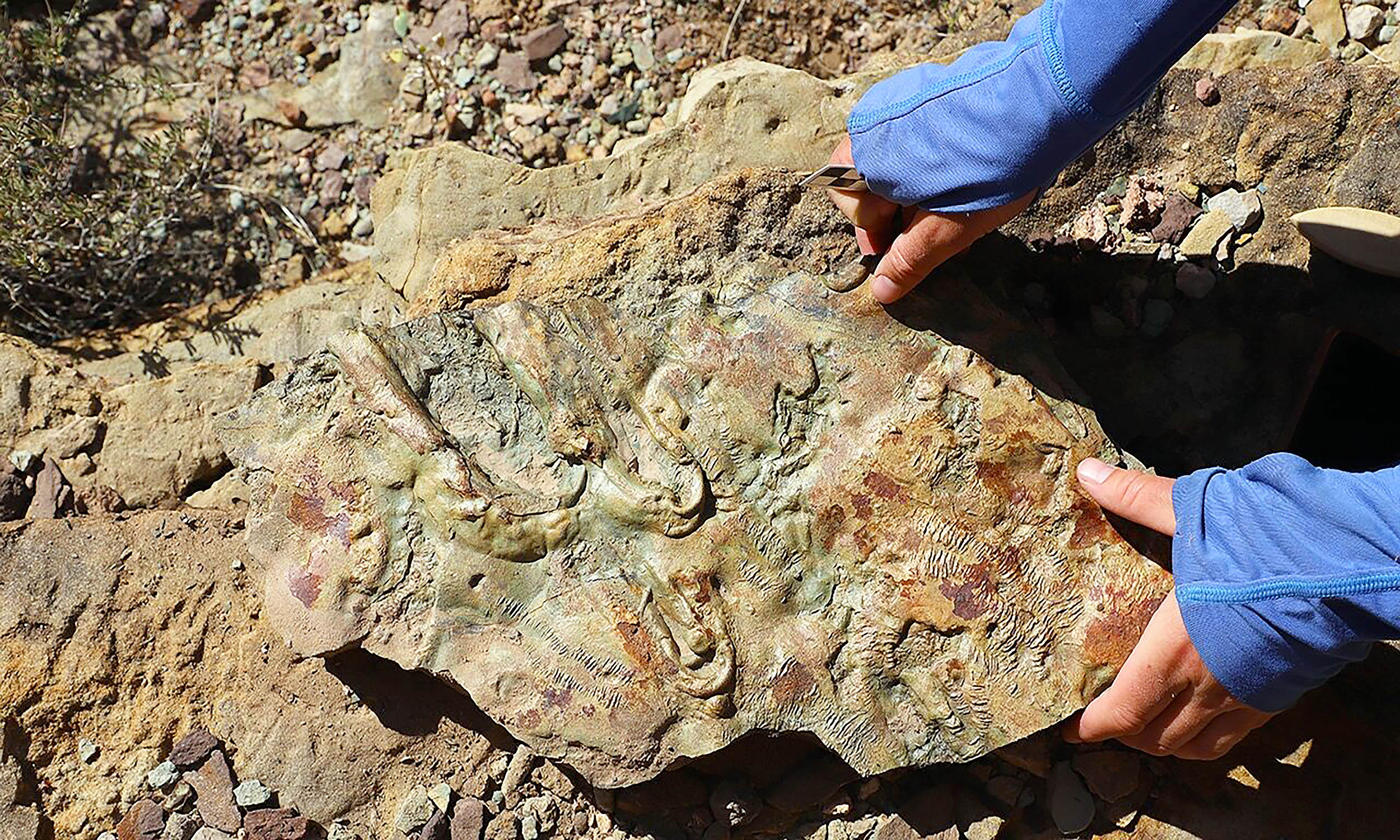
Researchers have discovered fossils of a new species of predatory worm, similar to the sandworms in "Dune," that lived 480 million years ago, 25 million years after it was believed to have become extinct. These ancient Selkirkia worms, with rows of curved spines on their heads, were common predators during the Cambrian Explosion. The fossils were found in Morocco's Fezouata Formation, shedding light on the persistence of these formidable predators during the Early Ordovician period, a dynamic era of evolutionary transition.

science2 years ago

Devastating Poisonous Gas Wave Wiped Out Half of Earth's Sea Life in First Mass Extinction

A new study suggests that a surge of hydrogen sulfide gas may have played a significant role in the mass extinction event that occurred around 530 million years ago, wiping out 45% of all ocean animals. Previously, it was believed that low-oxygen conditions were the primary cause of the die-off. The researchers found high levels of molybdenum in sediment samples from the extinction period, indicating the presence of hydrogen sulfide in the water. The surge of this toxic gas may have been triggered by an explosion of organic matter, which led to the depletion of oxygen and the subsequent release of hydrogen sulfide. Further research is needed to determine the exact cause of the anoxic conditions and the sulfidic wave that followed.

science2 years ago

Devastating Poisonous Gas Wave Wiped Out Half of Earth's Sea Life in First Mass Extinction

A new study suggests that a surge of hydrogen sulfide gas may have played a significant role in the Earth's first mass extinction event, which occurred around 530 million years ago. Previously, it was believed that low-oxygen conditions were the primary cause of the die-off. Researchers found high levels of molybdenum in sediment samples from the extinction period, indicating the presence of hydrogen sulfide in the water. The toxic gas may have been produced by an explosion of organic matter, leading to the death of 45% of all ocean animals. Further research is needed to determine the exact cause of the anoxic conditions and the subsequent sulfidic wave.

paleontology2 years ago

Ancient Creature Unearthed with Remarkably Preserved Muscle

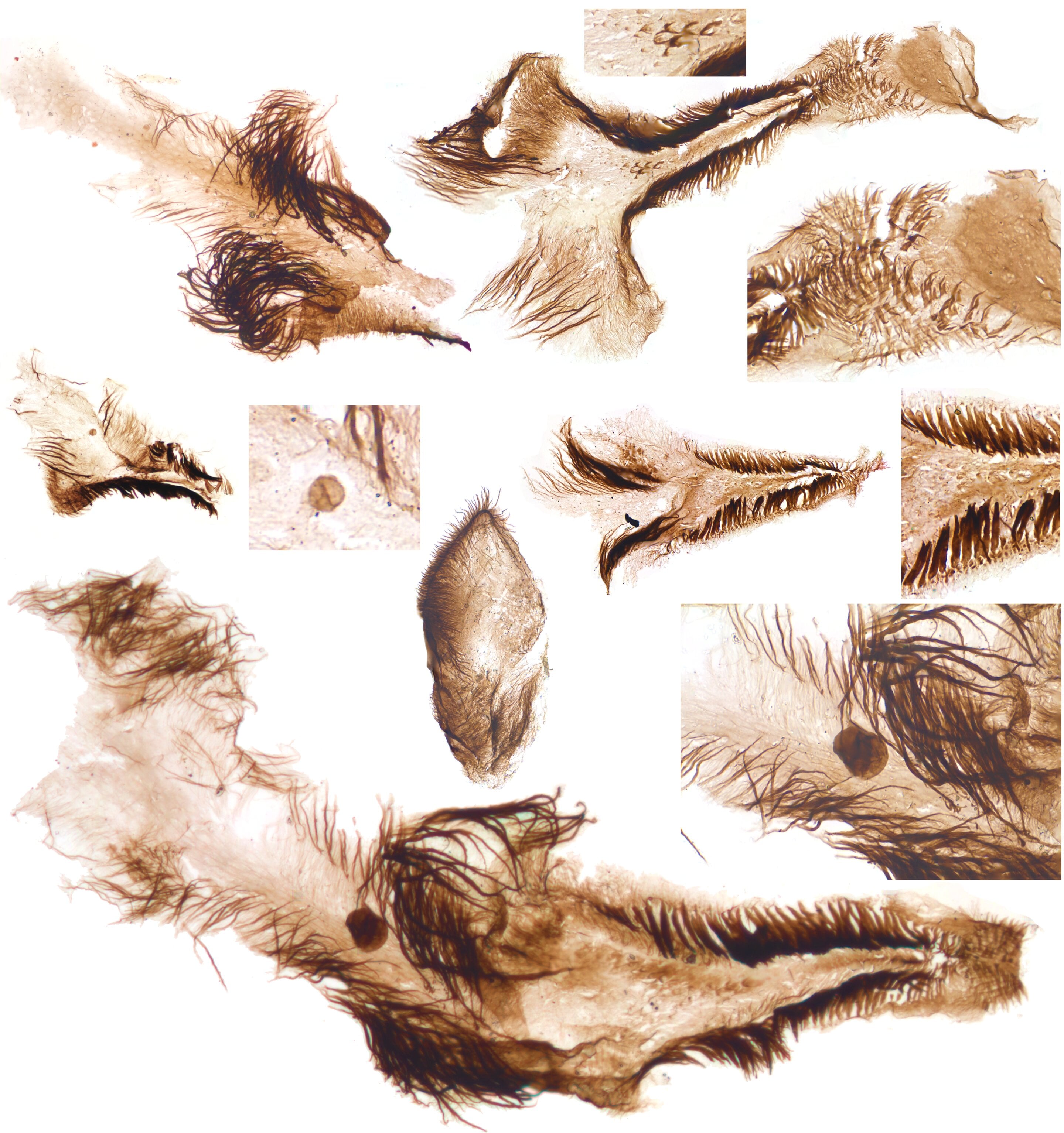
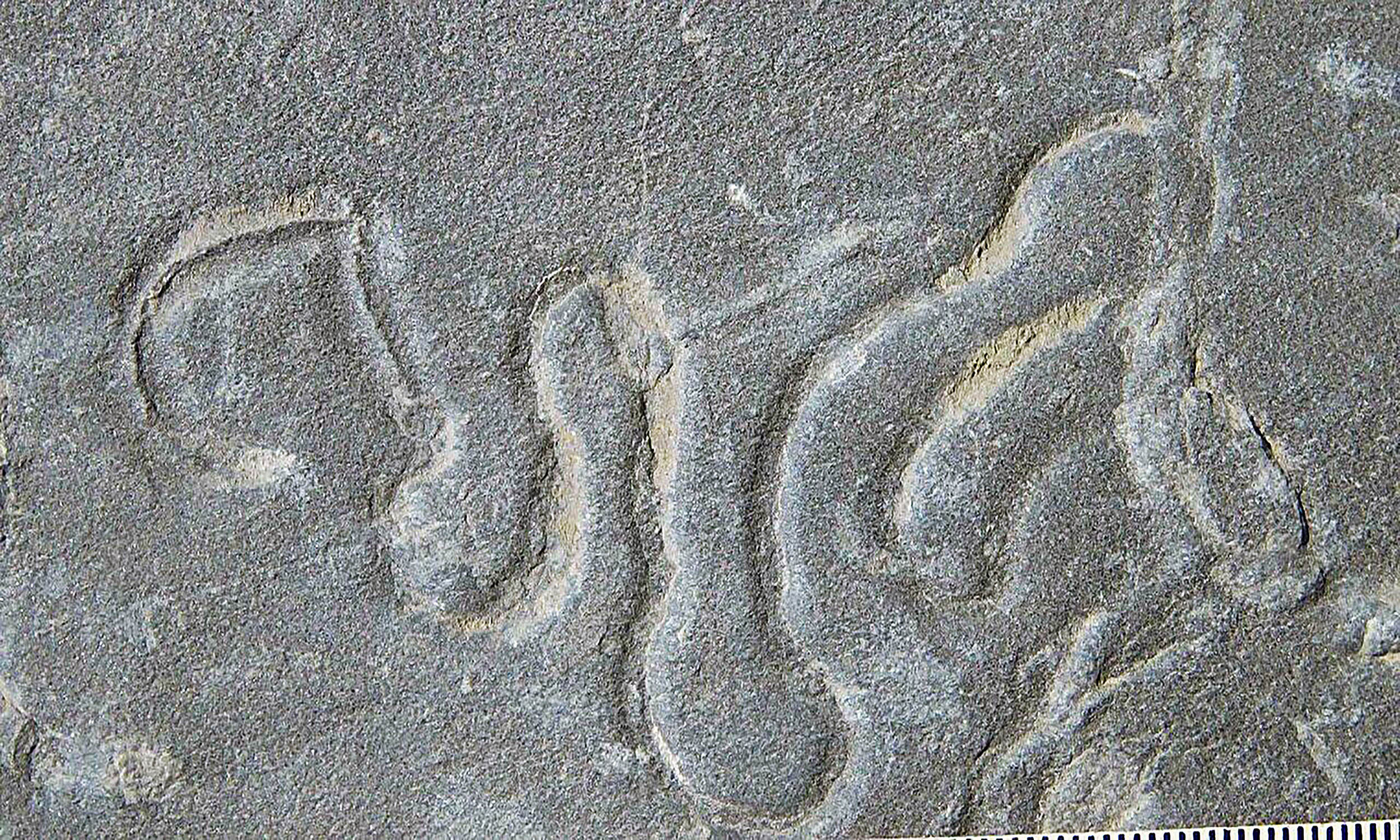
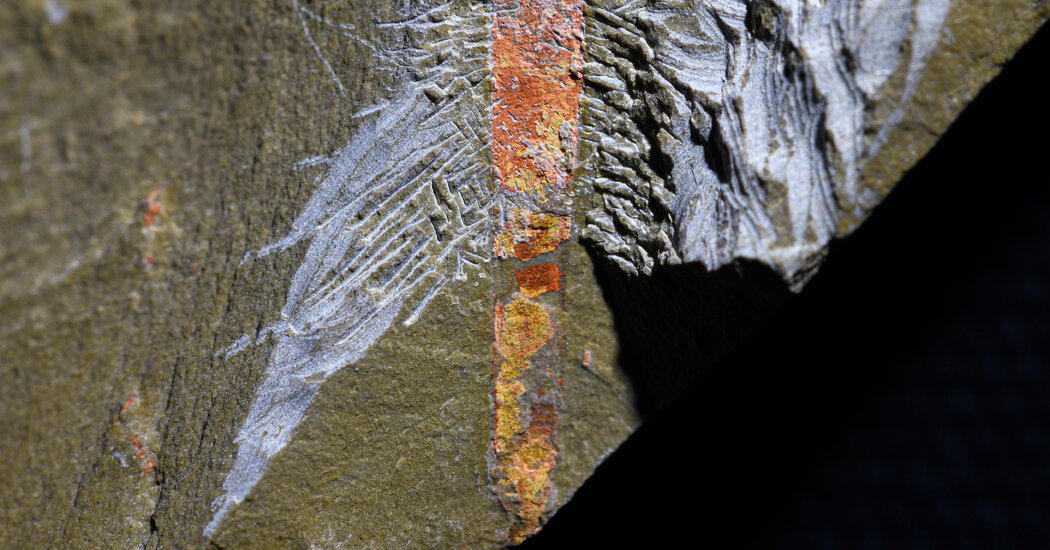
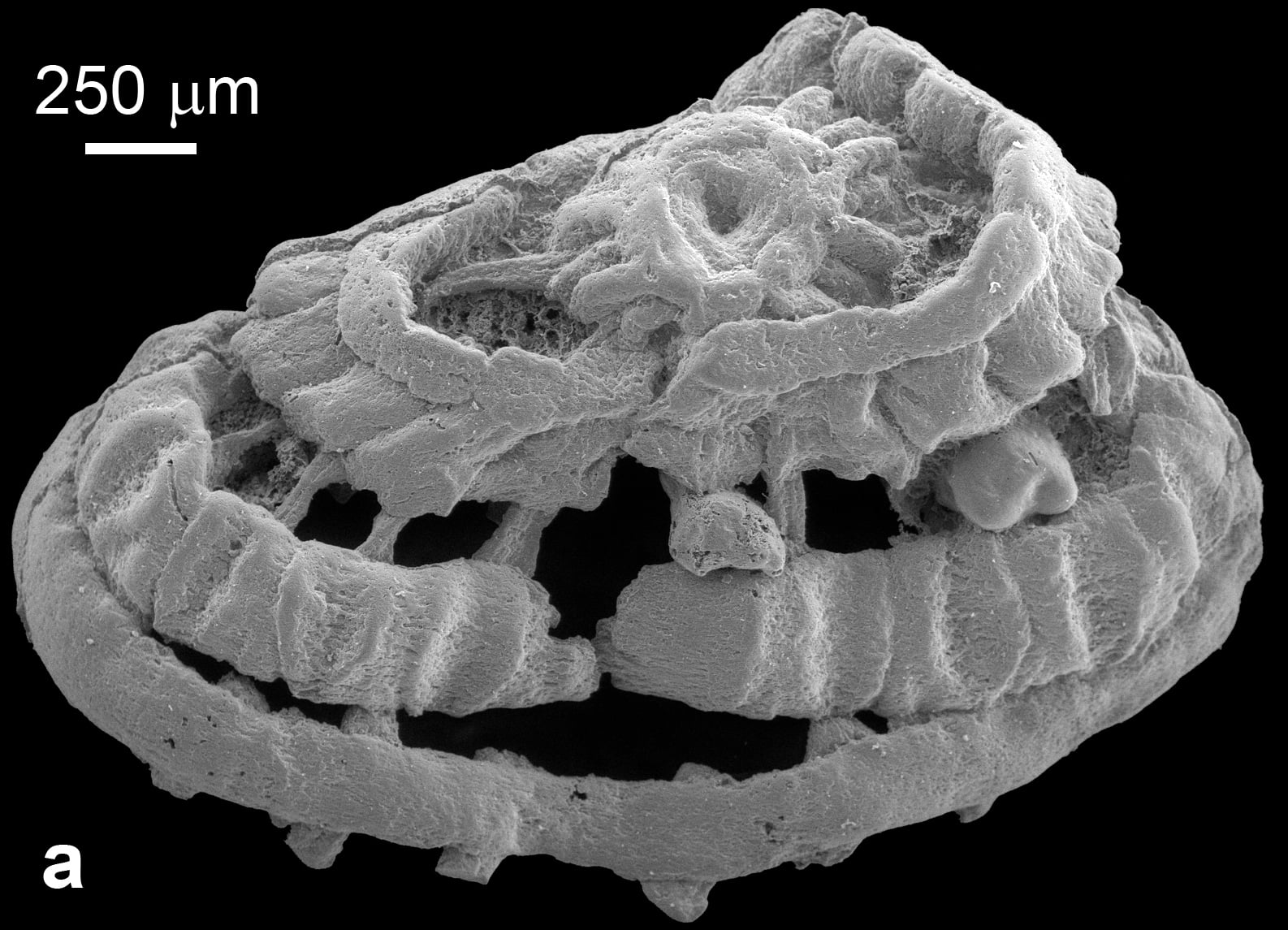
Scientists have discovered rare microfossils in China that preserve muscle tissue from a mysterious creature that lived 535 million years ago during the Cambrian explosion. The fossils, believed to belong to the cycloneuralian group, provide unprecedented insights into the musculature systems of early animals. The preserved muscle tissue is from a body part called the proboscis, suggesting that the host animals may have been at least millimeter-sized and lived on the soft sea floor or within sands. The finding is significant as muscle and nerve tissues are rarely preserved in the fossil record.

paleontology2 years ago

"Unveiling the Astonishing Secrets of a 500-Million-Year-Old Marine Invertebrate Fossil"

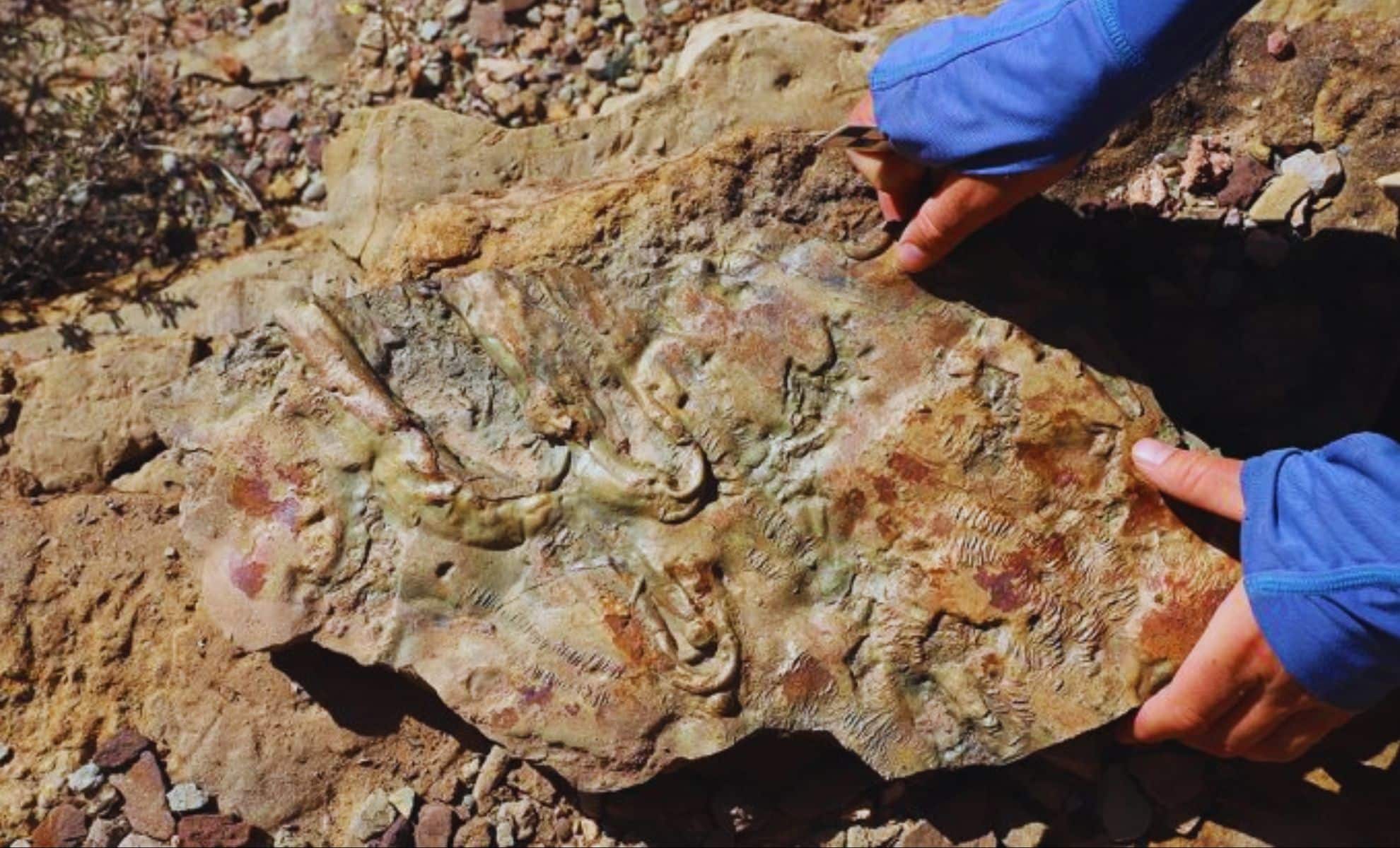
Researchers have discovered a 500-million-year-old fossil of a tunicate, a strange marine invertebrate, shedding light on the ancestral lifestyle and evolutionary origins of these creatures. The fossil, named Megasiphon thylakos, reveals that ancestral tunicates were stationary, filter-feeding adults that likely underwent metamorphosis from a tadpole-like larva. Tunicates are the closest relatives of vertebrates, making their study crucial for understanding our own evolutionary origins. M. thylakos is the oldest definitive tunicate fossil with soft tissue preservation, providing valuable insights into the anatomy and early evolutionary history of these enigmatic creatures. The discovery was made in the middle Cambrian Marjum Formation in Utah, which has the potential to reveal more secrets about ancient animal groups.