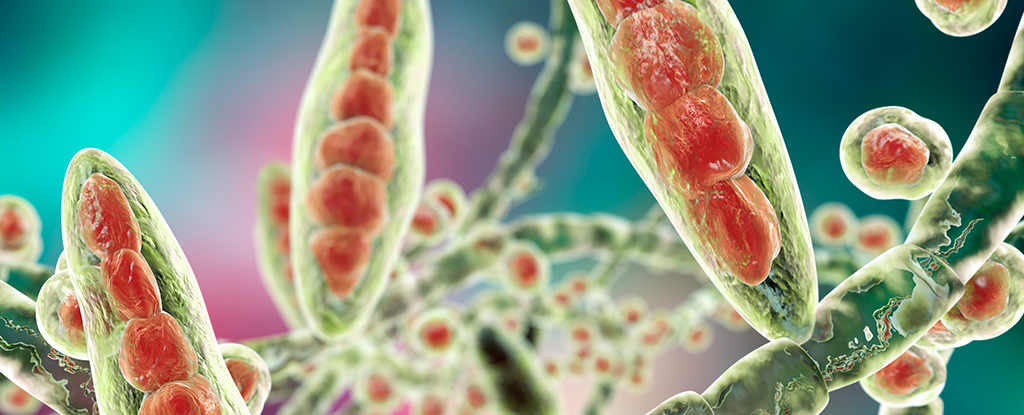
Scientists have discovered that hydrogen sulfide, a gas known for its rotten egg smell, could be a promising new treatment for stubborn nail infections due to its ability to penetrate nails and kill resistant fungi, potentially offering a faster and safer alternative to current therapies.

Scientists have discovered that compounds in cannabis, cannabidiol (CBD) and cannabidivarin (CBDV), can effectively kill a dangerous fungus, Cryptococcus neoformans, in laboratory settings and in moth larvae models, suggesting potential for topical treatments for fungal infections in humans.
Researchers at the University of Oklahoma have discovered a promising antifungal molecule called persephacin, which has shown effectiveness against a broad spectrum of infectious fungi while being reasonably non-toxic to human cells. The rise in fungal infections, particularly among individuals with weakened immune systems, has created a need for new treatments. The team developed a unique method for testing plants for their antifungal properties and obtained a U.S. patent for using persephacin to control infectious pathogens. The researchers are now seeking an industry partner to help develop this potential alternative treatment for fungal infections.
Two cases of severe ringworm in New York have failed to respond to a common antifungal treatment, raising concerns over a potentially hidden outbreak of drug-resistant dermatitis. The culprit was identified as a relatively recently discovered species known as Trichophyton indotineae, which carries protective mutations in a gene for the enzyme targeted by a first-line antifungal medication called terbinafine. Health authorities are urging clinics to keep an open mind in cases where ringworm looks particularly nasty or stubborn to treatment and to consider T. indotineae infection in patients with widespread tinea.
A fungus that usually infects plants has infected a human host, putting root-like filaments into his body. The Indian mycologist is the first reported case of the human infection of the plant fungus Chondrostereum purpureum. The worsening of global warming and other civilization activities opens Pandora's Box for newer fungal diseases. The human body has a large number of natural defense mechanisms to ward off invading fungal pathogens, but not everybody is on the same playing field. The case should motivate us to study how these fungi can jump from infecting plants to humans.