The surge in auto loan delinquencies and repossessions in the US, driven by rising car prices, higher interest rates, and economic stress on lower-income households, signals potential broader economic issues, especially within the sub-prime auto lending sector, as recent company collapses highlight increasing credit stress.
U.S. consumer confidence in household finances has dropped to its lowest in over a decade, with concerns about inflation and unemployment rising, reflecting economic uncertainty amid trade policies and fiscal issues, and indicating a challenging outlook for future economic growth.
Consumers expect higher inflation in the coming year, with expectations rising to 3.4%, especially impacting lower and middle-income households, while perceptions of job security and personal finances remain mixed amid ongoing economic uncertainties.
The June 2025 Survey of Consumer Expectations shows a slight decrease in short-term inflation expectations, improved household financial outlooks, and positive trends in employment and credit access, indicating cautious optimism among consumers despite some rising costs in commodities and housing.
A study by Allianz Life reveals that chronic inflation is causing Americans to deplete their retirement savings, accumulate more credit card debt, and reduce their contributions to savings. High inflation has led to increased prices for everyday goods, forcing nearly 42% of households to dip into their retirement savings. Low-income Americans are disproportionately affected by the rising cost of living, with many turning to credit cards to cover basic expenses. Despite concerns about the future trajectory of inflation, experts advise delaying major purchases and avoiding new debt to prioritize saving for the future.
A study by the Federal Reserve Bank of New York examines the use of "buy now, pay later" (BNPL) payment plans by financially fragile and stable households, revealing that financially fragile households use BNPL for frequent, relatively small purchases they might have trouble affording otherwise, while financially stable households use it less frequently and emphasize avoiding interest on credit-financed purchases. The study also shows that financially fragile users make more frequent BNPL purchases of smaller amounts compared to financially stable users, and the reasons for using BNPL vary between the two groups. The findings suggest that BNPL use is particularly attractive to financially fragile households and may continue to grow, with implications for future consumer adoption.
Americans are expected to have accumulated a record amount of credit card debt in the last quarter of 2023, driven by high inflation and steep interest rates. The ongoing inflation crisis has led consumers to rely on credit cards to cover everyday expenses, with food prices up 33.7% and shelter costs up 18.7% since the start of 2021. The average credit card APR is at a record high of 20.74%, making it challenging for individuals to pay off their debt. Financial experts advise exploring options such as negotiating for lower APR, utilizing balance transfer cards, and reassessing budgets to tackle debt effectively.
Despite a surprise uptick in the UK's inflation rate to 4% in December, expectations for interest rate cuts later this year remain due to predictions of energy bill reductions in 2024. The Bank of England's current rate stands at 5.25%, a 15-year high, leading to higher mortgage rates but also increased returns on savings. Economists anticipate a potential rate cut in May or June as inflation is expected to fall below the Bank's 2% target, although uncertainties remain due to geopolitical tensions impacting supply chains and consumer prices.
The average American household net worth has exceeded $1 million by the age of 50, with wealth surging during the pandemic due to rising home values and stock ownership. Net worth increases significantly with age, reaching seven figures for fifty-somethings. However, these numbers are averages, and the median net worth for the 50-59 age range is around $300,000. Wealth accumulation is influenced by factors such as debt, home equity, compounding interest, and retirement savings, with net worth peaking in the sixties before gradually declining in the seventies.
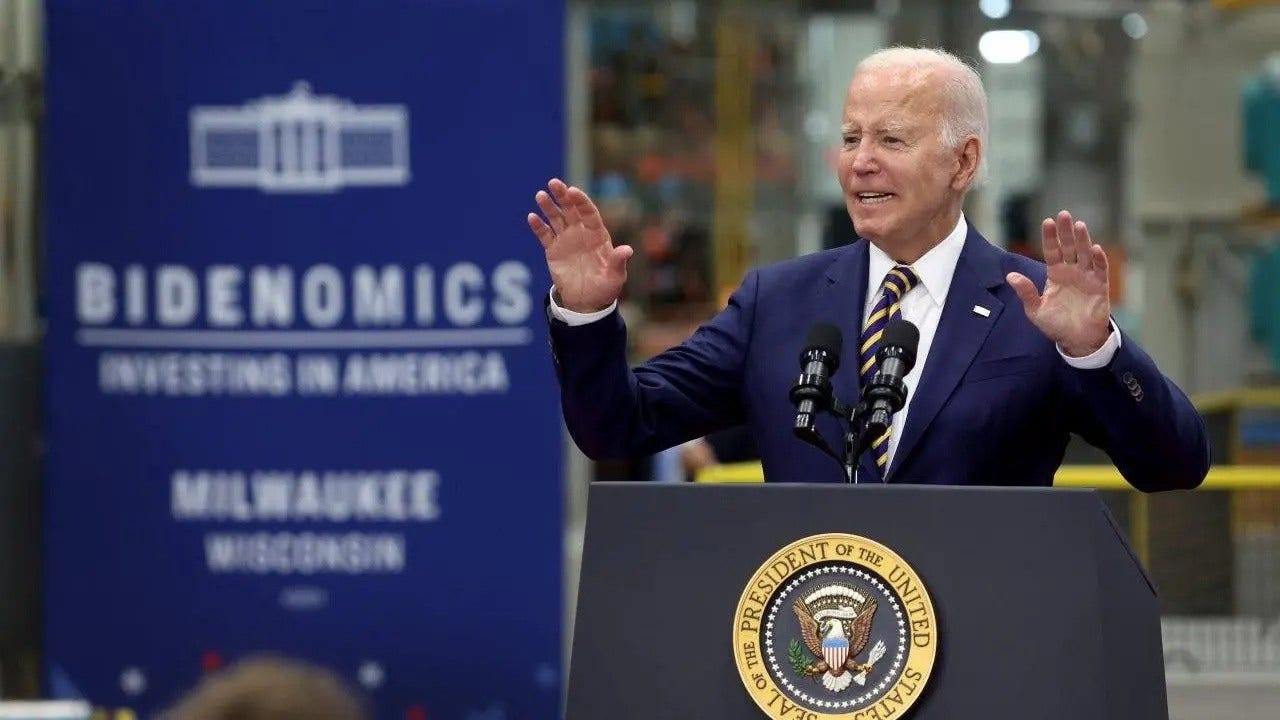
President Biden praised the December inflation report as a sign of progress in combating high prices, despite the consumer price index rising 0.3% in December and 3.4% from the previous year, with food, electricity, and rent costs spiking. While inflation has decreased from its peak, it remains well above the Federal Reserve's 2% goal and prices are up 17.6% from January 2021. High inflation has put significant financial strain on U.S. households, particularly impacting low-income Americans, with a recent survey showing growing pessimism about their financial situation under Biden.
A Bankrate report reveals that nearly half of credit card holders in the US are carrying debt from month to month, with over half of them having done so for over a year. The report also highlights that 10% of those with credit card debt do not believe they will ever be able to pay it off, while 25% expect it to take at least five years. The surge in credit card debt comes amid record-high interest rates, with the average APR hitting 20.72%. This trend is attributed to the need to cover emergency expenses and day-to-day costs, exacerbated by the current high inflation, which is disproportionately affecting low-income Americans.
The Bank of England has warned that despite household finances performing better than expected, the impact of higher borrowing costs on the economy has yet to fully materialize. The central bank's Financial Stability Report highlighted the challenging risk environment due to a sluggish domestic economy, global growth risks, inflation, and geopolitical tensions. While borrowers and the financial system have been resilient so far, the full effect of higher interest rates is yet to be felt, posing ongoing challenges to households, businesses, and governments. Household finances remain stretched by increased living costs and higher interest rates, and corporate borrowers, particularly smaller or highly leveraged firms, are likely to face pressure from higher financing costs.
The US economy is experiencing a slowdown as consumer spending cools down, with government data, retailer warnings, and local business anecdotes indicating a pullback in discretionary spending by American households after a period of splurging over the summer.
According to a survey by the Federal Reserve, the average American family's net worth increased by 37% between 2019 and 2022, the largest three-year increase on record. The survey also revealed a narrowing of the wealth gap between rich and poor. Temporary government relief measures during the pandemic may have contributed to these gains. While median family income rose by 3%, it was concentrated among higher-income individuals. Debt levels remained stable, and the share of families filing for bankruptcy decreased. Homeownership increased, but rising home values made homes less affordable for new buyers.
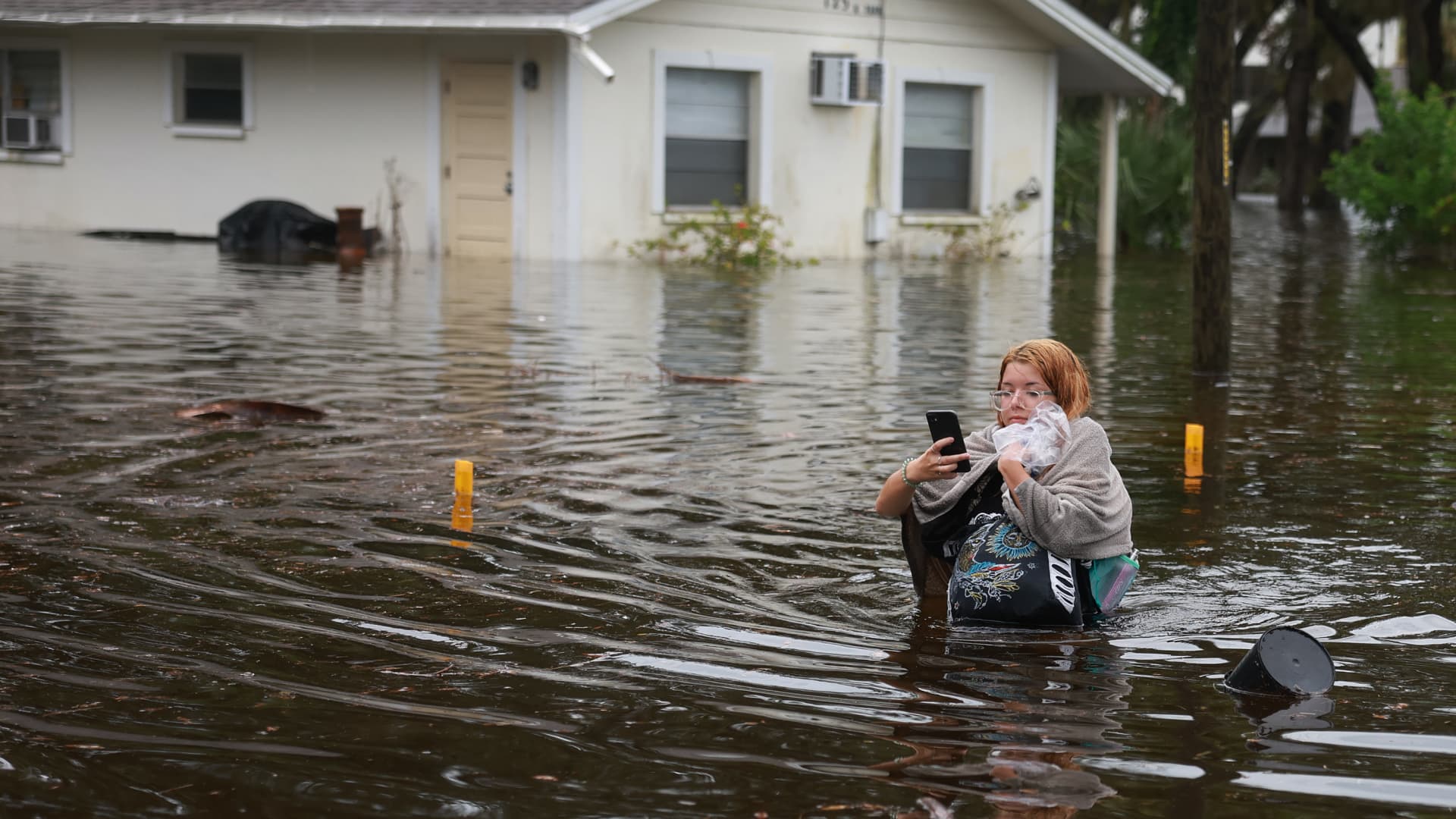
A report by the U.S. Department of the Treasury warns that climate change will impose significant financial costs on U.S. households. Between 2018 and 2022, weather and climate disasters cost over $617 billion, with 13% of Americans experiencing economic hardship due to severe weather events. The report highlights the risks of pay and benefit disruptions, property destruction, higher consumer product and energy prices, and increased medical expenses. It emphasizes that households, particularly lower-income and vulnerable ones, will bear the brunt of these costs.