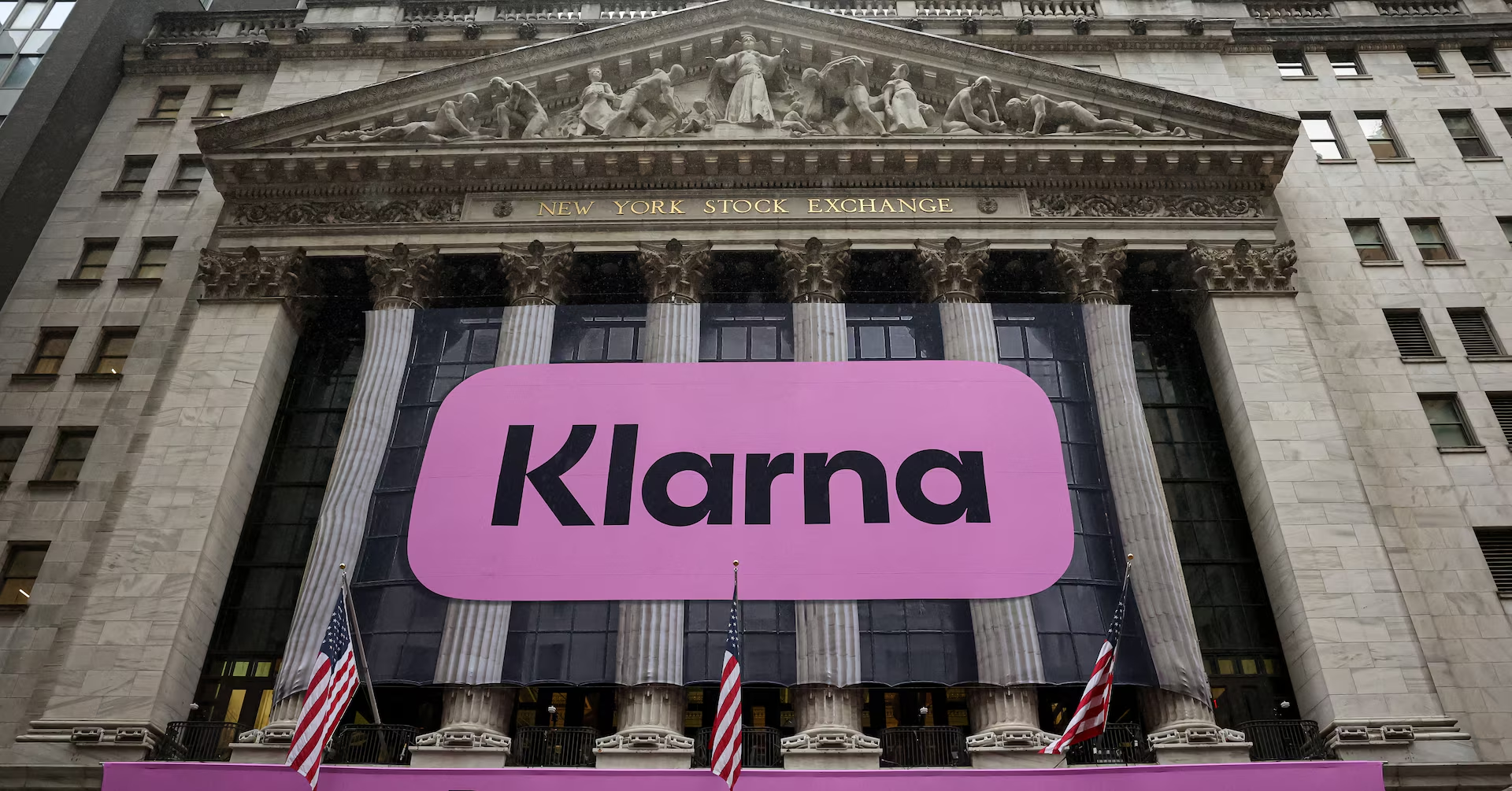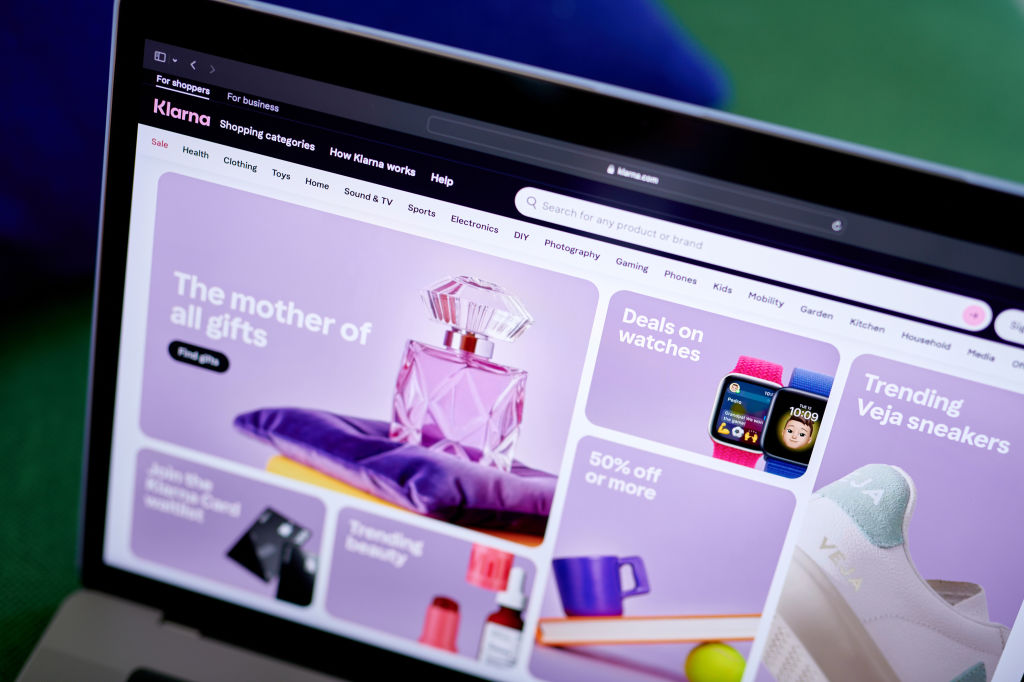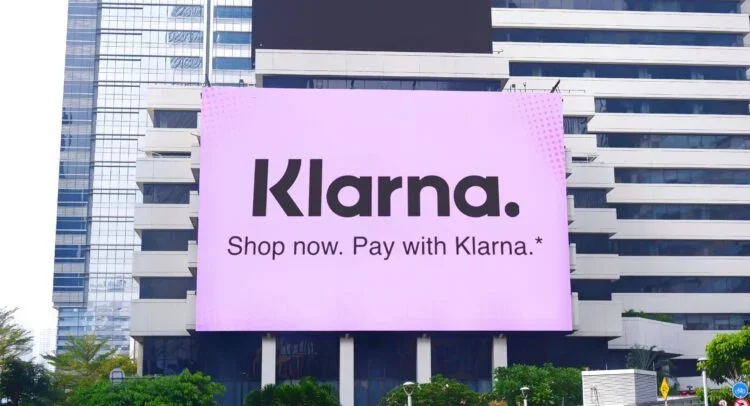
Klarna, a Swedish fintech company, debuted on the NYSE with shares jumping 30%, valuing it at nearly $20 billion, marking a significant rebound in the U.S. IPO market and highlighting the growing popularity of buy-now-pay-later services.
Affirm Holdings reported better-than-expected Q4 earnings and revenue, driven by a new debit card product and strong growth in gross merchandise volume, with optimistic guidance for 2026 despite Walmart's shift away from Affirm's BNPL services. The stock rose over 10% in extended trading, supported by positive technical ratings and expanding partnerships, including potential collaborations with Apple.
The article discusses the new partnership between Affirm and Xsolla that allows players to finance in-game purchases through interest-free installment plans, raising concerns about the potential for increased consumer debt and targeting vulnerable populations, amidst broader issues of economic instability and rising household debt.
FICO will now include buy-now-pay-later (BNPL) data in its credit scores with the launch of two new scoring models, reflecting the growing use of BNPL services and aiming to provide lenders with a more comprehensive view of consumers' repayment behaviors. While this move is seen as a modernization of credit scoring, there are concerns about the potential impact on borrowers' credit profiles due to late payments and 'phantom debt.'
FICO announced it will now include buy now, pay later (BNPL) data in its credit scores, reflecting the growing impact of BNPL services like Afterpay and Klarna on consumers' financial lives and creditworthiness, enabling lenders to better assess credit risk.
The article explores the rise of 'buy now, pay later' (BNPL) services, their appeal especially to young people and those with limited credit, and the potential risks and regulatory challenges they pose, including increased consumer debt and the erosion of traditional financial protections, all while serving as a modern extension of lifestyle subsidies that have historically shaped consumer habits.
The rise of Buy Now, Pay Later (BNPL) programs in the US is leading to increased consumer debt and financial instability, especially among younger and lower-income individuals, while regulatory oversight remains weak, exacerbating economic inequality and consumer vulnerability.
ChatGPT's new search capabilities are challenging Google's dominance, potentially impacting online businesses. Strategies to adapt include building direct audience connections, enhancing content distribution, and leveraging social media. Meanwhile, digital avatars for web conferences, the impact of Buy Now, Pay Later schemes on consumer spending, secure data deletion tools, and increased IT spending in 2025 are other key tech developments. Businesses should be aware of these trends to stay competitive and manage risks effectively.
Klarna, the Swedish buy now, pay later company, has confidentially filed for an IPO in the U.S. with the SEC, though details on share numbers and pricing are yet to be determined. The company's valuation has fluctuated, currently estimated at $14.6 billion, down from $45.6 billion in 2021. Klarna's U.S. market is its largest revenue source, and the IPO is anticipated in the first half of next year amid growing BNPL popularity and regulatory scrutiny.
Affirm, a leading 'buy now, pay later' (BNPL) company, is launching in the UK, marking its first expansion outside North America. This move comes as UK lawmakers consider new regulations to align BNPL services with traditional credit services, expected by 2026. Affirm aims to differentiate itself by not charging late fees and offering fixed interest rates. The company has seen a resurgence in its market value and is expanding its workforce in the UK, with plans to potentially extend partnerships with major brands like Amazon and Apple.
The Consumer Financial Protection Bureau (CFPB) has issued a rule classifying Buy Now, Pay Later (BNPL) services as credit card providers, requiring them to investigate disputed purchases, provide refunds, and send billing statements. This move aims to regulate BNPL services like Klarna, Afterpay, and Affirm, which have grown popular as alternatives to credit cards. While some BNPL companies claim they already meet these standards, they argue that BNPL differs fundamentally from credit cards. The new regulation seeks to address concerns about overspending and debt accumulation associated with BNPL services.
Nvidia's strong earnings and a 10-to-1 stock split highlight the company's significant role in AI, with experts noting its broad market implications. Meanwhile, the housing market shows a decline in April home sales, and BNPL stocks face regulatory pressure from the Consumer Financial Protection Bureau. Additionally, Goldman Sachs upgrades Shopify, while Citigroup downgrades Hims & Hers Health.
The "buy now, pay later" (BNPL) trend, popular among young consumers, is expanding beyond luxury items to include everyday essentials like groceries and household goods. Young borrowers, facing higher prices and financial challenges, are increasingly turning to BNPL services for managing their expenses. While some worry about the potential for risky spending, others see BNPL as a responsible option for financing essential goods.
A study by the Federal Reserve Bank of New York examines the use of "buy now, pay later" (BNPL) payment plans by financially fragile and stable households, revealing that financially fragile households use BNPL for frequent, relatively small purchases they might have trouble affording otherwise, while financially stable households use it less frequently and emphasize avoiding interest on credit-financed purchases. The study also shows that financially fragile users make more frequent BNPL purchases of smaller amounts compared to financially stable users, and the reasons for using BNPL vary between the two groups. The findings suggest that BNPL use is particularly attractive to financially fragile households and may continue to grow, with implications for future consumer adoption.
Adobe's data revealed that online holiday sales in the U.S. hit a record $222.1 billion in 2023, marking a 4.9% increase from the previous year. A significant portion of this spending was facilitated by buy now, pay later (BNPL) options, which saw a 14% increase in usage. Mobile shopping also surpassed desktop, accounting for over half of the sales, with a notable peak on Christmas Day. Retailers' strategies of discounting and flexible payment methods proved successful, especially during high-traffic periods like Cyber Monday and Black Friday.