President Trump has proposed capping credit card interest rates at 10% for one year, a move supported by some lawmakers but opposed by credit card issuers and financial groups, citing potential reductions in credit availability and economic impact amid rising credit card debt levels.
The article explains how using a personal loan for debt consolidation can provide predictability and potentially lower interest costs compared to credit cards, emphasizing the importance of understanding your debt, checking loan rates, comparing options, and establishing good repayment habits to improve financial stability.
The article offers practical last-minute strategies to pay off credit card debt before the new year, including redeeming points, using cashback extensions, selling items online, monetizing skills, and utilizing holiday bonuses, primarily effective for smaller balances.
Being in credit card debt is often misunderstood; it doesn't necessarily mean poor money management. Common myths include the idea that debt is a sign of financial failure, that all debt should be avoided, and that getting out of debt is impossible. In reality, debt can be a useful tool, especially when used strategically and with proper planning, such as building an emergency fund and creating a repayment plan. Understanding how debt works and managing it wisely can lead to financial stability and even debt elimination.
The article discusses the rising credit card debt in the U.S. and introduces a newsletter series by Life Kit that offers tips and strategies to help individuals create effective debt repayment plans, save money, and improve their financial health.
The article highlights five common money mistakes that can delay retirement, including lifestyle creep, neglecting small expenses, carrying credit card debt, not having an emergency fund, and impulsive spending of windfalls. It offers practical strategies to avoid these pitfalls and improve long-term financial security.
Americans are accumulating a record $1.18 trillion in credit card debt, with New Jersey, Maryland, Connecticut, Massachusetts, California, and Florida having the highest average balances, driven by inflation and elevated interest rates. While some states see slight declines, most are experiencing increases, with Georgia showing the fastest growth, highlighting ongoing financial strain on consumers.
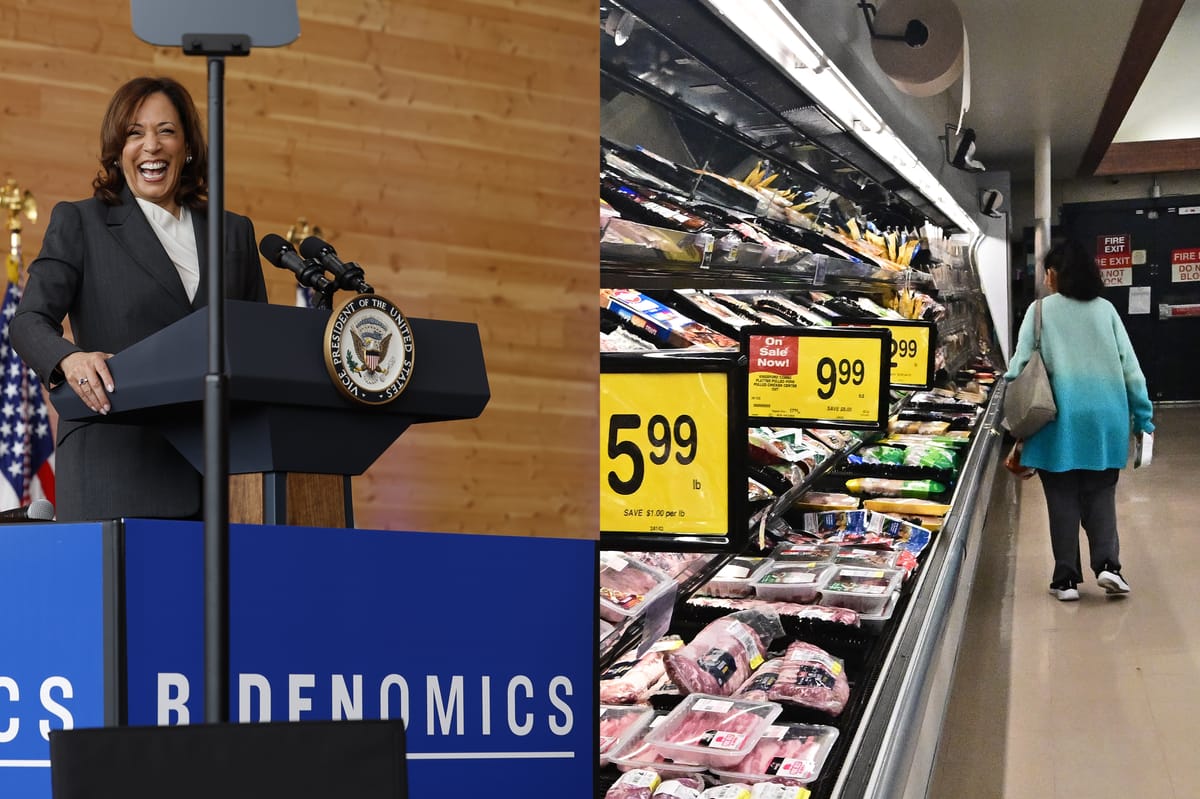
Under President Biden, inflation has surged to 19.5%, significantly impacting Americans' finances. The Federal Reserve's money printing to fund increased federal spending has devalued the dollar, leading to higher prices and reduced real wages. Many Americans now rely on second jobs to cover essential expenses, and credit card debt has reached record highs. Housing affordability has plummeted due to rising home prices and mortgage rates. Despite some signs of improvement, inflation remains a major concern, with persistent high prices affecting everyday living costs.
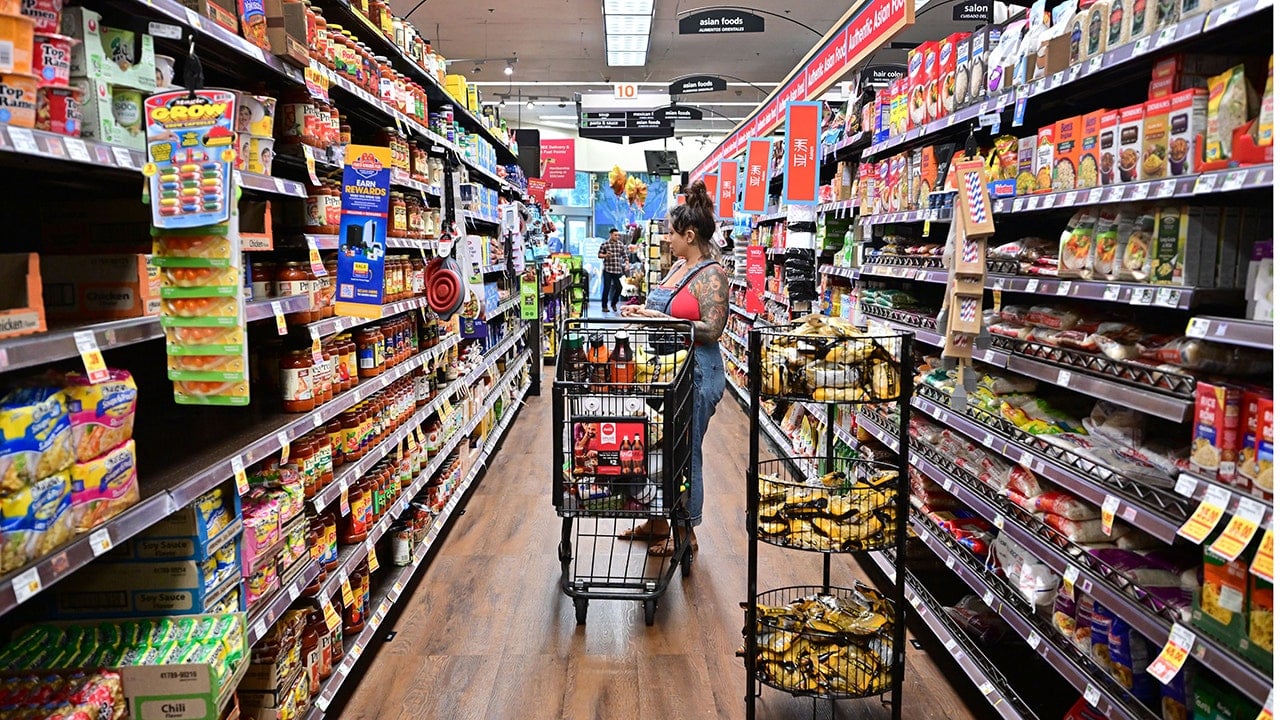
Americans are feeling the impact of high inflation, with grocery prices surging 21% in the last three years, surpassing the overall 18% pace of inflation during the same period. The typical U.S. household needed to pay $227 more a month in March to purchase the same goods and services as one year ago, and on average $1,069 more compared with three years ago. Inflation has created severe financial pressures for most U.S. households, disproportionately affecting low-income Americans, who are increasingly turning to credit cards to cover basic expenses as they burn through their savings.
Research suggests that consumers tend to spend about 10% more on average when using mobile contactless payment methods compared to traditional methods, due to the convenience and ease of use. This trend is attributed to the swift transaction process and the absence of the need to carry physical cards or a wallet. While mobile payment apps offer convenience and improved security, consumers should be aware of the potential for increased impulsive expenditures and manage their financial resources accordingly.
Spring is the perfect time to revisit financial resolutions, clean up financial paperwork, start a 2024 tax folder, review withholding, talk to a tax preparer, max out retirement plan contributions, name beneficiaries, review and update estate plans, book 2025 vacations, review investment portfolios, consider high-yield savings, and check credit card interest rates to ensure financial health and preparedness.
A new survey from Bankrate.com reveals that half of Americans who applied for loans in the past two years were turned down, as banks have been tightening lending rules in response to the Federal Reserve's efforts to combat inflation by raising interest rates. The survey, covering 2,483 adults, found that unsuccessful borrowers most often faced denials for new credit cards or credit-limit increases, with banks continuing to tighten credit standards in 2024. This tightening of credit comes at a time when many Americans are relying on borrowed funds to cover day-to-day expenses, leading to a surge in credit card debt and making it harder for those with weaker credit to access new credit. While borrowing money may become slightly easier in 2024 as the economy improves, it ultimately depends on broader economic conditions and the potential for a recession.
A Bankrate survey reveals that one in three Americans have more credit card debt than savings in 2023 and 2024, with Generation X having the highest average credit card debt of $8,134. The average American household owes $7,951 in credit card debt, and credit card balances increased by about $50 billion in the fourth quarter of 2023. Despite a strong job market, Americans are struggling to keep up with credit card payments, with credit card and auto loan delinquencies rising above pre-pandemic levels, signaling increased financial stress, especially among younger and lower-income households.
A 24-year-old astrologer named Racso lost $440,000 day trading cryptocurrencies and now relies on credit card debt to fund his lifestyle, while refusing to seek regular employment. Personal finance YouTuber Caleb Hammer expressed frustration with Racso's situation, criticizing his excessive leverage and reliance on astrology for trading decisions. Racso's debt includes high credit card balances and an auto loan, with no current income to support them. While his situation seems dire, it could potentially be salvaged with a robust source of income, tighter budgets, and addressing his credit card addiction.
A 20-year-old model, Paris, admits to overspending, maxing out credit cards at 30.49% interest for beauty pageants, and believing groceries are a "scam." Personal finance YouTuber Caleb Hammer advises her to pay off her credit cards, cook at home, increase income, and build an emergency fund to improve her financial habits. Gen Z's credit-fueled spending is a growing concern, with Paris's habits risking her financial future.