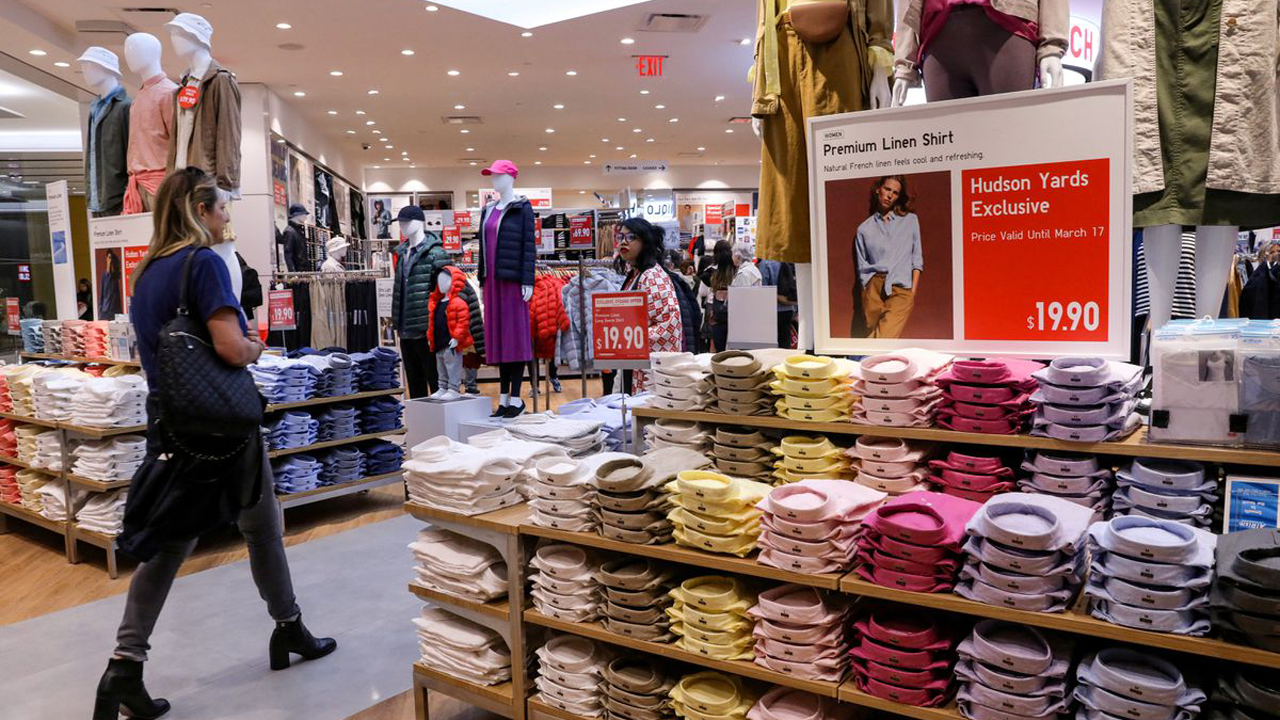
Adobe predicts a 520% increase in AI-assisted online shopping during the 2025 U.S. holiday season, with total online sales reaching $253.4 billion, driven by mobile shopping, discounts, AI services, and buy now pay later options, alongside record growth in social media-driven sales and key categories like electronics and apparel.

Klarna, a Swedish fintech company co-founded by Sebastian Siemiatkowski, went public in 2025, achieving a $16 billion valuation. Siemiatkowski's journey from working at Burger King and living on food stamps to leading a billion-dollar company highlights his resilience and entrepreneurial spirit, shaped by diverse jobs and life challenges.
Klarna's recent IPO has shown typical post-launch volatility, with the stock trading above its IPO price but not at its peak, emphasizing the importance of patience for investors as the stock stabilizes and forms a base. The article highlights the growth of BNPL loans, their regulatory scrutiny, and the typical pattern of IPO stock movements, advising against buying on day one due to potential wild fluctuations.
Klarna's shares rose over 14% on its first day of trading, marking a positive sign for the revival of IPOs and indicating renewed investor confidence in new companies, with the company now valued at over $17 billion.
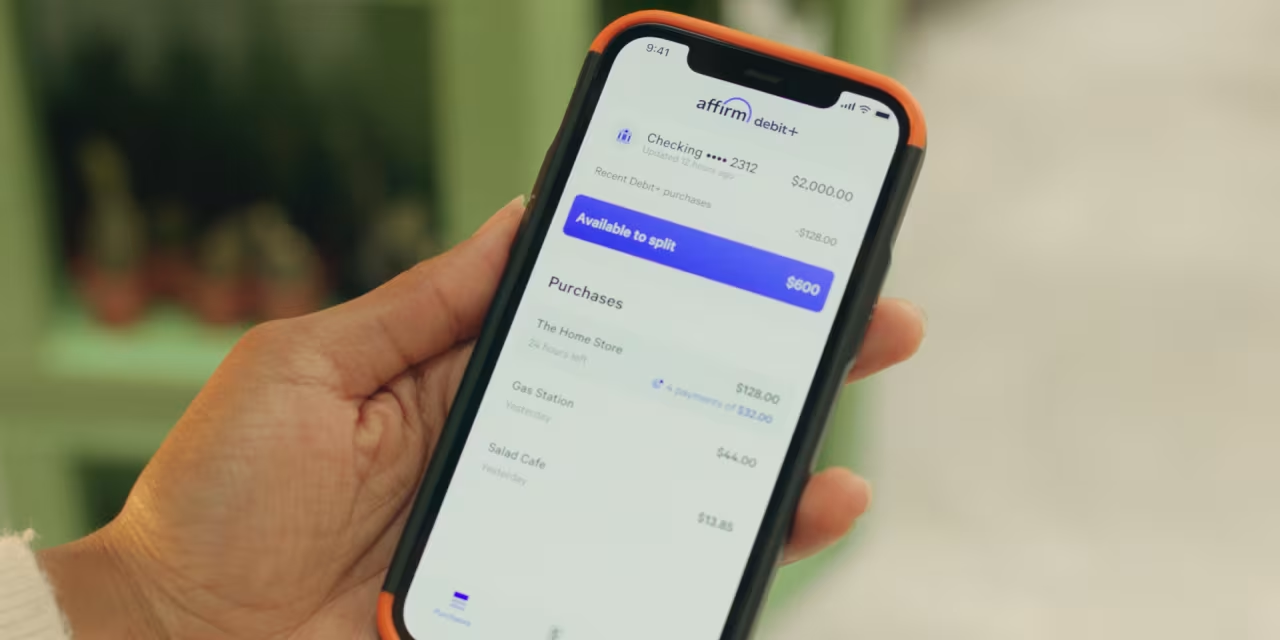
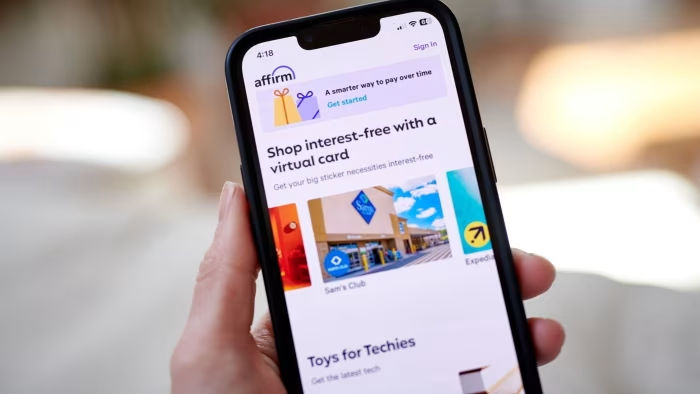
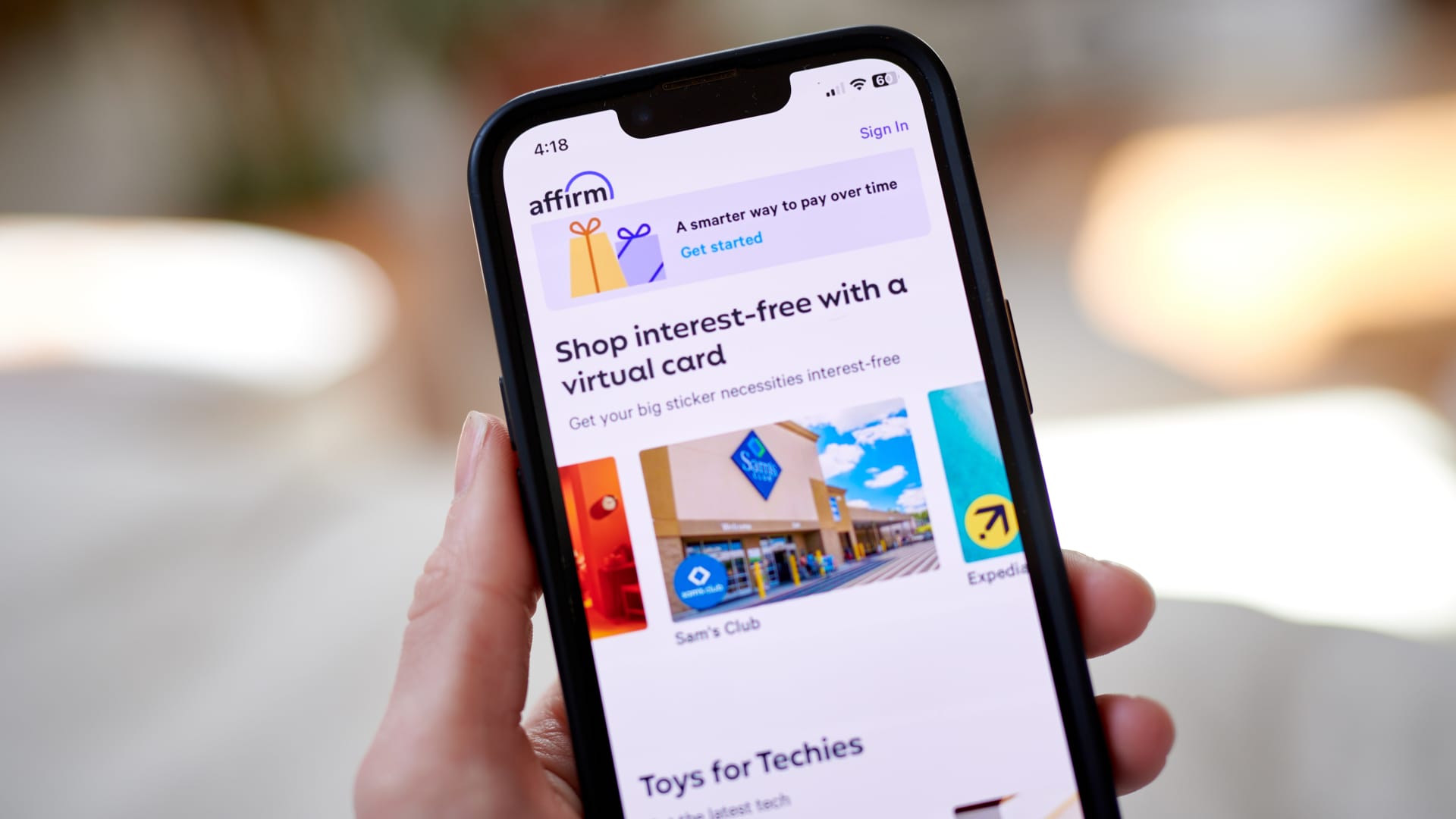
Affirm Holdings' stock surged 13% after reporting strong fiscal fourth-quarter results, including a 33% revenue increase to $876 million, a profit turnaround, and record GMV of $10.4 billion. The company expects continued growth and profitability, with positive analyst ratings and a bullish outlook despite recent challenges like Walmart separation. Shares have gained 31% this year, driven by solid earnings and optimistic guidance.
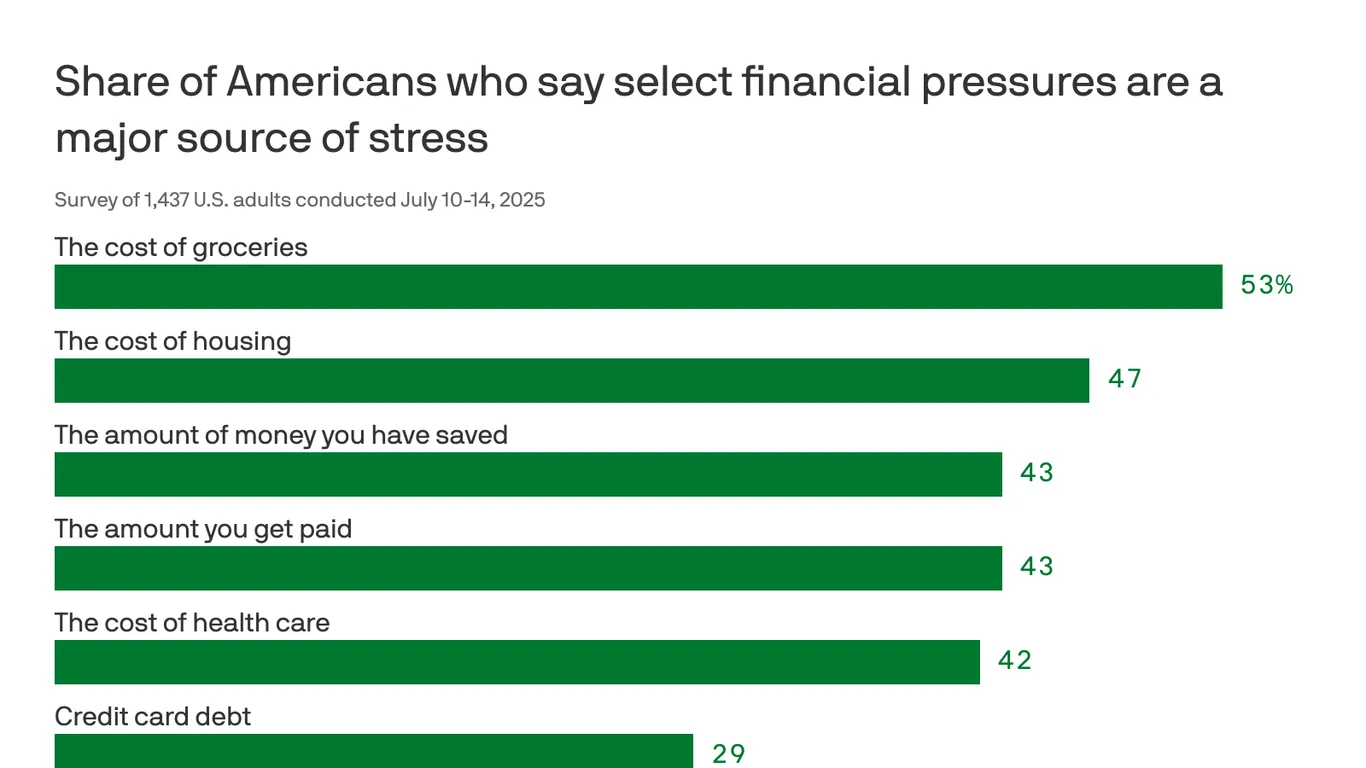
More than half of Americans are stressed about grocery costs, surpassing concerns about credit card debt or healthcare, with food prices rising due to supply chain issues, inflation, and climate change, despite political promises to lower prices.
Buy now, pay later services are rapidly expanding, allowing consumers to purchase items like burritos, concert tickets, and cosmetic procedures on credit, reflecting a significant shift in consumer financing and behavior.
FICO is launching a new credit scoring model that will incorporate Buy Now, Pay Later loans, potentially affecting the credit scores of millions of Americans by providing a more accurate assessment of their creditworthiness, especially for younger and less established borrowers. However, adoption may be slow due to inconsistent data sharing among BNPL providers and credit bureaus, and concerns remain about the impact on vulnerable communities.
FICO will now include buy-now-pay-later (BNPL) data in its credit scores with the launch of two new scoring models, reflecting the growing use of BNPL services and aiming to provide lenders with a more comprehensive view of consumers' repayment behaviors. While this move is seen as a modernization of credit scoring, there are concerns about the potential impact on borrowers' credit profiles due to late payments and 'phantom debt.'
FICO announced it will now include buy now, pay later (BNPL) data in its credit scores, reflecting the growing impact of BNPL services like Afterpay and Klarna on consumers' financial lives and creditworthiness, enabling lenders to better assess credit risk.
The article explores the rise of 'buy now, pay later' (BNPL) services, their appeal especially to young people and those with limited credit, and the potential risks and regulatory challenges they pose, including increased consumer debt and the erosion of traditional financial protections, all while serving as a modern extension of lifestyle subsidies that have historically shaped consumer habits.
The increasing use of 'buy now, pay later' loans for groceries indicates changing consumer habits and may reflect rising financial stress and inflation, as families like Tia Hodge's use short-term credit options to manage higher food costs.
Private investment group Sixth Street is investing $4 billion in a vehicle to purchase loans from US fintech Affirm, enabling Affirm to issue up to $20 billion in new consumer loans over the next three years. This partnership reflects a growing trend where private credit funds collaborate with consumer credit providers to offload debt and free up lending capacity. The deal is part of a broader industry movement, with firms like SoFi and Klarna also engaging in similar agreements to manage risk and expand lending capabilities amid economic challenges.
Affirm Holdings has secured a $4 billion loan deal with private credit firm Sixth Street, marking its largest-ever capital commitment. This partnership will allow Affirm to underwrite short-term installment loans, with the potential to extend over $20 billion in loans over three years. The deal highlights the growing trend of fintech companies partnering with private credit firms for scalable financing solutions. Affirm's funding capacity has grown significantly, and the company continues to expand its buy now, pay later offerings amid increasing demand.
Affirm Holdings reported a smaller-than-expected loss of 31 cents per share for its fiscal first quarter, beating Wall Street expectations. Revenue rose 41% to $698 million, surpassing estimates, while gross merchandise volume increased 35% to $7.6 billion. Despite the positive earnings, Affirm's stock dipped slightly as its guidance for the upcoming holiday season was only slightly above expectations. The company anticipates fiscal Q2 revenue of $790 million and gross merchandise volume of $9.55 billion. Affirm is expanding its financial services and expects profitability by fiscal Q4 2025.