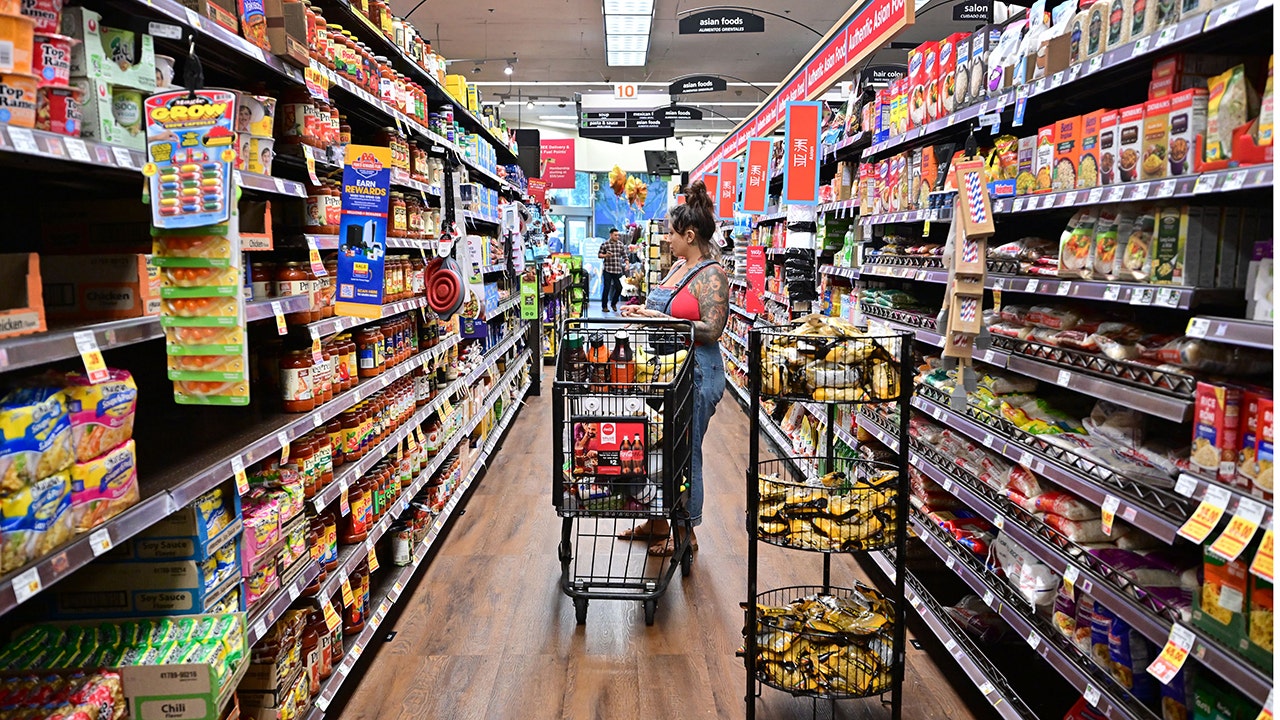
The September 2025 Survey of Consumer Expectations indicates rising short- and long-term inflation expectations, deteriorating labor market outlooks with increased unemployment and job loss fears, and mixed household financial sentiments, reflecting cautious consumer outlooks amid economic uncertainties.
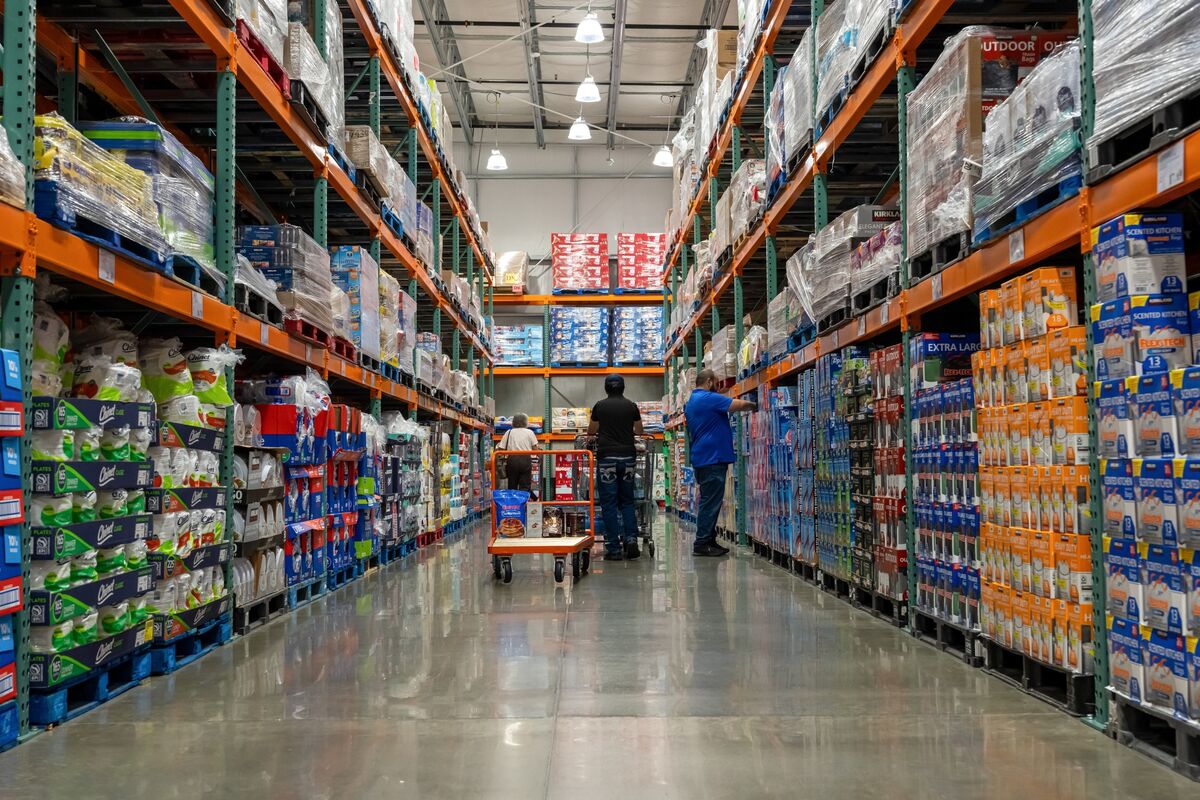
Consumers expect higher inflation in the coming year, with expectations rising to 3.4%, especially impacting lower and middle-income households, while perceptions of job security and personal finances remain mixed amid ongoing economic uncertainties.
The August 2025 survey from the Federal Reserve Bank of New York shows a slight increase in short-term inflation expectations, worsening job and unemployment outlooks, and a decline in job finding prospects, while household income growth remains stable and credit perceptions fluctuate.
The May 2025 Survey of Consumer Expectations shows a decline in inflation expectations across all time horizons, slight improvements in labor market optimism, and mixed signals in household financial outlooks, indicating cautious optimism about the economic outlook.
Consumers are becoming increasingly frustrated as inflation expectations rise, with the latest University of Michigan survey showing an anticipated inflation rate of 3.1% in the next year. This comes after a period of declining expectations, signaling a potential stall in the inflation slowdown. The Federal Reserve has emphasized the importance of public perception in managing inflation, with Chair Jerome Powell highlighting the significance of maintaining expectations at the 2% target. While economists don't view the current inflation expectations as a serious concern for the Fed, the rise in expectations could raise some eyebrows.
The Federal Reserve Bank of New York reported a deterioration in the public's expectations for longer-term inflation in February, with respondents projecting a rise in inflation rates three and five years from now. This development may concern Federal Reserve officials as they prepare for their upcoming meeting, despite their expectation to hold rates steady. While some recent inflation data has been stronger than expected, survey respondents also projected ebbing price rises for medical care and college, steady food price gains, and declining rent price increases. Additionally, respondents held steady on their expectations for future income and earnings growth but were more pessimistic about job market prospects and credit access.
The latest New York Fed survey reveals that Americans expect high inflation to persist, with median expectations projecting a 3% inflation rate one year from now and 2.7% three years from now. This indicates that sticky inflation could be a long-term concern. The survey also shows growing concerns about the labor market and household finances, with increased worries about job loss and decreased optimism about credit access. Fed Chair Jerome Powell emphasized the commitment to bringing inflation back to the 2% target before considering interest rate adjustments.
The Federal Reserve Bank of New York's January 2024 Survey of Consumer Expectations reveals improved perceptions and expectations of financial conditions and credit availability among households, with unchanged inflation expectations, mixed labor market expectations, and increased optimism about future credit access. Median expected household income growth and perceptions of credit access have increased, while the mean perceived probability of job loss has decreased. The survey also indicates improved perceptions about households' current financial situations and expectations for the future.
The December 2023 Survey of Consumer Expectations by the Federal Reserve Bank of New York reveals a decline in inflation expectations across short-, medium-, and longer-term horizons, reaching the lowest level recorded since January 2021 at the short-term horizon. Earnings and spending growth expectations also decreased, while perceptions of credit access and households' financial situations improved slightly. The survey provides insights into Americans' views on job prospects, earnings growth, spending, and access to credit, and includes measures of uncertainty regarding consumers' outlooks.
The New York Federal Reserve's Survey of Consumer Expectations shows that Americans' median expectation for inflation has dropped to 3%, the lowest level in three years, indicating increased optimism. However, expectations for longer-term inflation remain above the Fed's 2% target, suggesting persistent inflation. The survey also reveals expectations for the cost of food and rent to decrease, while the cost of college education is anticipated to rise. Fed policymakers are closely monitoring consumer expectations as they play a critical role in shaping actual inflation. Chairman Jerome Powell has reiterated the Fed's commitment to reining in inflation, with officials considering a pivot to rate cuts in 2024 as signs of a cooling economy emerge.
Americans' inflation expectations have fallen to the lowest level in two years, according to a survey by the Federal Reserve Bank of New York. The median expectation is that inflation will be up 3.4% one year from now, down from a high of 7.1% recorded in June 2022. However, consumers anticipate that it will take longer for price growth to slow in the longer term, projecting inflation to hover around 3% three years from now and at 2.7% five years from now. This indicates that sticky inflation could persist, remaining above the Federal Reserve's 2% target. The survey plays a critical role in determining how Fed policymakers respond to the inflation crisis, as actual inflation depends, in part, on consumer expectations.
American consumers are increasingly concerned about their ability to access credit, with nearly 60% of respondents indicating that it is harder now than a year ago, according to a New York Federal Reserve survey. This comes as interest rates have risen and banks have tightened lending standards. The survey also revealed mixed expectations for inflation, with respondents anticipating higher prices for gas, medical care, food, college education, and rent. Additionally, worries about job security have increased, despite a relatively low unemployment rate.
Ford CEO Jim Farley experienced the lengthy charging time of electric vehicles (EVs) firsthand while driving his Ford F-150 Lightning on a road trip across California. Charging at a Level 2 charger, he spent 40 minutes to reach only a 40% charge, highlighting the challenge of EV charging compared to filling up a tank. This comes as Ford invests $50 billion into its EV product line, with significant support from taxpayers. Energy watchdog Robert Bryce criticized Farley's experience, calling it a "reality check" and questioning the company's plan to increase EV production. While some Lightning owners are satisfied, others note limitations such as long charge times and the need for a more extensive charging infrastructure for cross-country trips.
Americans' inflation expectations have dropped to the lowest level in two years, according to a survey by the Federal Reserve Bank of New York. The median expectation is that inflation will be up 3.5% one year from now, down from a high of 7.1% in June 2022. Consumers also anticipate that inflation will continue to decline in the coming years, estimating it to be around 2.9% three years from now and five years from now. However, these expectations still exceed the Federal Reserve's 2% target, suggesting that sticky inflation may persist. The survey plays a crucial role in shaping the Fed's response to inflation, as actual inflation depends on consumer expectations.
Recent surveys indicate that while consumers expect inflation to remain high in the coming months, they anticipate a decline in the years ahead, bringing levels closer to pre-pandemic levels. This is likely to be welcomed by the Federal Reserve, which has a 2% inflation target.