Tag

Glaciation

All articles tagged with #glaciation

science1 year ago

Colorado Sandstones Reveal Earth's Ancient Ice Age

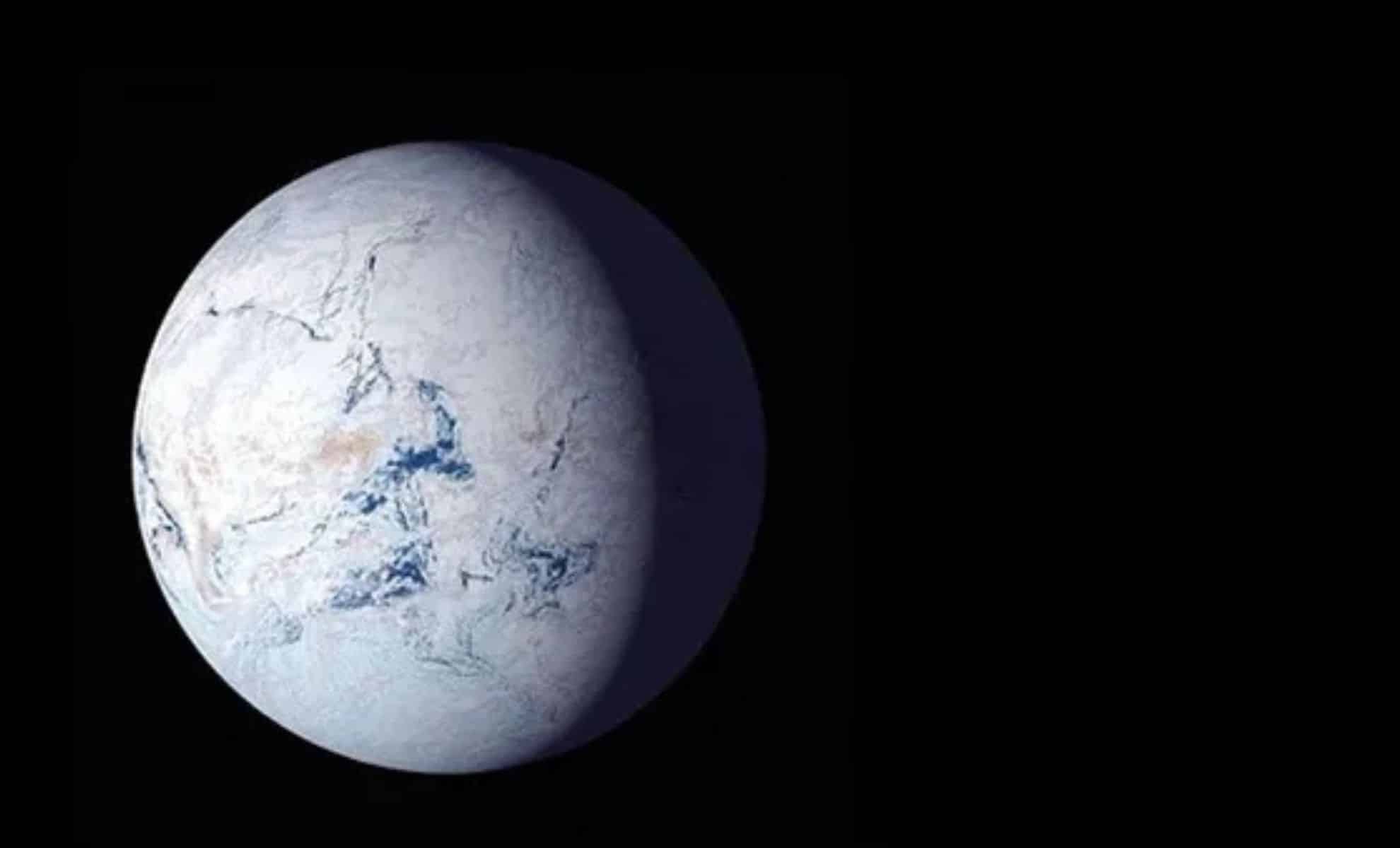
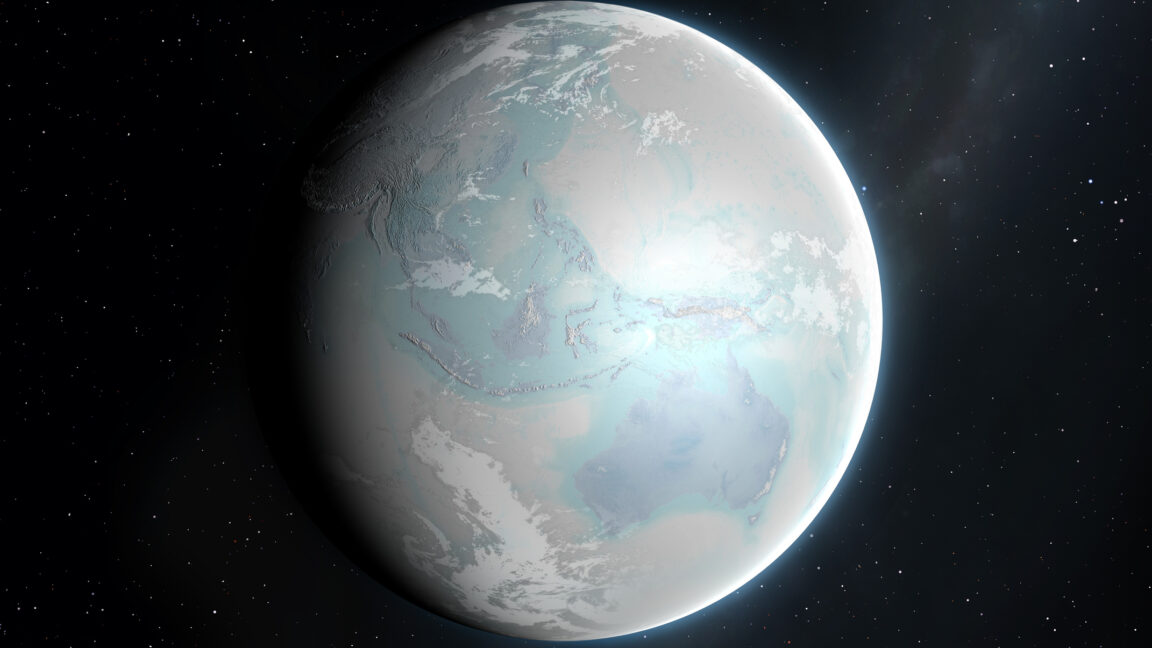
A study from the University of Colorado Boulder provides strong evidence supporting the Snowball Earth theory, suggesting Earth was once entirely frozen, even at the equator, between 720 and 635 million years ago. Researchers analyzed ancient rock formations in Colorado, finding that glaciers likely covered the planet, impacting early life and possibly facilitating the evolution of multicellular organisms. The study highlights the importance of geological research in understanding Earth's climatic history and its influence on life's evolution.

science1 year ago

New Evidence Confirms 'Snowball Earth' Covered Entire Globe in Ice

Researchers have discovered glacial deposits in Colorado's Front Range, suggesting that during the Sturtian glaciation, around 660 to 700 million years ago, the region was covered by a massive ice sheet. These deposits, known as the Tavakaiv sandstones, contain hematite formed under specific conditions, indicating geothermal activity beneath the ice. This finding provides insight into the snowball Earth period, where even equatorial regions were glaciated, although conditions varied across different continents.

science1 year ago

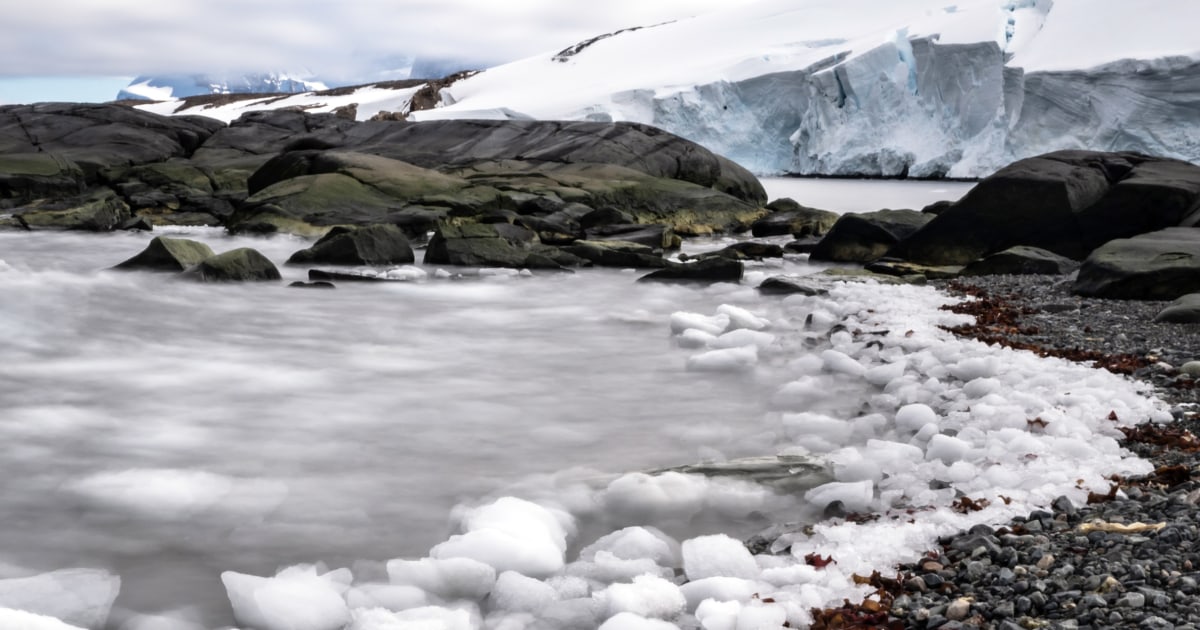
"Ancient River Found in Antarctica After 34 Million Years"

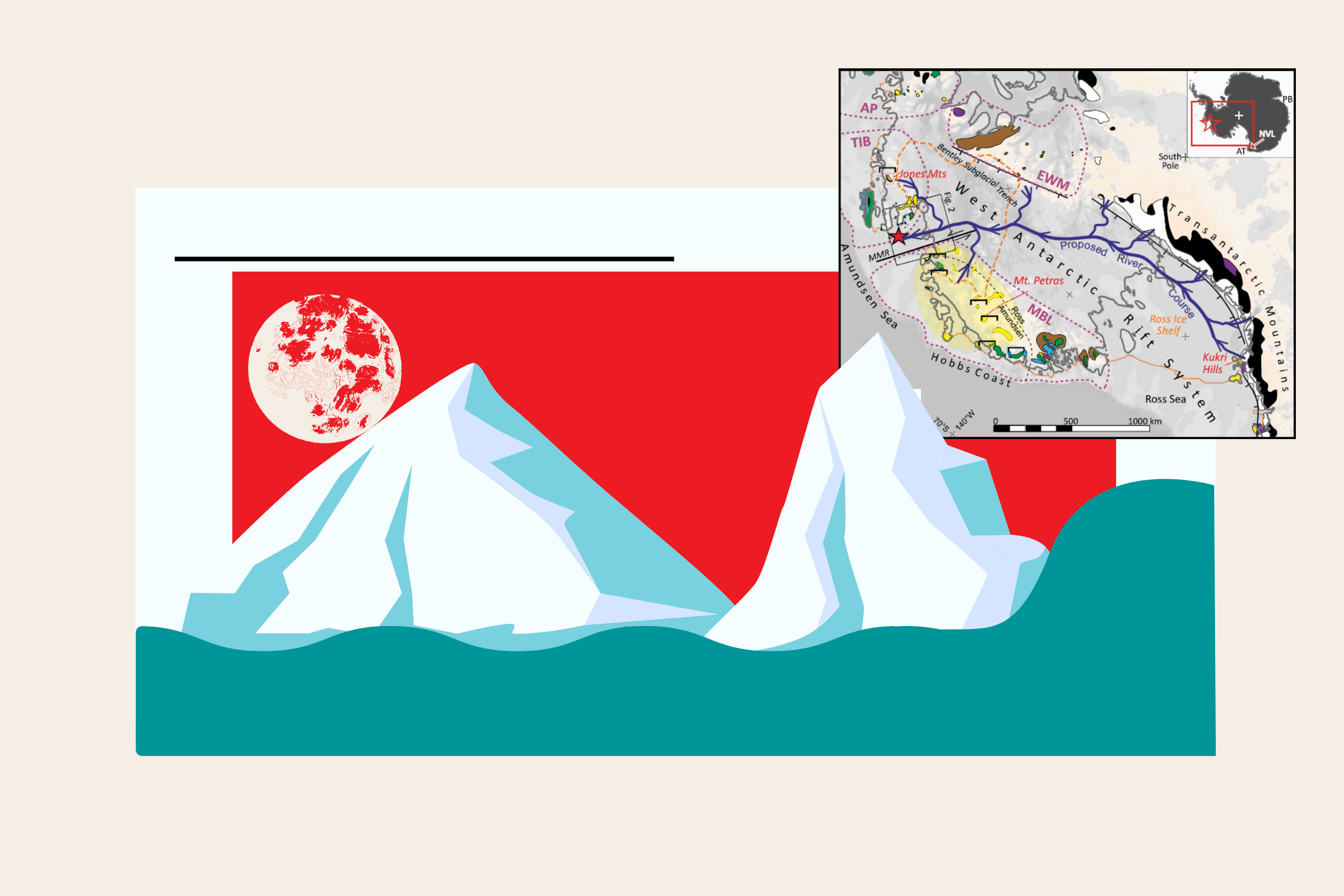
Scientists have discovered evidence of a 900-mile-long river that flowed through West Antarctica around 34 to 44 million years ago, before the continent became covered in ice. This ancient river, similar in size to the Rio Grande, suggests that West Antarctica had a temperate climate and was mostly above sea level at that time. The findings, based on sediment analysis from the Eocene period, provide crucial insights into the continent's pre-glacial conditions and the onset of major Antarctic glaciation.

science1 year ago

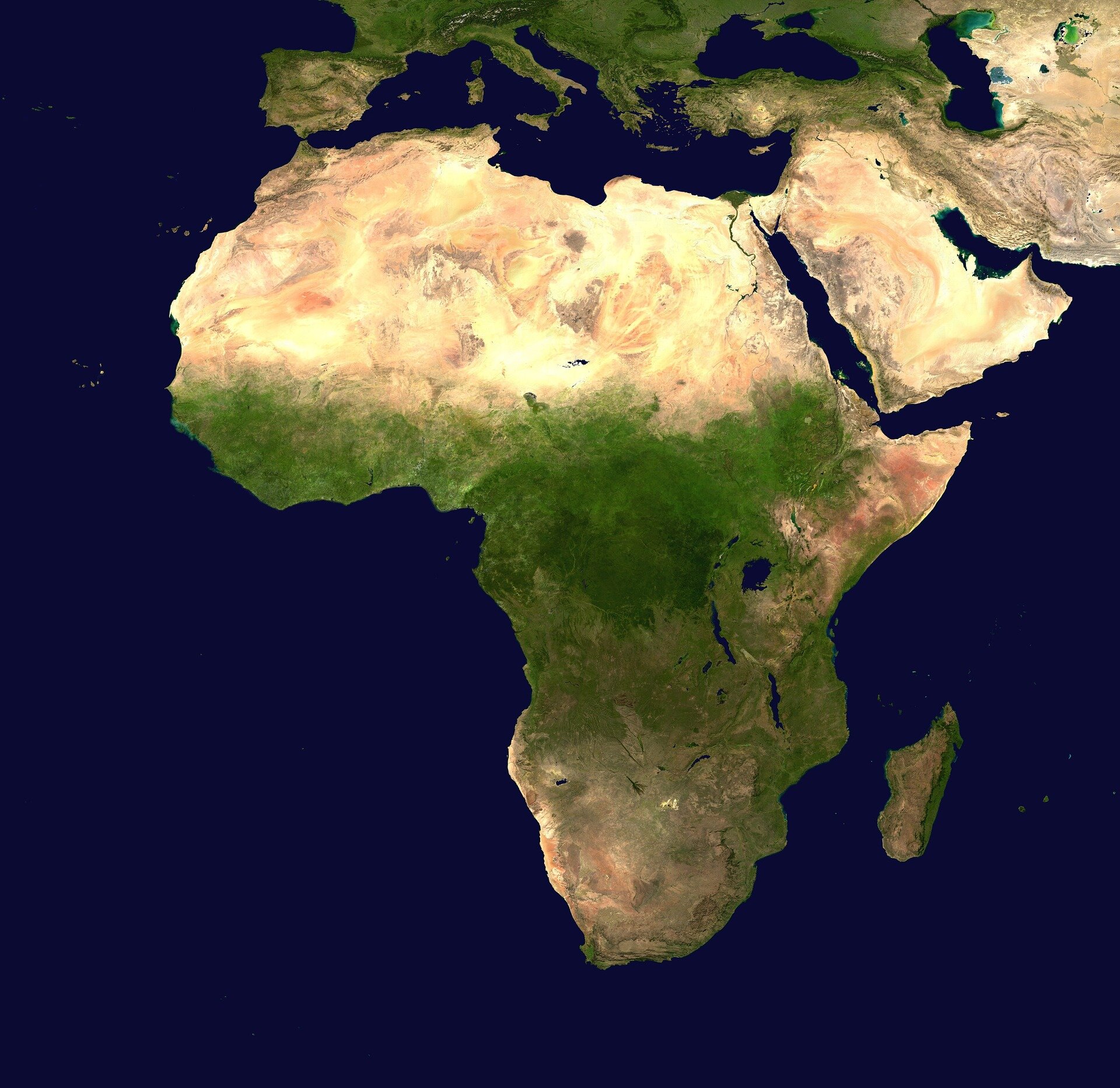
"Pleistocene Glaciation: A Key Driver of Hominin Migration Out of Africa"

A new study suggests that the migration of hominins out of Africa approximately 1 million years ago may have been driven by the first major glaciation of the Pleistocene, rather than a population bottleneck as previously thought. The researchers found evidence that the onset of the first major Pleistocene ice age coincided with a drop in ocean levels, making migration out of Africa more feasible, and that conditions in Africa became more difficult for hominins. This study provides a new perspective on the timing and reason for the migration of hominins.

science2 years ago

"Hidden Ancient River Landscape Unearthed Under Antarctic Ice"

Scientists have discovered a vast ancient landscape buried under Antarctica's ice sheet, revealing valleys and ridges shaped by rivers millions of years ago. The landscape, located in East Antarctica's Wilkes Land region, covers an area roughly the size of Belgium or Maryland and dates back at least 14 million years. The ice above the landscape is about 1.4 to 1.9 miles thick. The researchers suggest that the environment was likely warmer and may have been populated by wildlife, although the fossil record is incomplete. Further exploration, such as drilling through the ice, could provide more insights into the ancient flora and fauna of Antarctica.

earth-science2 years ago

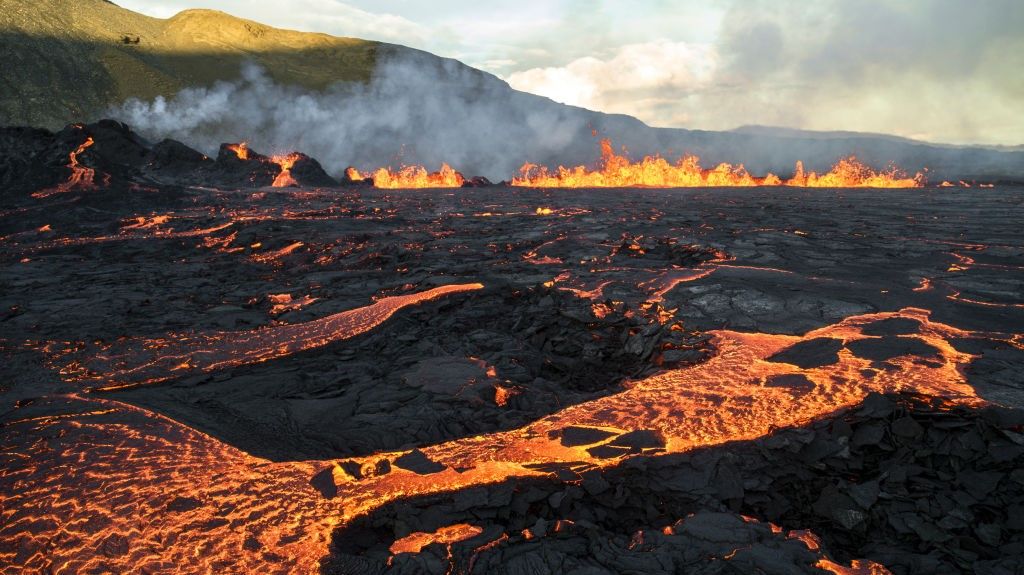
Massive Lava Outburst: The Catalyst for Snowball Earth 717 Million Years Ago

A study suggests that a massive volcanic eruption 717 million years ago, covering an area three times the size of Texas, may have triggered the "Snowball Earth" glaciation episode. The eruption led to chemical reactions that removed carbon dioxide (CO2) from the atmosphere, resulting in global cooling. The cooling effect was primarily caused by the weathering of lava rocks, which absorbed CO2 through a chemical reaction with rainwater. The timing of the volcanic eruption aligns with the onset of the glaciation, indicating that chemical weathering played a significant role in Earth's cooling. However, some experts remain skeptical about the timing and suggest that the start of Snowball Earth may have occurred later than currently thought.

earth-science2 years ago

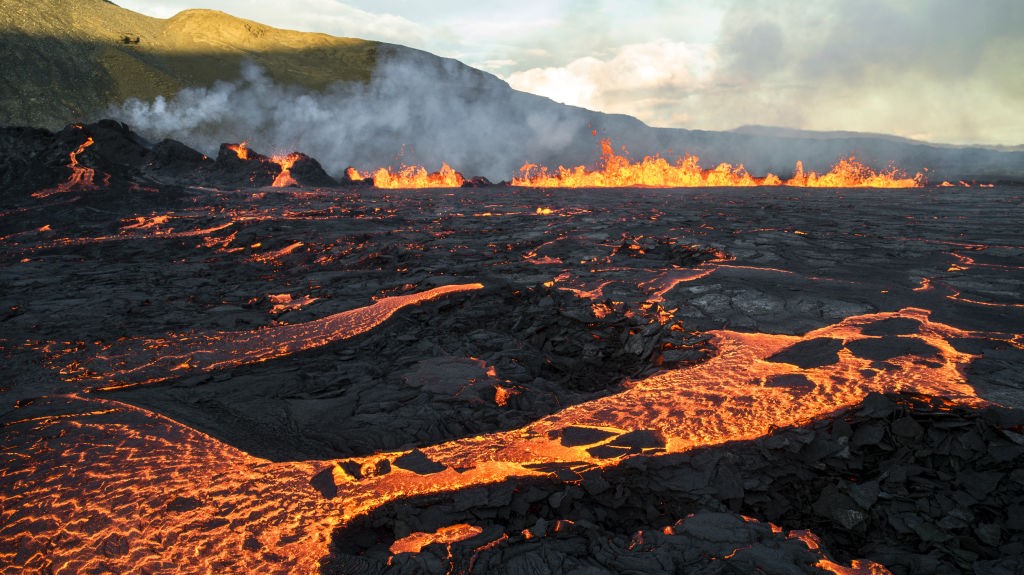
Massive Lava Outburst: The Catalyst for Snowball Earth 717 Million Years Ago

Enormous volcanic eruptions, three times the size of Texas, may have triggered the "Snowball Earth" glaciation event 717 million years ago. The eruptions in northern Canada released sulfur-rich particles that blocked sunlight and caused cooling. Additionally, the acidic rain that followed the eruptions led to chemical weathering, which removed carbon dioxide from the atmosphere and further cooled the planet. Researchers determined the timing of the volcanic outburst by analyzing crystals in rocks and concluded that chemical weathering was the primary cause of Earth's cooling. However, some experts remain skeptical about the timing of the glaciation event.