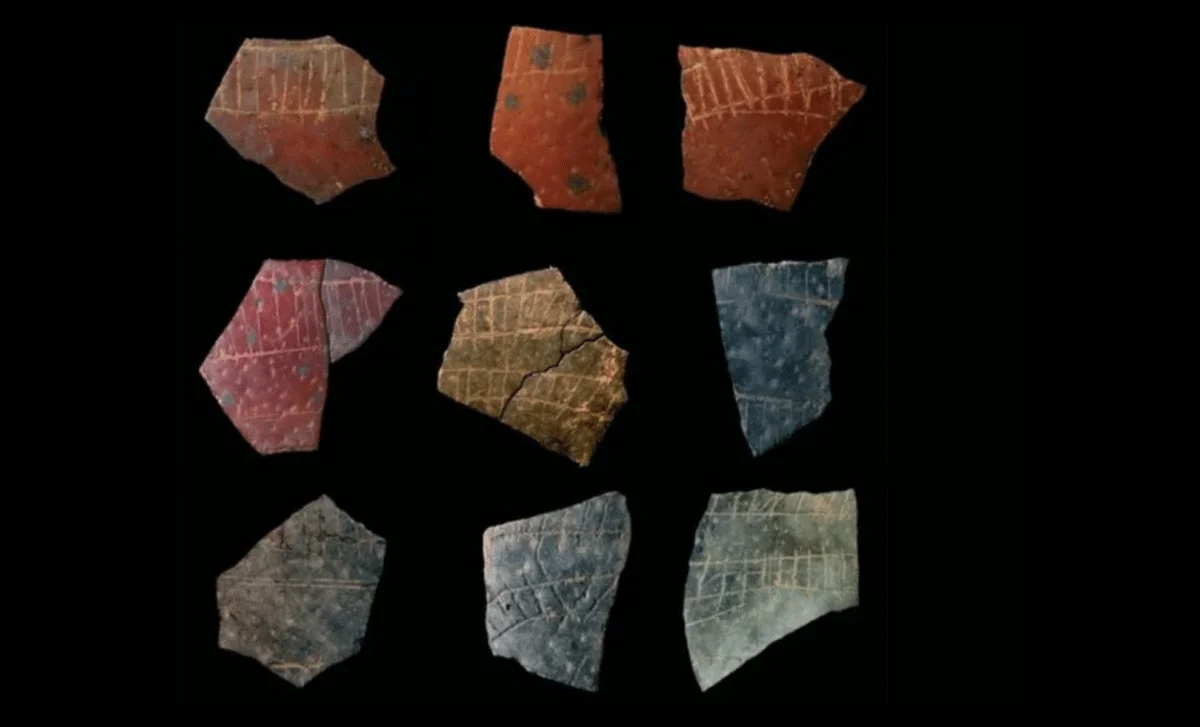
A study of 60,000-year-old ostrich eggshell engravings from southern Africa reveals highly organized geometric patterns, suggesting early humans possessed abstract spatial thinking and planning skills well before written language, challenging views of prehistoric cognitive development.
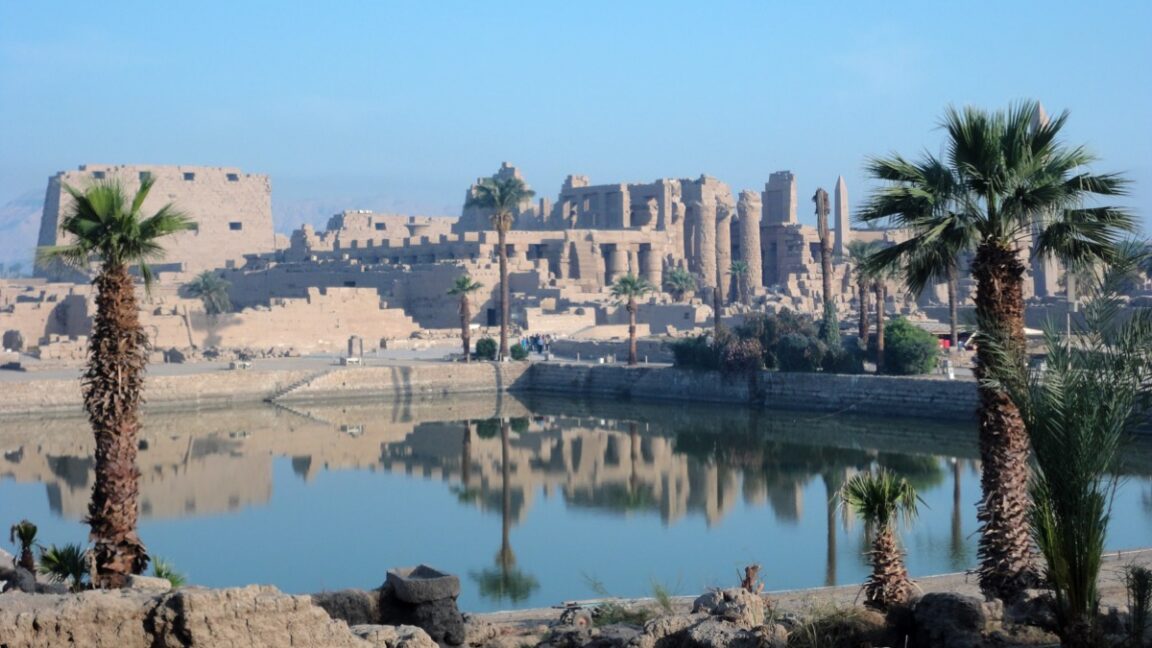
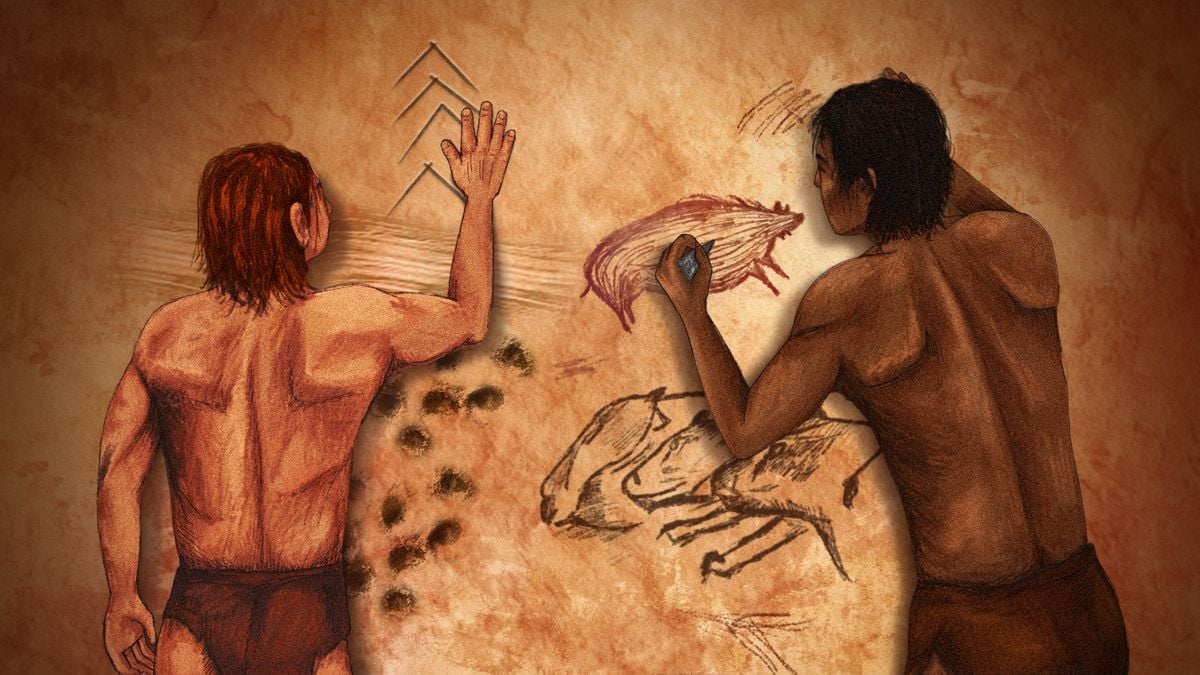
This monthly science roundup covers diverse topics including the microstructure differences between regular and gluten-free spaghetti, the formation of gullies on Mars due to CO2 ice sublimation, high-speed snake bite captures, new insights into the origins of Egypt's Karnak Temple, and machine learning attempts to identify ancient finger flutings, highlighting recent intriguing research across various scientific fields.
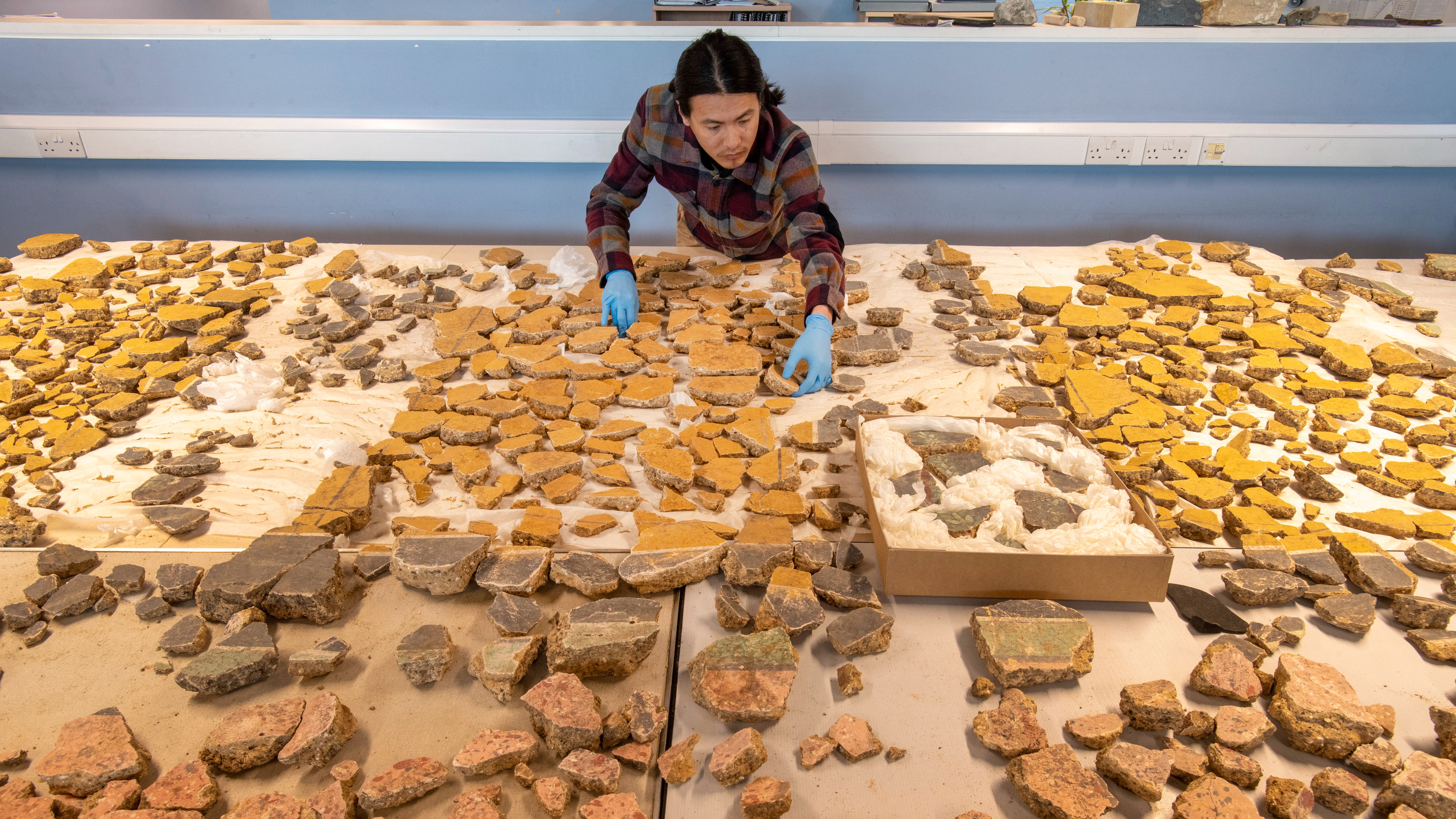
Archaeologists in London have painstakingly reconstructed an 1,800-year-old Roman fresco from thousands of fragments, revealing intricate designs, ancient graffiti, and clues about its creators, offering insights into Roman Britain and its artistic influences.
Archaeologists in London have painstakingly reconstructed fragments of Roman frescoes from a luxury villa in Southwark, revealing vibrant images of fruit, flowers, and musical instruments, dating back over 1,800 years, and shedding light on the affluent Roman community that once inhabited the area.
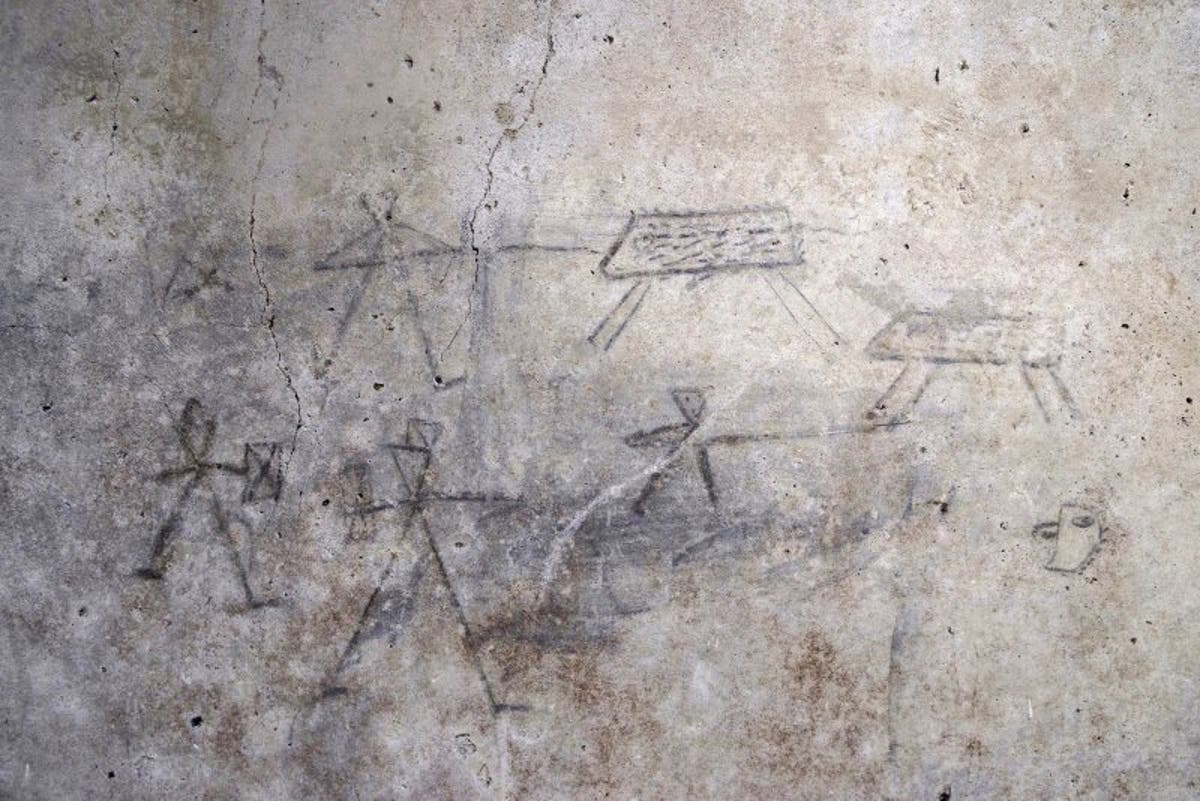
Archaeologists in Pompeii have discovered charcoal sketches by children, depicting violent scenes such as gladiator fights, likely witnessed in the city's amphitheatre. These naive drawings, found on a house wall, suggest that even young children were exposed to extreme violence. Other recent finds include a unique portrait of a hooded child with a dog, and a black-walled dining hall with mythological paintings, all part of ongoing excavations in the ancient city destroyed by Mount Vesuvius nearly 2,000 years ago.
Archaeologists have revealed new frescoes in a banquet hall in Pompeii, shedding light on the ancient art and culture of the city. The vibrant and well-preserved paintings depict scenes of a banquet, including a still life of a glass bowl with fruit and a figure playing a lyre. The discovery adds to the rich tapestry of archaeological finds in Pompeii, offering valuable insights into the daily life and customs of its inhabitants.
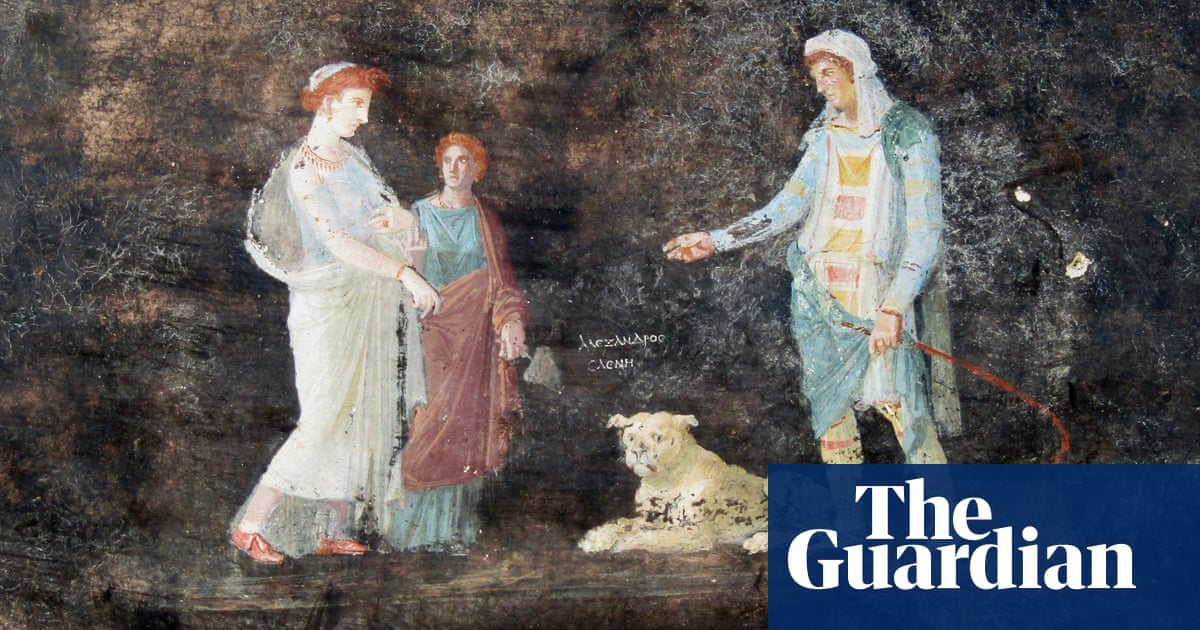
A banquet room adorned with well-preserved frescoes depicting scenes from the Trojan war has been uncovered in Pompeii, Italy. The "black room" was a refined setting for entertaining guests and features mythological artworks, including depictions of Helen of Troy, Paris, and Apollo. The room's sophisticated mosaic floor and courtyard with a staircase have also been revealed, along with other discoveries in the Regio IX area, such as a cramped bakery and Nativity-style statuettes. Pompeii continues to surprise archaeologists with its significant and beautiful findings, showcasing the city's rich history before it was destroyed by the eruption of Mount Vesuvius in AD79.
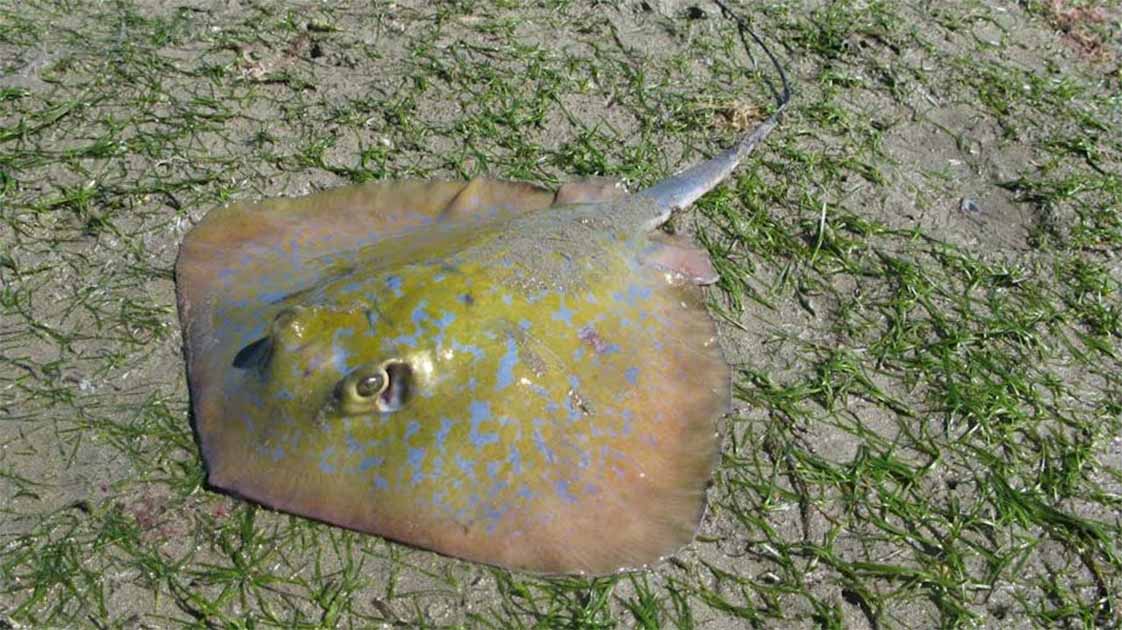
Researchers in South Africa have discovered a rock that may be the world's oldest example of humans creating an image of a creature other than themselves, dating back to around 130,000 years ago during the Middle Stone Age. The rock, resembling a stingray, was found on the Cape south coast and exhibits near-perfect symmetry, leading researchers to believe it may have been a sand sculpture or "sand castle" created by ancient hominins. This finding suggests that tracing in sand could have been a possible "stepping stone" in the development of representational paleoart, shedding light on the emergence of ancient art and potentially explaining the sudden appearance of magnificent art in European caves.
Recent archaeological discoveries, including a 51,000-year-old engraved deer bone found in a German cave once occupied by Neanderthals, suggest that ancient human relatives may have engaged in primitive forms of art and symbolic behavior. These findings challenge the traditional view that only modern humans were capable of artistic expression, reshaping our understanding of the cognitive abilities of Neanderthals and earlier hominins. The debate over the world's oldest art is informed by theories about the purpose of art and what it says about human cognition, with some experts suggesting that the development of an artistic sense among hominins may have been linked to their abilities to modify their habitats and communicate within larger groups.
Researchers from the University of South Florida, Clemson University, and the University of Illinois at Urbana-Champaign have successfully compressed nanoscale gold particles into ultra-thin 2D sheets, replicating the ancient craft of goldbeating at the nanoscale. This breakthrough opens up new possibilities in nanotechnology and materials science, with potential applications in renewable energy, quantum computing, and nanomedicine. The study also highlights the timeless appeal of gold and its significance in shaping our past, present, and future.
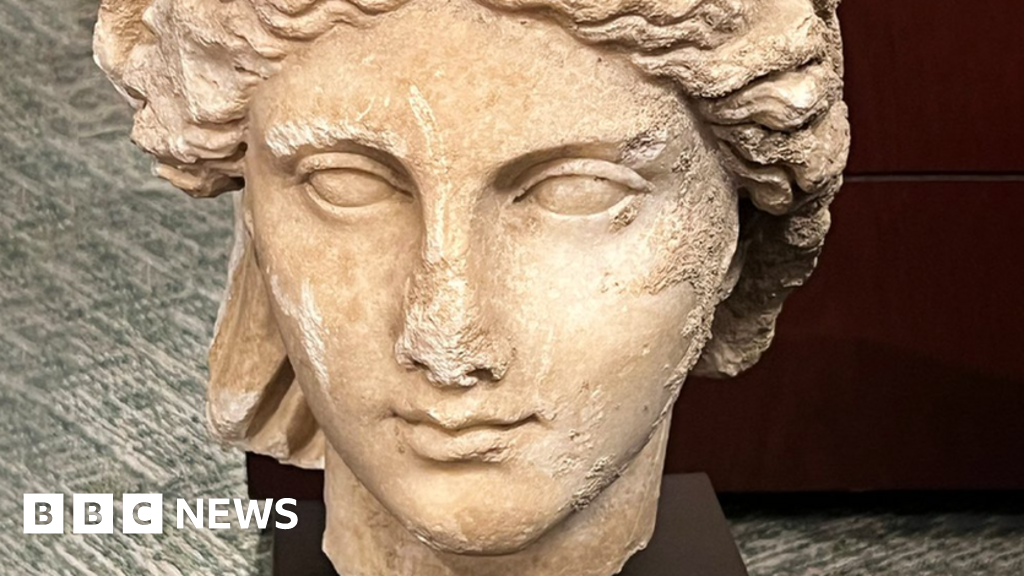
The United States has returned over 250 ancient artefacts to Italy after it was discovered that they had been stolen and sold to US museums and private collectors in the 1990s. The items, including pots, paintings, and sculptures dating back thousands of years, were found to have been looted and were worth millions of euros. The artefacts originated from various ancient civilizations, such as the Villanovan age, Etruscan civilization, Magna Graecia, and Imperial Rome. Italy has been actively seeking to recover stolen antiques and artefacts, and this recent return follows a similar repatriation of stolen art from New York in September 2022.
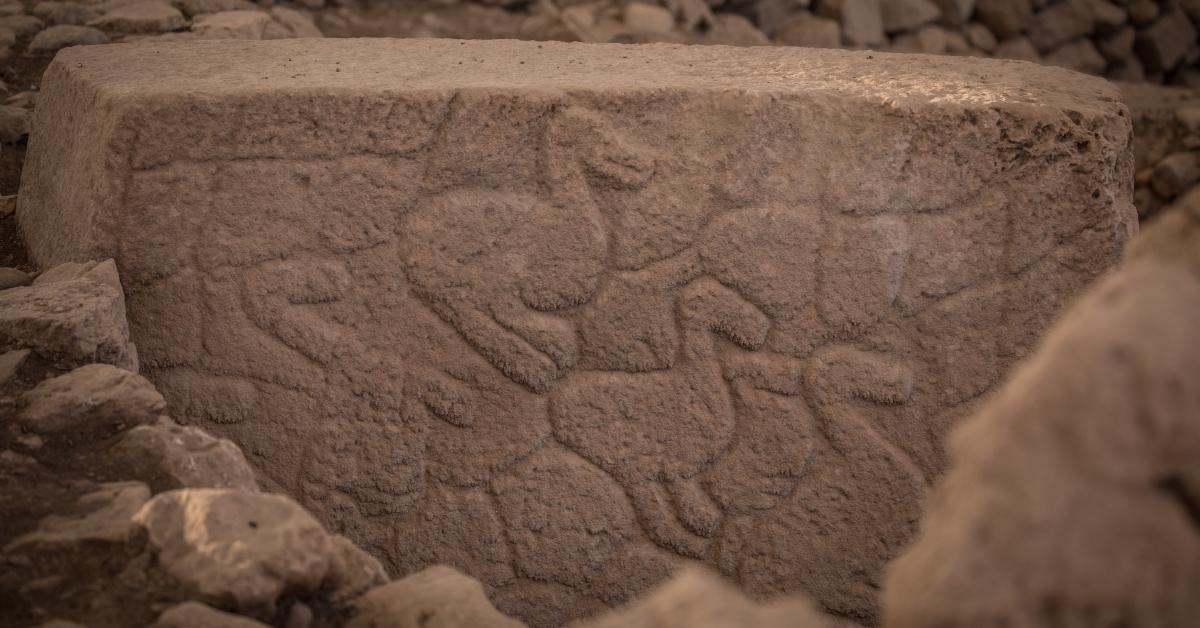
Carvings found at the Gobekli Tepe archeological site in Turkey, believed to be the world's oldest temple, depict animals such as foxes, gazelles, cranes, boars, and possibly birds or stylized vultures, but not dinosaurs. The carvings were most likely made by hunter-gatherers who believed that all living creatures have spirits. One pillar of particular interest, the Vulture Stone, suggests a comet hit the Earth around 11,000 DC, killing thousands and triggering a mini ice age that forced humans to develop farming techniques. The pillar's carvings feature a headless man, a scorpion, and a vulture, symbolizing human disaster and extensive loss of life.
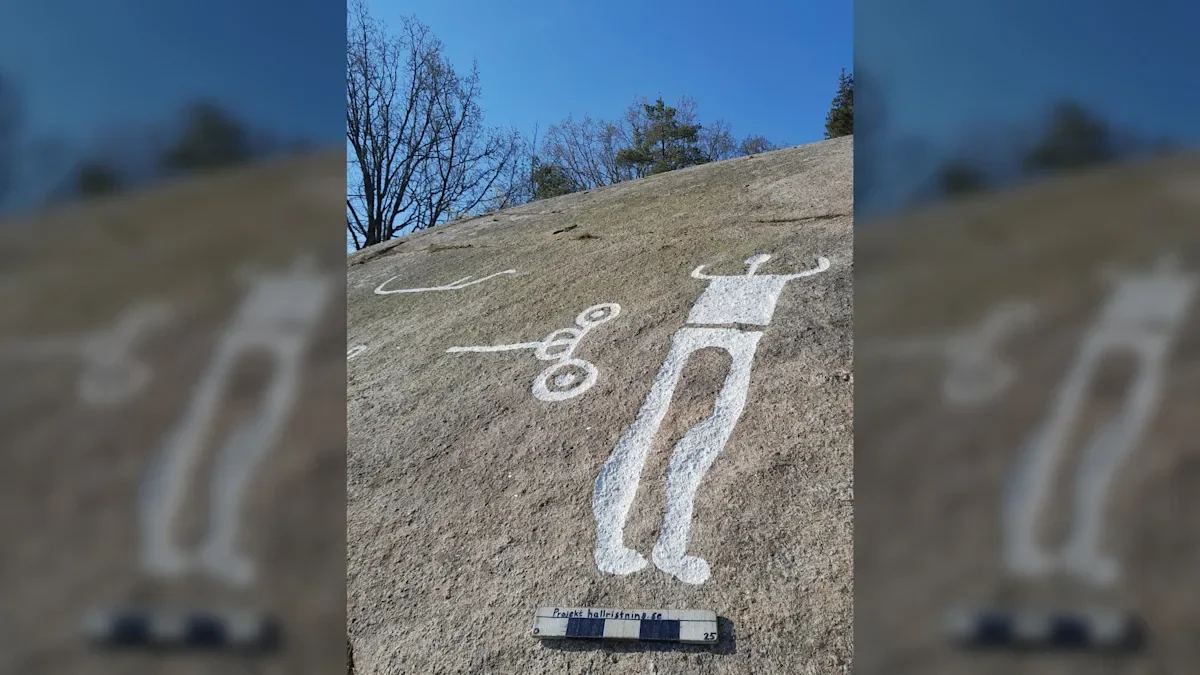
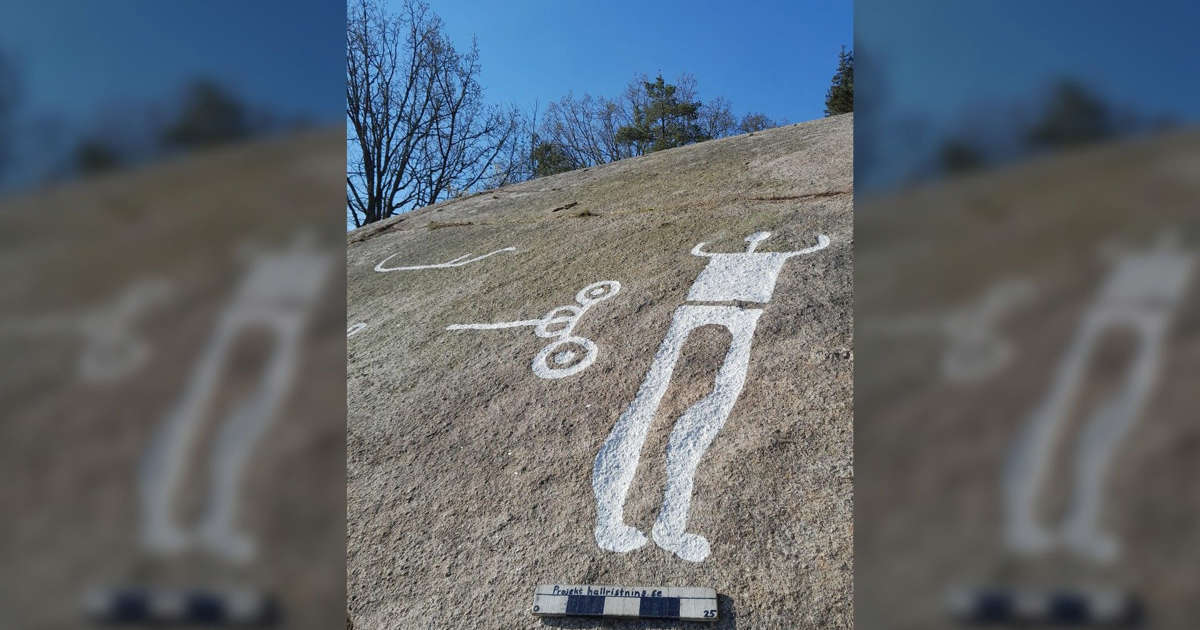
Researchers have discovered around 40 petroglyphs, including depictions of ships, people, and animal figures, dating back around 2,700 years on a granite rock face in western Sweden. The petroglyphs were carved on a granite rock face that was once part of an island, meaning people would have had to make the carvings while standing on a boat or from a platform constructed on ice. The petroglyphs are high up on a granite rock face that cannot be climbed. The meanings of the carvings are unclear, but they may have served to mark ownership.
Researchers have discovered around 40 petroglyphs, dating back around 2,700 years, on a granite rock face in western Sweden. The petroglyphs depict ships, people, and animal figures, including four-legged creatures that may be horses. The biggest one shows a ship that is 13 feet long. The petroglyphs were likely created by people standing on a boat or a platform constructed on ice. The exact meaning of the carvings is uncertain, but they may have served to mark ownership or tell a story.
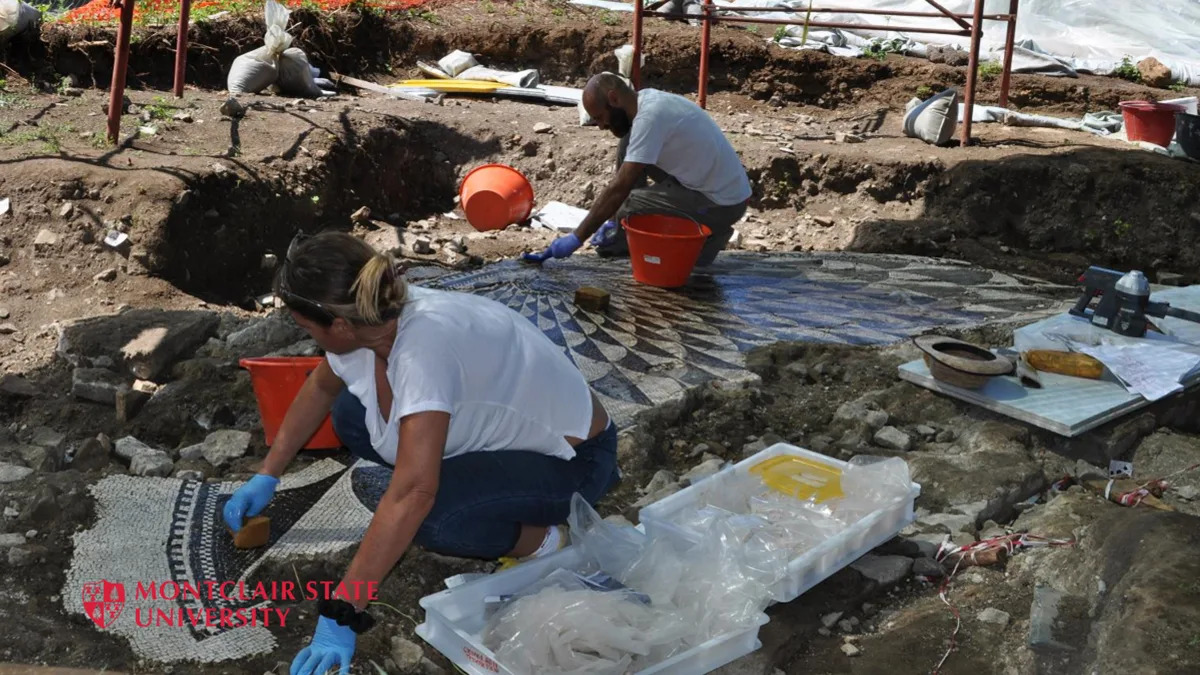
Archaeologists excavating a Roman villa in Italy used by the Antonine dynasty have uncovered two mosaics depicting the Greek mythological figure Medusa. The mosaics likely date to the second century A.D. and were found in a circular room at the Villa of the Antonines. It is unclear why the room contained Medusa mosaics, but they were a popular decorative feature in the Roman world at the time. The villa is immense and even has what appears to have been an amphitheater used by Emperor Commodus for gladiator practice and the killing of wild beasts.