Scientists have developed a new method of dating dinosaur eggshells using uranium-lead decay, allowing for precise age determination of fossils even in the absence of volcanic ash, which could revolutionize paleontological research and provide accurate timelines for ancient ecosystems.
A new method using uranium-lead dating on fossilized dinosaur eggshells allows for more accurate dating of fossil sites, helping to better understand dinosaur evolution and geological timelines, especially in areas lacking volcanic ash layers.
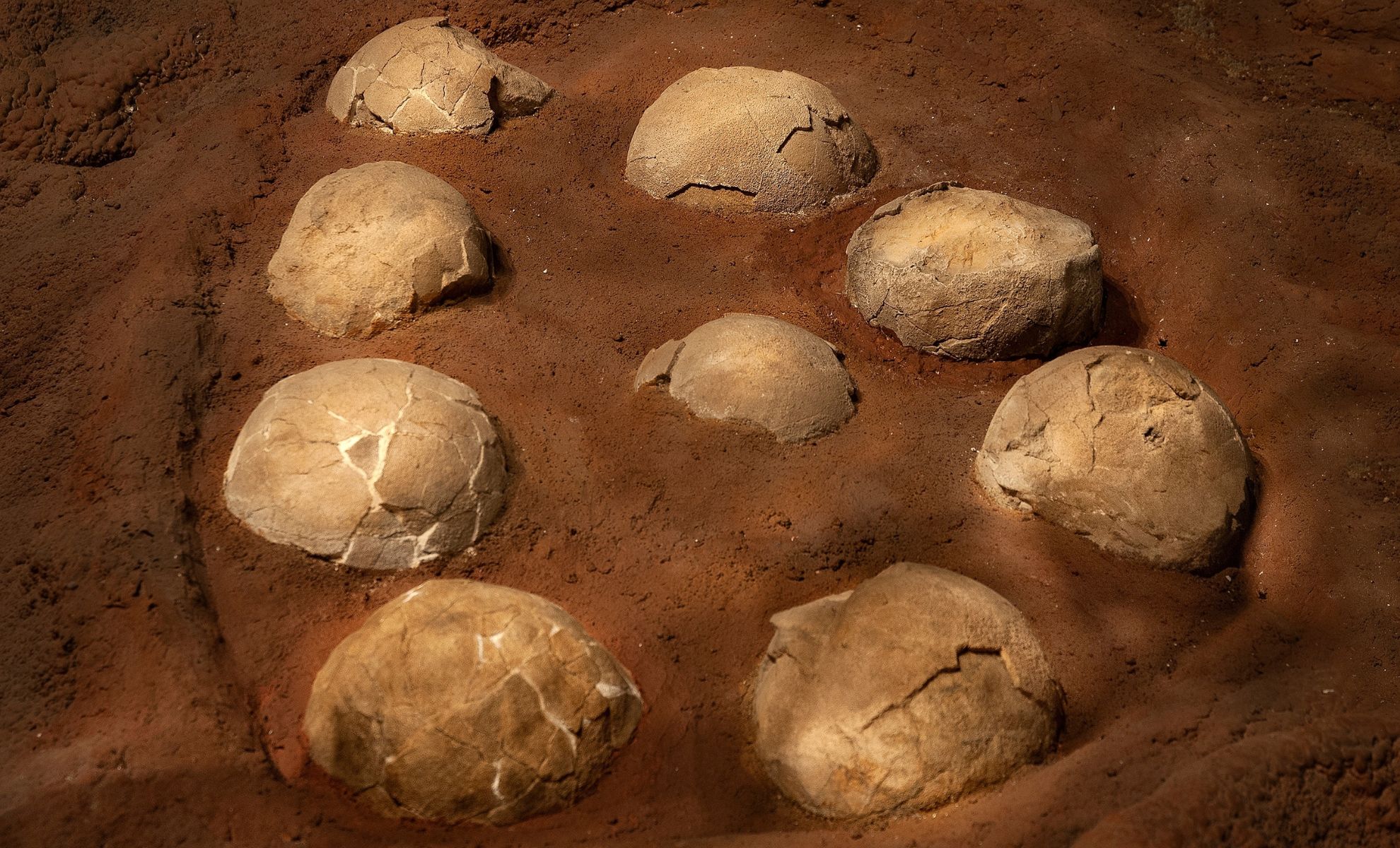
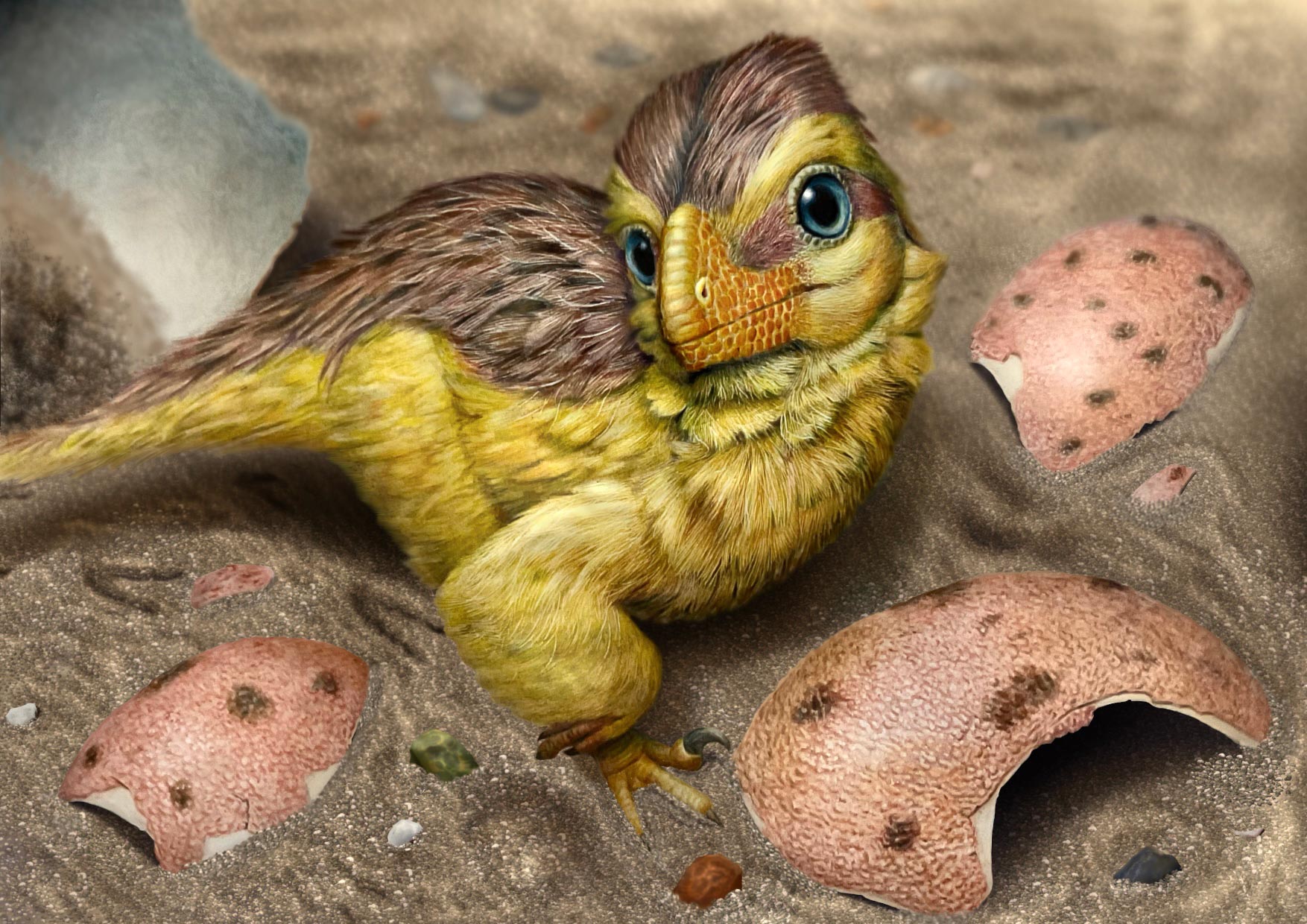
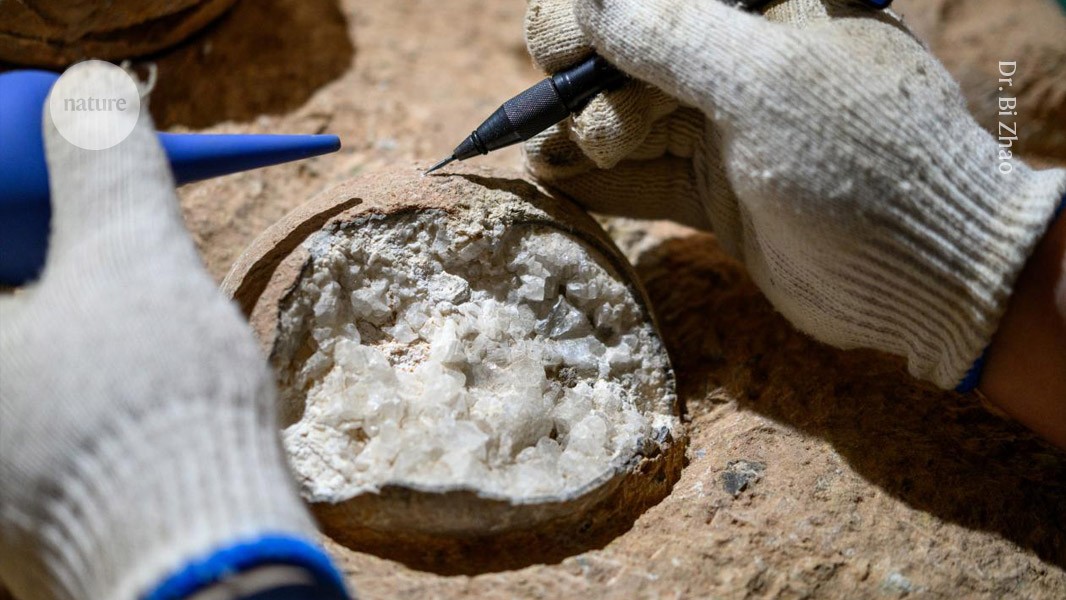
Scientists in China used laser vaporization to directly date dinosaur eggs from the Late Cretaceous period, providing more precise age estimates and insights into dinosaur evolution, extinction, and environmental changes during that era.
Scientists in China have directly dated a dinosaur egg to be approximately 85.9 million years old using a novel laser-based isotopic method, marking the first such direct dating of dinosaur eggshells worldwide, which could significantly impact paleontological research.
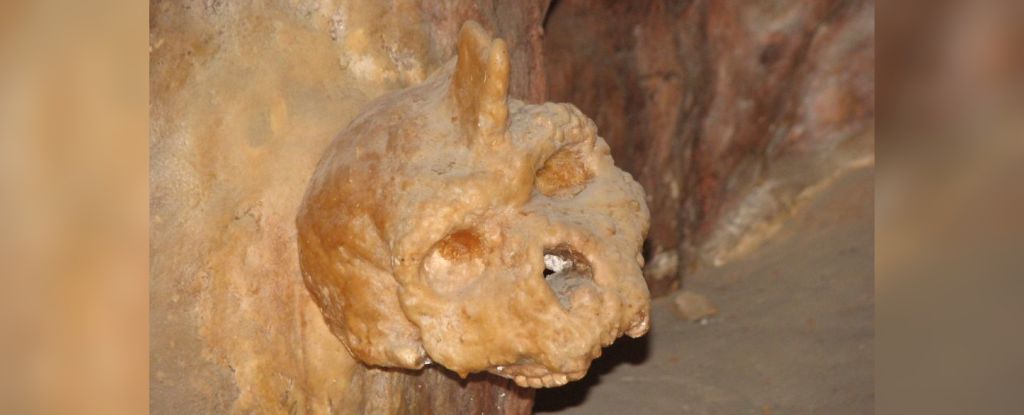
A new study using advanced dating techniques has confirmed that the Petralona skull from Greece is at least 286,000 years old, providing crucial insights into human evolution and suggesting a complex, branching history of human populations in Europe during the Middle Pleistocene.
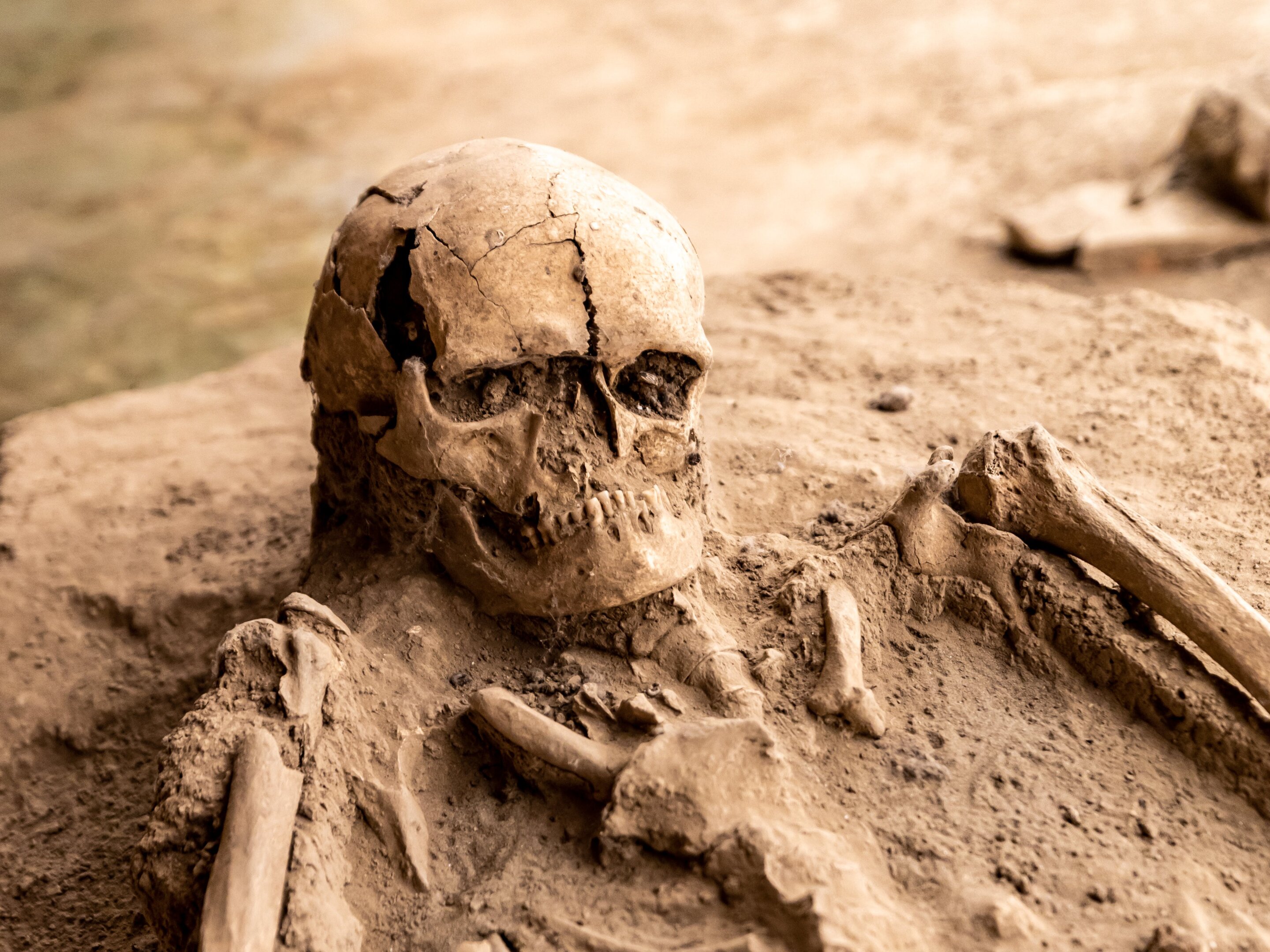
A skull found in Greece's Petralona Cave, fused to the wall for over 60 years, has been accurately dated to at least 277,000 years old using uranium-thorium dating, suggesting it belonged to a primitive hominid species possibly related to Homo heidelbergensis, providing new insights into human evolution during the Middle Pleistocene.
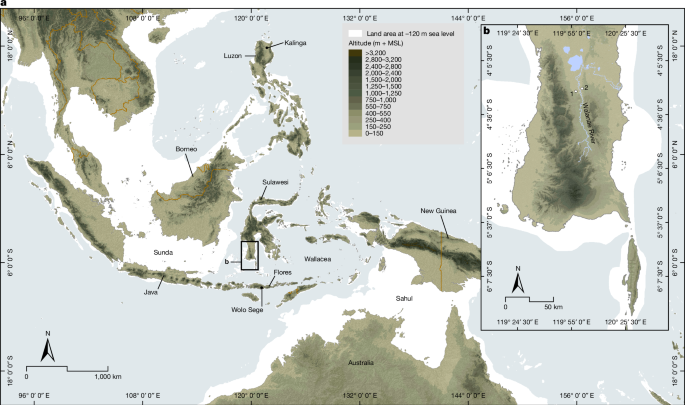
The discovery of in situ stone artifacts at Calio in Sulawesi, dated to at least 1.04 million years ago through palaeomagnetic and US-ESR dating, suggests that hominin presence on Sulawesi may have occurred earlier than previously thought, potentially predating the earliest known occupation on Flores and Luzon.
Scientists are proposing a two-pronged solution to better understand human evolution: find more fossils and improve the dating techniques of existing ones. By exploring underexplored regions and using improved dating methods, researchers hope to fill in gaps in the evolutionary puzzle and resolve longstanding dilemmas. Techniques such as radiocarbon dating and amino acid dating have been used, but challenges remain, such as the open system of bone dating. The use of uranium series dating has provided more precise timings for human fossils, revealing surprising findings and raising new questions. As dating techniques continue to improve, researchers aim to refine ages and gain a better understanding of human evolution.