Hot conditions and light can cause bottled water to develop bacteria and microplastics, even if it looks clear, posing potential health risks. To stay safe, avoid leaving bottles in warm environments, and opt for reusable containers made of glass or stainless steel.
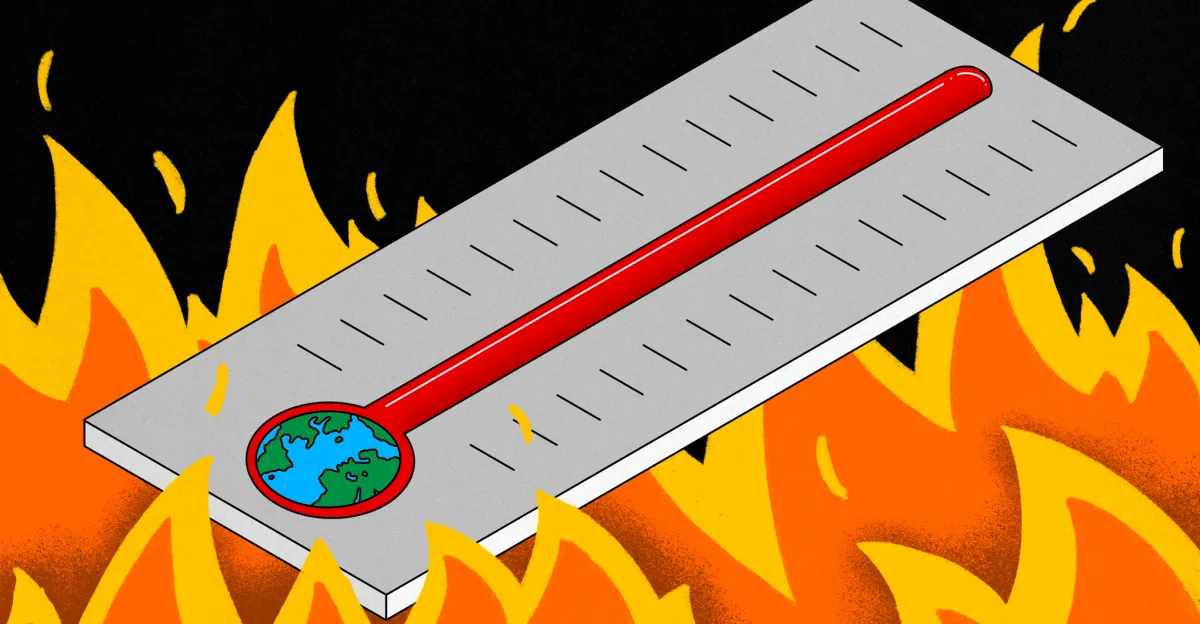
A new report by WHO and WMO warns that rising global temperatures are increasing heat stress risks for workers worldwide, affecting health and productivity, and calls for better protections, policies, and climate action to prevent severe health outcomes and economic impacts.
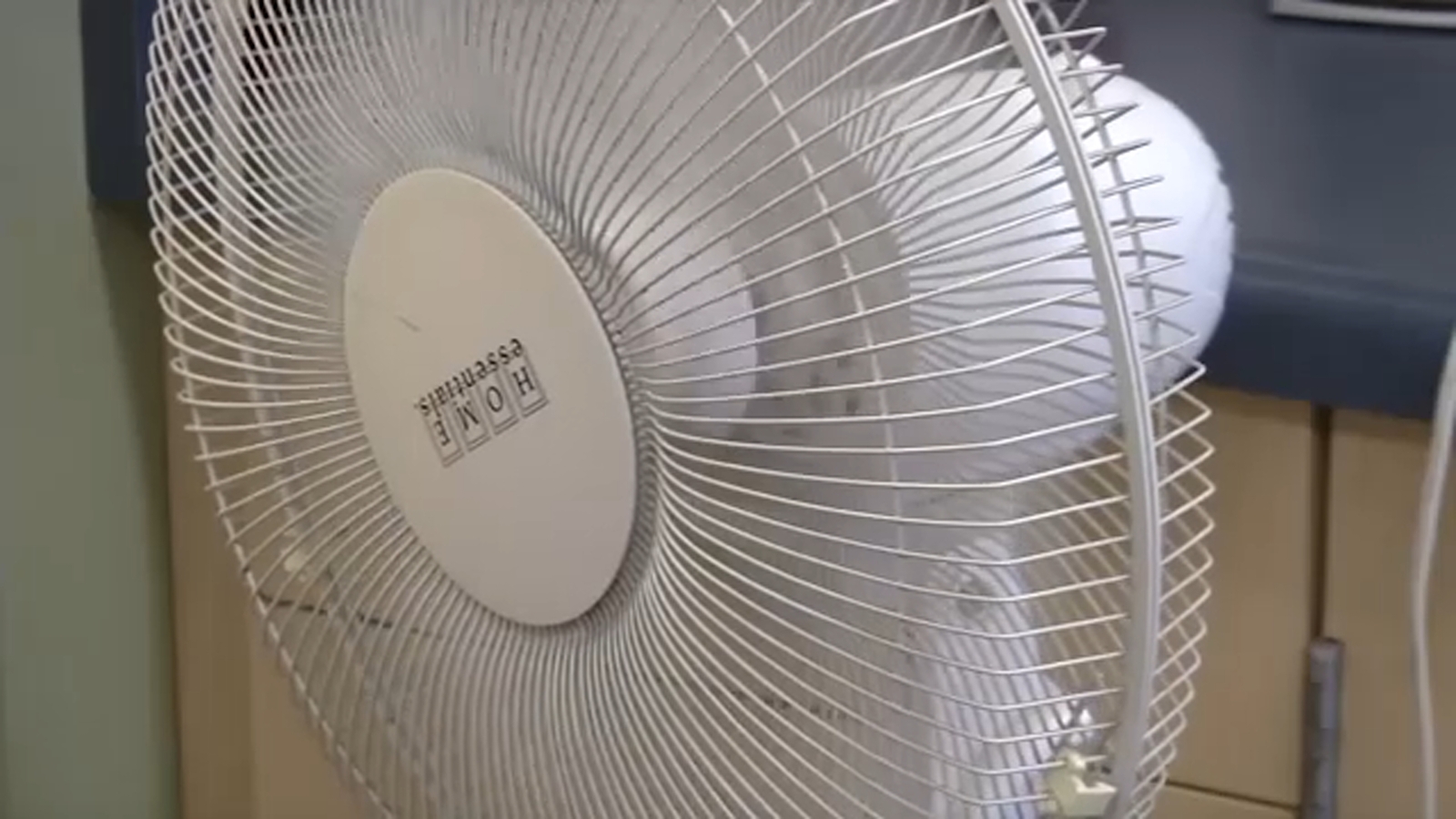
Research suggests that electric fans may not effectively cool the body during high heat conditions and could potentially be harmful, especially for vulnerable populations. Fans are more effective at night when outdoor temperatures drop below indoor temperatures, and using water or wet skin with a fan can enhance cooling. The key to staying safe during heat waves is understanding when and how fans can be beneficial, and employing additional cooling strategies.
The annual Hajj pilgrimage to Mecca begins amid rising temperatures and logistical challenges, with Saudi Arabia investing heavily in infrastructure and safety measures to accommodate millions of pilgrims while addressing past disasters and the impacts of climate change.
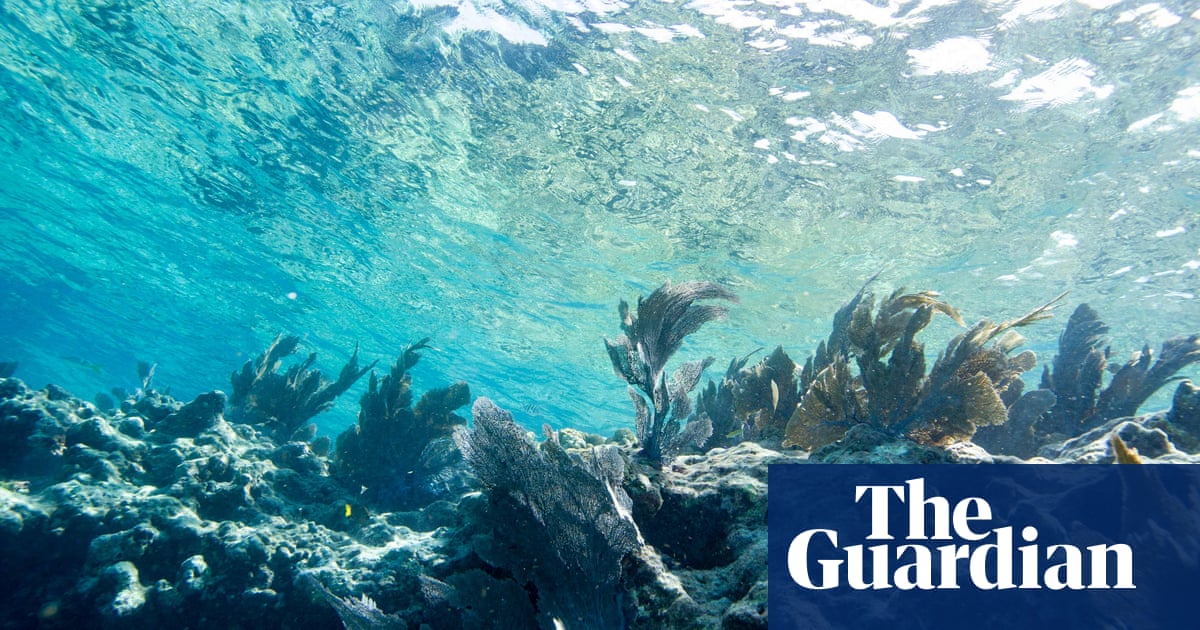
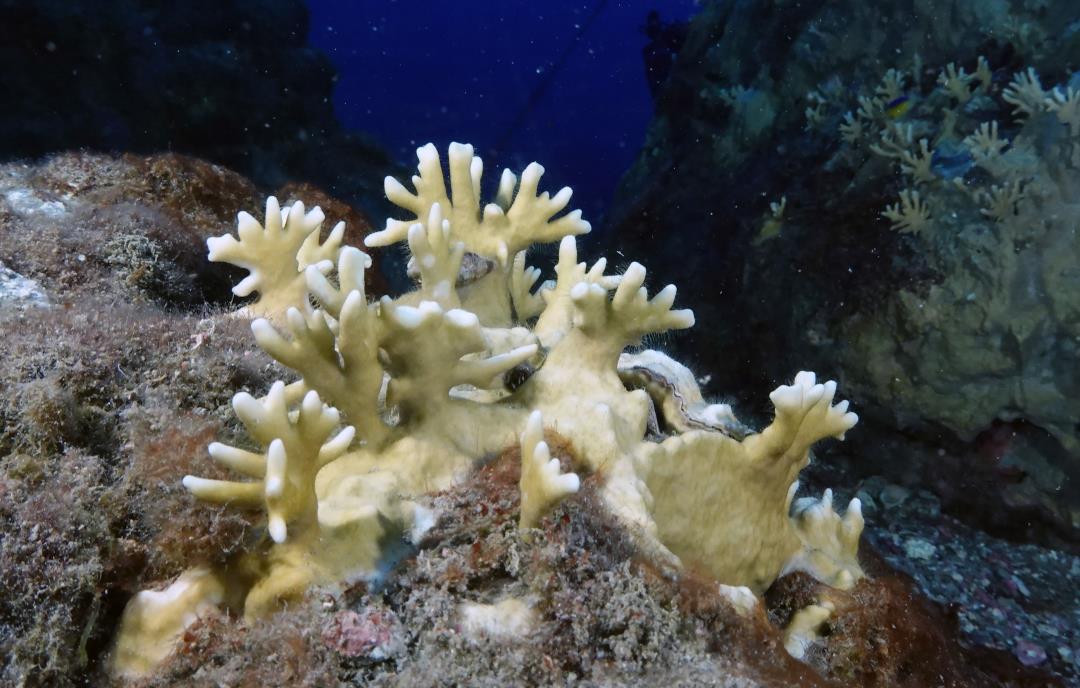
The US government's Coral Reef Watch program has added three new alert categories to its warning system for heat stress on coral reefs due to unprecedented levels of heat stress causing bleaching and coral mortality. The changes reflect the increasing severity of heat stress on coral reefs, with the highest alert level now indicating a risk of "near complete mortality" of all corals. The adjustments come as a response to the pervasive impacts of global heating on coral reef ecosystems, highlighting the urgent need to address the escalating risks posed by climate change to marine biodiversity.
The US government's Coral Reef Watch program has added three new alert levels to its heat stress category system due to unprecedented stress on coral reefs, with more than 20 Degree Heating Weeks (DHWs) now constituting a "worst case scenario" at Bleaching Alert Level 5, indicating a risk of mortality in over 80% of corals. This marks the first changes to the system since its introduction in 2009 and reflects the pervasive impacts of global heating on oceans, prompting a need for rethinking response plans and appropriate actions in the face of extreme heat stress.
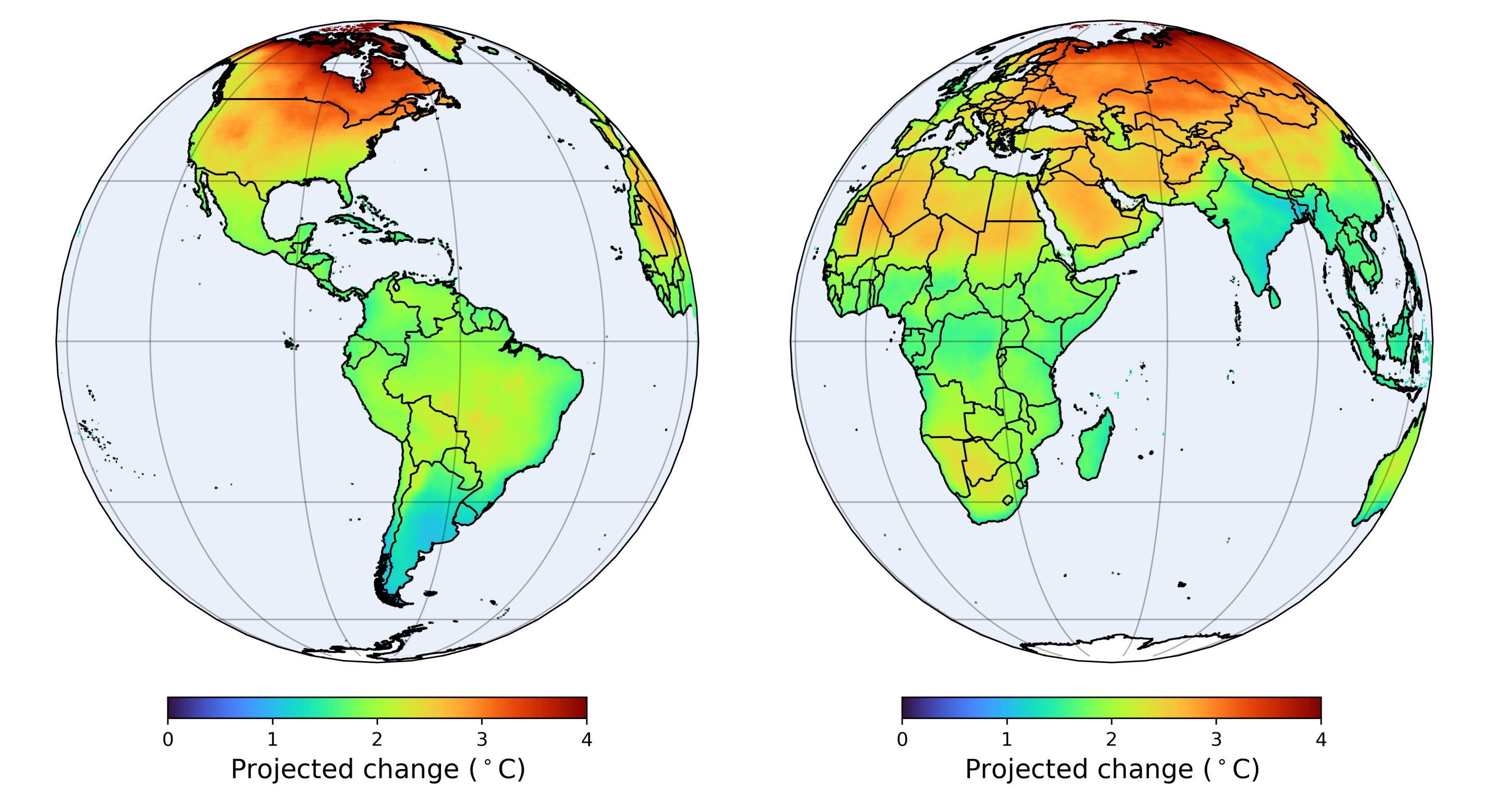
A study by the Bay Area Environmental Research Institute (BAERI) and NASA details how extreme weather events will worsen as the Earth's temperature rises. Using the NEX-GDDP dataset, the research provides insights on climate impacts like heat stress and fire weather, urging local leaders to develop targeted climate plans using this data. The study highlights the severe climate impacts resulting from a 2°C temperature rise and emphasizes the need for decision-makers to understand the compounding climate impacts projected for their regions. The NEX-GDDP dataset, which provides global, daily climate projections, can help local leaders develop climate adaptation and mitigation plans specific to their communities.
A recent study conducted by scientists at the Bay Area Environmental Research Institute (BAERI) and NASA Ames Research Center examines how extreme weather events will worsen as global temperatures rise. The study focuses on the geographic patterns of projected changes to key climate variables and highlights the compounding impacts of these variables on human lives. It reveals that most regions of the world will experience higher heat stress and an increase in extreme fire weather in the 2040s compared to the baseline period. The study emphasizes the urgent need for decision-makers to understand the projected climate impacts and develop targeted adaptation and mitigation plans. The researchers provide a publicly available dataset that can help local leaders develop climate plans specific to their communities.
As global temperatures rise, there is growing evidence that extreme heat is interfering with pregnancies and posing serious risks to unborn babies. Studies have shown that heat can trigger preterm births, increase the risk of low birth weight, stillbirths, and birth defects. Pregnant individuals are particularly vulnerable to heat stress due to changes in their body's temperature regulation. However, research on the effects of heat on pregnancies is limited, and pregnant people have often been excluded from studies. Public health bodies are starting to include pregnant people in heat warnings, but more targeted advice and practical solutions are needed to protect vulnerable populations from the risks of extreme heat.
As extreme heat poses health risks, it is important to ensure the safety of children playing outdoors. Younger children are more vulnerable to high temperatures due to their smaller size and slower acclimatization to warm environments. Signs of distress from heat include changes in behavior, irritability, and complaints of not feeling well. To keep infants cool in strollers, wetting a thin cloth can help lower the temperature inside. Cooling down through showers, immersing feet in cold water, and staying hydrated are essential. Children should drink water frequently, avoid sugary and caffeinated drinks, and monitor urine color for hydration levels. Milk can also be a good choice for hydration, especially for young athletes.
Workers around the world are facing the detrimental effects of extreme heat, with heat waves gripping multiple continents. From airplane cabin cleaners in Phoenix to food delivery cyclists in Milan and informal workers in India, individuals are suffering from heat-related health issues and reduced productivity. The consequences of extreme heat on the economy are significant, with studies estimating trillions of dollars in losses due to reduced productivity, crop damage, and increased mortality. Experts suggest measures such as allowing breaks, rearranging shifts, providing water, and creating shaded areas to protect workers and increase productivity. However, very few countries have regulations in place to safeguard workers from extreme heat, highlighting the need for stronger labor protections.
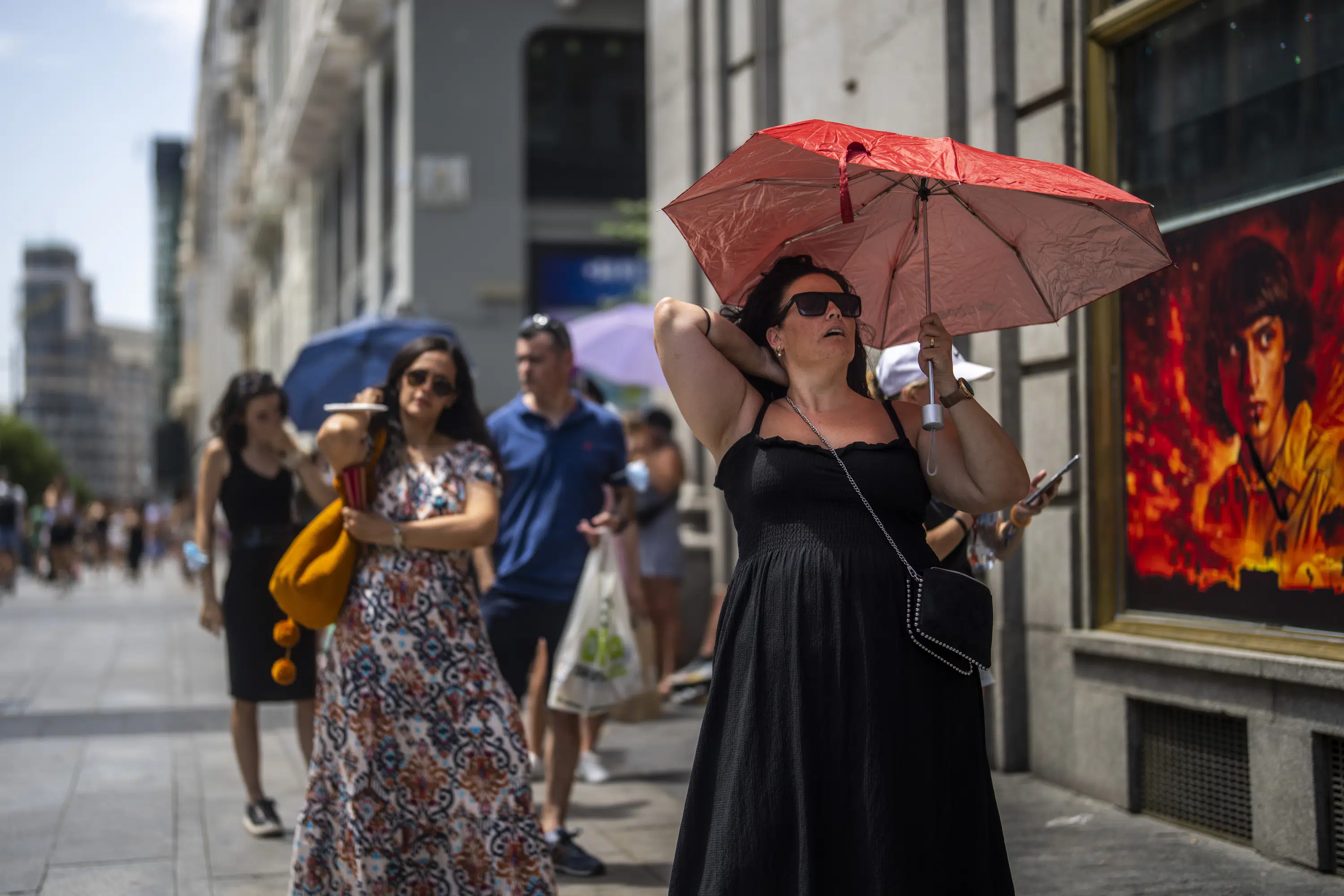
The Westmoreland Health Department is urging residents to protect themselves from heat-related illnesses as the region experiences higher-than-normal temperatures. The combination of high temperatures and prolonged sun exposure can pose serious health risks, especially for vulnerable populations. Symptoms of heat stress include tiredness, headache, dizziness, and muscle cramps. The health department has issued guidelines, including staying hydrated, dressing appropriately, seeking shade, using sunscreen, taking breaks, and monitoring children. Residents are advised to stay updated on weather forecasts and adhere to the guidelines provided.
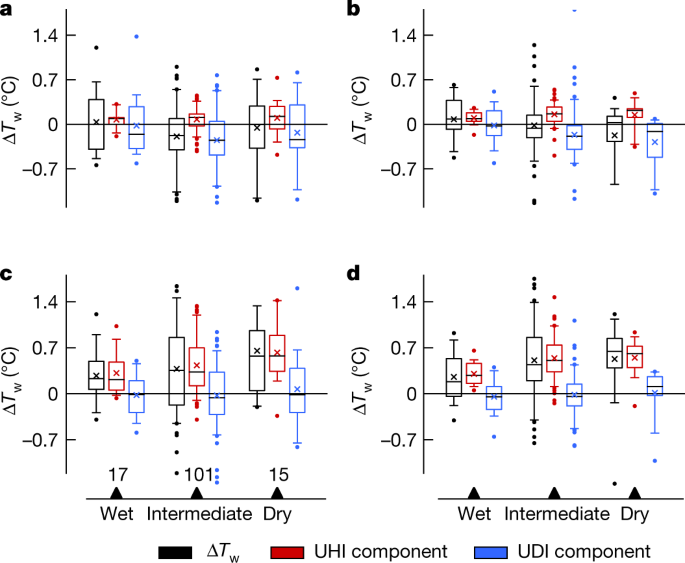
Urbanization and climate change are increasing the risk of heat stress in wet climates due to the urban humid heat effect, which causes higher humidity levels in cities than in surrounding rural areas. This effect can exacerbate the impacts of heat waves and increase the risk of heat-related illnesses. Adaptation strategies, such as increasing green spaces and improving building design, are needed to mitigate the urban humid heat effect and reduce the risk of heat stress in urban areas.
A study by the European Commission’s Copernicus Climate Change Service shows that climate change is causing longer periods of extreme weather, resulting in more heat stress for Europeans, particularly in southern Europe. Last year, record heat caused hazardous conditions for human health, with southern Europe experiencing a record number of days with very strong heat stress. Heat stress can cause a wide range of health problems, including rashes, dehydration, and heat stroke. The report also confirmed that Europe experienced its second warmest year on record in 2022, resulting in widespread drought and summer wildfires causing the highest carbon emissions in 15 years.
A study by the European Commission’s Copernicus Climate Change Service has found that Europeans, particularly in southern Europe, are experiencing more heat stress during summer months due to climate change causing longer periods of extreme weather. The report shows that last year's record heat resulted in hazardous conditions for human health, with southern Europe experiencing a record number of days with "very strong heat stress." Heat stress can cause a wide range of health problems, including rashes, dehydration, and heat stroke. The report also confirms that Europe experienced its second warmest year on record in 2022, with high temperatures and low rainfall resulting in widespread drought and summer wildfires causing the highest carbon emissions in 15 years.