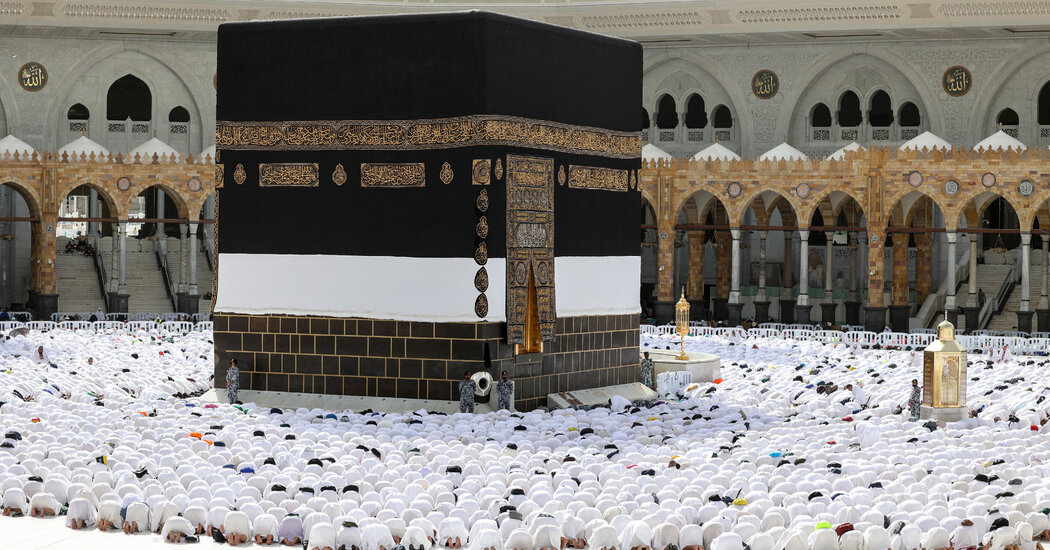
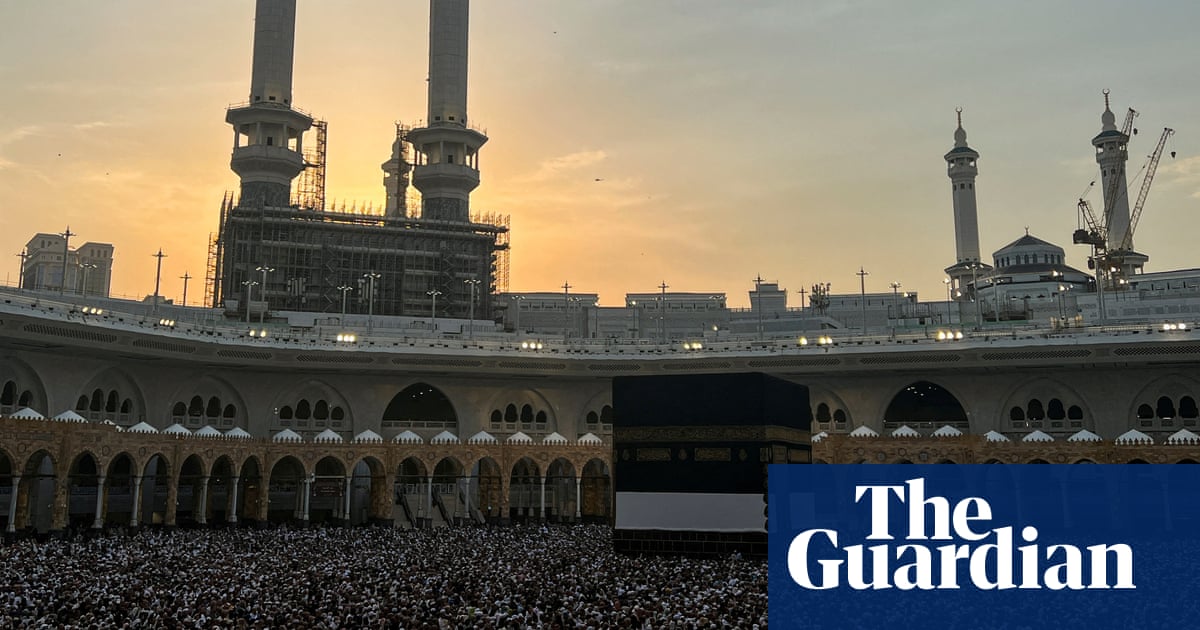
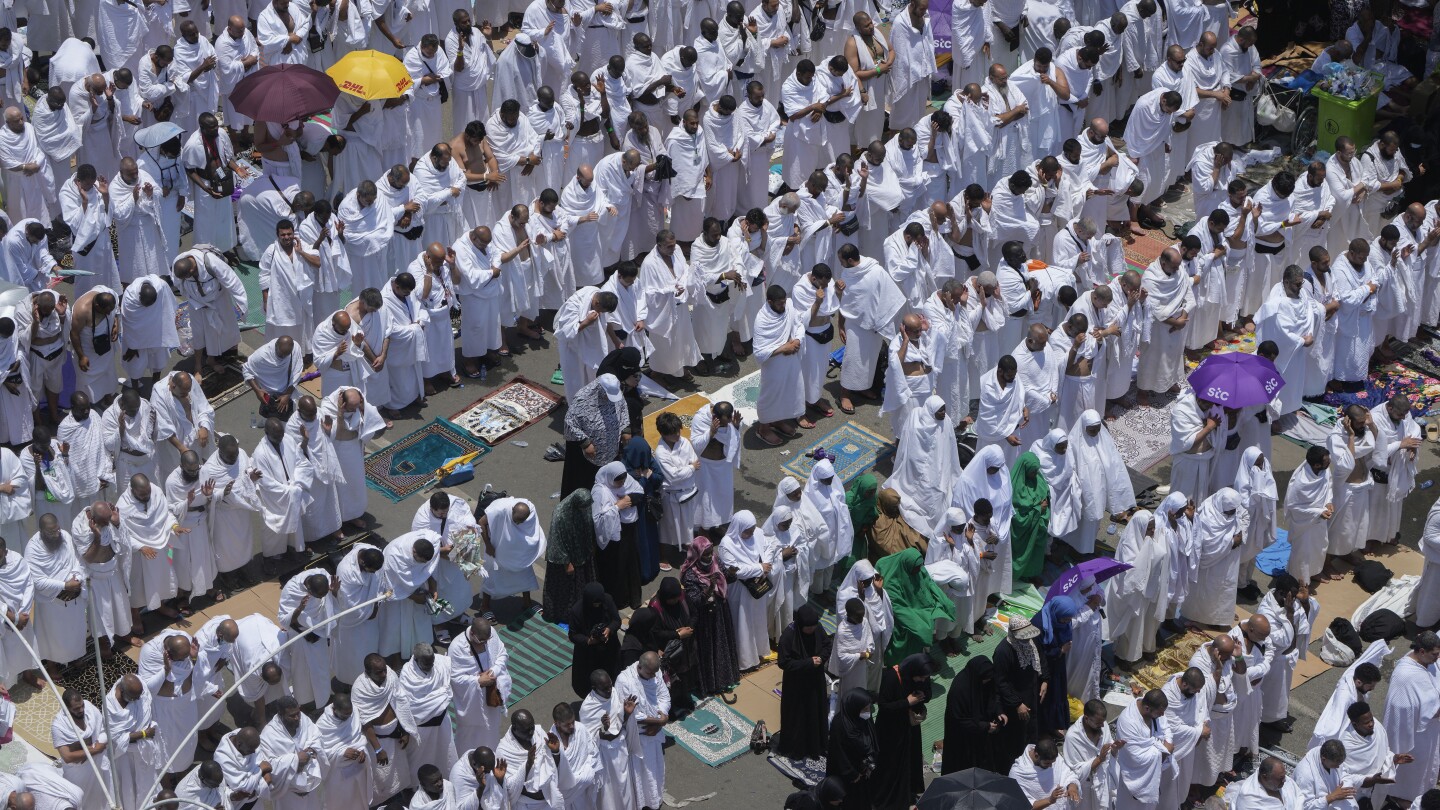
Eid al-Adha is a major Islamic holiday commemorating Prophet Abraham's willingness to sacrifice his son, celebrated with prayers, animal sacrifices, and communal festivities, with the date varying by country but always on the 10th of Dhul Hijjah.
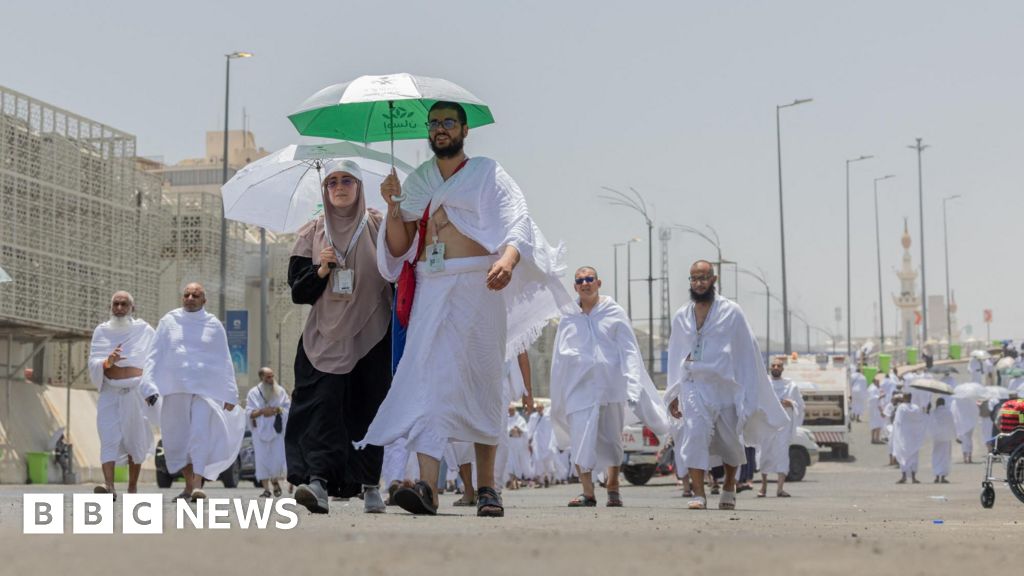
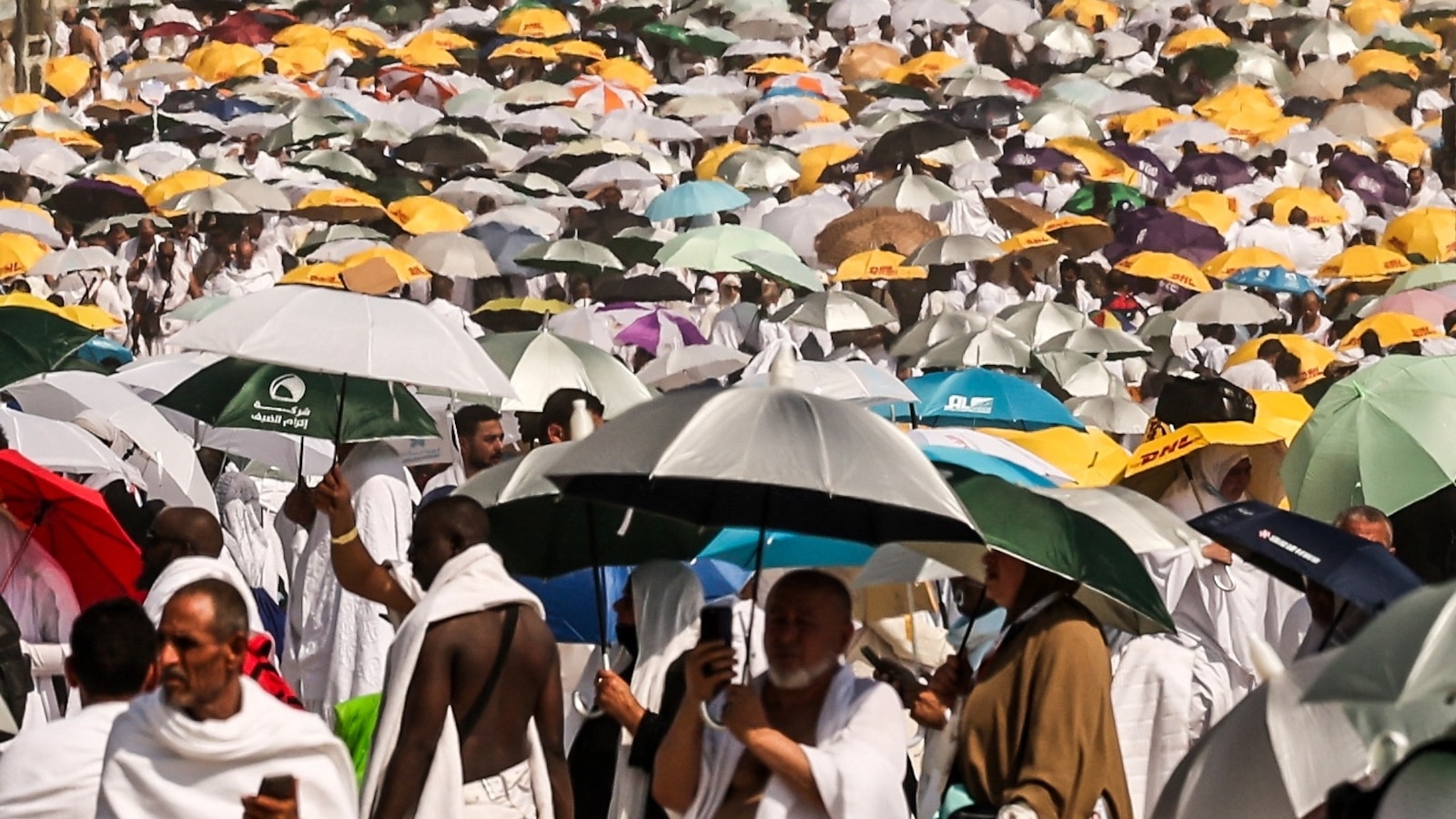
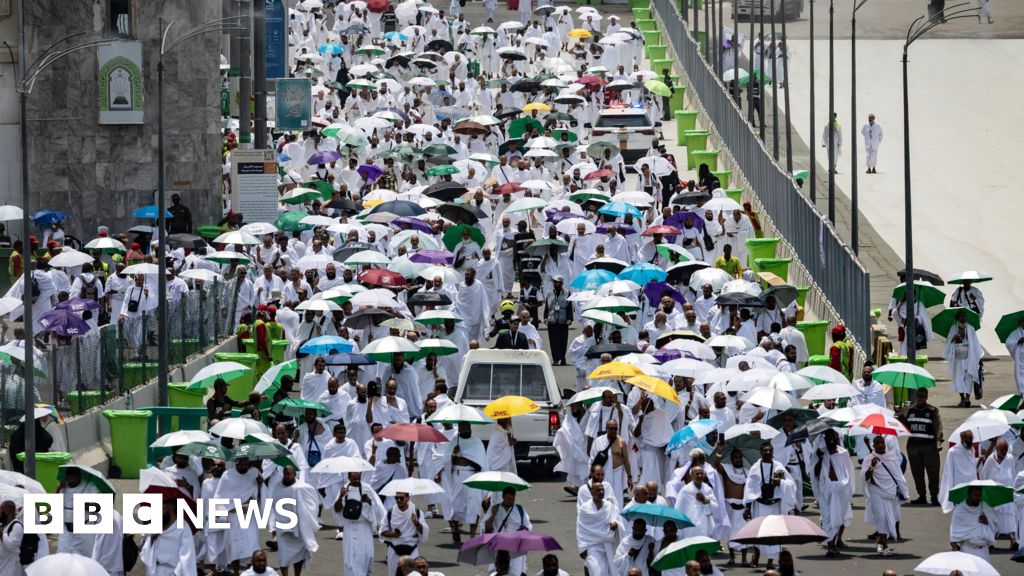
Saudi Arabia has implemented enhanced safety measures, including cooling systems and crowd management, to prevent heat-related deaths during this year's Hajj pilgrimage, which began with over 1.4 million pilgrims amid extreme temperatures reaching 44°C, following last year's tragic deaths due to heat and stampedes.
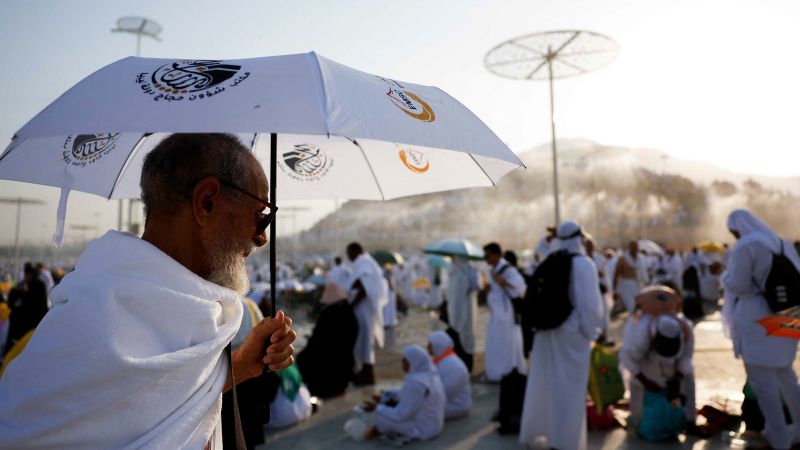
The annual Hajj pilgrimage to Mecca has begun, with over 1.475 million pilgrims entering Saudi Arabia amid concerns over extreme heat exceeding 120°F, following last year's fatalities due to heat. The Saudi government has implemented safety measures, including planting trees and increasing healthcare staff, to prevent disasters during this large gathering.
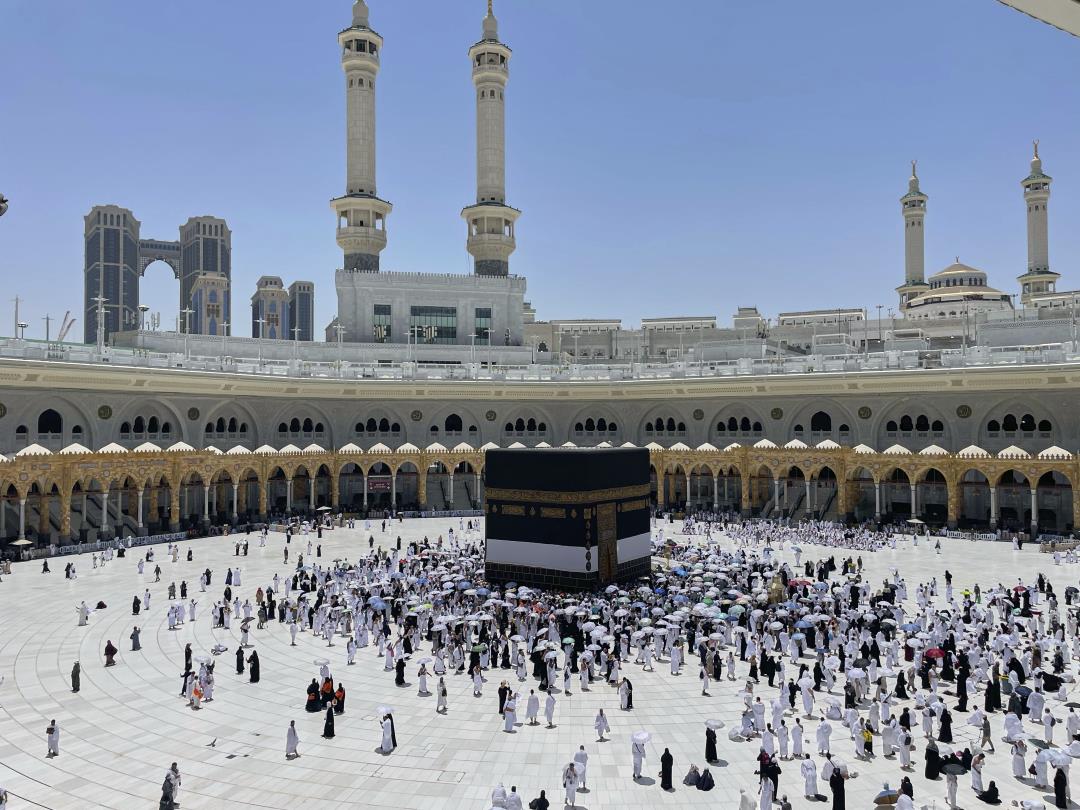
The annual Hajj pilgrimage to Mecca begins amid rising temperatures and logistical challenges, with Saudi Arabia investing heavily in infrastructure and safety measures to accommodate millions of pilgrims while addressing past disasters and the impacts of climate change.
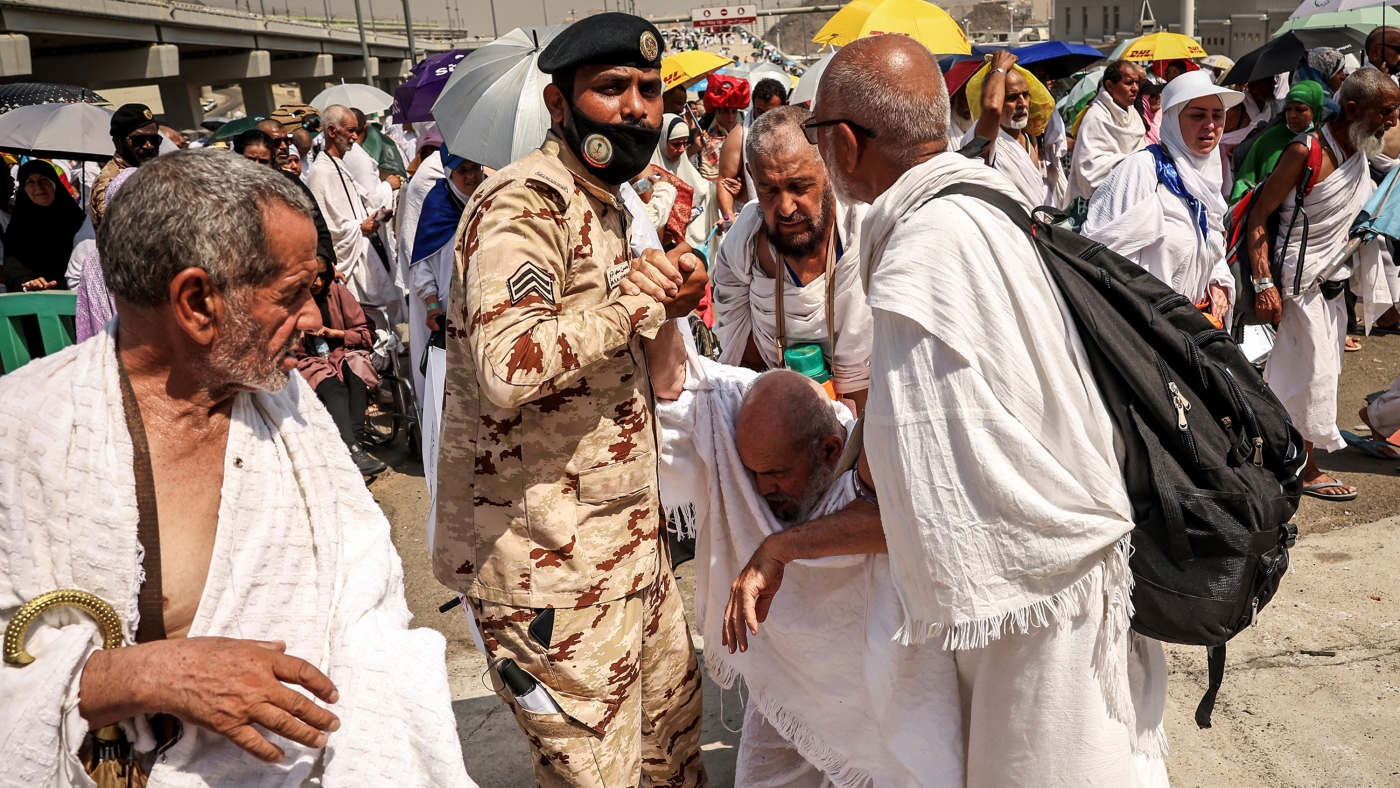
Hundreds of Muslim pilgrims died and thousands were treated for heat exhaustion during this year's Hajj pilgrimage in Mecca, where temperatures soared above 115 degrees. Despite efforts by Saudi authorities to mitigate the heat's impact, the extreme conditions led to widespread suffering and fatalities. The Hajj, a key pillar of Islam, remains a physically demanding and spiritually significant journey, but the increasing temperatures pose significant challenges for future pilgrimages.
Over 1,000 Muslim worshippers died from heat exhaustion during this year's Hajj pilgrimage in Saudi Arabia, with temperatures reaching up to 125 degrees. The high death toll was exacerbated by tens of thousands of unregistered pilgrims, straining the country's infrastructure. The Hajj, a mandatory pilgrimage for Muslims, saw worshippers from 10 different countries perish in the extreme heat.
Around 600 Egyptians have died during the annual hajj pilgrimage to Mecca due to extreme heat, with temperatures exceeding 51 degrees Celsius. Most fatalities were among unregistered pilgrims lacking access to air-conditioned facilities. Egyptian President Abdel Fattah El-Sisi has ordered a crisis unit to investigate the deaths, and Egypt is coordinating with Saudi authorities to account for the dead and missing. Other countries have also reported significant fatalities among their pilgrims.
Over 1,000 hajj pilgrims, mostly unregistered from Egypt, have died due to extreme heat in Mecca, with temperatures reaching 51.8C. One man is desperately searching for his wife, who went missing after being taken to a hospital for exhaustion. Saudi authorities defend their management of the pilgrimage, attributing the deaths to pilgrims' misjudgment of risks. The incident highlights the dangers posed by climate change and the challenges of managing large crowds during the hajj.
Nearly 500 confirmed fatalities have been reported from this year's Hajj pilgrimage due to extreme heat, with the true toll potentially exceeding 1,000. The deaths include worshipers from various countries, and many more are hospitalized or missing. Despite safety measures, the high temperatures of up to 49 degrees Celsius (120 degrees Fahrenheit) have led to widespread heatstroke and other health issues among the 1.8 million pilgrims. The crisis has raised concerns about the safety of unregistered pilgrims and the adequacy of current safety protocols.
Hundreds of pilgrims have died during this year's Hajj pilgrimage in Saudi Arabia, primarily due to extreme heat with temperatures exceeding 51 degrees Celsius. Many of the deceased were unregistered pilgrims who lacked access to cooling facilities. Countries including Egypt, Indonesia, and India have reported significant fatalities. Overcrowding, poor sanitation, and long walking distances in intense heat exacerbated the situation. Saudi Arabia has faced criticism for inadequate safety measures, especially for unregistered pilgrims, despite recent efforts to improve conditions.
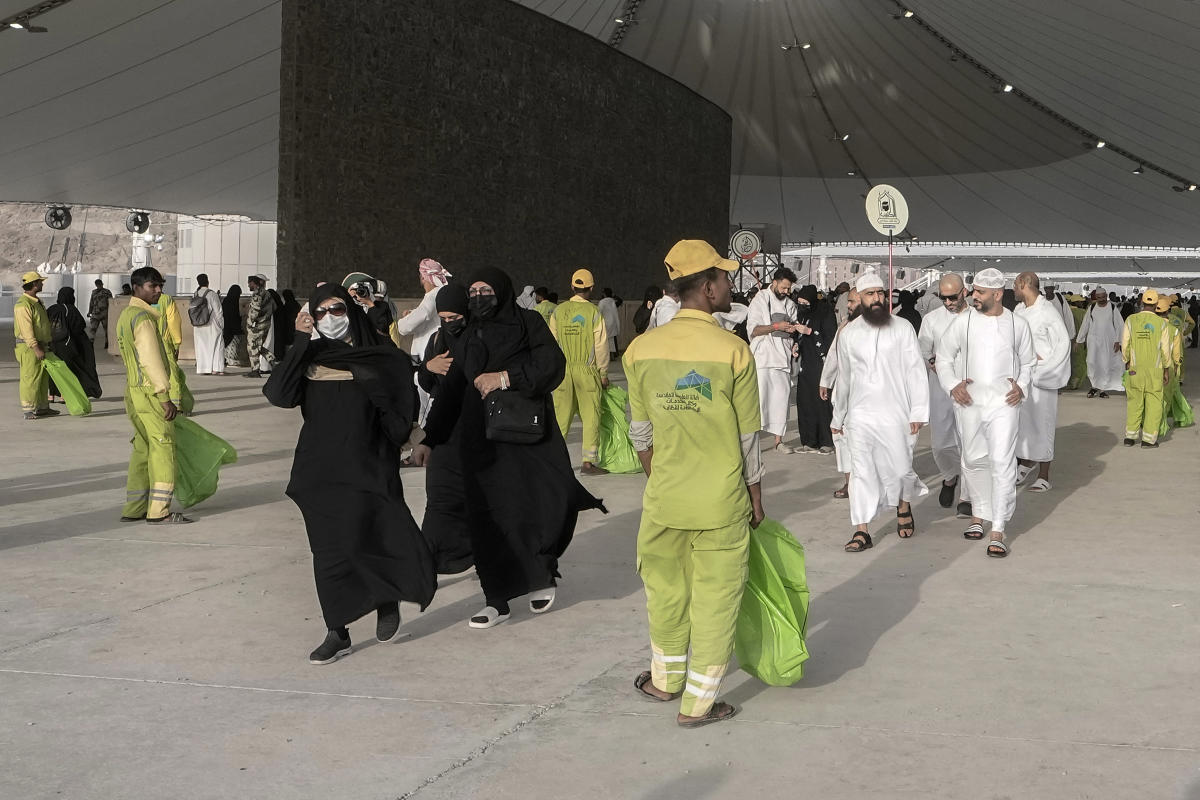
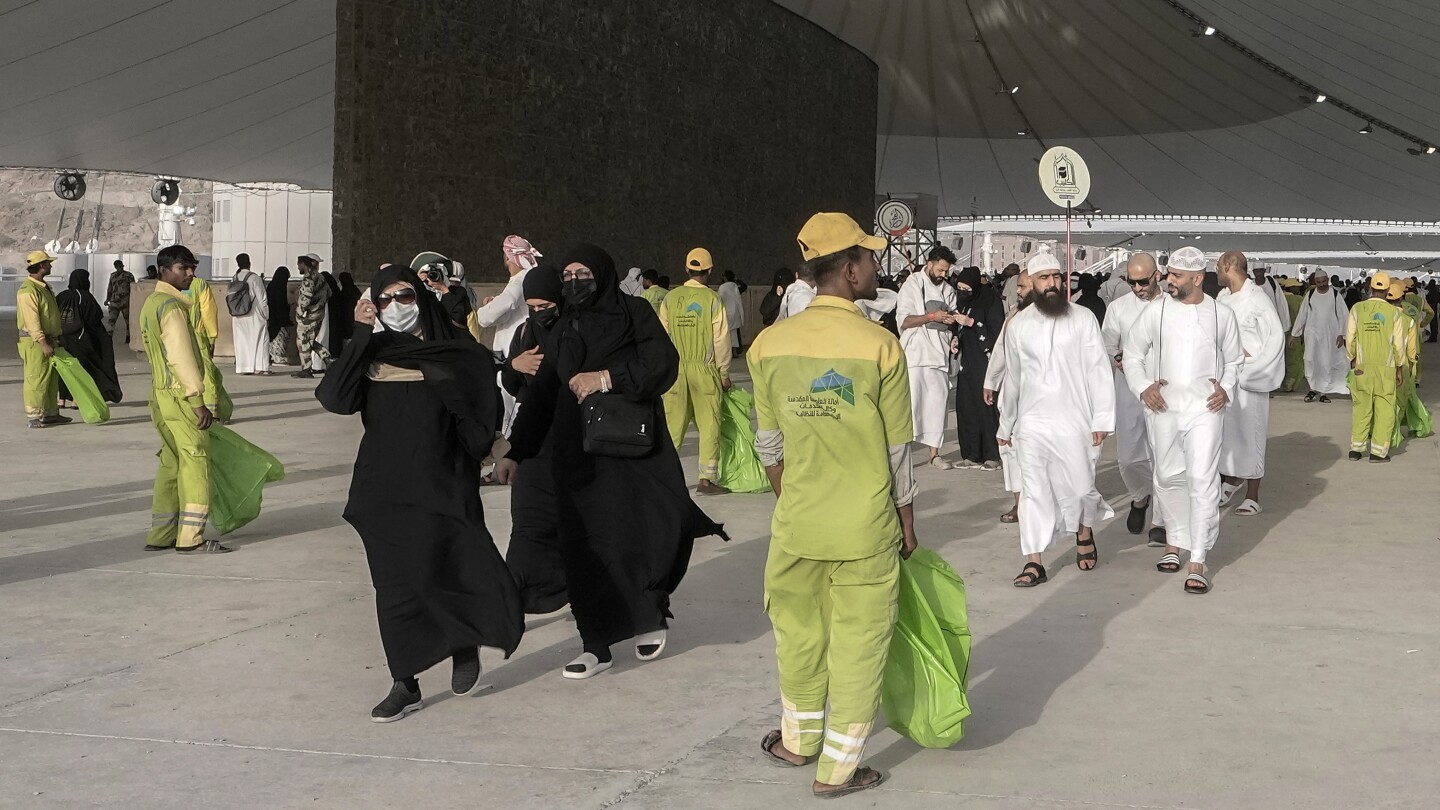
The annual Hajj pilgrimage in Saudi Arabia, which attracts 1.8 million Muslims from around the world, concluded amidst sweltering heat, with temperatures reaching 45 degrees Celsius (113 degrees Fahrenheit). Migrant workers, including cleaners, faced grueling conditions as they worked long hours with little shade, collecting trash and maintaining cleanliness. Despite the challenges, pilgrims expressed gratitude for the workers' efforts and offered support and donations. The Hajj is a significant religious journey for Muslims, but it also serves as a source of pride and legitimacy for the Saudi royal family.
The annual Hajj pilgrimage in Saudi Arabia, which concluded on Friday, took place in sweltering heat with temperatures reaching 45 degrees Celsius (113 degrees Fahrenheit). Migrant workers, including cleaners, endured the extreme conditions as they collected trash and cleaned the holy sites. The workers, who are paid 600 Saudi riyals (about $160) a month, worked 12-hour shifts for several weeks surrounding the Hajj. Despite the challenging conditions, pilgrims expressed gratitude for the workers' service and offered support. The Hajj is a significant religious journey for Muslims and a source of pride for the Saudi royal family, which invests billions of dollars in organizing the pilgrimage.
The cost of the Hajj pilgrimage is becoming increasingly unaffordable for Muslims due to global price rises. In Egypt, the cheapest government-sponsored pilgrimage now costs double what it was last year, fueled by the sharp devaluation of the Egyptian pound. The cost of living has also skyrocketed, with annual core inflation hitting 40% in May. This has led to a significant drop in bookings, making it difficult for many people to fulfill their dream of performing the Hajj. Yemeni pilgrims, who have been devastated by conflict and humanitarian crises, also face financial barriers in affording the pilgrimage.
Muslim pilgrims at the Hajj pilgrimage in Saudi Arabia endure scorching temperatures to perform the symbolic stoning of the devil, a reenactment of Prophet Ibrahim's resistance to temptation. The ceremony, previously marred by stampedes, has been made safer with expanded pedestrian bridges. This year, the intense heat poses a significant challenge, with temperatures exceeding 45 degrees Celsius (113 F). Health workers and volunteers are providing assistance, treating cases of sunstroke and heat exhaustion. The annual Hajj pilgrimage is a fundamental pillar of Islam, attracting millions of Muslims worldwide, but this year's participation is lower due to global economic difficulties.
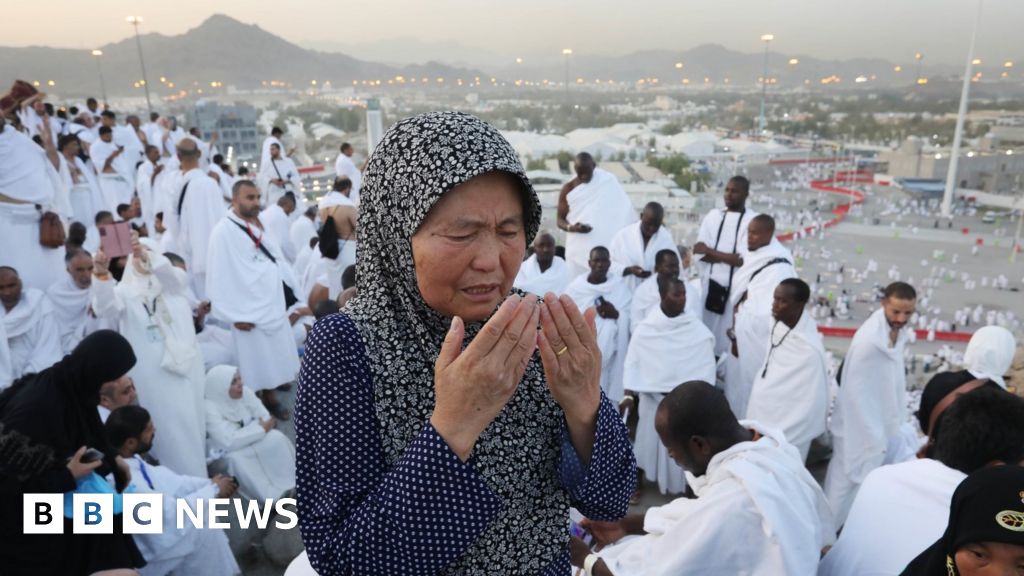
Muslim pilgrims at the annual Hajj pilgrimage in Saudi Arabia braved intense heat, with temperatures exceeding 42 degrees Celsius (107 degrees Fahrenheit), to perform the symbolic stoning of the devil. Using pebbles collected the night before, the pilgrims reenacted the story of Prophet Ibrahim by casting stones at three pillars representing the devil. The Hajj pilgrimage, one of the five pillars of Islam, is a religious experience that brings Muslims closer to God and fellow believers. This year's Hajj is the first to be held without COVID-19 restrictions since 2020, with around 1.8 million pilgrims participating, fewer than in previous years.