Tag

Heat Protection

All articles tagged with #heat protection

Global Urgency to Protect Workers from Rising Heat Risks

Originally Published 4 months ago — by The Verge

Featured image for Global Urgency to Protect Workers from Rising Heat Risks
Source: The Verge

A new report by WHO and WMO warns that rising global temperatures are increasing heat stress risks for workers worldwide, affecting health and productivity, and calls for better protections, policies, and climate action to prevent severe health outcomes and economic impacts.


DeSantis Blocks Heat Protections for Florida Workers

Originally Published 1 year ago — by NewsNation Now

Featured image for DeSantis Blocks Heat Protections for Florida Workers
Source: NewsNation Now

Florida Governor Ron DeSantis quietly signed a bill prohibiting local governments from mandating heat protection for outdoor workers, sparking controversy. The bill, passed by the Florida Senate, prevents local governments from imposing heat exposure requirements beyond those mandated by law. Critics argue that local governments should have the authority to establish standards based on local weather conditions, while supporters emphasize the need for employers to govern themselves and create a safe working environment. This move comes amid concerns about heat-related illnesses and deaths in industries such as construction and agriculture, and follows the hottest year on record in 2023.

"Florida's Ban on Heat Protections for Outdoor Workers Sparks Controversy and Potential Solutions"

Originally Published 1 year ago — by WFLA

Featured image for "Florida's Ban on Heat Protections for Outdoor Workers Sparks Controversy and Potential Solutions"
Source: WFLA

Florida Governor Ron DeSantis quietly signed a bill prohibiting local governments from mandating heat protection for outdoor workers, sparking controversy. The bill aims to prevent local governments from imposing heat exposure requirements beyond those required by law, with supporters arguing it allows employers to create the best working environment for their employees. However, critics argue that local governments should have the power to set their own standards based on local weather conditions, especially in the wake of the hottest year on record in 2023.

"Florida Governor DeSantis Blocks Heat Protections for Outdoor Workers"

Originally Published 1 year ago — by WFLA

Featured image for "Florida Governor DeSantis Blocks Heat Protections for Outdoor Workers"
Source: WFLA

Florida Governor Ron DeSantis quietly signed a bill prohibiting local governments from mandating heat protection for outdoor workers, sparking controversy. The bill aims to prevent local authorities from imposing heat exposure requirements beyond those mandated by law, drawing opposition from citizens who argue that local governments should have the power to set their own standards based on local weather conditions. This move comes amid concerns about heat-related illnesses and deaths in industries such as construction and agriculture, and follows 2023 being the hottest year on record.

"Uncertainty Looms Over California's Indoor Heat Safety Regulations for Workers"

Originally Published 1 year ago — by NPR

Featured image for "Uncertainty Looms Over California's Indoor Heat Safety Regulations for Workers"
Source: NPR

California's proposed rules to protect indoor workers from dangerous heat conditions, including access to water, breaks, and cool-down areas, have been left in limbo due to political opposition. The state's Occupational Health and Safety Administration's standards board was set to vote on the rules, but the vote was pulled from the agenda at the last minute, leaving the rules at risk of being eliminated. This setback reflects a broader challenge in creating worker protections from heat across the country, with only a few states having such rules in place. The worsening heat risks and the impact of climate change underscore the urgent need for these protections, as workers continue to face significant health and safety risks from heat exposure.

"Hot Car Hazards: Protecting Your Vehicle and Loved Ones from Heat Damage"

Originally Published 2 years ago — by USA TODAY

Featured image for "Hot Car Hazards: Protecting Your Vehicle and Loved Ones from Heat Damage"
Source: USA TODAY

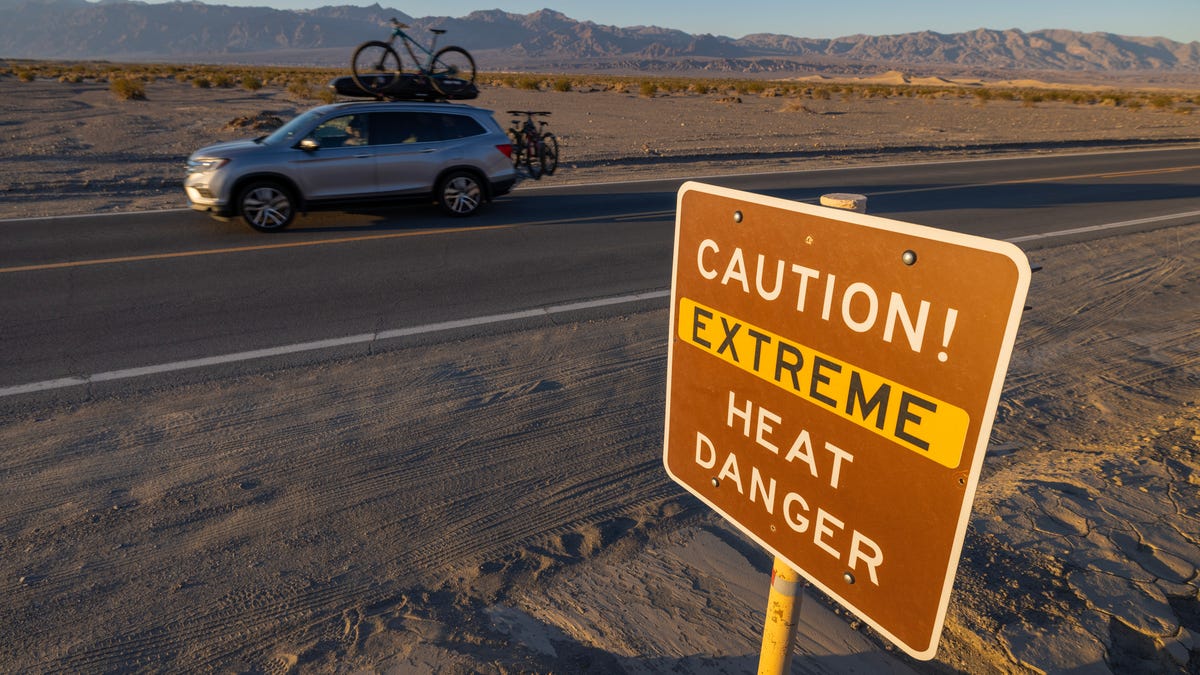
As summer temperatures rise, it's important to protect your car from the damaging effects of extreme heat. Here are ten steps to safeguard your vehicle: park in the shade, maintain tire pressure, check the cooling system, monitor car fluids, inspect the vehicle battery, apply wax to protect the exterior, use a windshield sun protector, install seat covers, apply leather conditioner to prevent cracks, and drive during cooler parts of the day. Taking these precautions can help prevent damage to both the interior and exterior of your car.

The Science of Hair Growth: From Curly Hair to Stem Cells.

Originally Published 2 years ago — by New York Post

Featured image for The Science of Hair Growth: From Curly Hair to Stem Cells.
Source: New York Post

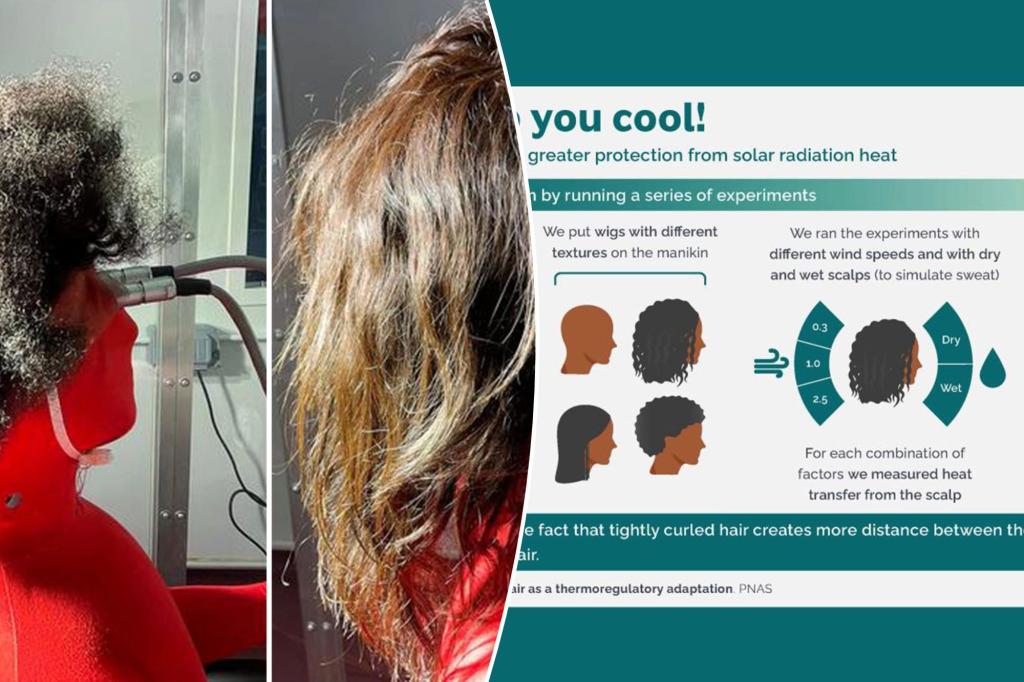
Researchers at Pennsylvania State University used a thermal manikin to study how heat is transferred from the body to the atmosphere under different hair conditions. They found that tightly curled hair offers the best protection from the sun’s radiation and heat, and minimizes the need to sweat to stay cool, which would help conserve water and avoid dehydration. The hair on our heads probably evolved as a way to reduce the amount of heat gain from solar radiation, thereby keeping humans cool without the body having to expend extra resources. This probably gave early humans an evolutionary advantage by allowing our brains to grow.

Google's Pixel Watch faces hardware issues.

Originally Published 2 years ago — by 9to5Google

Featured image for Google's Pixel Watch faces hardware issues.
Source: 9to5Google

The Pixel Watch has a built-in feature to protect against heat, turning off automatically when exposed to temperatures above 113°F (45°C) to prevent damage to the device or battery. The wearable is designed to work best in ambient temperatures between 32°F and 95°F (0°C and 35°C) and should be stored between -4°F and 113°F (-20°C and 45°C). Google warns against exposing the device to high temperatures, such as on a car dashboard or near heating, which may pose a risk of fire.