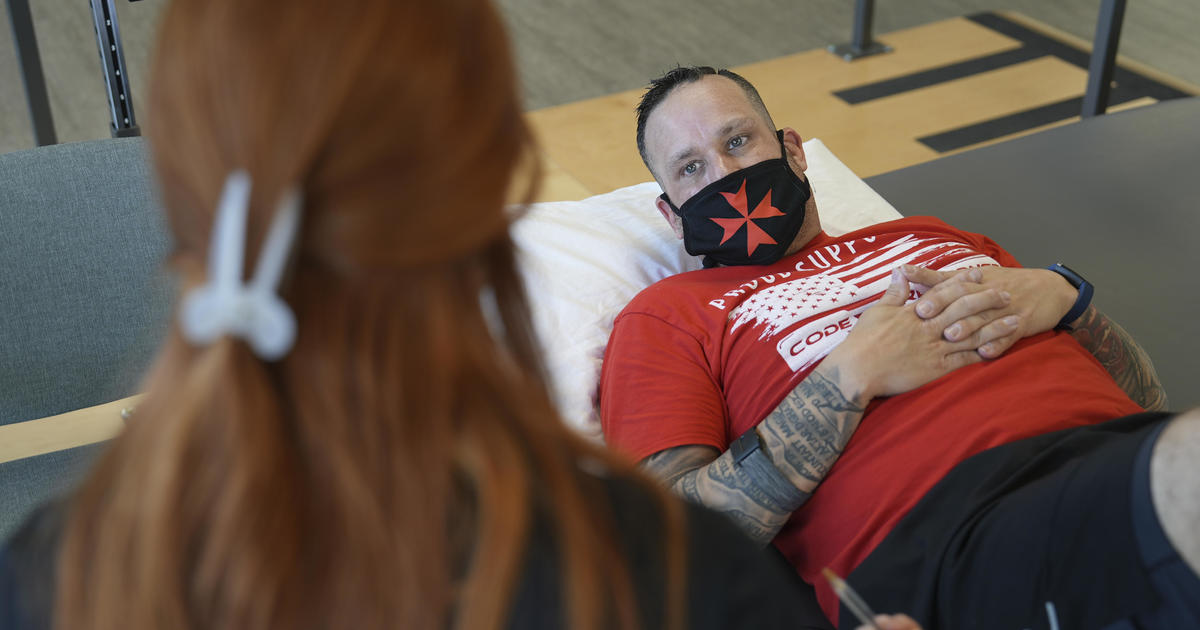
At the 2025 European Society of Cardiology conference, groundbreaking research was presented including a new blood pressure drug baxdrostat, AI-powered diagnostic tools, dietary recommendations like potassium intake, genetic testing for children, and vaccines that may reduce cardiovascular risks, marking a significant advancement in heart disease prevention and treatment.
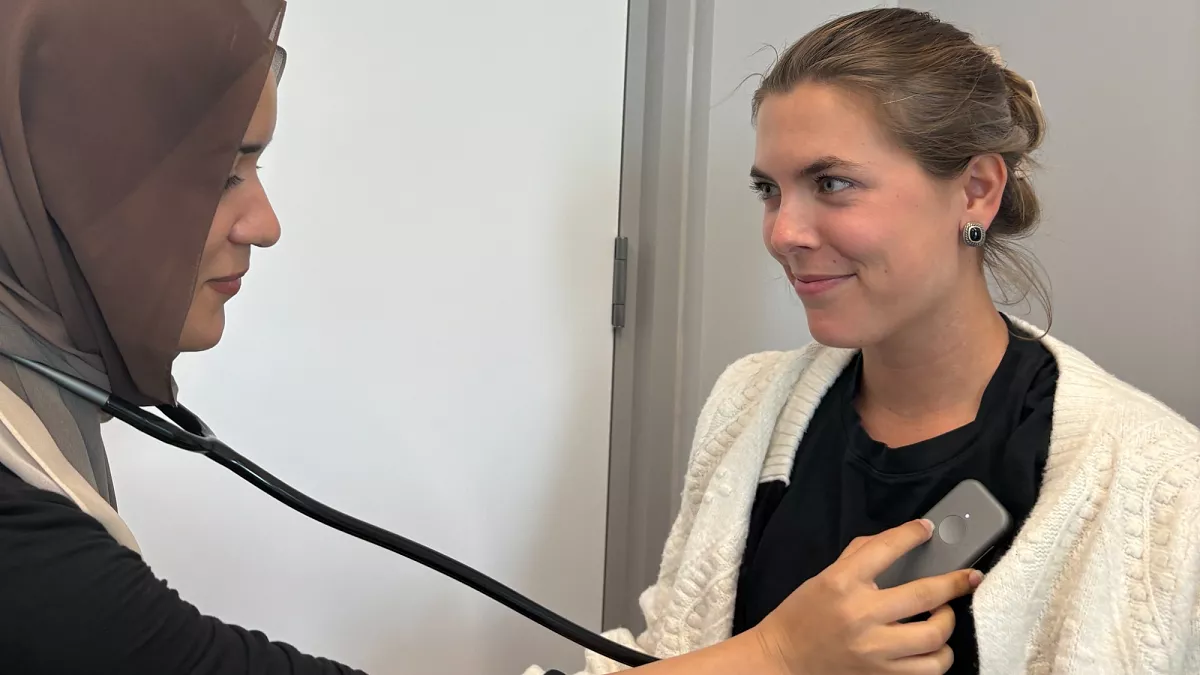
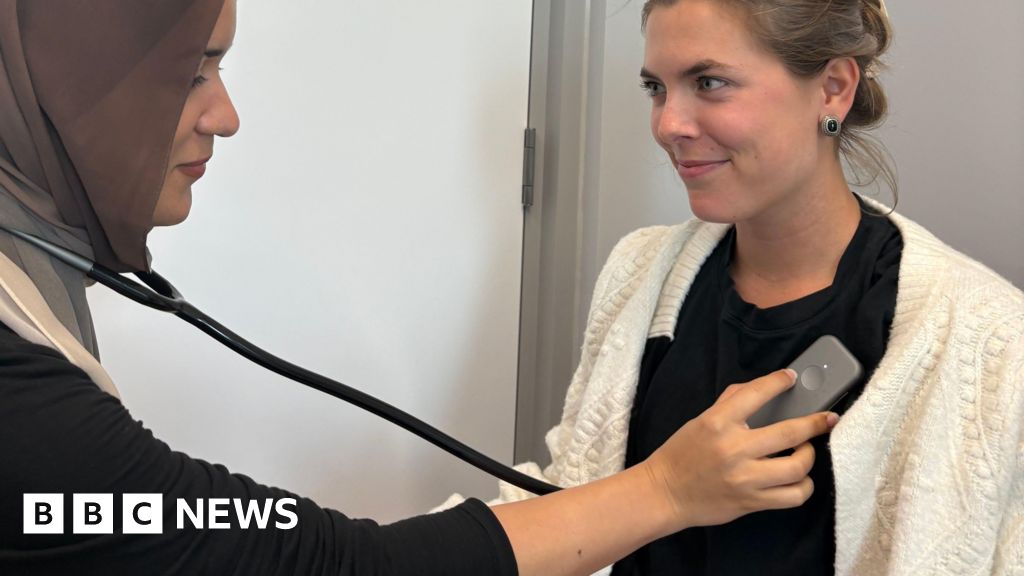
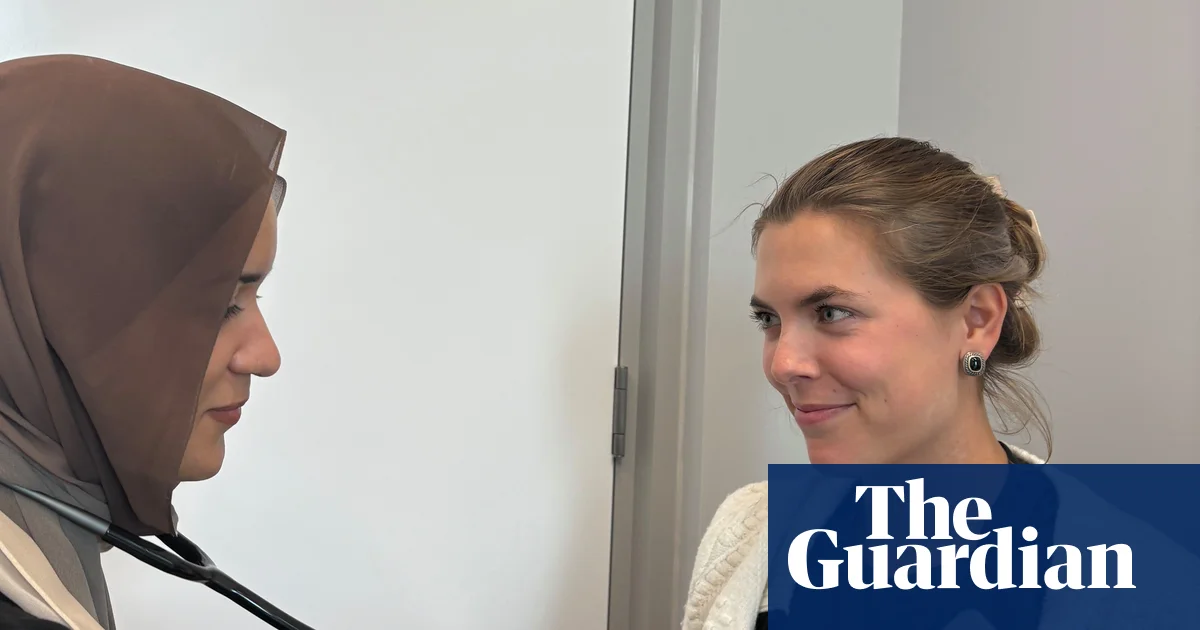
UK researchers developed an AI-powered stethoscope that can detect three heart conditions in just 15 seconds, improving early diagnosis but with some concerns about false positives and usage rates in practice.
AI-powered stethoscopes can detect heart failure, valve disease, and abnormal rhythms almost instantly, potentially revolutionizing early diagnosis and treatment in the UK, following a successful study involving over 12,000 patients across multiple GP surgeries.
Sudden Cardiac Death (SCD) can occur unexpectedly in healthy individuals, especially young athletes, due to undiagnosed heart conditions like hypertrophic cardiomyopathy and electrical disorders. Symptoms such as shortness of breath, chest pain, dizziness, unexplained fatigue, and heart palpitations should be taken seriously. Prevention strategies include routine cardiac screenings, awareness education, CPR and AED training, and monitoring those with a family history of heart disease. Early detection and prompt action can save lives.
Researchers have developed an AI-powered stethoscope that can detect major heart conditions like heart failure, valve disease, and abnormal rhythms in just 15 seconds, potentially enabling earlier diagnosis and treatment, especially in primary care settings.
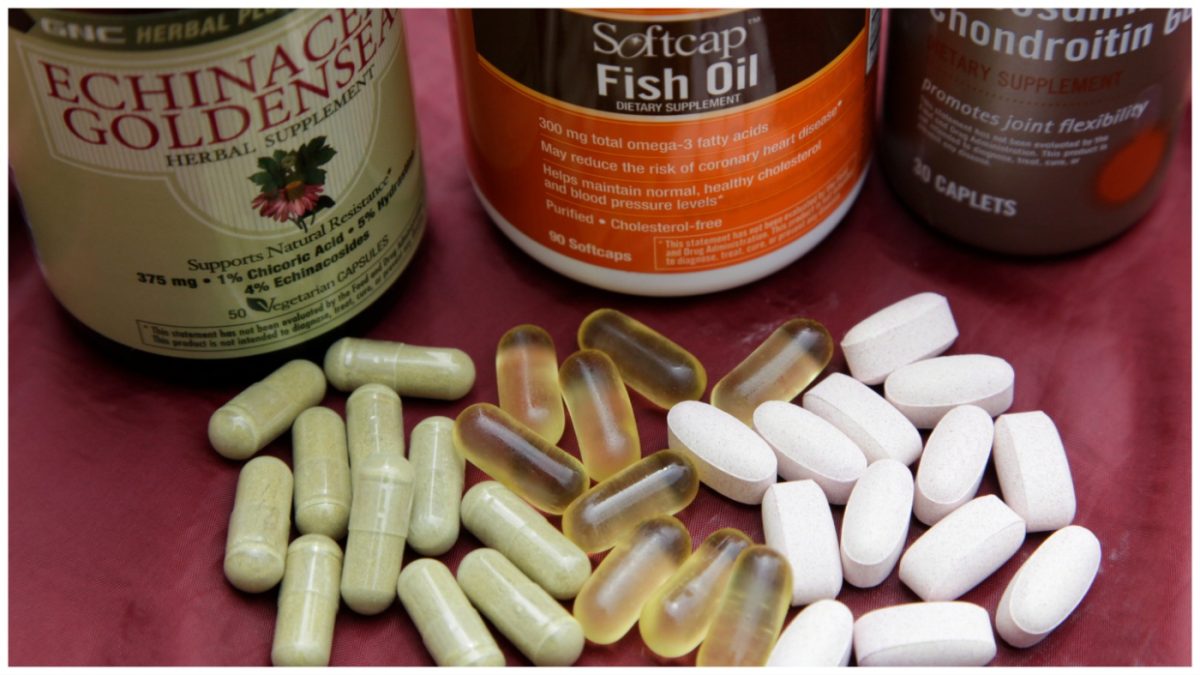
A study published in BMJ Medicine found that regular use of fish oil supplements may increase the risk of stroke and atrial fibrillation in people without pre-existing heart conditions, but may reduce these risks in those with known cardiovascular issues. The study followed over 400,000 people in the UK for 12 years and highlighted the need for further research to understand the benefits and risks of fish oil supplements.
While sex has numerous physical and psychological benefits, a small percentage of people die during or shortly after sexual activity, often due to physical strain, prescription or illegal drugs, and age-related cardiac issues. Recent research suggests that sudden cardiac death during sex is not limited to middle-aged men, with younger adults experiencing sudden arrhythmic death syndrome or cardiomyopathies as the main causes. The low incidence of these deaths suggests that the risk, even for those with existing heart conditions, is very low.
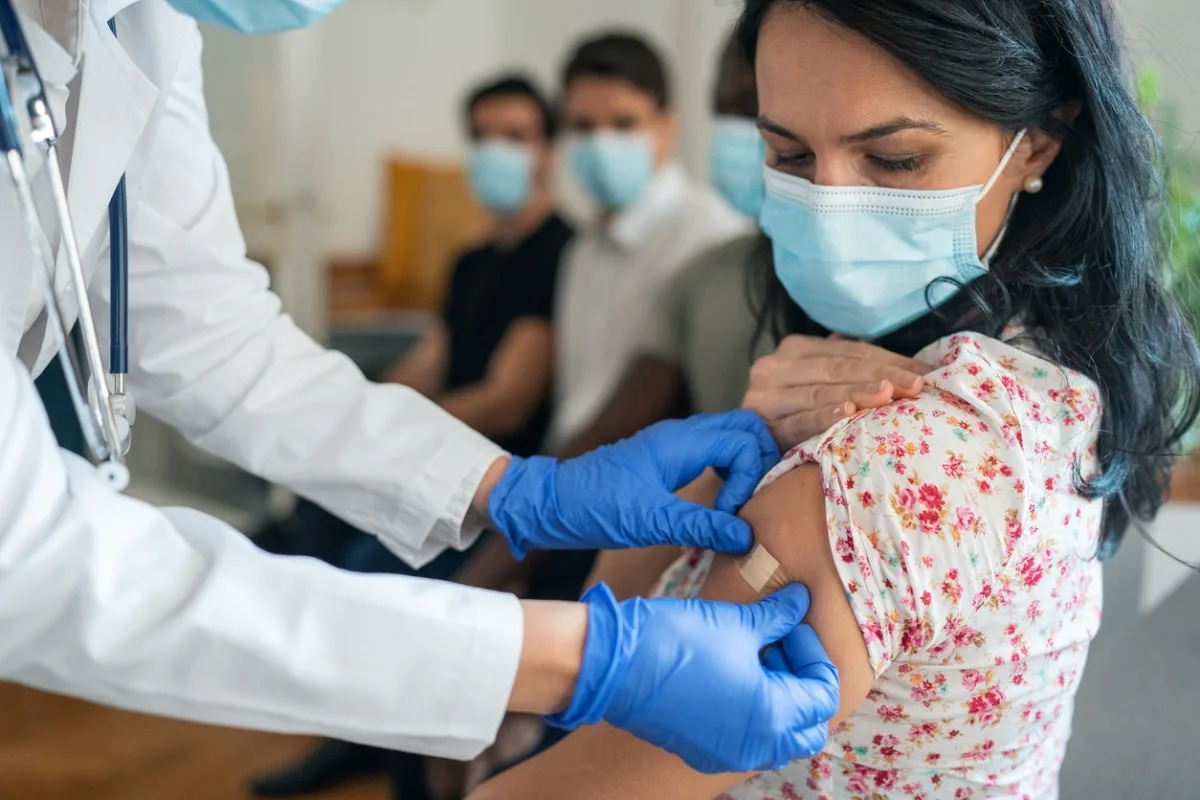
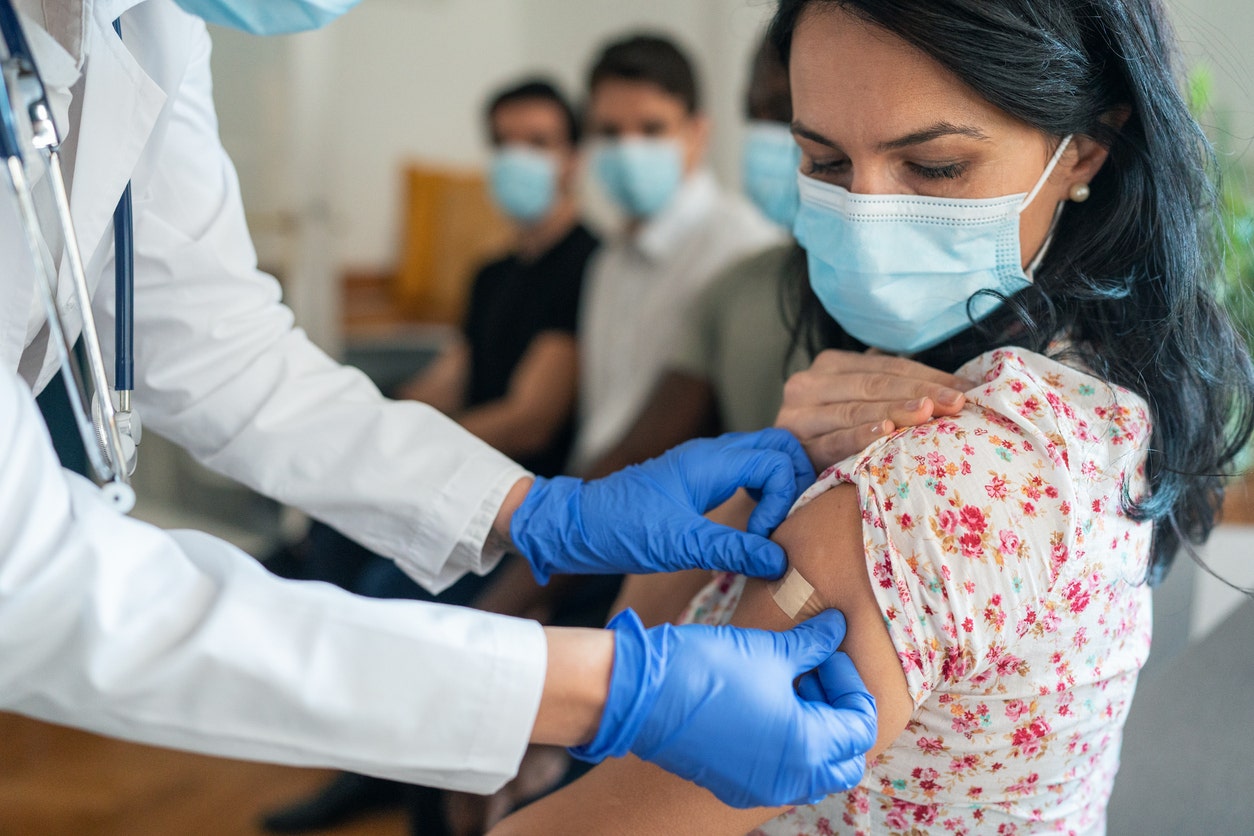
The largest COVID vaccine study to date, analyzing 99 million vaccinated individuals across eight countries, found a slight increase in neurological, blood, and heart-related medical conditions associated with the vaccine, including a higher risk of myocarditis with mRNA vaccines and blood clots in the brain with viral-vector vaccines. The study also identified an increased likelihood of Guillain-Barre syndrome and other rare potential vaccine safety signals. Experts emphasize that while these risks are rare, the benefits of vaccination in reducing the risk of severe COVID-19 outweigh them, and urge careful consideration of risks and benefits by both patients and healthcare providers.
The largest COVID vaccine study to date, conducted by the Global Vaccine Data Network in New Zealand, analyzed 99 million vaccinated individuals across eight countries and found a slight increase in neurological, blood, and heart-related medical conditions associated with the vaccine, including myocarditis and blood clots in the brain. The study also identified an increased likelihood of Guillain-Barre syndrome and other rare potential vaccine safety signals. Experts emphasize that while these risks are rare, the benefits of vaccination in reducing the risk of COVID outweigh them, and urge a careful risk/benefit analysis for each individual.
Recent studies have suggested a potential link between daily cannabis use and an increased risk of heart conditions. The first study, conducted by the All of Us Research Program, found that participants who reported daily marijuana use had a 34% higher risk of developing heart failure compared to non-users. However, the study did not specify the type of cannabis formulation used, which could impact health risks. The second study examined older adults who regularly use marijuana and found that they had a higher chance of experiencing major heart or brain events while hospitalized. Both studies have limitations and further research is needed to establish a conclusive connection between cannabis use and heart conditions.
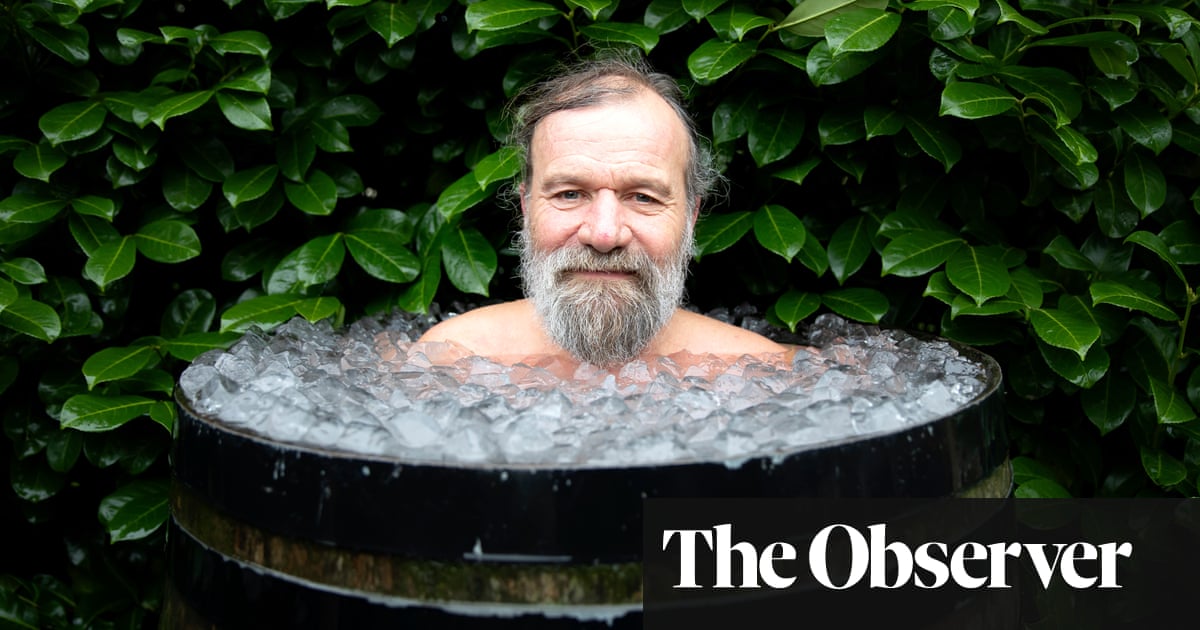
Cold water immersion, once used as a punishment, has gained popularity as a therapy for various health benefits. However, experts warn that it can be potentially lethal, with 60% of deaths occurring within the first minute of immersion. A recent case in the UK highlighted the risks when a woman died from an undiagnosed heart condition triggered by a cold water immersion session. The American Heart Association and the British Heart Foundation caution against cold therapy, especially for those with heart conditions. While some claim benefits such as improved mood and immunity, there is limited scientific evidence to support these claims. Experts emphasize the need for regulation and safety guidelines for cold water immersion activities.
S Club 7 members admit feeling the absence of bandmate Paul Cattermole, who tragically passed away in April. The band is planning to pay tribute to him during their 25th Anniversary Tour in October. They have partnered with the British Heart Foundation to raise awareness of heart conditions, as Paul's cause of death was related to cardiac issues. The tour has been renamed The Good Times Tour, after one of Paul's solo songs. The band has released a new single in his honor and the accompanying music video features a montage of Paul's moments with the group. Hannah Spearritt will not be joining the tour, but the door remains open for her return. The band members have bonded over their shared grief and are looking forward to celebrating their reunion and the memories they shared with Paul.
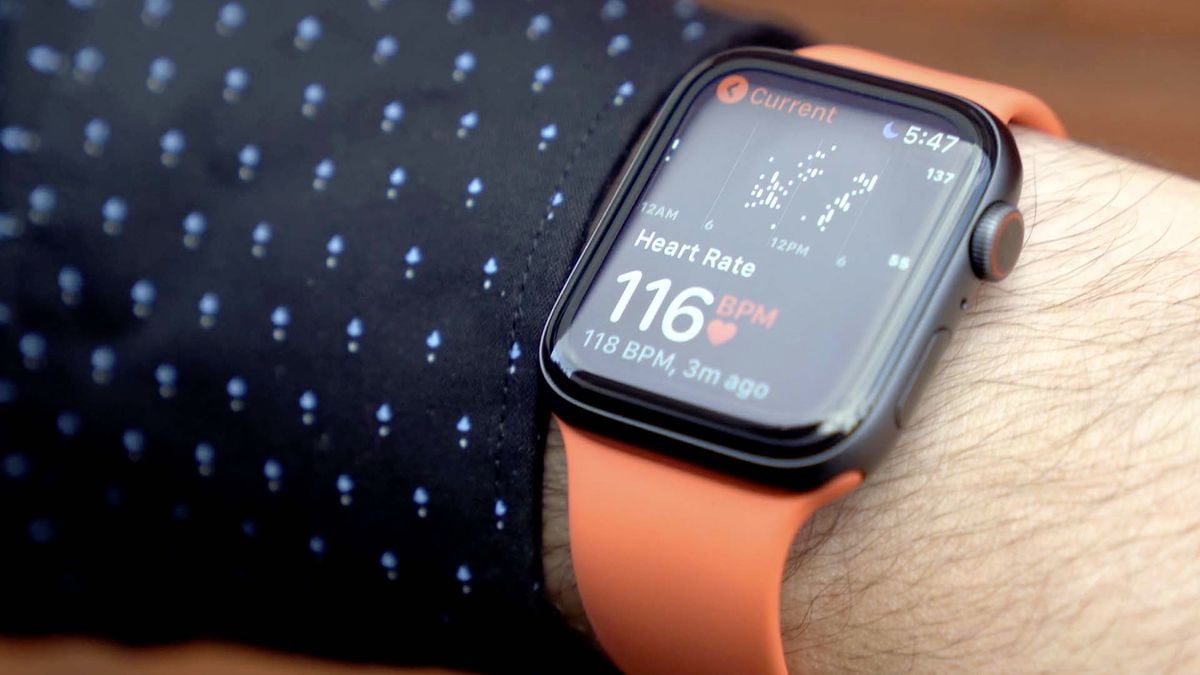
Researchers have found that low VO2 Max notifications on Apple Watches could potentially aid in the early diagnosis of heart conditions. A seemingly healthy 40-year-old man received low VO2 Max alerts on his Apple Watch Series 6, leading to further tests and a diagnosis of familial nonischemic cardiomyopathy. This condition can result in heart failure, and the early detection through Apple Watch alerts may have played a crucial role. While more investigation is needed, this discovery suggests that Apple Watches could potentially help identify heart conditions in the future.
Doctors are grappling with the long-term effects of COVID-19 on heart health, as patients continue to experience heart-related problems even after recovering from the virus. These issues range from blood clots and irregular heartbeats to heart attacks, and they can persist for up to a year after infection. The pandemic has reversed a decade of progress in reducing heart-related death rates, with an increase in heart attack deaths among young people. Researchers are studying the link between COVID-19 and heart damage, and are urging individuals to address other heart risks such as high cholesterol and blood pressure to mitigate potential complications.
Heart palpitations are sensations of your heart beating rapidly or skipping beats, which can be caused by anxiety, caffeine, exercise, medication, or health conditions like heart disease. While usually not a cause for concern, heart-related causes of palpitations should be addressed. Treatment options include managing underlying conditions, lifestyle changes, and medication. Seek medical attention if you experience chest pain, shortness of breath, or lightheadedness alongside palpitations, or if you suddenly have more palpitations than normal or your usual palpitations change in any way.