Ignoring high blood pressure can lead to serious health issues like heart failure by causing the heart to thicken, damaging blood vessels, and leading to fluid buildup. Regular checkups, a healthy diet, exercise, and lifestyle changes are essential to control blood pressure and prevent these complications.
A top cardiac surgeon shares three natural strategies to lower blood pressure: adopting a nutrient-rich diet low in sodium and high in potassium and magnesium, engaging in regular aerobic and resistance exercise, and limiting alcohol intake. These lifestyle changes can significantly reduce the need for medication and improve overall cardiovascular health.
Researchers at the University Clinic for Cardiac Surgery in Innsbruck, Austria, have developed a shockwave device, dubbed the "space hairdryer," that significantly improves heart function post-bypass surgery by regenerating heart tissue and enhancing pumping ability. Clinical trials showed a notable 11.3% improvement in heart performance, with plans for large-scale trials and potential regulatory approval by 2025.
While sex has numerous physical and psychological benefits, a small percentage of people die during or shortly after sexual activity, often due to physical strain, prescription or illegal drugs, and age-related cardiac issues. Recent research suggests that sudden cardiac death during sex is not limited to middle-aged men, with younger adults experiencing sudden arrhythmic death syndrome or cardiomyopathies as the main causes. The low incidence of these deaths suggests that the risk, even for those with existing heart conditions, is very low.
Sleep expert Dr. Shelby Harris emphasizes the importance of sleep quality over quantity for heart health, noting that poor sleep can disrupt hormones regulating hunger and is closely linked to heart health issues like sleep apnea and insomnia. Strategies for improving sleep quality include limiting alcohol and caffeine intake, reducing screen time before bed, and managing liquid intake before bed. Dr. Harris recommends prioritizing good quality sleep before focusing on sleep duration, and suggests cognitive-behavioral therapy for insomnia as an alternative to sleeping aids. Additionally, she advises against consuming large meals before bed and instead recommends a small, light snack with a mix of protein and carbohydrates for a better night's sleep.
Heart disease is the leading cause of death for women in the US, with coronary artery disease being the most common type. Women may experience heart disease differently than men due to hormonal and structural differences, and certain conditions can manifest during pregnancy. Symptoms of heart problems in women can be vague and non-classic, leading to misdiagnosis. To improve cardiac health, women should manage existing medical conditions, such as high blood pressure, diabetes, and high cholesterol, and address risk factors like obesity, smoking, and lack of exercise.
Heart disease is the leading cause of death for women in the US, affecting more than 60 million American women. Women should be aware of different types of heart disease, including coronary artery disease, heart rhythm abnormalities, and heart failure, which can affect them differently than men. Symptoms of heart problems in women may be non-classic and vague, leading to misdiagnosis. To improve cardiac health, women should manage existing medical conditions, such as high blood pressure, diabetes, and high cholesterol, and address risk factors like obesity, smoking, alcohol intake, unhealthy diet, and lack of exercise.
The sudden cardiac events experienced by young individuals during physical activity highlight the importance of understanding the various factors that can weaken young hearts. These factors include poor diet, obesity, inactivity, smoking, substance abuse, undiagnosed heart defects, hypertrophic cardiomyopathy, myocarditis, extreme physical exertion, dehydration, electrolyte imbalance, stress, and mental health issues. To maintain cardiac health, experts recommend lifestyle adjustments such as a heart-healthy diet, regular physical activity, weight management, quitting smoking, moderation of alcohol consumption, regular health screenings, medication compliance, and managing comorbidities. Additionally, incorporating mindfulness, meditation, yoga, and self-care strategies can help reduce stress and improve mental well-being, which is intricately connected to heart disease.
A new study has shown that artificial intelligence (AI) has the potential to detect risk signs and prevent sudden cardiac death. By analyzing medical data from registries and databases, AI was able to identify individuals at a high risk of sudden cardiac death. The AI's ability to analyze millions of data points and recognize patterns could help in medical diagnostics and improve early detection and treatment. However, caution must be exercised to ensure accurate and unbiased data for effective use of AI in healthcare.
A debate has emerged among doctors regarding the significance of abnormal lab values after COVID-19 vaccination. While some argue that these values may indicate "subclinical myocarditis" and warrant concern, others emphasize that abnormal lab values alone are not diagnostic of myocarditis and may not have clinical significance. Studies have shown that the vaccine can significantly reduce the rare but serious harms of COVID-19 in children, including myocardial injury. The real harms of the virus, such as death and severe illness, outweigh the theoretical risks associated with abnormal lab values.
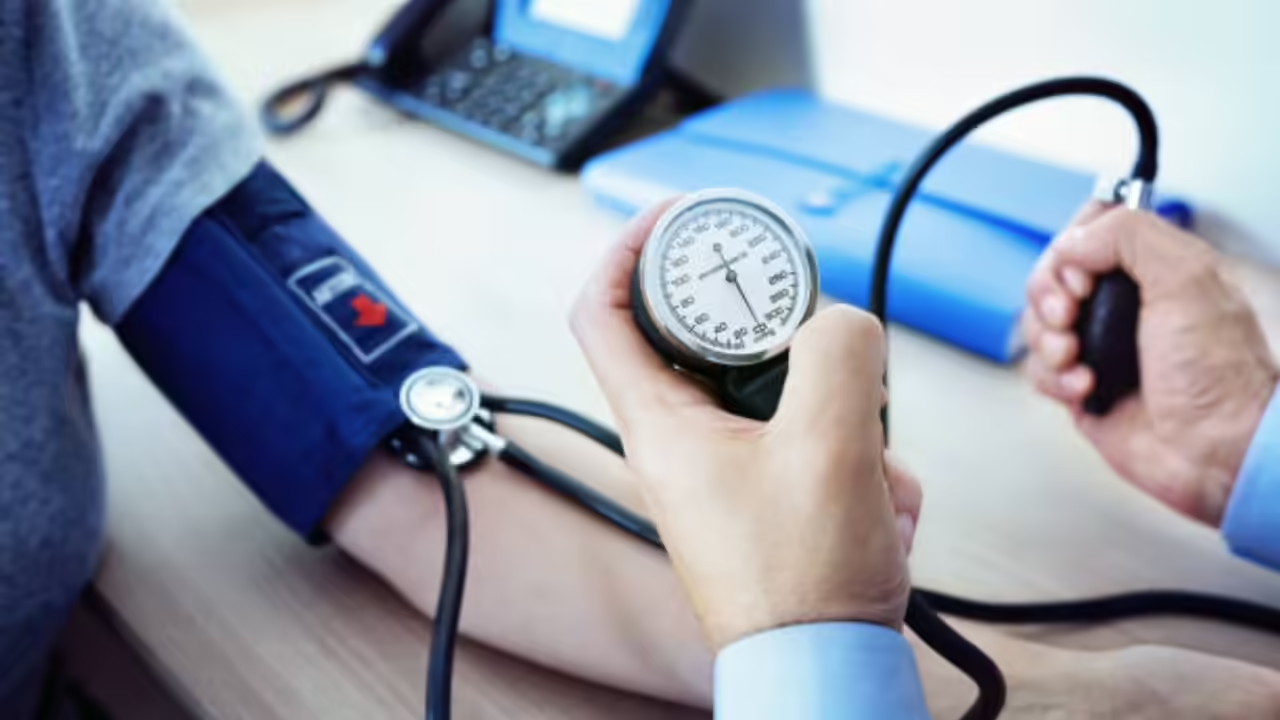
White coat hypertension is a phenomenon where anxiety in a clinical setting, such as a doctor's office, leads to elevated blood pressure readings. This can be problematic as it may result in inaccurate readings and is associated with a higher risk of cardiac problems. To address white coat hypertension, individuals can take steps such as practicing at-home blood pressure checks, bringing a trusted companion to appointments, informing doctors about the condition, and using stress-relieving techniques like deep breathing. It is important to address white coat hypertension as research shows it is linked to a higher likelihood of future heart issues.
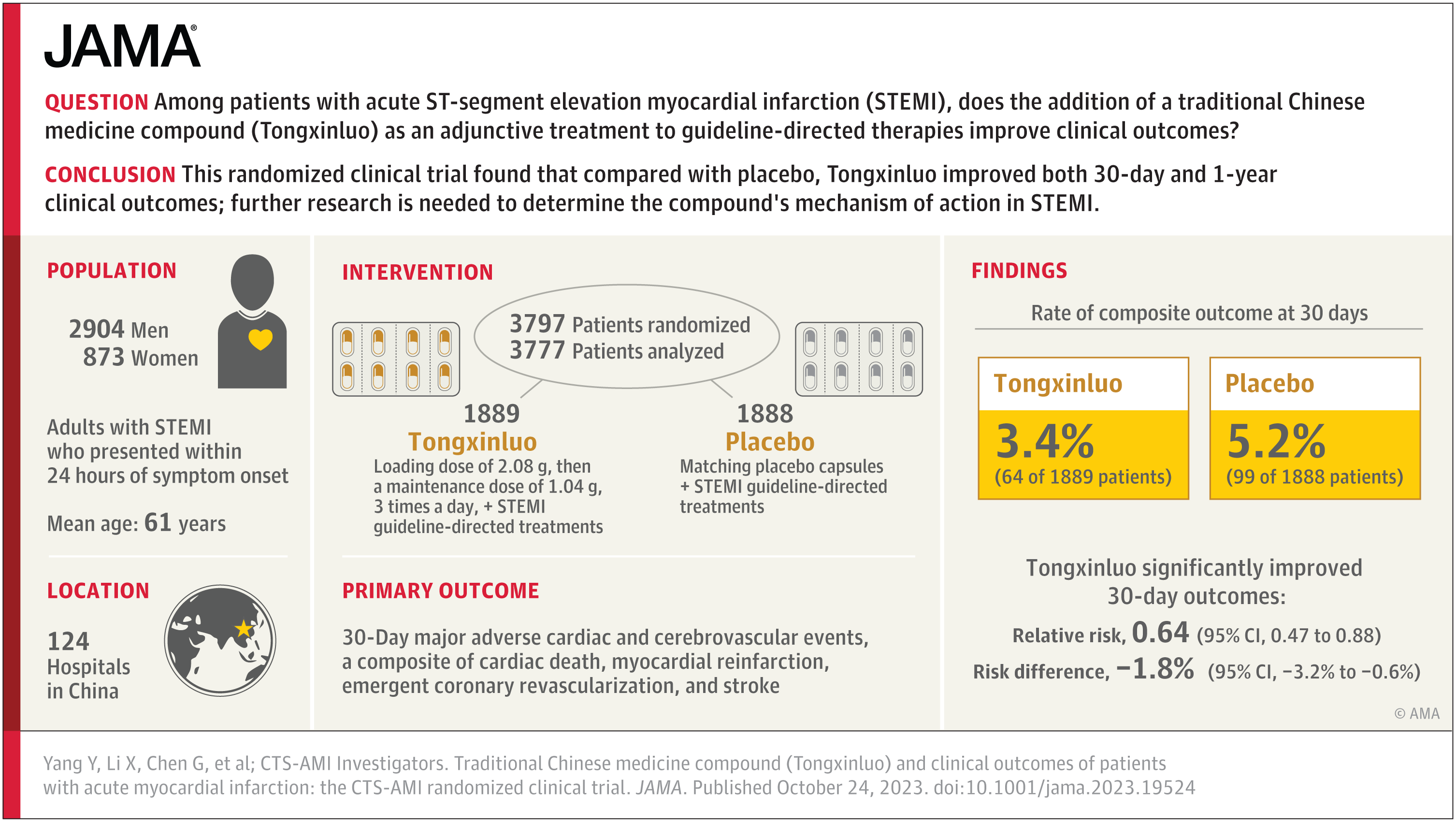
In a randomized clinical trial of 3777 patients with acute ST-segment elevation myocardial infarction (STEMI), the addition of a traditional Chinese medicine compound called Tongxinluo as an adjunctive treatment to guideline-directed therapies significantly improved clinical outcomes. Tongxinluo reduced the rate of major adverse cardiac and cerebrovascular events (MACCEs) at 30 days and 1 year, with a significant reduction in cardiac death. There were no significant differences in major bleeding. Further research is needed to understand the mechanism of action of Tongxinluo in STEMI.
A new study published in the New England Journal of Medicine found that coffee consumption doesn't increase abnormal heartbeats associated with an increased risk of the most common heart rhythm disturbance, atrial fibrillation. The study monitored the hearts, activity, and sleep of 100 people without underlying heart conditions over two weeks. However, there may still be other health effects associated with coffee consumption.