Top House Democrats oppose a short-term government funding bill that lacks healthcare tax credit extensions, amid ongoing political tensions and recent Trump pardons, while other US military and legal developments unfold.
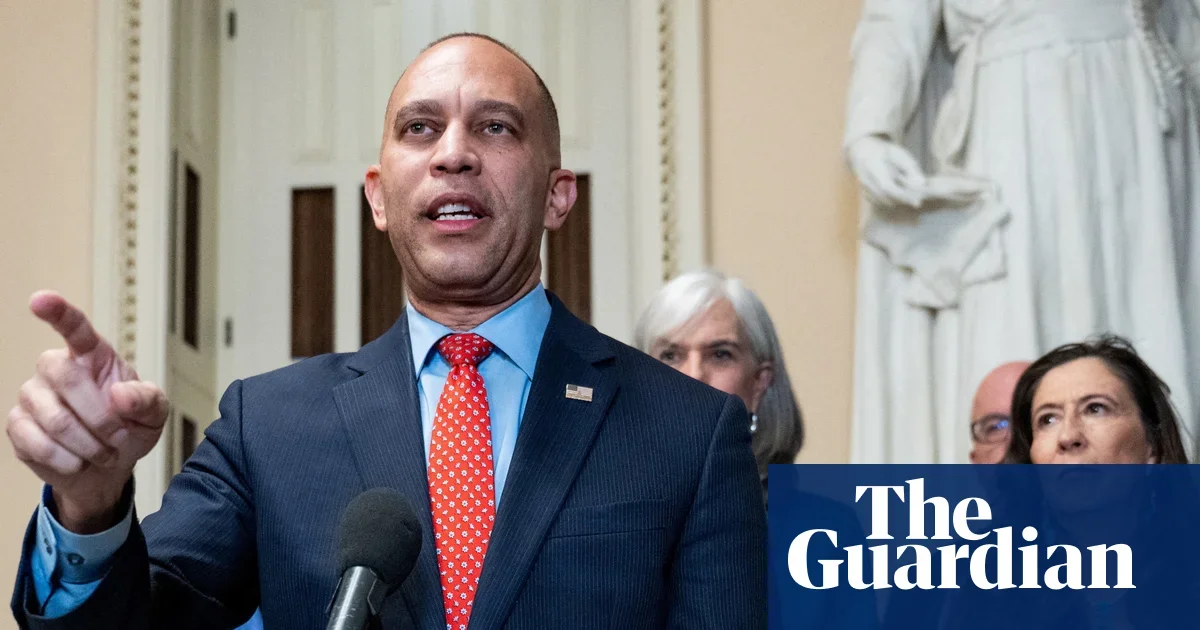
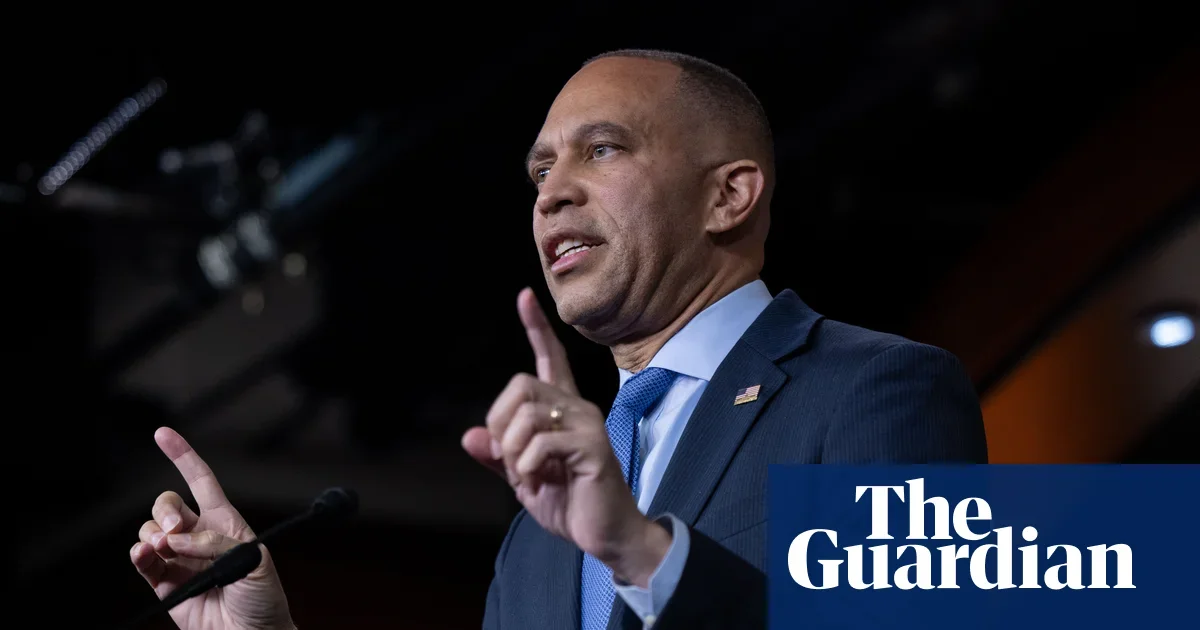
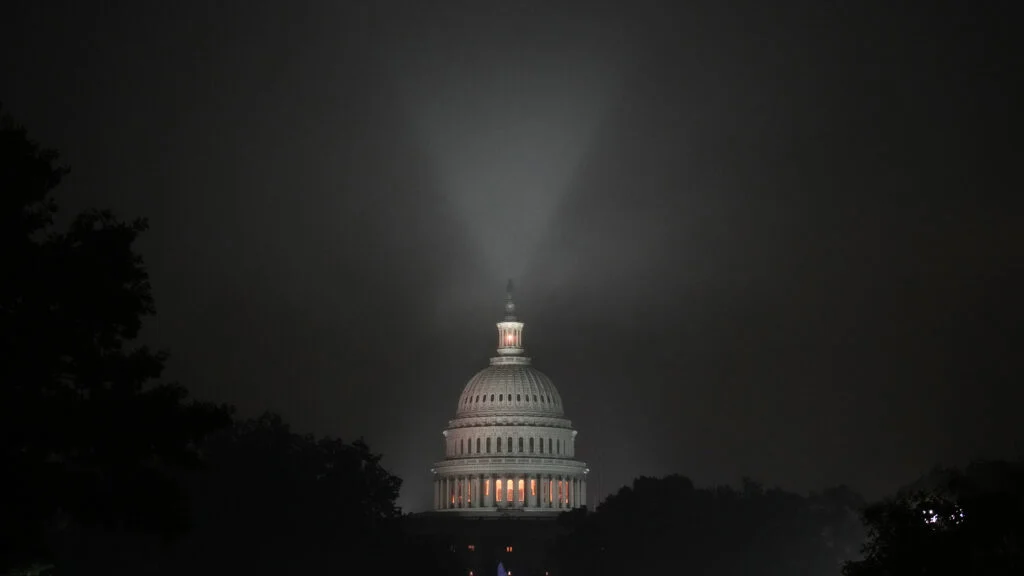
Top House Democrats oppose a Republican-led bill to reopen the US government because it does not include extending tax credits for Affordable Care Act health plans, which are set to expire. The Senate passed a temporary funding measure without these credits, leading to a partisan standoff that threatens to complicate the passage of the bill in the House, where Democratic opposition and potential defections could impact the vote.
Broadway actors, represented by Actors' Equity, are preparing to strike over unresolved contract negotiations with the Broadway League, primarily concerning healthcare contributions, which could halt 32 productions during peak season, highlighting ongoing labor disputes in the entertainment industry.
President Trump is set to meet with congressional leaders to negotiate a potential government shutdown, with Democrats demanding healthcare funding extensions and Republicans proposing a temporary funding bill; the outcome remains uncertain as both sides are entrenched in their positions.
The expiration of Obamacare funding and enhanced premium tax credits is causing political debate in Congress, with Democrats urging for immediate extension to prevent sharp premium hikes and coverage disruptions, while Republicans are hesitant to act quickly, leading to a potential government shutdown and increased uncertainty for enrollees.
The article discusses the allocation of $50 billion aimed at transforming rural healthcare, highlighting concerns about the potential for misuse due to vague criteria and the significant financial losses rural hospitals face from Medicaid reductions, which could undermine the intended benefits of the funding.
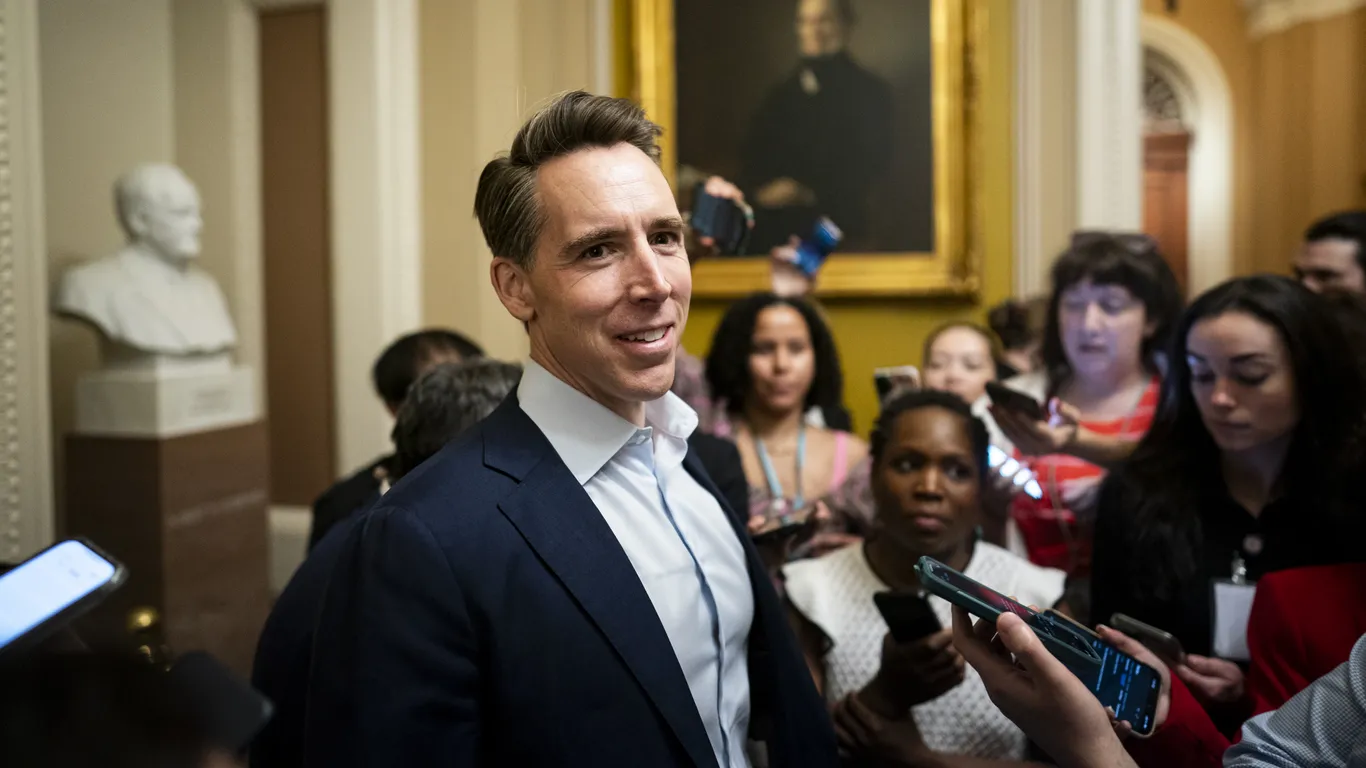
Senator Josh Hawley introduced the 'Protect Medicaid and Rural Hospitals Act' to prevent future Medicaid funding cuts, reversing his previous vote for such cuts as part of a broader effort to protect healthcare funding for vulnerable populations and rural hospitals amid ongoing legislative debates.
Rural hospitals across the U.S. are facing difficult decisions due to significant Medicaid and Obamacare funding cuts from a new law, risking service reductions, staff burnout, and potential closures, especially impacting low-income and vulnerable populations.
House GOP moderates are resisting the Senate's Medicaid cuts in a large legislative bill, demanding the Medicaid language align more closely with the House version. The bill also includes significant changes to tax policies, healthcare funding, and energy incentives, with ongoing negotiations and potential delays in final approval.
Senate Republicans are considering adding a provision to President Trump's tax bill that would significantly cut federal Medicaid funding for new beneficiaries in states that expanded Medicaid under the ACA, potentially impacting hospitals and state budgets, though the proposal faces obstacles and is no longer under active consideration according to some senators.
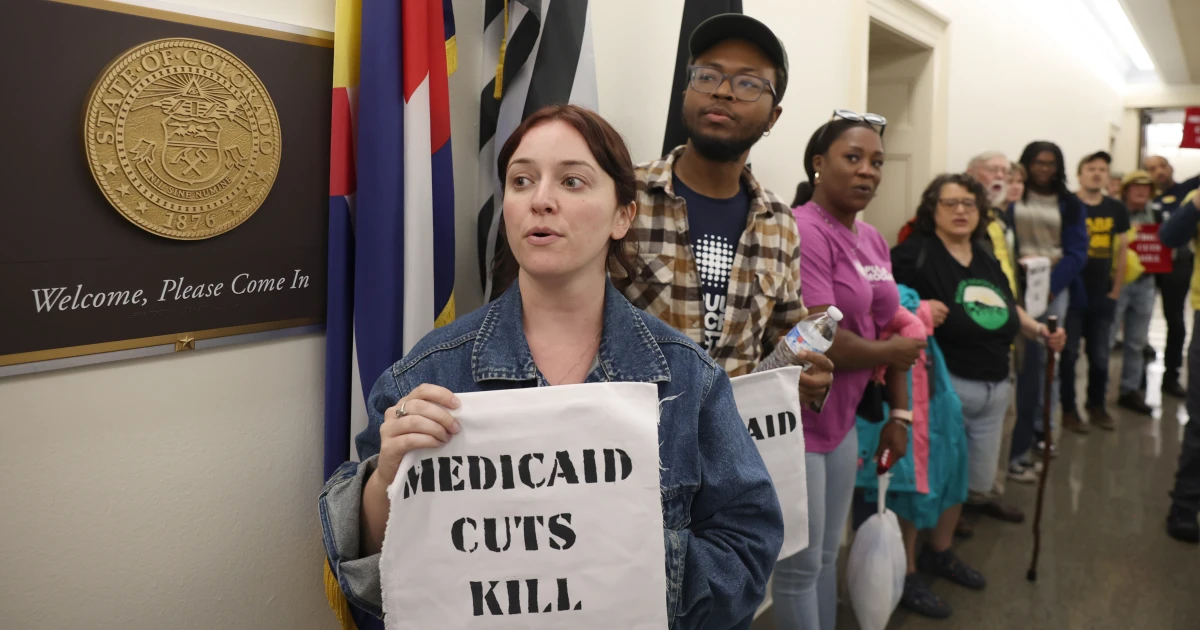
The Senate's proposed Medicaid cuts, which would reduce the provider tax rate, threaten the financial stability of rural hospitals across the U.S., potentially leading to closures, reduced services, and increased health disparities in rural communities, especially affecting low-income and Medicaid patients.
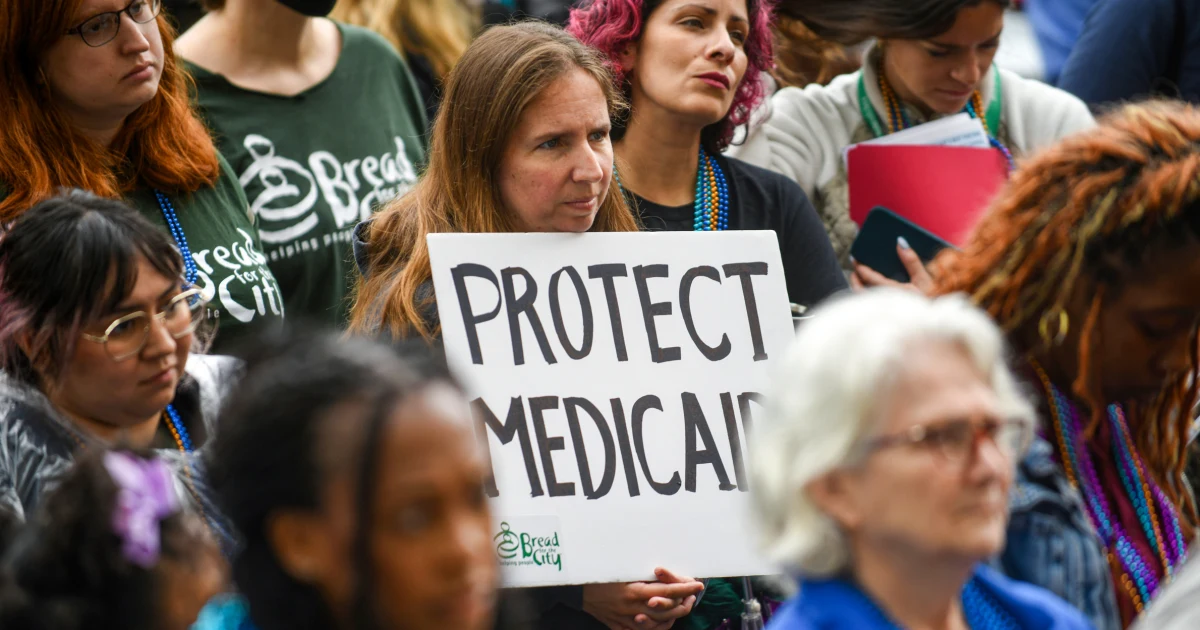
Public support for Medicaid has increased to 83%, even among Republicans, amid proposed Republican cuts of nearly $800 billion, sparking concern among beneficiaries and health advocates about potential loss of coverage and access to care.
Senior doctors in the UK are urging the government to prioritize fixing the palliative care system before advancing legislation on assisted dying, which recently passed its first parliamentary hurdle. Concerns have been raised that funding for assisted dying could detract from palliative care resources, which are already insufficient. The debate highlights the need for improved end-of-life care, with calls for a government-led commission to address the issue. While some MPs believe assisted dying could enhance palliative care, others worry about potential neglect of vulnerable patients.
Glioblastoma (GBM) is a rare and deadly brain tumor with limited treatment options, leading to a low survival rate. The lack of urgency and funding in developing new treatments for GBM has resulted in minimal progress, hindering the chances of survival for patients. The exorbitant cost of developing new approaches, inadequate funding, and lengthy clinical trial timelines are major obstacles. Nonprofits like OurBrainBank are advocating for increased government funding and support to improve research and treatment options for GBM patients and their families.
The development of new Alzheimer's drugs, lecanemab and donanemab, has sparked hope for a cure, but their effectiveness and potential side effects are under scrutiny. While these drugs target the amyloid theory and have shown some slowing of disease progression in trials, the overall impact is minimal and comes with significant side effects. The push for routine screening and early treatment raises ethical concerns, and the allocation of public funds for these drugs versus social care is being debated. Critics caution against exaggerated claims and emphasize the need for continued research and caution in the pursuit of a cure for dementia.