HealthCare.gov insurance premiums in Wisconsin are projected to increase dramatically in 2026, with some rates rising by over 800%, due to the expiration of enhanced federal subsidies that have lowered costs since 2021, leading to concerns about affordability for many Americans.
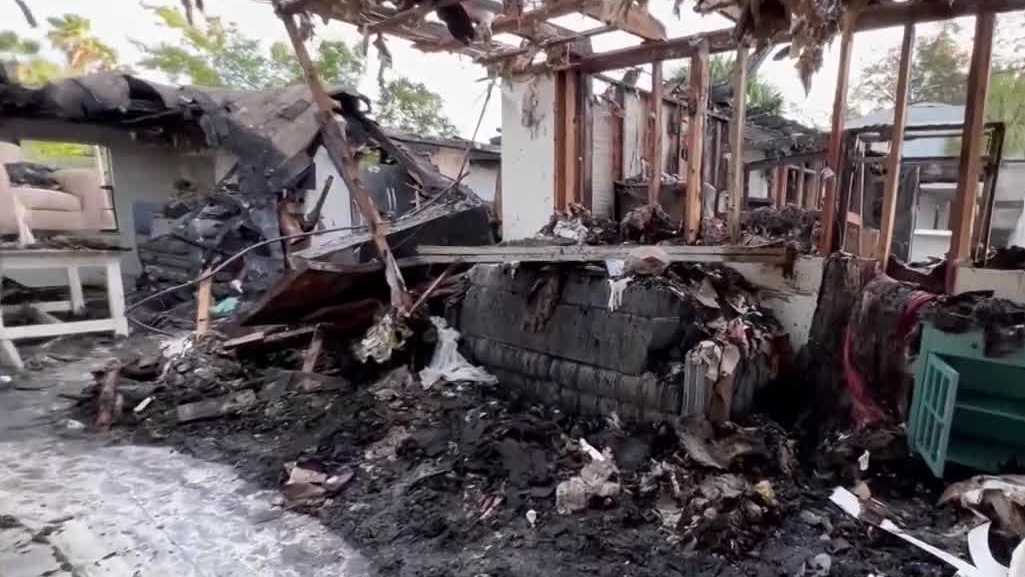
Consumer Reports ranks Citizens Property as the worst homeowners insurance company due to delayed and denied claims, insolvency issues, and rising premiums, with many insurers facing similar challenges amid climate change and economic pressures. Homeowners are advised to shop around, compare quotes, and look for discounts to manage rising costs and find better coverage options.
Obamacare premiums are expected to rise significantly in 2026, potentially by 75%, due to the expiration of federal subsidies and increased insurer rate requests, which could lead to higher costs and coverage loss for millions unless Congress intervenes to extend the enhanced tax credits.
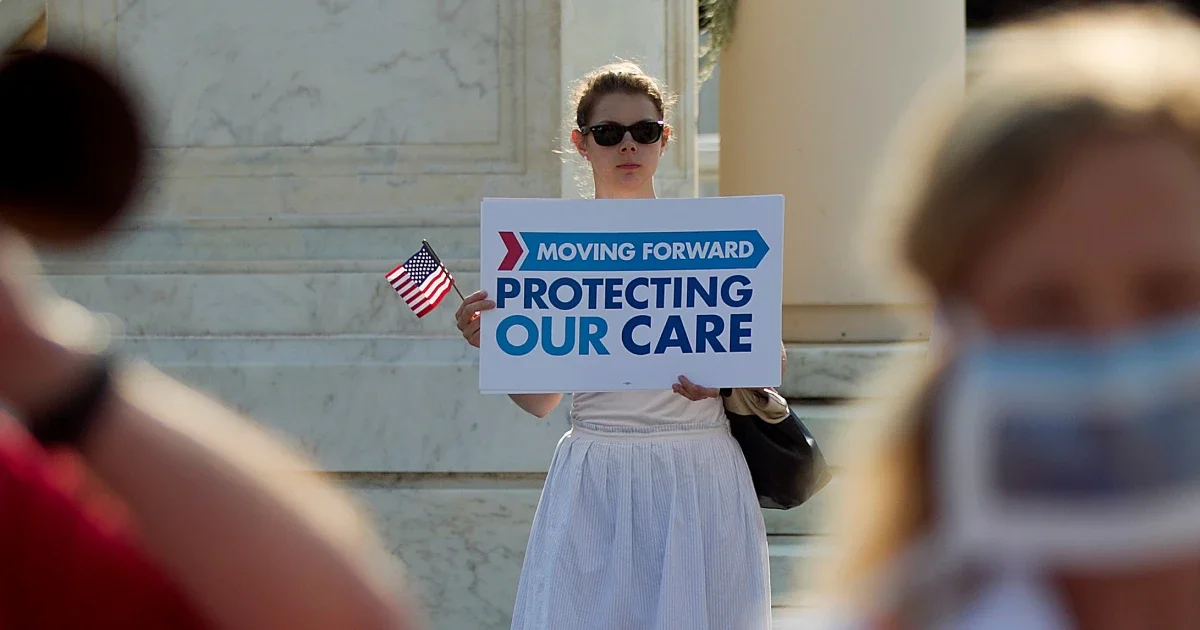
The expiration of Obamacare funding and enhanced premium tax credits is causing political debate in Congress, with Democrats urging for immediate extension to prevent sharp premium hikes and coverage disruptions, while Republicans are hesitant to act quickly, leading to a potential government shutdown and increased uncertainty for enrollees.
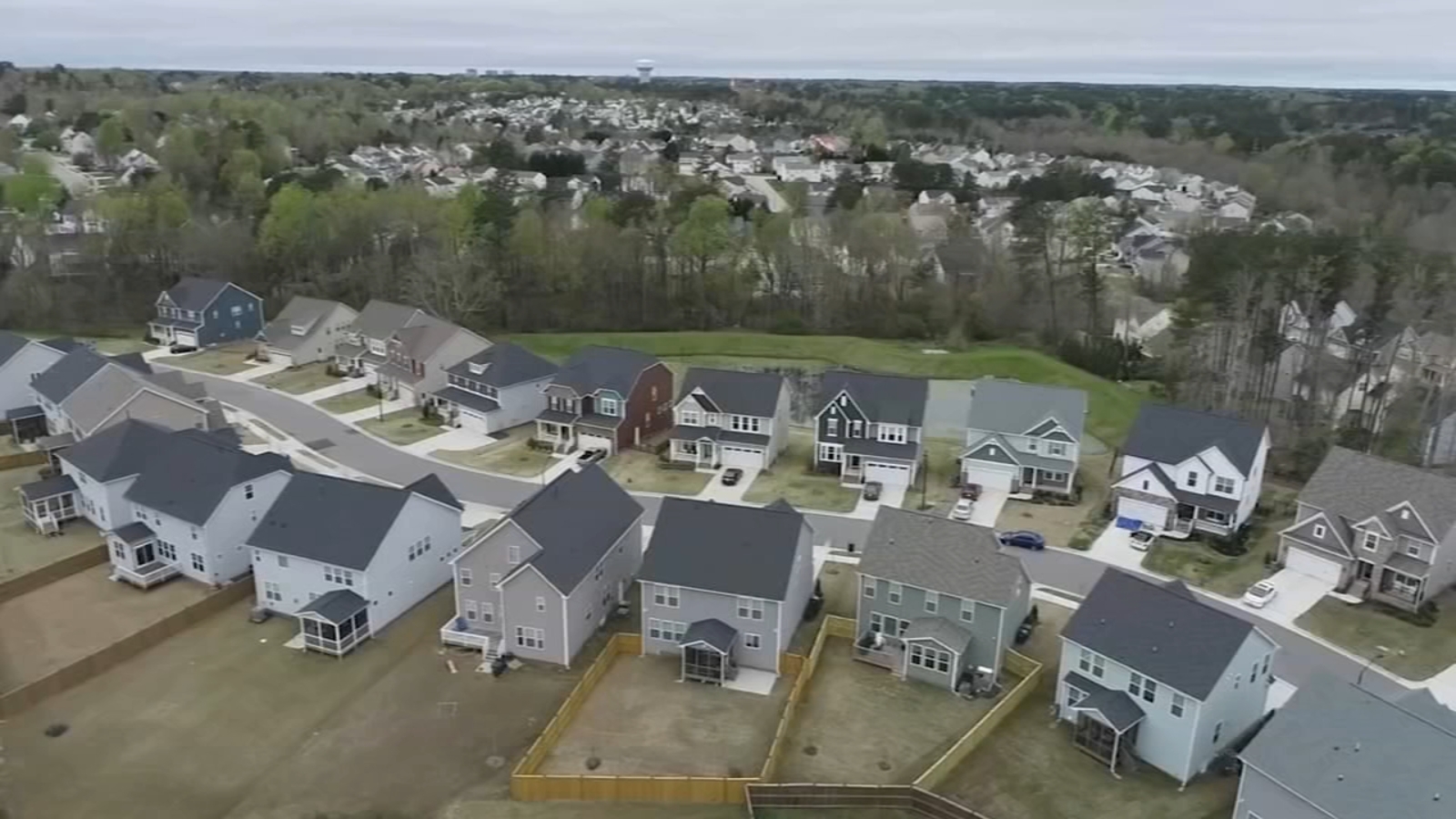
North Carolina Insurance Commissioner Mike Causey announced an average statewide 8% increase in dwelling insurance rates, significantly lower than the 50.6% hike requested by the NC Rate Bureau. The new rate, effective Nov. 1, will vary by territory and applies to non-owner-occupied residences with four or fewer units. Causey emphasized the savings for consumers and the avoidance of a costly hearing, while urging insurance companies to cut expenses and address high executive salaries.
Home insurance rates in Florida are already four times the national average and are expected to increase further, with Insurify projecting a 7% rise in 2024. The state faces an "explosive" hurricane season, potentially breaking the record for named storms. Severe weather-prone states like Florida, Louisiana, and Texas are vulnerable to rate hikes, with Florida homeowners paying the highest average rate of $10,996. The state's insurance crisis is exacerbated by reinsurance challenges, insurance fraud, and legal system abuse. Efforts by the Florida Legislature and Governor DeSantis aim to address rising costs, but homeowners are advised to prepare for potential damage and research ways to protect their homes.
North Carolina's Insurance Commissioner denied a proposal to raise homeowners insurance rates by an average of 42.2%, while other states like California are seeing record high rate increases. Homeowners insurance rates have risen about 35% nationwide over the last two years, with states facing increased natural disasters experiencing the highest hikes. Auto insurance costs have also increased by 43% in the last three years, leading some drivers to cut back on coverage. It's important for consumers to compare rates and coverage options to find the best insurance plan for their needs.
Car insurance premiums in Florida have increased significantly, with the average annual full coverage premium reaching $3,941 in January 2024, 55% higher than the national average. Many residents are experiencing rising premiums despite having no recent accidents or tickets. To save money, insurance agents recommend considering raising deductibles, seeking additional discounts, and signing up for in-vehicle monitoring programs. There is hope for rate reductions in the future due to tort reform changes, but for now, Florida drivers are advised to be patient.
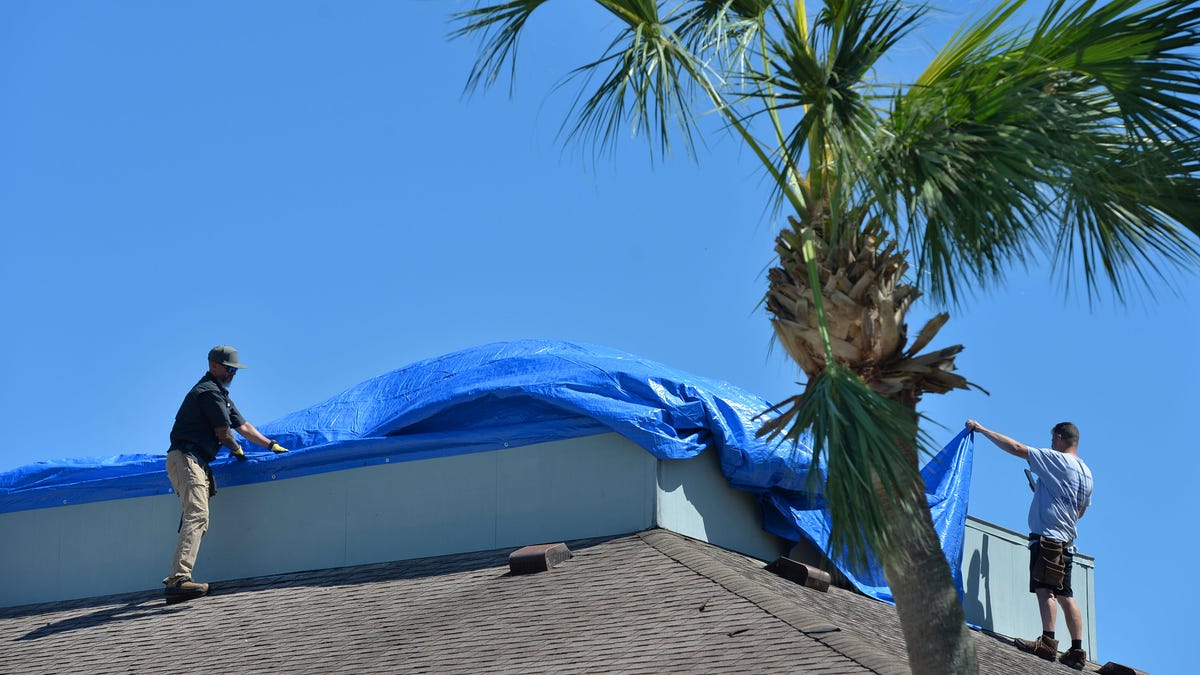
Hurricane Idalia's destruction in Florida raises concerns about rising insurance rates, with damaged homes and businesses generating insurance claims and worries about rate increases or dropped customers. Currently, 14 insurance companies are in liquidation, and state-run Citizens, the insurance of last resort, will likely see a 12% increase in premiums. Lawmakers have passed bills to reduce claim disputes, but some predict lower payouts to policyholders. Former state senator Jeff Brandes believes these measures will lead to fewer premium hikes and more competition in the insurance market by 2025. Democrat Alex Sink calls for Republican leaders to attract more private companies to lower premiums, as Florida is already an unaffordable state for many.
Car insurance rates are on the rise in California due to several factors, including an increase in accidents, higher repair costs, and more expensive medical treatments. The state's strict consumer protection laws also contribute to higher rates, as insurers are required to provide more coverage than in other states. The auto industry is also facing challenges, such as a shortage of parts and a decrease in new car sales, which can lead to higher repair costs.