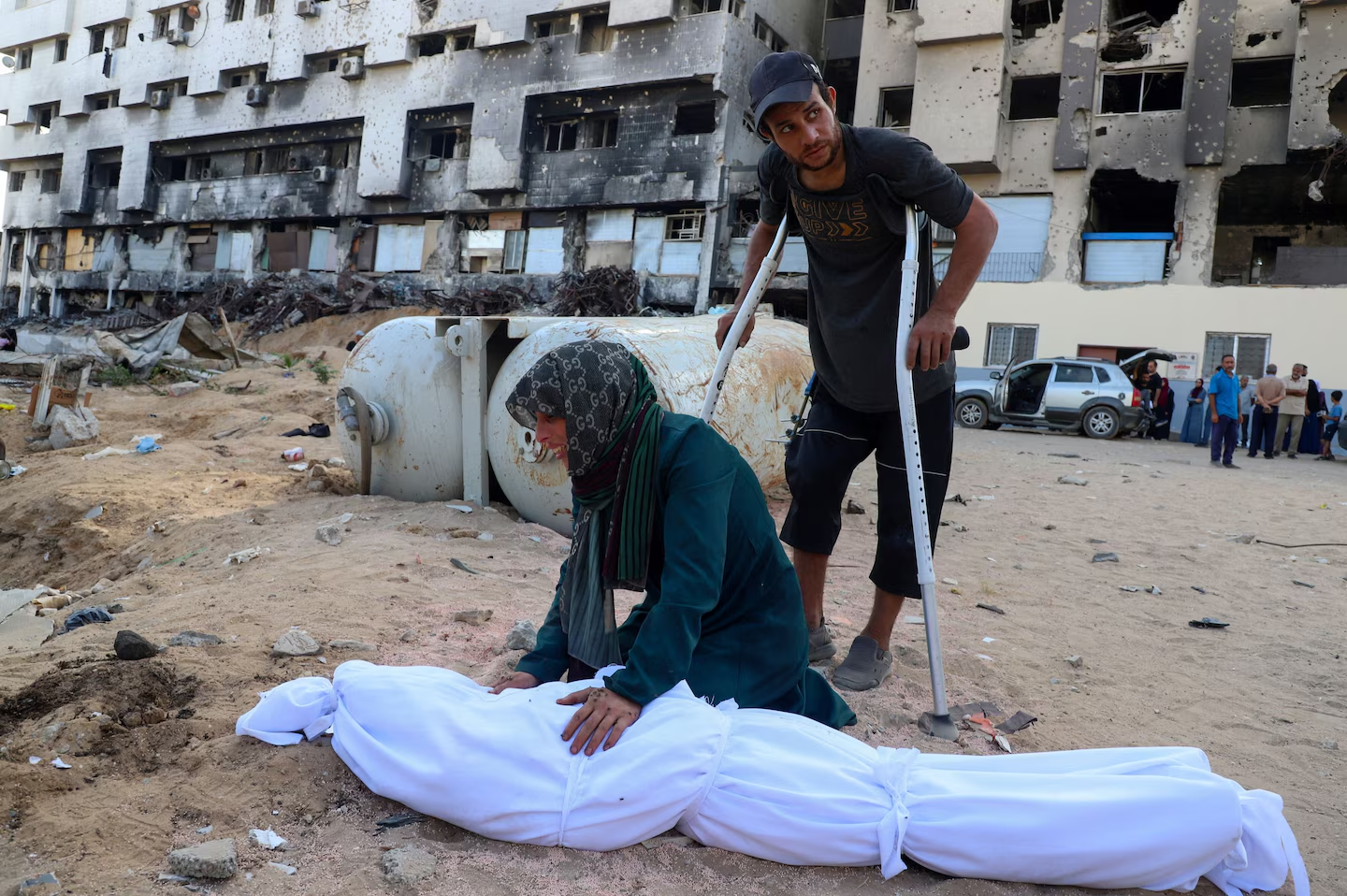
Hospitals in central and southern Gaza are overwhelmed and closing as Israeli military advances cause a healthcare crisis, with patients fleeing and medical facilities struggling to cope amid ongoing conflict.
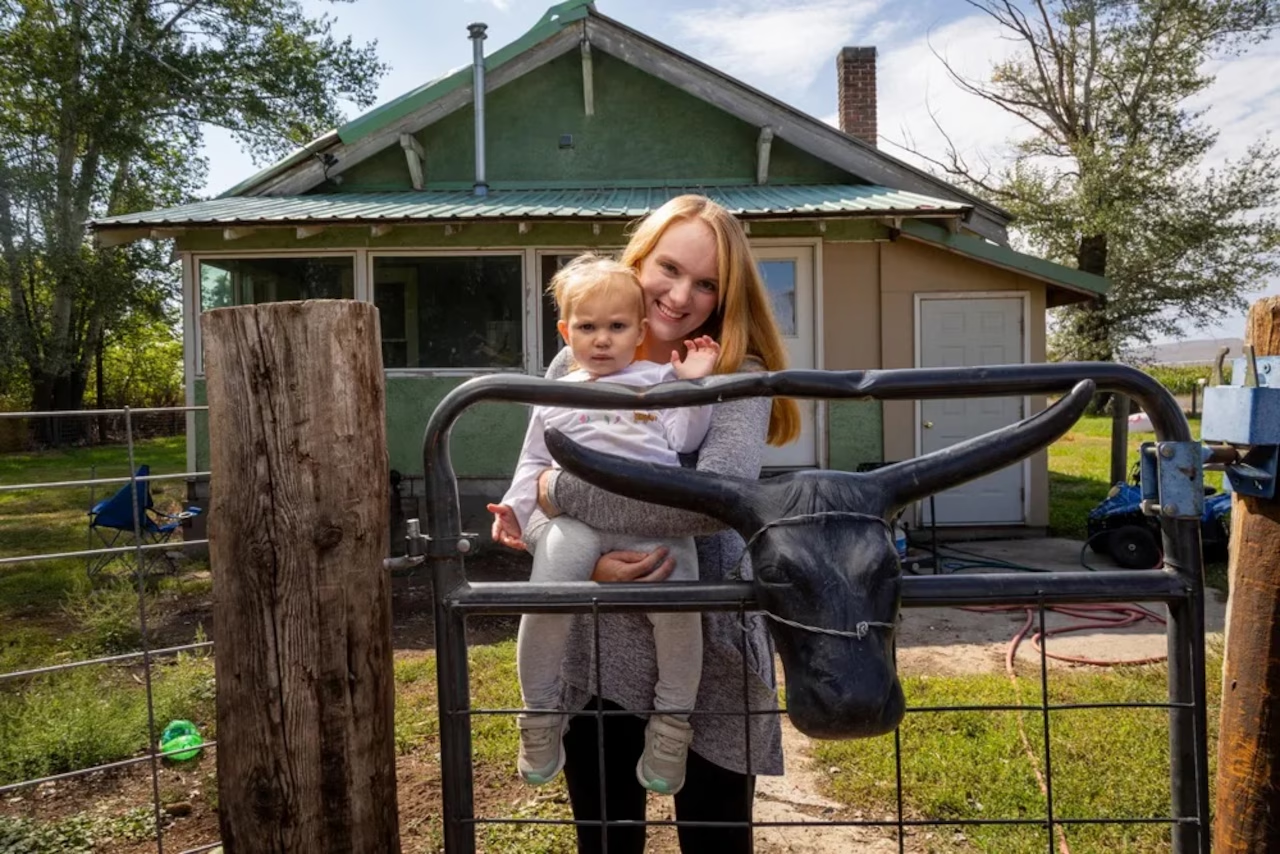
The closure of a maternity ward in Baker City, Oregon, highlights the broader threat to rural healthcare services due to financial struggles, staffing shortages, and potential Medicaid cuts, risking increased maternal and infant mortality and forcing families to travel long distances for care.
A coalition of 16 states and D.C. sued the Trump administration, accusing it of trying to de facto ban gender-affirming care for transgender youth through intimidation tactics and legal threats, leading to hospital closures and increased challenges for families seeking care.
Three rural Michigan hospitals are at high risk of closing due to federal Medicaid funding cuts from the recent 'Big Beautiful Bill,' which could significantly impact healthcare access in the region, with experts warning of broader consequences for rural hospitals nationwide.
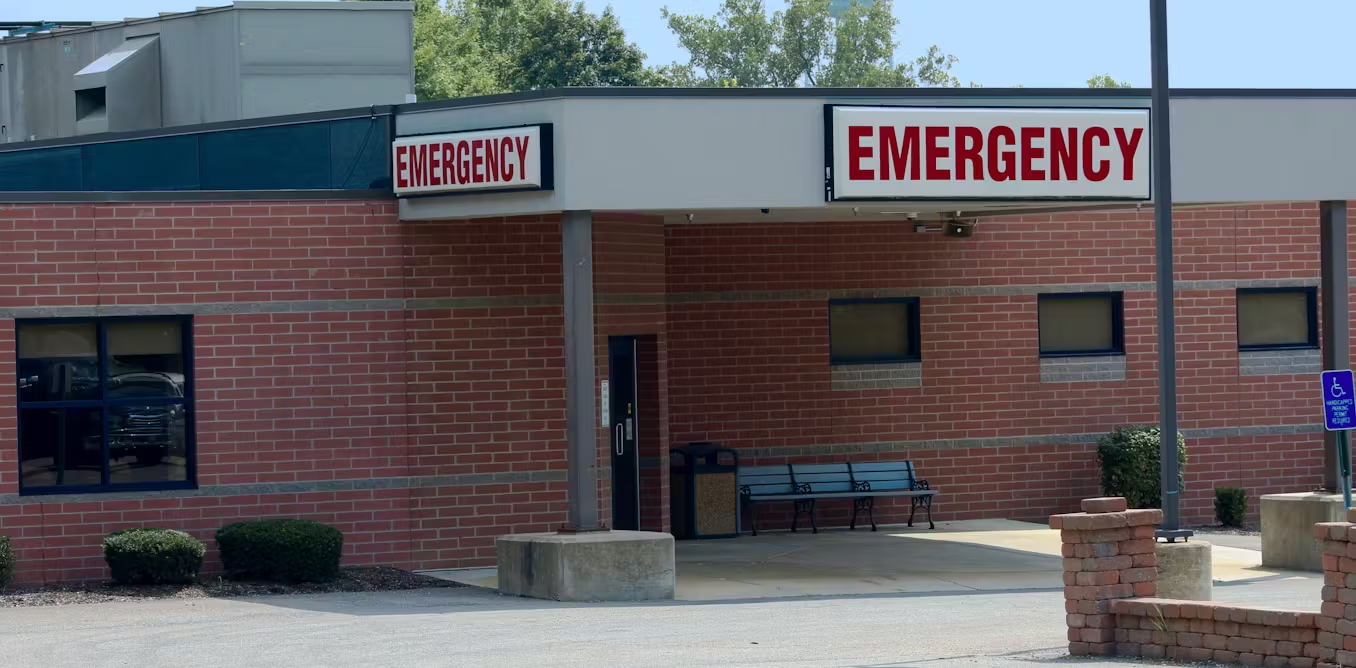
Rural hospitals across the U.S. are facing difficult decisions due to significant Medicaid and Obamacare funding cuts from a new law, risking service reductions, staff burnout, and potential closures, especially impacting low-income and vulnerable populations.
The recent spending package signed by President Trump will significantly cut Medicaid spending and alter health policies, disproportionately impacting rural hospitals and residents by increasing uninsured rates, causing hospital closures, and reducing healthcare access, which could have broader economic consequences for rural communities and the nation.
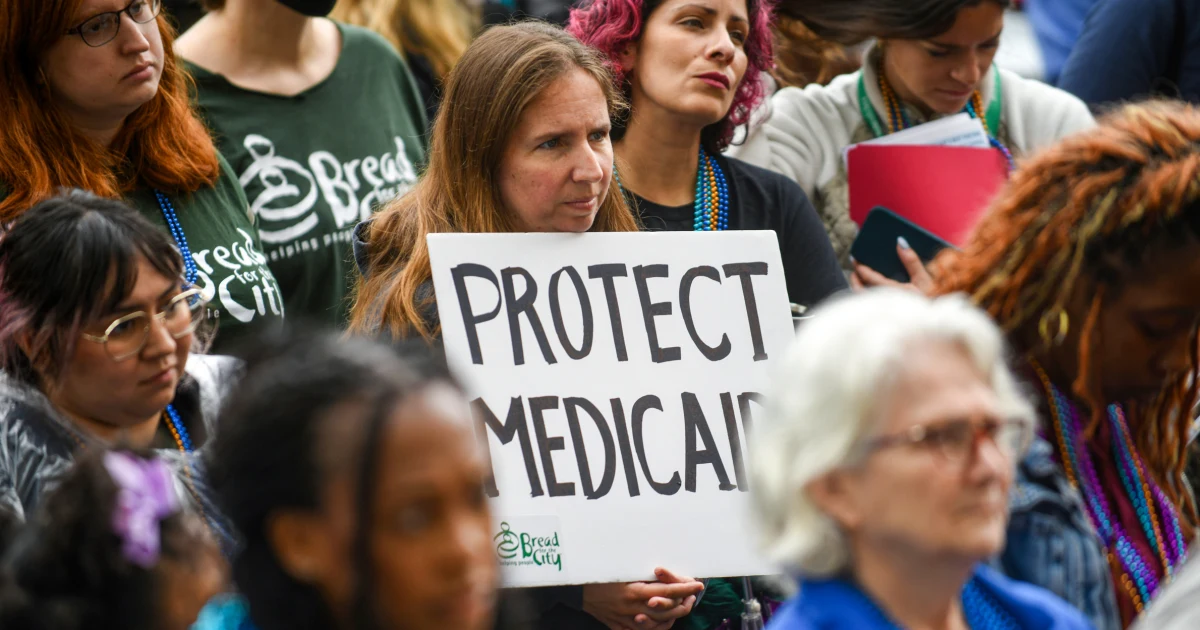
The U.S. House passed the 'Big Beautiful Bill,' which is projected to significantly cut Medicaid, leading to hospital closures, layoffs, and millions losing health coverage, raising concerns about long-term impacts on healthcare access and hospital sustainability.
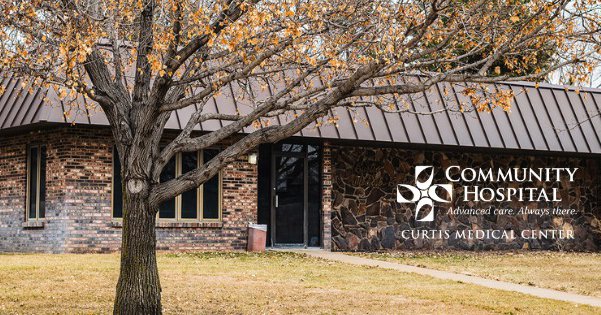
The Community Hospital in McCook, Nebraska, announced it will close Curtis Medical Center due to financial challenges linked to federal Medicaid funding uncertainties, with concerns that upcoming federal budget cuts could force multiple rural hospitals in Nebraska to close or face financial distress. Despite some state-level efforts to increase Medicaid reimbursements, healthcare advocates warn that these cuts threaten access to care and hospital stability in rural areas.
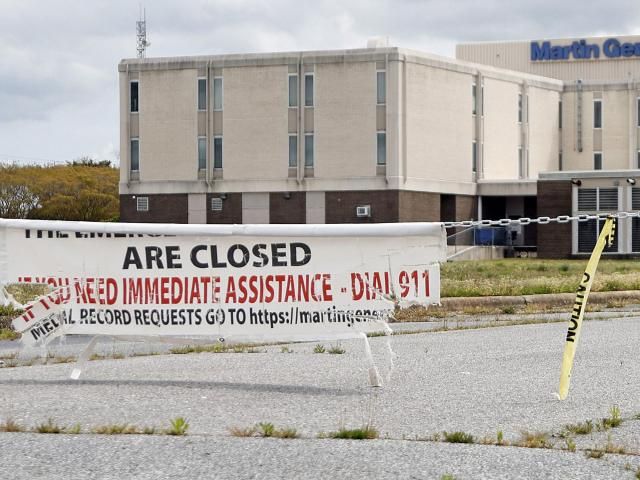
An empty hospital in Williamston, North Carolina, exemplifies the impact of proposed Medicaid cuts in the GOP's tax bill, which threatens rural hospitals and healthcare access, especially in states like North Carolina that expanded Medicaid. Senator Thom Tillis opposed the bill due to its potential to worsen hospital closures and reduce healthcare funding for low-income and rural populations.
Hospital Sisters Health System posted on Facebook about the importance of hospitals in communities on the same day Sacred Heart Hospital and St. Joseph’s Hospital closed, but quickly deleted the post. The post highlighted their attendance at the Wisconsin Hospital Association’s Advocacy Day and the significance of hospitals in addressing critical issues like workforce shortages.
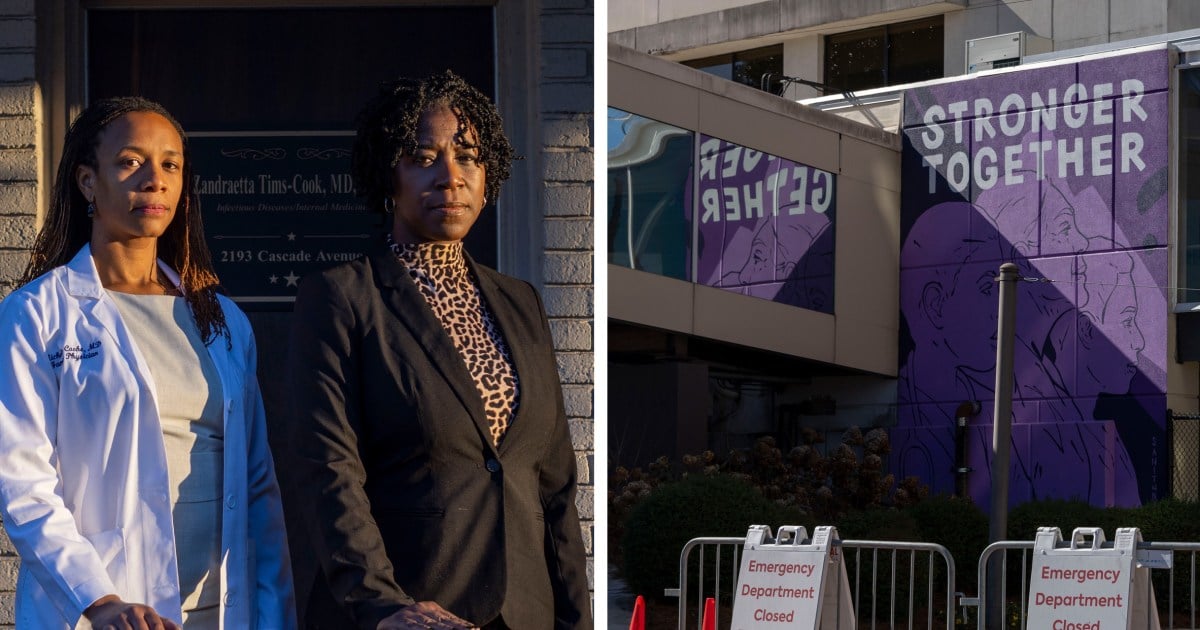
The closure of Atlanta Medical Center in 2022 has strained Atlanta's health care system, leading to overcrowding and longer wait times at Grady Memorial Hospital, the city's only remaining Level 1 trauma center for adults. The closure has also limited access to primary care and specialists, particularly affecting low-income and Black communities. Doctors and advocates fear a rise in preventable deaths due to the lack of routine preventive care, while the state's rejection of a full Medicaid expansion has left many uninsured residents with limited access to healthcare. The closures have been criticized as a form of "health care redlining," pushing people out of their communities due to lack of accessible and affordable services.
State leaders are preparing for hospital closures as Steward Health Care plans to shut down facilities, including New England Sinai Hospital in Stoughton, Massachusetts. The company has reported a $22 million loss on hospital operations and owes $50 million in unpaid rent. Haverhill's mayor described the situation as potentially resembling a Ponzi scheme, with employees and patients already feeling the impact. While a Steward representative indicated that the hospital will not immediately close, officials are awaiting an official update. Steward employs over 16,000 healthcare workers in the state.
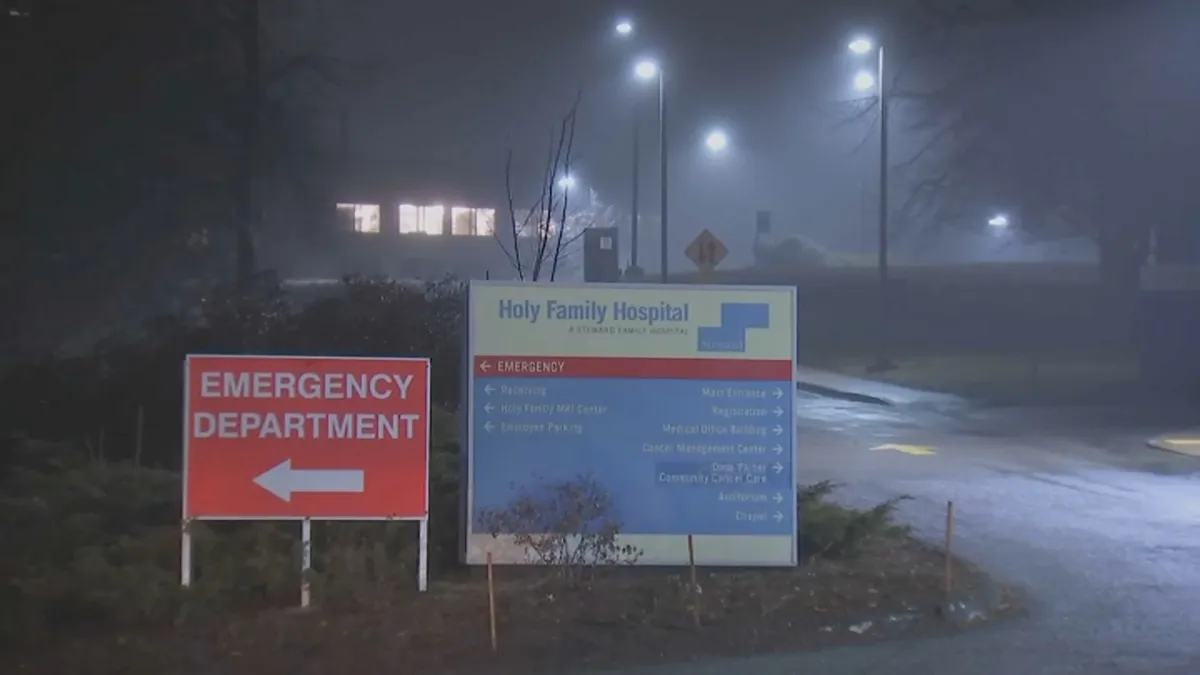
Massachusetts General Brigham, the state's largest health care system, has withdrawn its physicians from Holy Family Hospital's Methuen and Haverhill campuses due to Steward Health Care's financial troubles, which may lead to the closure of several hospitals in Massachusetts. Lawmakers are investigating Steward's financial position after the company received significant state support but allegedly failed to provide notice of falling behind in rent. Massachusetts General Brigham cited concerns about surgical equipment availability and rescheduled procedures for impacted patients, stating that they are working to best serve their patients amid the evolving situation.
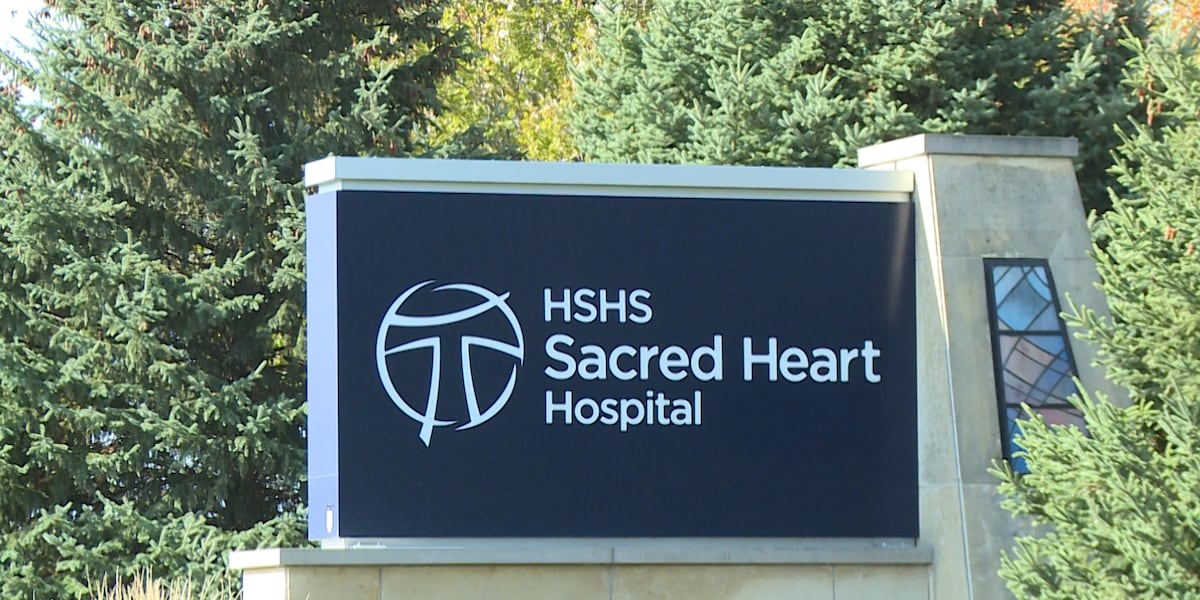
Hospital Sisters Health System (HSHS) and Prevea Health are closing HSHS Sacred Heart Hospital in Eau Claire and HSHS St. Joseph’s Hospital in Chippewa Falls, along with all Prevea Health locations in western Wisconsin, due to operational and financial stress, workforce constraints, and other industry-wide trends. The closures are expected to be completed by April 21, 2024, impacting approximately 1,082 HSHS and 325 Prevea colleagues and physicians. The decision comes after efforts to find a suitable partner or alternative solutions were unsuccessful, and the organizations are focused on ensuring continuity of care for patients and providing support services for affected staff.
Three hospitals in Alabama are set to close their maternity units due to staffing issues, rising costs, and low birth rates, leaving expectant mothers with limited access to maternal care. This closure trend is affecting over 5.6 million women nationwide who live in areas with little to no access to maternal care. The lack of nearby care can pose risks to both mothers and newborns, forcing expectant mothers to travel long distances for necessary medical attention. The closures have sparked concerns about the loss of important connections between expectant mothers and their delivering physicians.