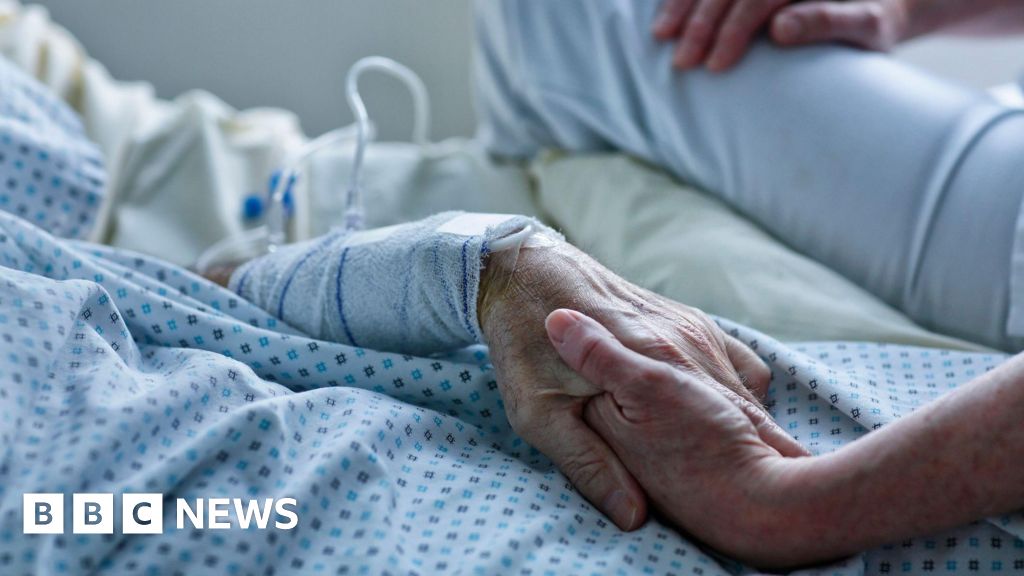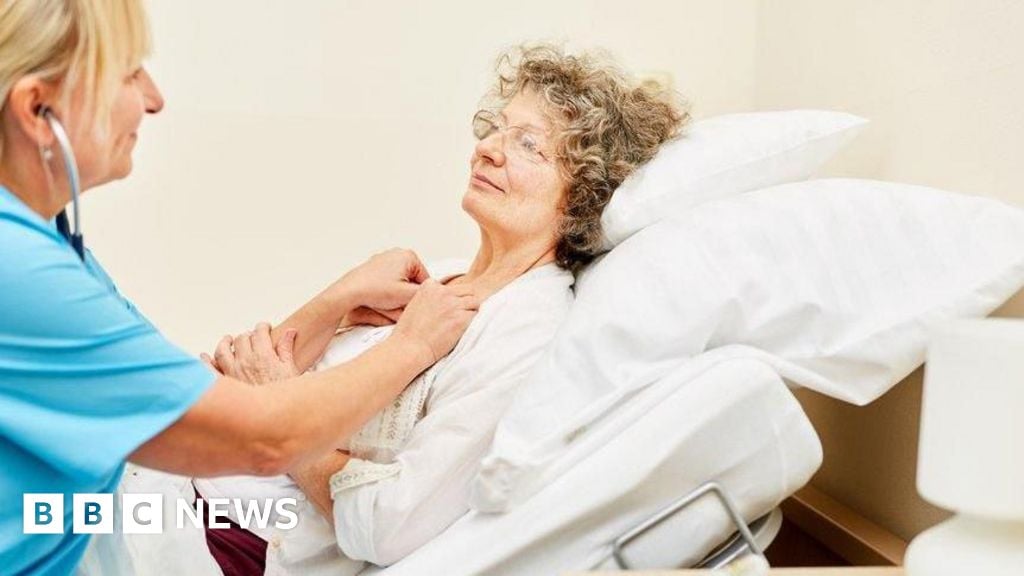
A crisis in end-of-life care is emerging in Sussex hospitals due to increasing numbers of patients needing palliative care, leading to overcrowded hospitals, difficult decisions for staff, and strained community and hospice services, with concerns that this situation could worsen during winter.
Many older adults living alone face the growing concern of dying without loved ones by their side, due to factors like widowhood, estrangement, or health issues, raising questions about end-of-life support and societal responsibility.
A study reveals that many cancer patients receive treatment aimed at extending life rather than comfort, often against their wishes, highlighting the need for better communication between doctors and patients about care goals.
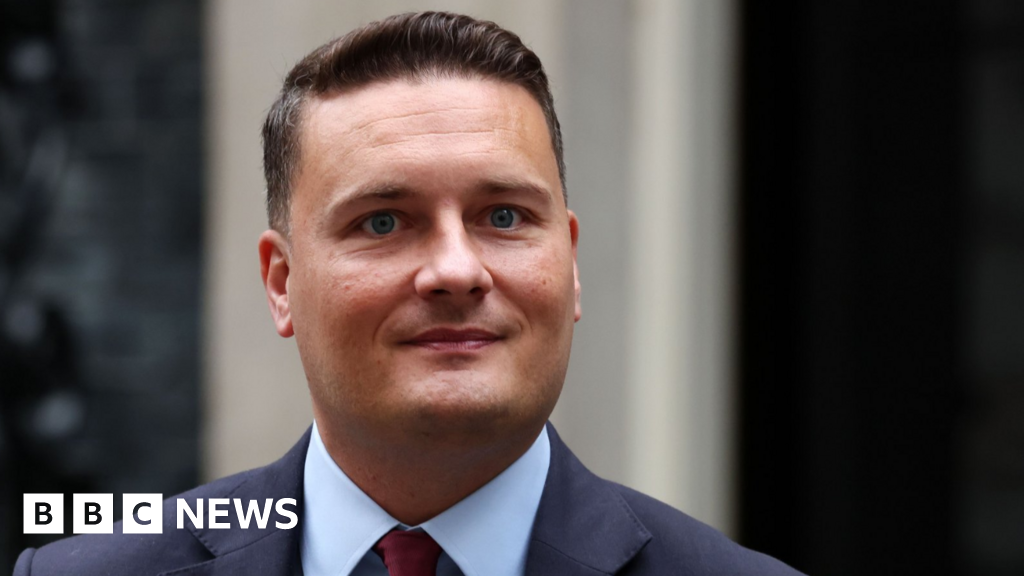
Health Secretary Wes Streeting announced there is no budget for an assisted dying service, despite MPs narrowly supporting the legislation, citing existing NHS financial constraints and concerns over end-of-life care quality. The bill, which aims to give terminally ill adults choice in their death, faces scrutiny in the House of Lords, with opponents calling for stronger safeguards and highlighting potential costs and ethical issues.
The article explains that death is a natural bodily process with stages like transition, active dying, and terminal secretions, emphasizing that understanding these stages can reduce fear and improve end-of-life experiences. It highlights the importance of 'death literacy'—knowing what to expect—to help people face death with less anxiety and more acceptance.
French MPs have approved a bill allowing assisted dying for terminally ill patients in the final stages of their illness, with the law now moving to the Senate. The legislation, supported by President Macron, sets conditions for patients experiencing severe, incurable suffering to self-administer or have a medical assistant administer a lethal dose, after a 48-hour waiting period and multiple consultations. The bill has faced opposition from conservatives and religious groups concerned about vulnerable populations and ethical implications, but it marks a significant step towards end-of-life rights in France, aiming to become law by 2027.
Senior doctors in the UK are urging the government to prioritize fixing the palliative care system before advancing legislation on assisted dying, which recently passed its first parliamentary hurdle. Concerns have been raised that funding for assisted dying could detract from palliative care resources, which are already insufficient. The debate highlights the need for improved end-of-life care, with calls for a government-led commission to address the issue. While some MPs believe assisted dying could enhance palliative care, others worry about potential neglect of vulnerable patients.
Many people do not receive the end-of-life care they desire due to a lack of communication and understanding about available options like palliative care and hospice. Karen Lutfey Spencer, PhD, shares lessons from her personal experience and research, emphasizing the importance of trusting one's own observations, proactively discussing end-of-life care early, and educating oneself about care options to ensure quality of life and alignment with personal priorities.
Death doulas, who provide support to terminally ill patients and their families, are increasingly in demand in the U.S. due to gaps in hospice care and the rise of medical aid in dying (MAiD) policies. These doulas offer a range of services, from personal care to emotional support, and can charge up to $3,000. Their role is seen as vital in providing dignity and companionship to those in their final days, especially for those who are alone. The movement is growing, with calls for insurance companies to recognize and reimburse their services.
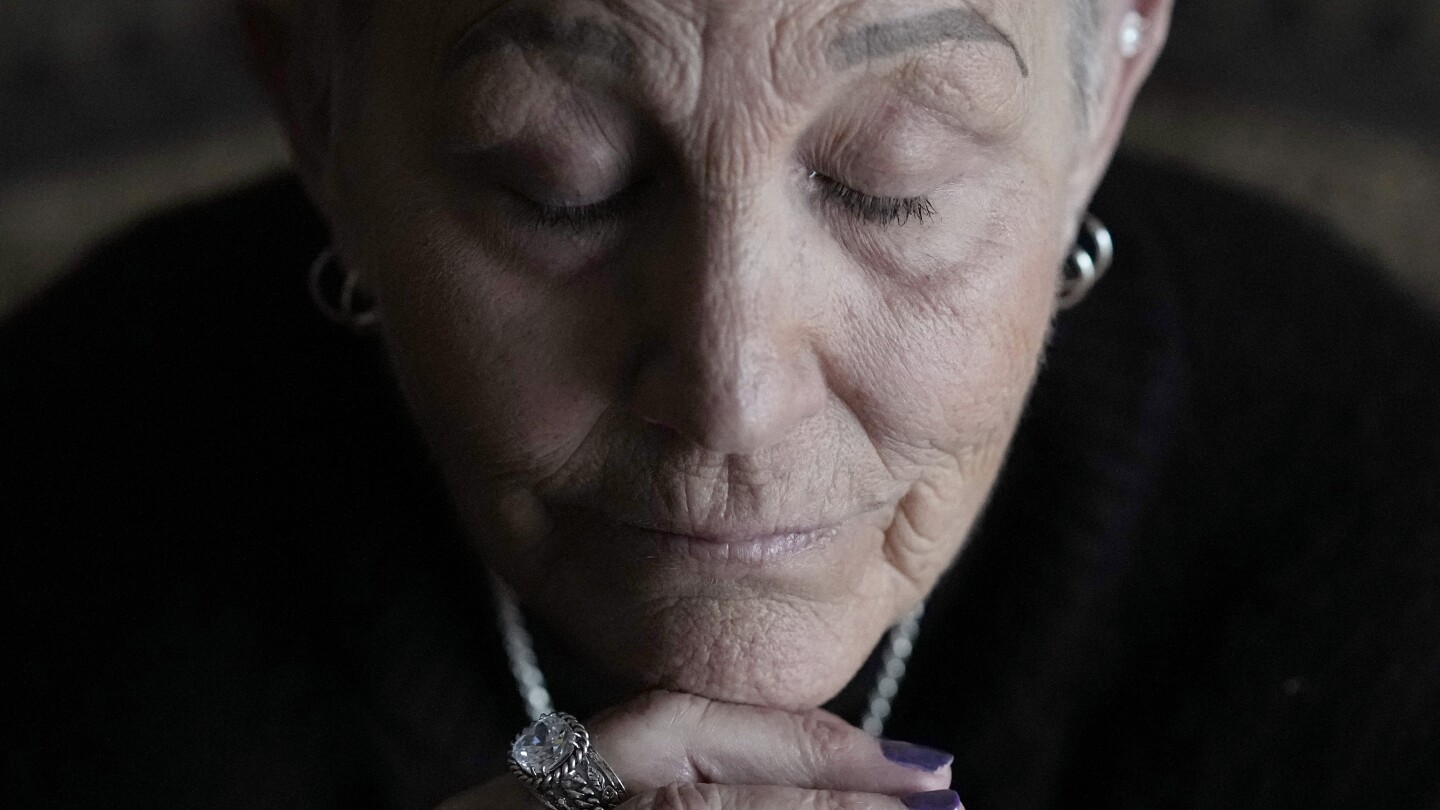
Terminally ill individuals in the US are advocating for more states to legalize physician-assisted death, allowing them to have control over their end-of-life decisions. At least 12 states currently have bills to legalize it, while some states are moving in the opposite direction. Advocates argue for autonomy and compassion, while opponents have moral objections and concerns about normalizing suicide. The issue is deeply personal and emotional, as individuals like Deb Robertson and Gary Drake share their experiences and decisions regarding physician-assisted death.
Oncologists often face the dilemma of whether to continue offering chemotherapy to cancer patients, even when the chances of success are slim. Data shows that a significant percentage of patients receive chemotherapy close to the end of life, despite potential negative impacts on quality and duration of life. While optimism and the desire to help patients may drive this practice, it raises ethical questions about the benefits and harms of such treatments. Balancing hope with realistic expectations, open communication, and consideration of palliative care are crucial in guiding patients and their families through these difficult decisions.
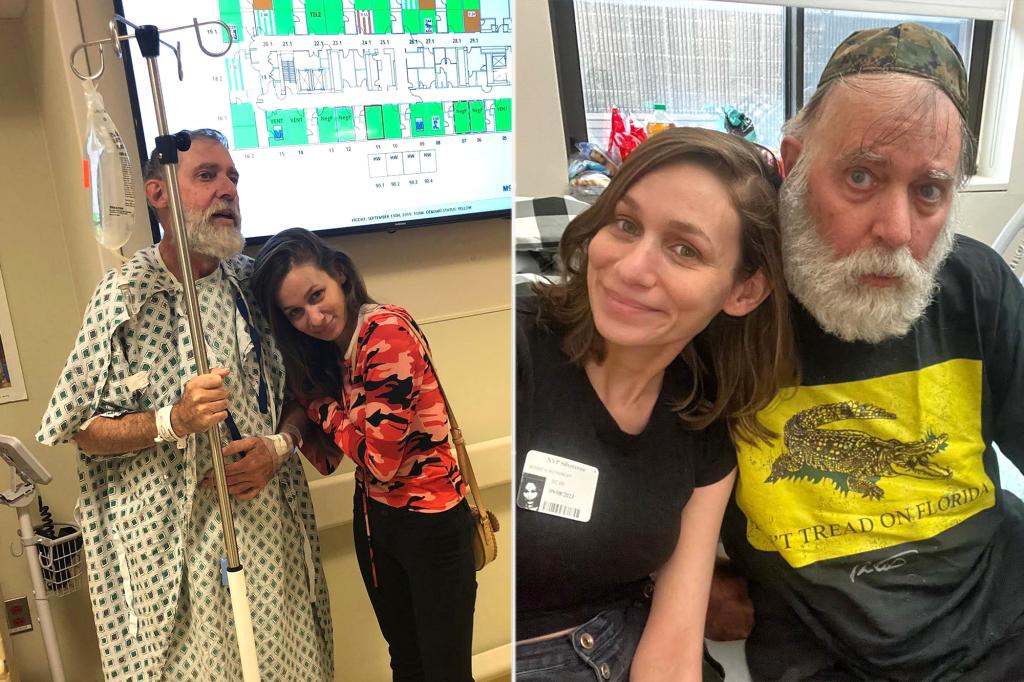
Watching a loved one die of cancer can be emotionally and physically exhausting, with harsh realities that are often not portrayed in media. Patients may experience anger, delirium, and loss of appetite, while caregivers endure a relentless emotional rollercoaster. The end of life for a cancer patient can be brutal and painful, highlighting the need for better understanding and support for both patients and their loved ones.
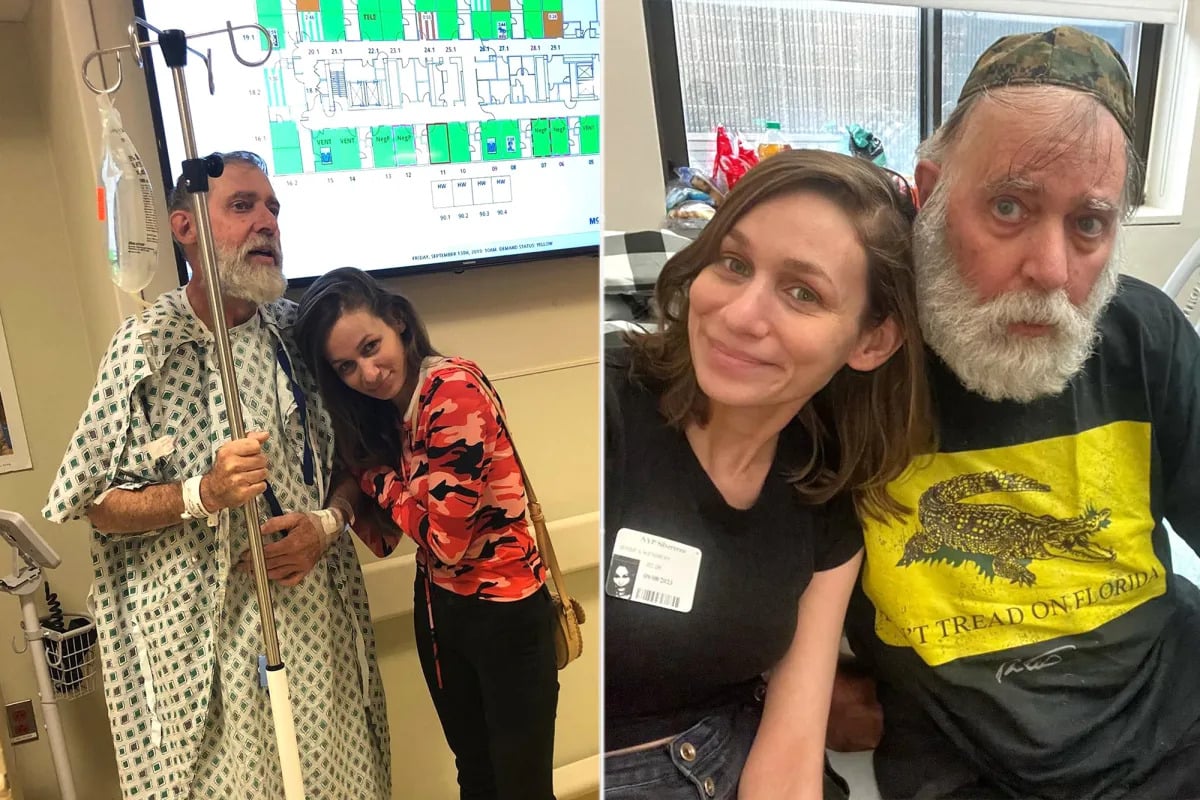
Watching a loved one die of cancer can be emotionally and physically exhausting, with harsh realities that are often not portrayed in media. Patients may experience anger, delirium, and loss of appetite, while loved ones endure a rollercoaster of emotions and helplessness. The end of life for a cancer patient can be brutal and drawn out, with pain and suffering that may not be fully understood until experienced firsthand.
A year after former President Jimmy Carter entered hospice care, advocates hope that his public journey will raise awareness about the realities of aging, dementia, and end-of-life care. The Carter family's experience has shed light on the often-misunderstood service of hospice, emphasizing the importance of seeking out services to help patients and families in the latter stages of life. Hospice provides holistic care for those with terminal conditions, and advocates are calling for changes and expansion in Medicare to better support patients and families in need of long-term care.