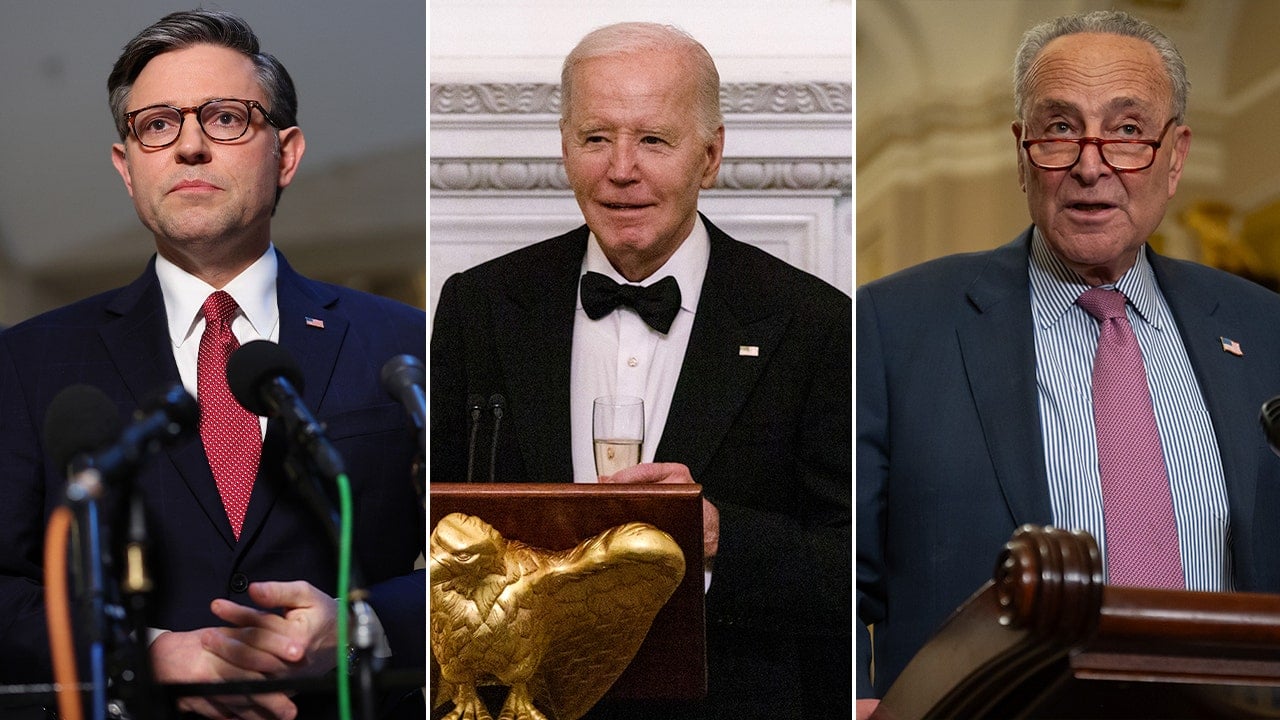
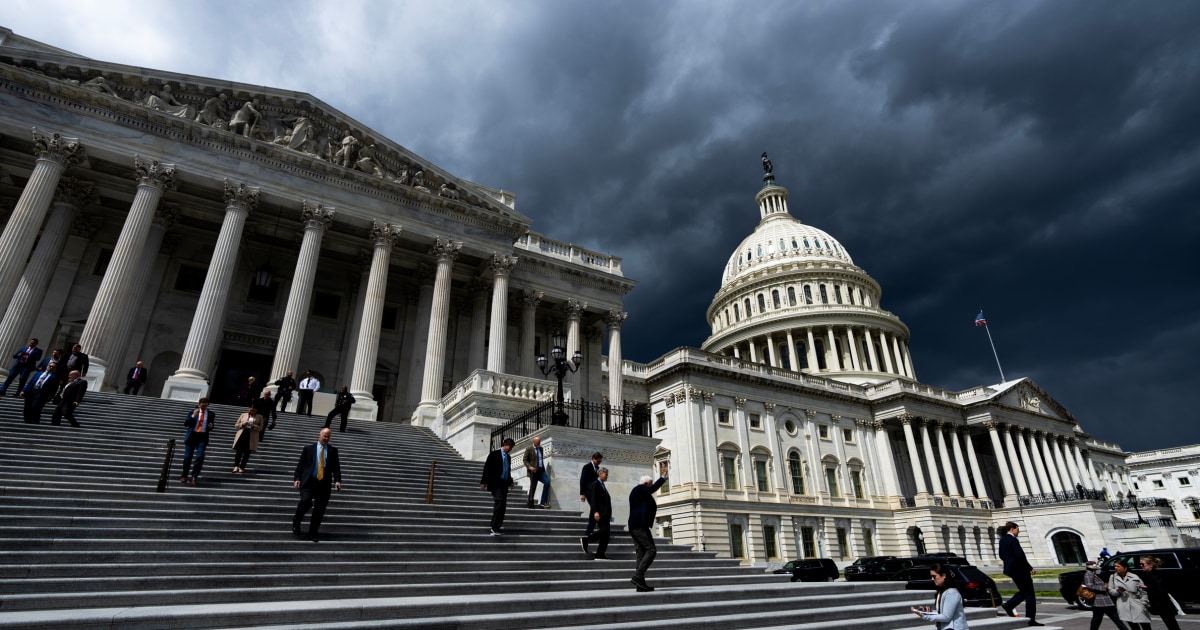
Efforts are underway to prevent a government shutdown this year, with both parties engaging in constructive negotiations and the White House maintaining a low profile, learning from the previous year's political fallout, while key figures like Trump continue to push for the elimination of the filibuster to facilitate legislative action.
Amid ongoing government shutdown, bipartisan negotiations are gaining urgency with deadlines approaching, as Republicans and Democrats consider various funding extensions and address healthcare concerns, including potential discussions on ACA subsidies and year-end health packages.
Nearly a month into the government shutdown, bipartisan negotiations are gaining urgency due to looming deadlines and external pressures, with discussions focusing on short-term funding extensions and potential healthcare policy deals, while Democrats and Republicans explore various options to end the shutdown.
As the government shutdown persists, bipartisan negotiations are gaining momentum due to upcoming deadlines and external pressures, with discussions focusing on potential funding extensions and healthcare subsidies, though disagreements remain on the duration of funding and key issues like healthcare.
President Trump is set to meet with congressional leaders to negotiate a potential government shutdown, with Democrats demanding healthcare funding extensions and Republicans proposing a temporary funding bill; the outcome remains uncertain as both sides are entrenched in their positions.
Factions on Capitol Hill are debating strategies to avoid a government shutdown by September 30, with disagreements between Republicans and Democrats over funding approaches, while other issues like Epstein file release and PBM reform are also progressing.
The article discusses how President Trump could complicate upcoming government funding negotiations and potentially cause a shutdown by using the rescissions process to cut already approved funds, which faces opposition from both Republican and Democratic lawmakers concerned about legal, constitutional, and political implications.
Senate negotiations over government funding and nominee confirmations are facing delays and complications, with disagreements over appropriations bills and the timing of Ghislaine Maxwell's testimony, amid ongoing political tensions and negotiations between Senate leaders and the White House.
The Senate is facing a complex summer exit with high tensions over government funding and nominee confirmations, involving disagreements on appropriations bills, negotiations between Schumer and Thune, and efforts to speed up Trump nominee confirmations, all amid ongoing political tensions and procedural challenges.
President Biden has called for a White House meeting with congressional leaders to discuss ongoing negotiations on funding the government, as the possibility of a partial shutdown looms. The meeting comes after delays in reaching a compromise, with both sides blaming each other for the impasse. Key issues include disagreements over funding for a supplemental nutrition benefits program, with Senate Democrats seeking more than House Republicans and Biden's budgetary request. If no deal is reached by March 1, the government faces a partial shutdown.
A faction of right-wing House Republicans, after a visit to the U.S.-Mexico border, are threatening to shut down the government on January 19 unless President Biden and Democrats agree to enact stricter border laws. This stance has caused concern among congressional leaders and the White House, as it complicates the already challenging task of reaching a government funding deal. While GOP leaders prefer to address immigration and border policy alongside aid for Ukraine, the far-right's demands have not been endorsed by Speaker Mike Johnson or other Republican leaders. Democrats strongly oppose the shutdown strategy, emphasizing the harm it would cause, including forcing border personnel to work without pay. Negotiations continue, with a looming deadline and the potential for a combined national security package and spending bill to be considered.
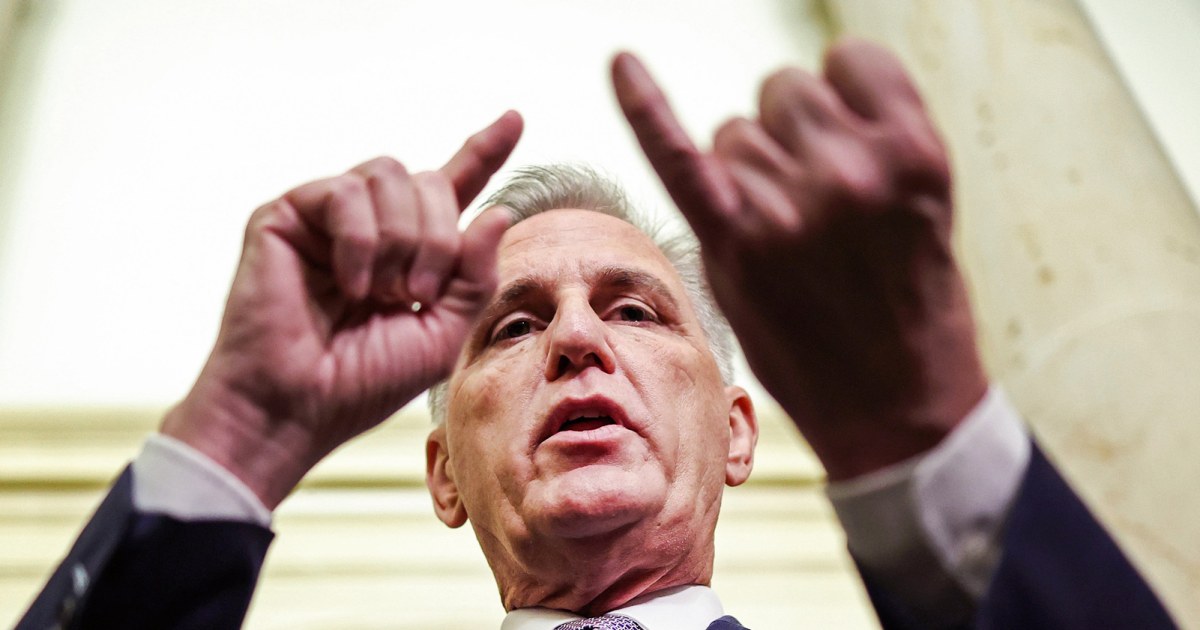
House Republicans regrouped after two failed votes and voted to open debate on a package of spending bills in an attempt to prevent a government shutdown. Speaker Kevin McCarthy aims to rally his party behind four partisan appropriations bills to strengthen their negotiating position with Democrats and the White House. The bills would fund Defense, Homeland Security, Agriculture, State Department, and foreign operations, while adhering to House conservatives' demands for budget cuts. McCarthy plans to bring a short-term funding bill to the floor this week, despite opposition from some conservatives. The Senate introduced its own funding bill, including Ukraine aid that House Republicans oppose, leading McCarthy to criticize the Senate's prioritization of Ukraine over Americans.
The Milwaukee Brewers are reportedly considering relocation if a new funding package for improvements to American Family Field is not agreed upon. The club's lease on the stadium runs through 2030, but negotiations with the Southeast Wisconsin Professional Baseball District have not reached an agreement. Wisconsin Governor Tony Evers proposed a spending package to keep the Brewers in Milwaukee through 2043, but it was scrapped by Republican lawmakers. While the possibility of relocation is not highly plausible, the club may proactively explore options if a deal is not reached.