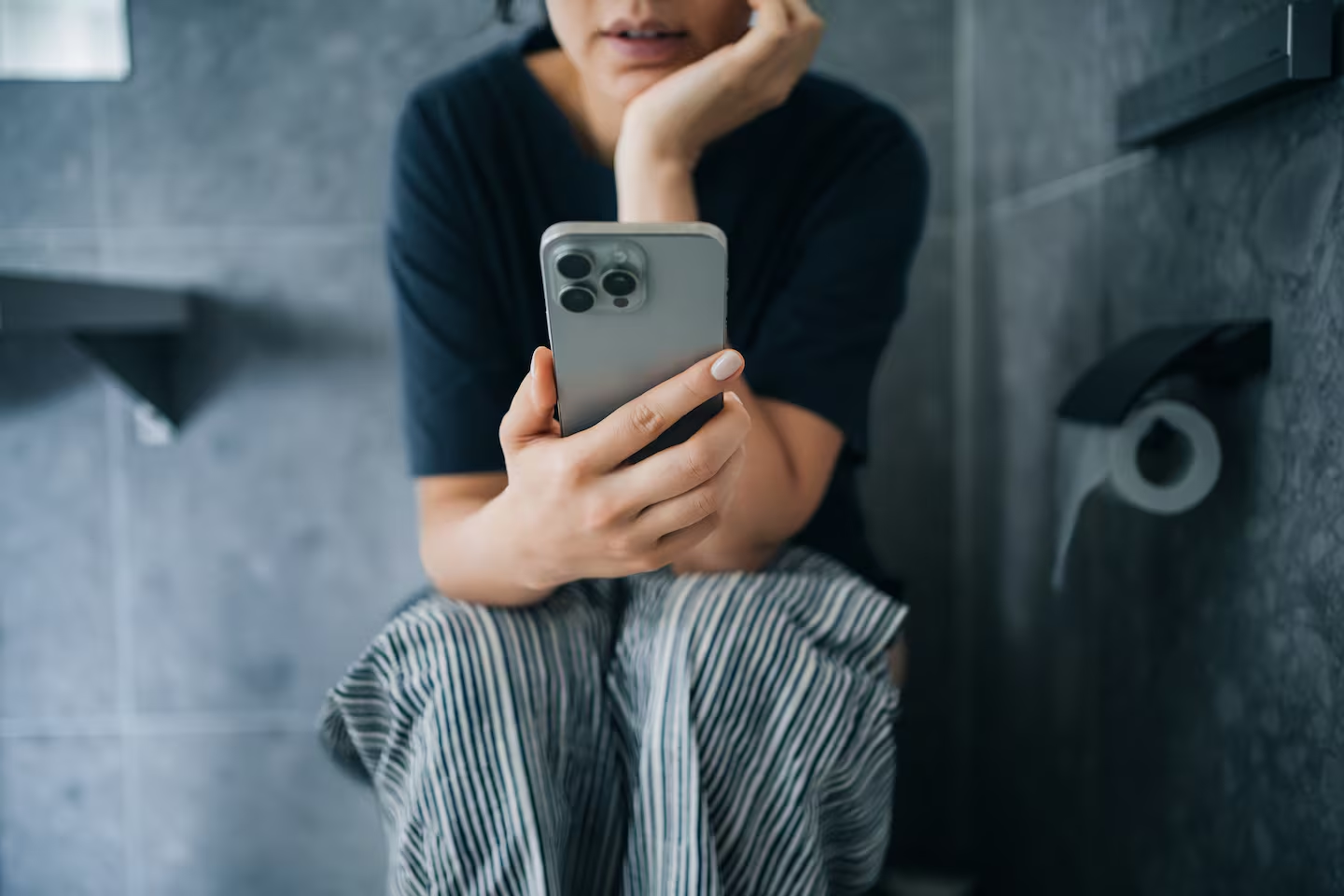
Excessive Phone Use on the Toilet Increases Hemorrhoid Risk
Research indicates that prolonged smartphone use on the toilet may increase the risk of hemorrhoids, raising health concerns about extended sitting and device use during bathroom breaks.

All articles tagged with #health risk
Research indicates that prolonged smartphone use on the toilet may increase the risk of hemorrhoids, raising health concerns about extended sitting and device use during bathroom breaks.
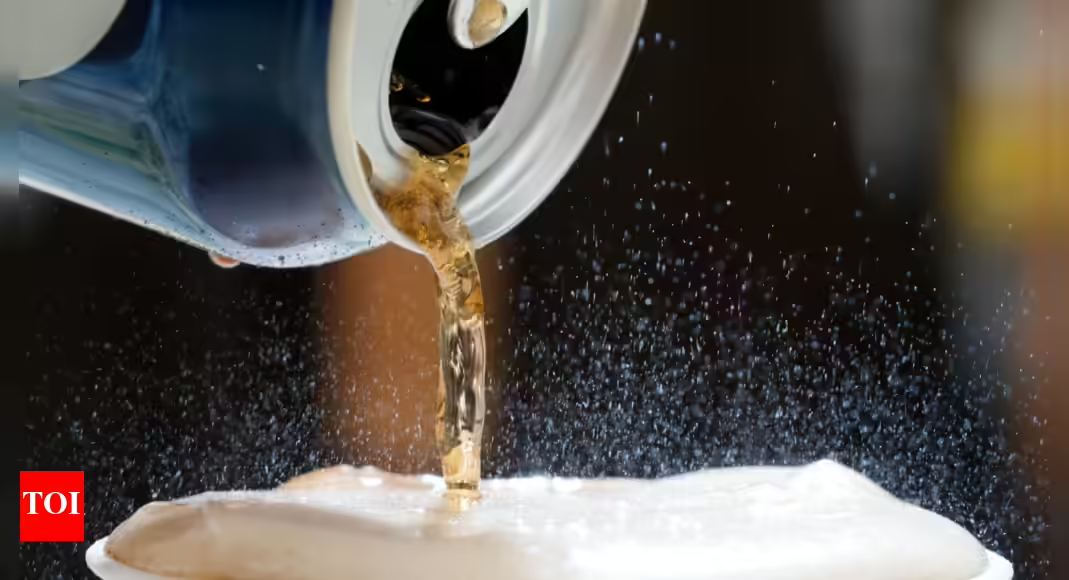
The FDA has recalled nearly 2,000 cases of 7Up Zero Sugar Tropical Soda due to a labeling error that caused full-sugar soda to be sold as zero sugar, posing health risks especially for diabetics and those managing sugar intake. The recall affects products with specific UPCs and lot numbers, and consumers are advised to check their cans and return any affected products for a refund.
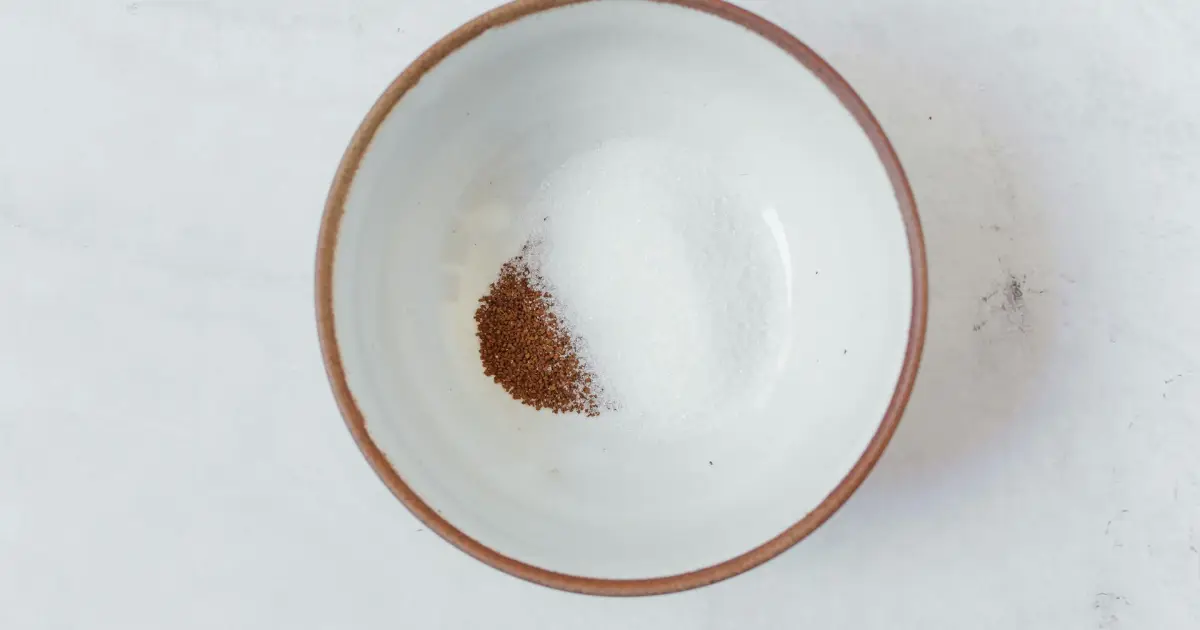
A study suggests that drinking instant coffee may significantly increase the risk of developing dry age-related macular degeneration (AMD), a leading cause of blindness, especially in individuals with a genetic predisposition, potentially raising the risk by about 700 times, though more research is needed to confirm this link.
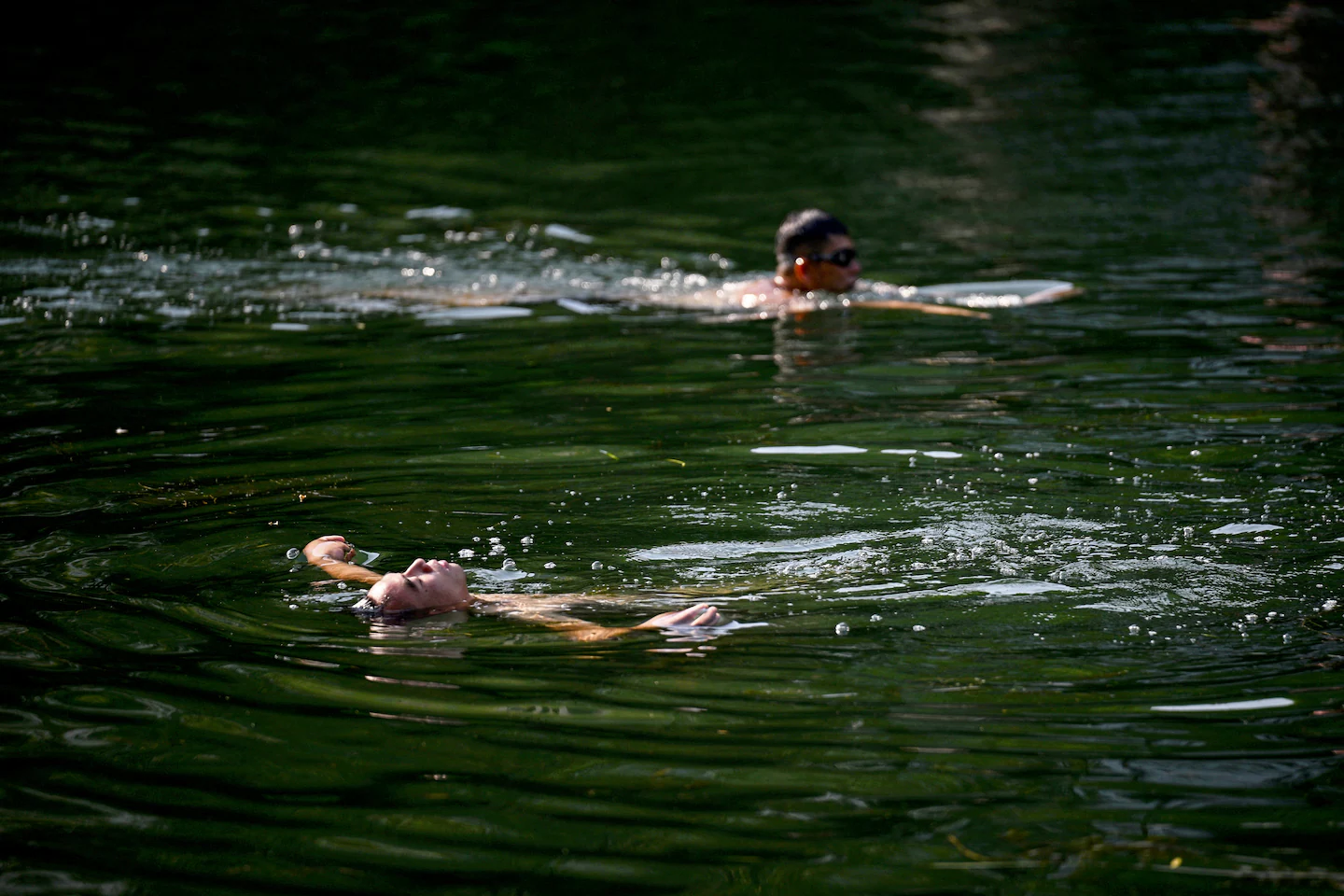
High temperatures increase the risk of infection from brain-eating amoebas, which live in fresh water sources, raising concerns about water safety during hot weather activities.
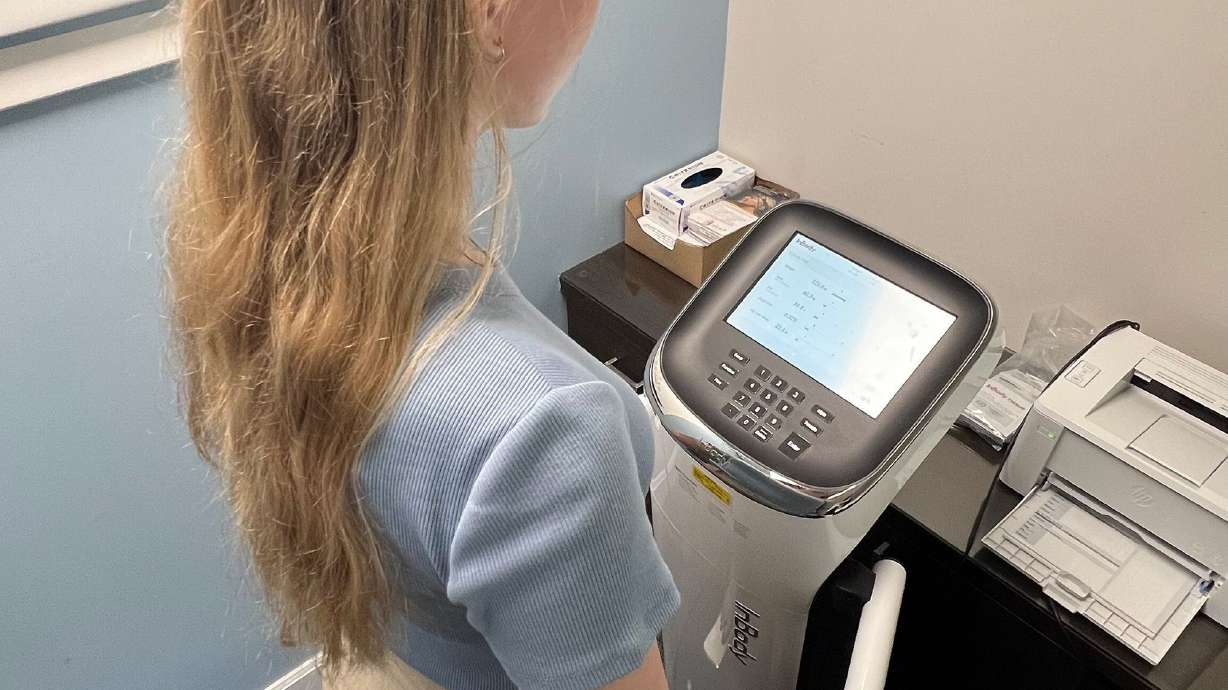
A new study suggests that bioelectrical impedance analysis (BIA), which measures body fat and muscle mass, is a more accurate predictor of health risks and mortality than BMI, especially in younger adults, and could lead to better early interventions for health issues related to body composition.

Experts warn that climate change is increasing the spread and resistance of the fungus Aspergillus fumigatus, which can cause severe lung infections and is becoming harder to diagnose and treat, posing a growing public health threat.
Over 1.7 million window air conditioners from brands like Frigidaire and Insignia are recalled due to mold growth risk caused by poor drainage, which can lead to respiratory issues. Consumers are advised to contact Midea for repairs or refunds, with options for free shipping or DIY repair kits.

King Charles' doctor, Dr. Michael Dixon, has raised concerns about the increasing use of weight-loss injections like Ozempic, originally intended for diabetics, among the general public. He warns that this trend poses a significant health risk and criticizes the ease of access to such medications. Dr. Dixon, who supports alternative medicine, emphasizes the need for self-reliance in health management and criticizes the over-reliance on medications like antidepressants, which he attributes to the pressures faced by GPs.
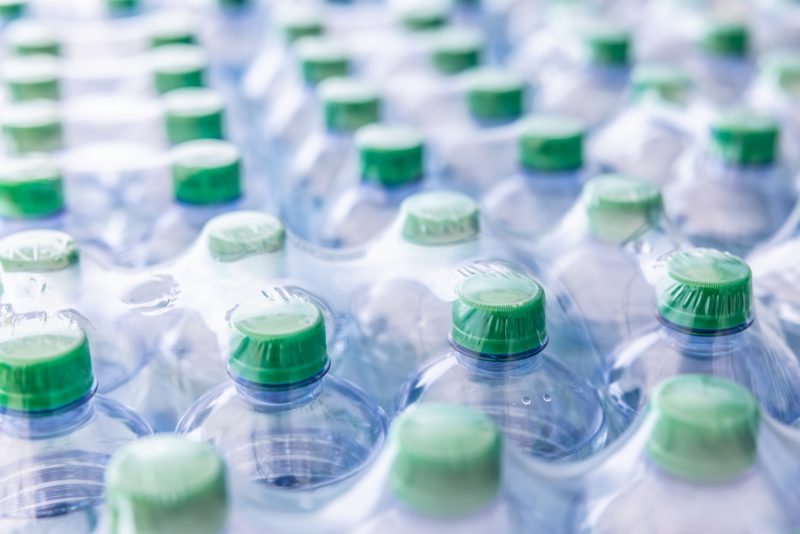
The FDA has classified a March recall of nearly 1.9 million bottles of Fiji Natural Artesian Water as Class III, indicating no likely health risks. The recall was due to concerns over manganese and bacteria, but the company assures that the affected products posed no health or safety risk and were mostly reclaimed.
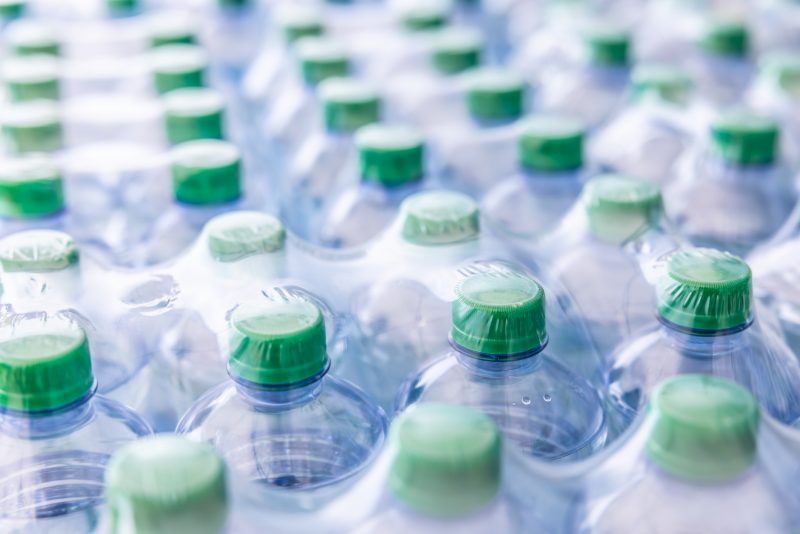
The FDA has classified a March recall of over 78,000 cases of Fiji Natural Artesian Water as Class III, indicating the products are "not likely to cause adverse health consequences." The recall was due to manganese and bacterial contamination, but the company states that 99% of affected bottles were reclaimed and there is no health risk.
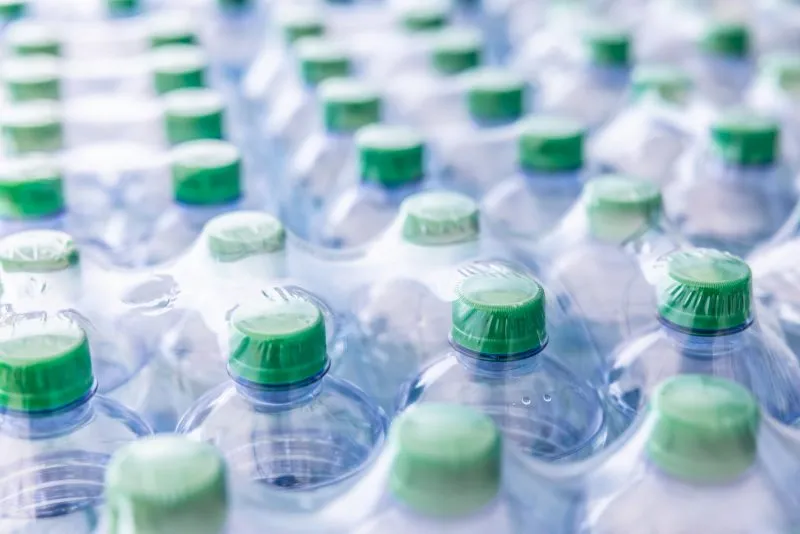
The FDA has classified a March recall of over 78,000 cases of Fiji Natural Artesian Water as Class III, indicating the products are "not likely to cause adverse health consequences." The recall was due to concerns over manganese and bacterial contamination. The company stated that 99% of the affected bottles were reclaimed and emphasized that there is no health or safety risk from the recalled lots.
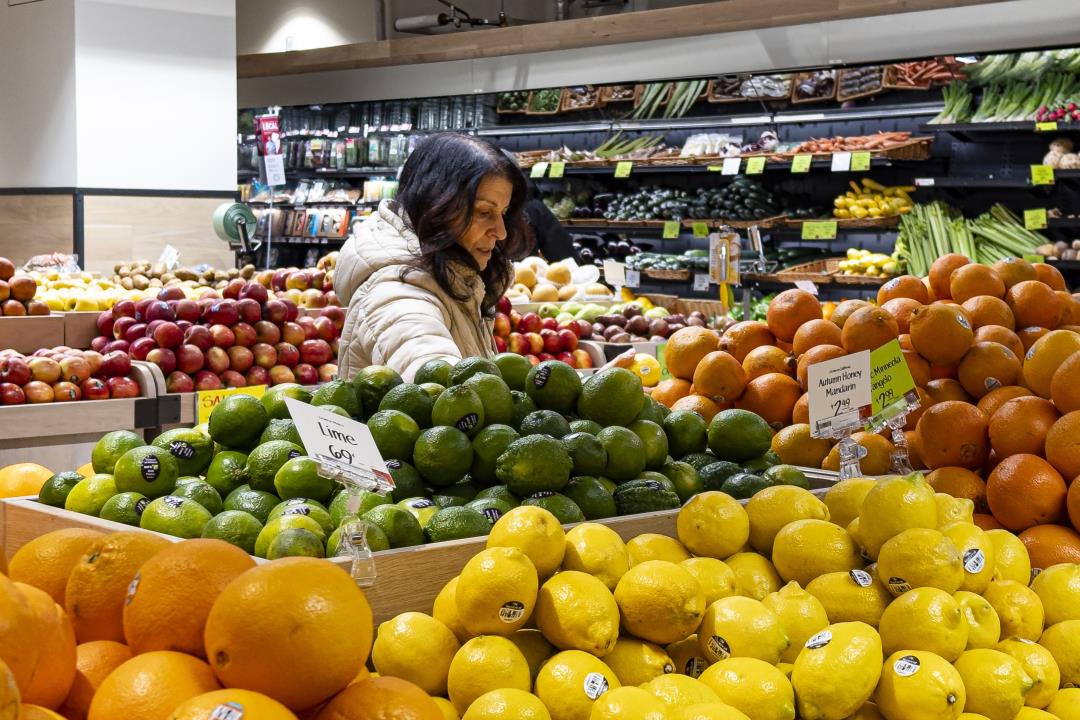
Consumer Reports analysis of USDA data reveals that roughly 20% of grocery store fruits and vegetables may pose a significant health risk due to pesticide residue, with non-organic blueberries, strawberries, bell peppers, and potatoes among the high-risk items. The report raises concerns about the contamination of organic produce, particularly imported green beans. Consumer Reports suggests limiting consumption of high-risk produce, especially for children and pregnant women, and advocates for updated EPA limits to better reflect the risks associated with multiple pesticide residues on a single sample.
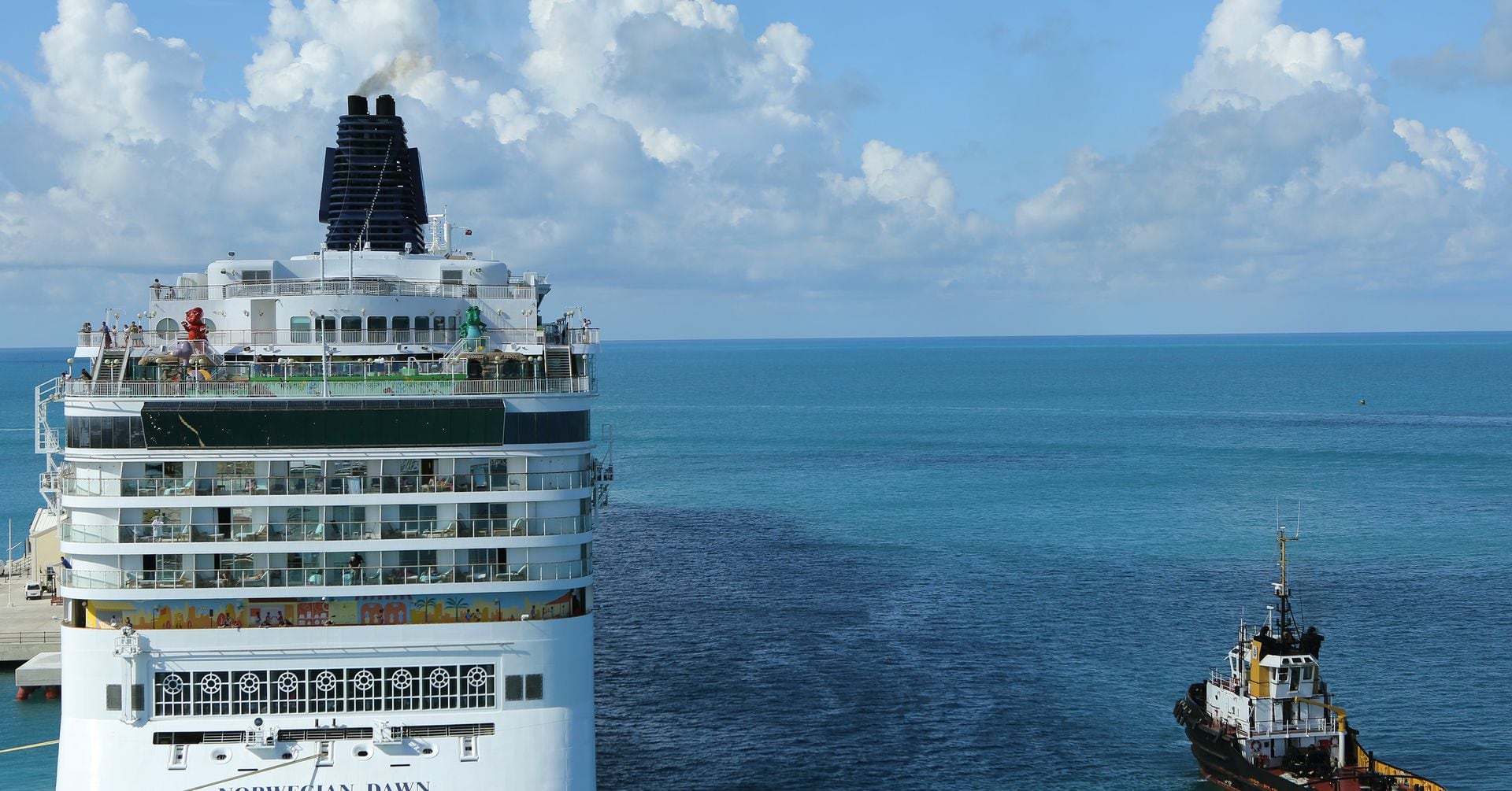
Mauritius prevented a Norwegian Cruise Line ship from docking at its ports due to a perceived health risk, taking samples from isolated passengers and citing the safety of both passengers and the country as the reason. The ship had experienced mild symptoms of a stomach-related illness among some passengers during a trip to South Africa. Test results from the samples are awaited, and both disembarking and boarding of passengers have been delayed.

A study found that people who spend five or more hours watching TV or videos a day are 48% more likely to experience nocturia, the need to wake up and urinate two or more times a night. The researchers suggest that prolonged TV viewing may lead to neurological disorders, affect sleep quality, and increase fluid intake, all of which could contribute to the risk of experiencing nocturia. However, the study has limitations and cannot prove cause and effect. Healthcare professionals are encouraged to raise public awareness about this potential health risk, but it's important to note that nocturia is common, particularly among older people, and not necessarily a cause for concern.
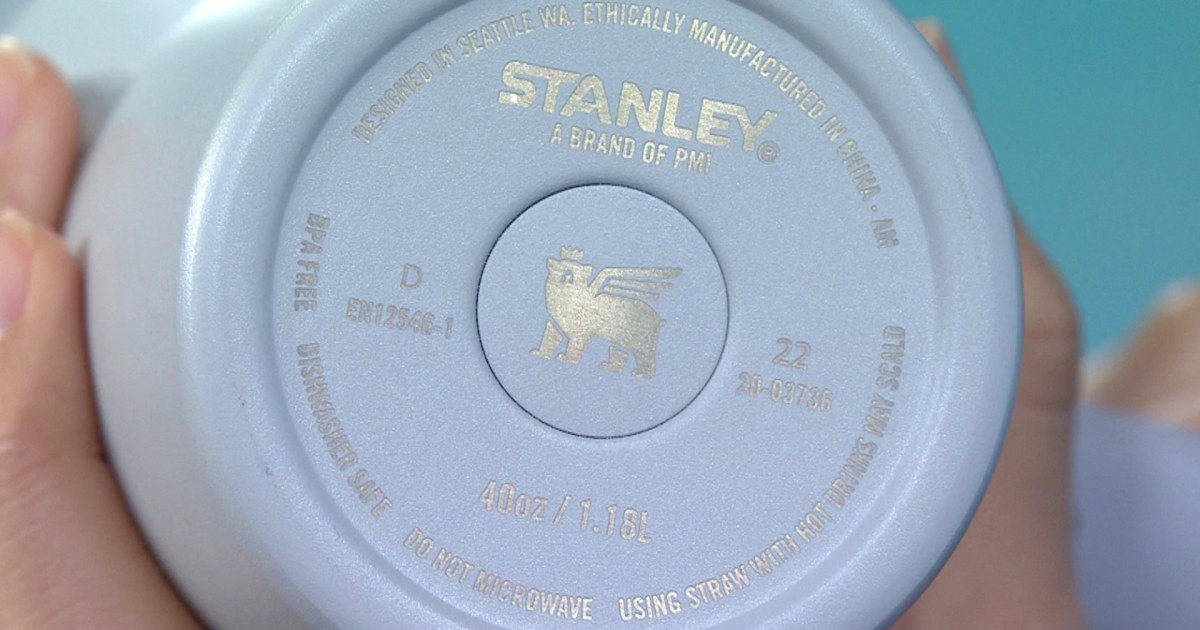
A recent study found that the Stanley Cup, the prestigious trophy awarded to the National Hockey League (NHL) champion, may carry a risk of lead exposure. The cup's decorative elements, including lead solder and a leaded bronze base, could potentially pose a health risk, especially to children and pregnant women. The NHL has stated that it is taking the issue seriously and is working to address any potential concerns.