The FDA has issued a low-risk recall for over 11,000 bottles of Ziac, a blood-pressure medication, due to cross-contamination concerns with ezetimibe. Patients should check their bottles' lot numbers and NDC codes, and consult their healthcare providers for guidance. The recall highlights the importance of strict manufacturing practices and vigilant quality control to ensure medication safety.
The FDA has issued a widespread recall of thousands of products, including Tylenol, Advil, Haribo candies, Welch's juice, and Purina pet food, due to contamination from rodent and bird droppings at a Minnesota distribution facility, posing health risks to consumers.
The FDA has announced recalls of three dessert products—Holiday Barks, an almond chocolate bar, and cookie tins—due to undeclared allergens such as pecans, wheat, almonds, and nuts, just before Christmas. Consumers are advised to discard these products and contact the companies for refunds or questions. No illnesses have been reported so far.
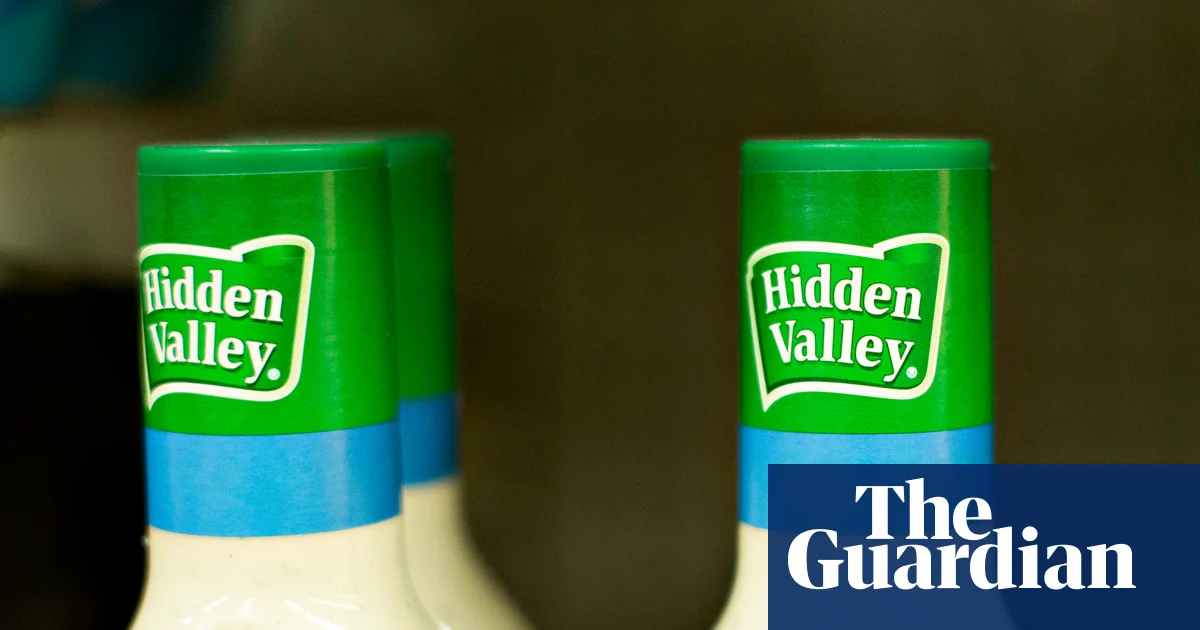
The FDA has recalled over 3,500 cases of salad dressing produced by Ventura Foods, including Hidden Valley Ranch, after discovering black plastic material in the ingredients, which could cause temporary health effects. The affected products were distributed to various retailers across multiple states and in Costa Rica, but store-bought consumer products are not impacted. Consumers are advised to return the products and avoid consumption.
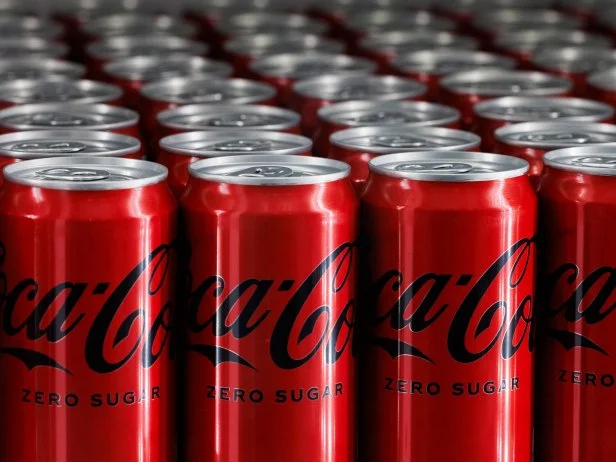
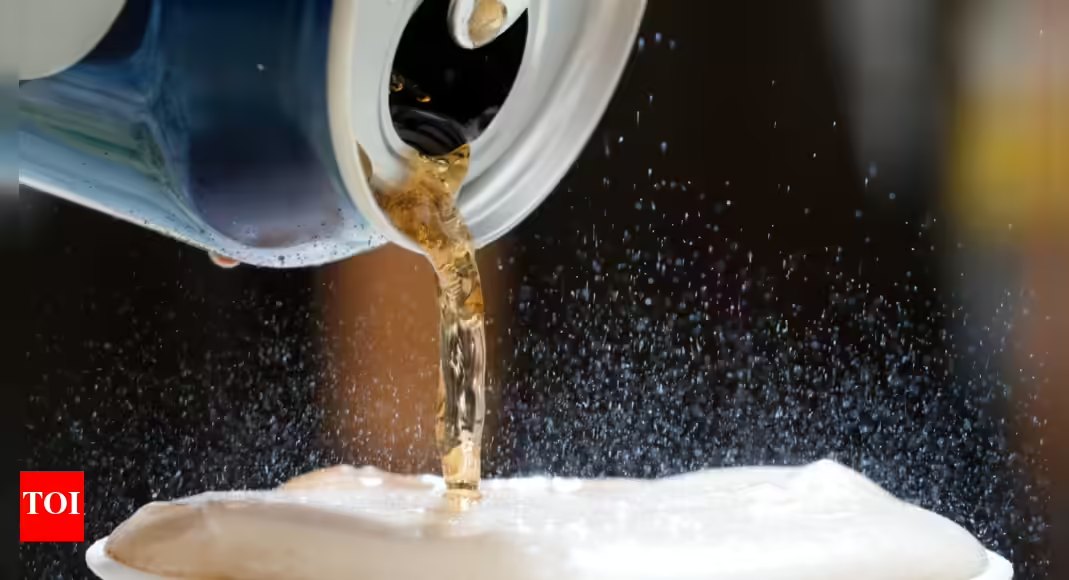
Coca-Cola is recalling certain lots of Coca-Cola Zero Sugar, Coca-Cola, and Sprite cans due to potential metal contamination, with the recall classified as Class II by the FDA, indicating a low risk of serious health consequences. Consumers are advised to dispose of or return the affected products.
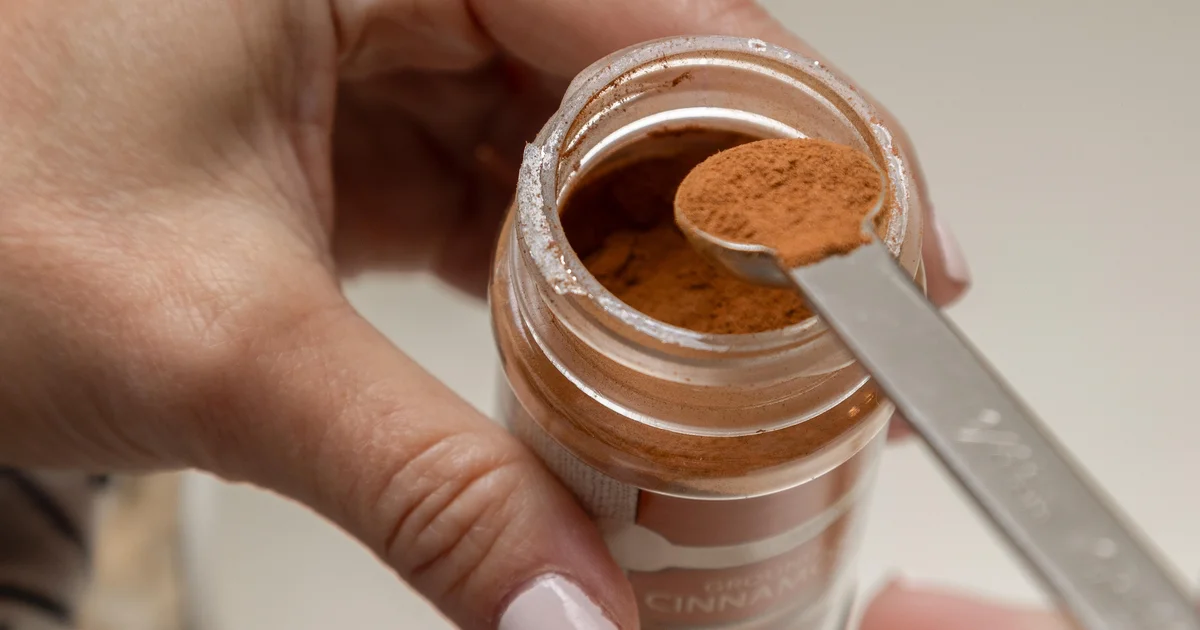
The FDA has identified 16 brands of ground cinnamon with elevated lead levels, posing health risks, especially to children, and has urged consumers to discard these products; several brands have already issued recalls.
The FDA has recalled certain brands of ground cinnamon, including HAETAE, Roshni, Durra, and Wise Wife, due to elevated lead levels that pose health risks, especially with prolonged exposure. Consumers are advised to dispose of these products and check their cabinets to prevent potential health issues.
The FDA has recalled nearly 2,000 cases of 7Up Zero Sugar Tropical Soda due to a labeling error that caused full-sugar soda to be sold as zero sugar, posing health risks especially for diabetics and those managing sugar intake. The recall affects products with specific UPCs and lot numbers, and consumers are advised to check their cans and return any affected products for a refund.
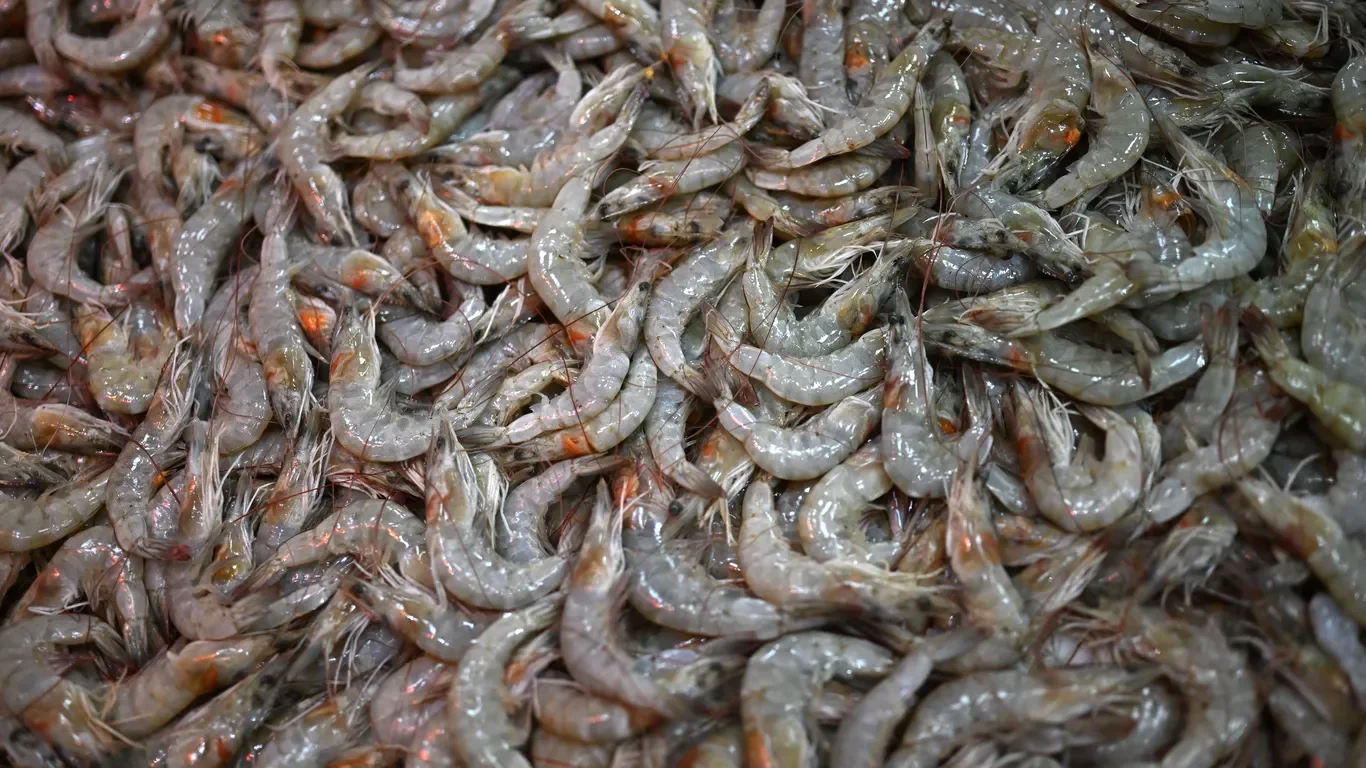
The FDA has expanded a recall of potentially radioactive frozen shrimp to nine states, including California, Massachusetts, and Washington, after traces of cesium-137 were found in imported shipments from Indonesia. The contamination level is below immediate health risk but raises concerns about long-term exposure, prompting recalls and import alerts. Consumers are advised to check labels and dispose of affected products.
The FDA has recalled certain Walmart brand frozen shrimp sold in multiple states due to potential contamination with the radioactive isotope Cesium-137, though no contaminated shrimp have entered U.S. commerce; consumers are advised to discard affected products and seek medical advice if concerned about exposure.
Four brands of hand soaps and skin products are being recalled nationwide in the US due to contamination with bacteria Burkholderia cepacia, which can cause infections and sepsis, especially in immunosuppressed individuals. The products, including DermaKleen, KleenFoam, DermaSarra, and PeriGiene, are available online and possibly in public facilities, with no reported adverse events so far. Consumers are advised to contact the company for questions.
Several types of soap distributed in the U.S. and Puerto Rico have been recalled due to contamination with Burkholderia cepacia, a bacteria that can cause serious infections, especially in immunocompromised individuals. The recall involves products from DermaRite Industries, and consumers are advised to destroy affected items and contact the company for more information.
The FDA has issued a nationwide recall of over 100 tons of Hormel's Dinty Moore Beef Stew after fragments of wood were found in the product, posing a choking and injury risk. Consumers are advised to discard or return the affected cans, with no injuries reported so far.
The FDA has announced the voluntary recall of nearly 14,000 HeartMate II and HeartMate 3 Left Ventricular Assist System (LVAS/LVAD) heart pumps produced by Abbott Laboratories' Thoratec Corp. due to an issue called Extrinsic Outflow Graft Obstruction, which can lead to serious injuries or death. The devices work by assisting the heart's pumping function, but biological material buildup can obstruct the device over time, affecting its effectiveness. There have been 273 reported injuries and 14 deaths associated with this issue, and while the devices remain on the market, Abbott has communicated with customers about the potential problem and provided recommendations for early detection and treatment.
The Connecticut Department of Public Health issued a public health alert urging people to stop using certain cinnamon products due to high levels of lead, following a recall by the FDA. The affected products were sold at various retailers in Connecticut, and consumers are advised to avoid using them. Symptoms of lead exposure can include headaches, vomiting, and abdominal pain, and individuals with concerns about exposure should consult a healthcare provider. The FDA has expanded testing to include ground cinnamon from discount retailers and is reminding manufacturers of their obligation to prevent contamination. This alert follows a previous recall of applesauce products due to the risk of elevated blood lead levels.