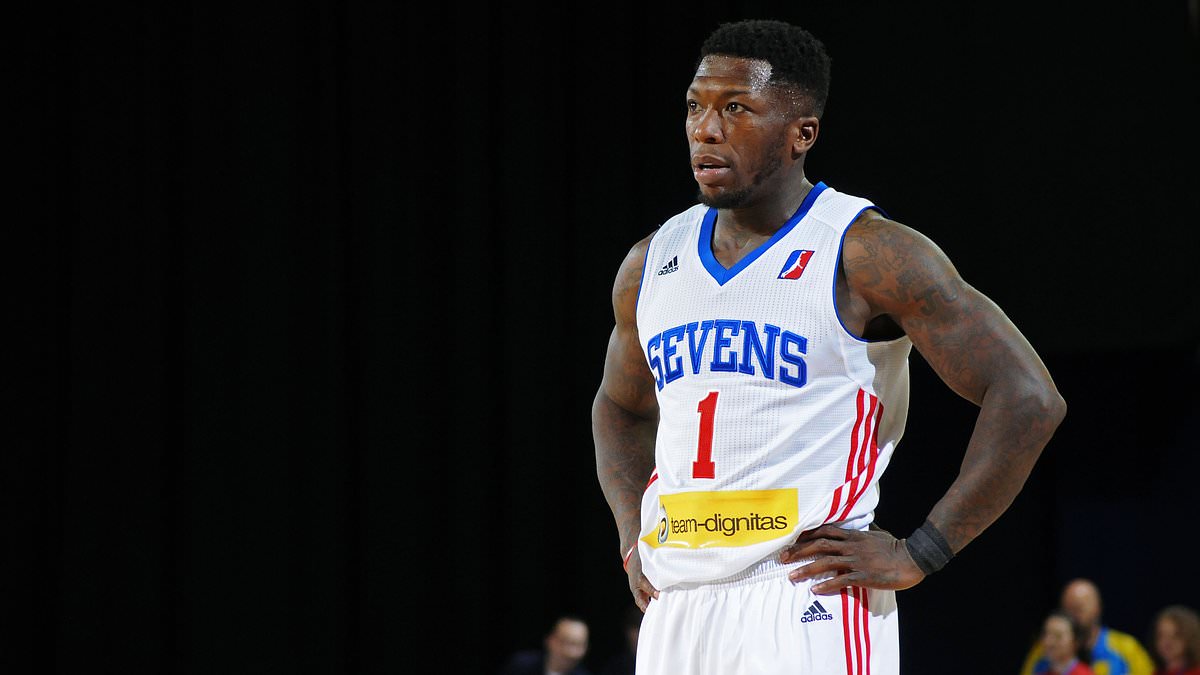
Former NBA star Nate Robinson revealed that he is in urgent need of a kidney transplant, stating that he doesn't have long to live without one. Robinson, who has been battling renal kidney failure since 2022, currently undergoes dialysis three times a week to stay alive. Despite his health challenges, he remains positive and continues to enjoy time with his family and pursue his passions.
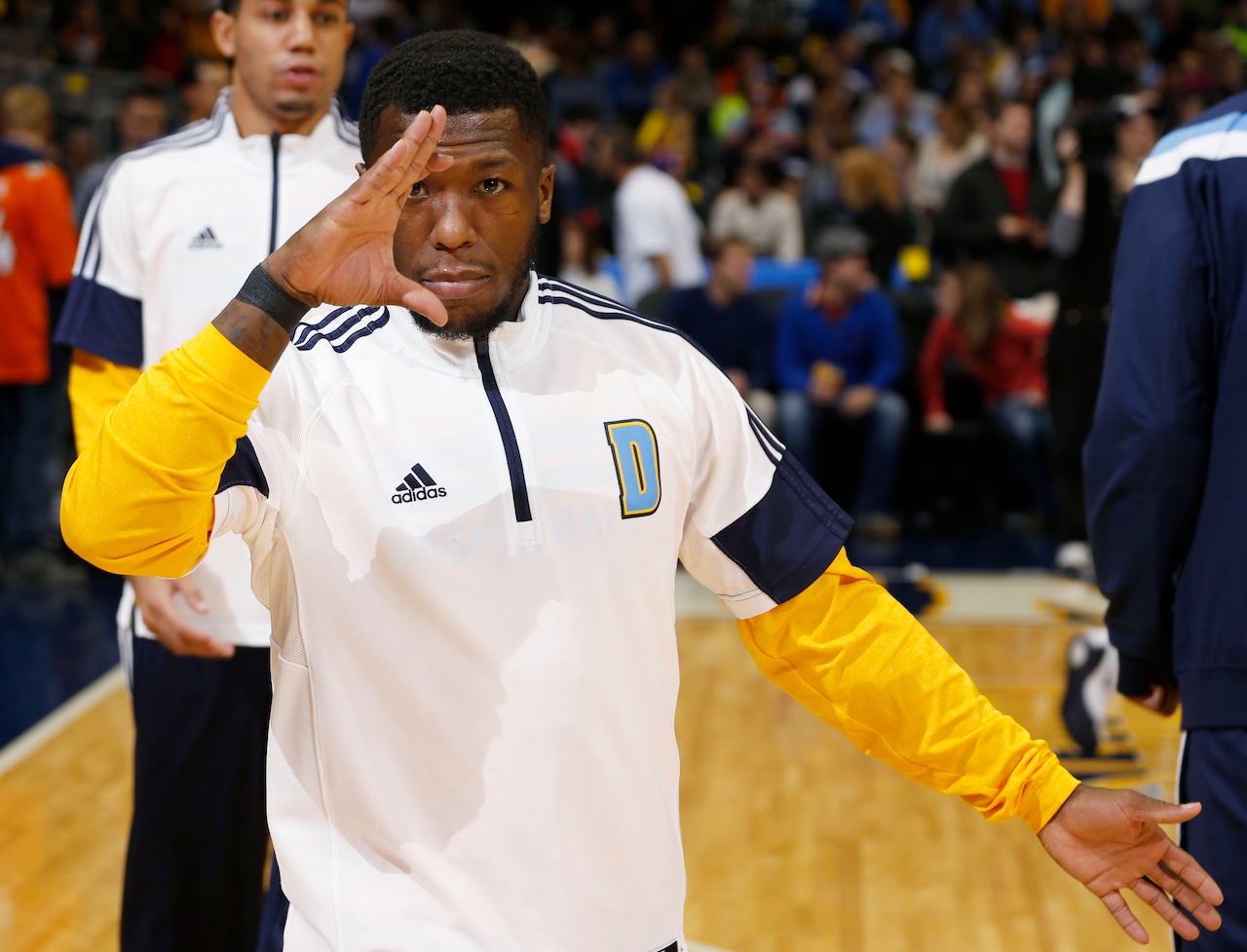
Former NBA guard Nate Robinson revealed that he needs a kidney transplant to survive due to kidney failure, which he has been battling for the last four years. Robinson, who played for the Boston Celtics and won the Slam Dunk contest three times, undergoes dialysis for four hours, three days a week, and acknowledges that without it, he wouldn't live longer than a week or two. He urges to make the best of each day while dealing with the serious health condition.
Former NBA star Nate Robinson, who has been battling renal kidney failure for the past four years, revealed that he "doesn't have long to live" if he can't find a replacement kidney. He currently relies on dialysis to survive and has made significant dietary changes to improve his health. Despite the challenges, Robinson remains positive and grateful for each day, emphasizing the importance of staying humble and cherishing every opportunity.
Former Chicago Bears player Steve ‘Mongo’ McMichael, who was diagnosed with ALS in 2021, has been hospitalized with a urinary tract infection and is now receiving a blood transfusion for MRSA, a difficult-to-treat staph infection. His family has requested prayers for his recovery. Despite his health challenges, McMichael was announced as a member of the 2024 NFL Hall of Fame class in February.
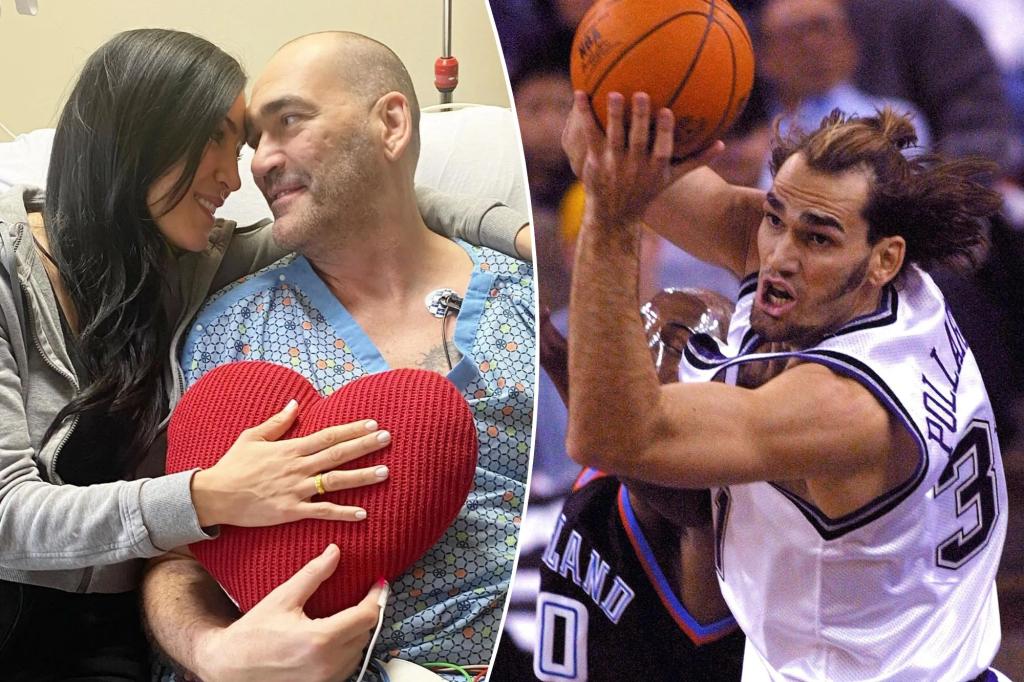
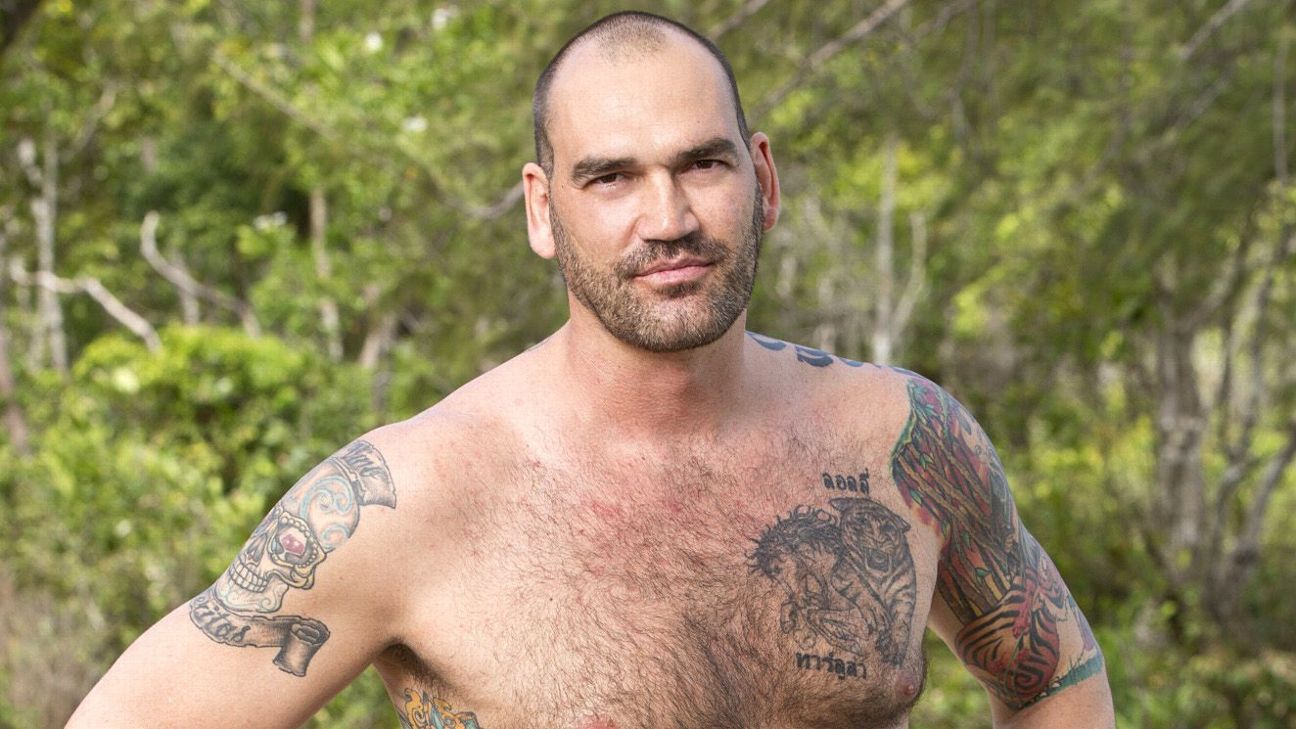
Former NBA center Scot Pollard successfully underwent a heart transplant after finding a donor that was a "perfect fit," with his wife expressing gratitude to the donor and asking for continued prayers for his recovery. Pollard, who battled heart issues stemming from a virus in 2021, had encountered numerous health challenges before the transplant. The 49-year-old, known for his NBA career and appearance on "Survivor," is now focused on recovery following the successful surgery.
After the tragic suicide of their son Wyatt, who was diagnosed with stage 2 CTE posthumously, the Bramwells are warning parents about the early signs of CTE in young athletes. Despite only one diagnosed concussion, Wyatt's behavioral changes were indicative of the disease, leading to his untimely death. The Bramwells urge parents to pay close attention to their children's mental well-being and seek medical help if they notice any unusual behavior, emphasizing the importance of open communication and vigilance in protecting young athletes from the dangers of CTE.
Former NBA player Scot Pollard, who needs a heart transplant due to a genetic condition exacerbated by a virus, is waiting in a hospital for a donor big enough to match his 6-foot-11, 260-pound frame. His condition, which has been affecting his quality of life, requires a heart that can supply blood to his extra-large body. Pollard, 48, is navigating the complex organ transplant system and hopes for a donor to surface soon, acknowledging the bittersweet nature of the situation.
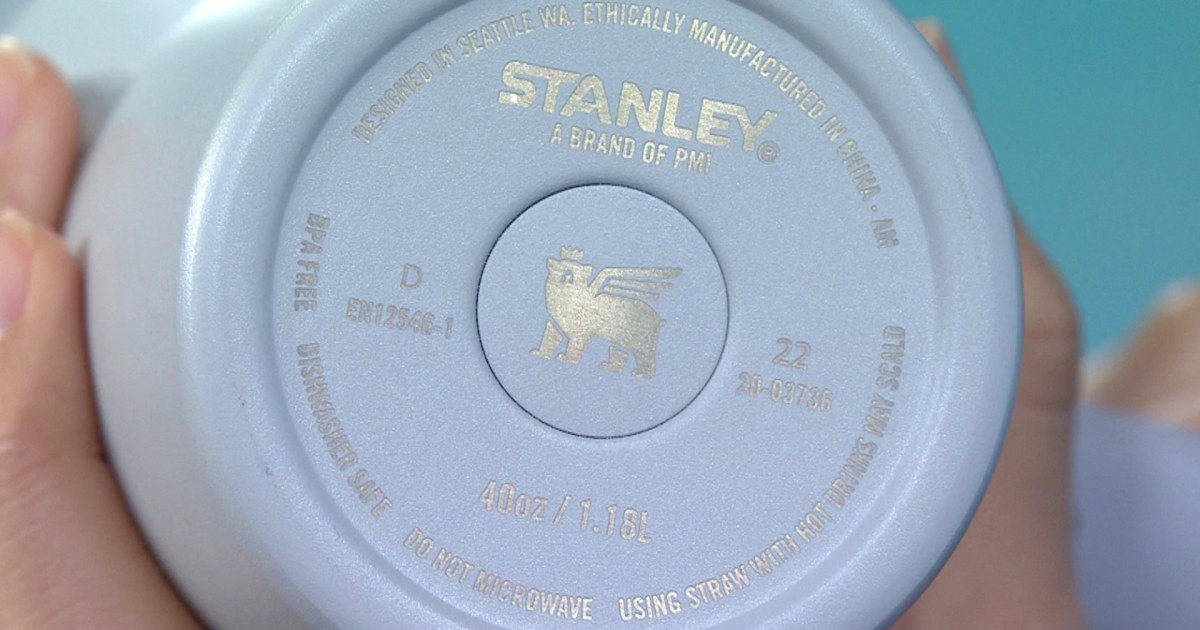
A recent study found that the Stanley Cup, the prestigious trophy awarded to the National Hockey League (NHL) champion, may carry a risk of lead exposure. The cup's decorative elements, including lead solder and a leaded bronze base, could potentially pose a health risk, especially to children and pregnant women. The NHL has stated that it is taking the issue seriously and is working to address any potential concerns.
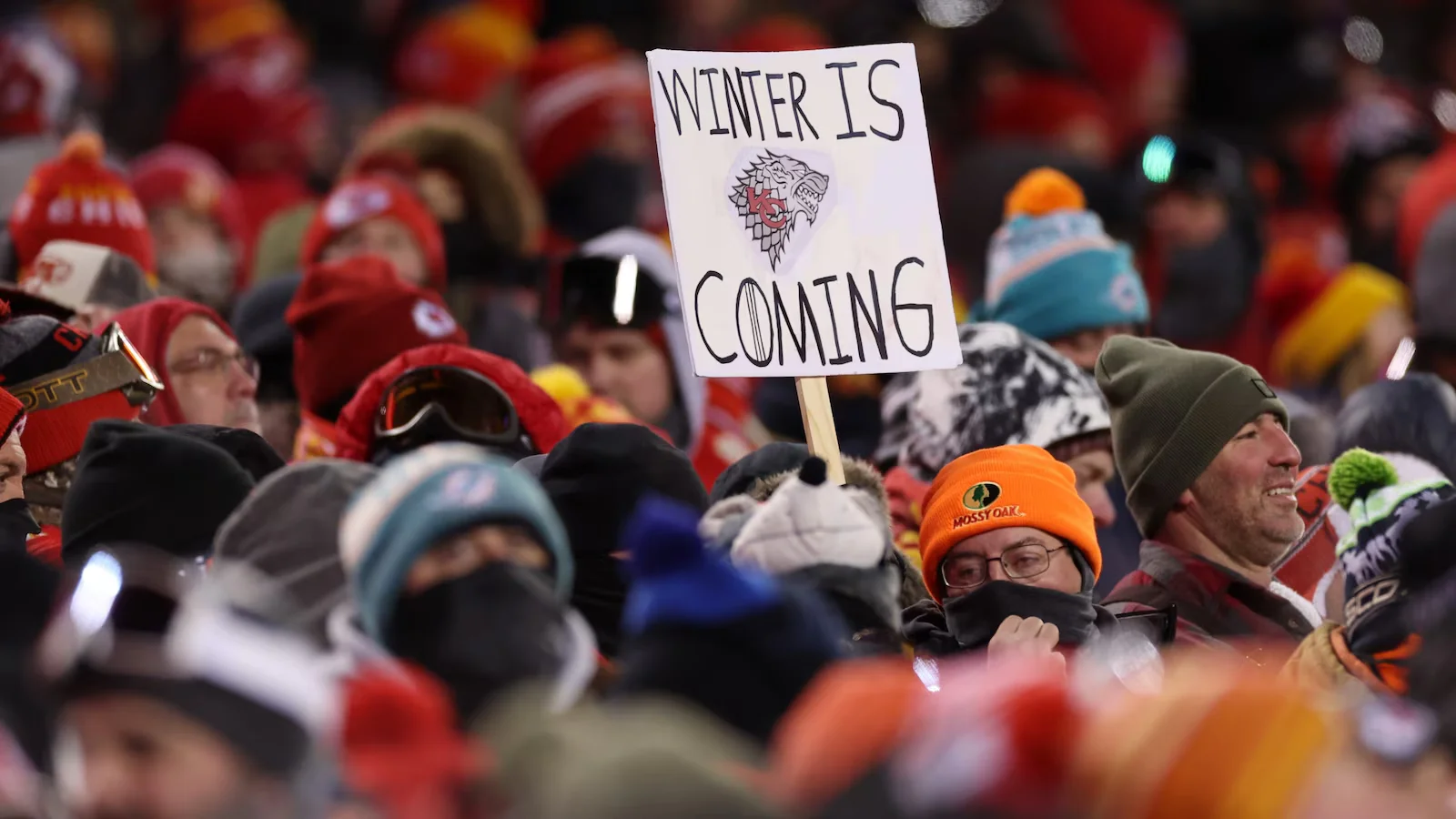
Several people were hospitalized after attending the NFL wildcard playoff game in Kansas City between the Chiefs and the Miami Dolphins in dangerously cold temperatures, with temperatures at minus 4 degrees Fahrenheit at kickoff and a windchill of minus 27 F. The Kansas City Fire Department received 69 calls, with half of them hypothermia-related. At least 15 people were taken to hospitals in the area, with seven treated for hypothermia symptoms and three for frostbite symptoms. The University of Kansas Health System is still collecting numbers on those who visited aid stations or the ER for frostbite. The CDC warns of the signs and treatment for hypothermia and frostbite caused by prolonged exposure to extremely cold temperatures.