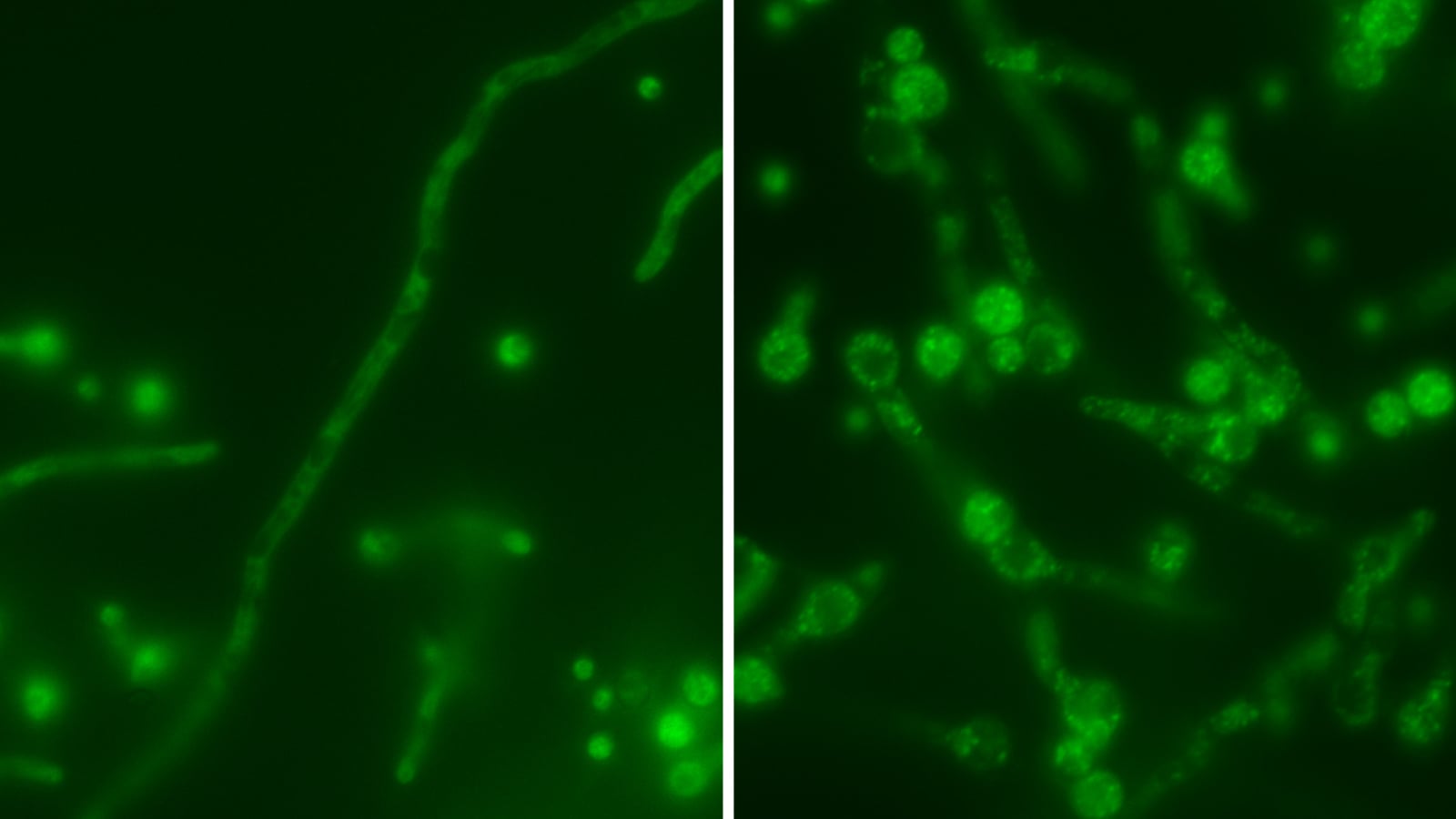
A study reveals that a hidden virus inside the deadly fungus Aspergillus fumigatus may be exploited to develop new treatments for fungal infections, as targeting the virus in mice improved survival and reduced fungal burden, suggesting a novel approach to combat invasive aspergillosis.
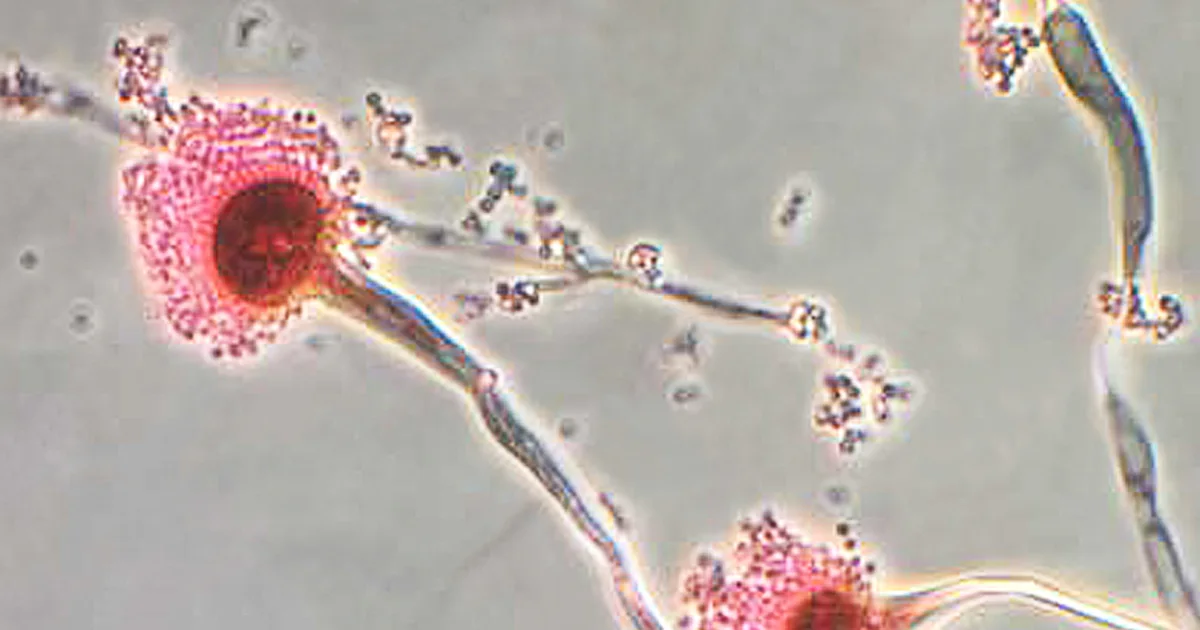
Fungal infections caused by Aspergillus fumigatus are becoming increasingly resistant to treatment, complicating management especially in immunocompromised patients, with resistance driven largely by agricultural fungicide use and presenting a growing global health concern.
A deadly fungus called Aspergillus fumigatus is spreading across the US, especially in warm, wet states, posing serious health risks to immunocompromised individuals. The fungus can cause severe lung infections and produce toxins linked to cancer, with climate change and overuse of antifungal drugs contributing to its spread and resistance. Experts warn that the situation could worsen with rising temperatures, urging improved detection, treatment, and research efforts.
Experts warn that climate change is increasing the spread and resistance of the fungus Aspergillus fumigatus, which can cause severe lung infections and is becoming harder to diagnose and treat, posing a growing public health threat.
Researchers have discovered drug-resistant super fungus strains of Aspergillus fumigatus in a remote region of China, raising fears of a widespread disease outbreak. The fungus is highly ubiquitous and can be inhaled by humans and animals, causing severe diseases such as invasive aspergillosis. The primary mechanism of resistance is via mutations in the cyp51A gene, which is associated with worldwide agricultural use of azole fungicides. The study emphasizes the need for thorough monitoring of drug resistance across varying geographic locations.