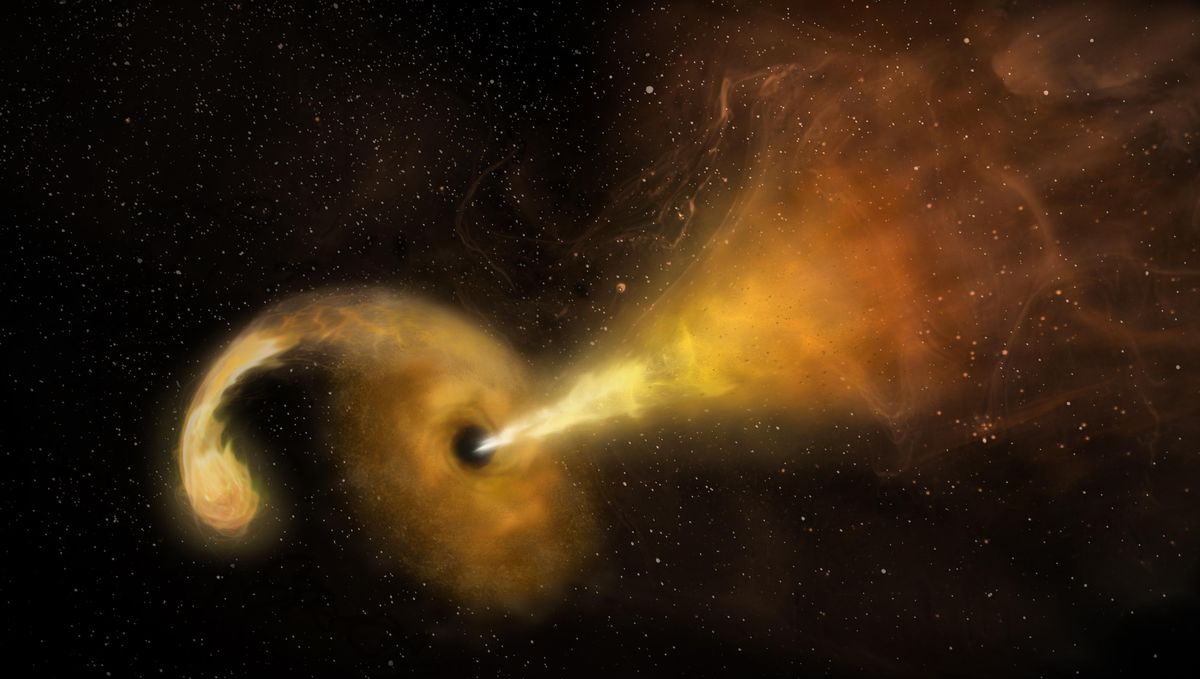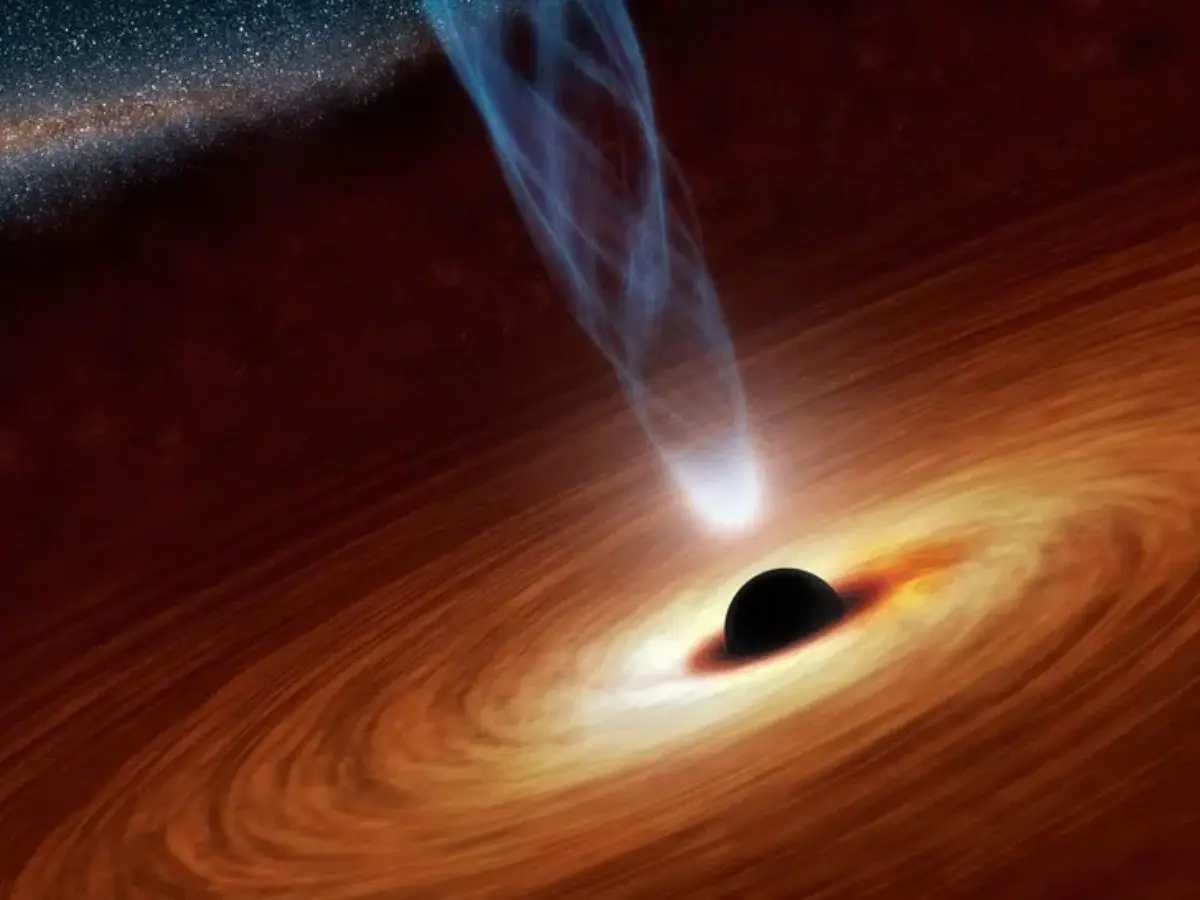
Black holes are dense cosmic objects with a point of no return called the event horizon, beyond which nothing can escape, leading to extreme effects like spaghettification and time dilation; their study offers insights into fundamental physics despite the dangers of falling into one.
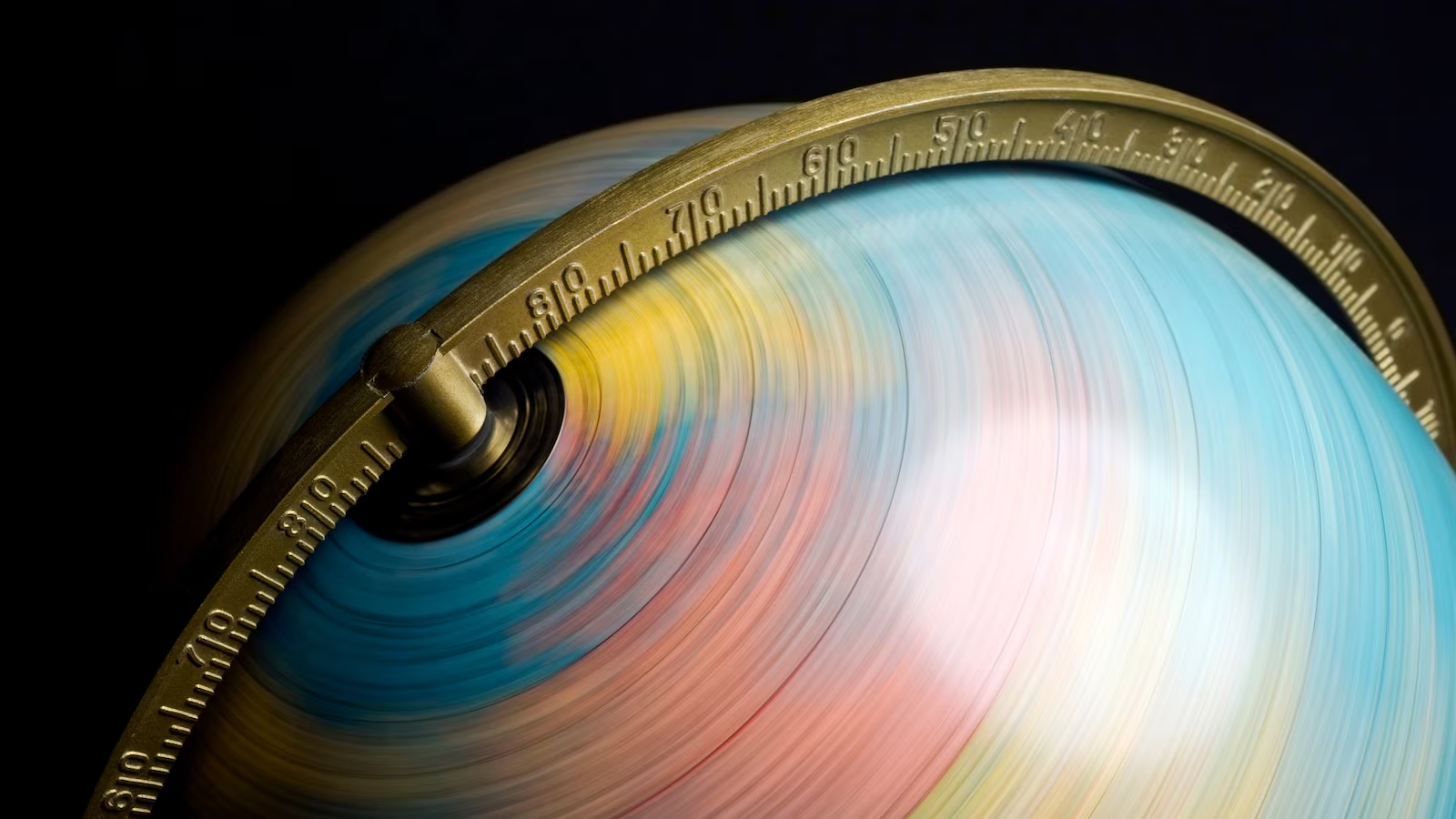
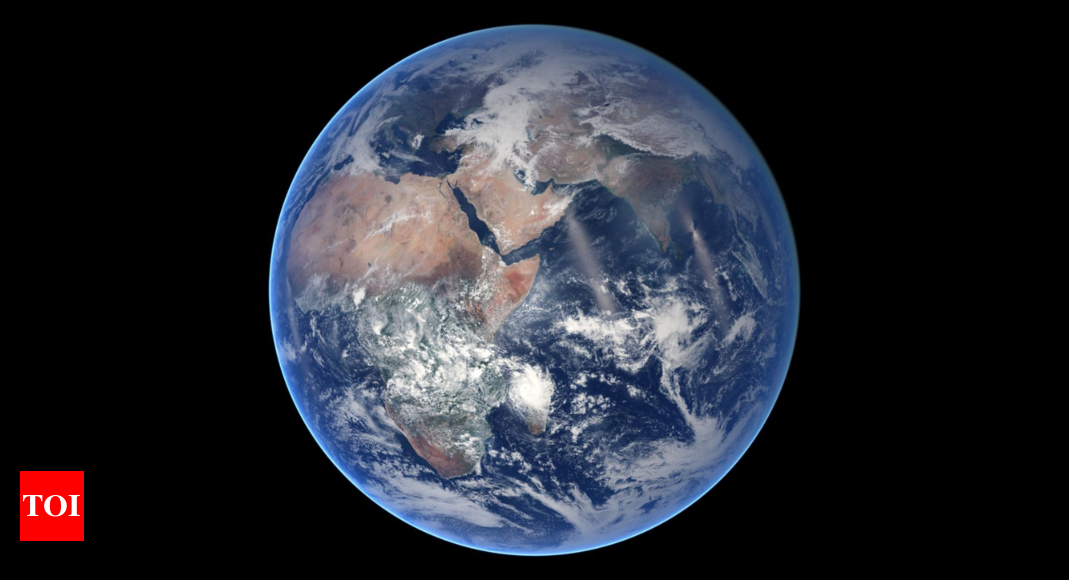
On July 22, Earth will experience its second-shortest day of the year, with a rotation 1.34 milliseconds faster than usual, due to gravitational interactions with the moon, continuing a trend of increasingly shorter days influenced by lunar gravity and climate change effects.
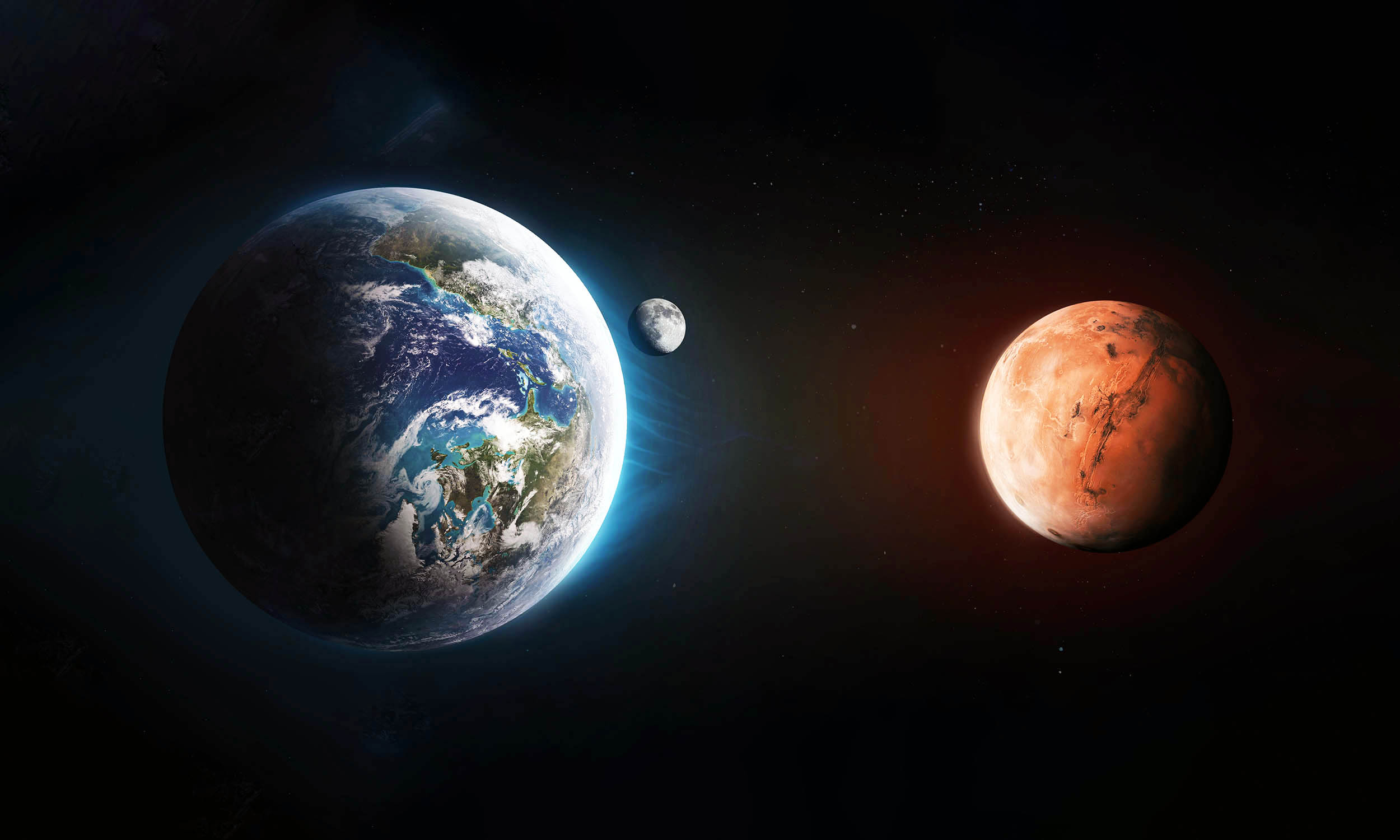
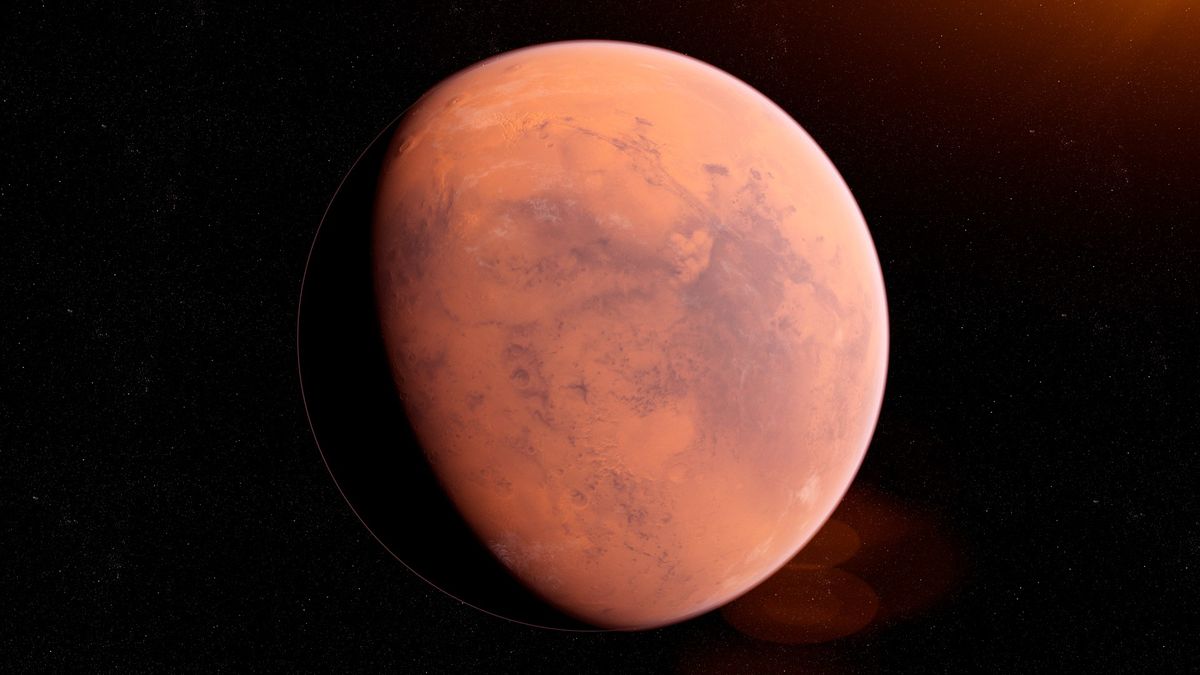
New research suggests that Mars's gravitational pull affects Earth's climate by drawing it closer to the Sun every 2.4 million years, leading to warmer periods and stronger deep-sea currents. These "astronomical grand cycles" may help sustain ocean currents like the Atlantic Meridional Overturning Circulation, even as global warming threatens them. The study highlights the interconnectedness of planetary mechanics and Earth's climate, though it clarifies that this effect is separate from human-induced climate change.
New research indicates that Earth's inner core has been spinning unusually slowly for the past 14 years, potentially lengthening Earth's days by thousandths of a second. This phenomenon, known as "backtracking," has been confirmed through seismic data analysis, though the changes are imperceptible to humans. Further research is needed to understand the long-term trends and causes of this slowdown.
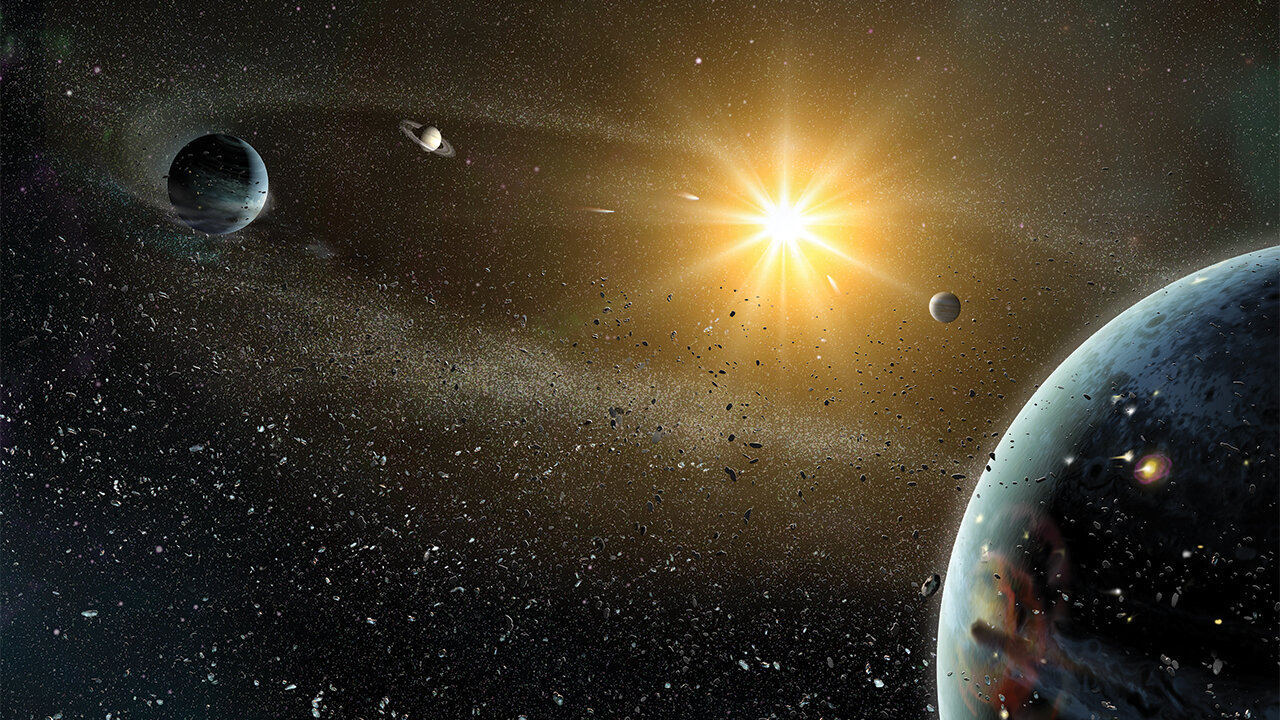
Scientists are investigating the possibility of a ninth planet, known as Planet Nine or Planet X, in our Solar System. This hypothetical planet, believed to be at least ten times the mass of Earth, could explain the unusual orbits of distant dwarf planets. Despite extensive searches, Planet Nine remains elusive due to its expected faintness and distance from the Sun. New telescopes and surveys in the coming decade may finally confirm or disprove its existence.
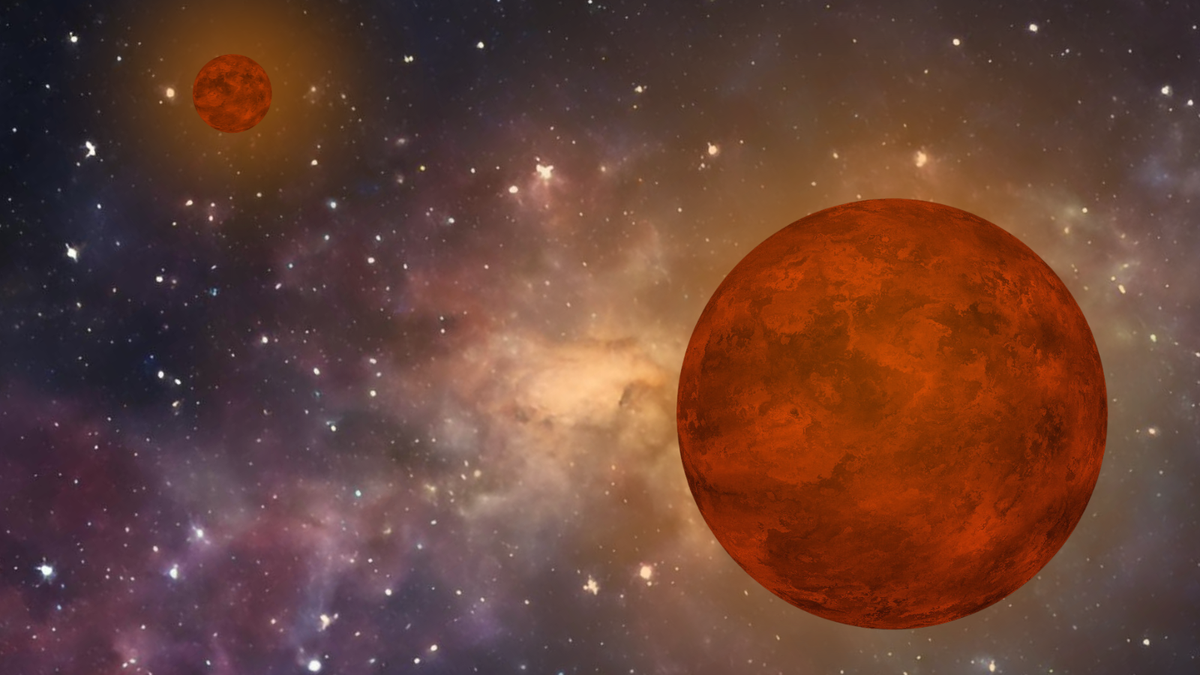
The Hubble Space Telescope has discovered that brown dwarfs, often referred to as "failed stars," struggle to maintain relationships with binary companions over time due to weak gravitational binding. Observations suggest that as brown dwarfs age, they are less likely to have a companion, possibly due to the gravitational influence of passing stars. This finding provides direct evidence that brown dwarf pairs drift apart over time, shedding light on the dynamics of these celestial objects.
New research suggests that Mars' gravitational pull on Earth influences the climate by affecting ocean circulation every 2.4 million years, leading to periods of stronger or weaker deep-sea currents. This coincides with known gravitational interactions between the two planets, causing Earth to be pulled slightly closer to the sun, resulting in warmer climates. While not linked to human-driven global warming, this cycle may help maintain deep ocean currents, potentially benefiting ocean circulation if the Atlantic Meridional Overturning Circulation were to slow or stop.
Scientists propose two methods for harnessing the energy of black holes. The first method involves "charging" the black hole by injecting it with electrically charged particles until it repels additional charges, effectively becoming "fully charged." The second method involves extracting energy in the form of paired particles that form spontaneously in the presence of an electric field. Theoretical calculations suggest that black hole batteries could have an efficiency 250 times higher than that of an atomic bomb. These proposals provide insights into the intersection of quantum mechanics and gravity.
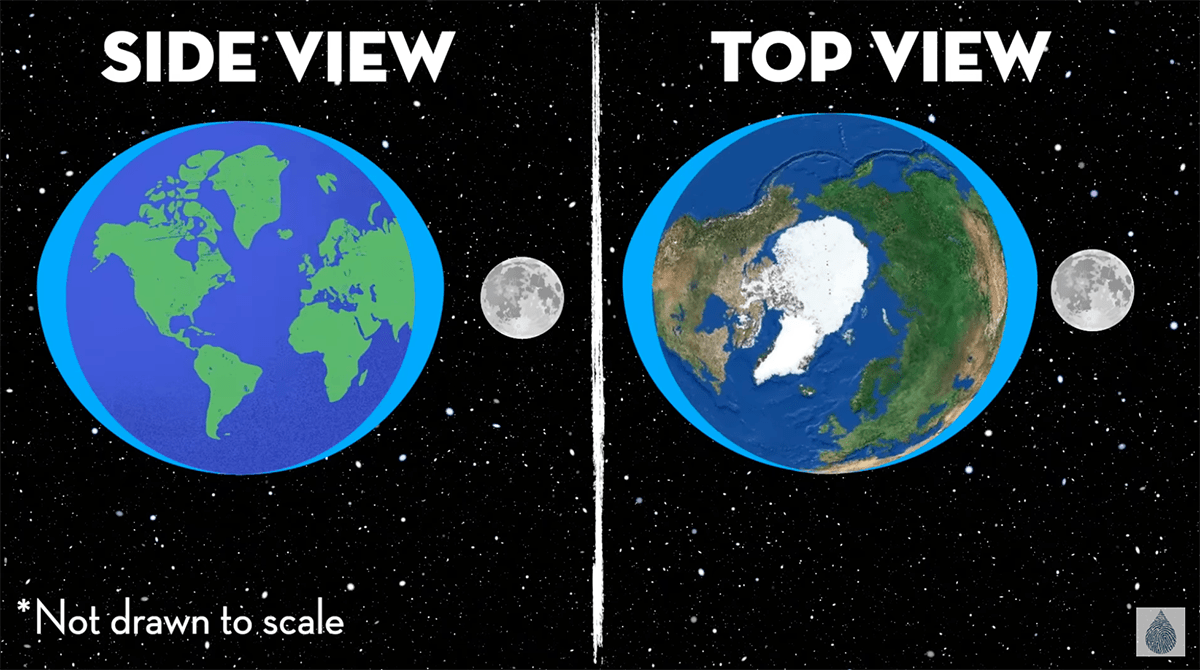
A video by Neil DeGrasse Tyson explains that the tides are not caused by the Moon pulling the ocean towards one shore or another, but rather by the Moon creating an oceanic bulge that the Earth rotates through. When the tide "comes in," it is not the tide coming towards you, but rather you rotating on the Earth into the tide. The Moon's gravitational pull causes deeper waters on both the near and far sides of the Earth, creating a tidal bulge.
Giant gas planets in other solar systems can disrupt the habitable zones of their Earth-like neighbors, making it unlikely for life to exist. The pull of massive planets can kick smaller planets out of their stable orbits, preventing them from remaining in the habitable zone where liquid water can exist. Computer simulations show that only a few areas within the habitable zone would not be affected by the gravitational pull of giant planets. Additionally, a planet in a nearby star system, GJ 357 d, previously thought to be in the habitable zone, is likely much larger than initially believed, making it unsuitable for hosting life as we know it. These findings highlight the rarity of the conditions necessary for life to exist in other solar systems.
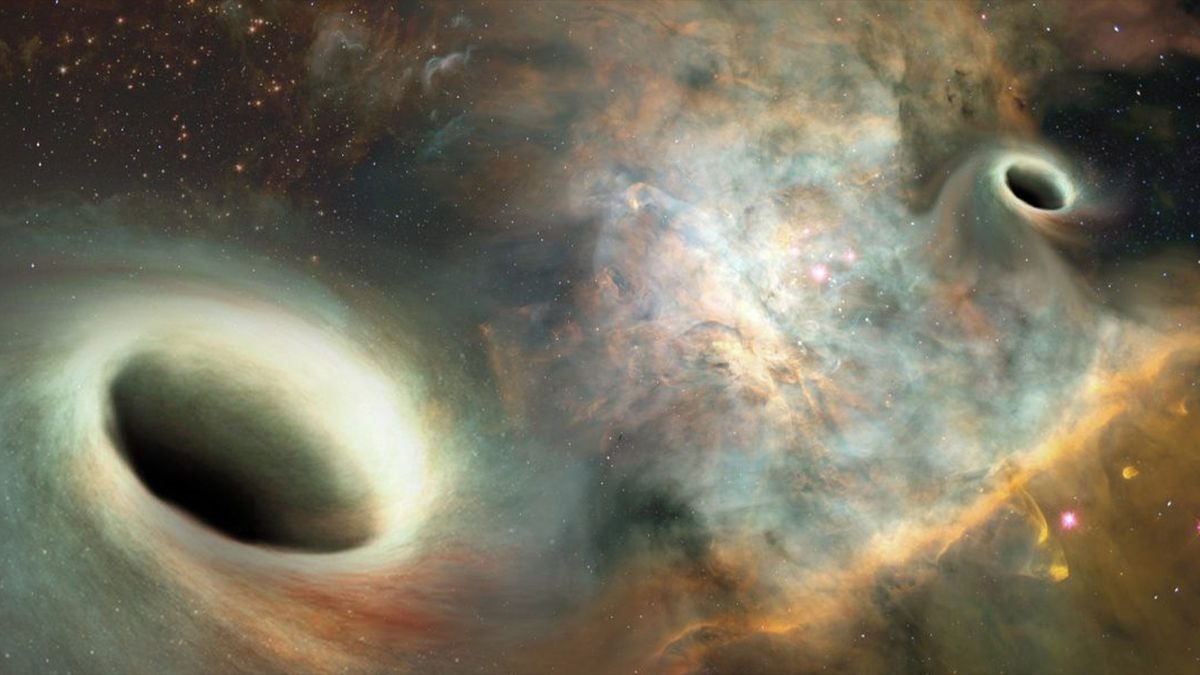
Scientists have discovered that two black holes can theoretically remain in a fixed distance from each other, defying the assumption that they will eventually merge. The mutual gravitational pull between the black holes can be perfectly counterbalanced by the expansion of the universe, making them appear as a single black hole from a distance. This finding challenges previous theories and assumptions about black hole behavior and opens up possibilities for further research on stable spinning black holes and multiple black hole systems.
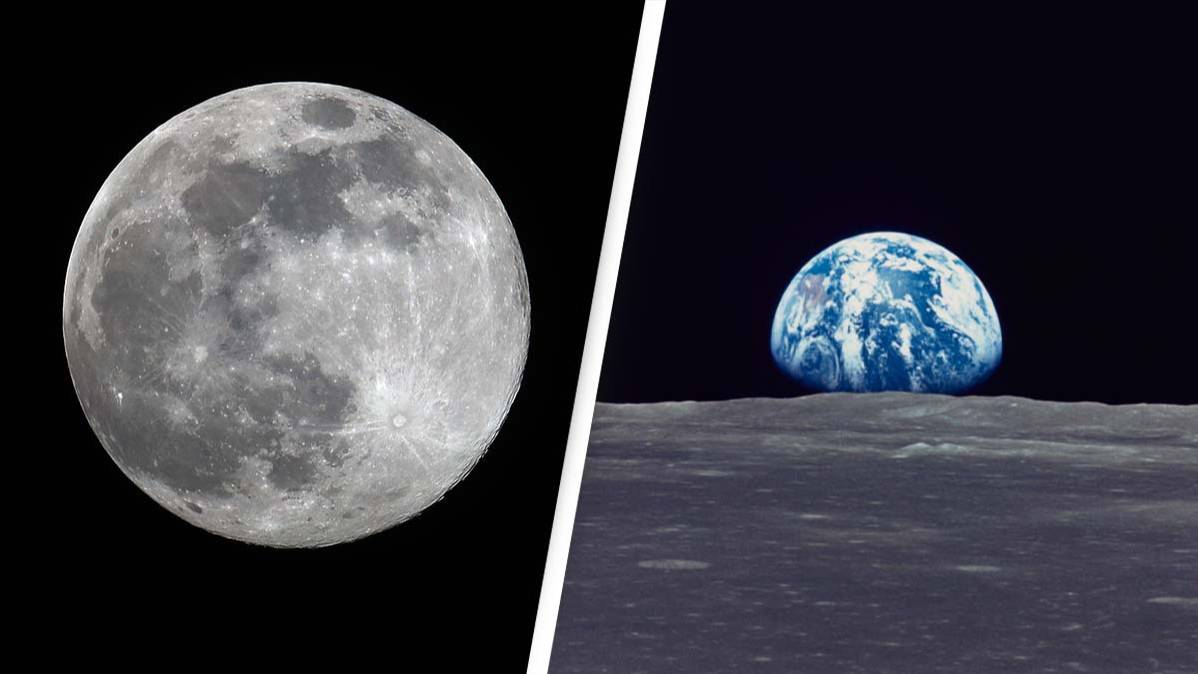
A new study by researchers at the University of Wisconsin-Madison has found that the moon's gradual drift away from the Earth is causing the length of a day to increase. The weakening gravitational pull between the two celestial bodies has resulted in the Earth spinning slower, allowing the moon to slowly move away at a rate of 3.82 centimeters per year. This small drift means that in 200 million years, a day on Earth will have increased from 24 hours to 25. Scientists also believe that 1.4 billion years ago, a day on Earth lasted just 18 hours due to the moon's closer proximity. The study used astrochronology to study ancient geological time scales and gain insights into the past of our solar system.
Researchers from the Indian Institute of Science have used supercomputers to simulate the formation of the Indian Ocean Geoid Low, an area in the Indian Ocean with lower gravitational pull. They discovered that sinking slabs from a prehistoric ocean reaching the Earth's mantle formed plumes, creating the geoid low. The Earth's interior, including the mantle, undergoes convection similar to boiling water, resulting in lumps called geoids. While the study has limitations due to uncertainties about the Earth's past, understanding the planet's interior is crucial, as we know more about the surfaces of distant stars than our own planet's interior.
Astronomers are searching for evidence of a ninth planet, dubbed "Planet Nine" or "Planet X," in our Solar System. The discovery of dwarf planets and their unexpected orbits suggests the presence of a large planet at least ten times the mass of Earth. However, locating Planet Nine is challenging due to its distance from the Sun and faintness. New telescopes and sky surveys in the next decade may provide the opportunity to confirm or disprove its existence.
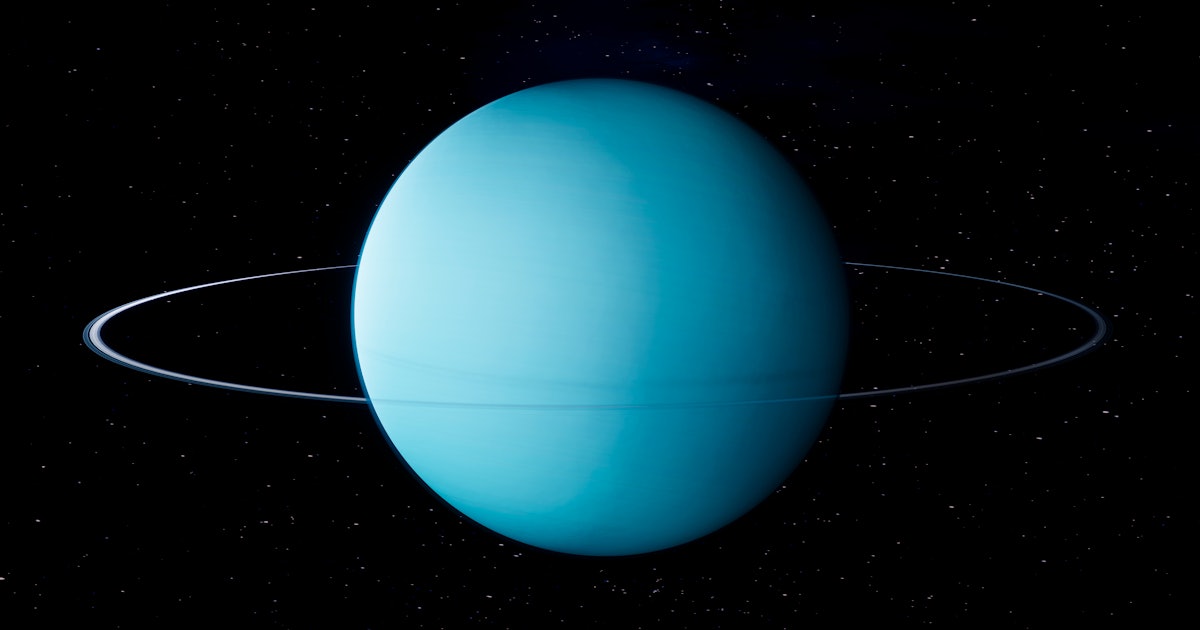
NASA's proposed Uranus Orbiter and Probe mission could indirectly help in the search for Planet Nine by measuring tiny changes in the spacecraft's flight path caused by the gravitational pull of distant planets. Computer simulations by physicists at the University of Zurich suggest that monitoring the probe's position could narrow down the mass and direction of Planet Nine. Additionally, the mission could provide data on gravitational waves and dark matter in the Solar System. The radio-ranging data from the spacecraft could help astronomers locate Planet Nine and potentially capture images of the elusive planet in the next decade.