Tag

Earths Inner Core

All articles tagged with #earths inner core

science1 year ago

Earth's Inner Core Rotation Slows, Impacting Day Length

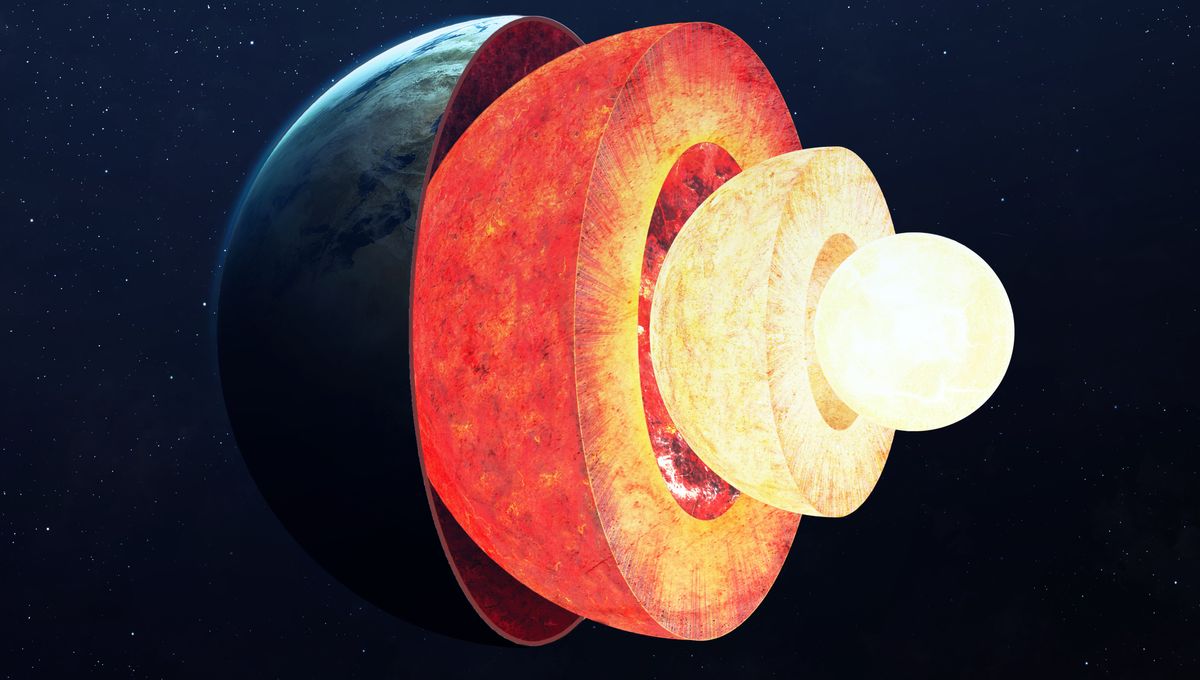
Researchers from the University of Southern California have found that Earth's inner core has been slowing down since around 2010, altering the length of days by fractions of a second. This slowdown is attributed to convection within the liquid iron outer core and gravitational forces in the mantle. The findings, based on seismic data from earthquakes and nuclear tests, were published in the journal Nature.

science1 year ago

Earth's Slowing Core Could Lead to Longer Days

New research indicates that Earth's inner core has been spinning unusually slowly for the past 14 years, potentially lengthening Earth's days by thousandths of a second. This phenomenon, known as "backtracking," has been confirmed through seismic data analysis, though the changes are imperceptible to humans. Further research is needed to understand the long-term trends and causes of this slowdown.

science2 years ago

Unraveling Earth's Mysterious Depths

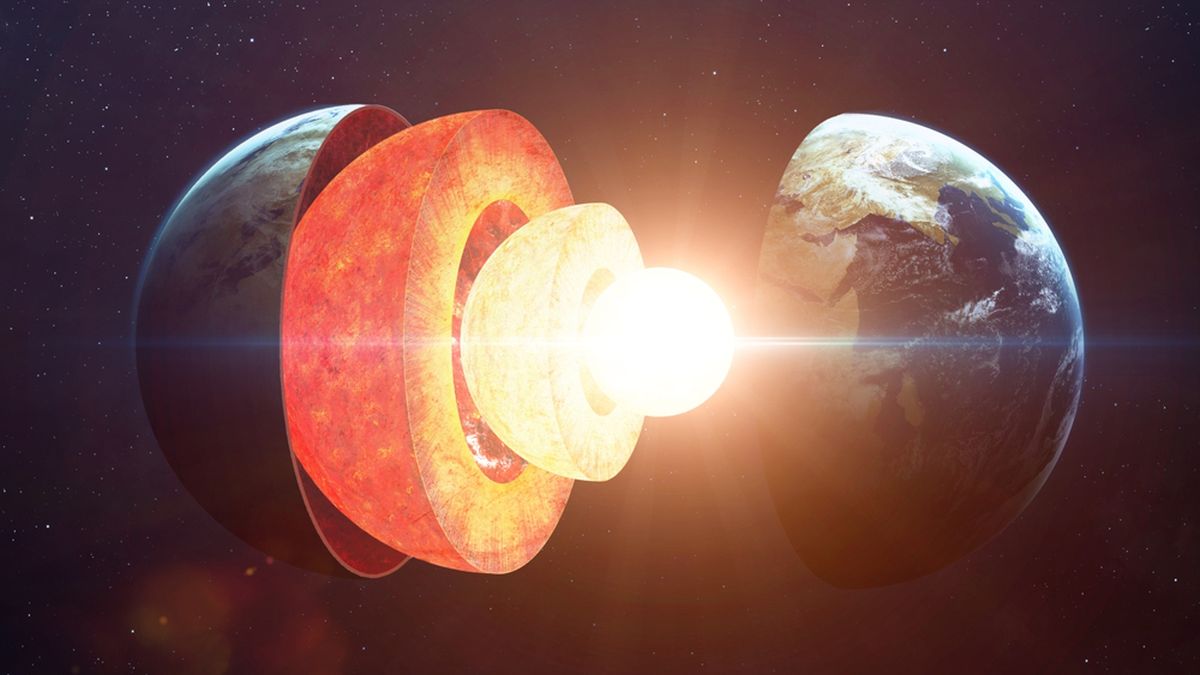
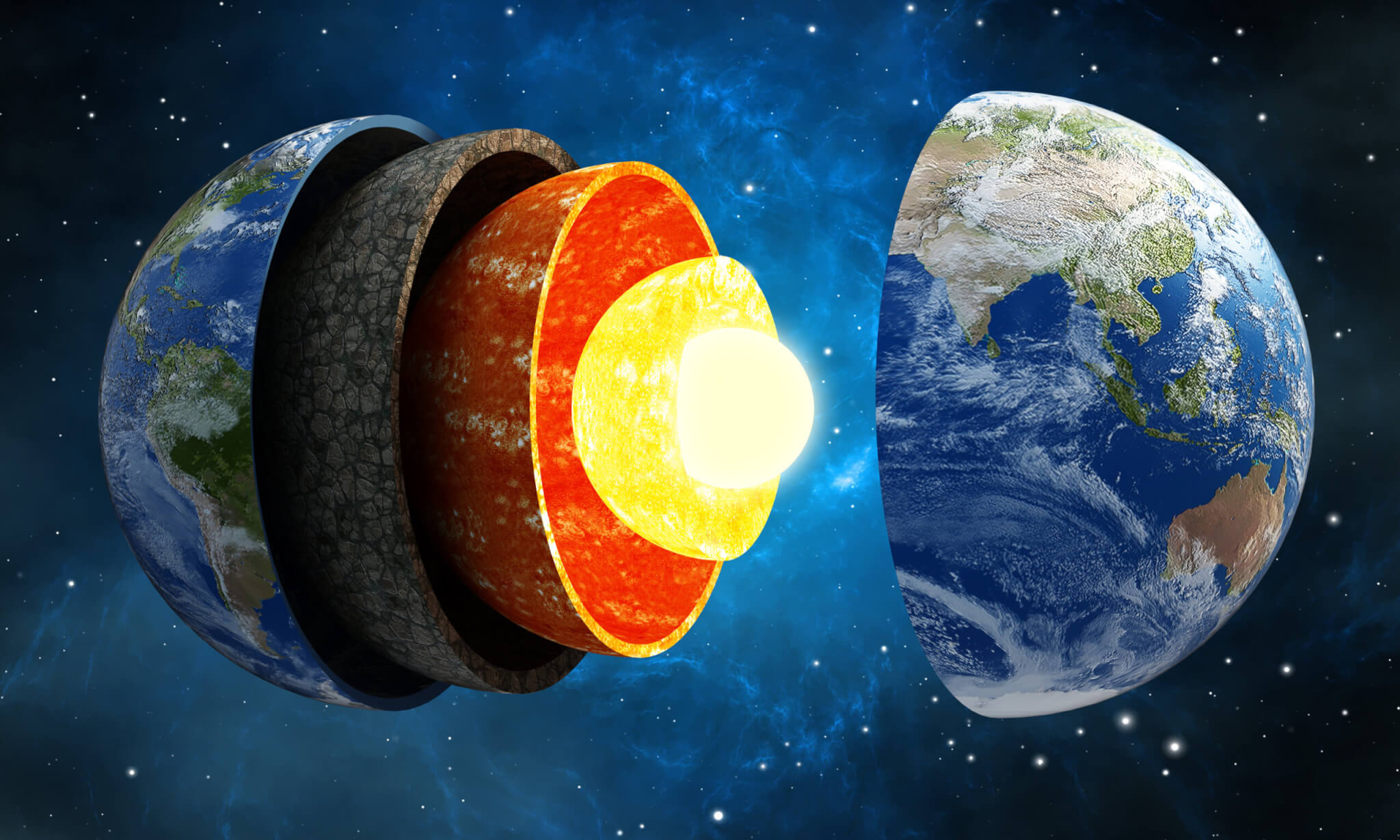
Earth's inner core, a red-hot ball of solid iron thousands of kilometers below the surface, remains relatively enigmatic due to its inaccessibility. Scientists gain insights into its nature through seismic waves and magnetic field studies. The inner core is believed to be primarily composed of an iron alloy with nickel and trace amounts of other elements. It rotates slightly faster than the rest of the planet, possibly due to Earth's magnetic field and the flow of molten iron in the outer core. The inner core formed about 1 billion years ago and remains hot due to leftover heat from planetary formation and the decay of radioactive elements. Recent findings suggest that the supposedly solid inner core may be slightly squishy.

science2 years ago

"Exploring Norse Treasures and Celebrating Nobel Prizes: Science Highlights of the Week"

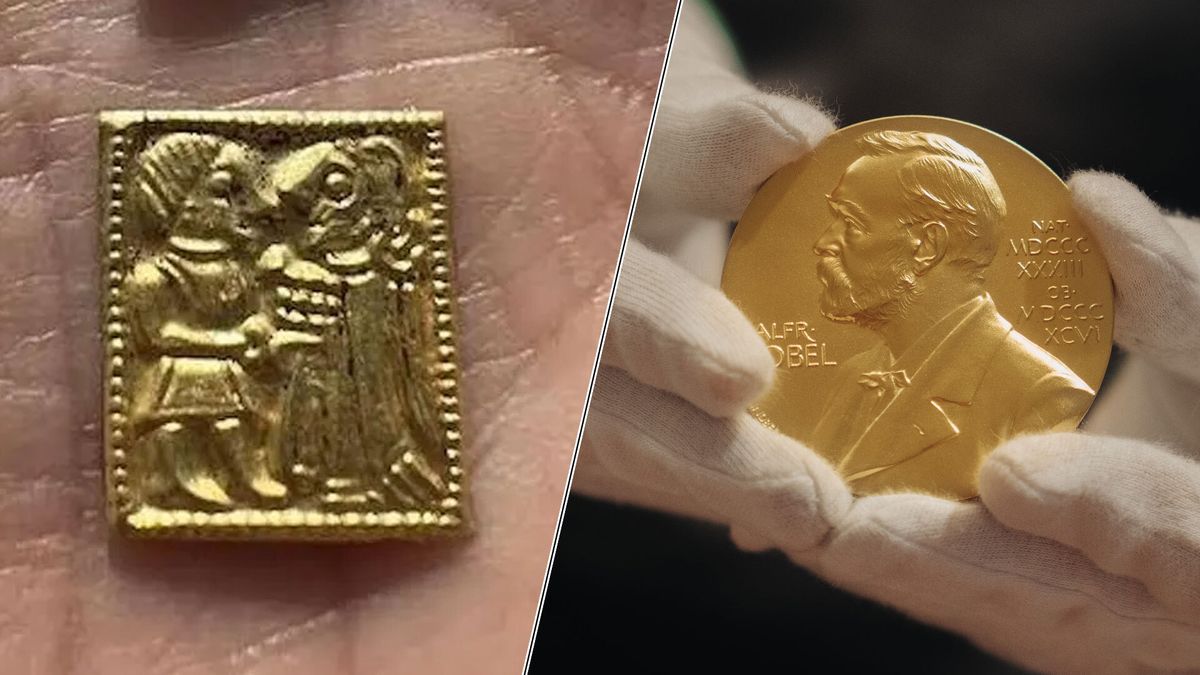
This week in science news, archaeologists unearthed Norse treasures in Norway, including a Viking treasure and gold figures depicting Norse gods. Scientists discovered that Earth's inner core is surprisingly soft due to hyperactive atoms. The James Webb Space Telescope continues to make exciting discoveries, and potential objects beyond Pluto may reveal a new section of the solar system. In health news, an updated COVID-19 vaccine was authorized, neurons aren't the only cells that make memories in the brain, and genes may influence the success of going vegetarian. The Nobel Prizes for physics, chemistry, and medicine were awarded, and a dust devil on Mars was captured by the Perseverance rover. Additionally, a "ring of fire" solar eclipse will be visible in certain parts of the Americas.

science2 years ago

Unveiling the Dynamic Dance of Iron Atoms in Earth's Core

A new study led by The University of Texas at Austin and collaborators in China has discovered rapid "collective motion" of iron atoms in Earth's solid inner core. This movement, akin to dinner guests changing seats at a table, may explain the core's unexpected softness in seismic data and has implications for understanding Earth's magnetic field generation. By using laboratory experiments and theoretical models, researchers observed groups of iron atoms moving about while maintaining the overall hexagonal structure of the inner core. This increased movement makes the inner core less rigid and weaker against shear forces, shedding light on the inner core's role in powering Earth's geodynamo and magnetic field.

earth-science2 years ago

Revealing the Surprising Softness and Shifting Iron Atoms of Earth's Inner Core

Earth's inner core, previously believed to be a solid ball of metal, is now thought to be surprisingly soft due to hyperactive atoms that move within their molecular structure. Recent studies have shown inconsistencies within the inner core, suggesting it may be a "mushy hidden world." The new study recreated the intense pressure within the inner core in a lab and observed how iron atoms behaved. The results revealed that the atoms can move more than previously imagined, making the inner core less rigid and weaker against shear forces. This finding could provide insights into the inner core's role in generating Earth's magnetic field and understanding its dynamic processes and evolution.

science2 years ago

Unveiling the Dynamic Dance of Iron Atoms in Earth's Inner Core

Scientists have discovered that something is moving within the Earth's inner core at a surprisingly rapid pace, aided by machine learning. Researchers believe that groupings of iron atoms in the core can change their locations while preserving the iron's metallic structure, a phenomenon known as collective motion. This finding could help explain the softness of the inner core and its role in generating Earth's magnetic field, known as the geodynamo. The study provides insights into the dynamic processes and evolution of the Earth's inner core.

science2 years ago

"Dynamic Discovery: Iron Atoms in Earth's Inner Core on the Move"

Researchers from The University of Texas at Austin and collaborators in China have discovered that iron atoms in the Earth's solid inner core are capable of rapid movement, known as "collective motion," while maintaining the metallic structure of the iron. This finding could help explain various properties of the inner core and shed light on the role it plays in generating Earth's magnetic field. By re-creating the inner core in the lab and using an AI algorithm, the scientists observed groups of atoms changing places while still maintaining the overall hexagonal structure. The increased movement of the iron atoms could explain why seismic measurements show the inner core to be softer and more malleable than expected. Understanding the atomic-scale activity in the inner core can inform future research on energy generation and the dynamics of Earth's core.

science2 years ago

"Unveiling Earth's Core: A Fascinating Journey into a Hidden World"

Scientists at the University of Utah have made progress in understanding Earth's inner core, revealing that it is not a uniform mass but composed of various "fabrics." By analyzing seismic data from earthquakes, the researchers discovered that the inner core's inhomogeneity strengthens as one goes deeper towards the center of the Earth, providing insights into its growth process over time. This research not only expands our understanding of Earth's core but also demonstrates the power of seismic data in unlocking hidden information about our planet, contributing to efforts in predicting seismic activity, improving weather forecasting, and advancing knowledge of Earth's atmosphere.

science-and-technology2 years ago

Unveiling Earth's Mysterious Inner Core: Liquid Iron Swirls and Complex Texture

Seismologists from the University of Utah have discovered that Earth's inner core is not a homogenous mass but rather a complex tapestry of different fabrics. Using seismic data from earthquakes and CTBTO's sensing instruments, the researchers found that the inner core initially grew rapidly, slowed down over time, and may contain trapped liquid iron. This new understanding provides insights into Earth's formation, evolution, and the creation of its protective magnetic field.

earth-science2 years ago

Unveiling the Intricate Texture of Earth's Inner Core

Seismic waves passing through the Earth's inner core have revealed that it is textured rather than homogenous. This discovery provides valuable insights into the age, composition, and structure of the inner core, which plays a crucial role in maintaining the planet's geomagnetic field. By analyzing echoes of powerful earthquakes, researchers have found that the inner core exhibits inhomogeneity on a scale of "grains" smaller than 10 kilometers. The texture becomes stronger towards the center of the Earth, suggesting rapid growth during its formation. The study sheds light on the complex nature of Earth's inner core and its significance in understanding the planet's dynamics.

earth-science2 years ago

Unveiling Earth's Inner Core: Surprising Textured and Heterogeneous Structure

Researchers from the University of Utah have used seismic waves from earthquakes to study Earth's inner core, a solid metal sphere responsible for the planet's magnetic field. The study reveals that the inner core is not a homogenous mass but rather a textured fabric, with inhomogeneity becoming stronger towards the center of the Earth. This research provides new insights into the formation and evolution of Earth's inner core, which remains a mystery. The findings were made possible by analyzing seismic data recorded by a global network of seismometers and shed light on the deepest reaches of our planet.

earth-science2 years ago

Geomagnetic Field Shapes Earth's Inner Core Structure, Study Finds

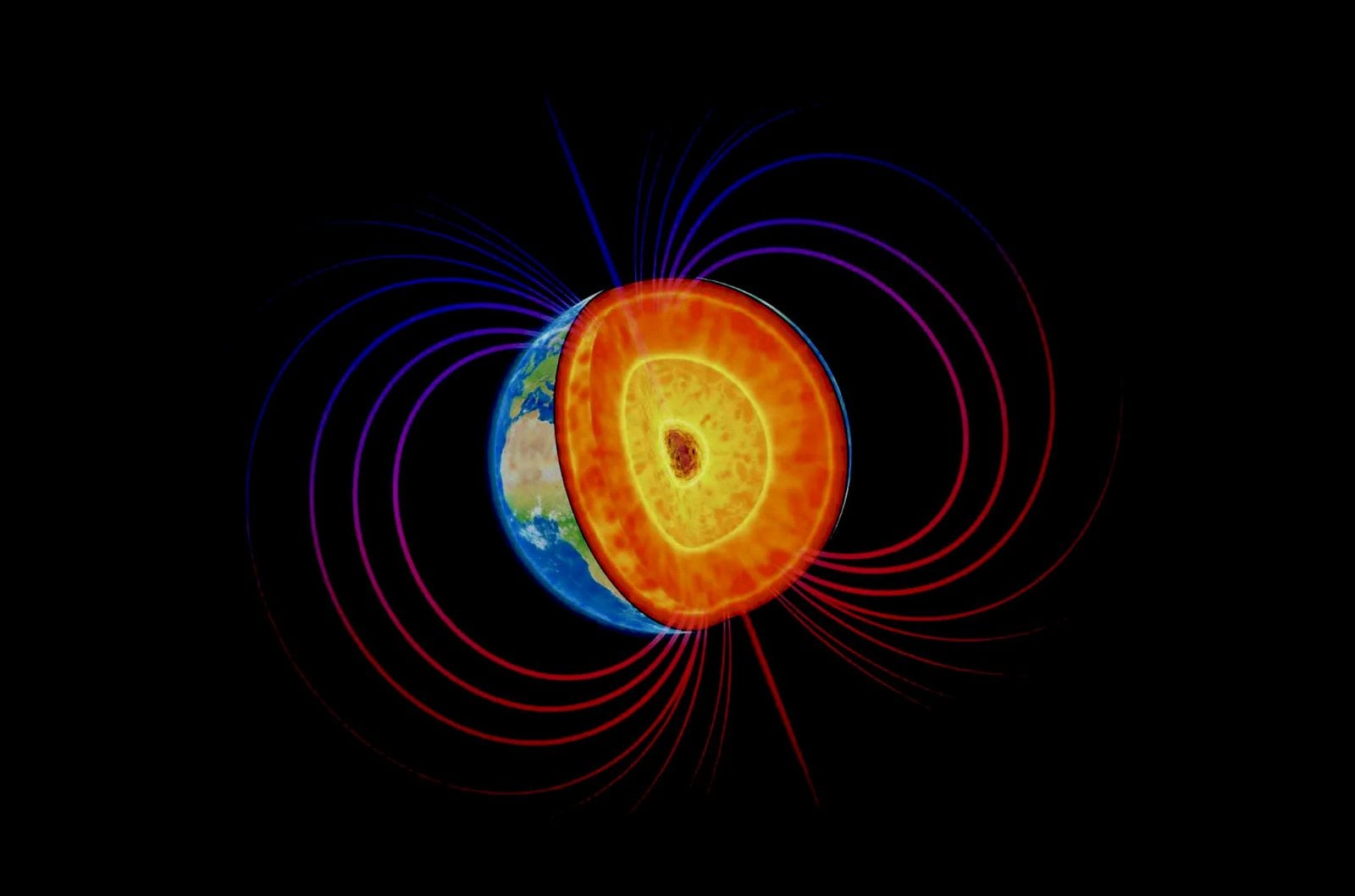
Researchers from the Institute of Geochemistry of the Chinese Academy of Sciences have found that Earth's anisotropic inner core structure is driven by the dipole geomagnetic field. The alignment of the Fe-H lattice could be driven by an electric field, which explains the anisotropic seismic velocities in the inner core. The study provides a new perspective to understand the mysteries of the Earth's inner core and Earth's magnetic field.