Tag

Giant Planets

All articles tagged with #giant planets

astronomy1 year ago

"First Direct Images of Planets Orbiting White Dwarfs Captured by Webb Telescope"

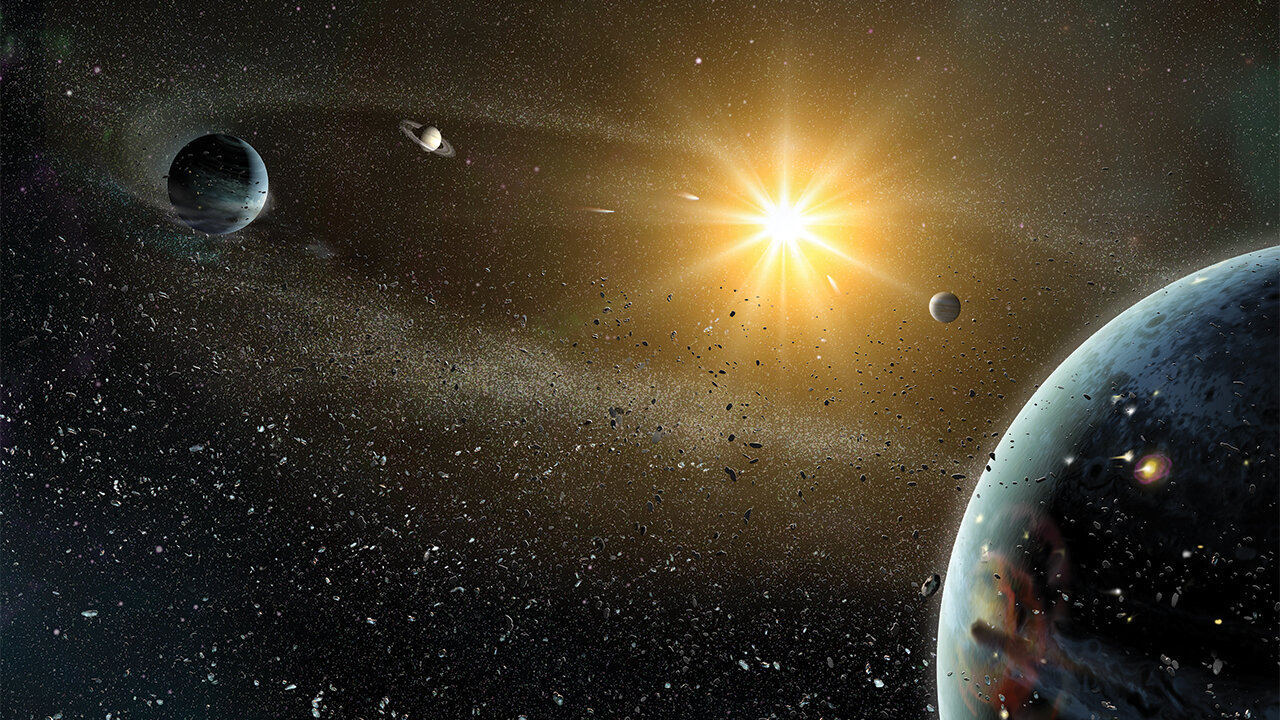
Astronomers have discovered two giant planet candidates orbiting two white dwarfs, providing evidence that giant planets can survive their stars' red giant phases. The discovery, made using the James Webb Space Telescope, suggests that outer giant planets like Jupiter can endure the evolution of low-mass stars and may be responsible for sending debris onto the surface of white dwarfs. If confirmed, these findings would represent the first directly imaged planets similar in age and separation to the giant planets in our own solar system, offering valuable insights into exoplanets and the stars they orbit.
astronomy2 years ago

"Deadly Giants: The Life-Threatening Impact of Giant Planets in Alien Solar Systems"

Giant gas planets in other solar systems can disrupt the habitable zones of their Earth-like neighbors, making it unlikely for life to exist. The pull of massive planets can kick smaller planets out of their stable orbits, preventing them from remaining in the habitable zone where liquid water can exist. Computer simulations show that only a few areas within the habitable zone would not be affected by the gravitational pull of giant planets. Additionally, a planet in a nearby star system, GJ 357 d, previously thought to be in the habitable zone, is likely much larger than initially believed, making it unsuitable for hosting life as we know it. These findings highlight the rarity of the conditions necessary for life to exist in other solar systems.

astronomy2 years ago

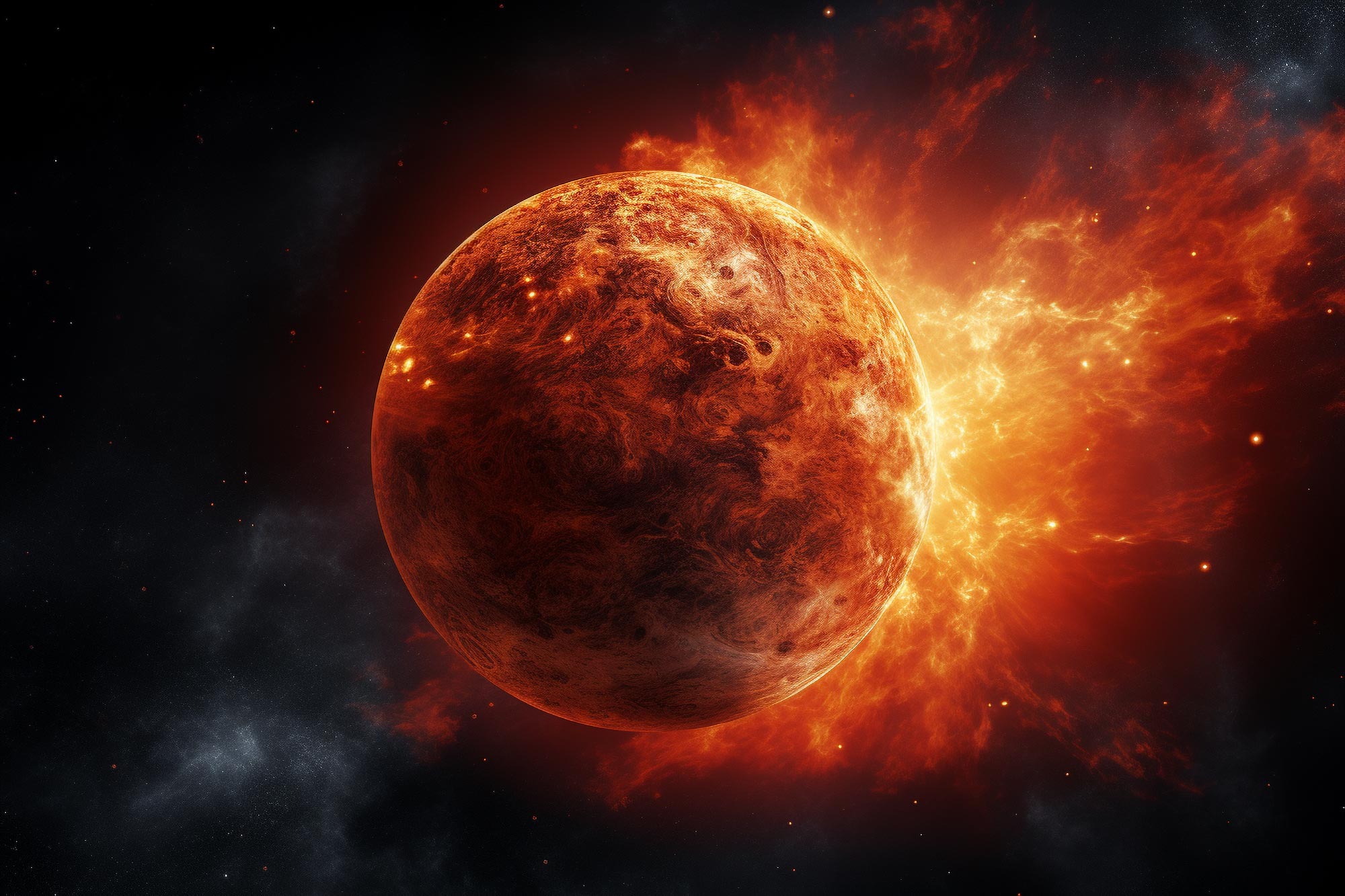
Astronomers Capture First-ever Afterglow of Massive Planet Collision

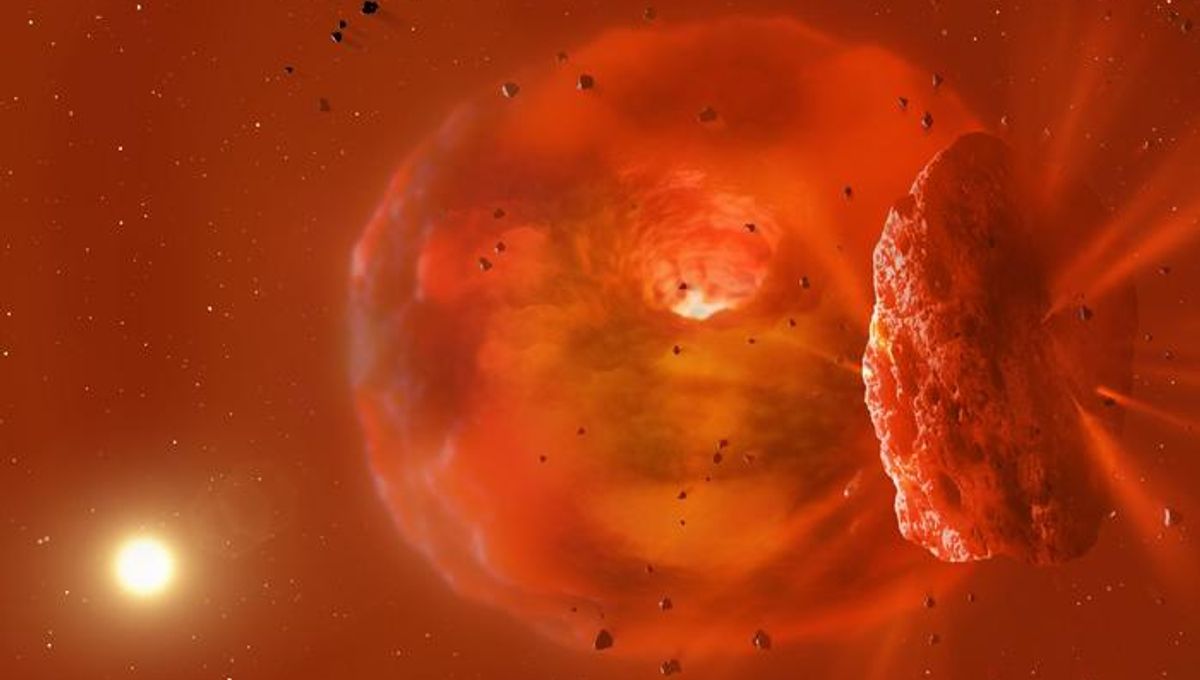
Astronomers have observed the aftermath of a collision between two giant planets for the first time. The collision caused a sudden brightening of a star in infrared light, followed by a fade in visible light. The event was marked by the formation of a massive cloud of dust, which eventually blocked enough light to cause the fading. The collision likely involved two ice giant planets similar to Neptune and Uranus, and the majority of their mass is expected to form a new planet. The researchers have also detected light from this new planet, which may eventually condense to form moons.

astronomy2 years ago

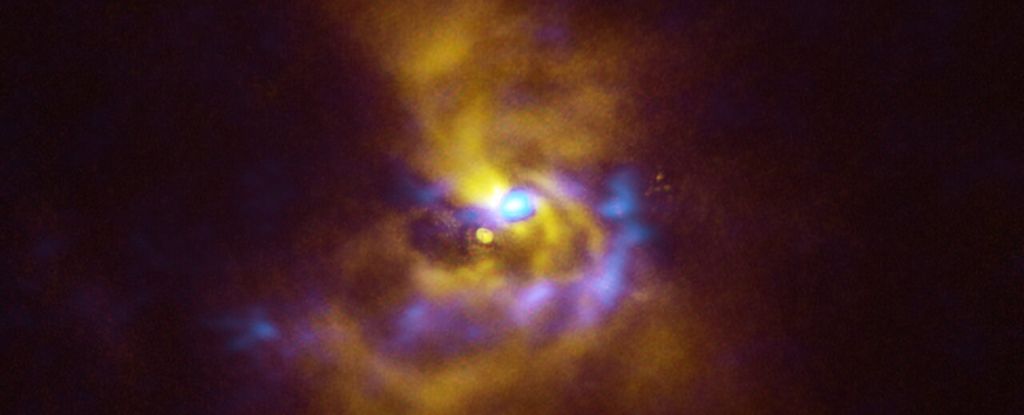
"Stunning Image Captures the Spectacular Formation of Jupiter-Like Planets"

Astronomers using the Very Large Telescope and the Atacama Large Millimeter/submillimeter Array have observed clumps in the dust cloud surrounding a young star named V960 Mon, which could potentially collapse and form giant planets like Jupiter. This discovery provides valuable insights into the formation of these massive worlds and sheds light on the two possible formation routes for gas giant planets: core accretion and gravitational instability. The findings mark the first detection of clumps around a young star that have the potential to give rise to giant planets, and future research aims to uncover further evidence of disk fragmentation and gravitational instability in planet formation.

astronomy2 years ago

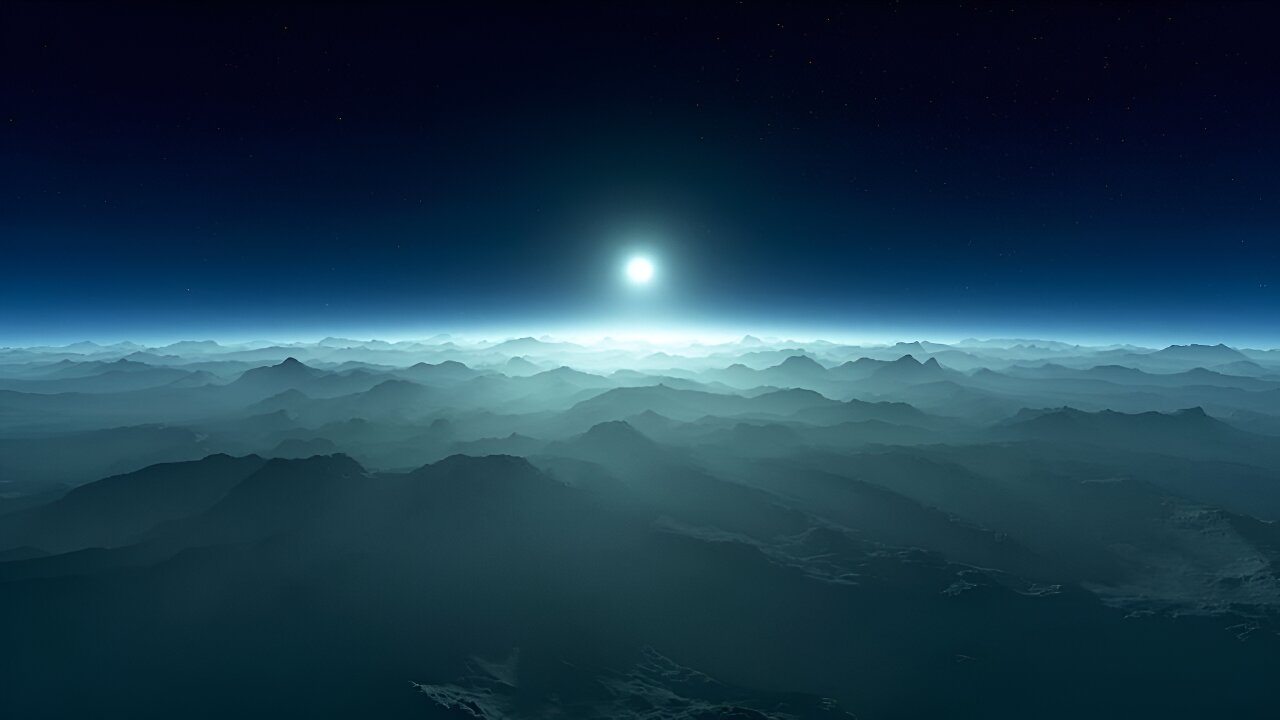
"Unraveling the Mystery: Astronomers Investigate an Enigmatic Exoplanet's Fiery Nature"

Astronomers have studied the scorching exoplanet WASP-76 b using the MAROON-X instrument on the Gemini-North Telescope, identifying 11 chemical elements in its atmosphere. The findings suggest that the planet's composition reflects that of the protoplanetary disc from which it formed, and its extreme temperatures cause rock-forming elements to vaporize. The absence of certain elements requiring higher temperatures to vaporize suggests that WASP-76 b may have swallowed material from a Mercury-like planet. The study provides crucial insights into the formation and composition of giant planets.

science-and-astronomy2 years ago

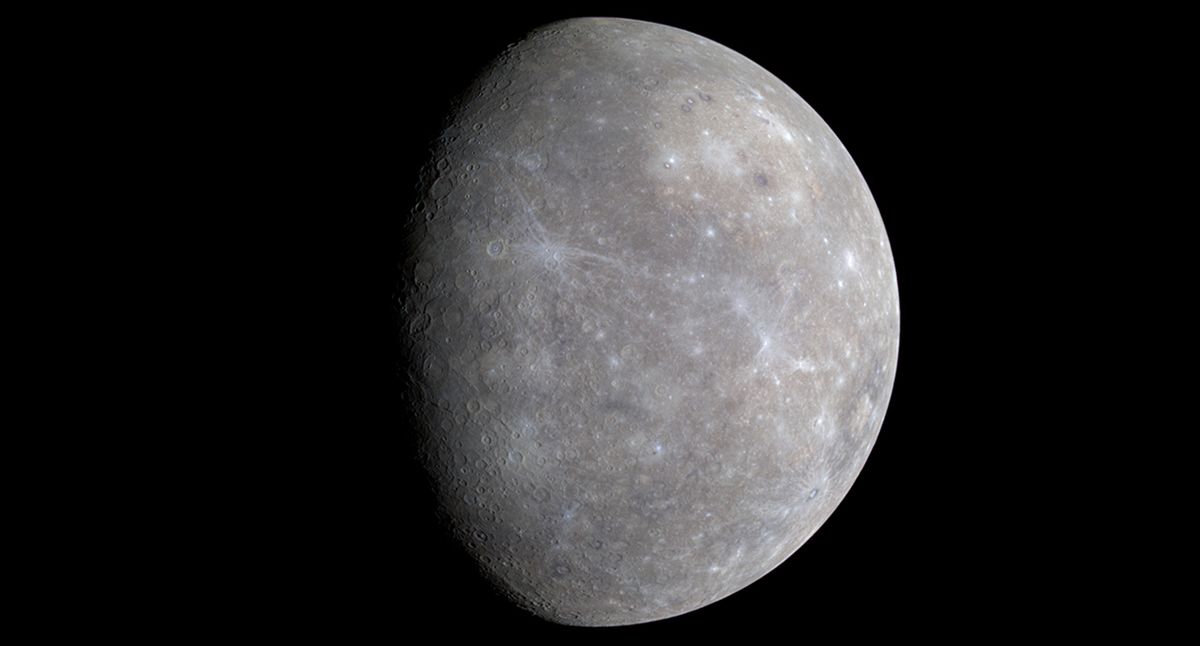
Outer planets responsible for Mercury's oddities.

The weird properties of Mercury, such as its small size and large core, have been difficult to explain with simulations of the solar system's formation. However, researchers have found that the giant outer planets played a major role in shaping the inner solar system, depleting the innermost regions of the protoplanetary disk and triggering instabilities that sent material into the sun or out of the solar system. The researchers also found that young Mercury suffered dozens of collisions with similarly sized objects, which built up its core mass but not its mantle and crust materials.