A new theory questions the traditional view of black holes, suggesting they may never fully form but only approach their event horizons asymptotically, which resolves longstanding paradoxes and emphasizes the importance of causal structure in observations.
Some theories suggest black holes might not have singularities or even event horizons, with models like the Hayward metric proposing non-singular, horizonless black holes that align with current observations, challenging traditional views based on general relativity and quantum physics.
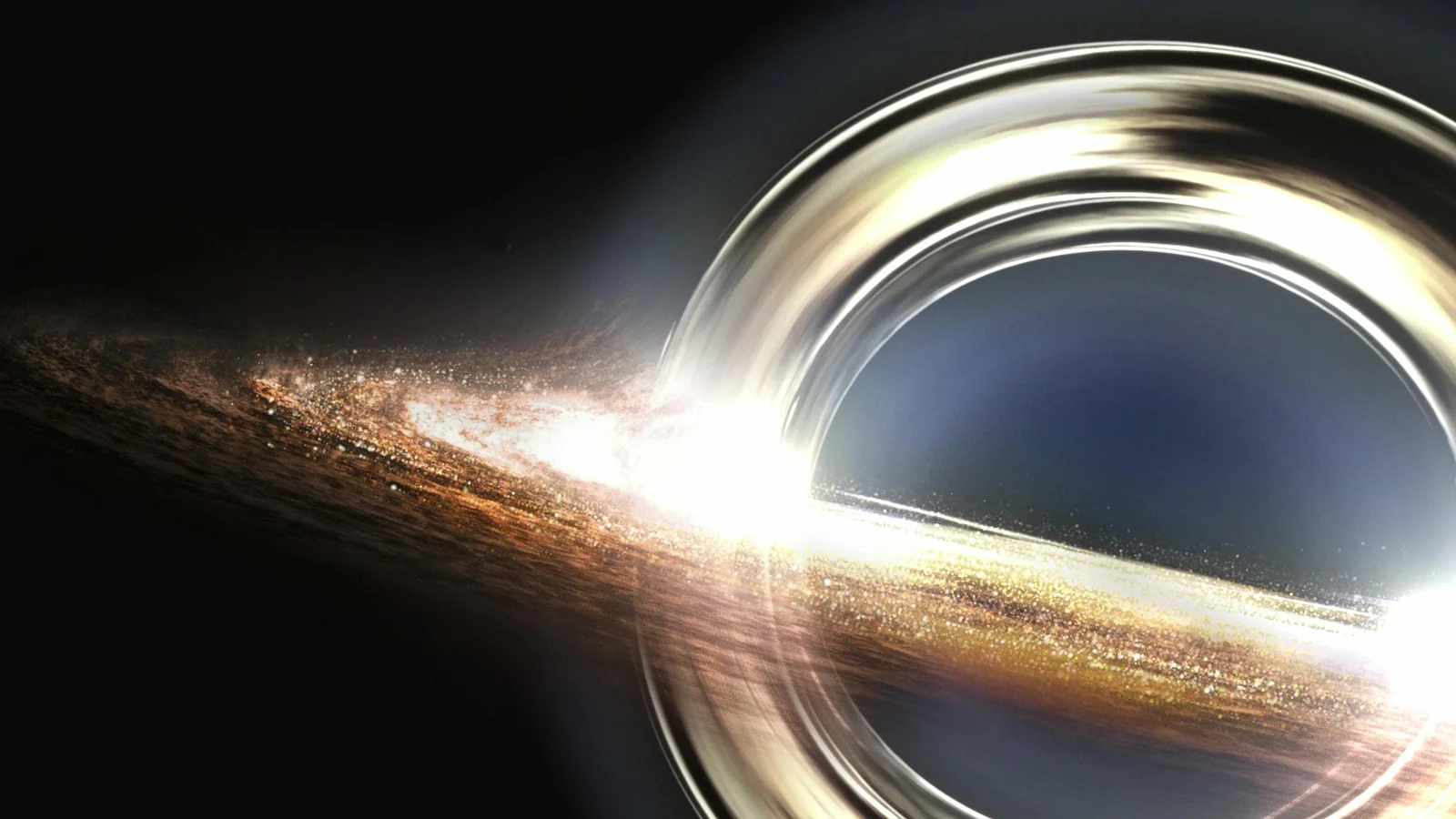
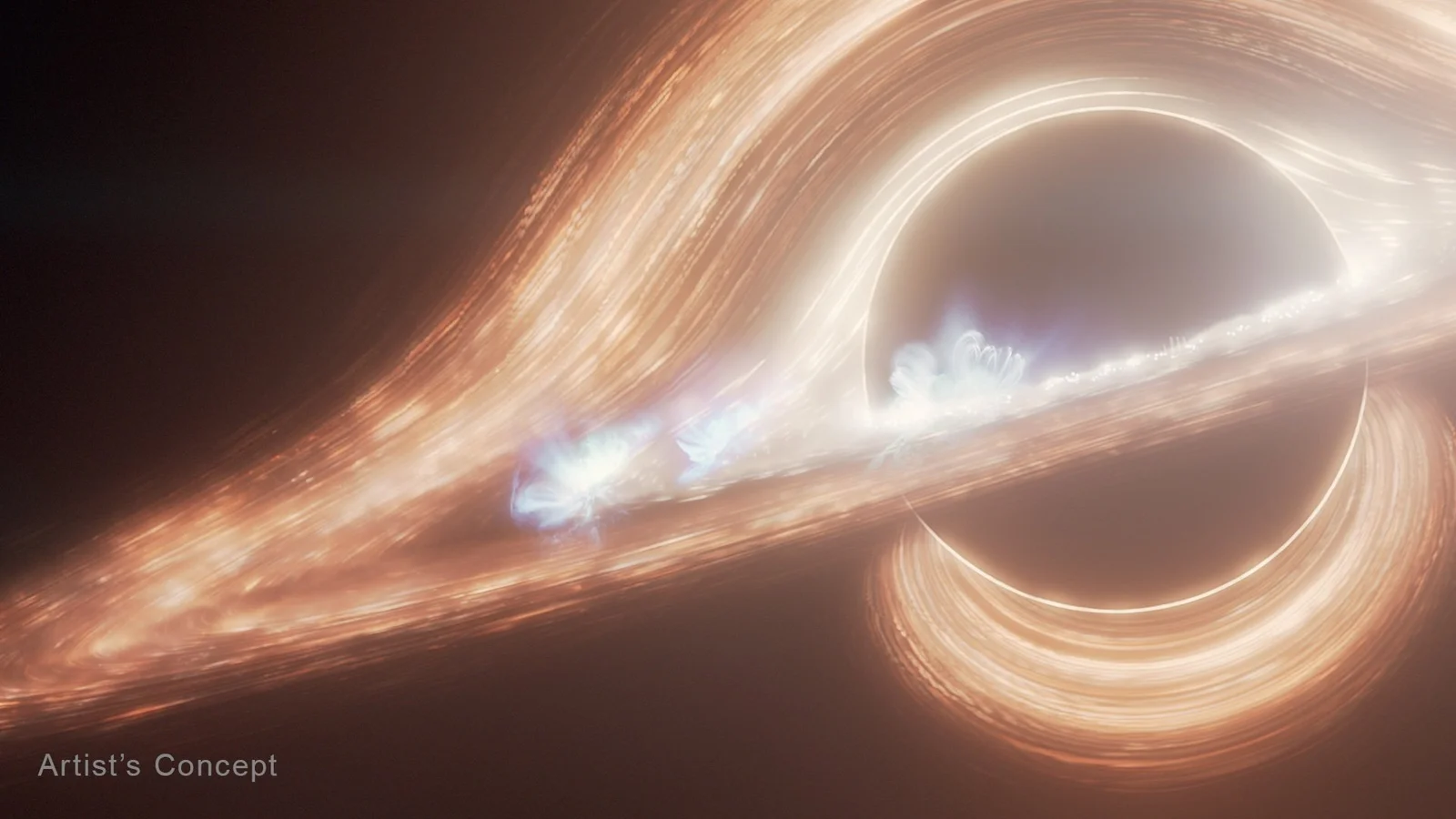
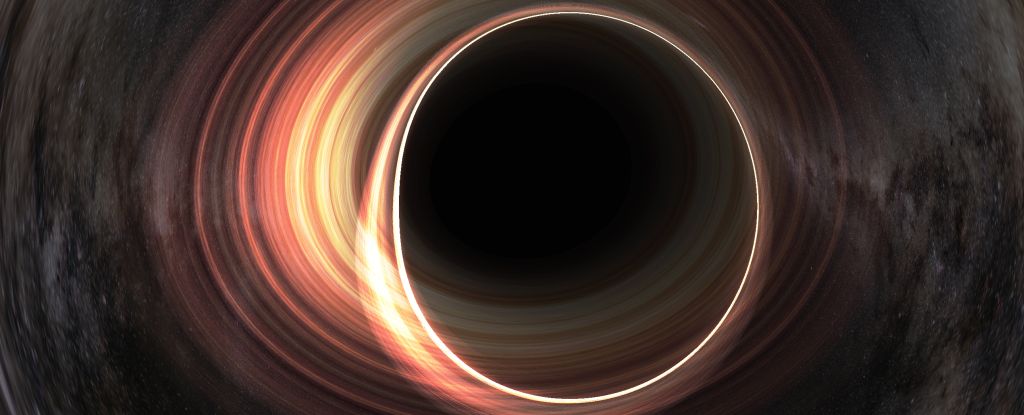
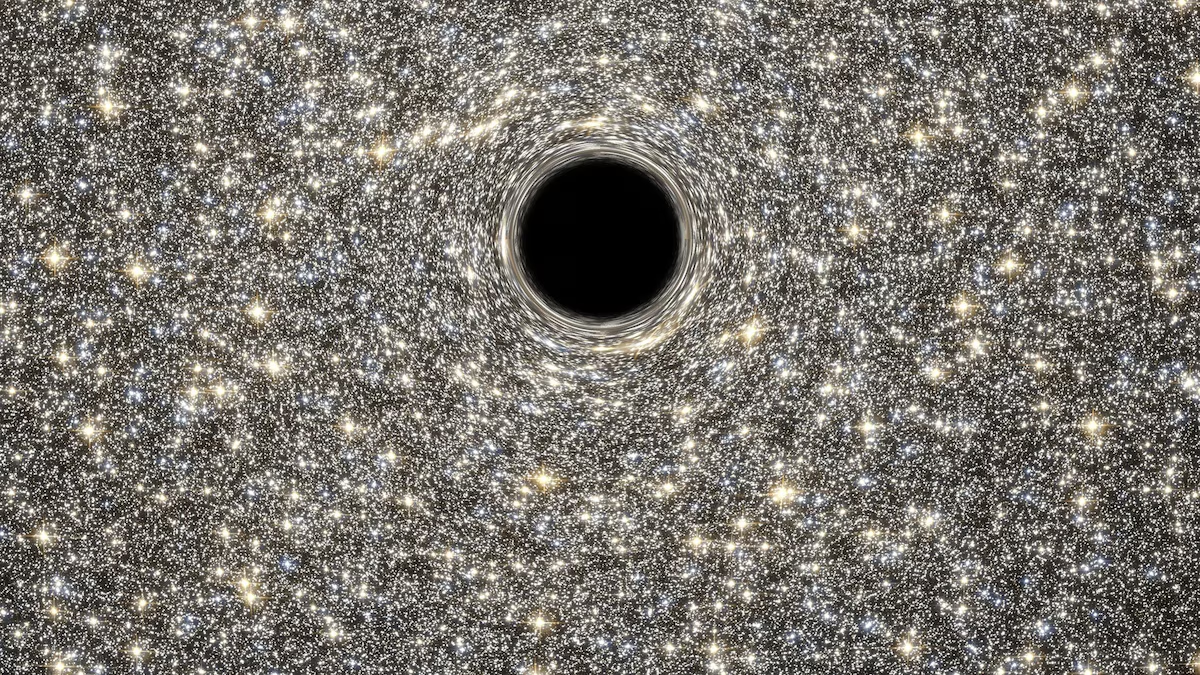
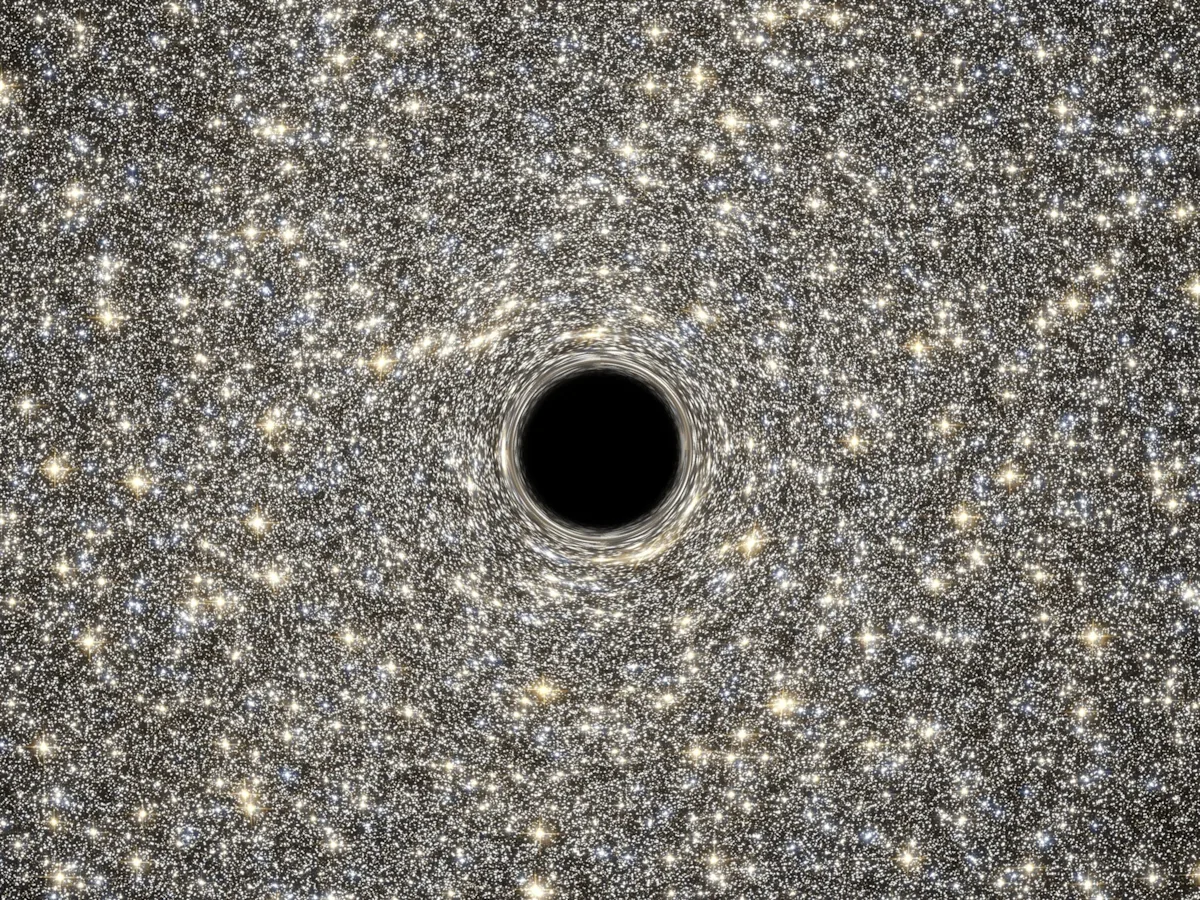
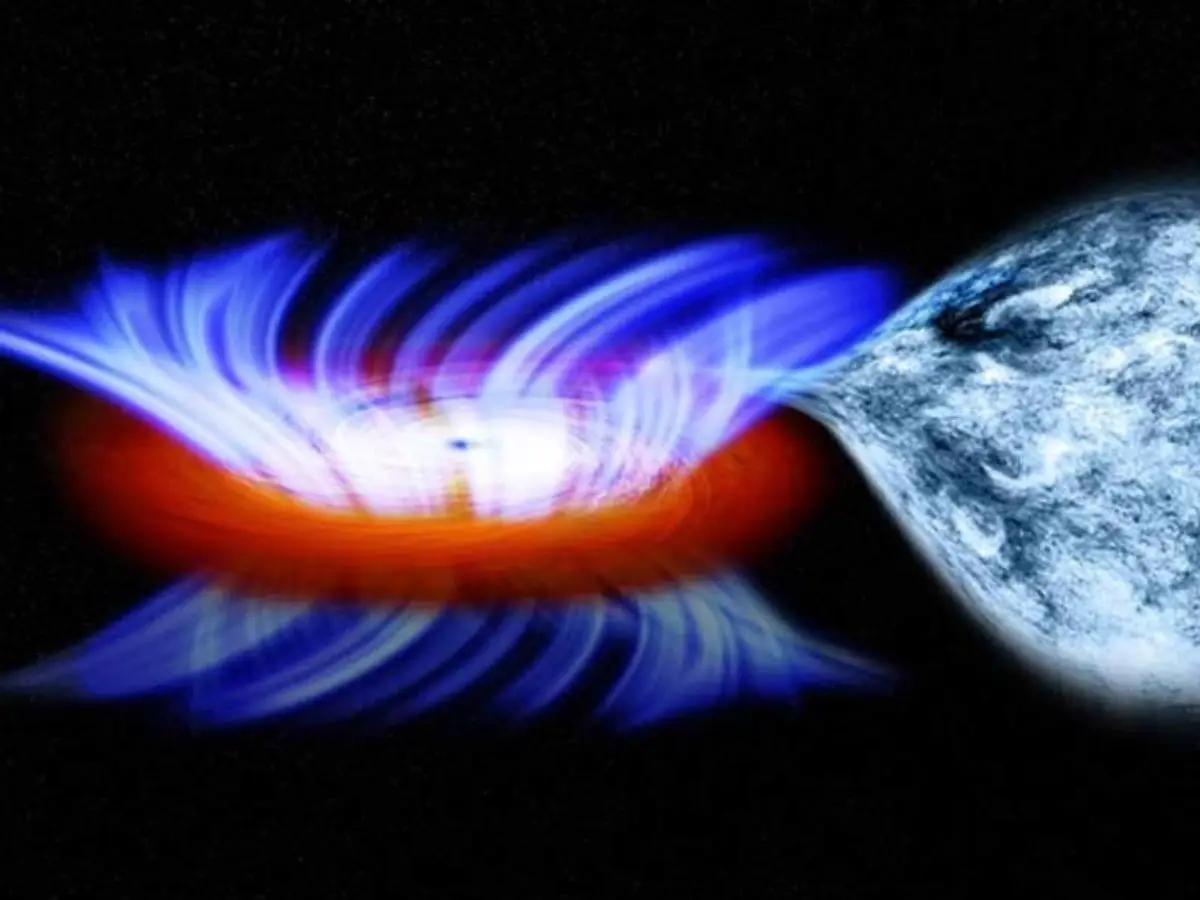
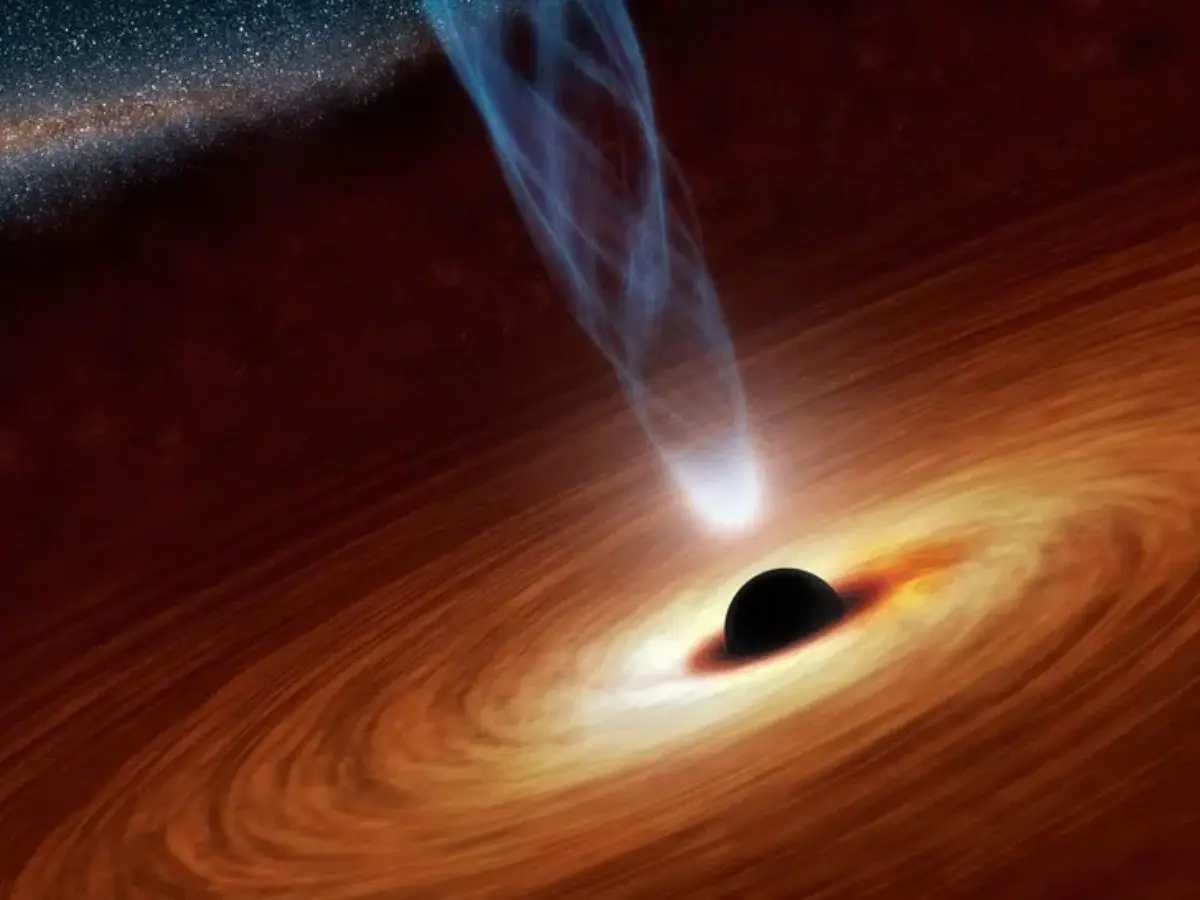
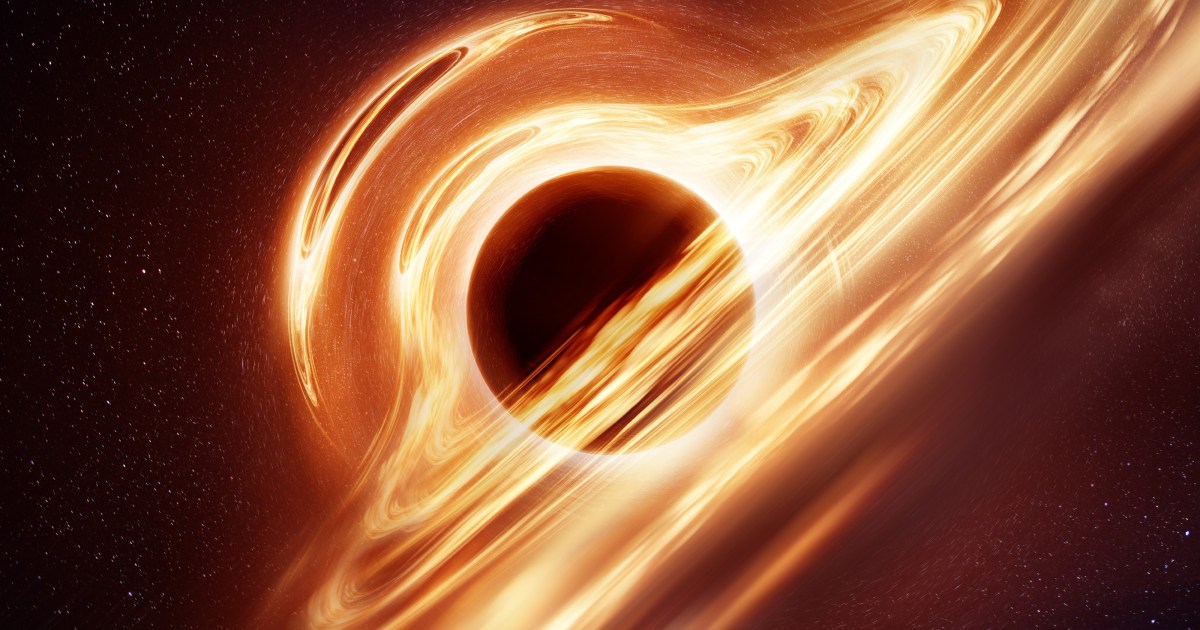
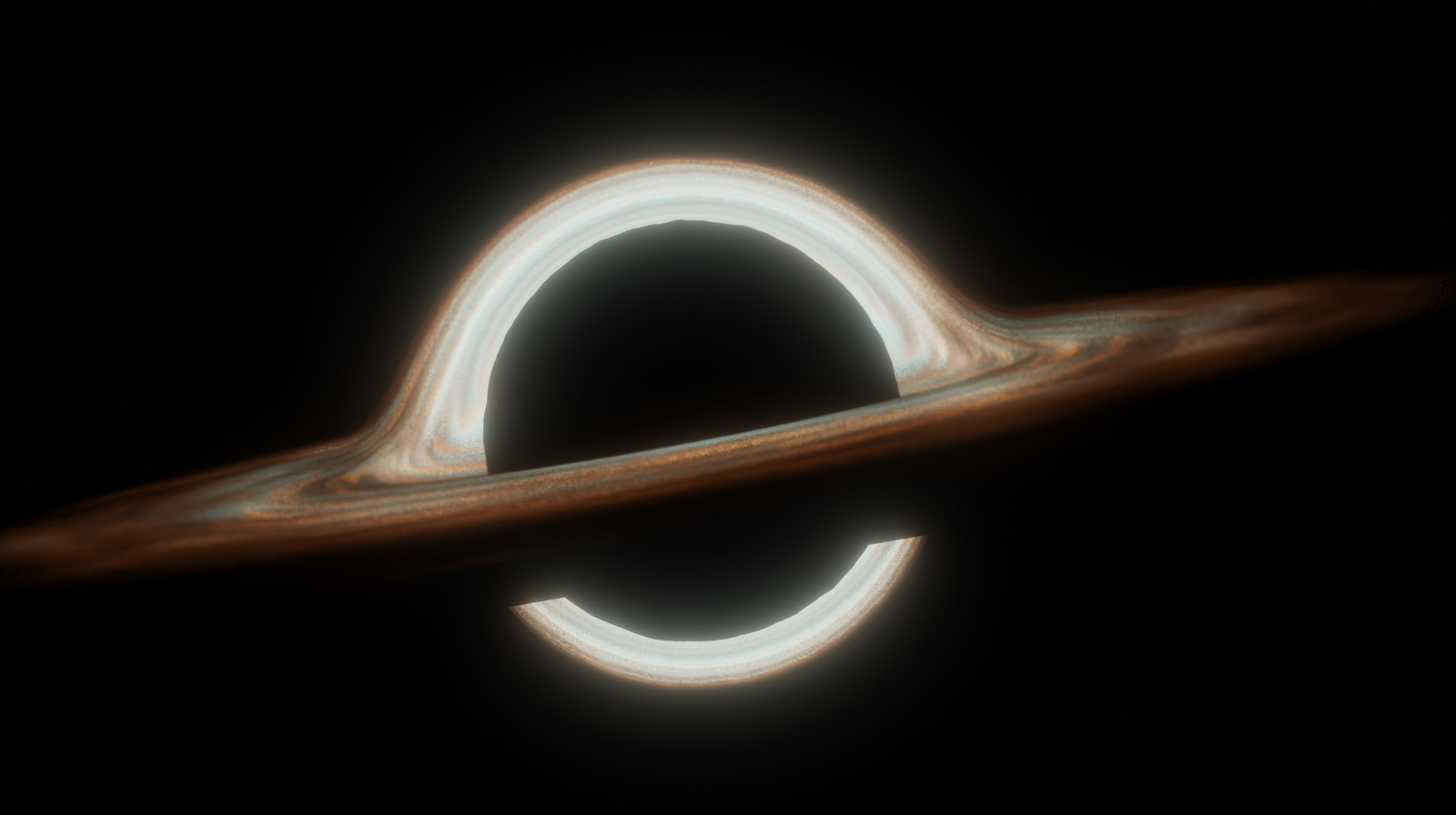
Black holes are formed from collapsing massive stars, creating a region with an event horizon beyond which nothing can escape, and possibly a singularity where matter is compressed infinitely. They influence their surroundings through accretion disks and jets, distort time and space, and may eventually evaporate via Hawking radiation, playing a crucial role in understanding the universe's fundamental laws.
Physicists simulated a black hole in the lab using a chain of atoms, observing Hawking radiation-like effects, which could provide insights into the unification of quantum mechanics and general relativity and help understand black hole phenomena.
Some scientists speculate that our universe might exist inside a black hole due to the mathematical similarities between the two, but current observations of the universe's uniformity and lack of directional bias challenge this idea, and further research into quantum gravity is needed to explore this possibility.
Some scientists speculate that our universe might exist inside a black hole due to similarities in their mathematical descriptions, but observational evidence like the universe's uniformity challenges this idea, and a complete theory of quantum gravity is needed to explore this possibility further.
Black holes form from collapsing massive stars and have a strong gravitational pull, but their influence is limited to nearby objects. They do not actively suck in matter from afar, and the universe's expansion and black hole evaporation prevent them from consuming the entire universe. Therefore, black holes are not a threat to the universe as a whole.
Black holes are dense cosmic objects with a point of no return called the event horizon, beyond which nothing can escape, leading to extreme effects like spaghettification and time dilation; their study offers insights into fundamental physics despite the dangers of falling into one.
A YouTube content creator, Zack D. Films, has created a chilling simulation depicting what would happen if a person fell into a black hole, a scenario that involves being stretched and crushed by immense gravitational forces in a process known as spaghettification. The simulation explores the terrifying journey past the event horizon, where escape becomes impossible. NASA astrophysicist Jeremy Schnittman has also worked on similar simulations to illustrate the effects of black holes, helping to connect the complex mathematics of relativity with real-world consequences.
Black holes are the remnants of dead stars with incredibly strong gravitational fields, causing a phenomenon called "spaghettification" where objects are stretched due to tidal forces. The likelihood of spaghettification depends on the mass and size of the black hole, as well as the distance from it. Smaller black holes pose a greater risk of spaghettification, while supermassive ones are less dangerous in this regard. Falling into any black hole is still fatal, but falling into a supermassive black hole would result in less noticeable effects compared to a smaller one.
Black holes, regions of the universe with incredibly strong gravity where nothing, not even light, can escape, remain one of the greatest mysteries. They were first discovered in the equations of Einstein's general theory of relativity by theoretical physicists. The existence of black holes was confirmed in 1971 when astronomers observed an intense source of X-ray radiation known as Cygnus X-1. Inside a black hole, there is a singularity, a region of infinite gravity, but our understanding of gravity at extremely small scales is incomplete. Black holes are formed through the death of massive stars, and there may be other ways they can be created, such as in the early universe or before the appearance of the first stars. Black holes are not completely black, as they emit radiation known as Hawking radiation, but the information paradox of where the information goes when a black hole evaporates remains unsolved. No one has ever gone into a black hole, and the closest known black hole to Earth is Gaia BH1, located 1,560 light-years away. Most black holes are stellar-mass, but there are also supermassive black holes that can weigh billions of solar masses.
Physicist Roy Kerr, who discovered the spacetime solution for rotating black holes, has written a new paper challenging the long-held belief that singularities exist within every black hole. Kerr argues that the assumption of a singularity at the center of black holes is based on an unproven assertion and that the presence of a singularity is not guaranteed. He presents compelling evidence, including the existence of light rays that are tangential to event horizons and do not terminate in a singularity, to support his claim. Kerr suggests that when General Relativity and Quantum Mechanics are combined, it will be shown that there are no singularities anywhere.
Scientists in the Netherlands created a black hole event horizon in a lab to study the behavior of black holes and test Stephen Hawking's theory. They were surprised when the black hole emitted a strange glow, indicating the presence of Hawking radiation. The researchers suggest that an entanglement of particles straddling the event horizon may be crucial in creating this radiation. The study also found that Hawking radiation may only emit thermal radiation under certain conditions, such as a change in the warp of space-time due to gravity.
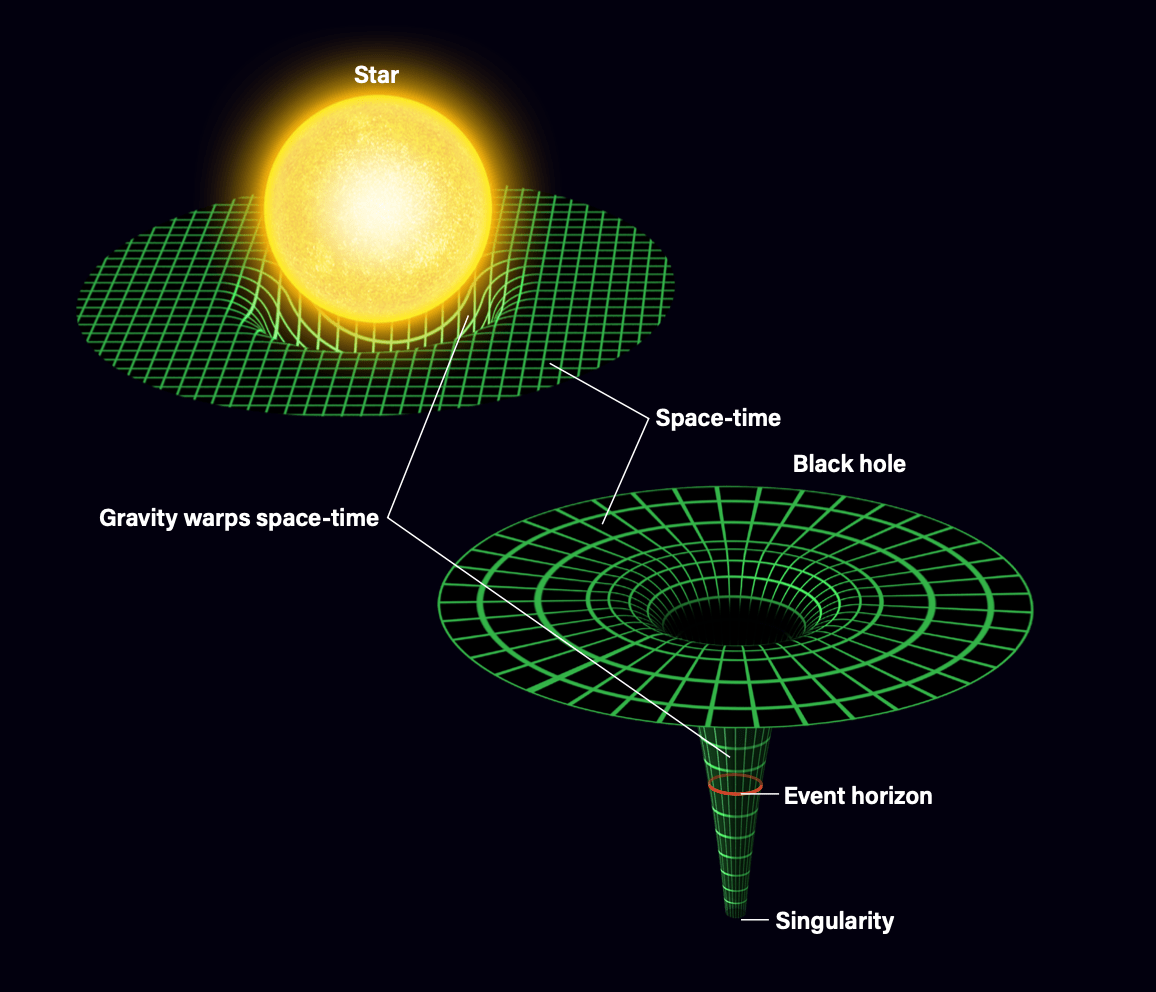
Black holes do not have bottoms in the traditional sense. Diagrams that depict black holes as funnel-shaped objects with no bottom are misleading. They are artificial representations that attempt to show the complex geometry of curved space within a limited three-dimensional perspective. In reality, black holes are surrounded by a spherical event horizon, and spaceships can fly under, over, or around them as long as they don't come too close.
Despite advancements in quantum physics and observational technology, there are still many unanswered questions about black holes. Scientists are unsure if micro black holes exist or if they have dissipated over time. The formation of supermassive black holes remains a mystery, with theories ranging from galactic collisions to their emergence during the Big Bang. The interior of black holes is still largely unknown, as the laws of physics break down in their extreme conditions. The existence of Hawking radiation, which allows black holes to slowly evaporate, is still unproven, and the fate of black holes as they die is uncertain.