A global study published in Annals of Internal Medicine reveals a rise in six obesity-related cancers, including breast, among both younger and older adults across 42 countries, highlighting the need for targeted research and public health strategies.
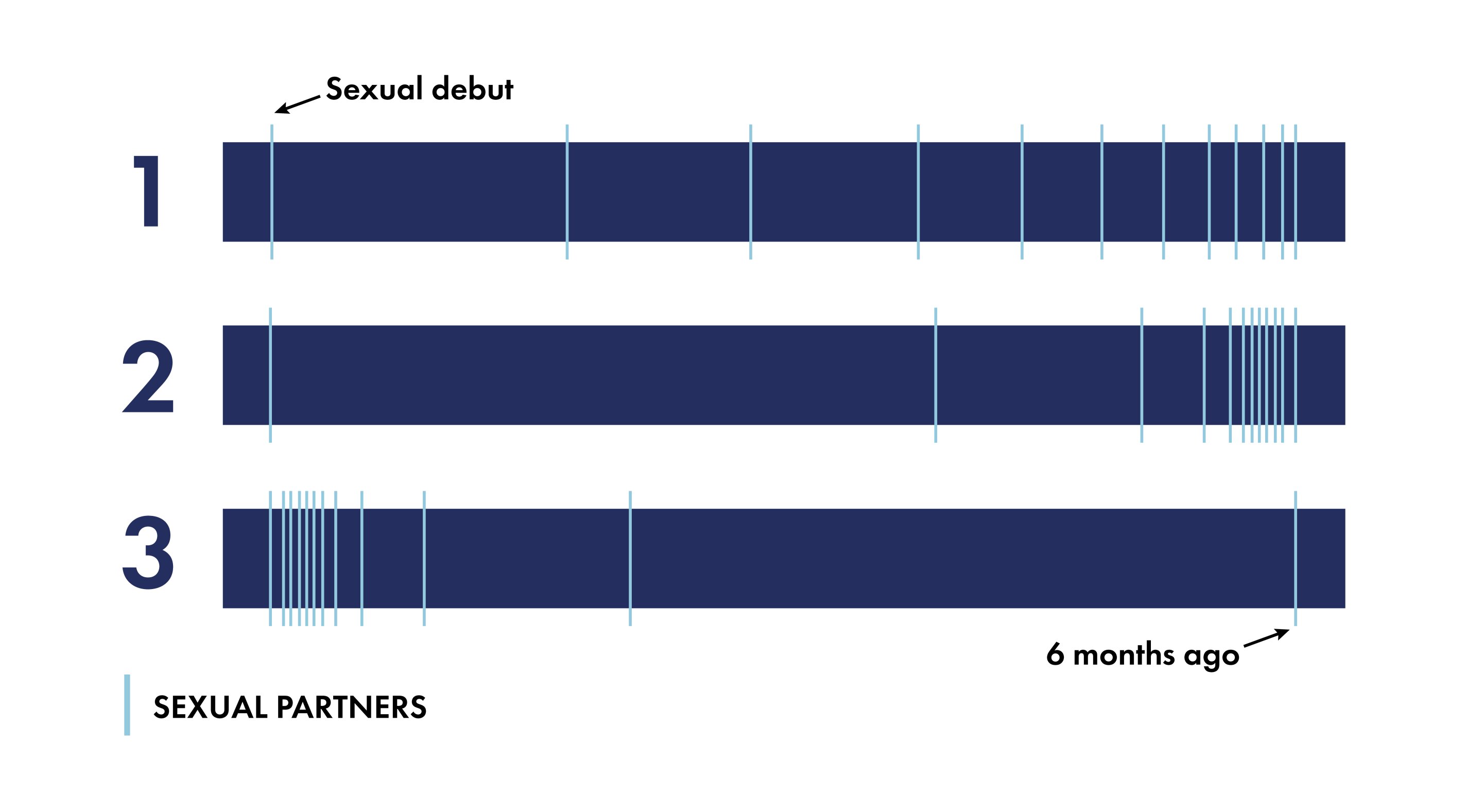
A global study found that people consider not just the number of past sexual partners but also when those encounters occurred, showing a preference for partners whose sexual activity decreased over time, challenging traditional views on sexual history judgments.
A global study from Duke University reveals that rising obesity rates are primarily due to increased calorie consumption rather than decreased physical activity, challenging the common belief that inactivity is the main cause. The research shows that in wealthier countries, people are just as active or more so, and emphasizes the importance of focusing on diet alongside exercise to combat obesity.
A global psychology study involving nearly 6,000 participants across 13 countries found that cool individuals are consistently perceived as extraverted, powerful, open-minded, adventurous, and independent, with these traits crossing cultural boundaries and evolving through media influence, serving as catalysts for cultural change.
Scientists are launching a $25 million global probe into the surging rates of colon cancer among young people, with studies focusing on analyzing stool and cells from patients, as well as the link between diets and tumor formation. The rise in early-onset colon cancer is thought to be linked to obesity, sedentary lifestyles, and junk food consumption, but other theories such as fungal infections or antibiotics are being considered. The research aims to understand risk factors and improve prevention, as colon cancer cases have risen by 50 percent among adults under 50 in the US since 1999, and globally by 80 percent in three decades. The disease is set to become the biggest cancer killer among under 50s by 2030, and the new studies will be led by researchers at top universities in the US and UK.
The largest global vaccine safety study involving nearly 100 million COVID-19-vaccinated individuals across eight countries has identified small increases in health conditions involving the brain, blood, and heart following vaccination, emphasizing that the chances of these conditions are still very low. The study confirmed pre-established links between COVID-19 vaccinations and low risks of specific conditions, while also identifying potential safety signals for rare adverse events. The research underscores the need for comprehensive vaccine safety monitoring, as very rare adverse events associated with COVID-19 vaccines may only come to light after administration to millions of individuals.
The largest global study on COVID vaccine safety found small increases in neurological, blood, and heart-related conditions, including heart inflammation from mRNA shots and blood clots in the brain from viral-vector vaccines. While over 13.5 billion doses of COVID vaccines have been administered globally, a small proportion of people immunized were injured by the shots, sparking debate about their benefits versus harms. The study identified adverse events of special interest among 99 million vaccinated individuals in eight countries, aiming to identify higher-than-expected cases after a COVID shot. Additionally, a separate study conducted by the Yale School of Medicine found common symptoms in adults experiencing chronic post-vaccination syndrome, which aims to understand the condition and improve vaccine safety.
A global study published in the British Medical Journal suggests that exercise is an effective treatment for depression, regardless of comorbidities or baseline depression levels. The study found that various exercise modalities, including walking or jogging, yoga, and strength training, were well-tolerated and effective in reducing depression. The researchers recommend including exercise as part of clinical practice guidelines for depression, particularly vigorous intensity exercise, to increase treatment options and reduce stigma associated with seeking treatment for depression.
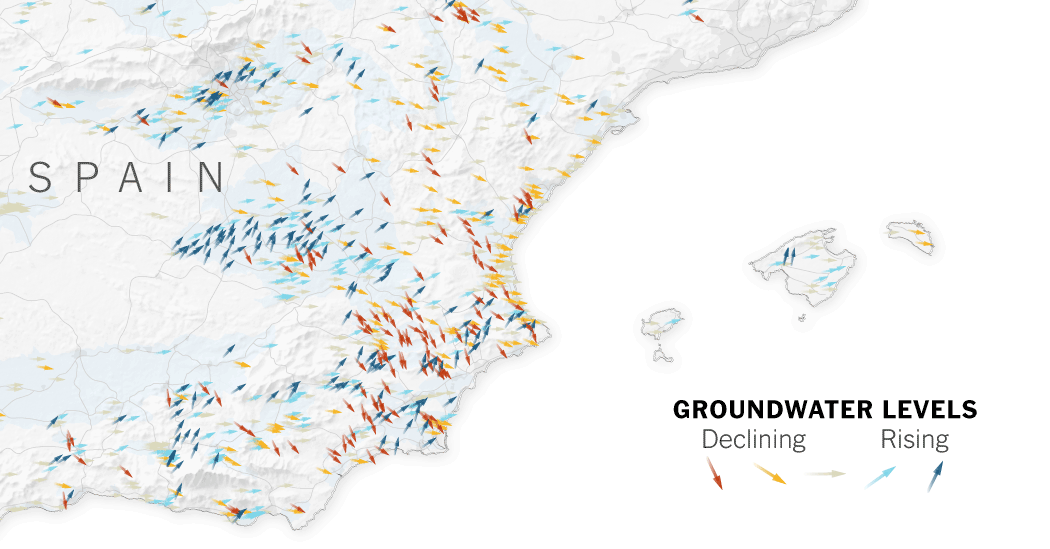
A global study of nearly 1,700 aquifers across 40 countries found that almost half have experienced declining groundwater levels since 2000, with dry climates and agricultural land being particularly affected. However, the research also revealed that in about 100 aquifers, groundwater declines have slowed, stopped, or reversed, offering a glimmer of hope. The causes of groundwater decline vary, with factors such as decreased precipitation and increased agricultural irrigation playing a role. Efforts to manage and recharge aquifers in places like Bangkok, California, and Spain are showing promise in reversing the trend, highlighting the need for localized water management strategies.
A new global study reveals that groundwater depletion is accelerating in many parts of the world, particularly in dry regions with extensive cropland, posing a significant threat to water resources for residential development and agriculture. While the study highlights the urgency in addressing this issue, it also presents examples of aquifers that have recovered due to changes in policy or water management. The findings underscore the need for more effective regulation of groundwater resources to mitigate the depletion and its potential consequences.
A global study of over 190 countries shows that the life expectancy gap between men and women is narrowing, with males' life spans increasing at a faster rate than females'. The average life expectancy for females is predicted to be 86.54 years old in 2030, while for males it is expected to be 83.13 years old. However, in the United States, the gap appears to be widening. The study also identified significant improvements in mortality indicators in a convergence club primarily including African countries, likely reflecting progress in addressing the HIV crisis and conflicts on the continent.
A new study published in PLOS ONE reveals that countries around the world can be grouped into five clusters based on trends in mortality, with longer life expectancies and fewer disparities between genders. The study found that most countries have seen improvements in longevity over the last two centuries, and predicts a continuation of these trends, including increasing life expectancy and a shrinking male-female gap in mortality. The research provides new insight into the historical evolution of mortality convergence groupings and includes projections of their expected future evolution.
A new study published in the journal JAMA Oncology reveals that 59% of women in India are diagnosed with breast cancer after it has already spread outside the breast to nearby structures or lymph nodes, while 11% are diagnosed with cancer that has spread to distant parts of the body. The study, which analyzed data from over 20 lakh women across 81 countries, highlights the need for early detection and timely diagnosis to improve survival outcomes. The findings also show that advanced stage breast cancer is more prevalent in older age groups of women.
A global study conducted by the Organization for Economic Co-operation and Development (OECD) has revealed that Denmark is the world's booziest nation, followed by Romania and the United Kingdom. The study found that nearly one in five adults reported heavy episodic drinking at least once a month, with the proportion varying significantly across countries. Researchers defined binge drinking as consuming at least six drinks in a single session. While drinking rates have decreased in some countries, others, such as Latvia, Mexico, and Norway, have experienced increases. The study suggests implementing measures like minimum unit pricing and warning labels to address harmful alcohol use.
A global study conducted by the Organization for Economic Co-operation and Development (OECD) has revealed that Romania, Denmark, and the United Kingdom are the top three countries with the highest rates of binge drinking. The study found that nearly one in five adults reported heavy episodic drinking at least once a month across 29 countries in 2019. Men were found to have higher rates of binge drinking than women in all countries. The study suggests implementing measures such as minimum unit pricing and warning labels on alcohol to address harmful alcohol use, which is a leading cause of death and disability worldwide.