A study analyzing ancient groundwater records indicates that aquifers in the US Southwest are more vulnerable to climate change than those in the Pacific Northwest, with water levels in the Southwest likely to decline significantly as the region becomes drier, highlighting the need for targeted water management strategies.
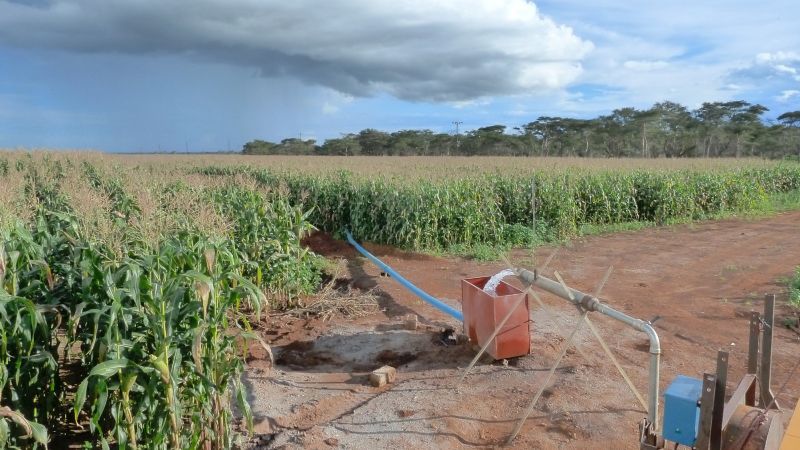
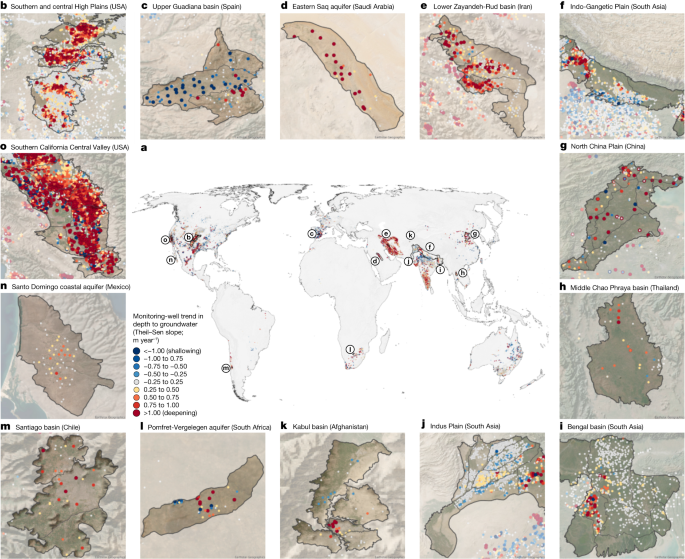
A new study analyzing millions of groundwater level measurements from over 40 countries reveals that 71% of aquifer systems experienced declining groundwater levels between 2000 and 2022, with 36% declining more than 0.1 meter per year. While some areas like northwest India and the southwest United States are heavily reliant on groundwater, success stories in Bangkok, Arizona, and New Mexico show that interventions can help replenish depleted aquifers. However, the study also found that declines in groundwater levels have accelerated in the 21st century, emphasizing the urgent need for better groundwater management and policies to address the global water crisis exacerbated by climate change.
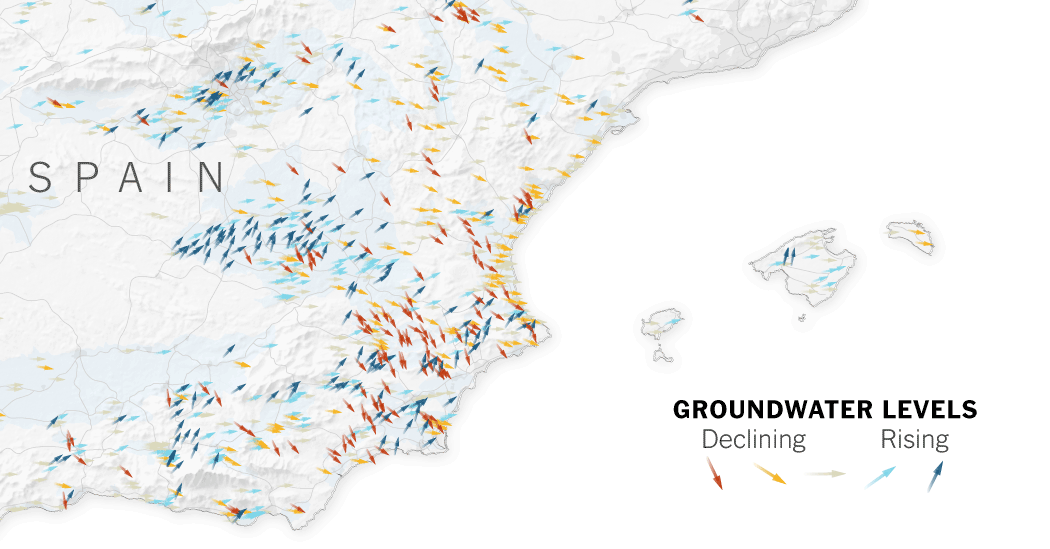
A global study of nearly 1,700 aquifers across 40 countries found that almost half have experienced declining groundwater levels since 2000, with dry climates and agricultural land being particularly affected. However, the research also revealed that in about 100 aquifers, groundwater declines have slowed, stopped, or reversed, offering a glimmer of hope. The causes of groundwater decline vary, with factors such as decreased precipitation and increased agricultural irrigation playing a role. Efforts to manage and recharge aquifers in places like Bangkok, California, and Spain are showing promise in reversing the trend, highlighting the need for localized water management strategies.
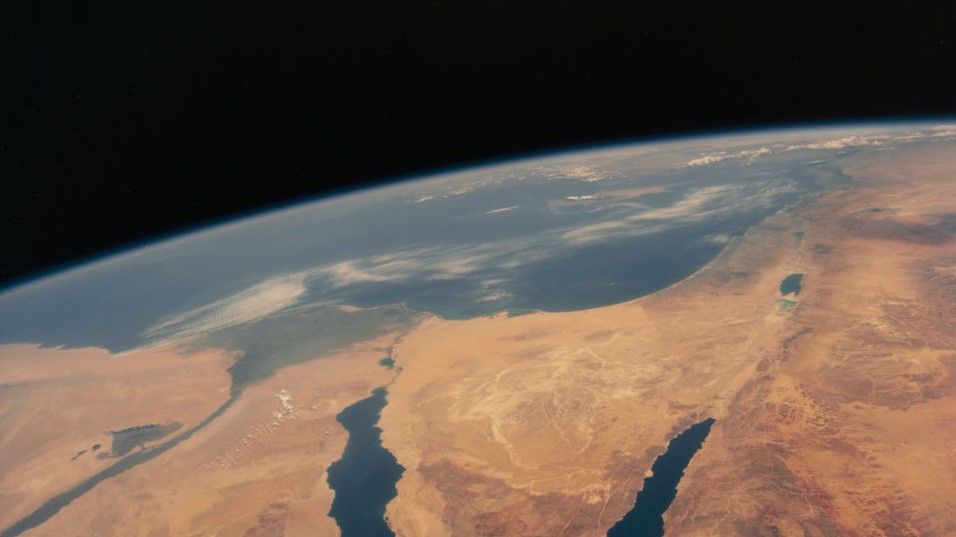
A comprehensive review of global groundwater depletion and recovery in aquifers highlights the widespread decline of groundwater resources, with some cases of recovery, emphasizing the urgent need for sustainable water management practices in the face of climate change and increasing water demand. The study underscores the significance of addressing non-renewable groundwater use and the potential impacts on agriculture and ecosystems, while also pointing to the potential of managed aquifer recharge and environmental flow limits to mitigate the effects of groundwater pumping.
A new global study reveals that groundwater depletion is accelerating in many parts of the world, particularly in dry regions with extensive cropland, posing a significant threat to water resources for residential development and agriculture. While the study highlights the urgency in addressing this issue, it also presents examples of aquifers that have recovered due to changes in policy or water management. The findings underscore the need for more effective regulation of groundwater resources to mitigate the depletion and its potential consequences.
The oil and gas industry's increasing demand for water, particularly for fracking, is exacerbating the depletion of America's endangered aquifers, which are already being drained by industrial farming and cities. The amount of water consumed by fracking wells has surged to record levels, with operators using about 1.5 trillion gallons of water since 2011, much of it from aquifers. Mega fracking projects, known as "monster fracks," have become the industry norm, accounting for almost two-thirds of fracking wells in Texas. The problem is particularly acute in Texas, where groundwater supply is expected to drop by one-third by 2070. Critics argue that it is ironic to divert so much water for fossil fuel production, given that burning fossil fuels contributes to climate change and strains freshwater resources.
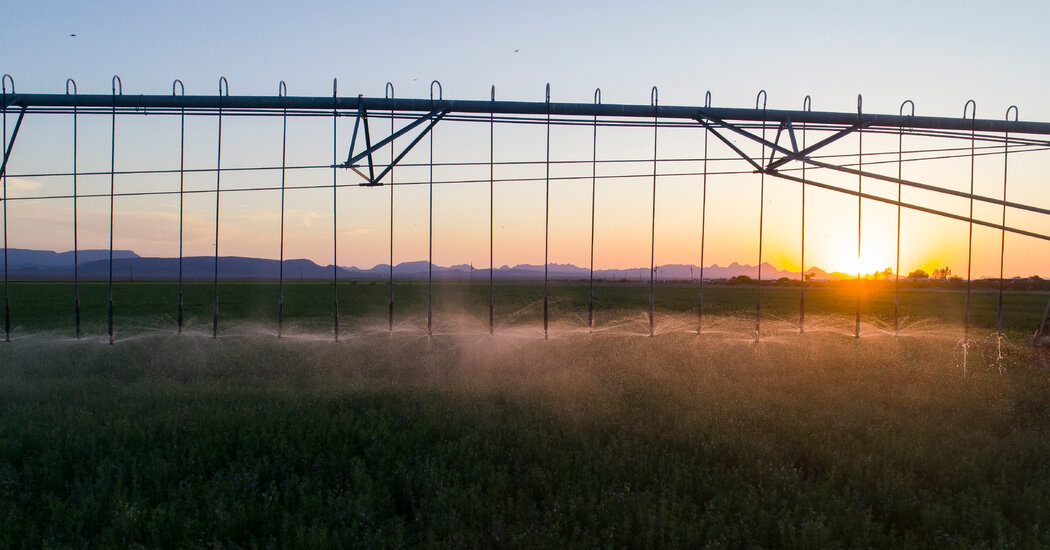
A comprehensive investigation by The New York Times has revealed that America is facing a groundwater crisis, with aquifer water levels falling nationwide at an alarming rate. Over 45% of the wells examined showed significant declines since 1980, and last year was the worst yet. This depletion not only threatens the long-term survival of communities dependent on groundwater but also jeopardizes America's status as a food superpower. Weak regulations and climate change exacerbate the problem, as rising temperatures increase the demand for groundwater while reducing surface water availability. The findings highlight the urgent need for stronger regulations and sustainable water management practices to address this crisis.
A new study has revealed that the rapid extraction of groundwater by humans has caused a significant shift in the Earth's tilt. Between 1993 and 2010, the tilt of the Earth shifted by 31.5 inches, corresponding to global withdrawals of underground water. The displacement of this water, which is often used for irrigation and eventually flows into the oceans, has occurred faster than aquifer replenishment. The study suggests that groundwater depletion has the largest impact on the drift of the Earth's rotational pole, highlighting its significant role in sea level rise. To conserve groundwater, individuals can take actions such as choosing water-saving plantings, repairing leaks promptly, and using water-saving products.
The rampant removal of groundwater for drinking and irrigation has altered the distribution of water on Earth enough to shift the planet’s tilt, according to a new study. Between 1993 and 2010, humans removed a total of 2,150 gigatons of groundwater, enough to fill 860 million Olympic swimming pools. Moving all that water has shifted Earth’s tilt 31.5 inches eastward. The shift in Earth’s tilt is far too small to impact weather or seasons, but the team of scientists discovered that polar drift can be used to estimate the effect of groundwater pumping on sea level rise.
Humans' excessive pumping of groundwater has caused Earth's axis to shift, according to a new study. The shift is observable on Earth's surface and contributes to global sea level rise. Groundwater extraction has caused the rotational pole to drift eastward at a rate of about 1.7 inches per year. The study shows that the redistribution of groundwater has the largest impact on the drift of the rotational pole among climate-related causes. The researchers used computer models to evaluate sea level variations and found that groundwater extraction is the second most significant factor affecting the rotational axis after mantle flow.
Human activities such as pumping groundwater from aquifers have caused a significant eastward shift of 31 inches in Earth's rotational pole between 1993 and 2010, according to new research. The study estimates that pumping 2,150 gigatons of water from underground layers of water-saturated rock known as aquifers caused the shift. Groundwater depletion also contributed to a 0.25 inch rise in global sea levels. The findings highlight the impact of human activities on the planet's axis and the importance of monitoring water usage.
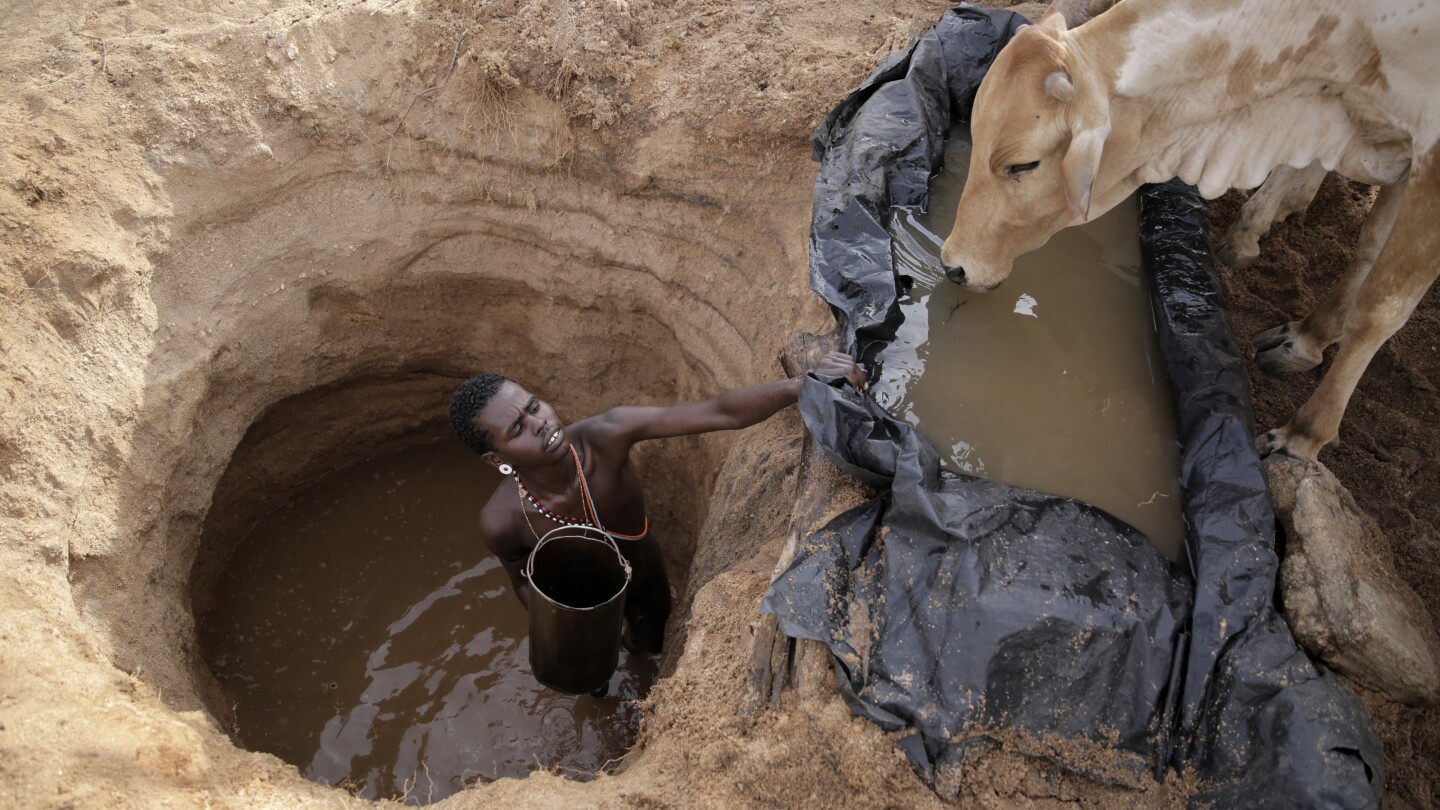
Aquifers in Africa hold more than 20 times the water stored in the continent's lakes, but they are not always the answer to water scarcity due to challenges such as distance, water quality, and unsustainable groundwater use. While tapping into aquifers can provide some water in almost all parts of Africa, it should be used in a way that keeps it available long into the future. Groundwater is part of the solution to water scarcity, but not the entire solution.