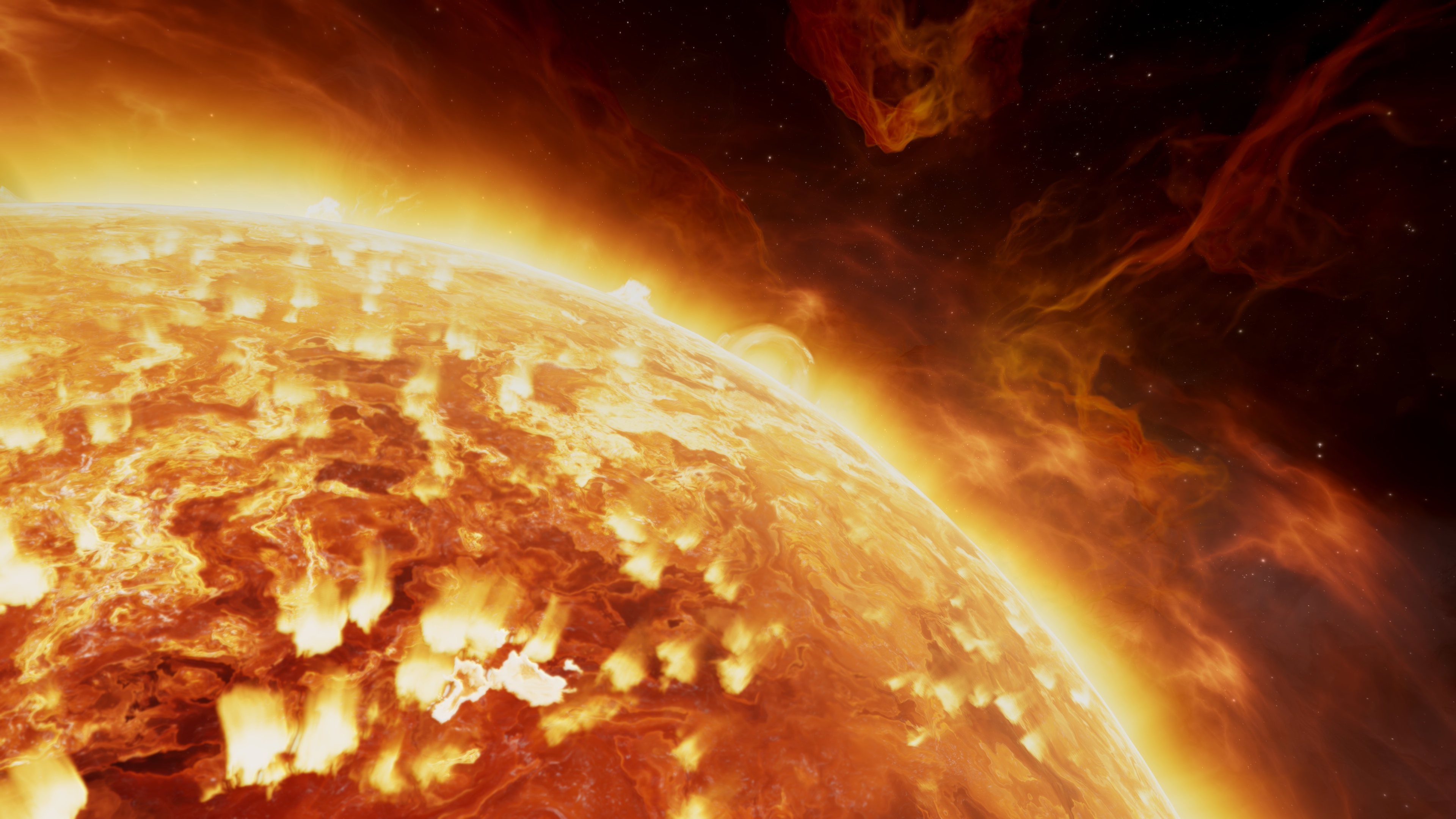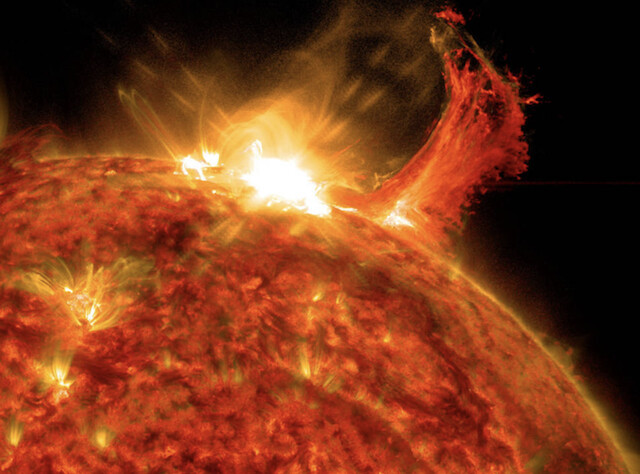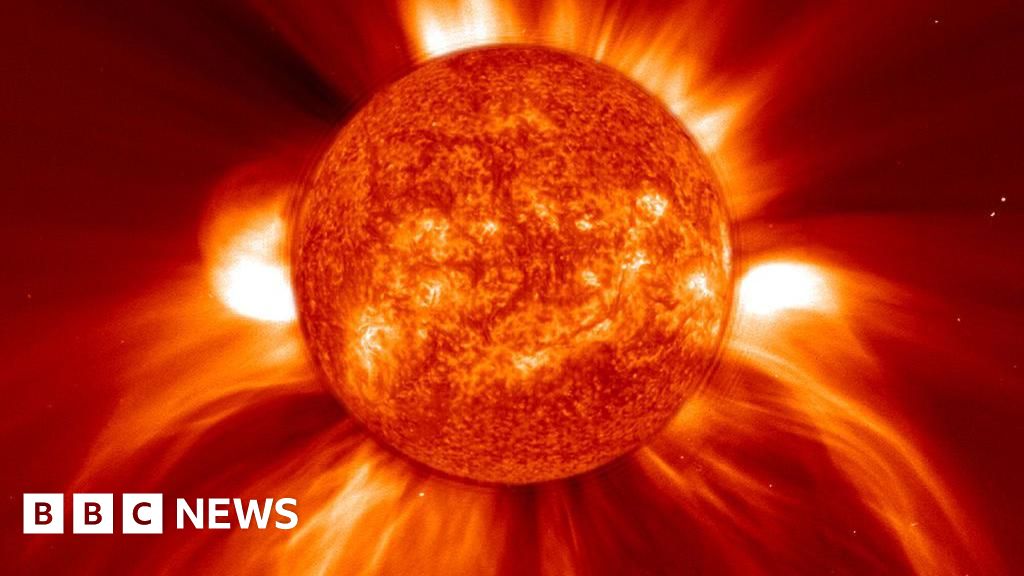
India's Aditya-L1 solar mission is poised to observe the Sun during its maximum activity cycle in 2026, a period marked by increased solar storms and coronal mass ejections (CMEs). The mission aims to study these phenomena to better understand solar behavior and improve space weather forecasting, which is crucial for protecting Earth's infrastructure and satellites. Aditya-L1's unique instrumentation allows continuous observation of the Sun's corona, providing valuable data during this intense solar period.
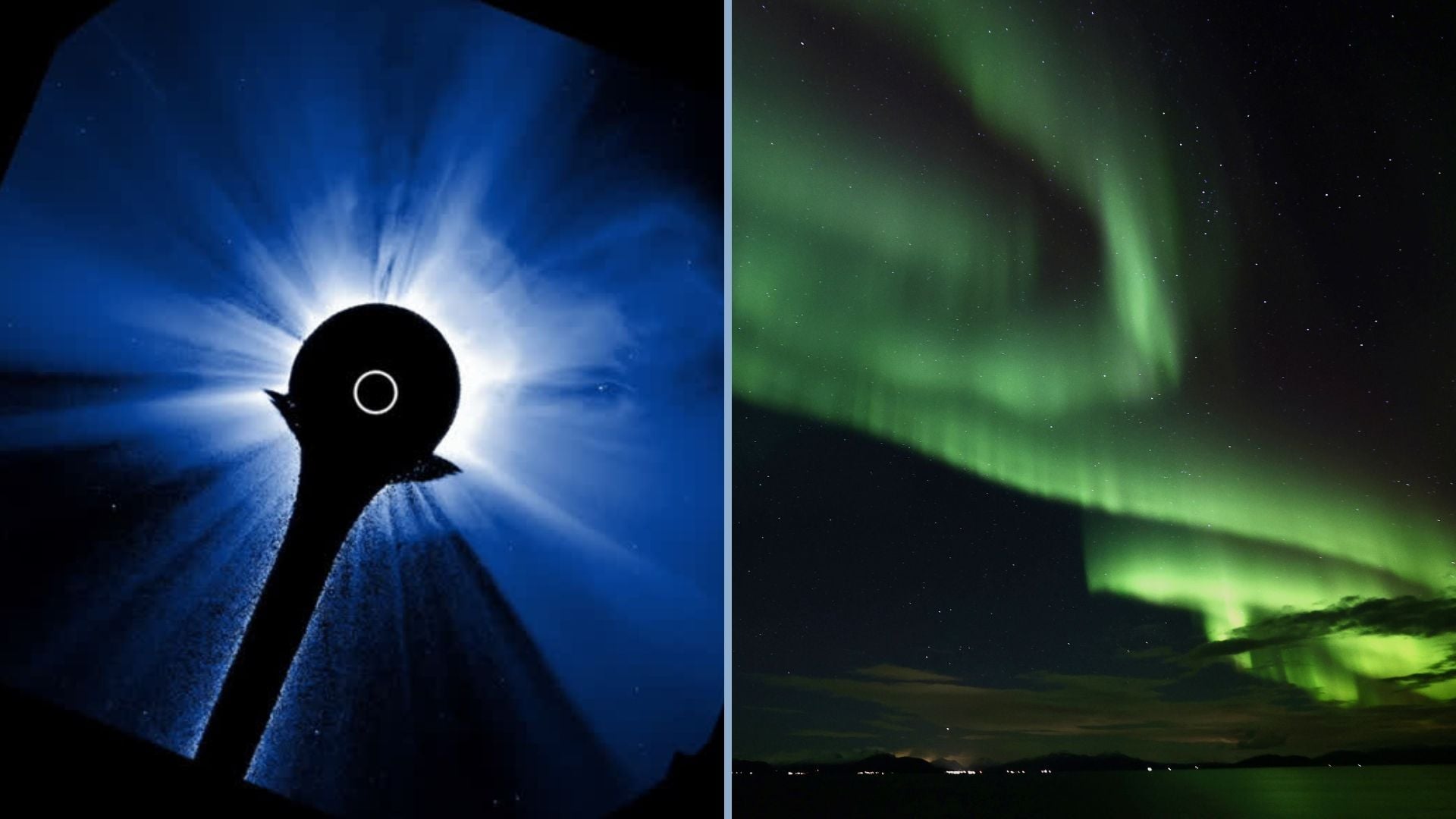
The sun has emitted multiple powerful X-class solar flares, including an X5.1, causing coronal mass ejections that are heading toward Earth, potentially triggering geomagnetic storms and visible auroras across parts of the US and Europe from Nov. 10 to Nov. 12.
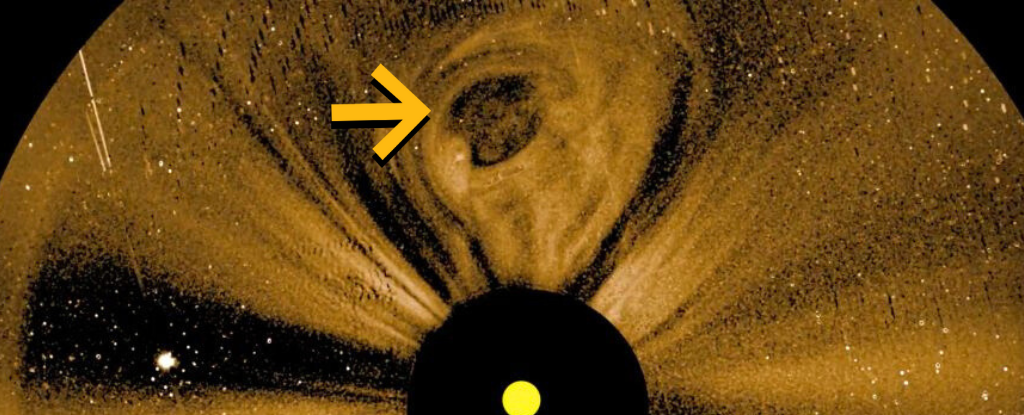
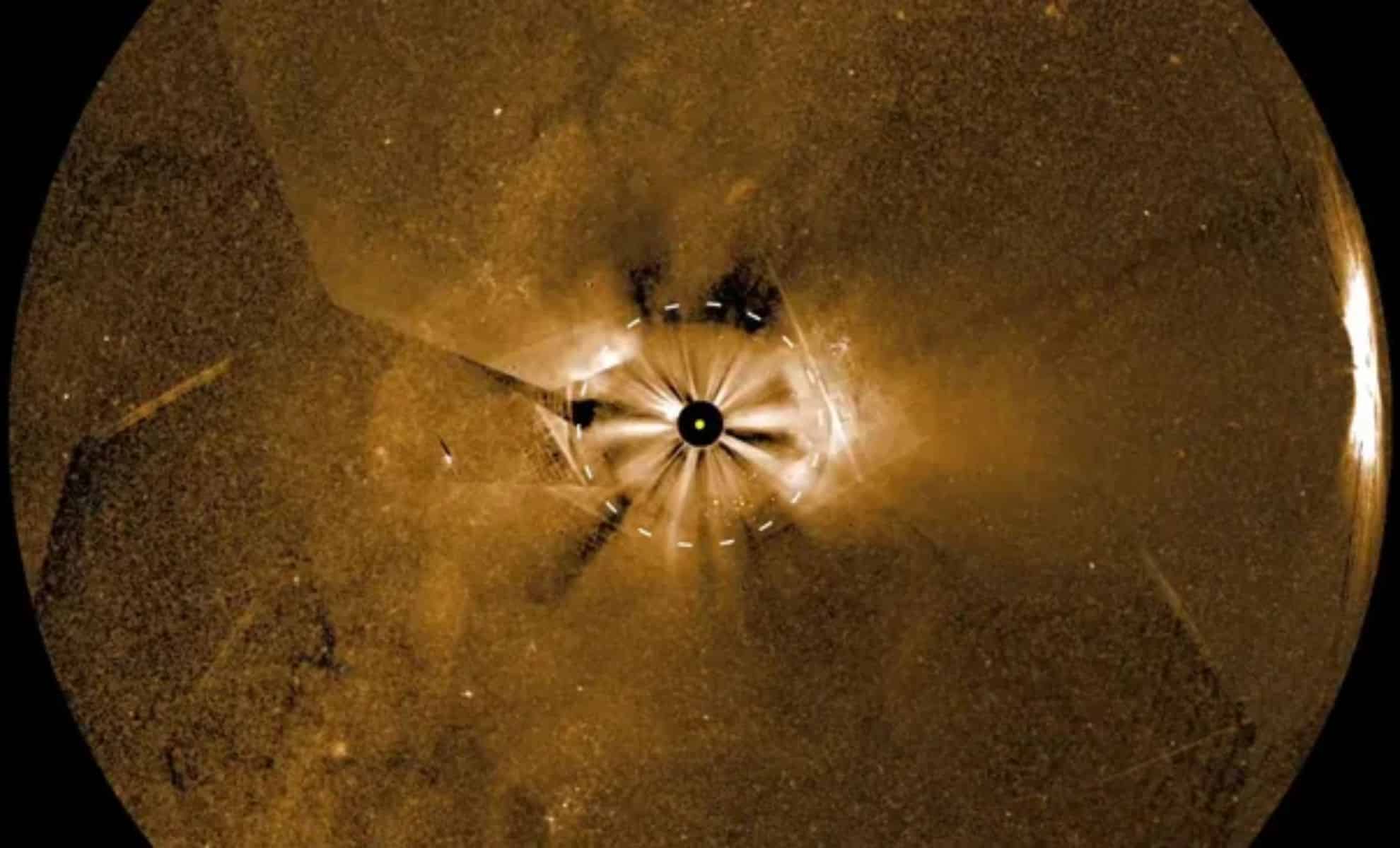
NASA's PUNCH mission has captured unprecedented images of giant coronal mass ejections (CMEs) from the Sun, revealing their massive scale and potential impact on Earth, as part of a two-year effort to improve space weather prediction.
NASA's PUNCH mission has released stunning new images of coronal mass ejections, providing unprecedented detail on solar eruptions and their journey through the inner solar system. These observations enhance understanding of space weather and improve predictions to protect Earth's technological infrastructure.
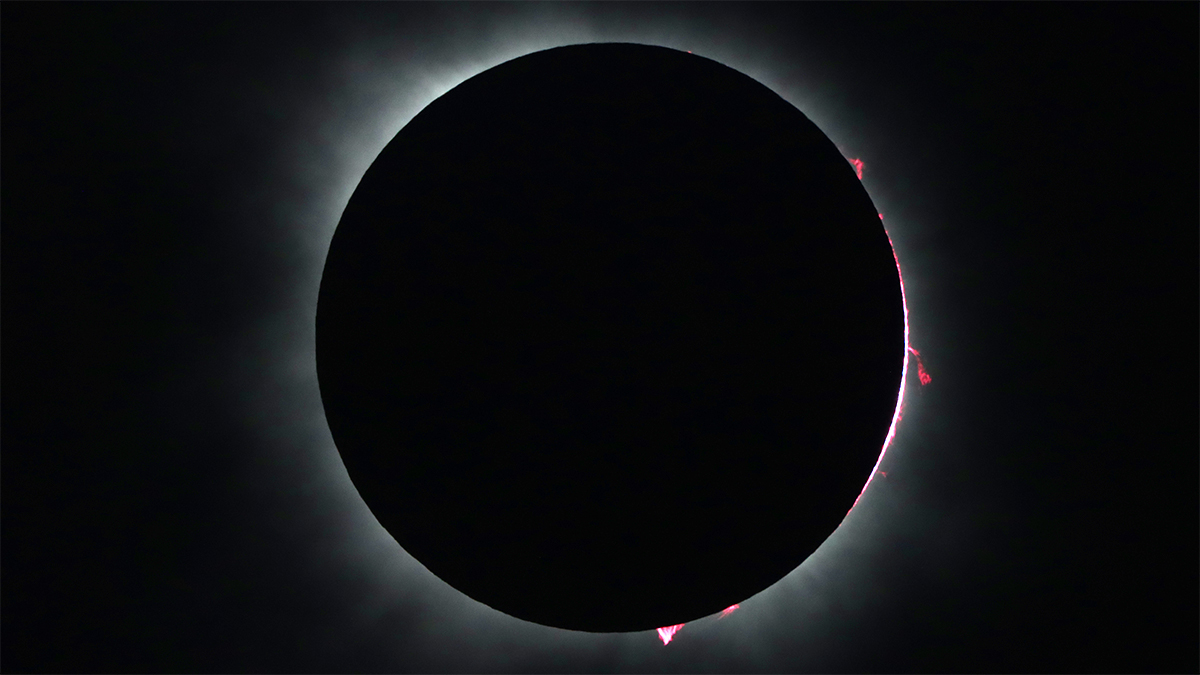
The red blotchy areas around the sun during the recent total solar eclipse were solar prominences, which are eruptions of plasma extending from the sun's surface along its magnetic field. Unlike solar flares and CMEs, prominences are anchored to the sun and have no impact on Earth. Solar flares are bursts of X-rays and energy that can cause disruptions to satellites and communications, while CMEs are slower and can lead to auroras when their charged particles interact with the Earth's atmosphere.
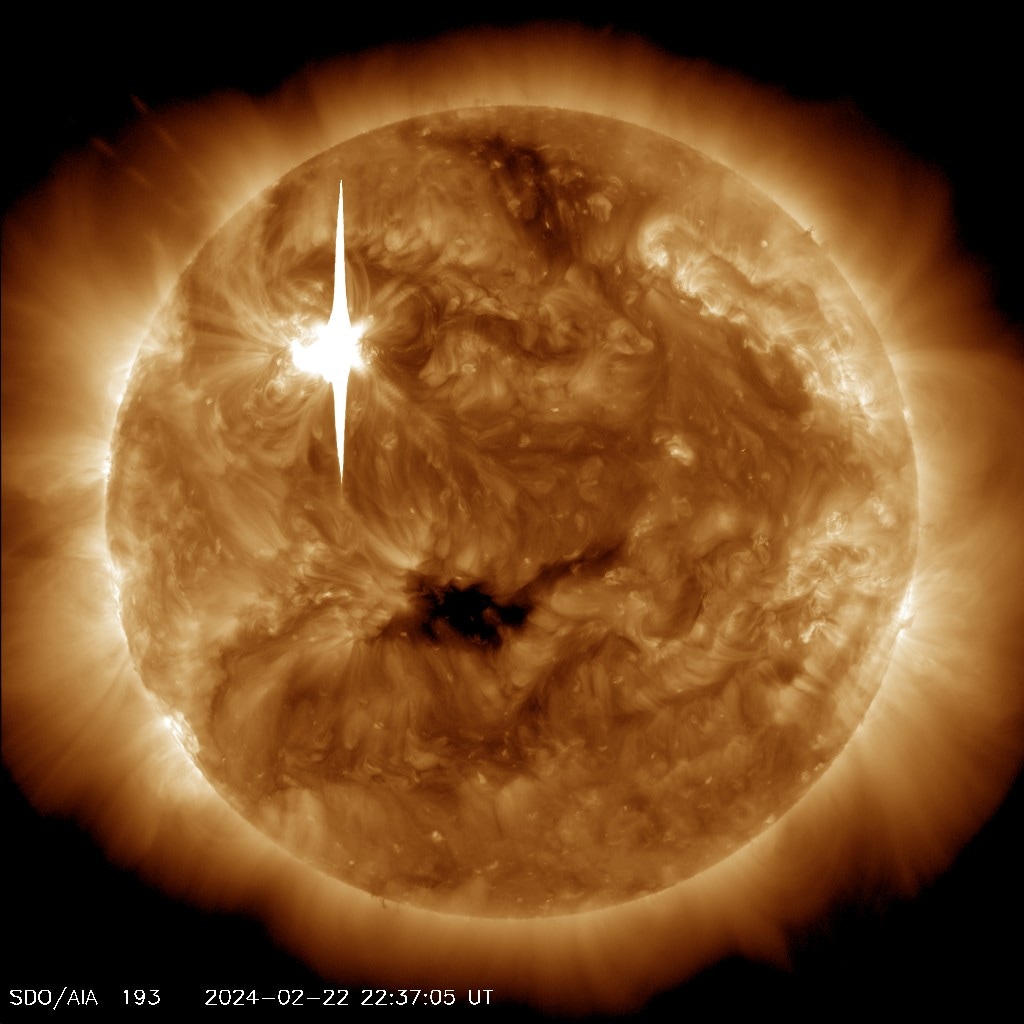
The sun has recently launched three powerful X-class solar flares, disrupting shortwave radio communications on Earth and potentially causing radio blackouts over the Pacific and Indian oceans. While the first two flares did not release a coronal mass ejection (CME), the impact of the third flare is still being determined. Speculation that the solar flares caused a widespread AT&T cellular network outage has been dismissed, as solar flares typically do not affect cellphone frequencies. Skywatchers may miss out on displays of the northern lights due to the lack of CMEs from the first two flares, but there are still possibilities for more X-class flares and CMEs in the days ahead.
Scientists have warned of a "cannibal" solar storm cloud heading towards Earth following a series of solar flares, potentially causing navigation and GPS faults, radio blackouts, power cuts, and auroras. The National Oceanic and Atmospheric Administration (NOAA) projects at least three solar storm clouds to strike on Tuesday, possibly leading to moderate geomagnetic storms globally. However, Earth's protective systems should mitigate most effects, with auroras and potential power cuts being the main impacts.
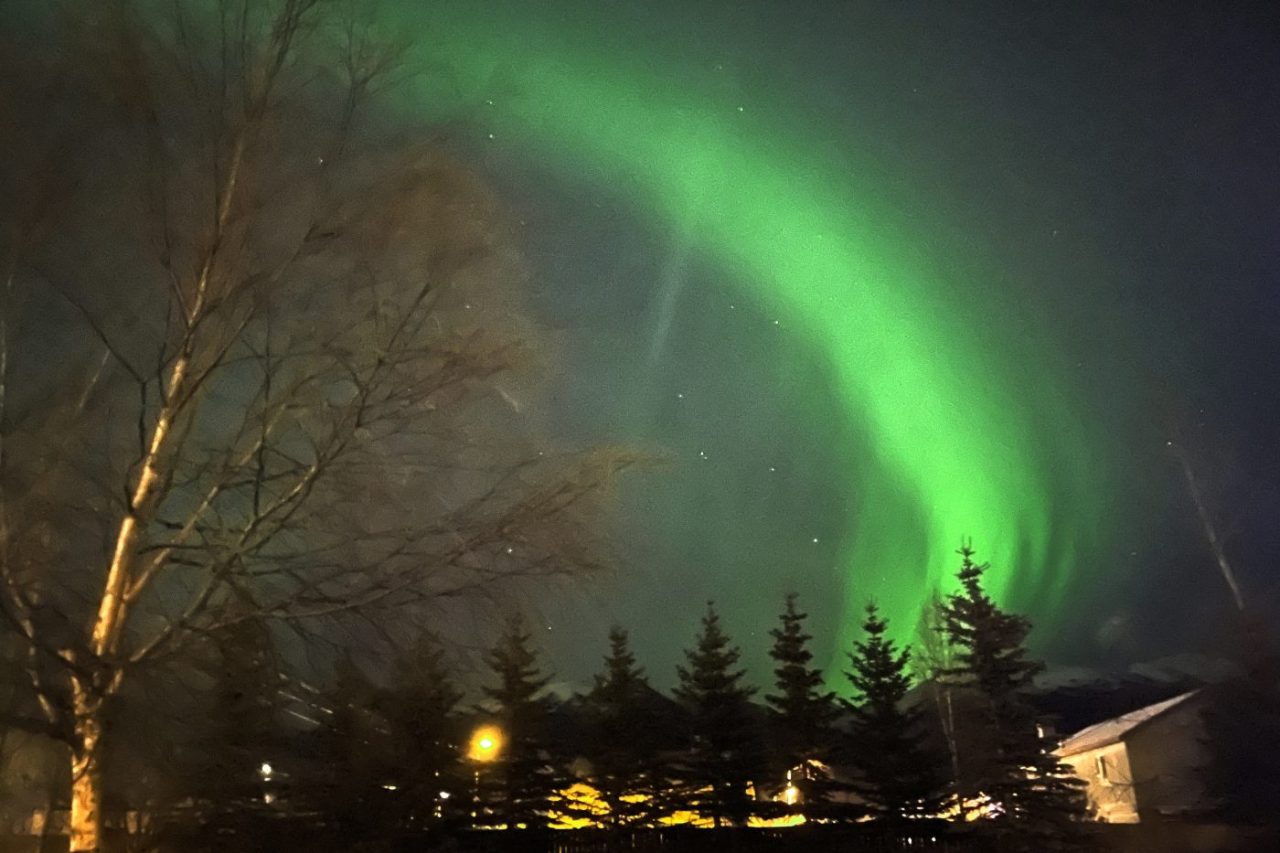
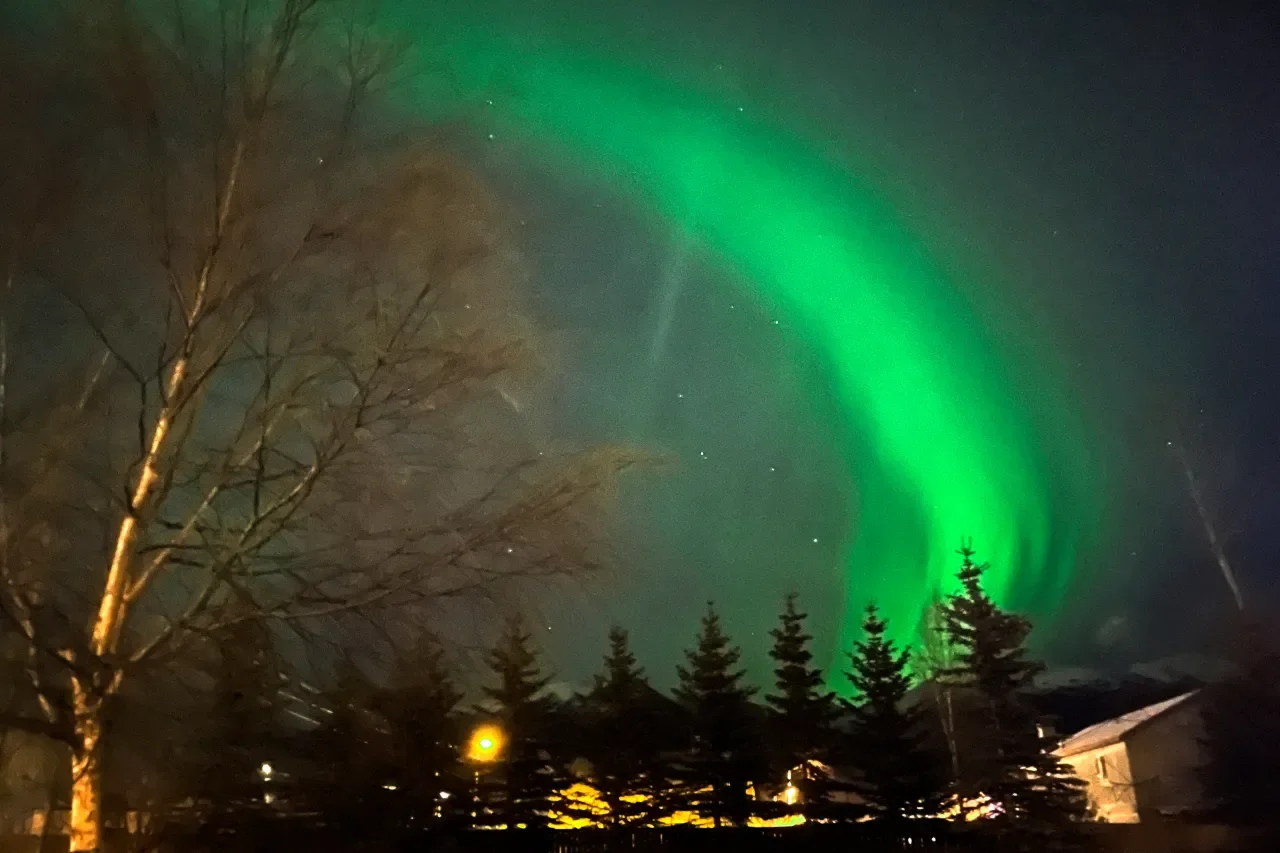
Ongoing geomagnetic storm activity is expected to create dazzling auroras in the skies of northern states on Friday night. The solar storm activity peaked on Thursday night and is still forecasted to continue, with a possibility of auroras becoming visible over the far Northern Tier states. Multiple coronal mass ejections (CMEs) can still impact Earth as our magnetosphere "bounces back." The strength of the storm is expected to weaken overnight, but auroras may still be visible in Maine and Michigan's Upper Peninsula. Clear skies and staying away from city light pollution are key for spotting the phenomenon.
The National Oceanic and Atmospheric Administration (NOAA) has issued a warning that multiple coronal mass ejections (CMEs) are approaching the Earth, following an M-class solar flare on August 1. While this solar storm is not expected to be too strong, it could still cause disruptions to satellite communications, shortwave radio, and GPS services. If a powerful CME is released, it could lead to a more severe geomagnetic storm. NASA's Solar Dynamics Observatory (SDO) is monitoring the Sun's activities to predict and study solar storms.
Solar storms, including solar flares and coronal mass ejections (CME's), have the potential to disrupt internet and communication systems. The sun's magnetic fields can store energy, leading to explosive releases that emit high-energy X-rays and high-speed particles. In the past, solar storms have caused communication blackouts and power outages. With our increasing dependence on global communications infrastructure, such as the internet and cloud storage, the impact of solar activity on our technology is a growing concern. Efforts are being made to monitor the sun, improve solar weather forecasting, and strengthen our infrastructure to minimize damage and restore services quickly.
Solar Cycle 25 has produced more sunspots and eruptions than predicted, leading to increased activity on the Sun. This cycle is expected to be average compared to previous ones. Notable events include the appearance of sunspot pairs in December 2019, the largest group of sunspots in November 2020, the first severe geomagnetic storm in November 2021, and the largest solar flare in April 2022. The Sun unleashed the fastest and most energetic CME yet in March 2023, causing a minor radiation storm on Earth. The Space Weather Prediction Center issues alerts and watches for space weather storms.
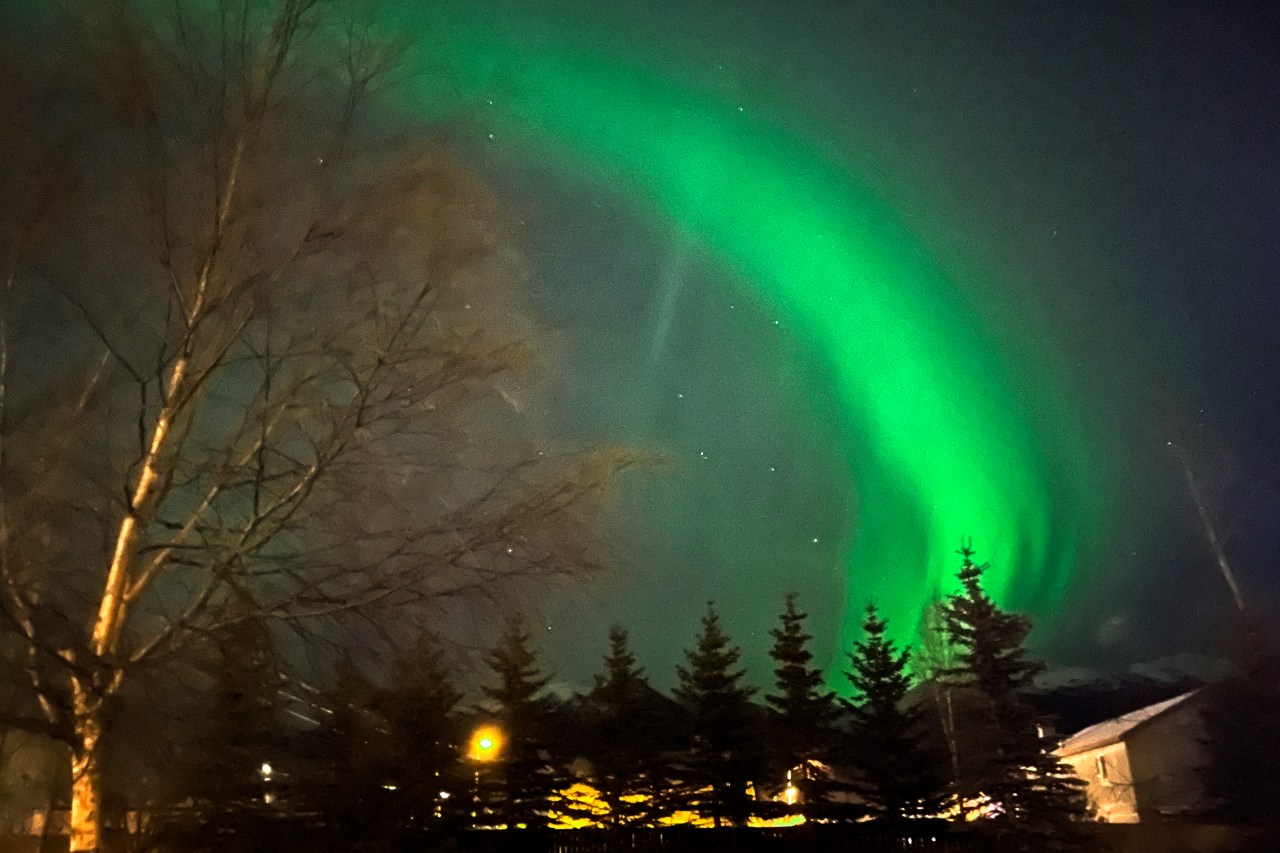
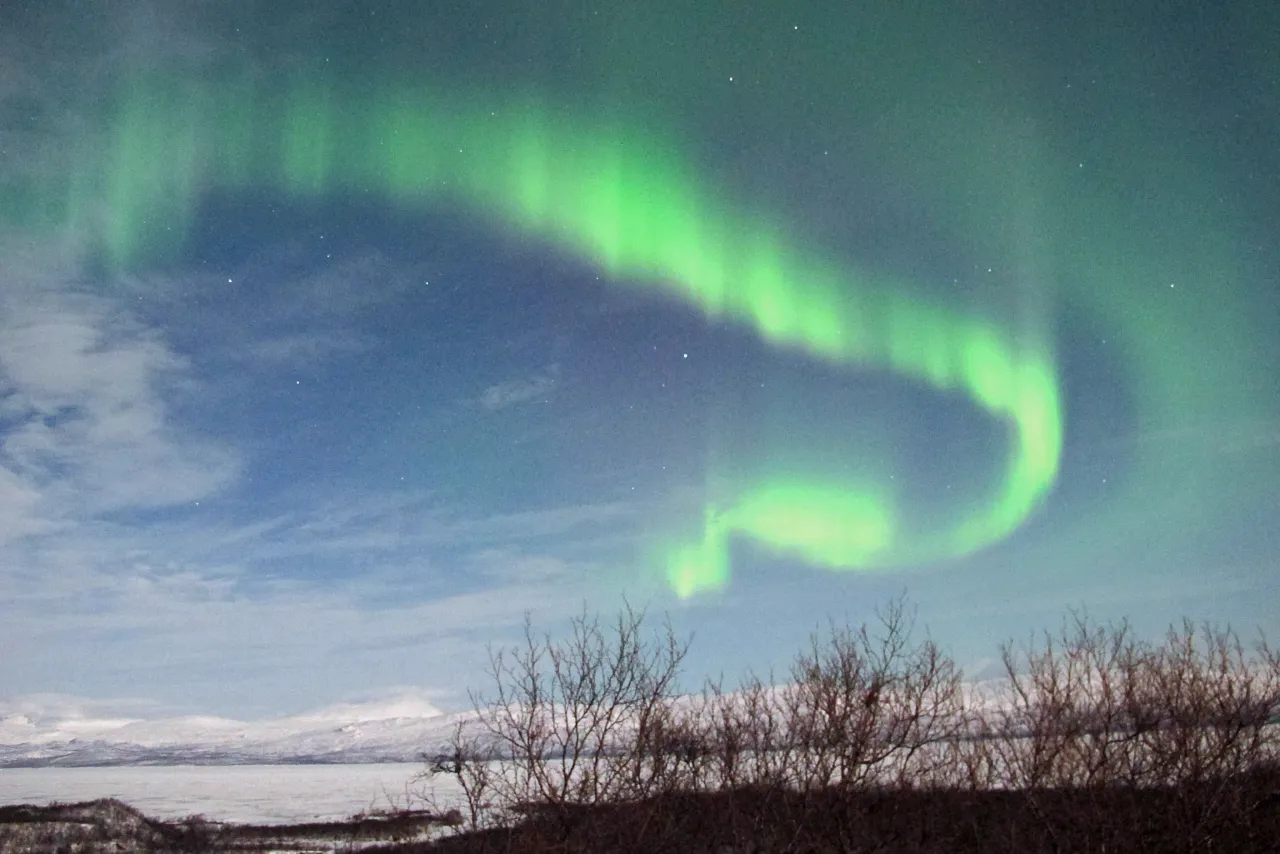
Due to ongoing solar activity, the northern lights may be visible more often in the coming months. Coronal mass ejections (CMEs) from the sun can create stunning auroras when they interact with Earth's magnetic fields. Solar Cycle 25, which began in December 2019, is expected to reach its most active point in mid-2024, leading to more chances to see the northern lights. While recent aurora borealis events have only been viewable to the upper portions of the US, NOAA offers single-day and next-day forecasts for potential northern light viewing.
Due to ongoing solar activity, the northern lights may be more common in the coming months. Coronal mass ejections (CMEs) from the sun can create stunning auroras when they interact with oxygen and nitrogen in Earth's magnetic fields. Solar Cycle 25, which began in December 2019, will cause space weather and more CMEs, leading to more chances to see the northern lights. NOAA offers single-day and next-day forecasts for potential northern light viewing, with Alaska and Canada having the most frequent opportunities to see the auroras.
Due to ongoing solar activity, the northern lights may be more common in the coming months, with recent aurora borealis events only viewable to the upper portions of the US. Solar Cycle 25, which began in December 2019, is expected to reach its most active point in mid-2024, leading to more chances to see the northern lights. Coronal mass ejections (CMEs) from the sun can create stunning shows in the night sky, and NOAA offers single-day and next-day forecasts for potential northern light viewing.
Northern U.S. states may have a chance to see the northern lights Tuesday night, according to current forecasts. Another CME was forecasted to impact Earth on Sunday, with NOAA’s Space Weather Prediction Center forecasting a low likelihood of aurora-viewing across the northern U.S. The southern extent of the auroras could reach as far south as southern Minnesota and Wisconsin, as well as the northern portions of Maine, New York and Idaho. The northern lights may also be visible in portions of Washington, Idaho, Montana and South Dakota.