space-weather43.395 min read
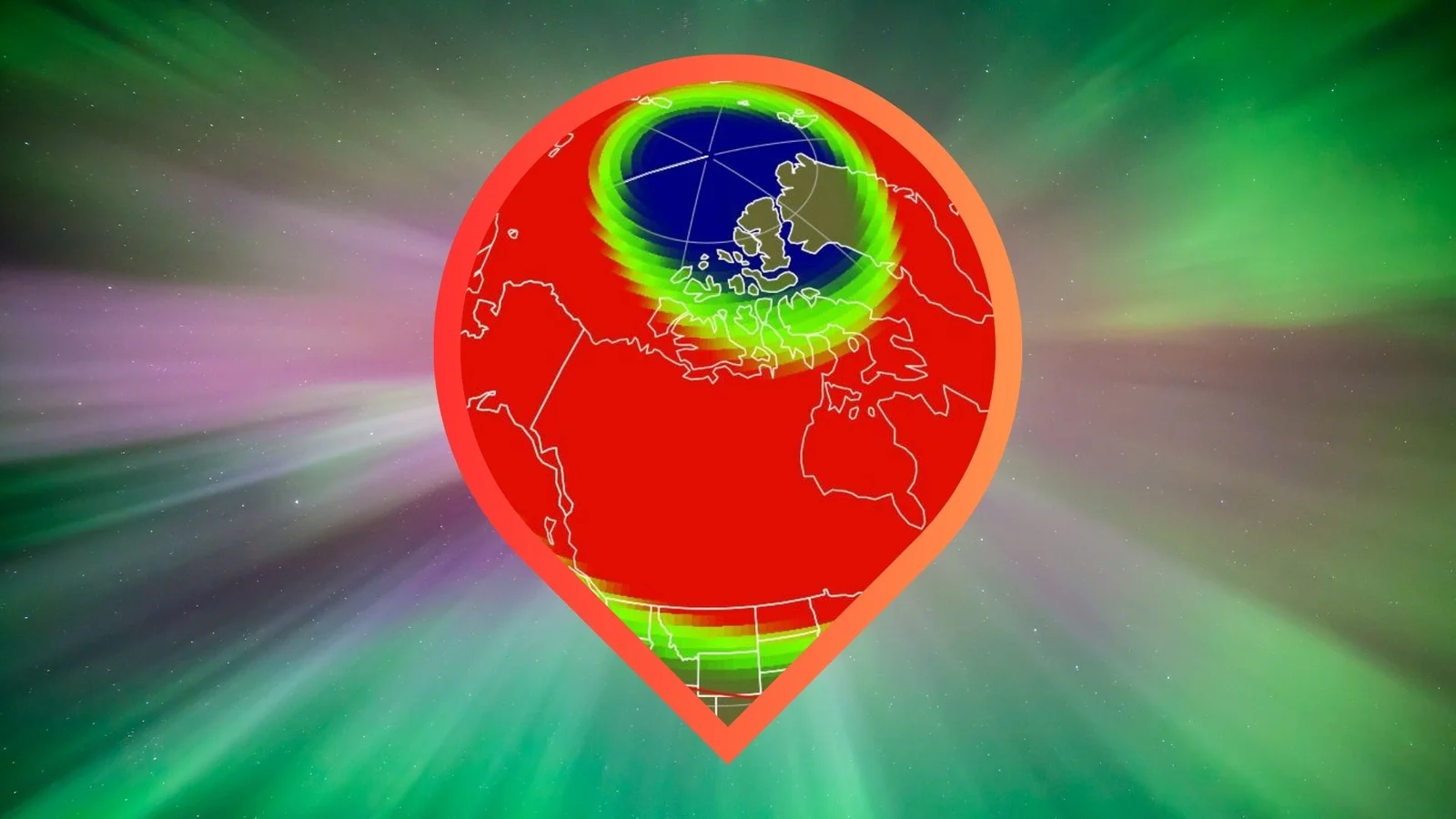
Solar storm could sweep the U.S. with northern lights tonight
1 month ago•Source: Space

The latest space weather stories, summarized by AI
NOAA's Space Weather Prediction Center forecasts periods of G1–G2 (Minor–Moderate) geomagnetic activity on Jan 10–11, 2026 as a CME released on Jan 8 arrives, signaling a moderate geomagnetic storm risk with potential effects on space- and radio-related operations.
Times Now•1 year ago
Earth.com•1 year ago
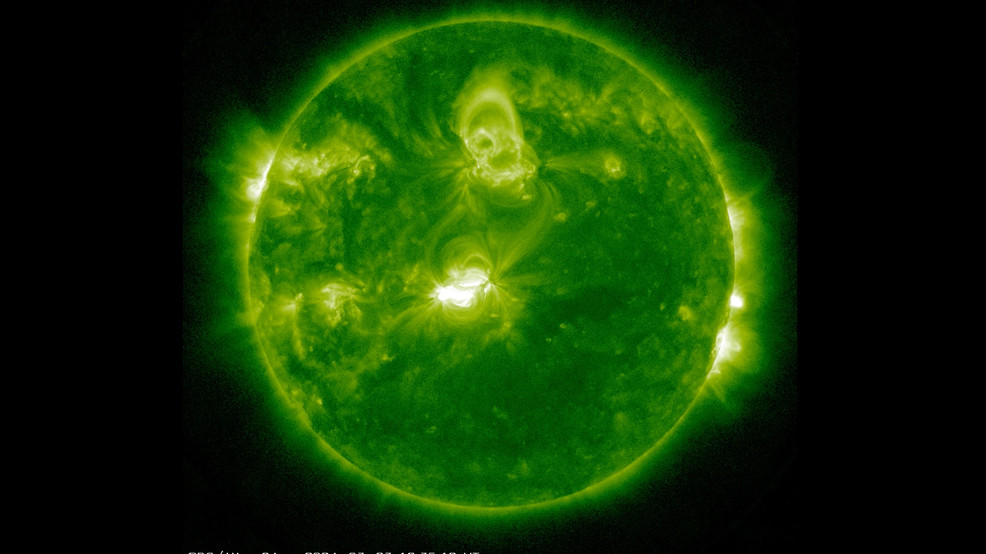
Space weather forecasters have issued a geomagnetic storm watch, warning of potential interference with radio transmissions and the possibility of stunning aurora viewing. The outburst of plasma from a solar flare could affect high-frequency radio transmissions and satellite tracking, but is not expected to cause major disruptions. This event is part of the sun's active solar maximum cycle, occurring approximately every 11 years, and provides an opportunity for those at higher latitudes to witness beautiful night skies.
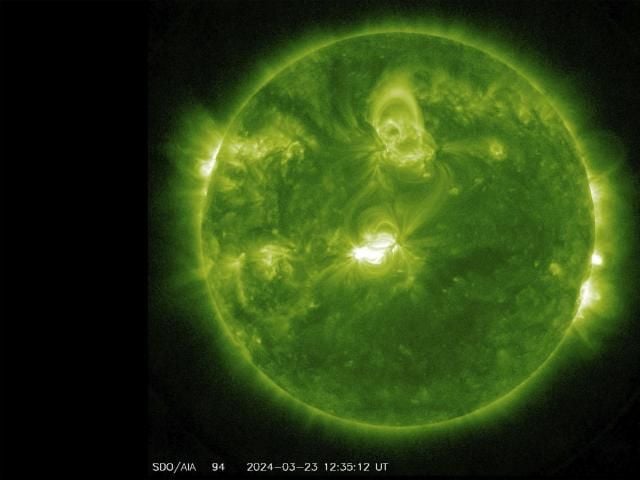
Space weather forecasters have issued a geomagnetic storm watch due to an outburst of plasma from a solar flare, which could disrupt radio transmissions on Earth and create stunning auroras. The alert, issued by NOAA's Space Weather Prediction Center, assures the public that there is no cause for concern. While the storm may affect high-frequency radio transmissions and satellite operations, it is not expected to cause significant disruptions to power grids. This event presents an opportunity for those at higher latitudes to witness captivating night skies, as the sun nears its most active phase in its 11-year cycle.
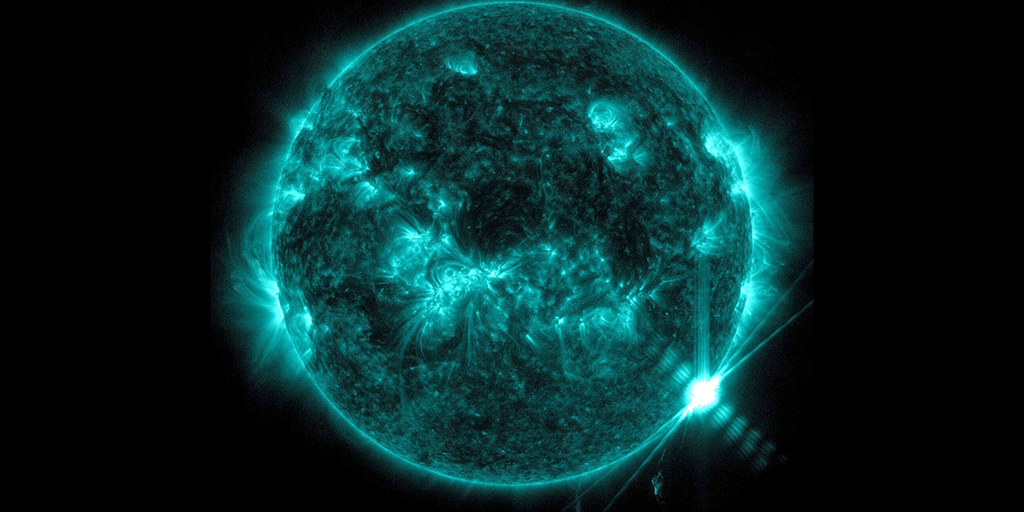
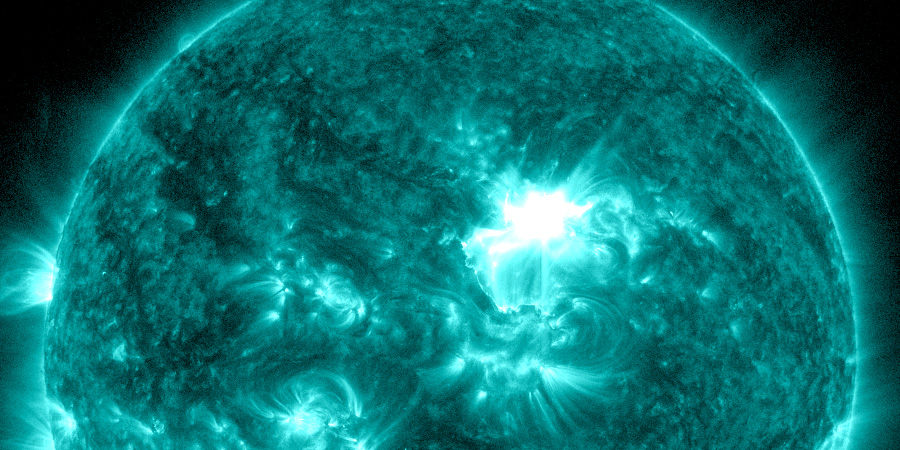
A strong X-class solar flare emitted from the Sun on Friday caused a solar radiation storm on Earth, with charged particles accelerated near the Sun arriving at over 10 times the normal background amount. The storm, classified as moderate (level S2 out of S5), was expected to peak on Saturday morning. While powerful solar flares can cause radio blackouts in polar regions and pose risks to space launches and spacecraft, most people do not need to be concerned as the energetic particles do not reach low enough into Earth's atmosphere to affect the public. NASA's Solar Dynamics Observatory captured the X3.3 flare, and more sunspots are expected as the Sun approaches the solar maximum of Solar Cycle 25.
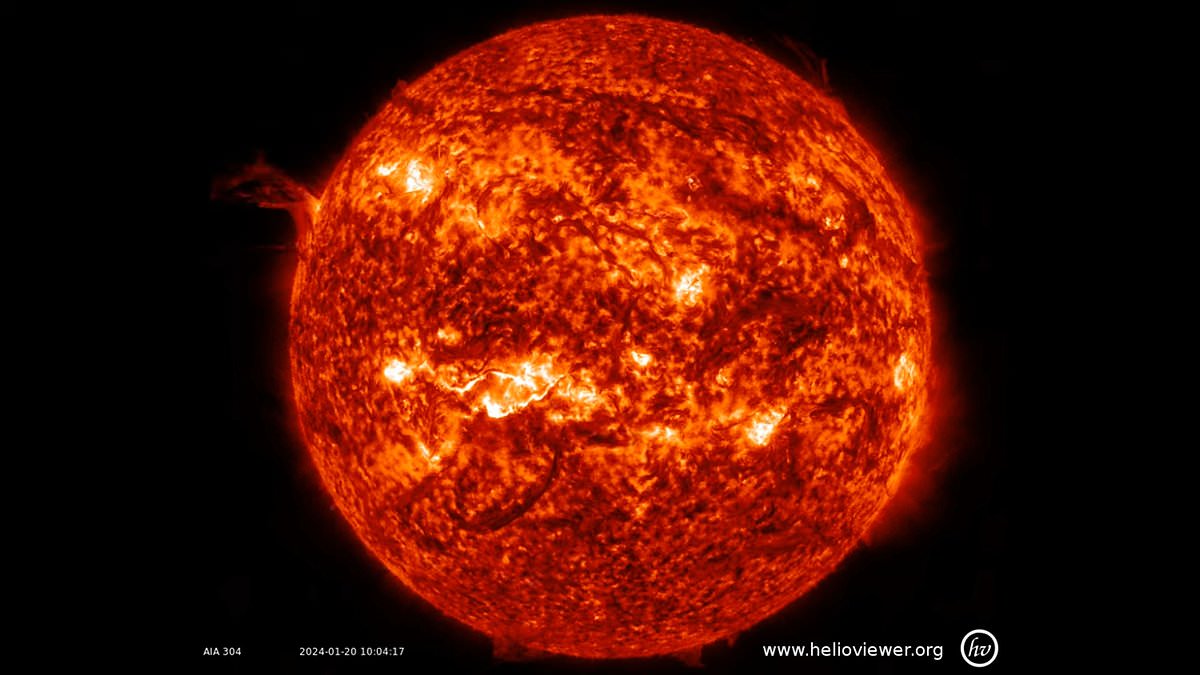
Earth is set to experience two solar storms with a 75% chance of causing radio blackouts, following two powerful streams of energized particles released by the sun. The disturbances are expected to be felt south of the equator, with potential impacts on high-frequency radio and GPS signal reception. The solar storms are associated with two active sunspots, 3559 and 3561, and may result in minor disruptions to power grids and satellite operations.