A study from Washington State indicates that living near licensed marijuana stores may increase the likelihood of developing cannabis use disorder and related mental health issues, especially among youth, raising concerns about the public health impact of the growing number of dispensaries.
A systematic review found that high-potency THC products are linked to increased risks of cannabis use disorder and schizophrenia, raising concerns about their safety, especially for individuals with preexisting mental health conditions.
A UC San Diego study found that individuals with cannabis use disorder are over three times more likely to develop oral cancer within five years, even after accounting for smoking, suggesting cannabis may have carcinogenic effects and highlighting the need for updated screening and public health awareness.
A study suggests that semaglutide, a medication used for type 2 diabetes and weight management, may reduce the risk of developing and relapsing into cannabis use disorder. The research, published in Molecular Psychiatry, utilized a large electronic health record database and found that semaglutide was associated with a reduced risk of new cannabis use disorder cases and a decreased likelihood of recurrence. While the study shows promise, further research, including randomized clinical trials, is needed to validate these findings and understand the underlying molecular mechanisms.
A meta-analysis examining the link between ADHD and cannabis use disorder found that around 27% of individuals with ADHD develop cannabis use disorder at some point in their lives, with 19% currently affected. Individuals with ADHD face nearly three times the risk of developing cannabis use disorder compared to those without the disorder. The study highlights the need for further investigation into the relationship between ADHD and cannabis use disorder, while also acknowledging the limitations of the research, particularly its focus on North American studies.
Variations in THC metabolism, particularly among females with slower THC metabolism, have been linked to a higher risk of developing Cannabis Use Disorder (CUD). Genetic differences in THC-metabolizing enzymes can lead to stronger and longer-lasting effects of cannabis, especially among females. The study underscores the importance of understanding individual physiological responses to cannabis and highlights the need for educational programs to inform teens and young adults about their unique risks regarding cannabis use.
A recent study suggests that genetic differences in how young adults metabolize THC, the main component of cannabis, can influence their experiences with the drug and their risk for developing cannabis use disorder (CUD). The research found that about one in four people have a gene that causes THC to be broken down less effectively, leading to stronger and longer-lasting effects of cannabis. The study also revealed sex-specific effects, with young females who metabolize cannabis more slowly being at higher risk for CUD, and young males with a gene variant for slower THC metabolism reporting more negative effects during initial cannabis use. The findings underscore the importance of educating teens about the potential risks of cannabis use and may open up new possibilities for treatment options for those struggling with CUD.
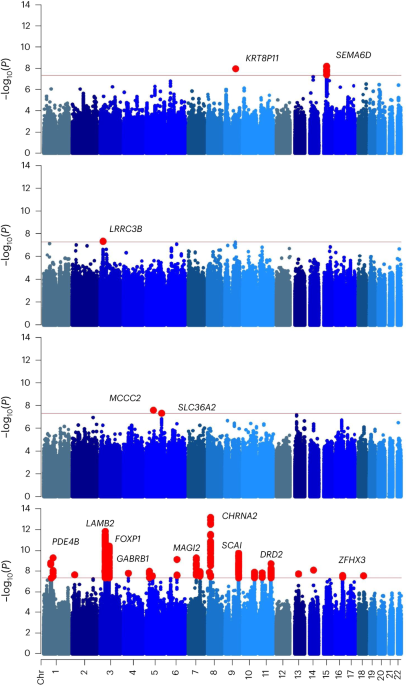
Scientists have identified gene variants associated with the risk of developing cannabis use disorder, a condition characterized by tolerance to cannabis and difficulty in cutting back despite negative consequences. The study analyzed the genomes of over 1 million individuals, including those of European, African, East Asian, and mixed ancestries, and found key genetic hotspots associated with the disorder. These hotspots were often located near genes related to neurons and the brain's reward system, suggesting a role for dopamine receptors in addiction. The study also revealed links between cannabis use disorder and smoking cigarettes, substance dependence, PTSD symptoms, and a potential genetic link to lung cancer. Further research is needed to understand these associations fully.
Scientists have identified gene variants associated with the risk of developing cannabis use disorder, a condition characterized by tolerance and dependence on cannabis. The study analyzed the genomes of over 1 million individuals, finding key genetic hotspots related to neurons and the brain's reward system. The research also revealed links between cannabis use disorder and smoking cigarettes, substance dependence, PTSD symptoms, and a potential genetic link to lung cancer. The study highlights the need for diverse genomic research and further investigation into the relationship between cannabis use disorder and schizophrenia.
A Yale-led study analyzing over 1 million genomes has identified genetic variants associated with cannabis use disorder and its links to psychiatric disorders, other substance abuses, and a potential elevated risk of lung cancer. The research, part of the Million Veteran Program, highlights the importance of understanding the genetic basis of cannabis-related disorders to inform public health policies. The findings provide insights into the underlying biology of cannabis use disorder and its associated health risks, emphasizing the need for further research in this area.
A multi-ancestry genome-wide association study has identified 22 independent genome-wide significant loci associated with cannabis use disorder (CanUD) in European ancestry populations, as well as additional loci in African, Admixed American, and East Asian ancestries. The study also revealed genetic correlations between CanUD and various psychiatric and substance use disorder traits, as well as causal relationships with chronic pain, lung cancer, and schizophrenia. Additionally, transcriptome-wide association studies identified genes associated with CanUD in adult and fetal brain tissue, with fetal brain tissue showing greater enrichment for SNP-based heritability. The findings provide insights into the biology of CanUD and have implications for public health.
Enactment of medical and recreational cannabis laws in the US has been linked to an increase in the prevalence of cannabis use disorder (CUD), particularly among older adults with chronic pain, according to a study of US veterans. The associations between cannabis laws and CUD were stronger among patients with chronic pain compared to those without. The study highlights the need for screening and evidence-based treatments for cannabis use disorder in vulnerable populations, such as patients with chronic pain.
A new study conducted in Canada reveals that adults with cannabis use disorder have a 60% higher risk of experiencing their first major cardiovascular event, such as a heart attack or stroke, compared to those without the disorder. The risk is particularly heightened among cannabis users who perceive themselves as healthy. The study highlights the need for further research on the potential links between cannabis use disorder and adverse cardiovascular outcomes, emphasizing the importance of public health awareness and clinical practice in addressing this issue.
A study conducted in Washington state, one of the first states to fully legalize cannabis, found that cannabis use disorder (CUD) is common among both medical and recreational marijuana users. The study revealed that using both medical and recreational marijuana led to a more severe addiction than using medical marijuana alone. Frequent use of marijuana was identified as a significant risk factor for developing CUD. The prevalence of CUD was found to be higher among non-medical users, with potential consequences including mental disorders, cognitive deficits, and violent behavior. Similar findings have been observed in other countries where marijuana is legal. The study highlights the need for better understanding, education, and treatment of CUD as cannabis use becomes increasingly legal and available.
A study published in The Journal of the American Medical Association Network Open found that 21% of cannabis users struggle with cannabis use disorder, characterized by problematic use leading to impairment and distress. Of those, 6.5% had moderate to severe disorder. The study revealed that more severe dependency was associated with recreational use, while less severe but still problematic use was linked to both medical and recreational use. The most common symptoms reported were increased tolerance, craving, and uncontrolled escalation of cannabis use. The findings highlight the importance of assessing cannabis use and disorder symptoms in medical settings.