Starting in 2025, California will require most tortillas and corn masa products to contain folic acid to help prevent birth defects, addressing a gap in folic acid intake among Latina women and aiming to reduce neural tube defects in infants.
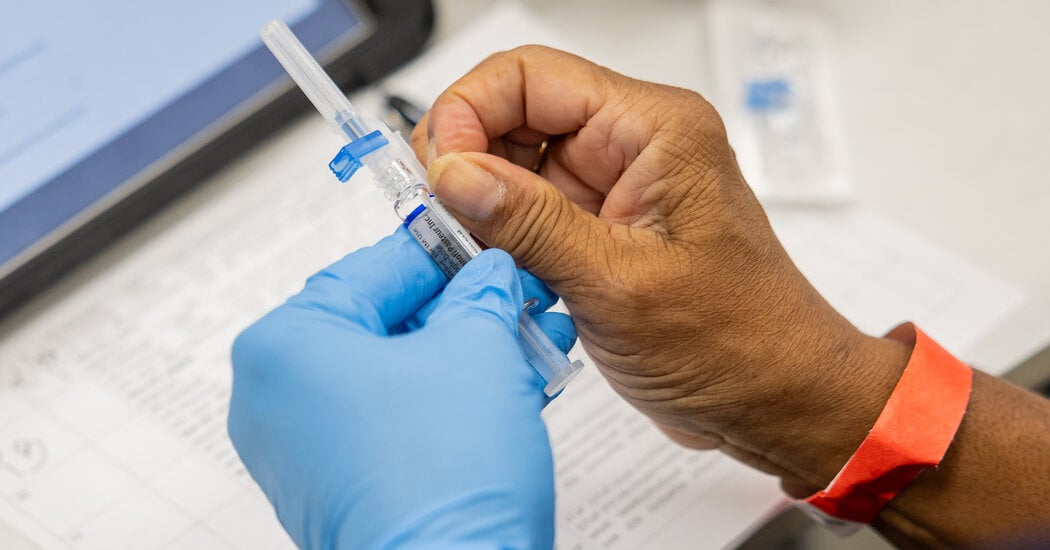
A large French study involving nearly 530,000 infants found no increased risk of birth defects among babies whose mothers received a Covid vaccine in the first trimester, supporting the safety of vaccination during early pregnancy.
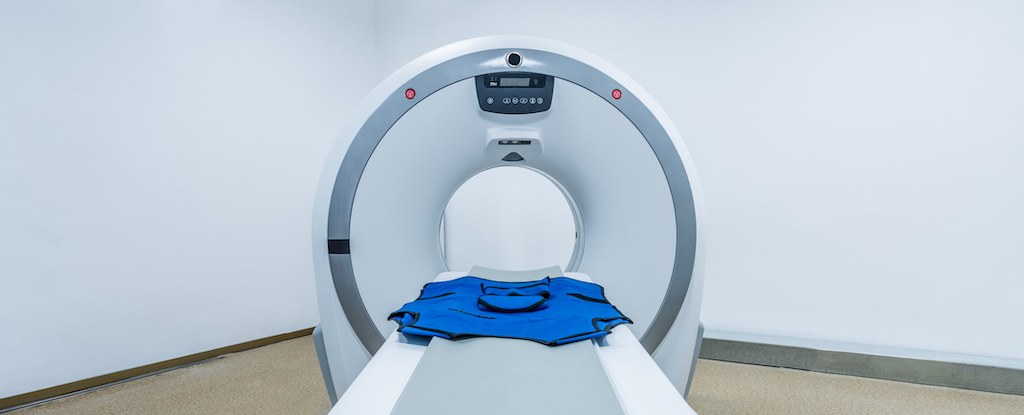
A large Canadian study suggests that preconception CT scans may slightly increase the risk of pregnancy loss and birth defects, but the overall risk increase is small and may be influenced by underlying health conditions; the benefits of necessary scans generally outweigh the risks.
A CDC study reveals that 66% of women aged 12-49 in the US have at least one risk factor for birth defects, such as obesity, diabetes, smoking, food insecurity, or low folate levels, which can be mitigated through lifestyle changes and proper nutrition, emphasizing the importance of awareness and preventive measures before pregnancy.
A CDC study reveals that 66% of women aged 12-49 in the US have at least one risk factor for birth defects, such as obesity, diabetes, smoking, food insecurity, or low folate levels, which can be mitigated through lifestyle changes and proper nutrition, emphasizing the importance of awareness and preventive measures before pregnancy.
A study suggests that insufficient iron intake during pregnancy may increase the risk of intersex conditions and heart defects in babies, highlighting the importance of adequate iron consumption and potential benefits of supplementation for maternal and fetal health.
An 80-year-old man inquires about the risks of fathering a child at his age, expressing concerns about genetic defects and his ability to be present in the child's life. Dr. Roach explains that older fathers face increased risks of genetic conditions and birth defects in their children, such as Down syndrome and autism spectrum disorders. Additionally, the life expectancy of an 80-year-old man suggests he may not live to see his child reach their 10th birthday, which could negatively impact the child's well-being.
A new study from the University of Western Australia links cannabis use to increased risks of various cancers, birth defects, and accelerated aging, suggesting that cannabis-related genetic damage can be passed to future generations. The research highlights the potential dangers of high-potency cannabis products, urging policymakers to reconsider the health implications of cannabis legalization. The study emphasizes the need for further research into cannabis's genotoxic effects and its impact on public health.
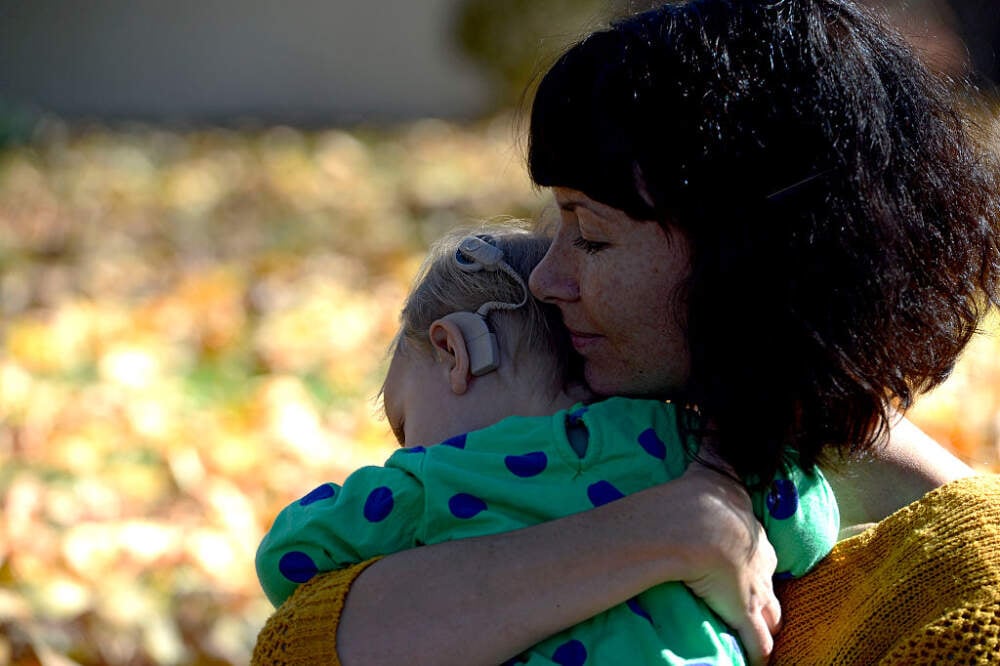
Congenital CMV, a little-known virus, causes more birth defects in American babies than any other nongenetic disease, with one in every thousand babies affected. Megan Nix shares her experience with her daughter Anna, who was diagnosed with congenital CMV, shedding light on the lack of discussion about the virus during routine prenatal care. The virus, which can be transmitted through toddlers' saliva, presents a significant risk during pregnancy, yet most expecting mothers are not informed about it.
Ariel the Spaniel, born with six legs, has undergone surgery to remove her extra limbs and is now adjusting to life on four paws like any other dog, showing signs of a smooth recovery after the operation.
Ariel, a spaniel puppy with six legs, was found abandoned in Wales and underwent successful surgery to remove her extra limbs. The dog, born with multiple birth defects, was taken in by Greenacres Rescue charity and operated on at Langford Vets small animal referral hospital in Somerset. Ariel is now in recovery and receiving care from a foster family, with hopes for a quick and easy recovery before finding a forever home. The response to Ariel's story has been overwhelming, with support pouring in from around the world.
Researchers at Texas A&M University have found that the effects of alcohol consumption on a father's sperm can last longer than a month, impacting fetal development and increasing the risk of fetal alcohol syndrome (FAS). The study suggests that men should abstain from drinking for at least three months prior to conceiving to minimize the negative effects on sperm and improve pregnancy outcomes. This research challenges the traditional focus on maternal alcohol consumption and highlights the importance of considering paternal drinking habits in preventing birth defects.
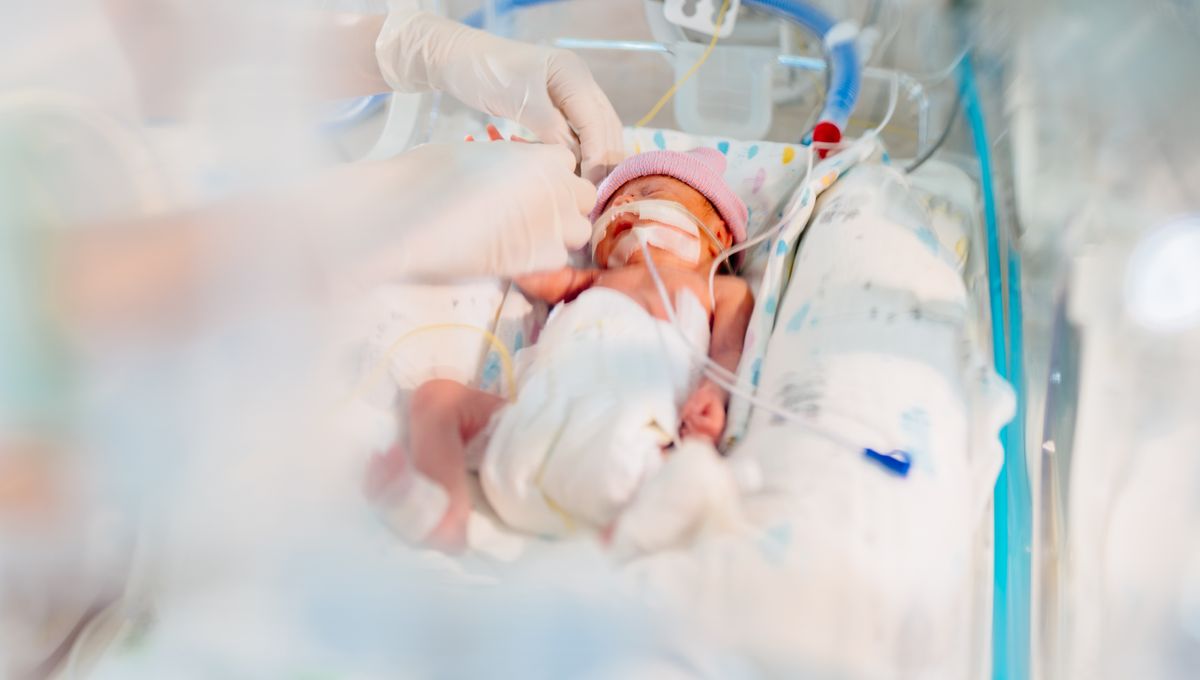
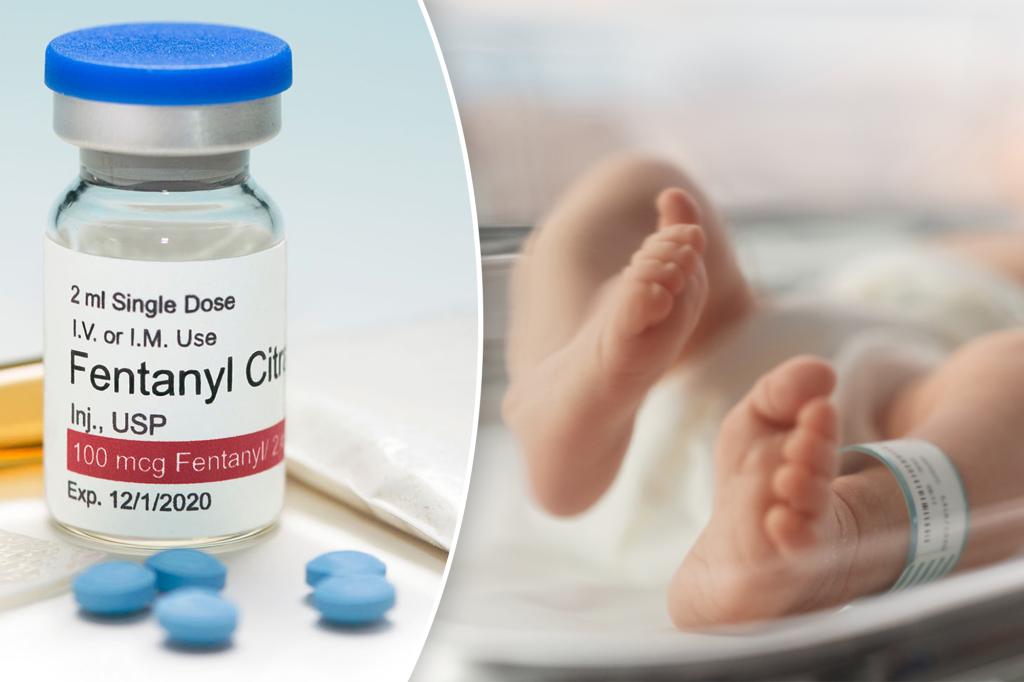
Newborn babies whose mothers used non-prescription opioids, particularly fentanyl, during pregnancy are displaying a range of birth defects, including small heads, short stature, and distinctive facial features. Doctors initially suspected a rare genetic condition, but genetic tests ruled it out. Further investigation suggests that prenatal exposure to fentanyl may be causing a previously unknown syndrome, possibly by disrupting cholesterol metabolism in fetuses. The exact mechanism is unclear, and it is uncertain whether the birth defects are directly caused by fentanyl or other substances. Researchers emphasize the importance of recognizing this condition due to the widespread use of fentanyl.
A new syndrome has been identified in children whose mothers used fentanyl illicitly during pregnancy. The syndrome, reported in 10 children so far, is characterized by short stature, small heads, distinct facial features, and other birth defects. While all 10 children were exposed to multiple drugs during pregnancy, the common factor among them was fentanyl. The possibility of a contaminant in the fentanyl causing the syndrome cannot be ruled out. The long-term prognosis for children with the syndrome is unknown, and further research is needed to understand the mechanism behind the specific symptoms.
A study published in Genetics in Medicine Open has found that at least 10 newborn babies, and possibly more, are suffering from birth defects related to fentanyl exposure in the womb. The babies have physical abnormalities such as cleft palate, small bodies and heads, drooping eyelids, upturned noses, undersized lower jaws, and inward-facing feet. Geneticists ruled out a genetic cause but found that all the babies had mothers who admitted to using street drugs, including fentanyl. The researchers suspect that fentanyl may be disrupting cholesterol metabolism during pregnancy. Further studies are needed to confirm these findings. Fentanyl has been linked to a significant increase in drug overdose deaths.