Pocket-sized glowing shark
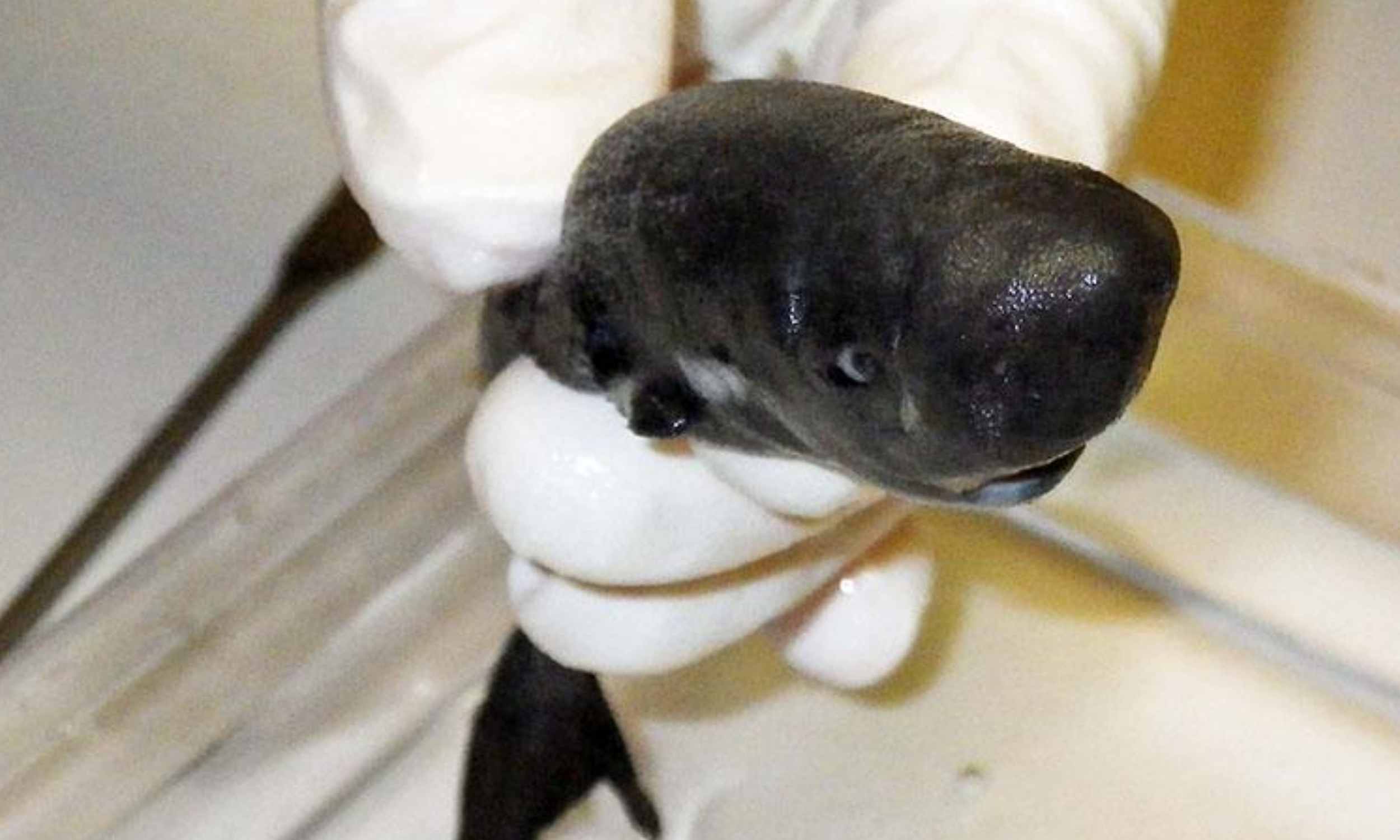
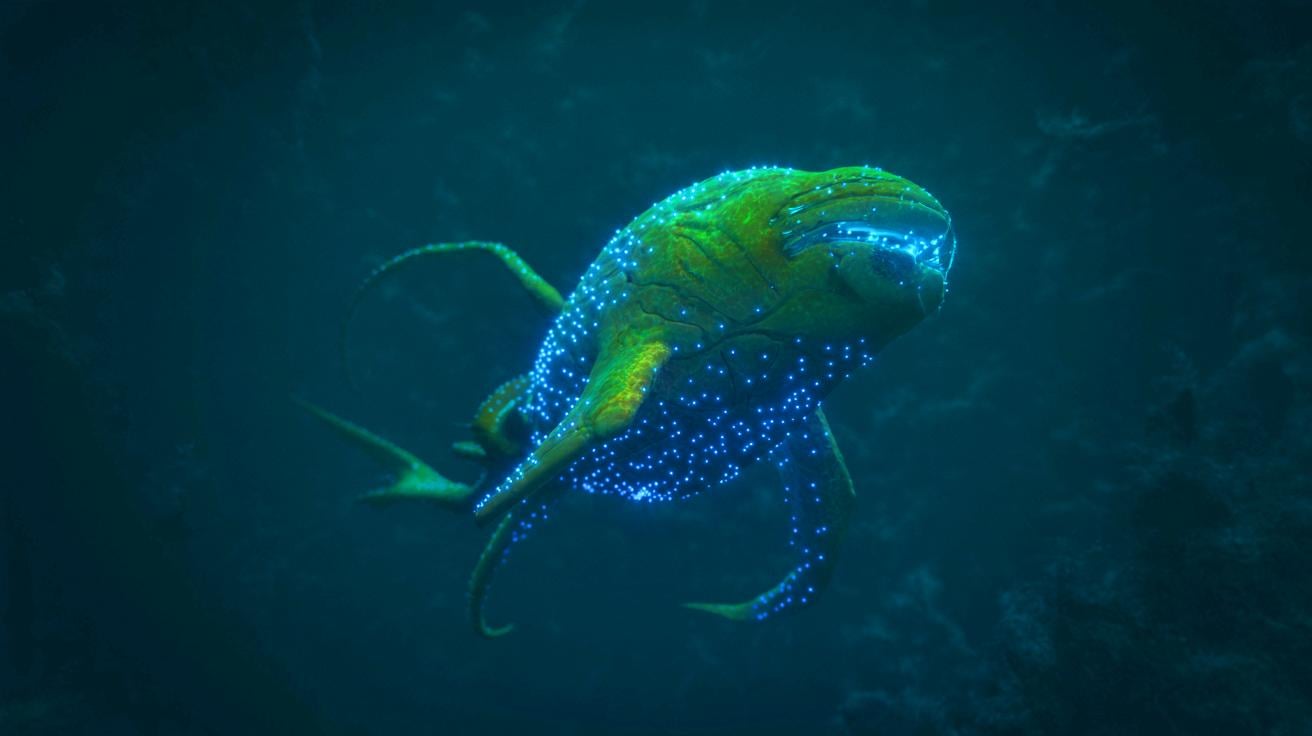
Scientists discovered a new tiny, glowing shark species called the American pocket shark in the Gulf of Mexico, notable for its bioluminescent pockets and rarity, highlighting the vast unknown diversity of deep-sea life.
All articles tagged with #bioluminescence

Scientists discovered a new tiny, glowing shark species called the American pocket shark in the Gulf of Mexico, notable for its bioluminescent pockets and rarity, highlighting the vast unknown diversity of deep-sea life.

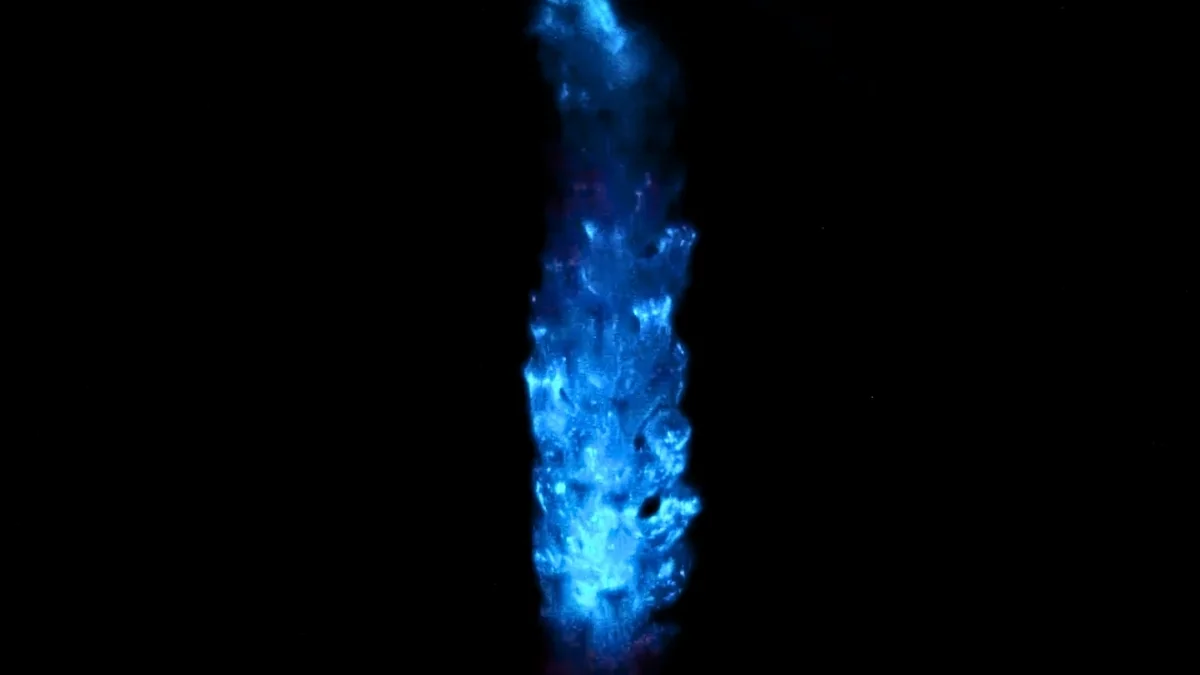
Scientists have traced the origins of bioluminescence to at least 540 million years ago in octocorals, making it one of the earliest known instances of this ability, which evolved during the Cambrian period and may have played a role in interspecies interactions in ancient oceans.

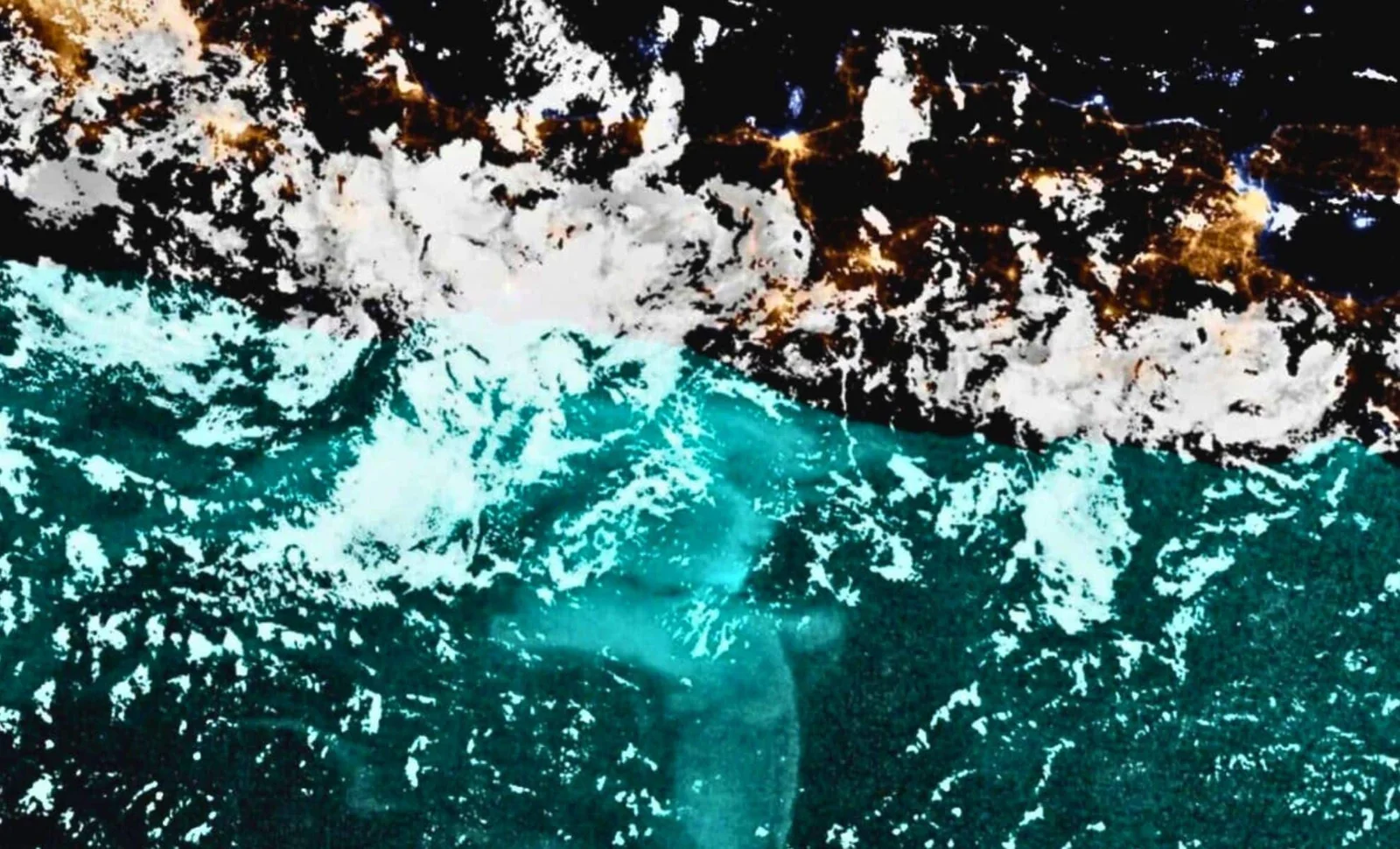
For centuries, sailors have reported glowing ocean waters known as milky seas, and recent satellite technology has enabled scientists to detect and study these rare events from space, revealing patterns and raising questions about microbial behavior, climate interactions, and ocean ecology.

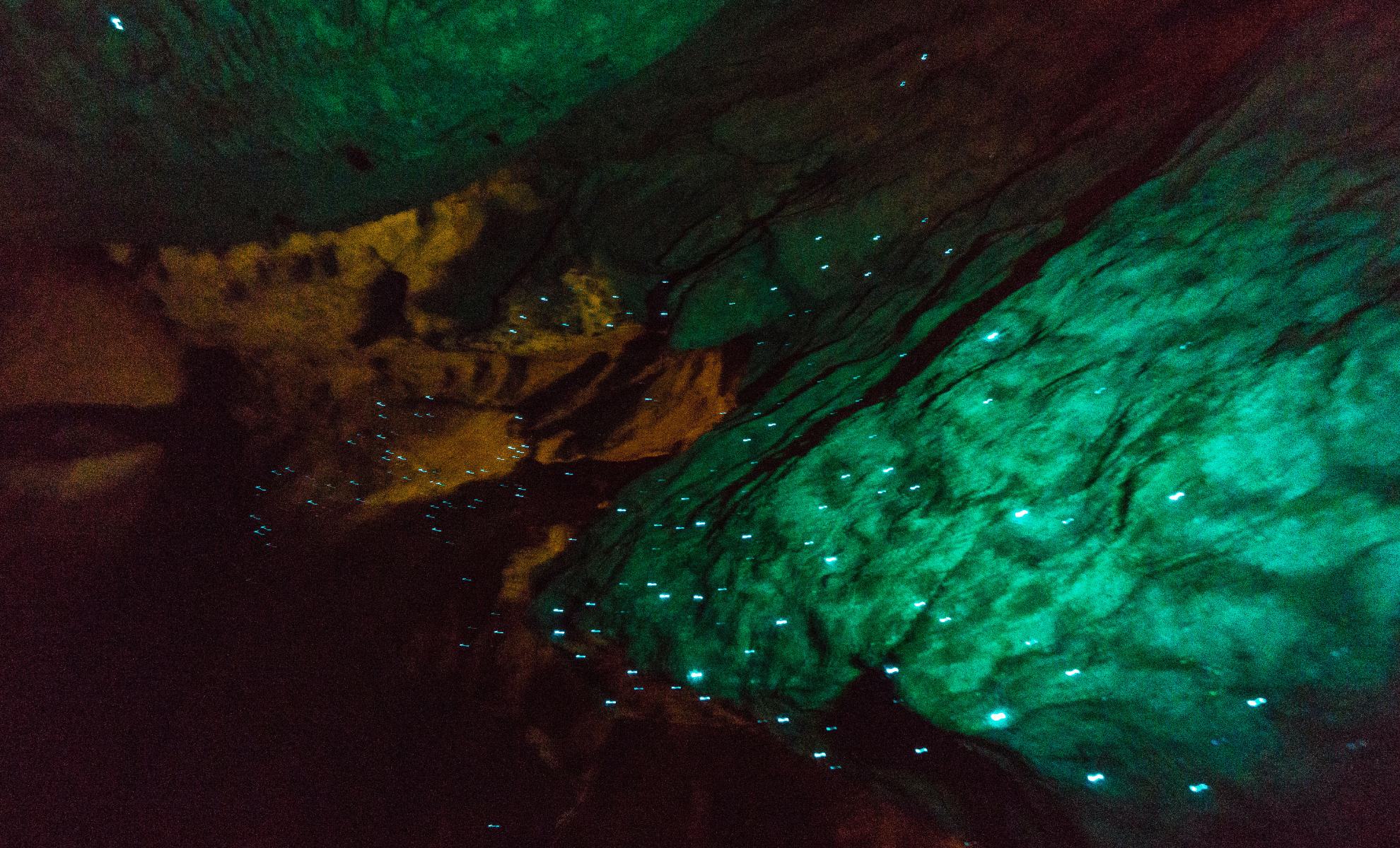
Researchers using ROVs discovered a new bioluminescent coral species, Corallizoanthus aureus, emitting green light only when disturbed in a deep-sea cave near Japan, revealing new insights into deep-sea survival strategies and the potential defensive role of bioluminescence.

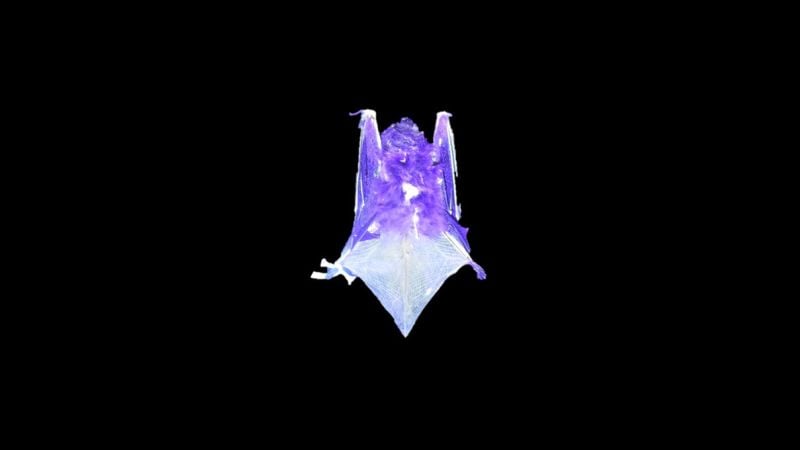
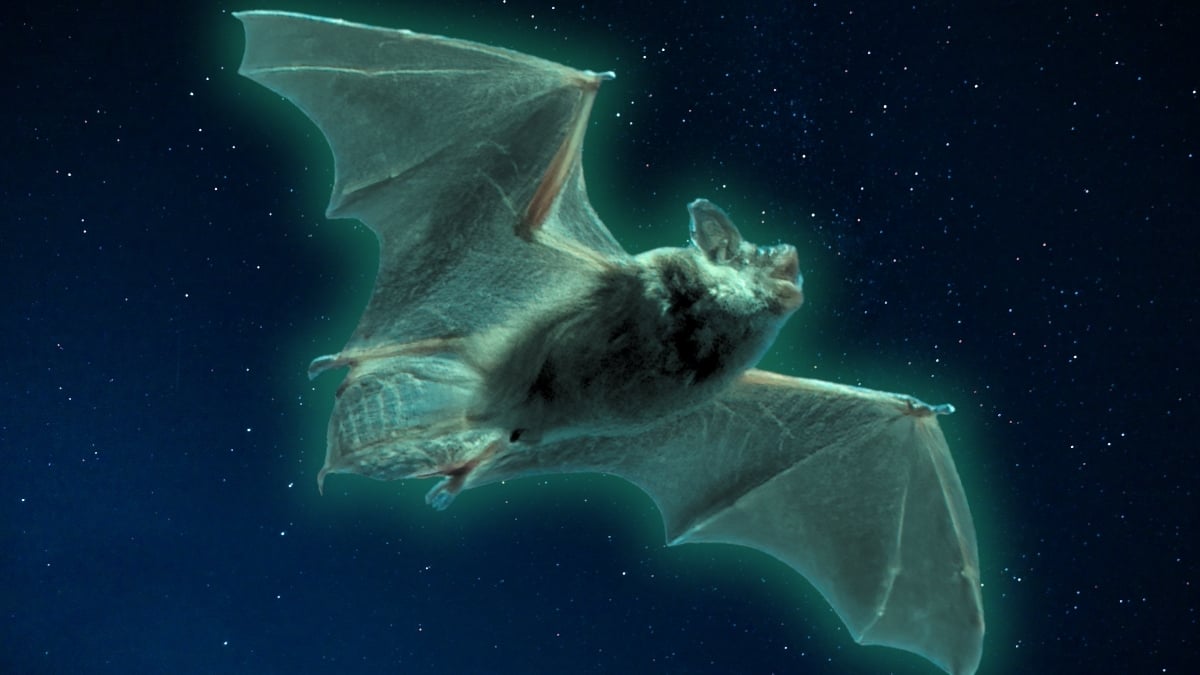
Researchers in Georgia discovered that six North American bat species emit green fluorescence under UV light, a phenomenon whose purpose remains unknown, but may relate to ecological functions or evolutionary history, highlighting the need for further study.

A study from the University of Georgia found that several North American bat species naturally glow green under UV light, a trait likely inherited from a common ancestor, though its current function remains unknown.

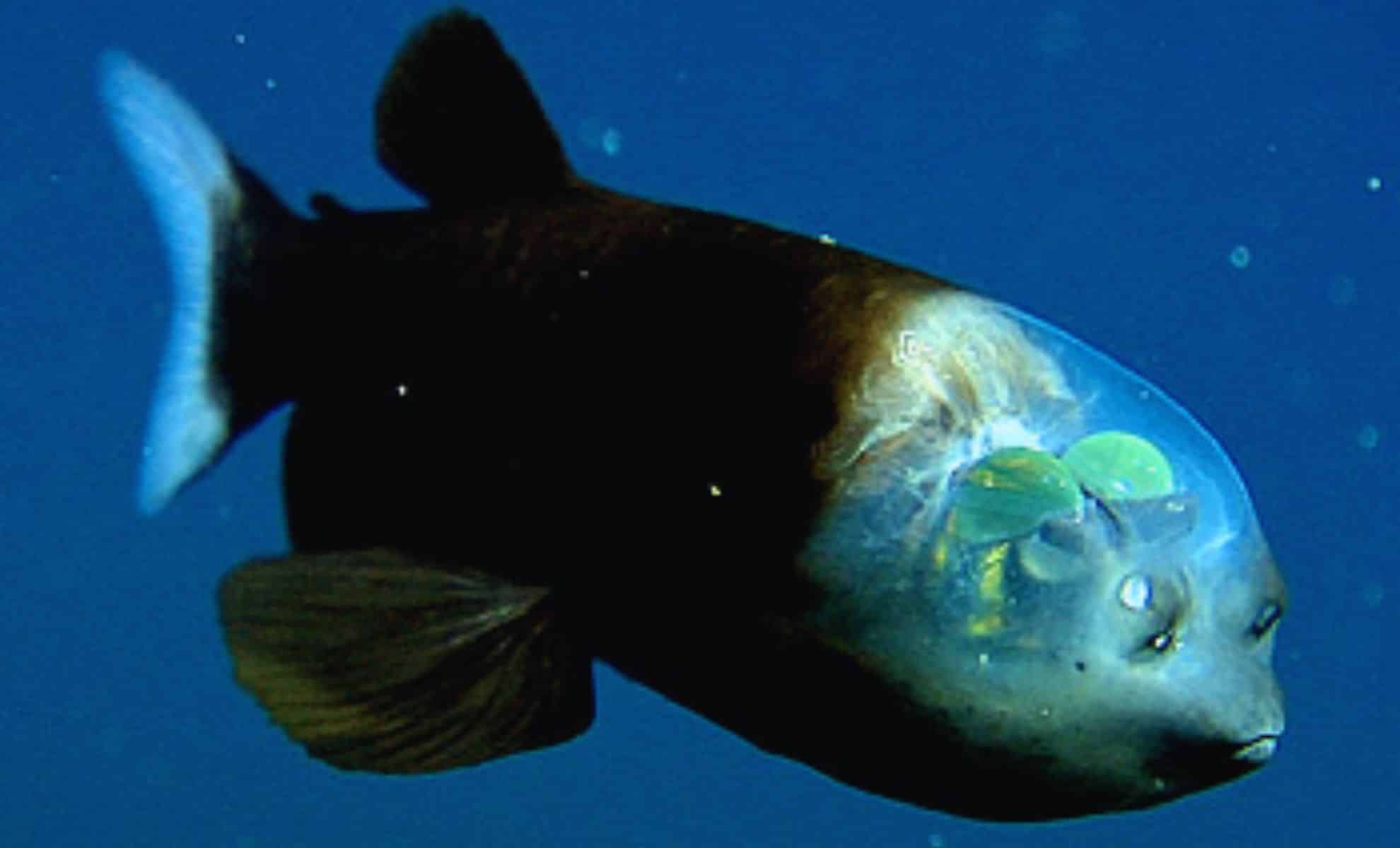
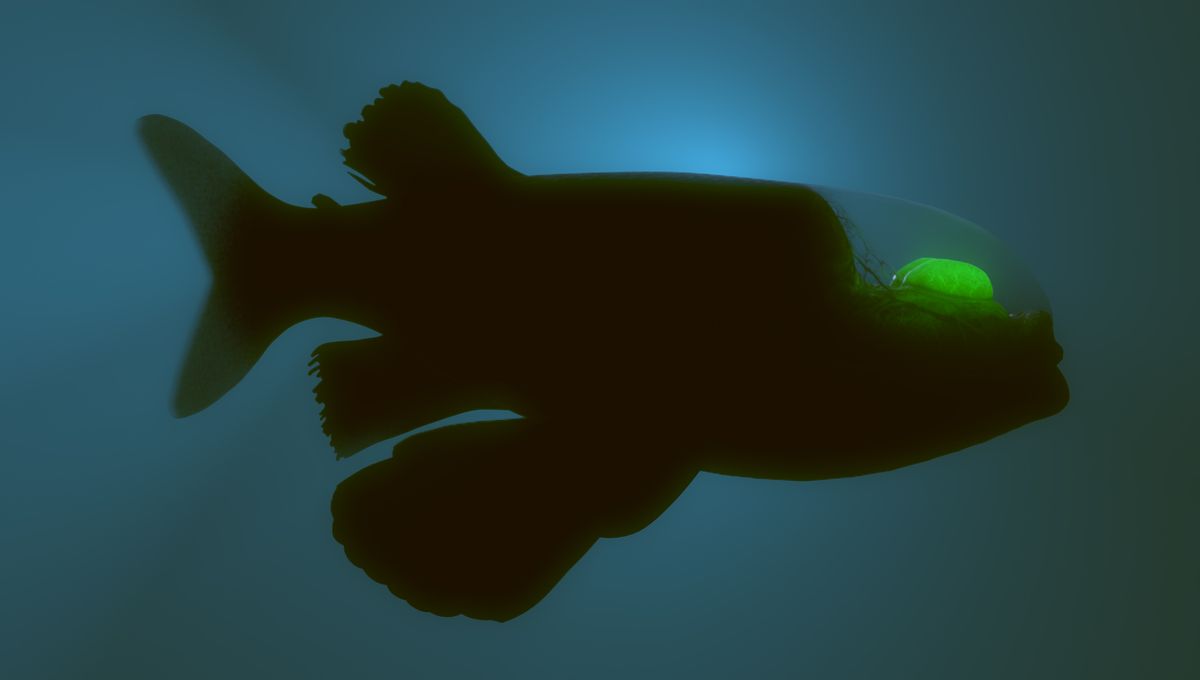
The article describes the fascinating and mysterious barreleye fish, a deep-sea creature with a transparent head and upward-facing tubular eyes that can rotate forward, allowing it to see in the dark depths of the Pacific Ocean. Its unique adaptations for survival in the midnight zone have intrigued scientists, especially after a 2009 expedition captured live footage, revealing new insights into its anatomy and behavior. The fish's features may inspire technological innovations, and it remains a symbol of the vast, largely unexplored ocean depths.

The barreleye fish, a deep-sea species found mainly in the North Pacific, has a transparent head and upward-facing tubular eyes that help it detect prey in dark waters. Its unique visual system and fluid-filled shield protect it from stinging tentacles of jellyfish, and it can rotate its eyes forward to focus on food, showcasing remarkable adaptations for survival in the deep ocean.

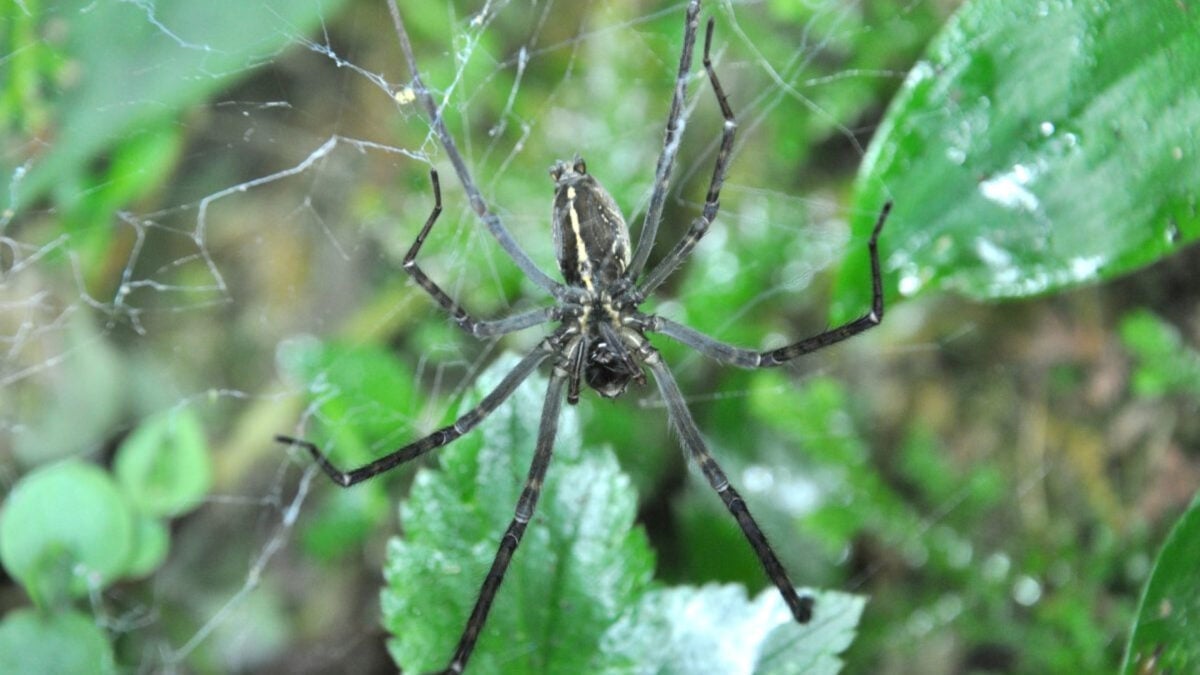
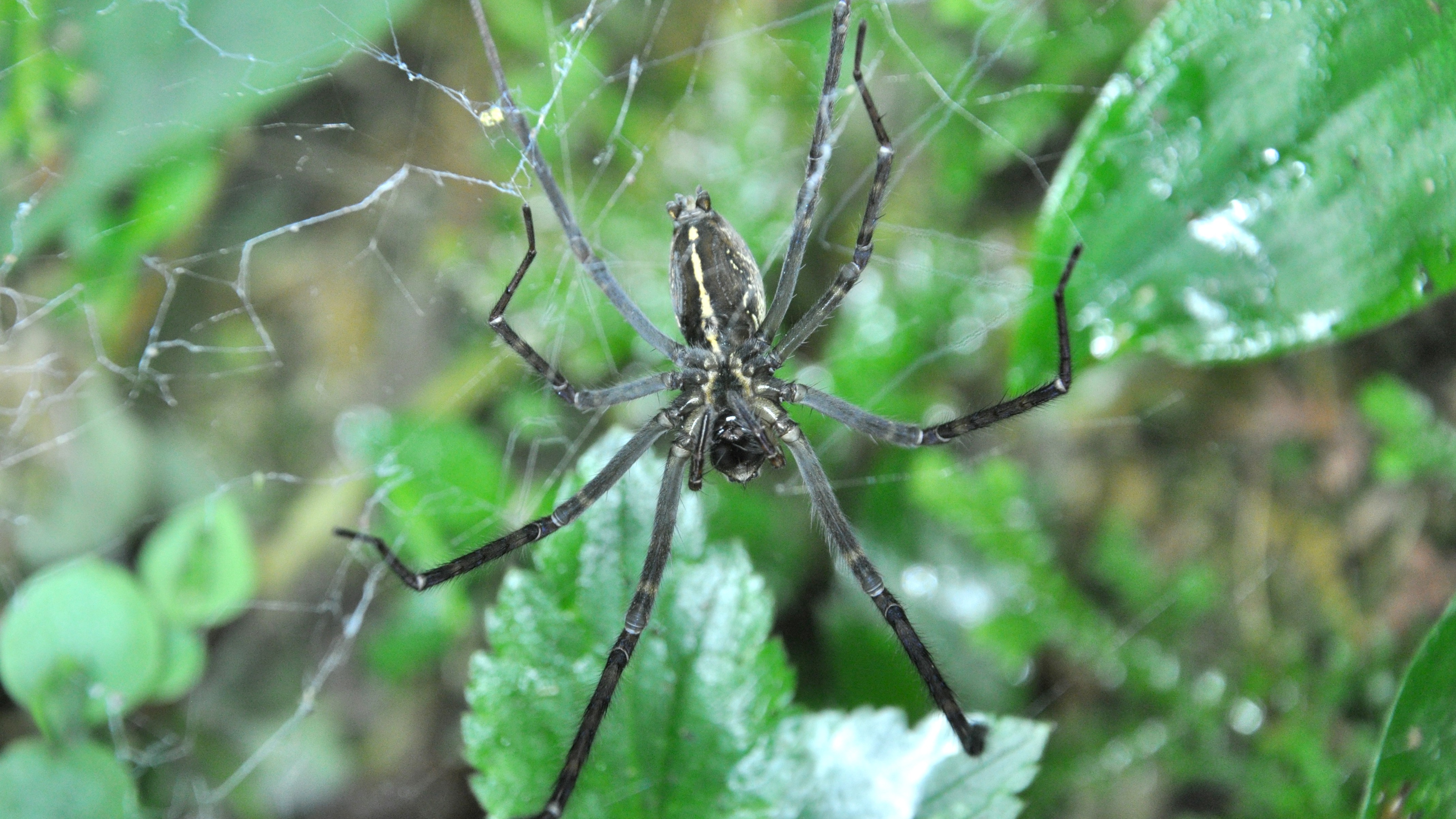
Researchers discovered that sheetweb spiders exploit firefly luminescence to attract prey, using artificial lights resembling fireflies to increase their catch, suggesting an evolved predatory strategy that leverages firefly signals, although ethical and practical challenges prevent direct testing with real fireflies.

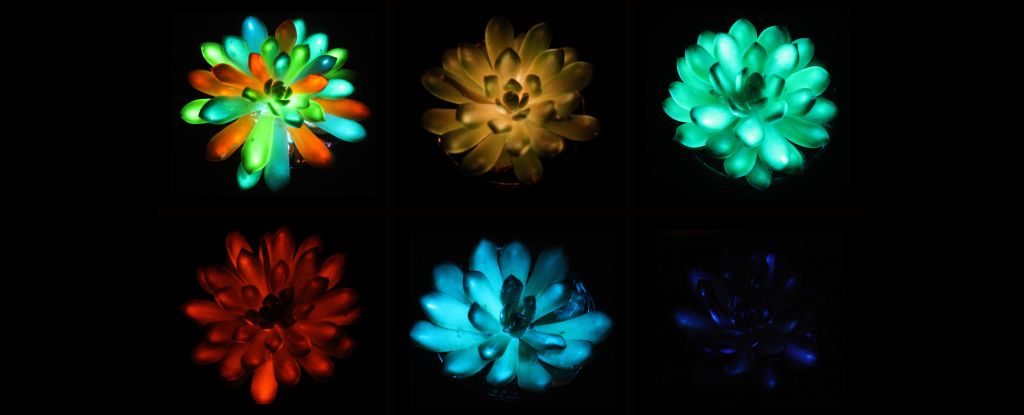
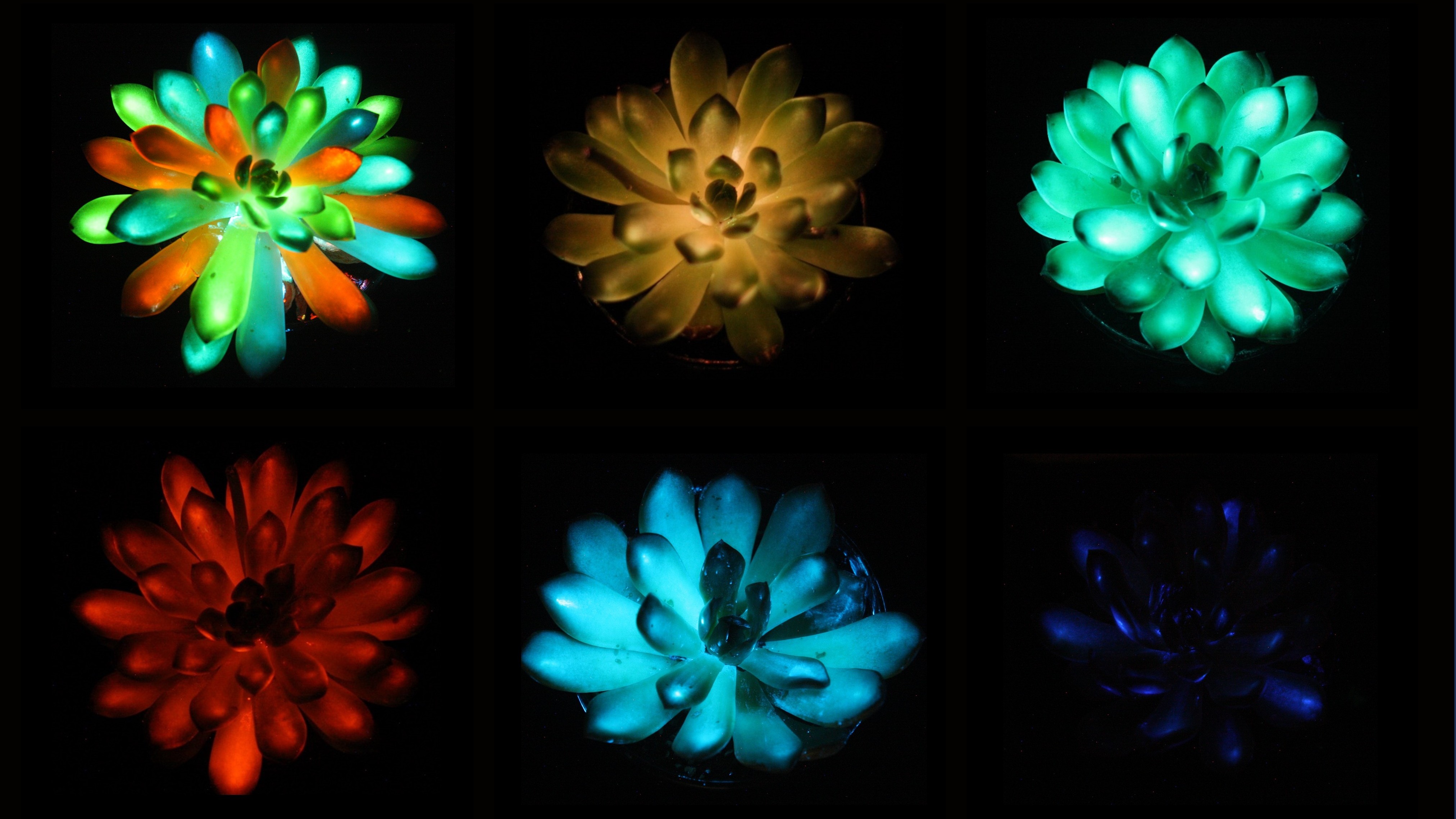
Scientists at South China Agricultural University have developed glow-in-the-dark succulents that can be recharged with sunlight and emit multiple colors, offering a potential low-cost, solar-powered lighting solution that integrates seamlessly with natural plant structures.

Nocturnal sheet web spiders in East Asia have been observed using fireflies as bait by capturing them in their webs, which attracts more prey and increases hunting success, revealing a complex interaction where firefly signals are exploited by spiders for predation.

Chinese scientists have developed multicolored, glow-in-the-dark succulents by injecting phosphor particles into their leaves, which can glow for up to two hours and could serve as sustainable, plant-based lighting solutions in the future.

Scientists have captured the first live footage of a mysterious deep-sea creature, revealing the ocean's hidden ecosystems and highlighting the importance of sustainable conservation amid growing human impacts, with advanced technology enabling unprecedented exploration of these extreme environments.

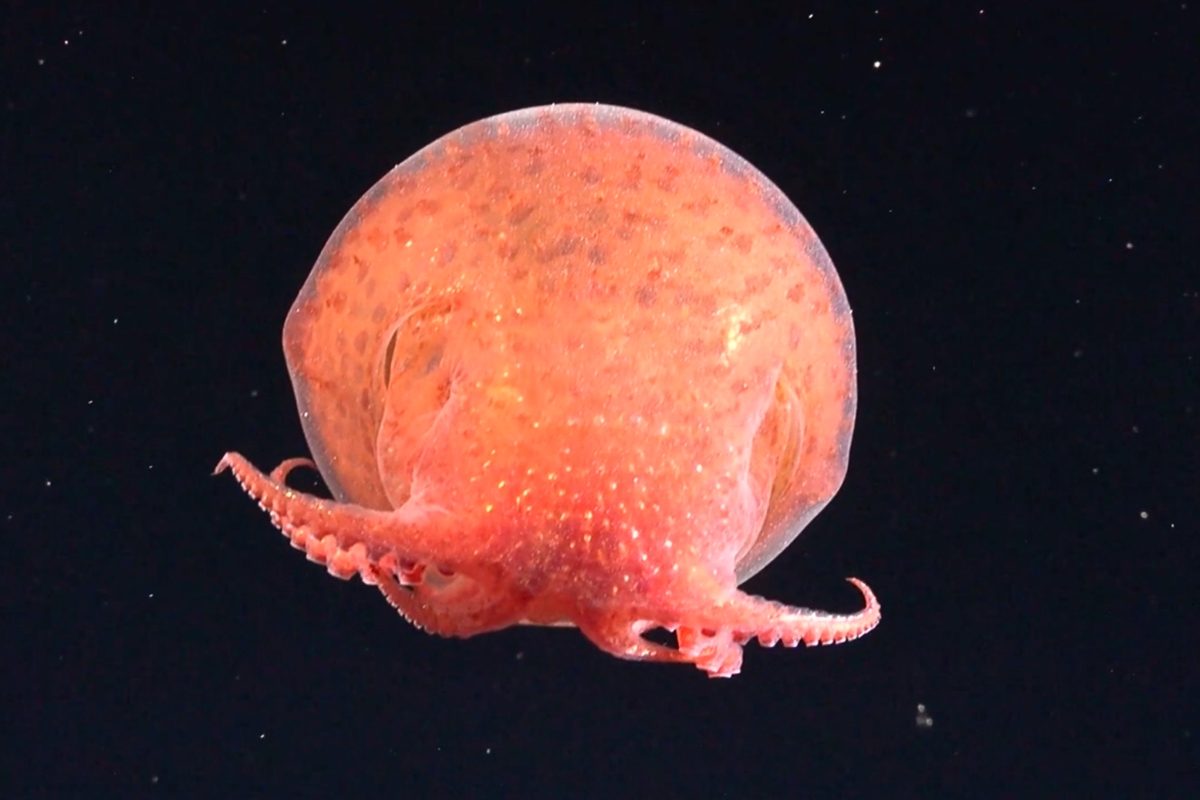
Scientists captured a video of a bright orange octopus drifting at over 1,000 meters deep, using its color for camouflage in the dark ocean, likely as a survival strategy, during the 2023 Octopus Odyssey expedition.

Scientists at Mass General Brigham have developed LUCAS, a portable, highly accurate, and rapid bioluminescent test that detects viruses like HIV and COVID-19 in under 23 minutes, with potential to improve diagnostics especially in resource-limited settings.