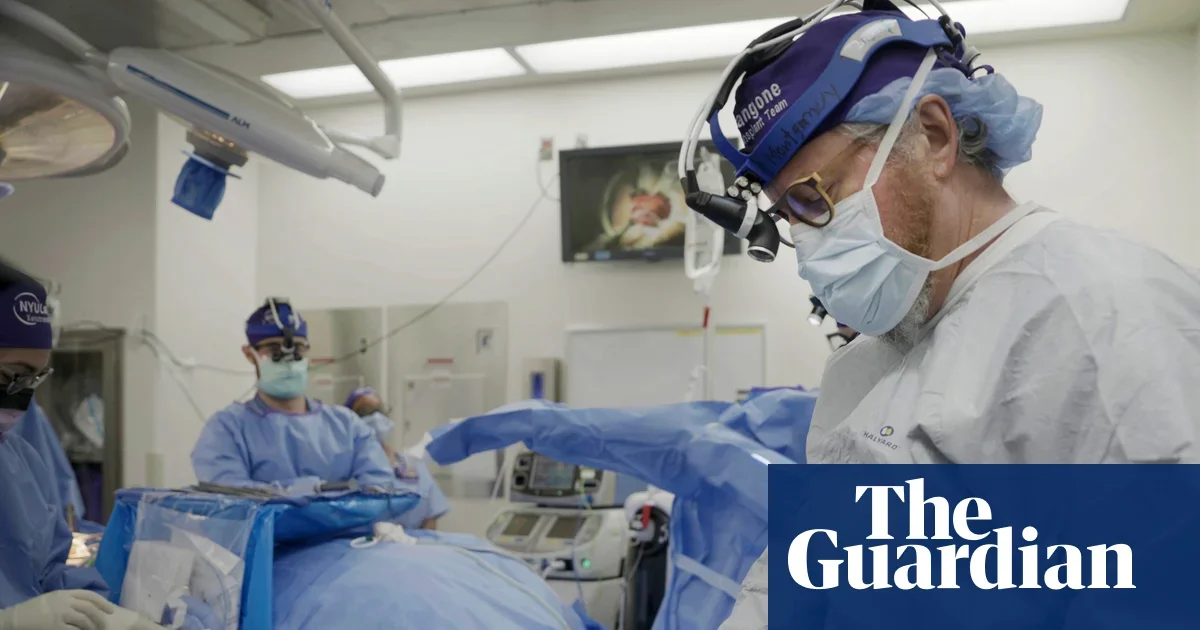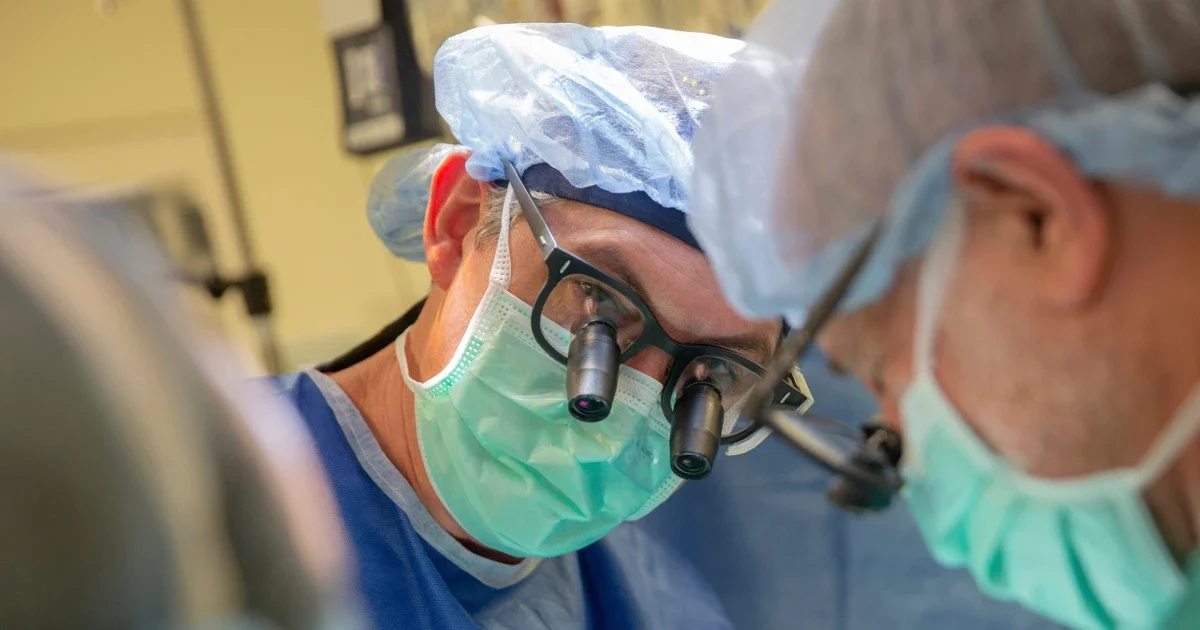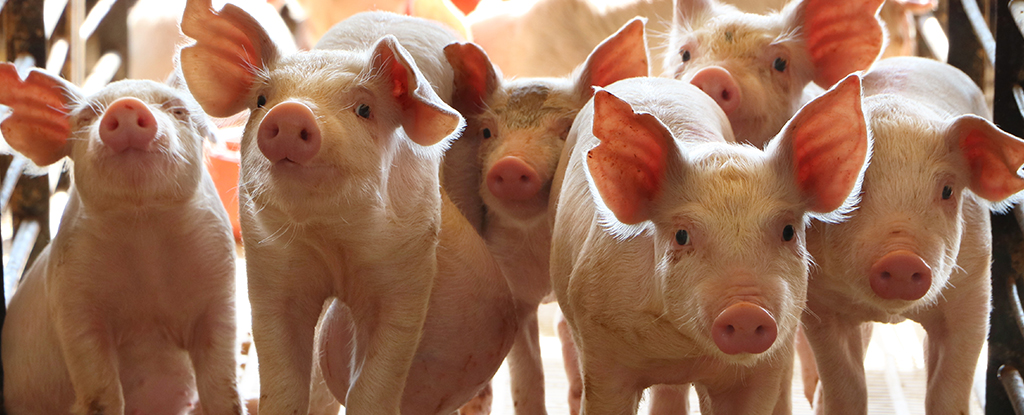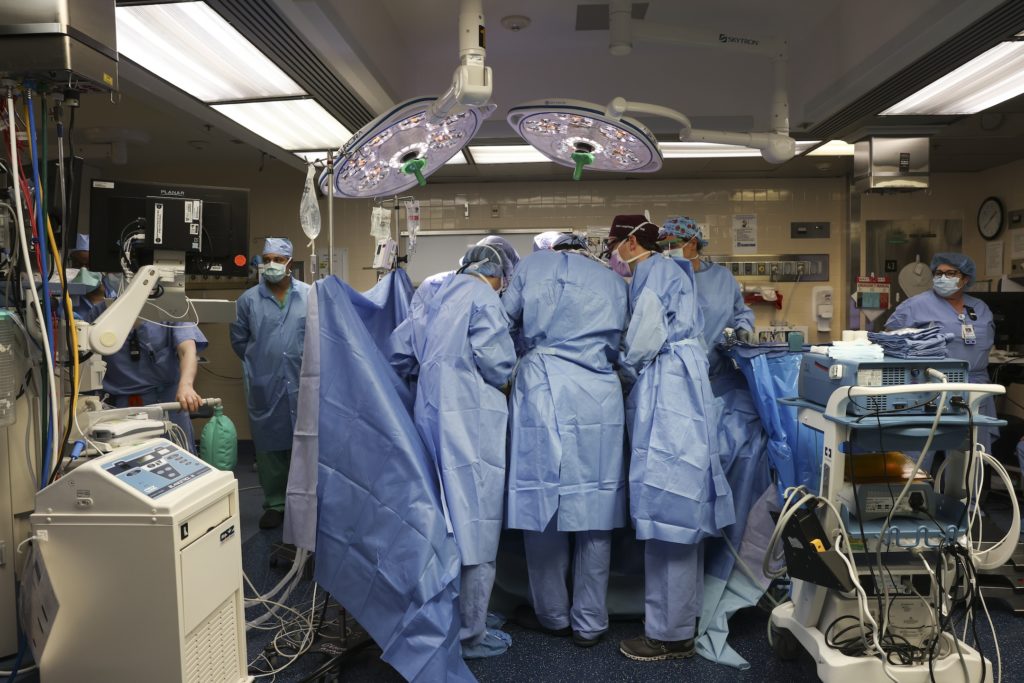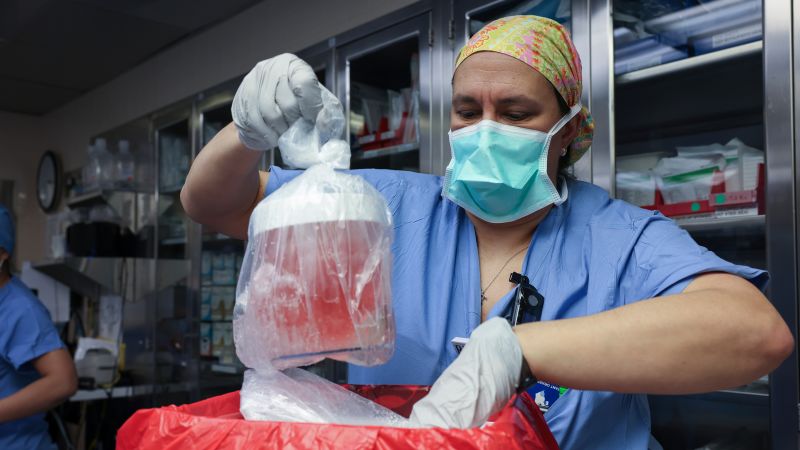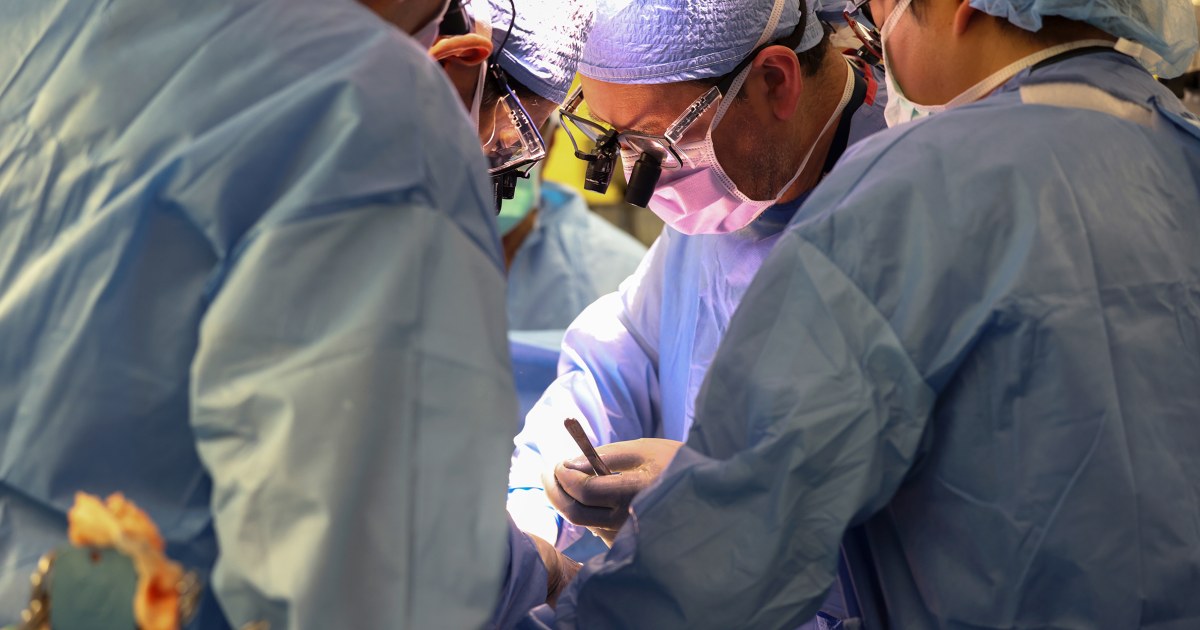
A leading surgeon, Dr. Robert Montgomery, discusses the potential of pig organ transplants, which have been gene-edited to reduce rejection, as a promising solution to the organ shortage crisis, with initial trials showing positive results and the possibility of future improvements making pig organs potentially superior to human ones.
A 71-year-old man in China received the first successful genetically modified pig liver transplant, marking a significant milestone in xenotransplantation. Although the patient passed away after 171 days due to complications, the procedure demonstrated the potential of animal organs in human medicine, highlighting both progress and ongoing challenges in the field.
Chinese surgeons successfully transplanted a genetically modified pig lung into a brain-dead human, with the lung functioning for nine days without rejection or infection, marking a significant step in xenotransplantation despite ongoing challenges.
Surgeons successfully transplanted a genetically modified pig lung into a brain dead human, functioning for nine days, marking a significant but preliminary step in xenotransplantation to address organ shortages, with ongoing challenges in immune response and long-term viability.
Researchers at Duke and Vanderbilt have developed new, simpler methods to recover hearts from donation after circulatory death (DCD), potentially increasing the number of hearts available for transplant and saving more lives, especially among children and adults in need of urgent transplants.
Researchers at Duke and Vanderbilt are developing new, simpler methods to recover hearts from donation after circulatory death (DCD), potentially increasing the number of hearts available for transplant and saving more lives, especially among children and adults with heart failure.
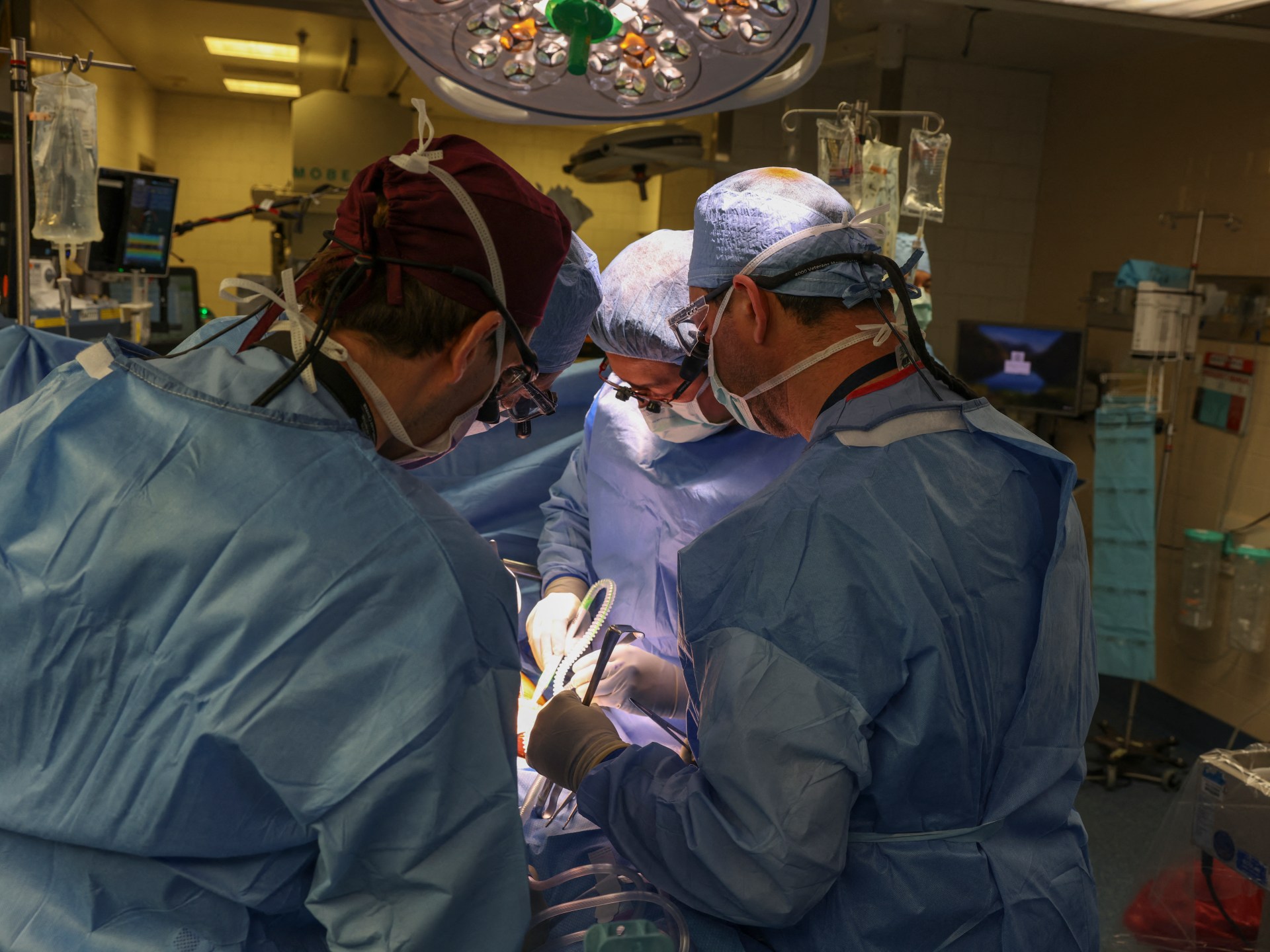
A 62-year-old man, Richard Slayman, has become the first person to receive a genetically modified pig kidney transplant, marking a significant milestone in xenotransplantation. The successful procedure, conducted at Massachusetts General Hospital, offers hope for addressing the organ shortage crisis. While more research is needed before interspecies organ transplants become widely available, this breakthrough represents a promising solution to the shortage of organs for transplantation.
Rick Slayman, the first living recipient of a genetically edited pig kidney transplant, has been discharged from the hospital and is recovering well at home. This marks the third xenotransplant of a pig organ into a living human, with Slayman's doctors expressing hope that the new kidney could last for years. The surgery comes as a response to the critical shortage of organ donors, with thousands of people on waitlists for transplants. Slayman expressed gratitude for the support and hopes his successful surgery will bring hope to others in need of organ transplants.
The world's first successful transplant of a gene-edited pig kidney into a living human has sparked hope for addressing organ shortages, but concerns remain about organ rejection and the transmission of animal viruses. The use of CRISPR technology to edit 69 genes in the donor pig aims to mitigate these issues. While recent trials show caution is warranted, the potential for xenotransplantation using CRISPR is still in its early stages, and regulatory approval for off-the-shelf xenotransplantation organs, including gene-edited kidneys, may be some way off.
In a historic first, a genetically modified pig kidney was successfully transplanted into a 62-year-old man, marking a significant milestone in xenotransplantation. The patient is doing well and has been off dialysis since the transplant. The breakthrough offers hope for addressing the organ shortage crisis and could provide timely transplants for thousands of patients in need. The success was attributed to advancements in gene editing technology, but concerns about potential risks and infections from animal viruses remain under careful monitoring.
Doctors at Massachusetts General Hospital have successfully performed the first transplant of a genetically modified pig kidney into a living human, marking a significant medical milestone. The patient, Rick Slayman, is recovering well after the four-hour surgery and is expected to be discharged soon. This breakthrough could potentially address the shortage of organs for transplantation and provide hope for thousands of people in need of transplants to survive.
Massachusetts General Hospital successfully transplanted a genetically modified pig kidney into a 62-year-old patient, marking the first time someone has survived with an organ from another species. With over 88,000 people waiting for a kidney transplant in the United States, this breakthrough offers hope for addressing the urgent need for organs. The patient, Richard 'Rick' Slayman, is recovering well and expressed trust in the caregivers at the hospital, emphasizing the potential impact of this procedure for thousands of others in need of transplants.
Surgeons have successfully transplanted a pig kidney into a man, marking a significant medical breakthrough. The patient, David Bennett, is showing stable vital signs and is on the way to recovery, although continuous monitoring for potential virus transmission is ongoing. The long-term viability of the xenograft remains to be seen, with the possibility of it serving as a temporary bridge or a permanent solution. While xenotransplantation is not yet FDA-approved, this compassionate use case offers hope for addressing the organ shortage crisis.
Surgeons at Massachusetts General Hospital performed the first transplant of a genetically modified pig kidney into a living human, a 62-year-old man suffering from end-stage kidney disease. The procedure, part of a fast-moving race to create genetically modified pigs to provide organs for transplants, is seen as a potential breakthrough in addressing the shortage of organs for human transplantation. While it offers hope for millions of patients worldwide, concerns about spreading animal viruses to humans and ethical considerations have been raised.
As the demand for organ transplants continues to outstrip the supply of human donors, researchers are exploring the potential of xenotransplantation, which involves transplanting organs from genetically modified pigs into humans. Recent breakthroughs in gene editing and infection control have paved the way for clinical trials, with successful transplants of pig kidneys and hearts into brain-dead individuals. While these transplants have shown promise, challenges such as organ rejection and infection risks still need to be addressed. Despite setbacks, experts believe that xenotransplantation could provide a short-term solution to the organ shortage and potentially save thousands or millions of lives in the future.