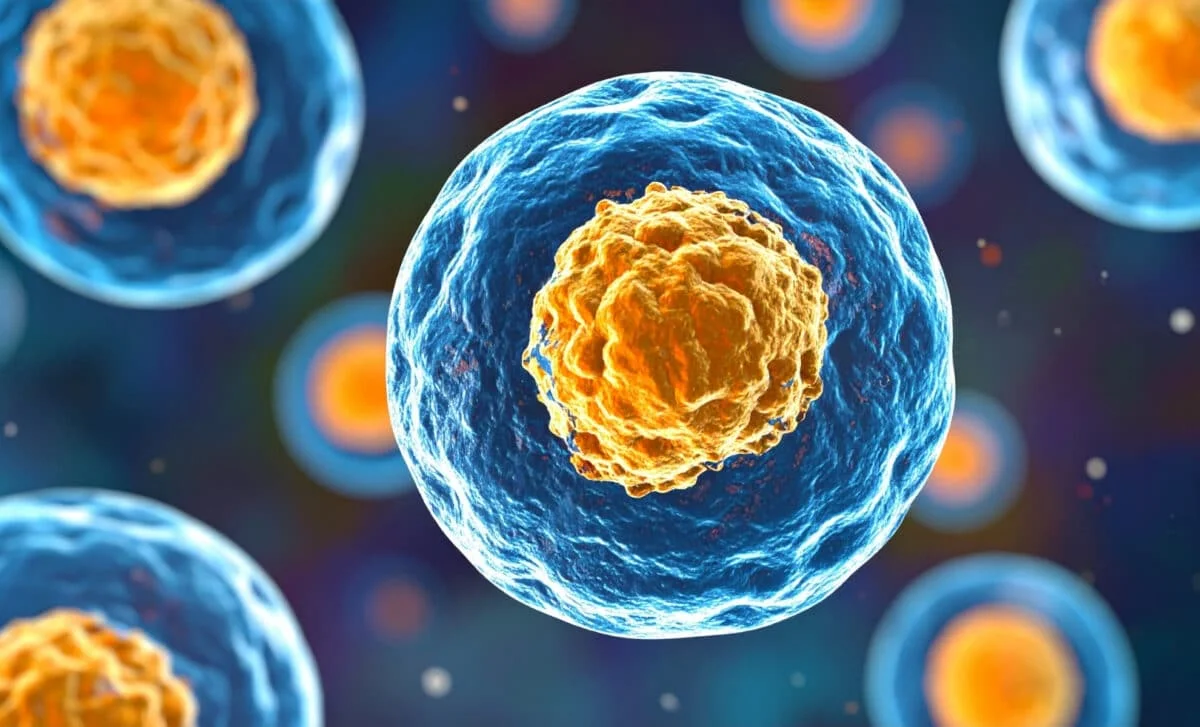
MIT/Harvard researchers reprogrammed cellular vaults to bind and preserve mRNA, turning them into a living time capsule that records a cell’s gene-expression changes during stress and treatment, enabling retrospective insights without destroying the cell.
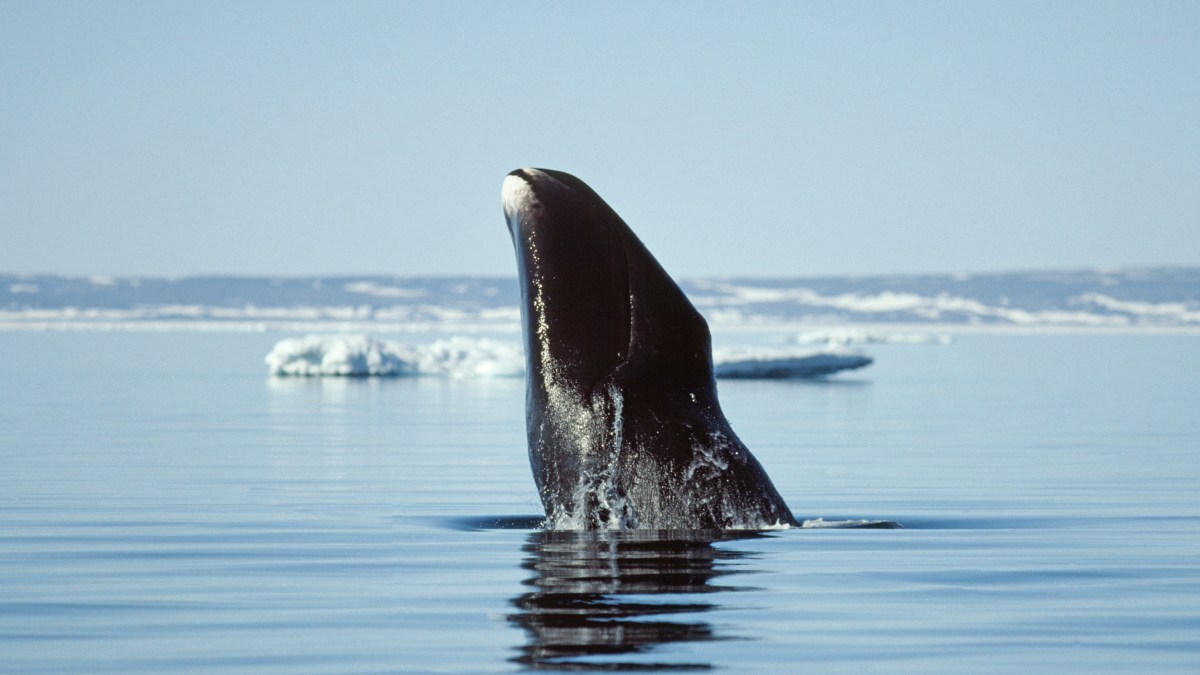
Scientists studying bowhead whales have identified a protein called CIRBP that helps repair DNA and may contribute to the whale's extraordinary lifespan and resistance to cancer. This discovery could lead to new ways to extend human life and prevent age-related diseases, possibly through lifestyle changes like cold exposure or new therapies targeting DNA repair mechanisms.
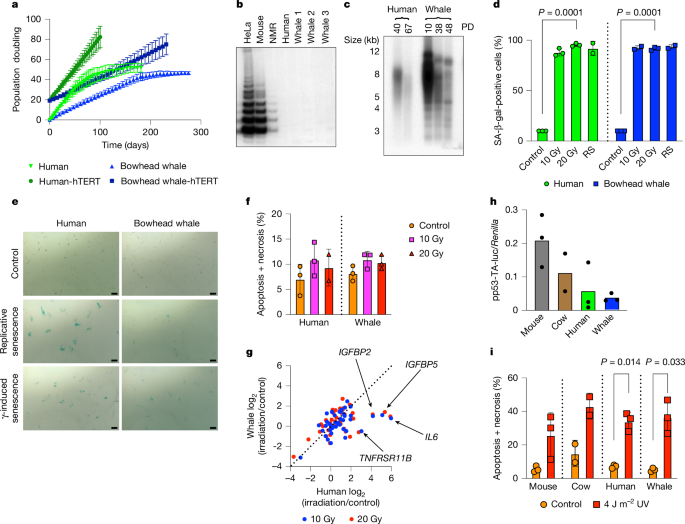
Research shows that bowhead whales have enhanced DNA repair mechanisms, particularly in double-strand break repair, and high levels of the protein CIRBP, which contribute to their exceptional lifespan and cancer resistance despite their large size and long life. These findings suggest that improved genome maintenance, rather than increased apoptosis, underpins their longevity and resistance to age-related diseases.
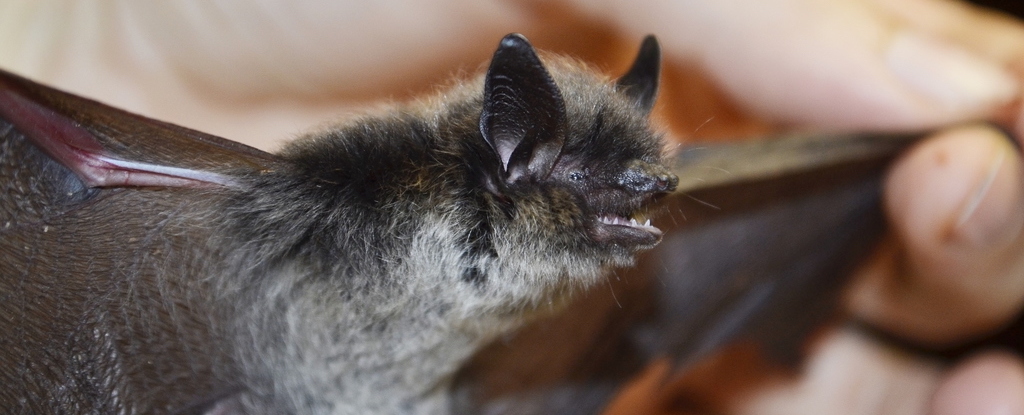
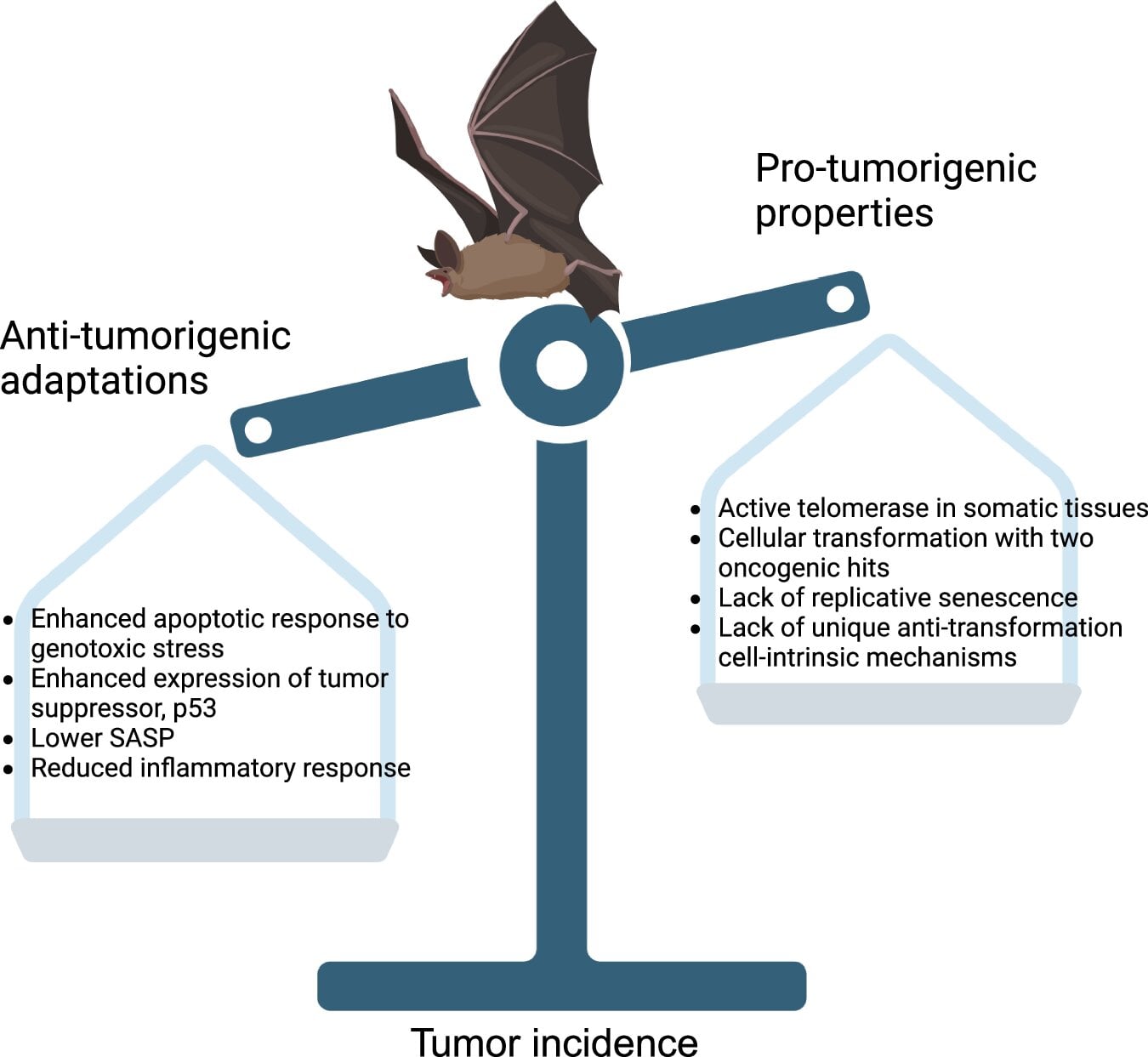
Scientists have discovered that certain bat species can live long lives with a low risk of cancer due to a balance between multiple copies of the tumor-suppressing p53 gene, overactive telomerase enzymes, and an efficient immune system, offering potential insights for human cancer prevention.
A study reveals that long-lived bats resist cancer through enhanced p53 gene activity, active telomerase enzymes, and a highly efficient immune system, offering insights that could inform human cancer prevention strategies.
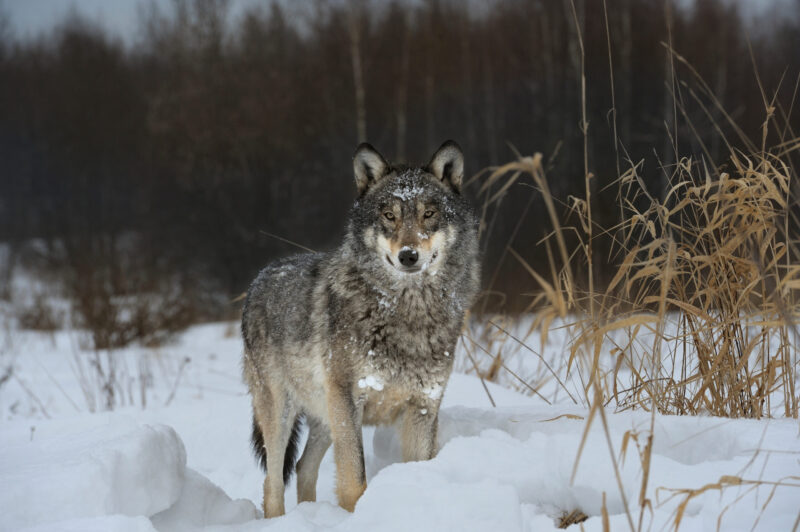
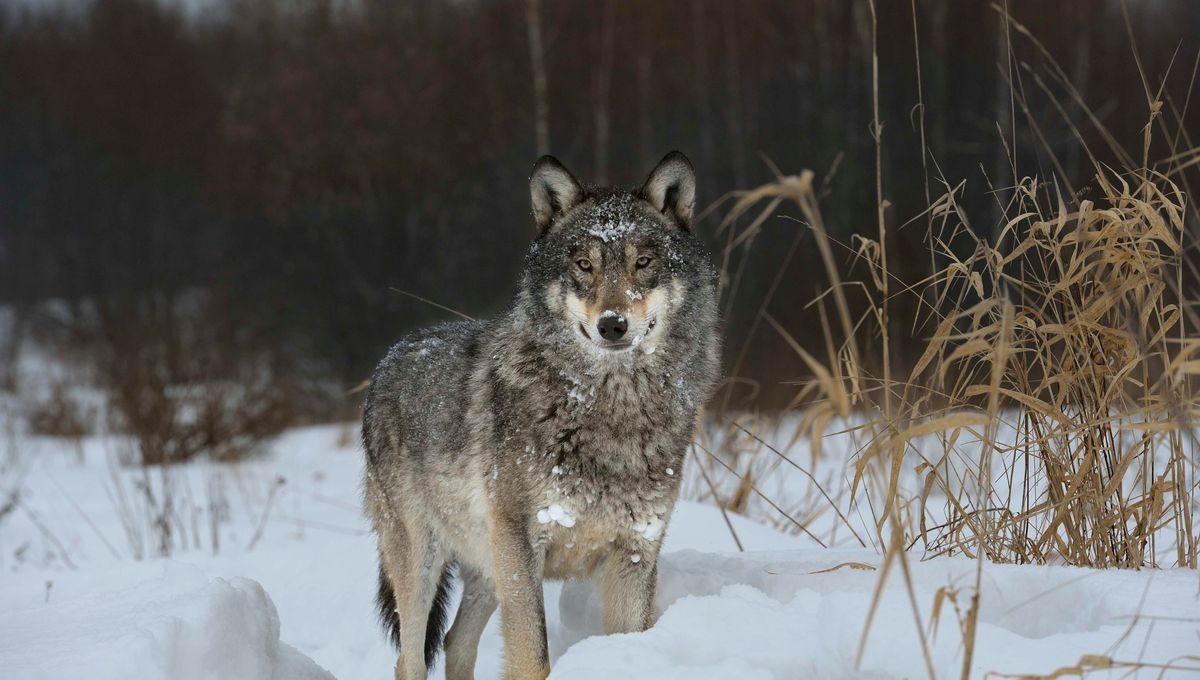
Wolves in the Chornobyl Exclusion Zone, exposed to high levels of radiation since the 1986 nuclear disaster, have developed an unexpected immunity to cancer. Research has shown that their immune systems have adapted similarly to cancer patients undergoing radiation therapy, with genetic changes providing protection from the disease. Scientists are now working to identify the specific mutations responsible, which could potentially aid in the fight against cancer in humans. However, ongoing safety concerns due to Russia's invasion of Ukraine have temporarily halted further research in the area.
Wolves living in the Chernobyl Exclusion Zone have developed genetic mutations that increase their odds of surviving cancer, likely due to their exposure to radiation. Research has shown that the wolves have altered immune systems and parts of their genome have developed resilience to cancer. This discovery could have implications for human health, potentially leading to the identification of protective mutations that increase people’s odds of surviving cancer.