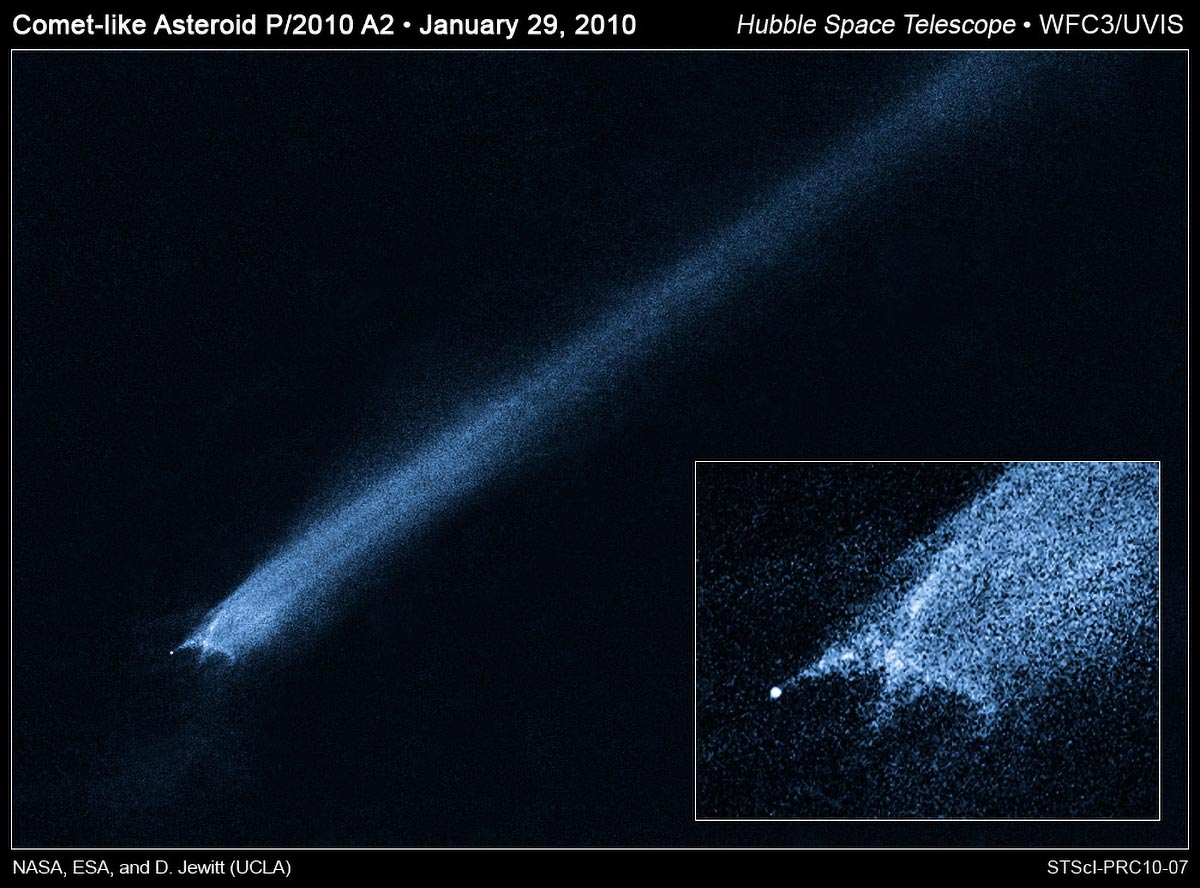
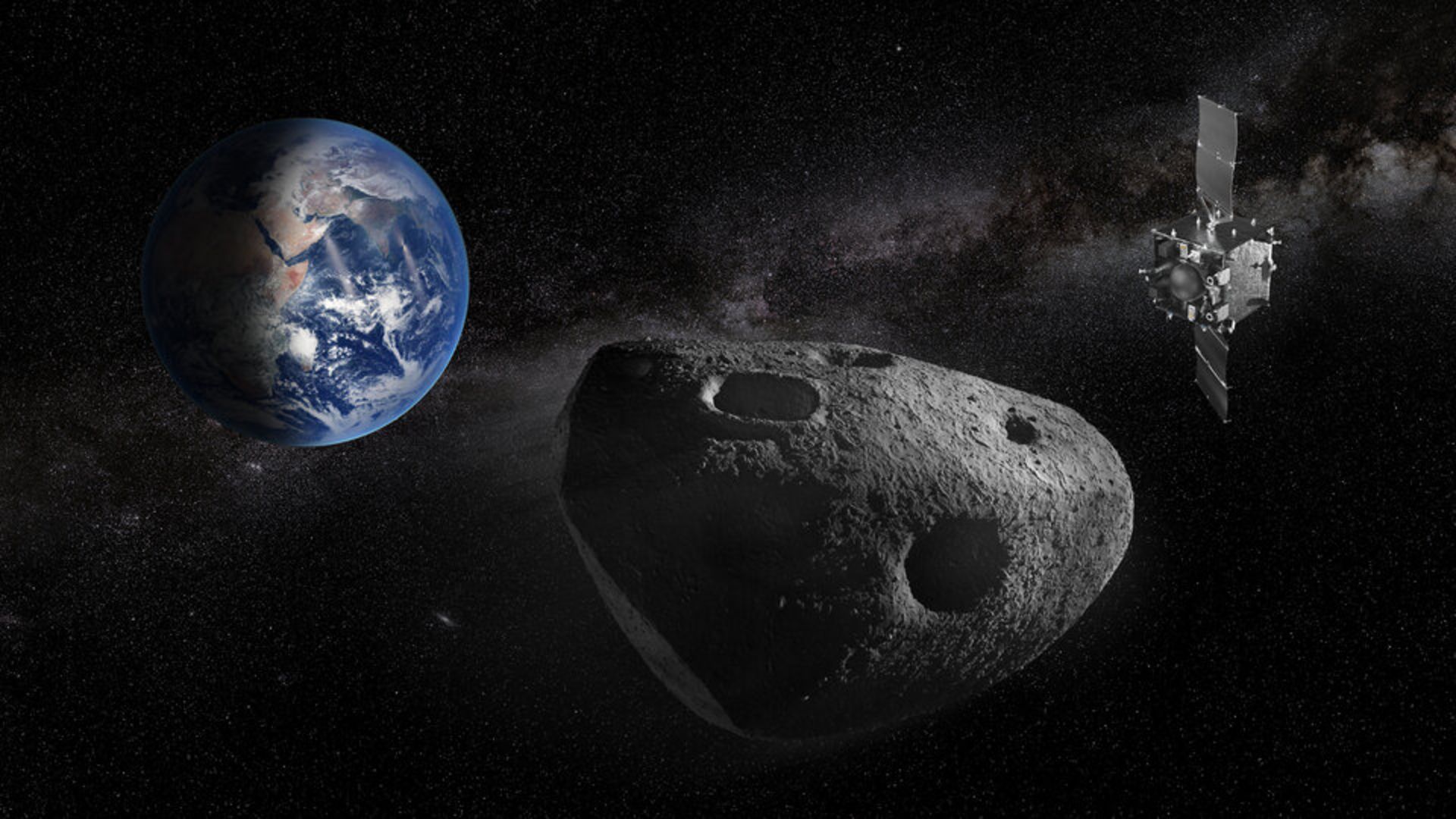
New data from ESA's Gaia mission reveals how collisions and internal friction influence asteroid spins, explaining why some tumble chaotically while others spin smoothly, with implications for understanding asteroid composition and planetary defense strategies.
Recent studies using Gaia data and advanced modeling have shed light on how asteroids spin and how to identify the safest impact sites for deflection missions, improving our ability to prevent catastrophic Earth impacts.
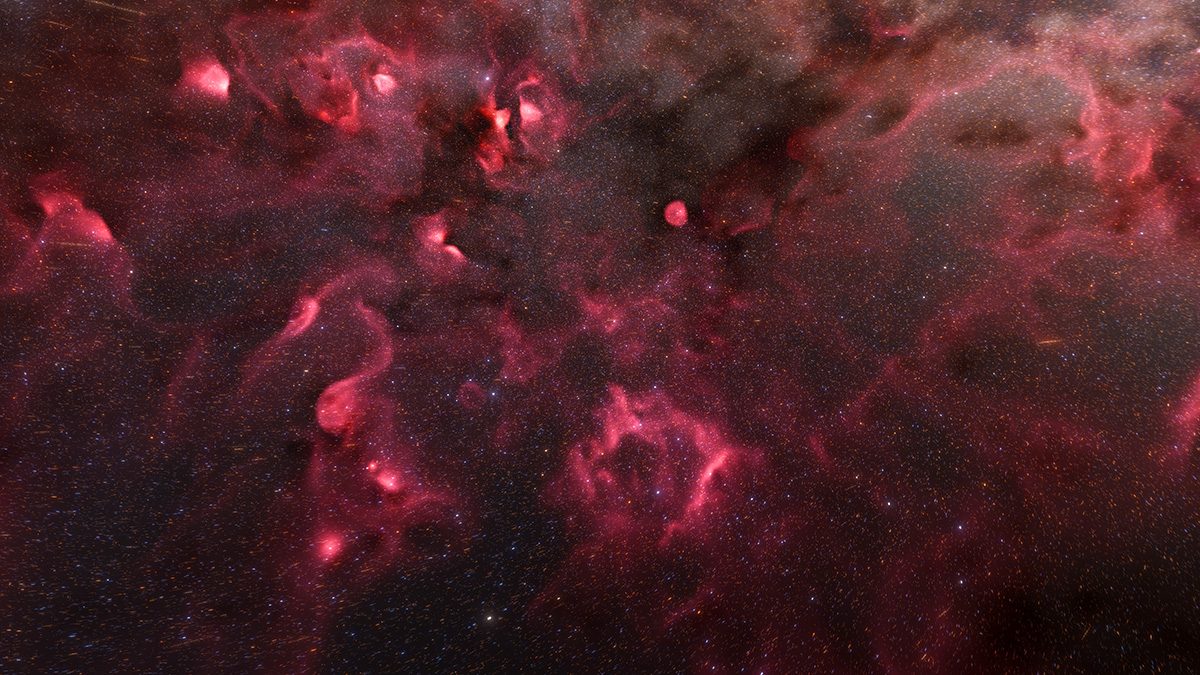
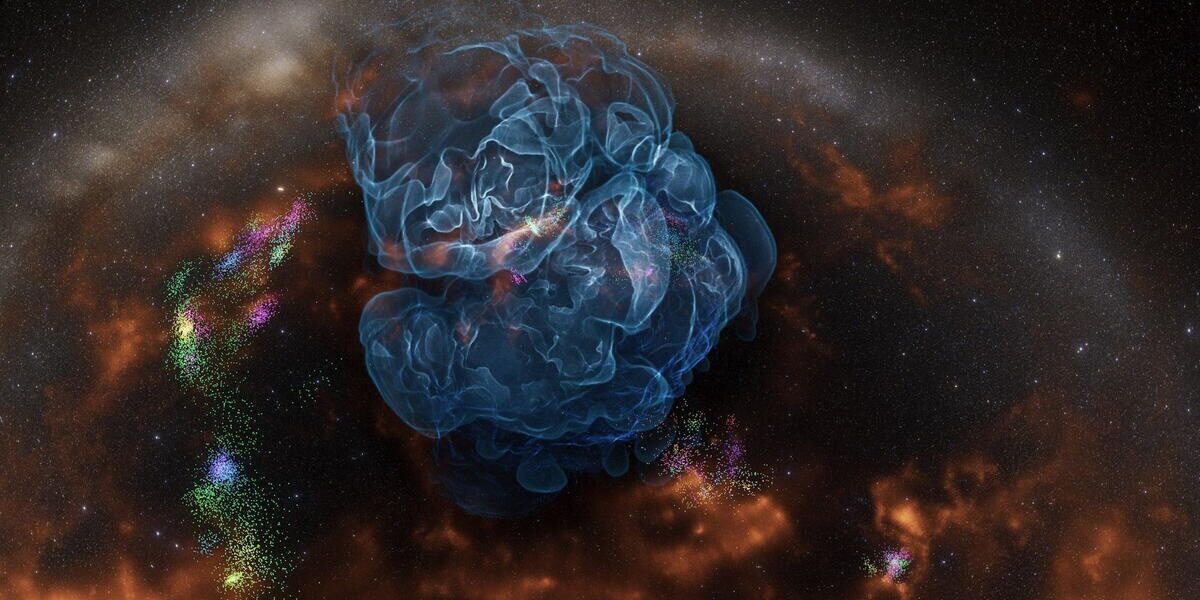
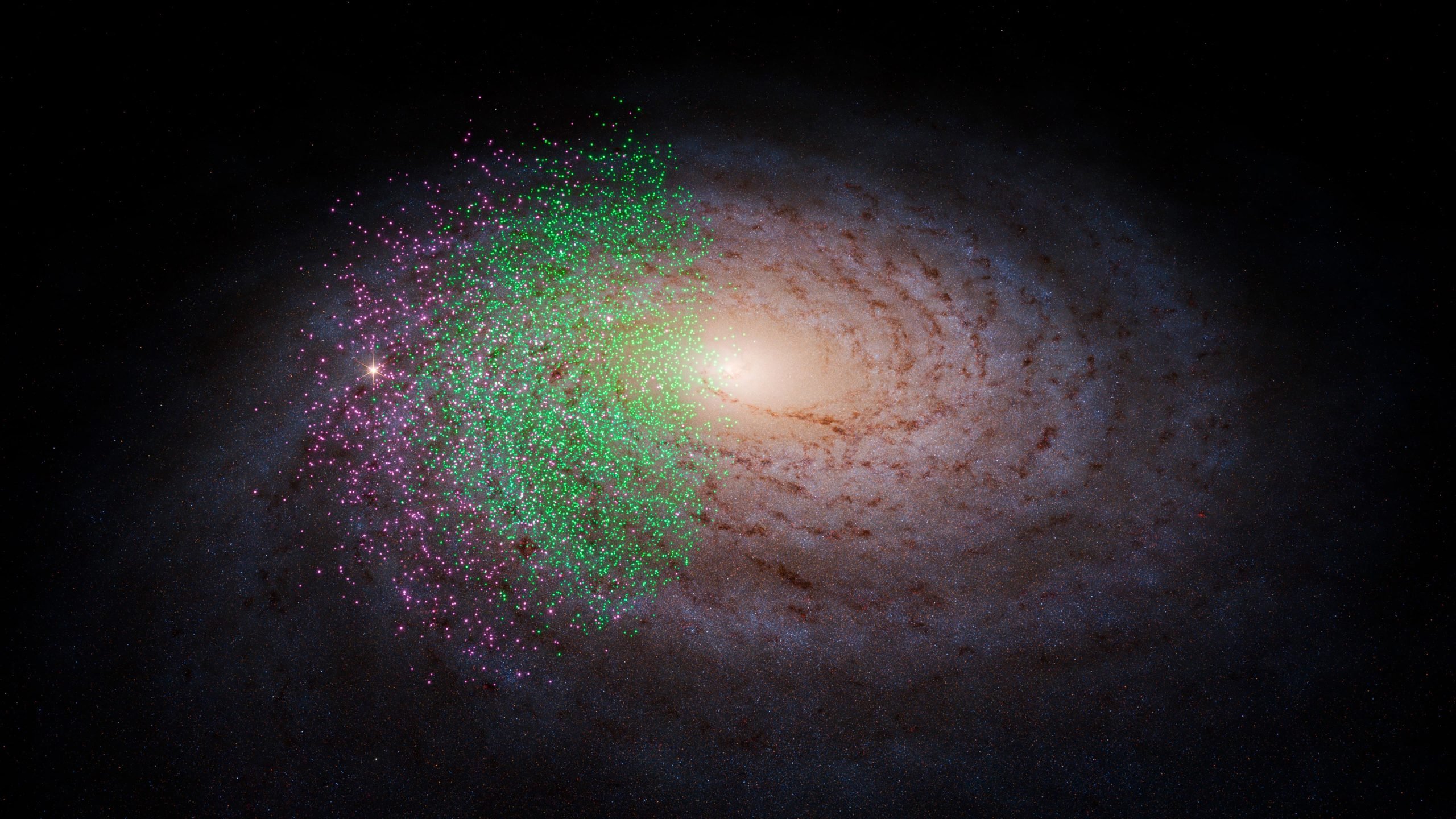
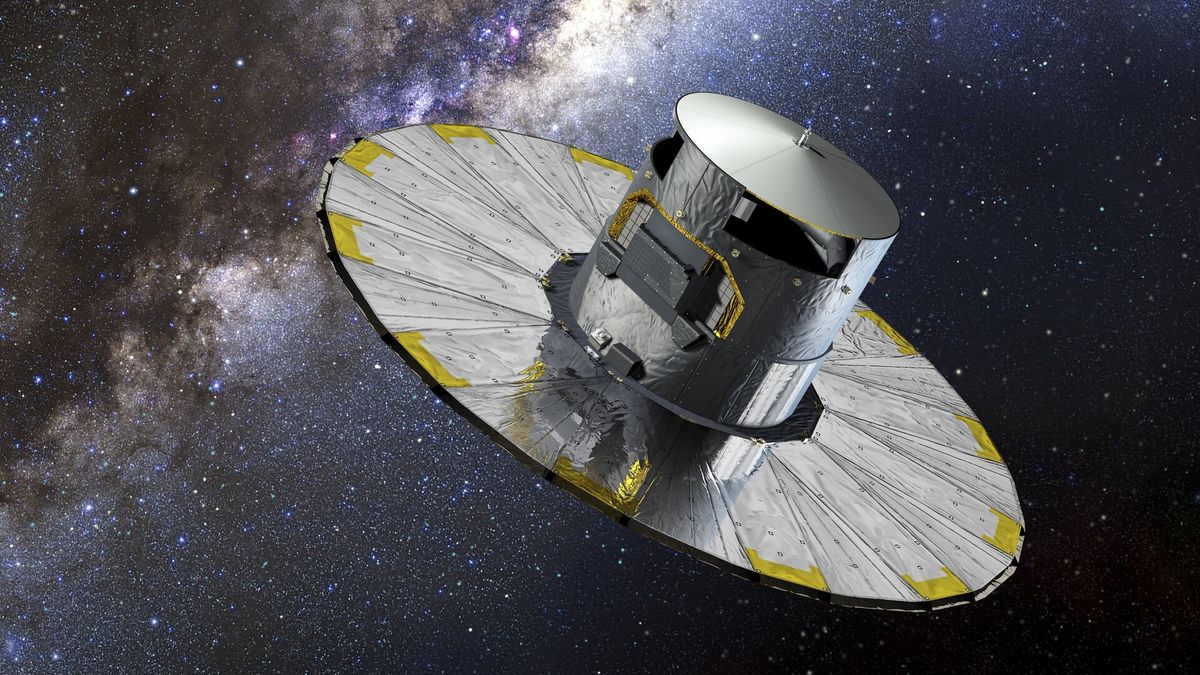
The European Space Agency's Gaia mission has created the most accurate 3D map of the Milky Way, allowing us to virtually fly through star-forming regions and see the galaxy from an outside perspective, enhancing our understanding of its structure and the processes within.
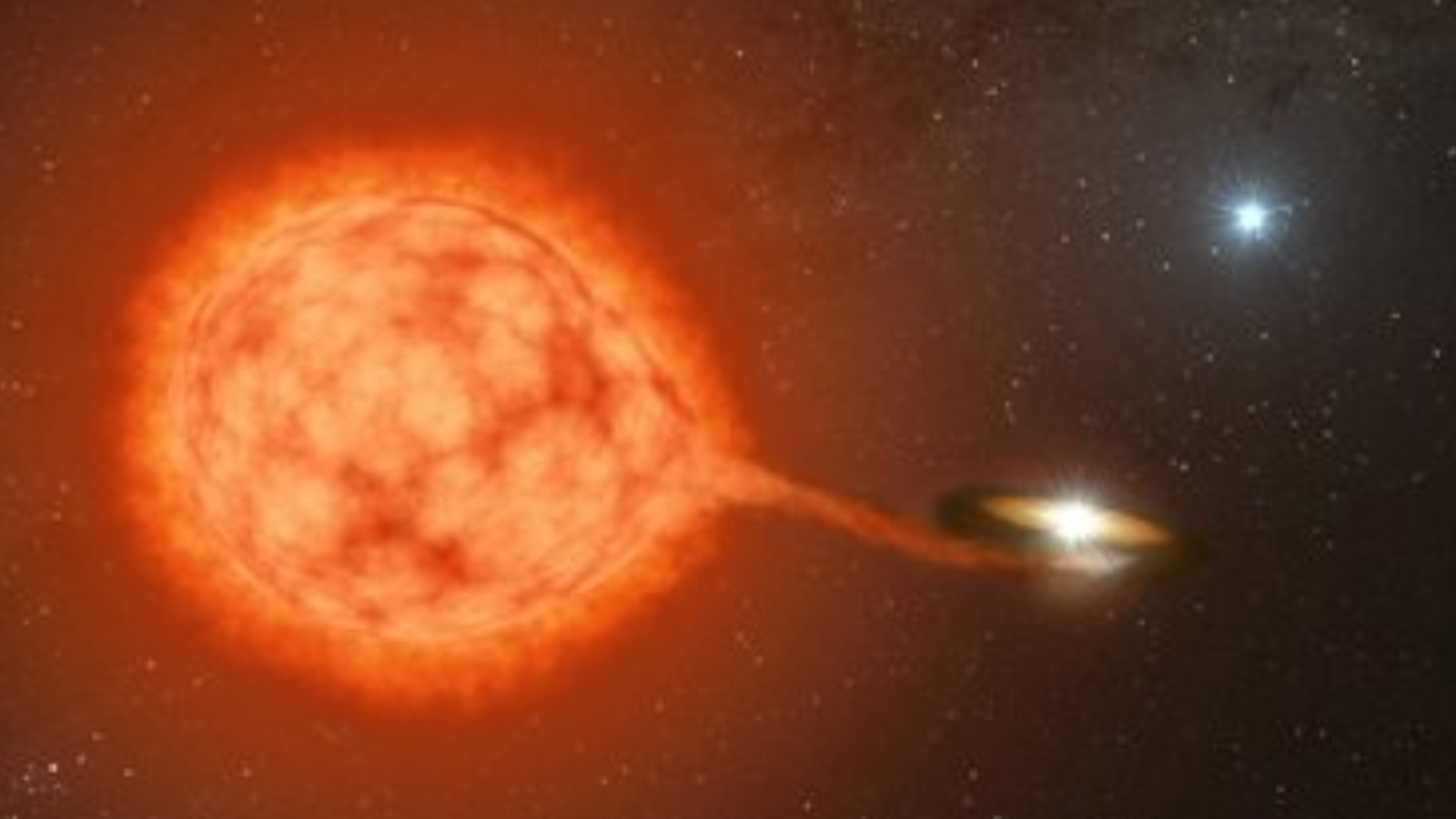
New research suggests that some cosmic vampire stars, or white dwarfs in cataclysmic variables, may use third stars in their systems to facilitate their deadly feeding on companion stars, challenging previous models that relied solely on binary star interactions.
Researchers have discovered that up to 40% of explosive white dwarf pairs, known as cataclysmic variables, may form in triple-star systems, challenging traditional models and highlighting the significant influence of a third star on stellar evolution, based on data from the Gaia mission and computer simulations.
A new 20-minute space film titled 'Encounters in the Milky Way' premieres at the Hayden Planetarium on June 9, showcasing artistic renderings of real scientific data about star movements and interactions in our galaxy, inspired by the European Space Agency’s Gaia mission, aiming to spark interest in cosmic exploration.
Astronomers using data from the European Space Agency's Gaia mission have discovered 21 neutron stars orbiting sun-like stars. These neutron stars, found by detecting the gravitational wobble they cause in their companion stars, are the first to be identified purely through their gravitational effects. The discovery challenges existing models of binary star formation and suggests that such pairings, though rare, can survive the cataclysmic processes of stellar evolution.
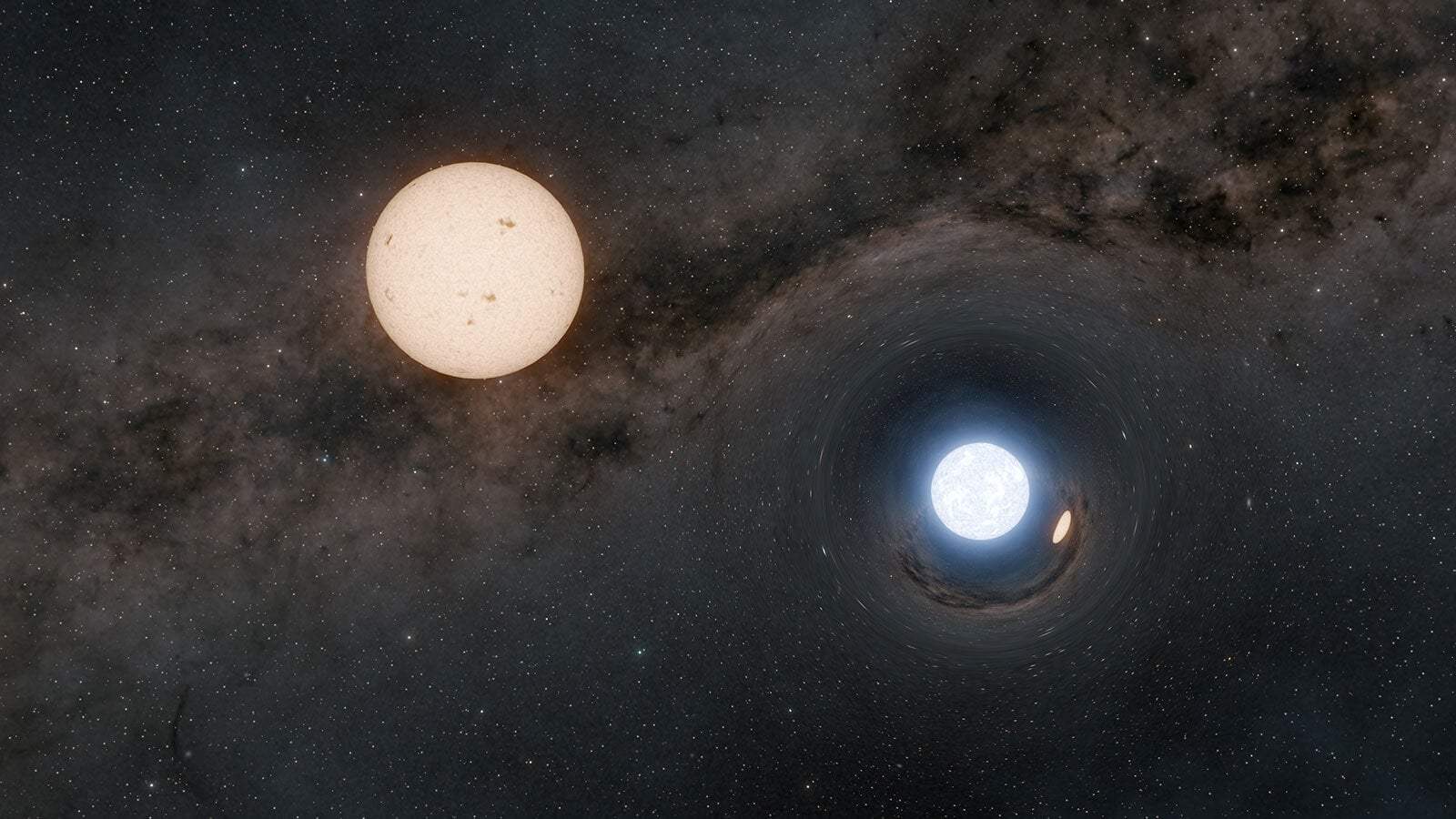
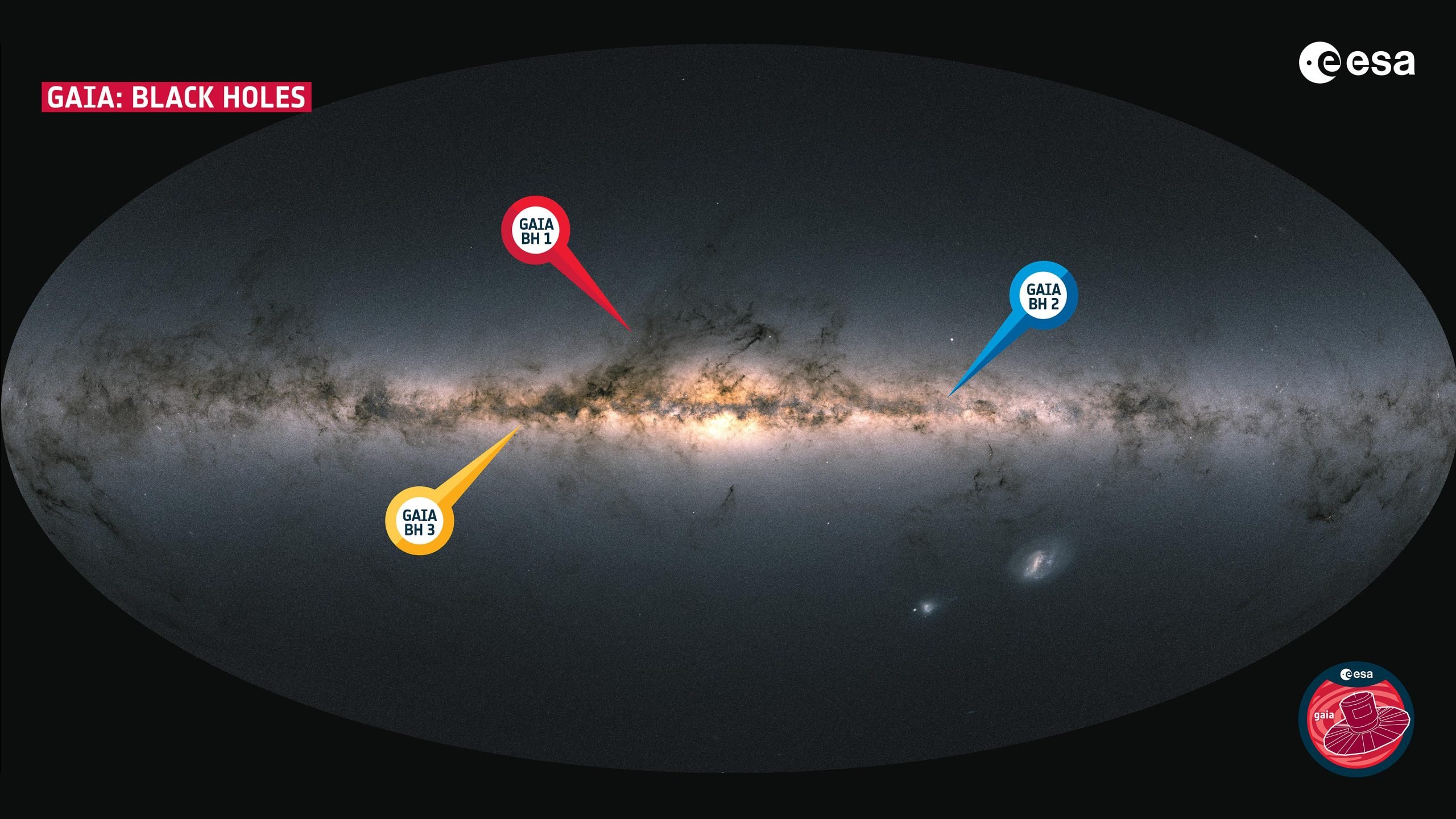
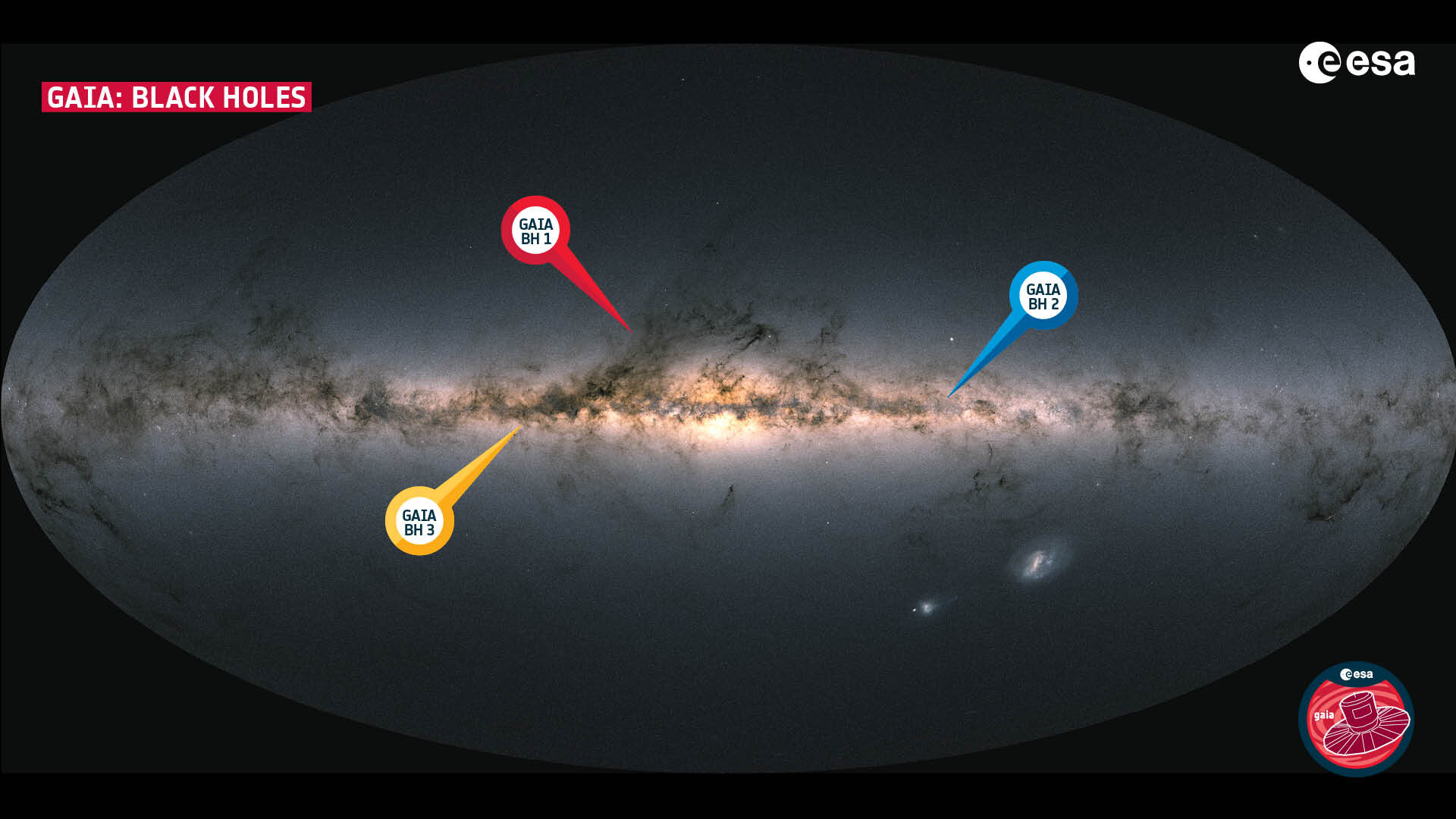
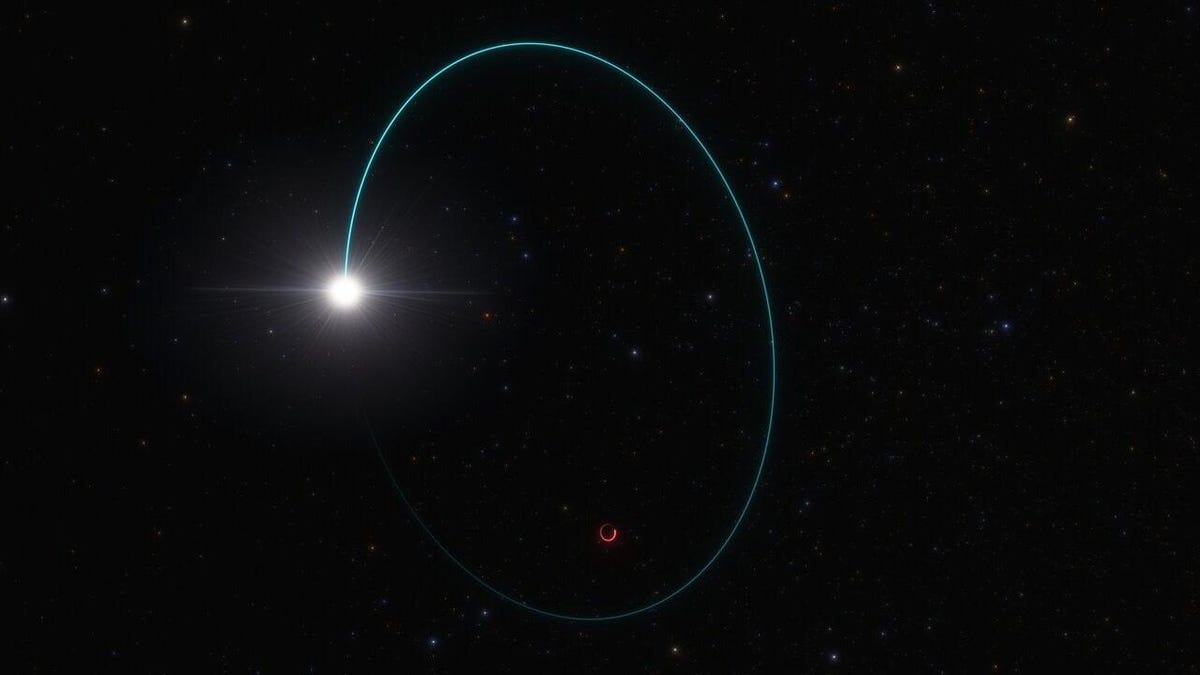
Scientists using data from ESA's Gaia mission have discovered a massive dormant black hole, named Gaia BH3, in the constellation Aquila, less than 2000 light-years from Earth, with a mass of about 33 times that of the Sun. This is the first time a black hole of stellar origin this big has been spotted within the Milky Way, challenging current understanding of how massive stars develop and evolve. The discovery sheds new light on the formation of stellar-mass black holes and sets the stage for future astronomical discoveries.
Scientists analyzing data from ESA's Gaia mission have discovered a dormant black hole, named Gaia BH3, with a mass nearly 33 times that of the Sun, located in the constellation Aquila less than 2000 light-years from Earth. This is the first time a black hole of this size has been found within the Milky Way, challenging current understanding of stellar evolution. The discovery was made possible by the unmatched accuracy of Gaia's data, and the black hole's companion, an ancient giant star, may provide clues to its origin. The finding is expected to lead to further in-depth studies and promises to be a significant contribution to the study of binary systems and dormant black holes in our galaxy.
Astronomers have discovered the heaviest stellar black hole in the Milky Way, named Gaia BH3, which weighs 33 times the mass of the Sun. The black hole was found in the constellation Aquila, approximately 2,000 light-years from Earth, using data from the Gaia mission. This discovery challenges previous understanding of stellar black holes and has implications for stellar evolution models and gravitational wave research. The findings were published in the journal Astronomy and Astrophysics, and future observations will aim to provide deeper insights into the nature and behavior of Gaia BH3.
Astronomers have identified two of the Milky Way's earliest building blocks, named Shakti and Shiva, which are remnants of galaxies that merged with an early version of the Milky Way between 12 and 13 billion years ago. By combining data from ESA's Gaia mission and the SDSS survey, researchers were able to identify these proto-galactic fragments, shedding light on the early history of our home galaxy and its formation through the merging of smaller galaxies. The discovery provides insight into the origins of stars and the dynamics of galaxy formation, with the potential for additional data from ongoing and upcoming surveys to further confirm these findings.
The Milky Way is likely to consume the dwarf galaxies that surround it due to its intense gravity, as evidenced by the destruction of many dwarf galaxies that were pulled in by the Milky Way in the past few billion years. This raises questions about the amount of dark matter in these galaxies, as their lack of dark matter may have contributed to their destruction. The findings challenge previous assumptions about the longevity of dwarf galaxies orbiting the Milky Way and highlight the difficulty in estimating the dark matter content of absorbed galaxies.
The Gaia mission has released a new batch of data, known as Gaia's focused product release (FPR), which includes over 500,000 previously undiscovered stars, more than 380 new gravitationally lensed quasars, and the positions of over 150,000 solar system asteroids. This comprehensive stellar catalog, which now contains data on 1.8 billion stars, is helping scientists create a detailed map of the Milky Way galaxy and its cosmic surroundings. The new data has also revealed unexpected findings and is providing valuable insights into the structure and dynamics of objects like globular clusters and binary red giant stars. Additionally, Gaia's ability to find gravitational lenses, such as lensed quasars, could have significant implications for cosmology and our understanding of the universe's evolution.
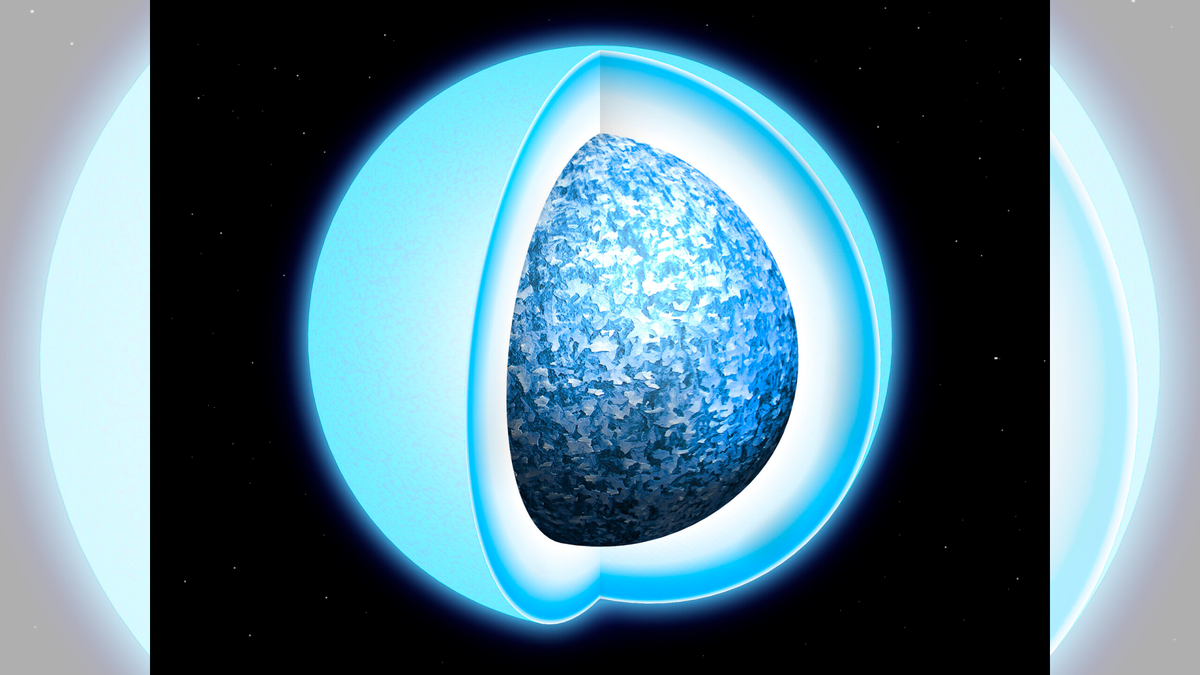
Scientists have discovered a white dwarf star, HD 190412 C, that is in the early stages of crystallizing into a celestial diamond. The star's temperature and metal core composition put it in the range of a crystallizing white dwarf, and its age was calculated to be about 4.2 billion years. The star is part of a quadruple star system called HD 190412, and its distance from Earth was determined using data from the Gaia Mission. This is the first known case of a crystallizing white dwarf with a known age, and other similar systems may exist nearby.
Scientists have discovered a white dwarf star, HD 190412 C, that is in the process of crystallizing into a celestial diamond. The star is about 104 light-years away in a quadruple star system called HD 190412. The researchers calculated the star's temperature, which puts it into the range of a crystallizing white dwarf. With this information, the team modeled the white dwarf’s cooling over time, confirming the first case of a crystallizing white dwarf with a known age.