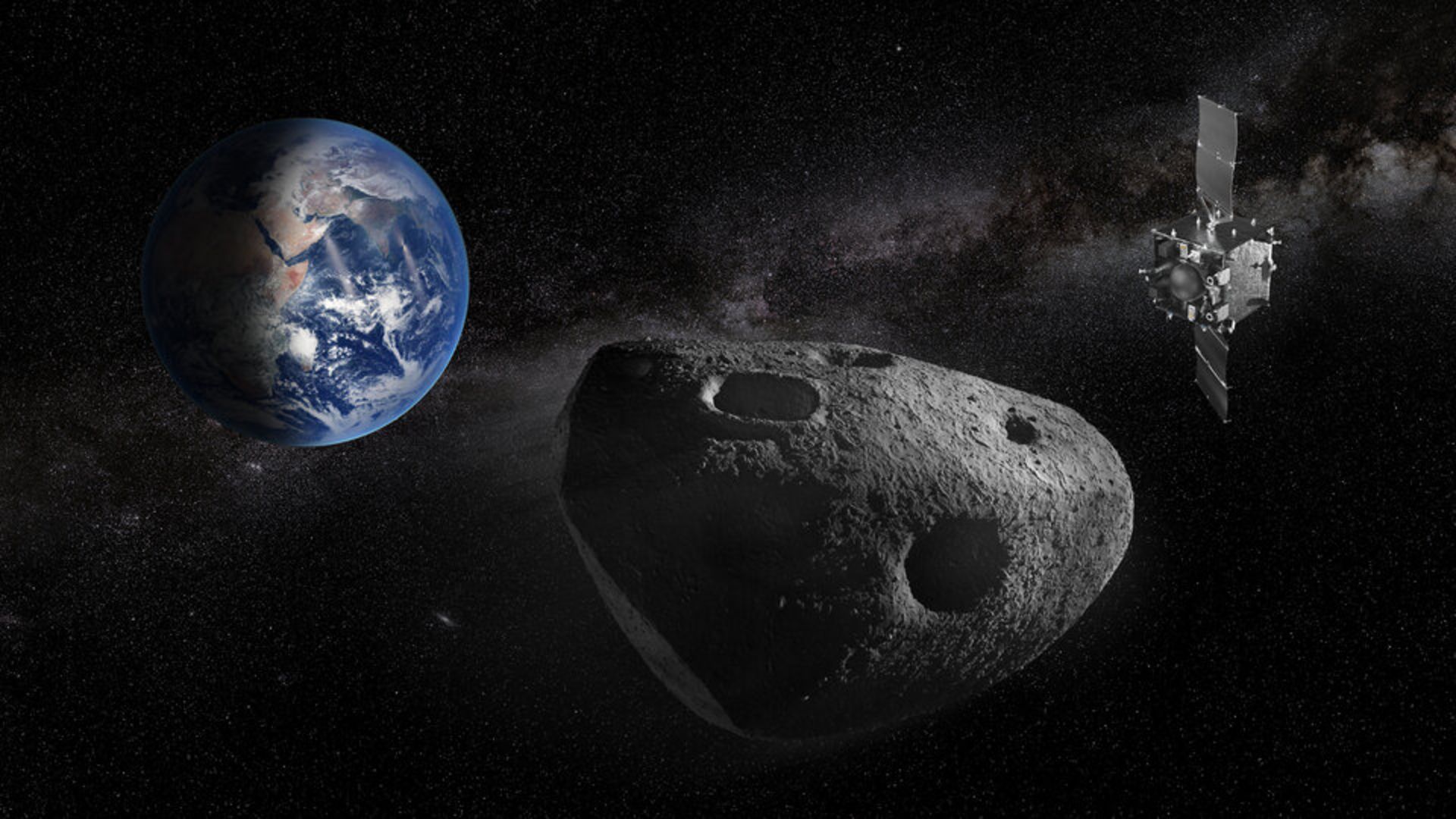
Recent studies using Gaia data and advanced modeling have shed light on how asteroids spin and how to identify the safest impact sites for deflection missions, improving our ability to prevent catastrophic Earth impacts.
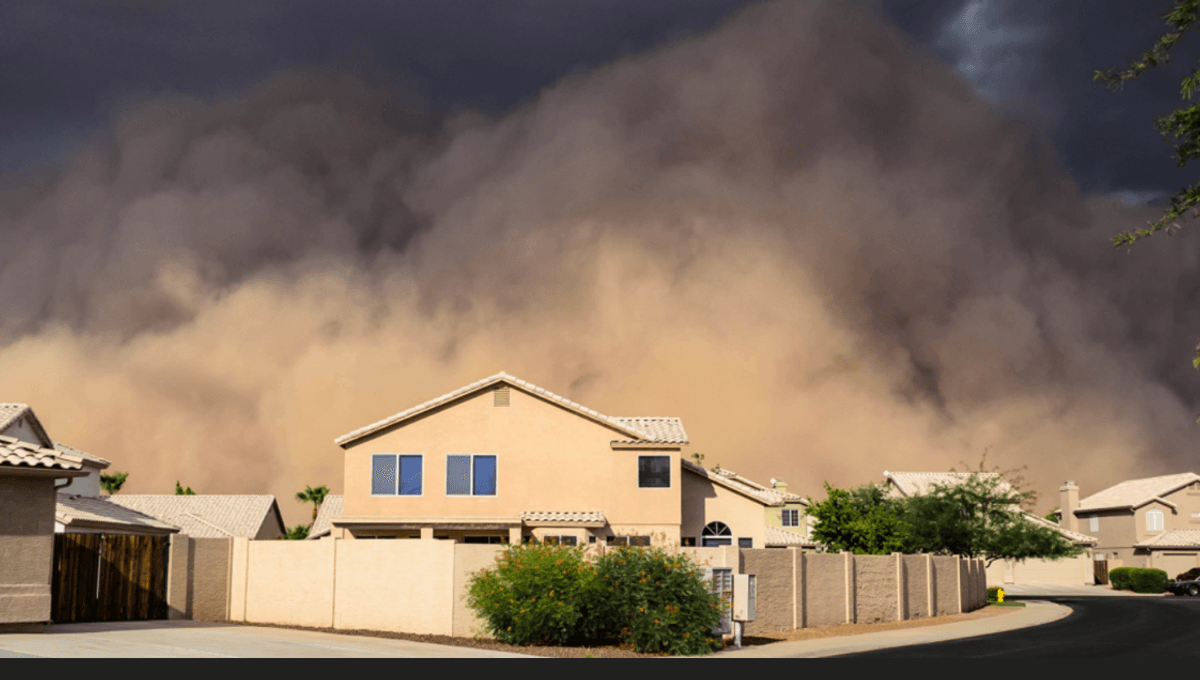
Sand and dust storms, described as "one of nature's most intimidating spectacles," have become more common in many regions due to human-driven factors and climate change. The United Nations Convention to Combat Desertification (UNCCD) is discussing ways to address the impacts of these storms on agriculture, industry, water and air quality, and human health. Sand and dust storms pose significant challenges to sustainable development, but can also be reduced through human actions. The UNCCD aims to promote measures such as land restoration, improved monitoring, and better impact mitigation to tackle this growing problem.
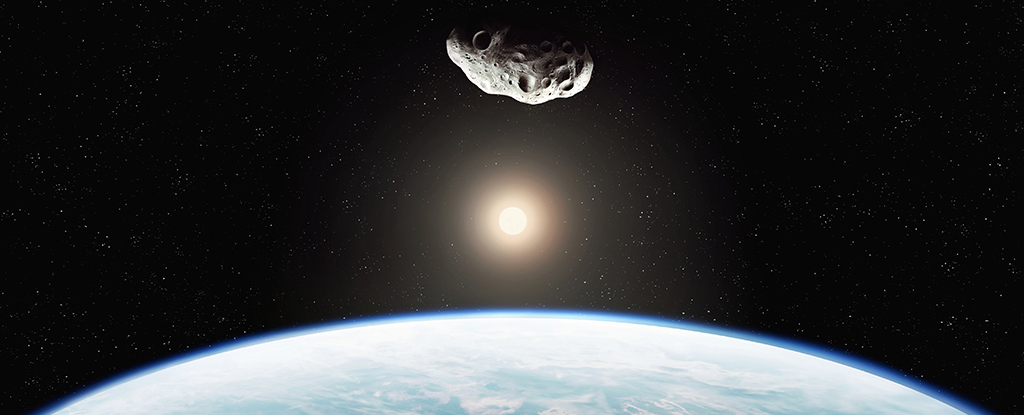
Scientists have proposed a method called Pulverize It (PI) to destroy asteroids that pose a threat to Earth. By launching a defense rocket within a day of detection, a cloud of impactors would be released at high speed to shatter the asteroid into harmless fragments. Hypervelocity simulations show that this method would be effective even if the fragmentation occurred just hours before Earth impact. However, this proposal is still a proof of concept, as there are currently no rockets or impactor systems in place for implementation.