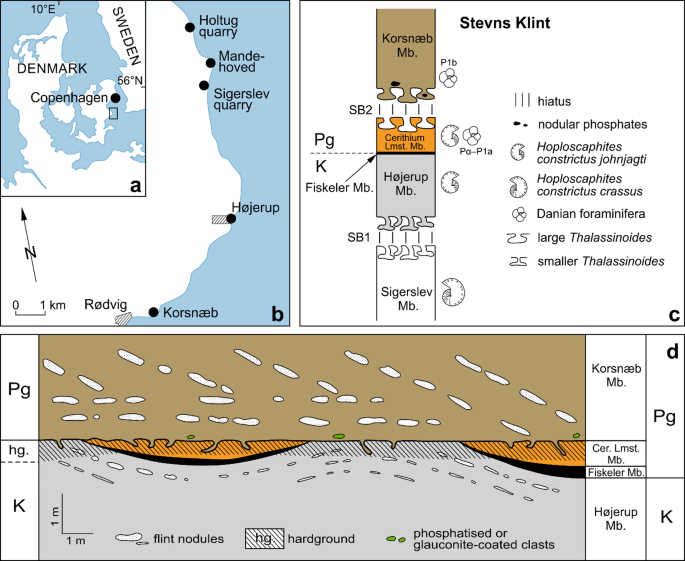
New data from Denmark confirm that some ammonite populations survived the Cretaceous–Paleogene boundary, with evidence suggesting both survival and redeposition depending on the microfacies and stratigraphic context, supporting the hypothesis that certain ammonites persisted into the Danian period.
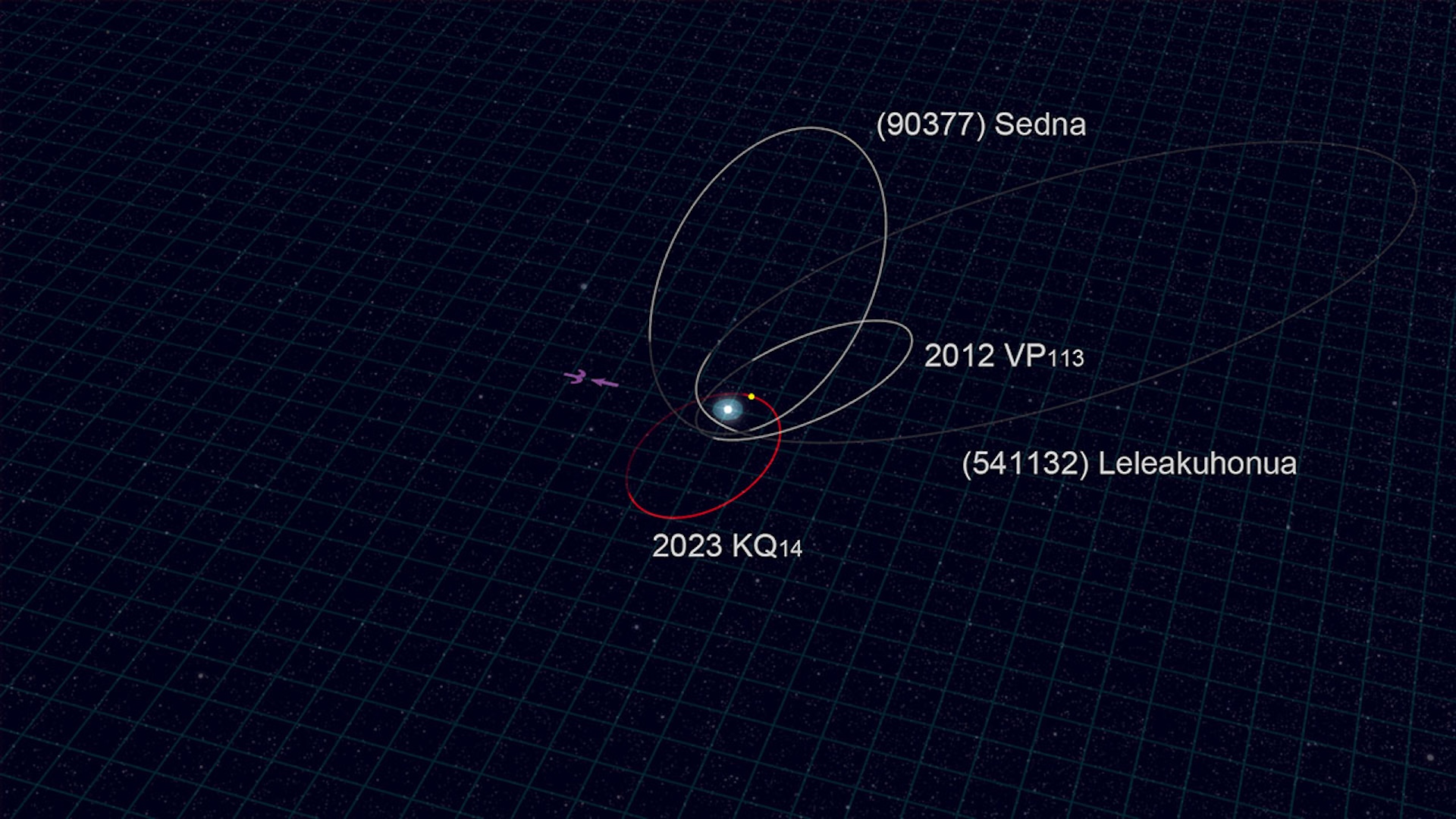
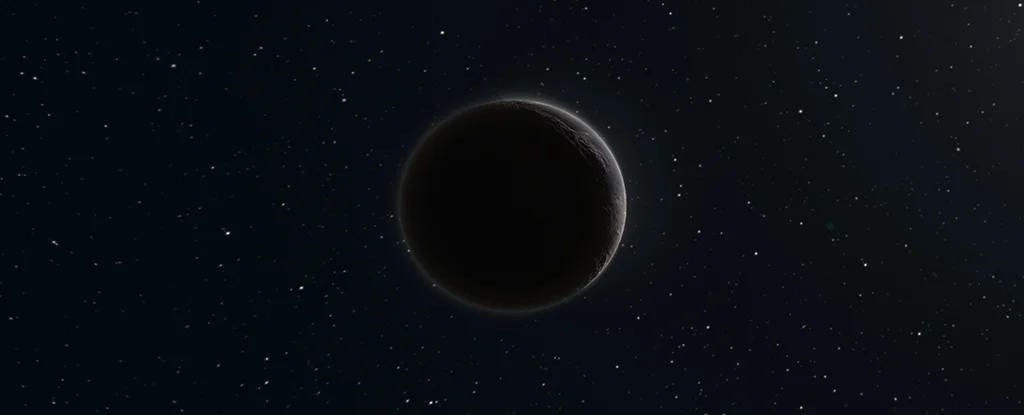
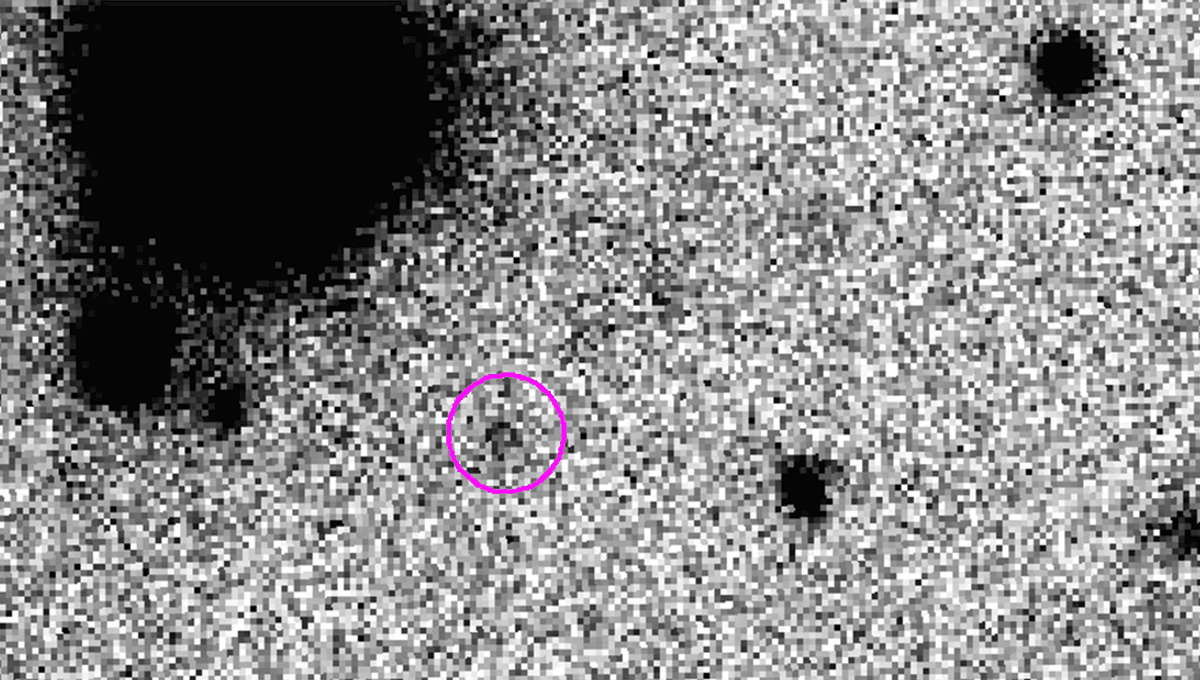
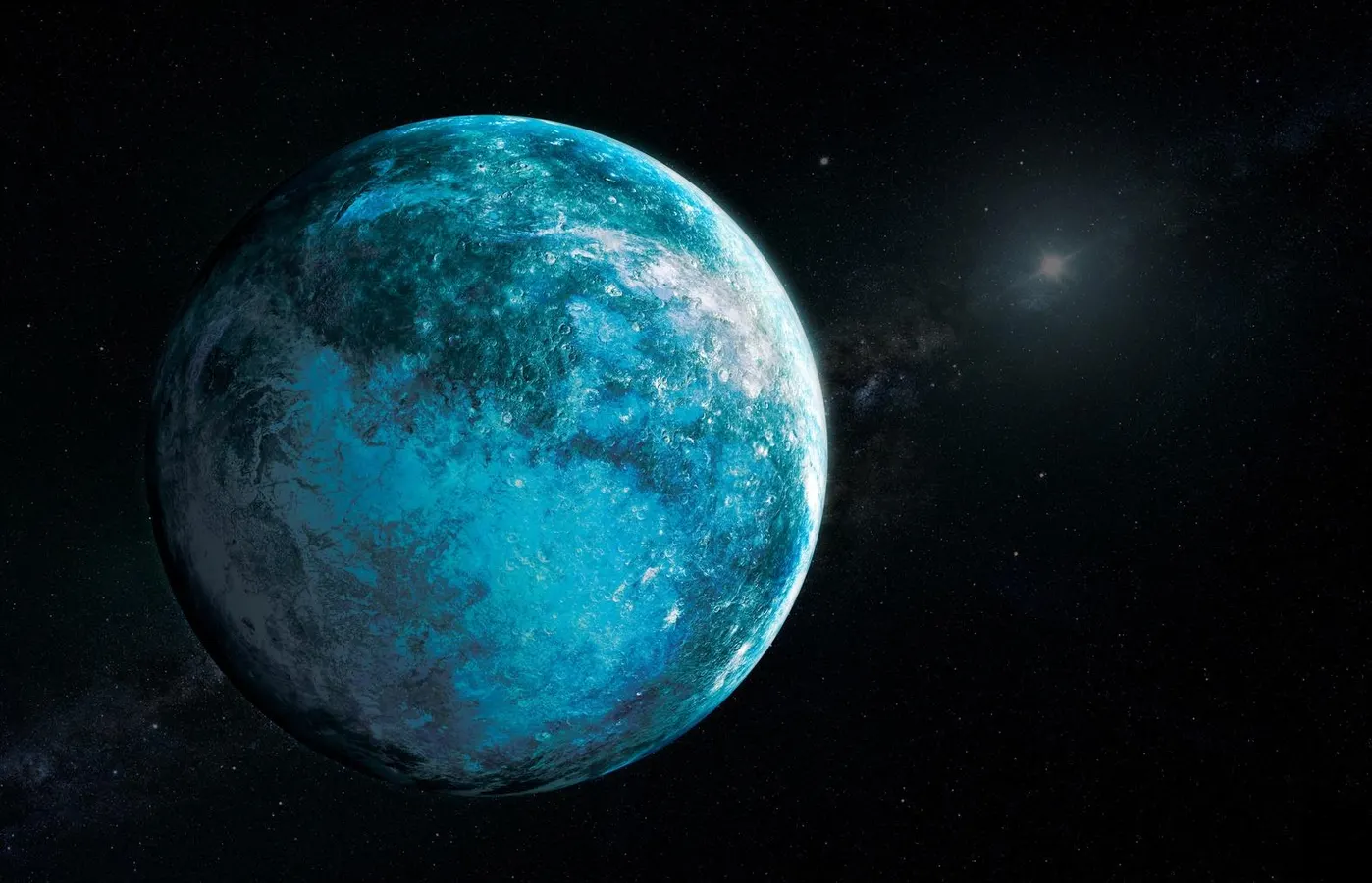
Astronomers have discovered a new dwarf planet called Ammonite beyond Pluto, which challenges the existing Planet Nine hypothesis by its unusual orbit, suggesting the possibility that such a large planet may not exist or was ejected from the solar system.
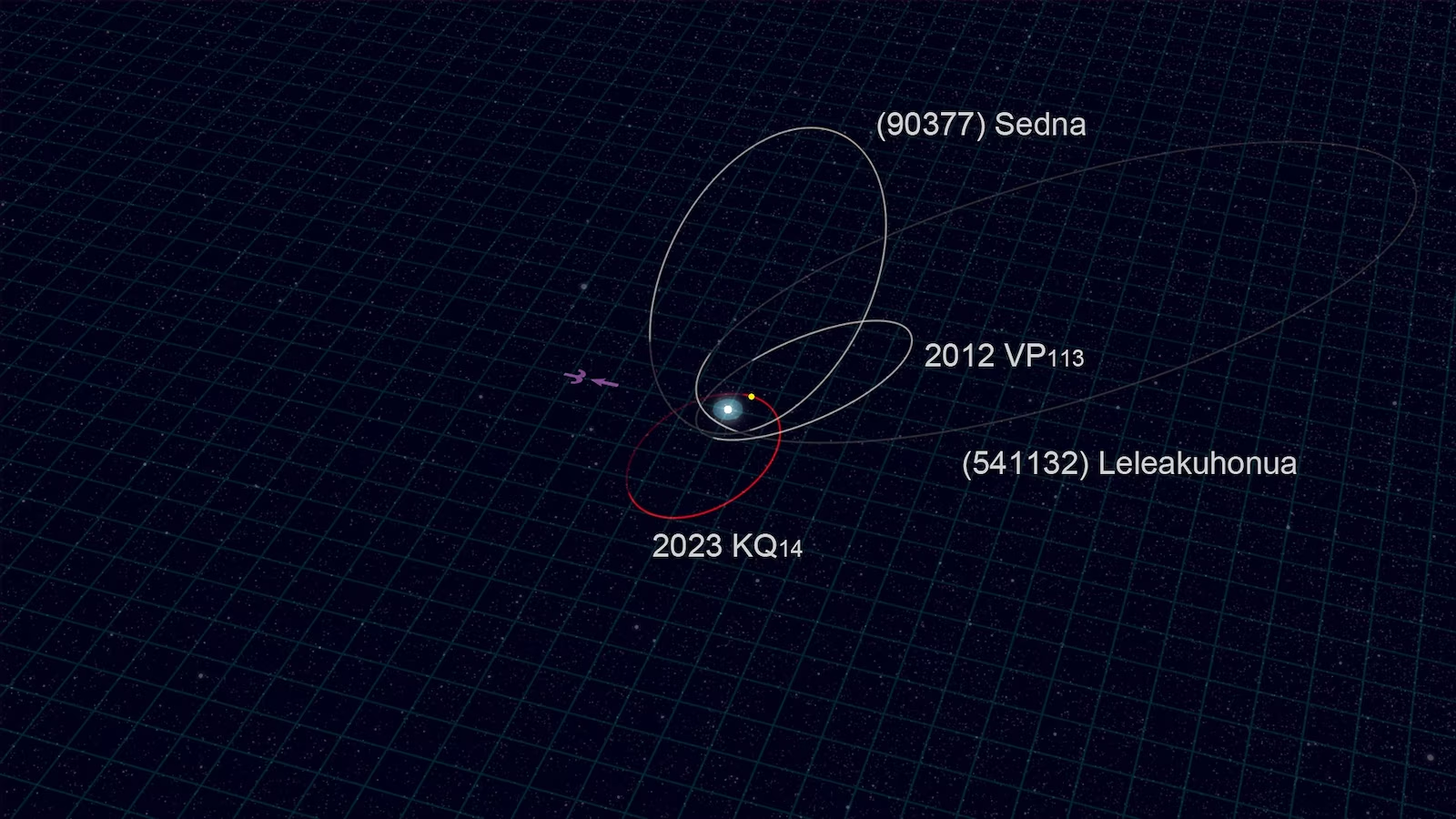
Astronomers discovered a distant object named 'Ammonite' beyond Pluto, which is only the fourth sednoid found, challenging previous ideas about the solar system's outer regions and the existence of Planet Nine.
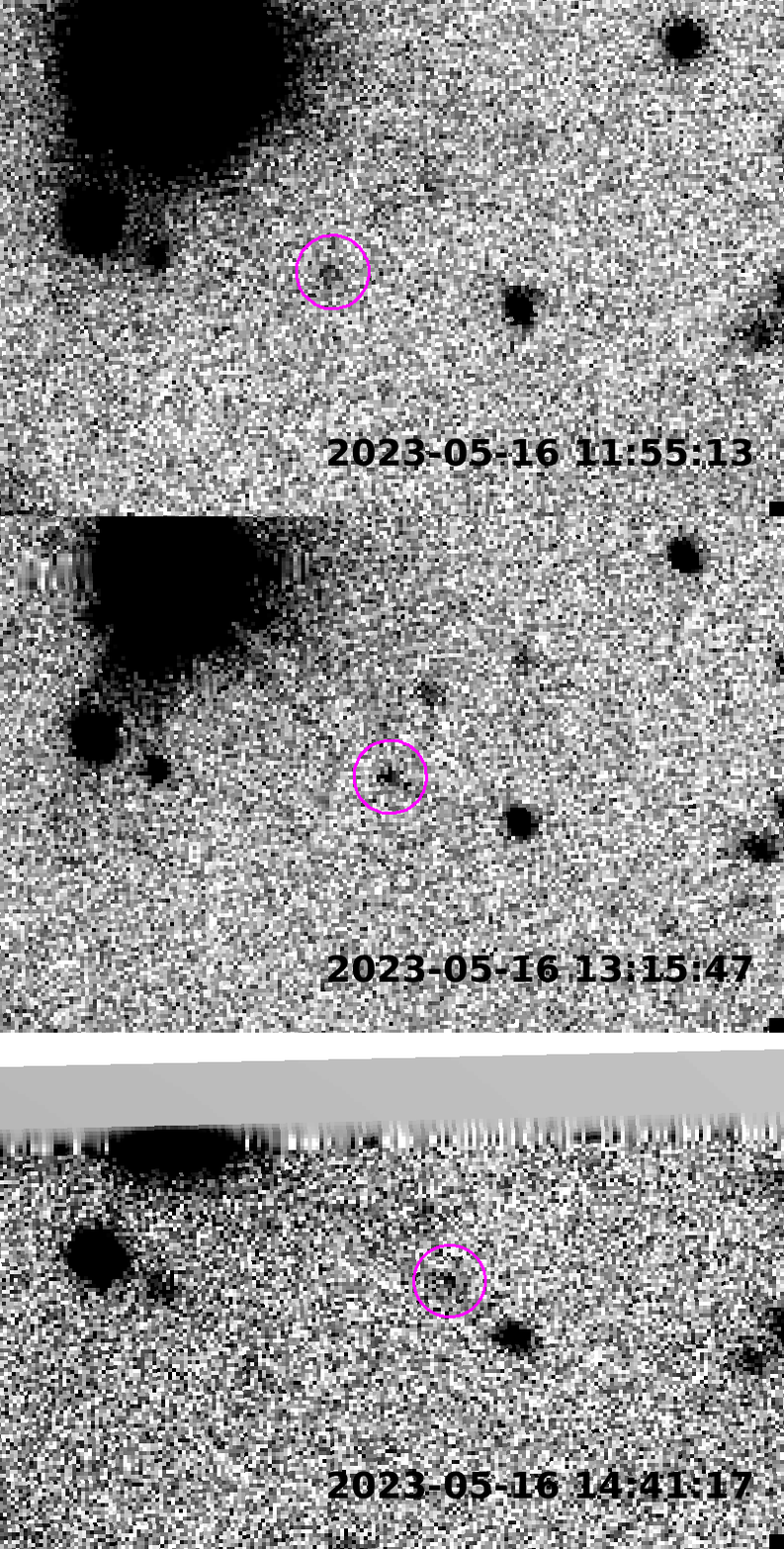
Astronomers have discovered a new distant object called Ammonite in the Solar System's far reaches, which challenges existing theories about the presence of Planet Nine and suggests a more complex and diverse population of outer Solar System objects. The discovery, made using the Subaru Telescope, provides new insights into the Solar System's formation and evolution, and constrains the possible location of hypothetical Planet Nine.
Astronomers in Hawaii discovered a new object named Ammonite beyond Neptune, providing potential evidence for the existence of the hypothetical Planet Nine, as its orbit challenges previous predictions and suggests a more distant orbit for the planet. The finding, published in Nature Astronomy, adds to the ongoing debate about Planet Nine's existence and offers insights into the solar system's history.
Astronomers in Japan have discovered a distant object named Ammonite beyond Neptune, which is part of a group called Sednoids that have elongated orbits. This discovery challenges the hypothesis of a ninth planet influencing these objects, suggesting a more complex history of the solar system. Ammonite's orbit and characteristics provide insights into the early solar system and its evolution.
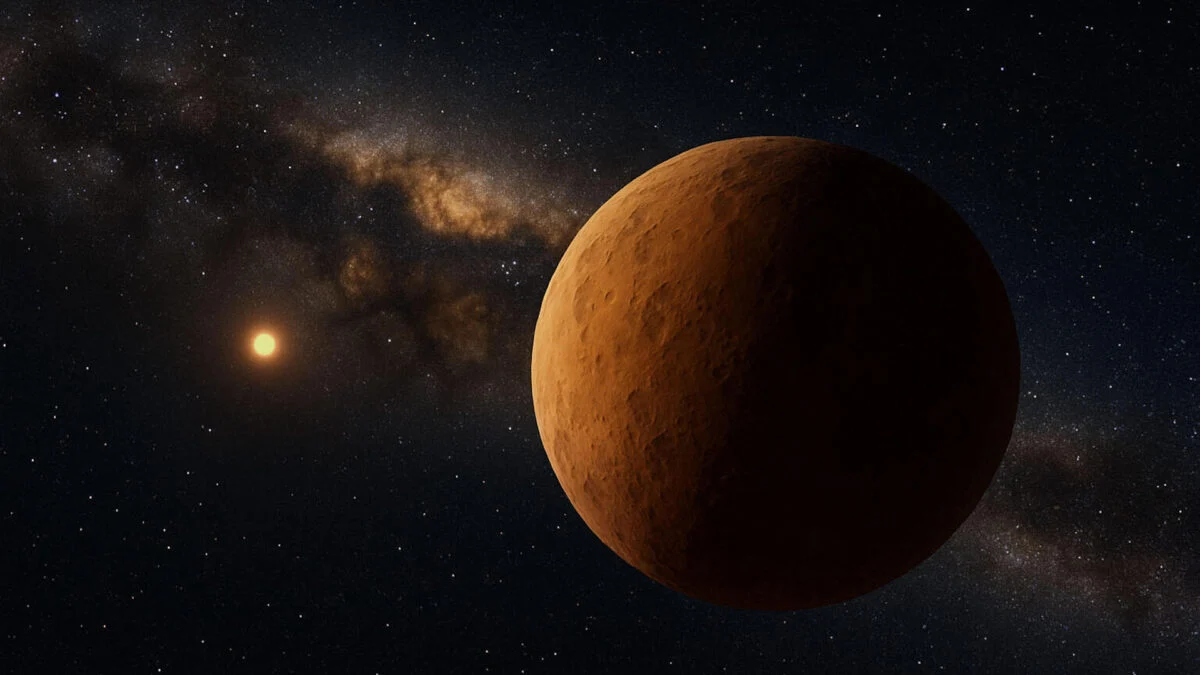
A new object named Ammonite, estimated to be between 220 and 380 kilometers in diameter, has been discovered in the outer reaches of our Solar System, providing insights into the early history and dynamics of the solar neighborhood. Its orbit suggests it has been stable for over 4.5 billion years and may challenge the existence of Planet Nine, offering clues about the forces shaping the distant solar system.
Astronomers have discovered a new object called Ammonite (2023 KQ14), a sednoid orbiting far beyond Pluto, which challenges the hypothesis of a ninth planet in the solar system by exhibiting an orbit different from other sednoids, suggesting possible past planetary ejections.
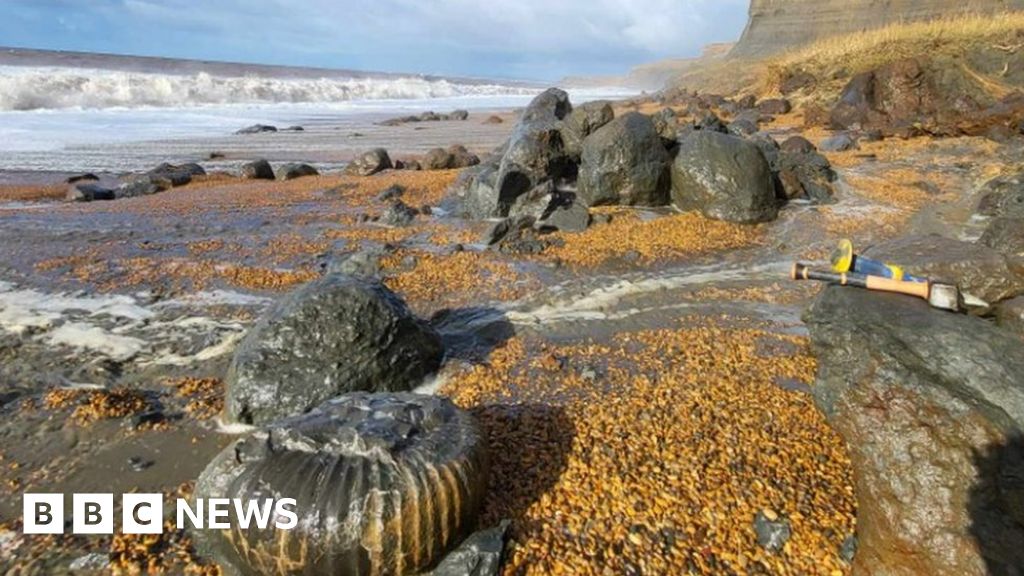
Fossil hunter Jack Wonfor discovered a 115-million-year-old epicheloniceras ammonite, weighing at least 24 stone, on the Isle of Wight. It took a week's worth of efforts to transport the enormous shelled creature back to his car. Wonfor, who has been fossil-hunting since childhood, considers it his best find and plans to donate it to the Dinosaur Isle Museum after removing the surrounding rock.
A massive fossil ammonite, believed to be a rare Epicheloniceras, has been unearthed from a boulder on the Isle of Wight's southwest coast. Fossil collector Jack Wonfor and a team of enthusiasts carefully extracted the 150kg fossil from the beach using a makeshift sled and rope system. The ammonite will be donated to the Dinosaur Isle Museum after it has been cleaned. Ammonites are ancient mollusks that lived during the Jurassic and Cretaceous periods.
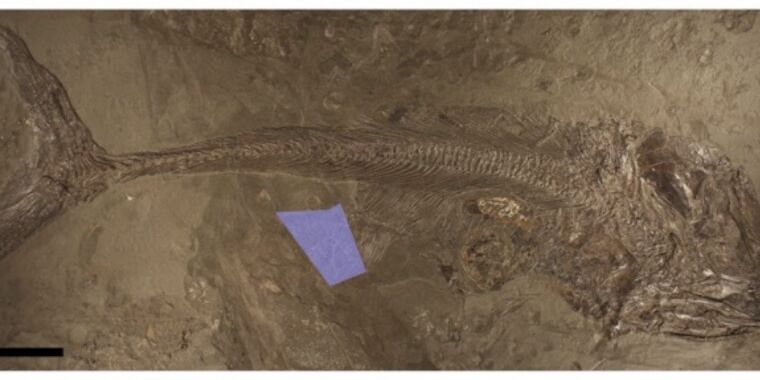
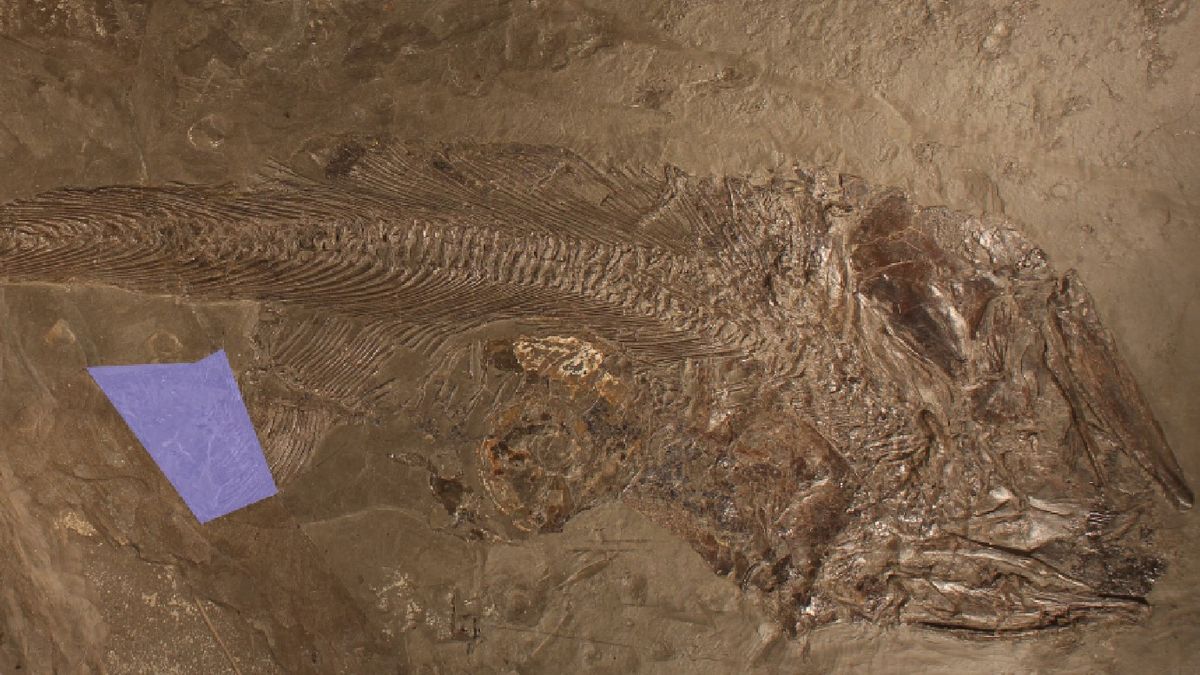
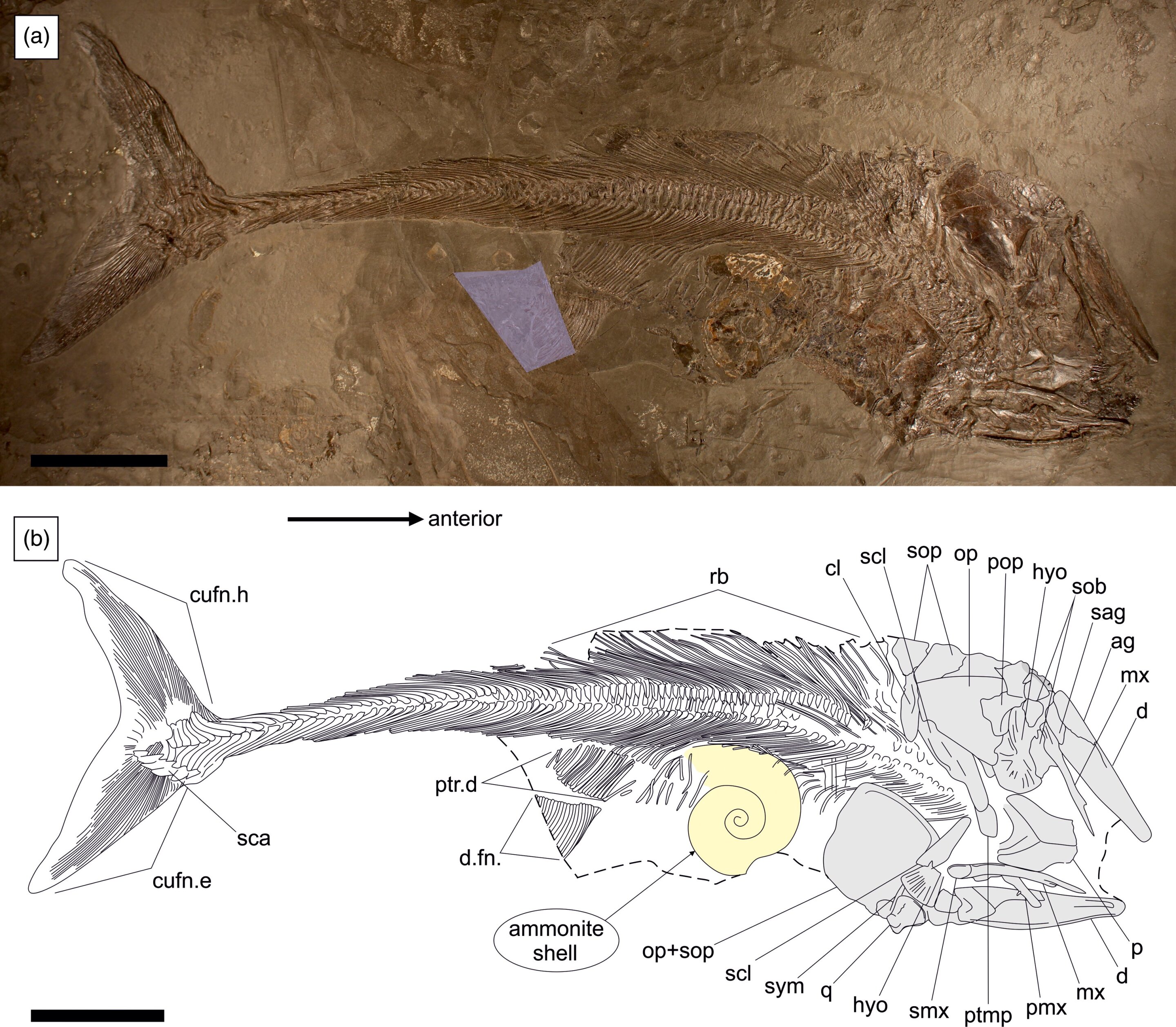
Scientists have discovered an unusual fossil in Germany, where a fish had swallowed a large ammonite, a type of extinct cephalopod. This is the first known instance of a fish attempting to feed on an ammonite, and it likely resulted in the fish's demise. The well-preserved fossil provides valuable information about the ecosystem and the diet of the fish species, Pachycormus macropterus, which primarily preyed on soft-bodied squids as adults but fed on other fish as juveniles. The finding sheds light on the ancient food webs and highlights the importance of studying fossilized stomach contents to reconstruct prehistoric ecosystems accurately.
Researchers in Germany have discovered a 180 million-year-old fish fossil with a large ammonite shell lodged inside its body, suggesting that the fish may have choked to death or suffered a torn stomach while attempting to swallow the shell. The fossil, which was originally found in 1977 and stored in a museum drawer, provides valuable insights into the marine ecosystem of the Jurassic period. This is the first time a fossilized fish has been found with an intact, large ammonite inside it, and the discovery highlights the importance of exploring museum collections for new scientific findings.
Paleontologists have discovered a fossilized fish from the Jurassic era that died after swallowing an unusually large ammonite. The fish, Pachycormus macropterus, was found in Germany and had a belly full of various prey, including a 10-centimeter ammonite conch. The researchers believe that the fish either misidentified the ammonite or it became stuck in its mouth, leading to its death within hours due to blockage of the intestine. This finding provides the first documented case of a fatal last meal in an extinct pachycormid fish and suggests that ammonites may have been more commonly consumed by bony fish during the Jurassic period than previously thought.