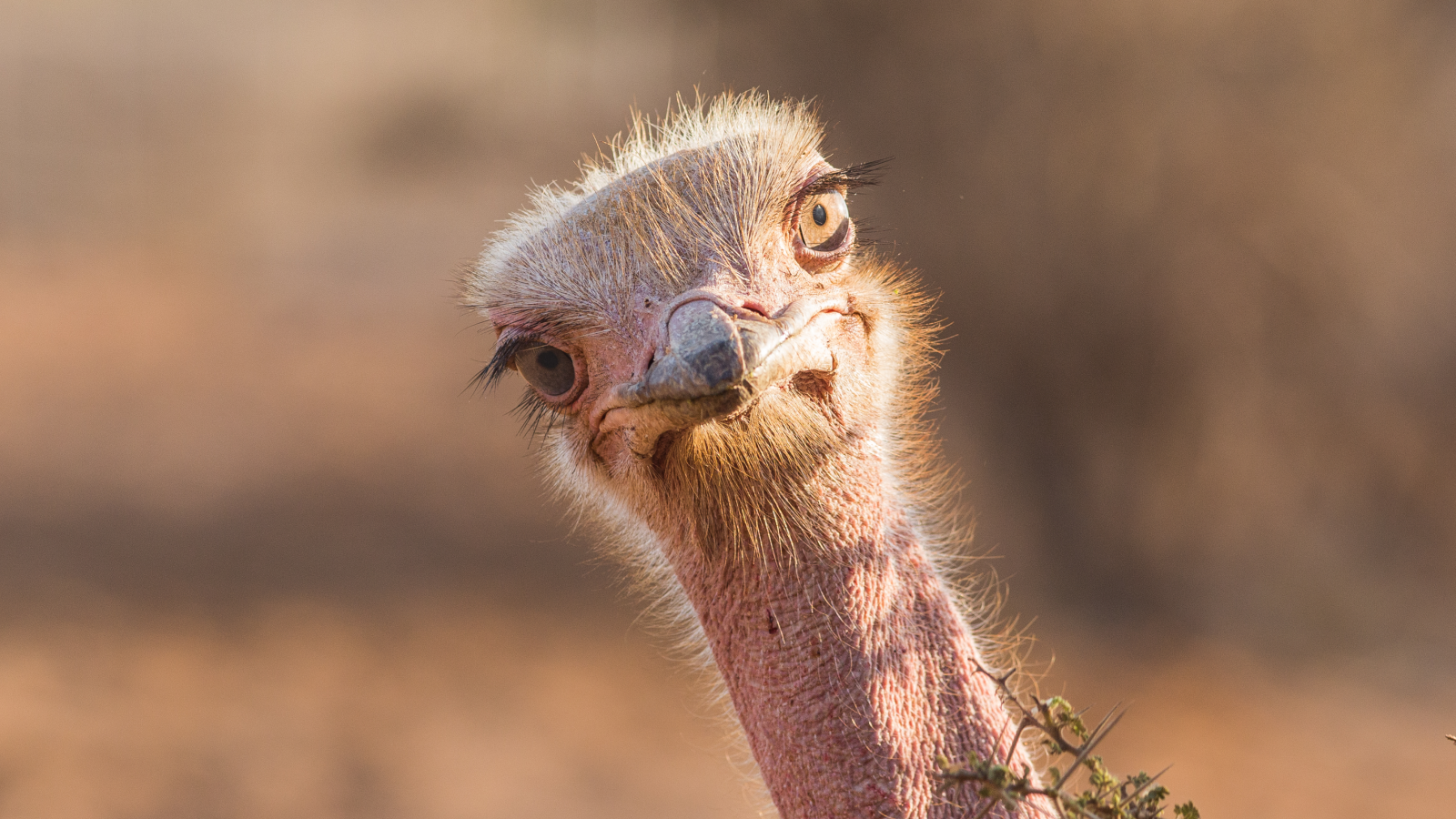
Fossil analysis suggests that ancestors of modern flightless birds like ostriches and rheas could fly long distances, indicating they may have migrated across oceans before evolving into flightless species through convergent evolution, especially in predator-free island environments.
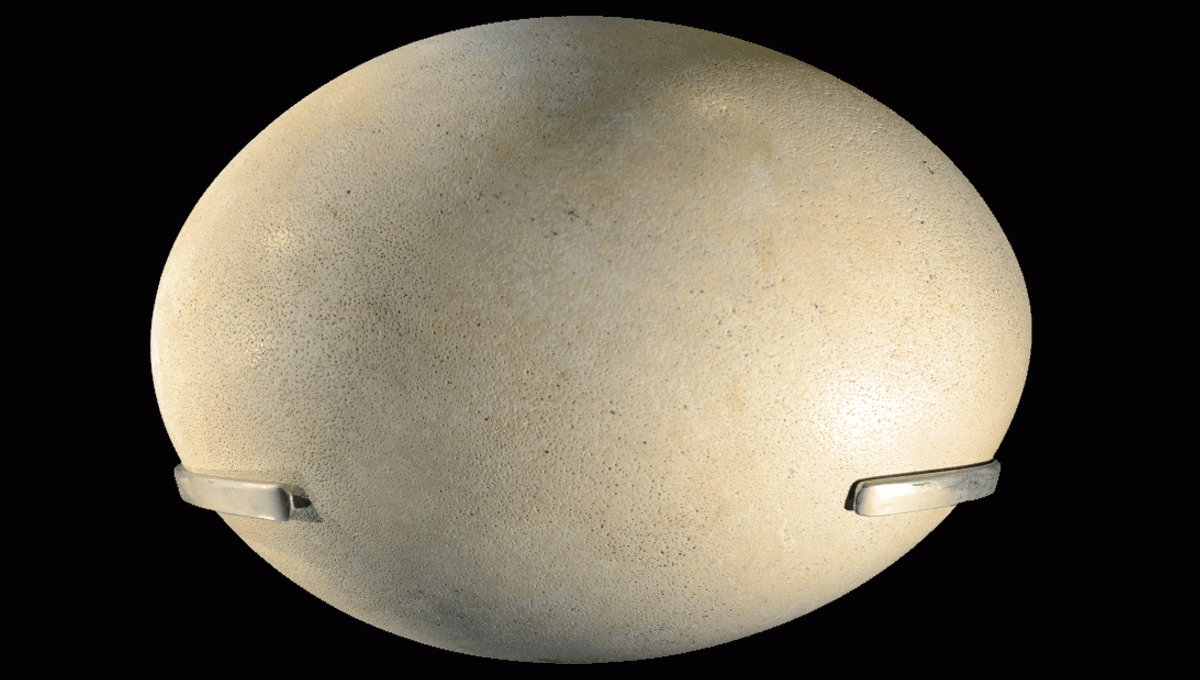
The largest eggs of any animal were laid by the extinct elephant bird Aepyornis maximus, weighing up to 1,000 kg, with fossil evidence suggesting even larger eggs from marine reptiles like mosasaurs. Currently, ostrich eggs are the largest among living birds, weighing about 2.6 kg. The article explores various giant eggs from extinct species and their significance in understanding animal evolution.
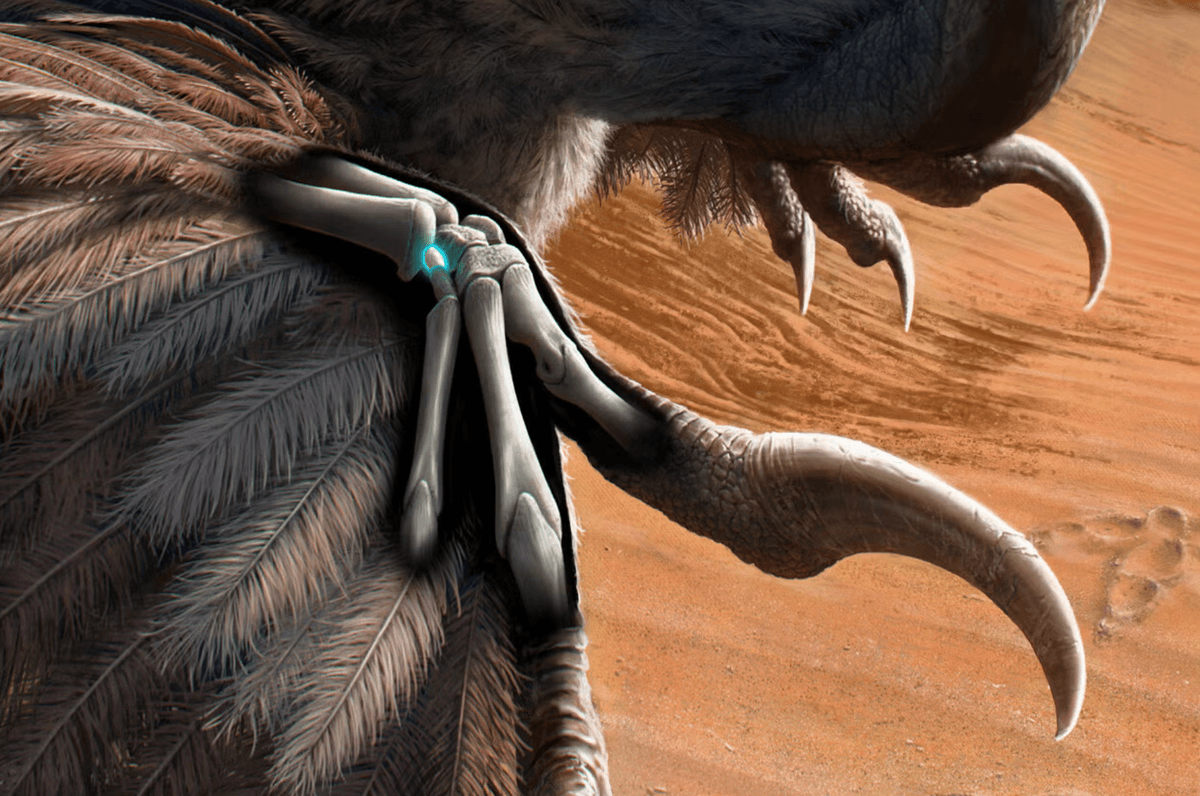
Scientists discovered a tiny dinosaur wrist bone called the pisiform in non-avian theropods from Mongolia's Gobi Desert, indicating that this bone reappeared much earlier in dinosaur evolution than previously thought, which challenges existing ideas about the origins of bird flight.
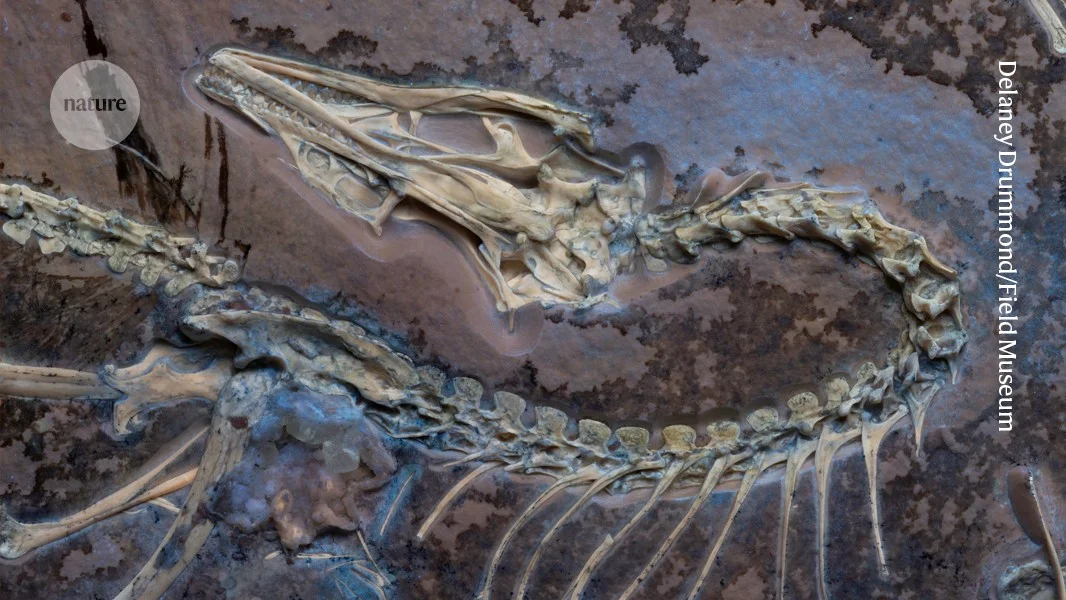
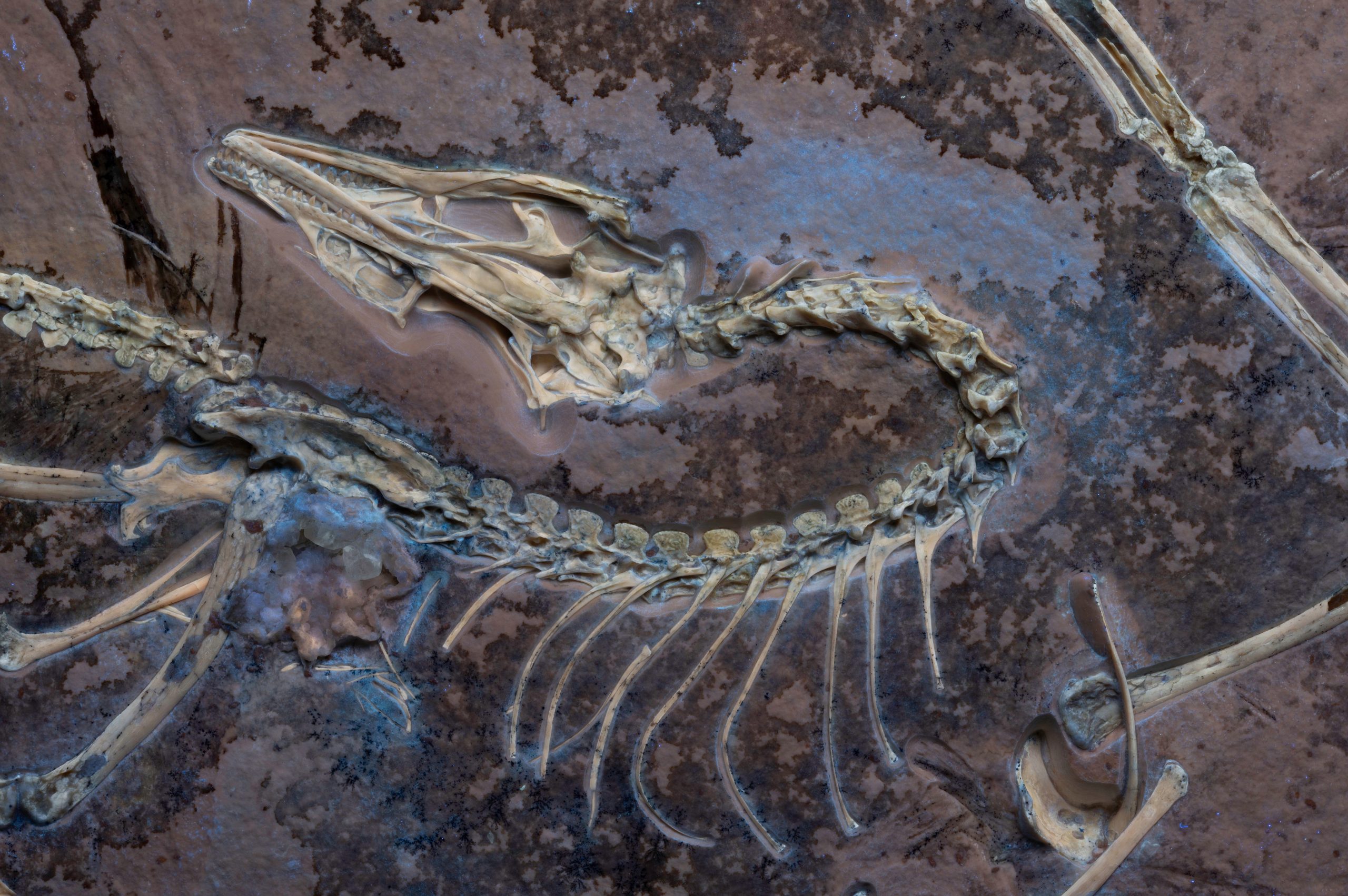
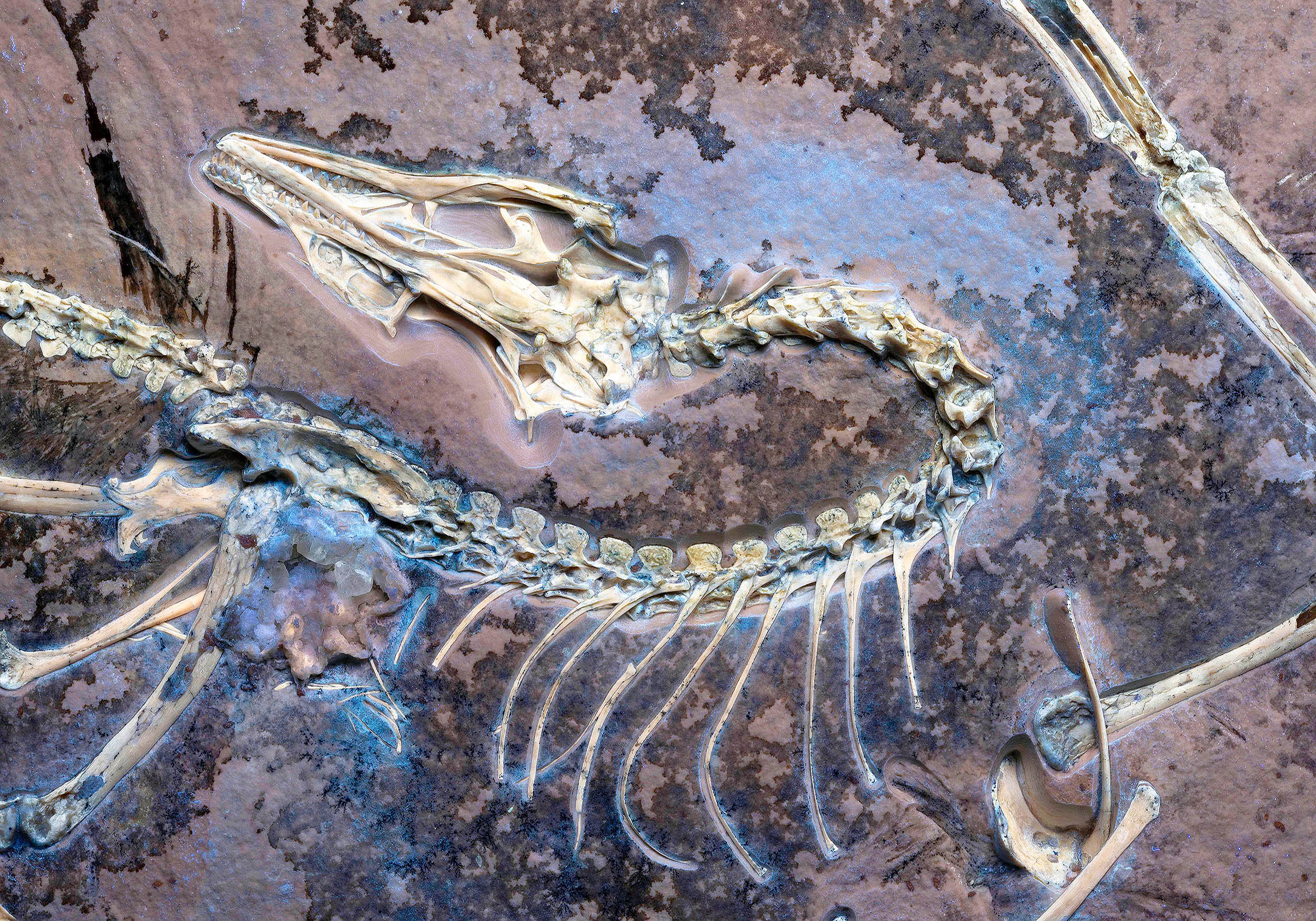
A newly discovered, well-preserved Archaeopteryx fossil from Chicago provides new insights into the evolution of flight in dinosaurs, revealing soft tissues, feathers, and anatomical features that demonstrate its ability to fly, supporting the idea that flight evolved more than once in dinosaurs.
The discovery and advanced study of a well-preserved, small Archaeopteryx fossil with soft tissues has provided new insights into bird evolution, particularly how flight may have originated in dinosaurs, confirming long-standing theories with unprecedented detail.
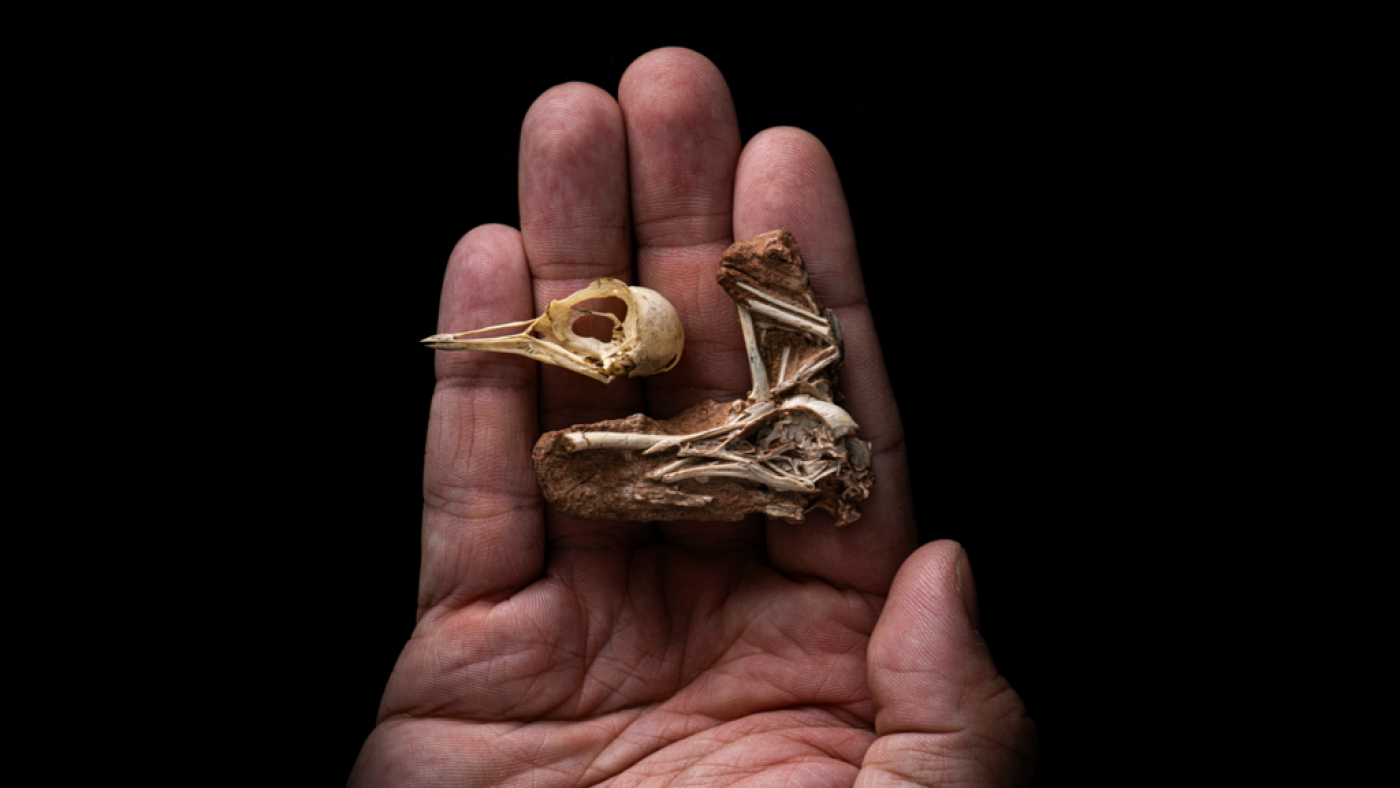
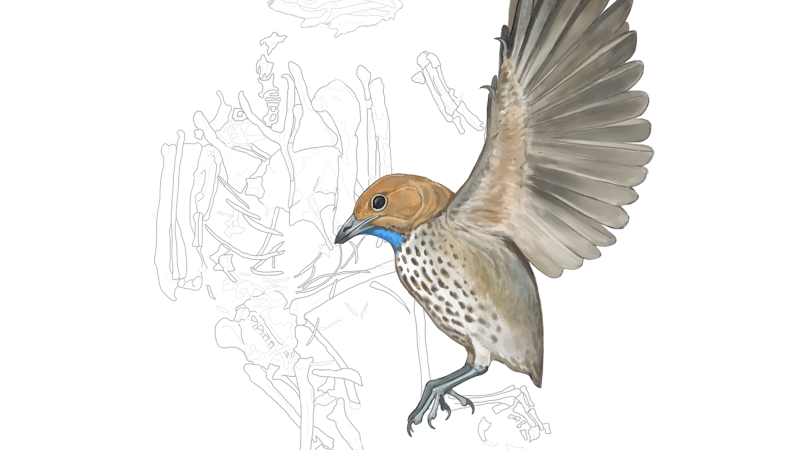
A newly discovered fossil of the prehistoric bird Navaornis hestiae provides significant insights into the evolution of bird brains. Found in Brazil, this well-preserved fossil dates back 80 million years and reveals a mix of dinosaur-like and modern bird features. The cerebrum, associated with higher cognition, was notably large, suggesting these early birds were quite intelligent. This discovery helps fill gaps in understanding how modern bird brains evolved from their dinosaur ancestors.
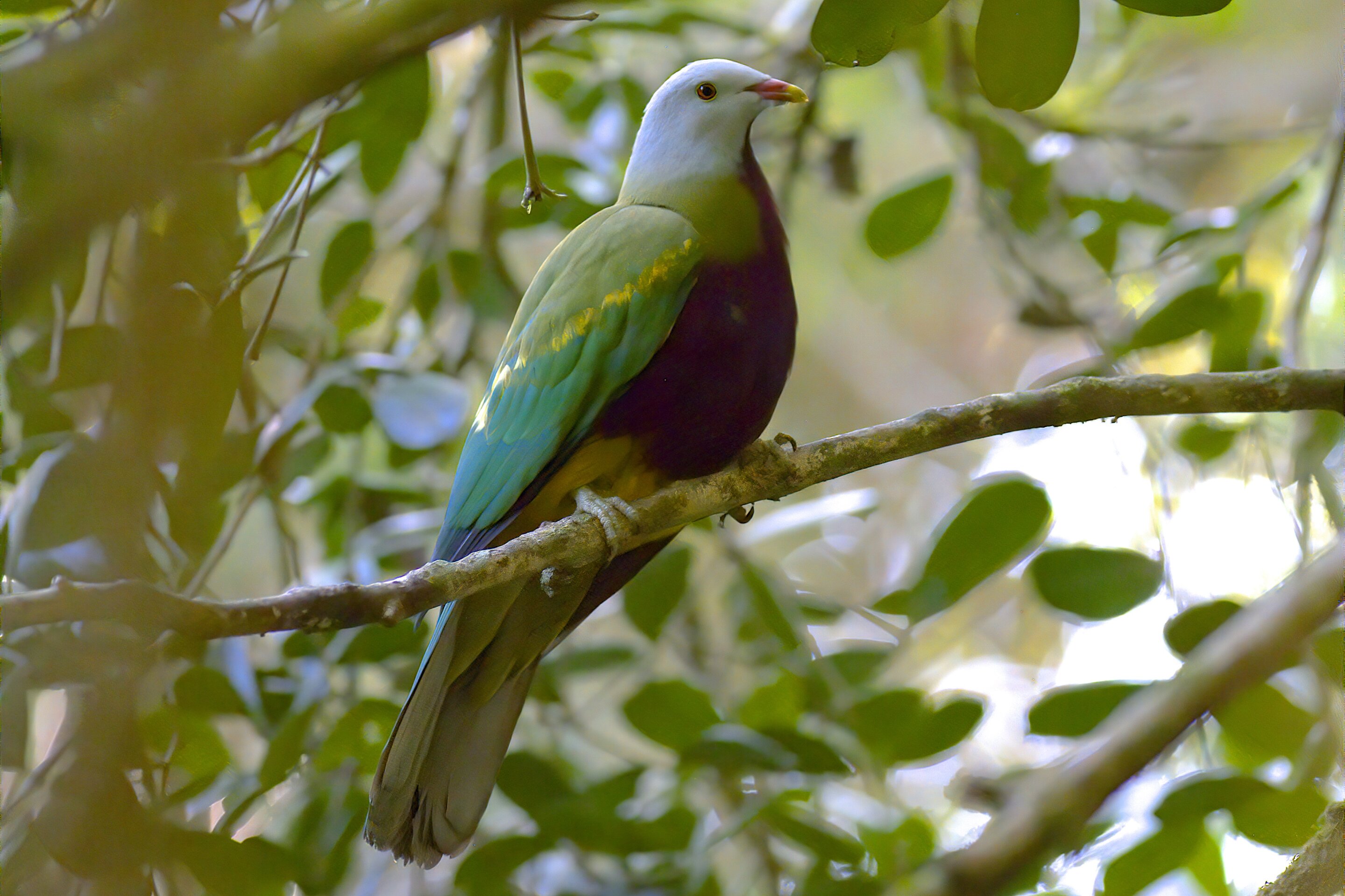
A frozen section of the bird genome, which refused to mix with nearby DNA, has led scientists to revise their understanding of bird evolution. This anomaly, dating back to the extinction of dinosaurs, misled researchers into grouping birds into two major categories, with flamingos and doves as evolutionary cousins. However, a more accurate family tree, accounting for this genomic anomaly, identifies four main groups and reveals that flamingos and doves are more distantly related. This discovery highlights the impact of suppressed recombination on genetic analysis and suggests that similar mysteries may exist in the genomes of other species.
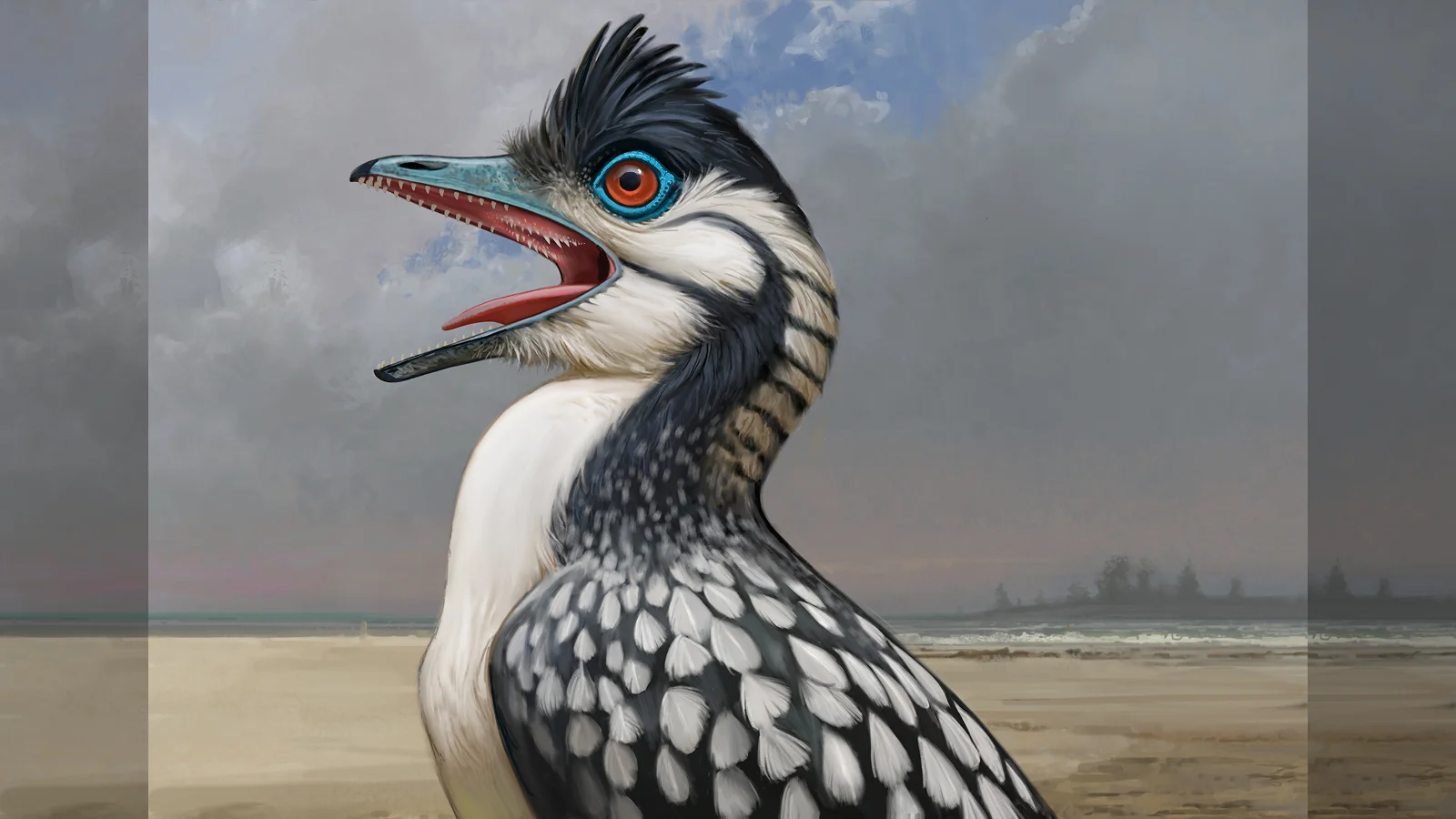
A newly discovered bird species, Imparavis attenboroughi, lived 120 million years ago and challenges previous understanding of avian evolution. The toothless bird belonged to a diverse group called enantiornithines and had unusual forelimbs, suggesting strong wing power. Its diet and reasons for toothlessness remain a mystery. The discovery sheds light on the complexity of bird evolution and the sixth mass extinction, providing valuable insights for understanding environmental changes.
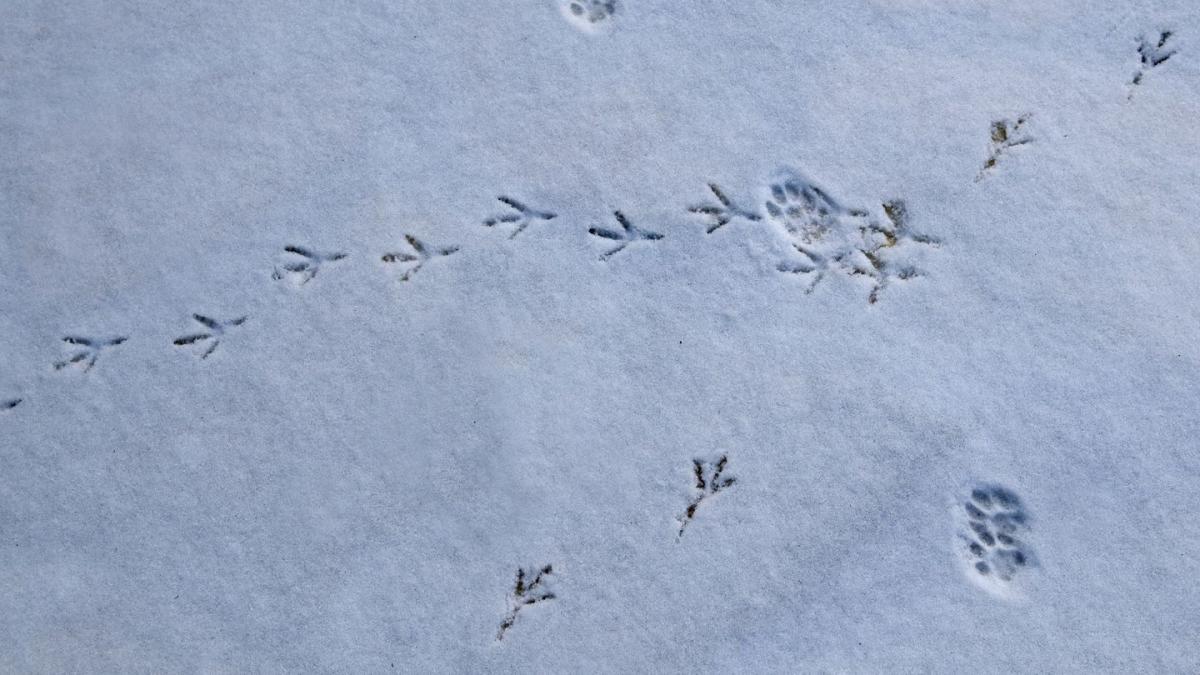
Geologists have discovered fossilized footprints of bird-like tracks that are 210 million years old, predating the arrival of true birds by 60 million years. The footprints, found in Lesotho, resemble bird tracks with slender toes and a wider shape. The findings suggest that bird feet evolved much earlier than previously thought, challenging the understanding of the timing of bird evolution. The footprints could belong to the earliest known ancestor of modern birds or a dinosaur in the near-bird lineage, or they could be a case of convergent evolution. This discovery highlights the ongoing mysteries surrounding the evolution of birds and their reptilian ancestors.