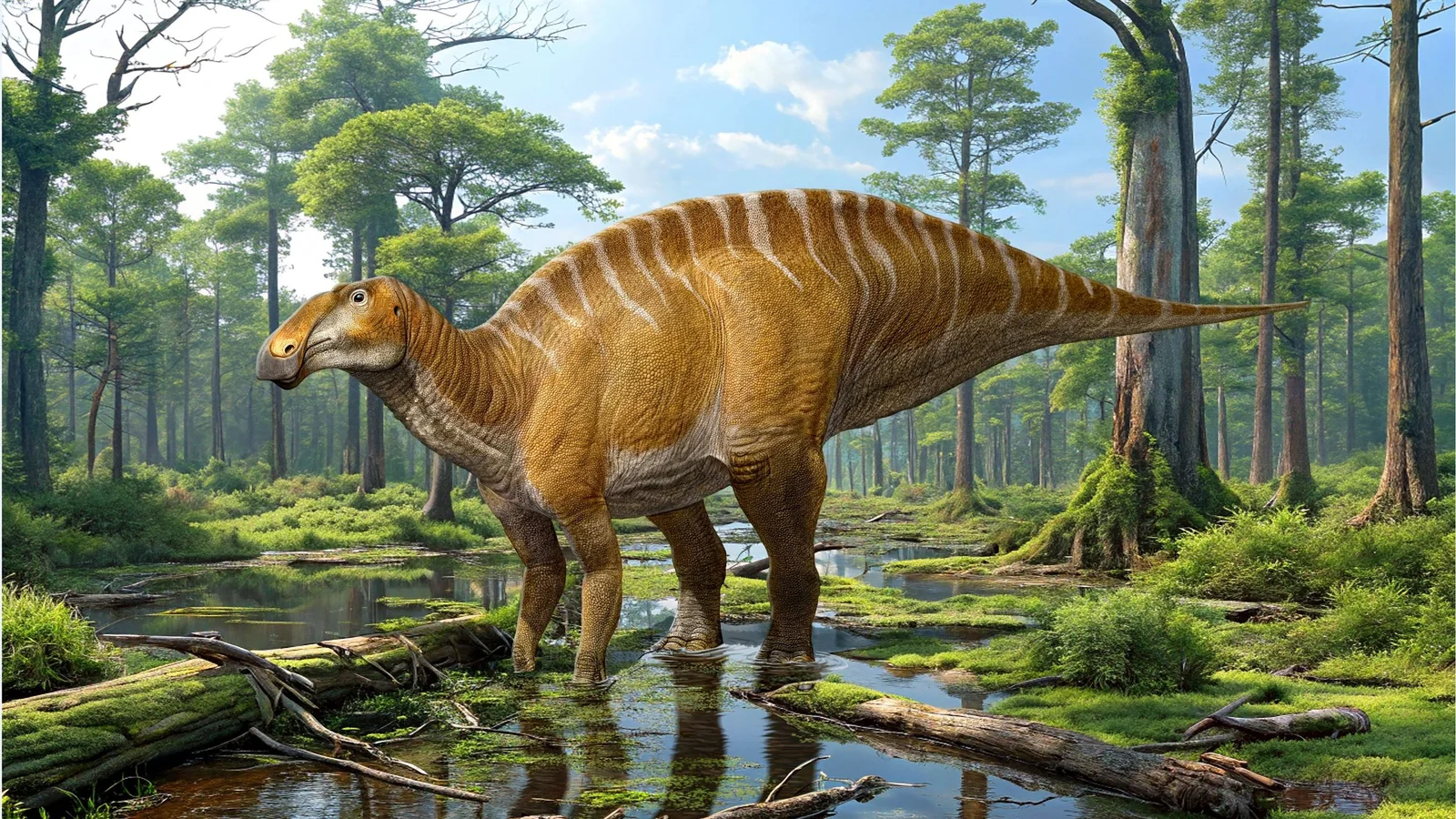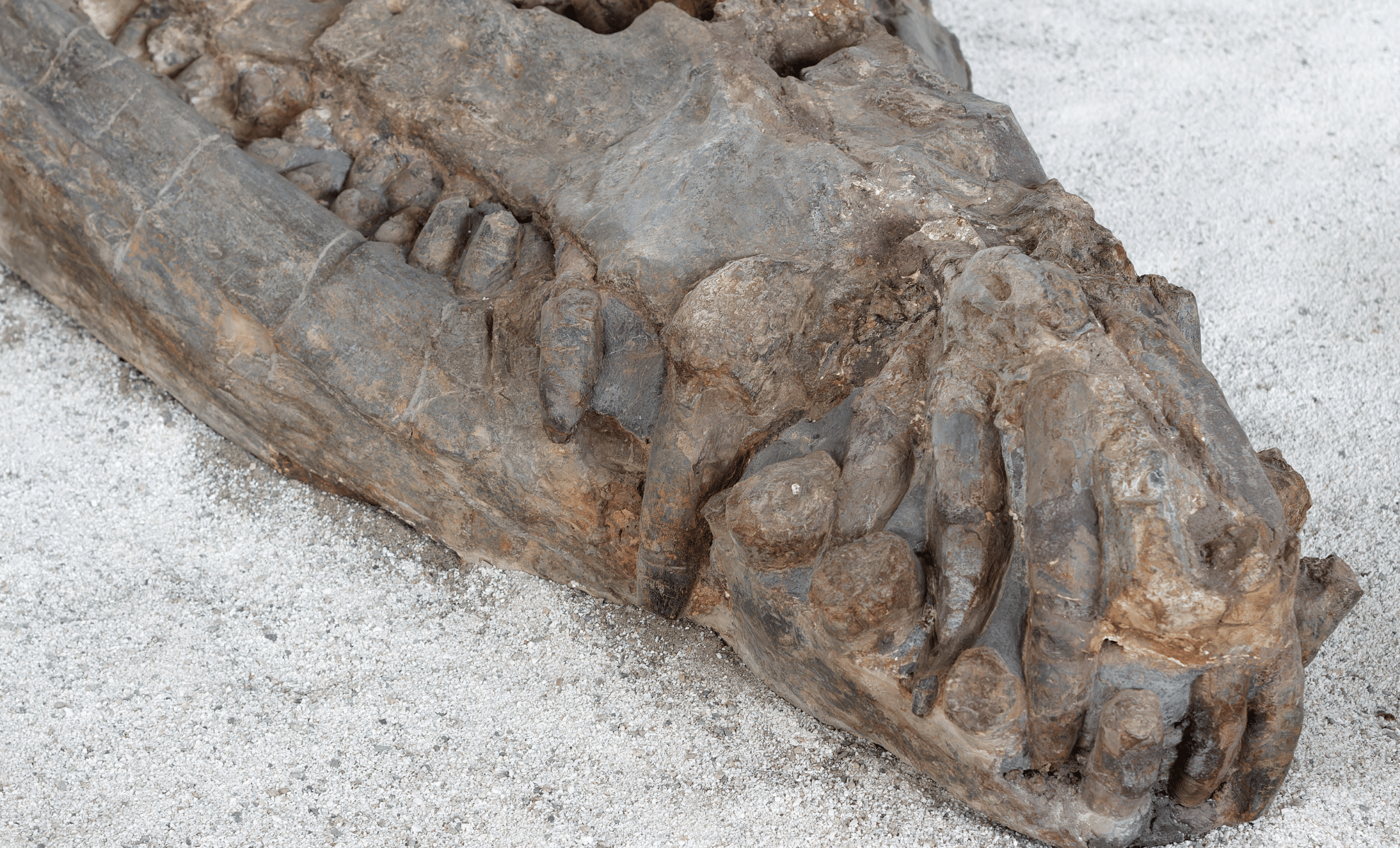
A significant fossil discovery of a Tenontosaurus in West Texas has expanded the known range of this herbivorous dinosaur during the Early Cretaceous, providing new insights into dinosaur distribution, ecosystems, and environmental adaptation in North America.
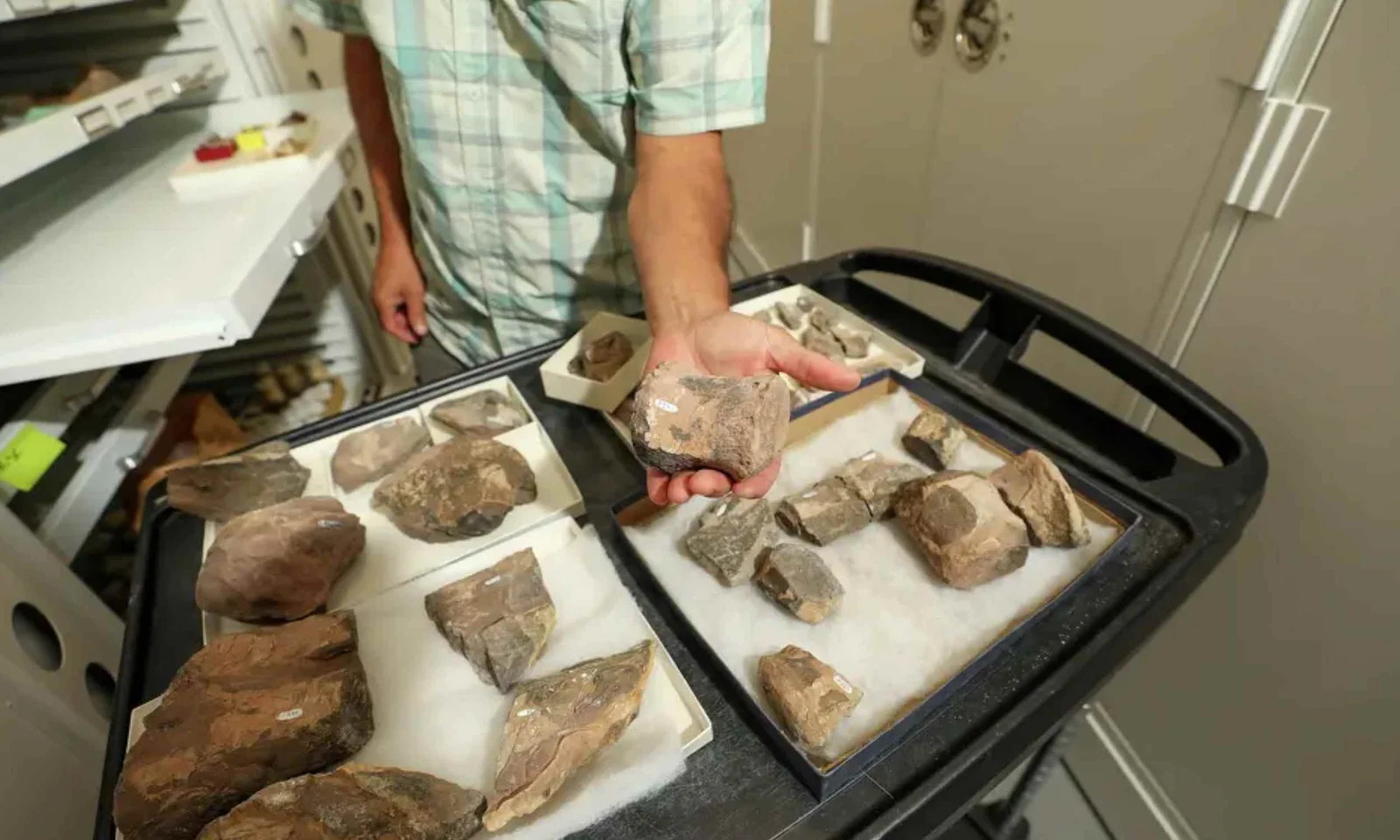
A rare fossil discovery in West Texas has extended the known range of the herbivorous dinosaur Tenontosaurus, dating back about 115 million years, and filling a significant gap in the early Cretaceous dinosaur record in North America, highlighting the importance of careful fieldwork and geological mapping.
Scientists reexamined 1916 fossils from New Mexico and identified a new species of giant duck-billed dinosaur, Ahshislesaurus wimani, which lived about 75 million years ago and could reach 40 feet in length, revealing greater diversity among hadrosaurids during the late Cretaceous period.
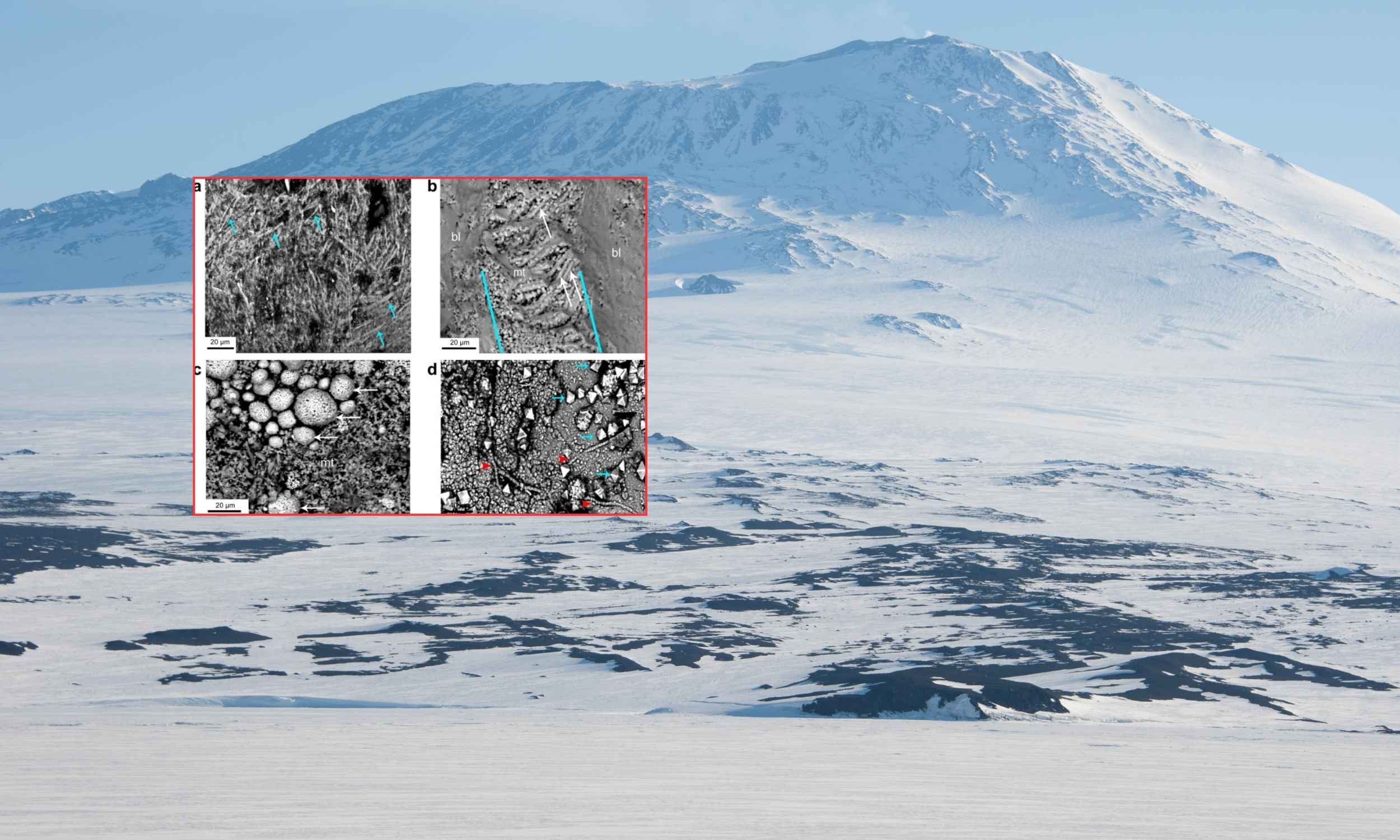
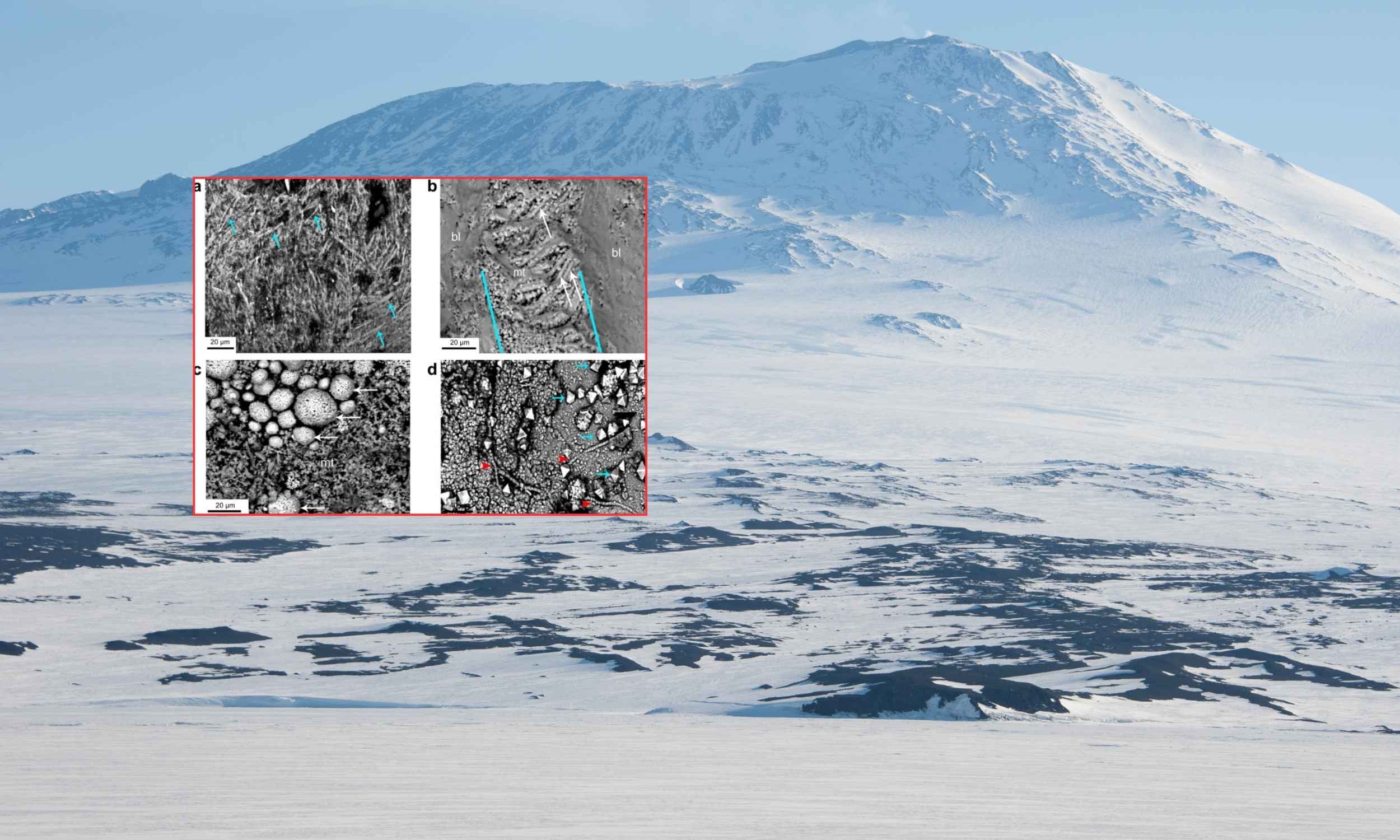
A 68-million-year-old soft-shelled fossil egg, nicknamed 'The Thing', was discovered in Antarctica, revealing that large marine reptiles like mosasaurs laid eggs in water, challenging previous beliefs that they gave birth to live young. The egg's size and structure suggest a reproductive strategy involving soft shells and quick hatching, with the fossil providing insights into ancient marine life and reproductive behaviors near the poles.
A 68-million-year-old soft-shelled fossil egg, nicknamed 'The Thing,' was discovered in Antarctica, revealing that large marine reptiles like mosasaurs laid eggs in water, challenging previous beliefs that such reptiles gave birth to live young. The egg, the largest soft-shelled egg found, suggests a reproductive strategy involving quick hatching in sheltered waters, and its preservation provides insights into ancient life near the poles.
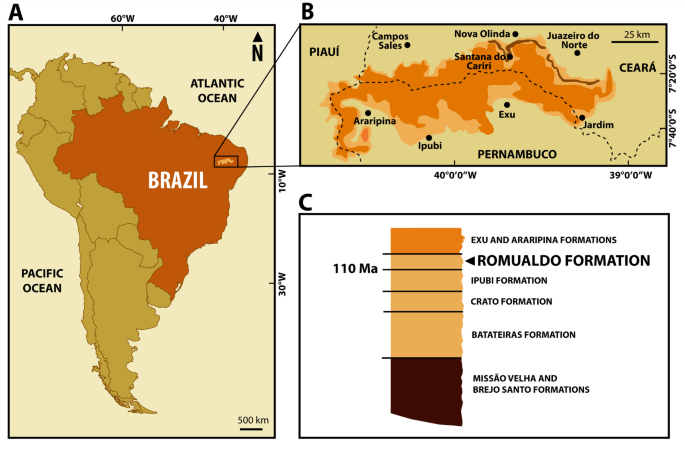
A new filter-feeding pterosaur species, Bakiribu waridza, has been discovered in the Santana Group of Northeast Brazil, representing the first archaeopterodactyloid from this formation and providing insights into the evolution and paleobiogeography of ctenochasmatids in Gondwana. The specimen, preserved as a regurgitalite, exhibits unique dental features, including dense, elongated, and subquadrangular teeth, and suggests a complex trophic interaction involving likely predation by spinosaurid dinosaurs.
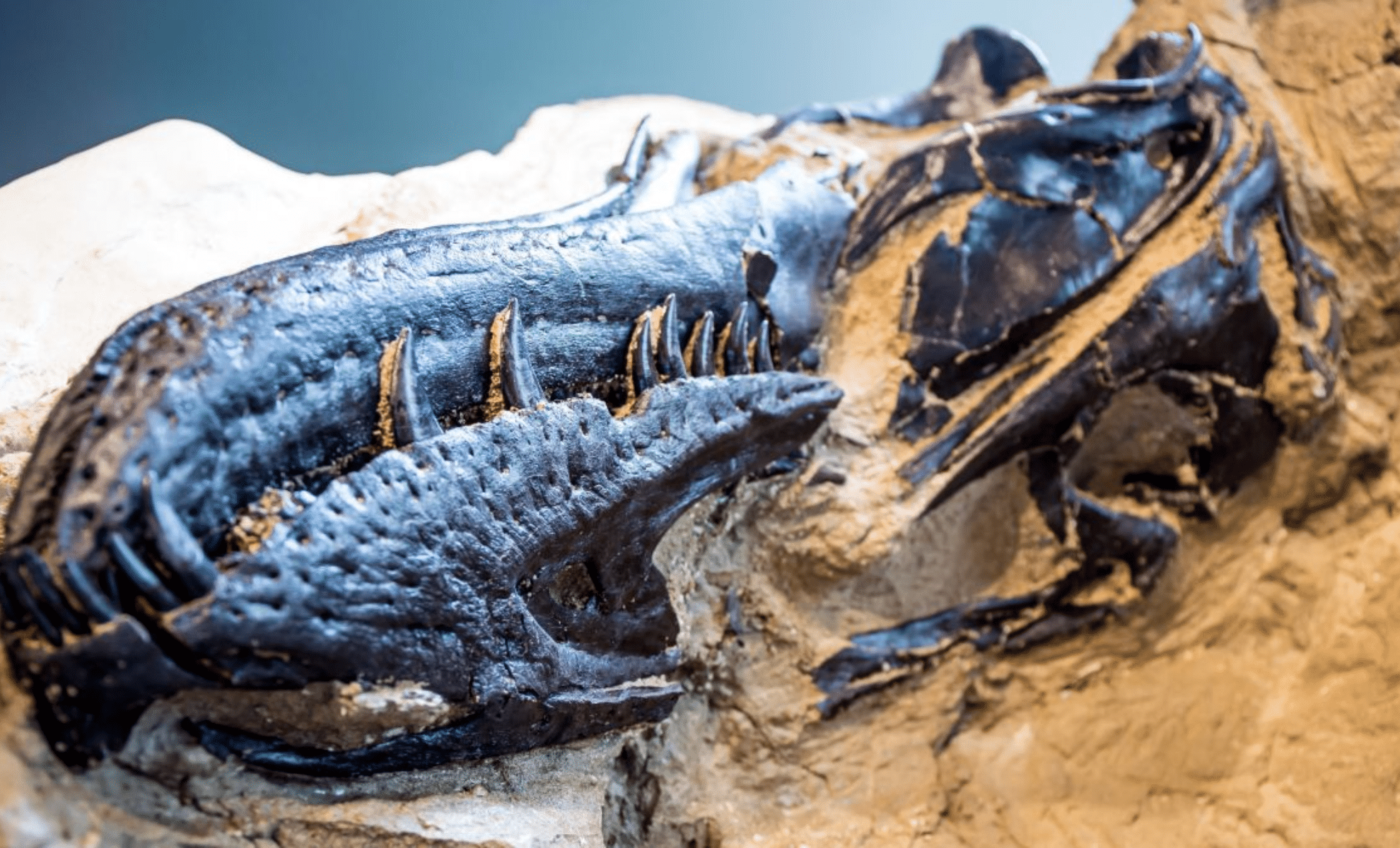
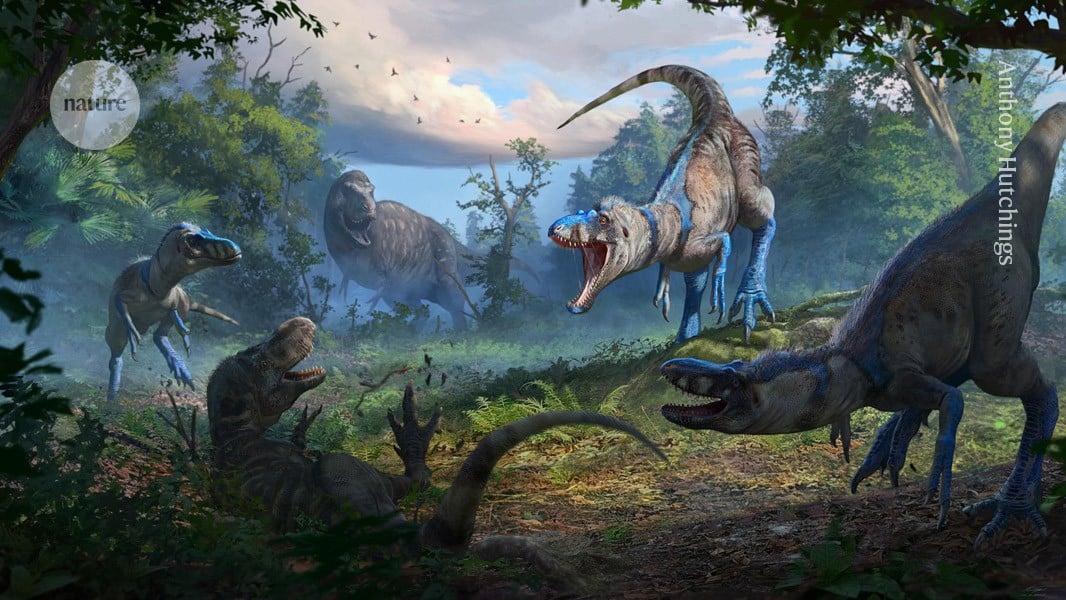
Researchers have confirmed that Nanotyrannus is a distinct, fully grown species of tyrannosaur, not a juvenile T. rex, revealing a more diverse and competitive predator ecosystem at the end of the Cretaceous and reshaping our understanding of dinosaur evolution.
A recent study provides evidence that Nanotyrannus is a distinct genus from Tyrannosaurus, with two species coexisting in North America during the late Cretaceous, challenging previous assumptions about tyrannosaur ontogeny and diversity.
A fossil previously thought to be a juvenile Tyrannosaurus rex has been identified as a different species, Nanotyrannus, which was a fully grown, agile predator with distinct physical features, prompting a re-evaluation of tyrannosaur evolution.
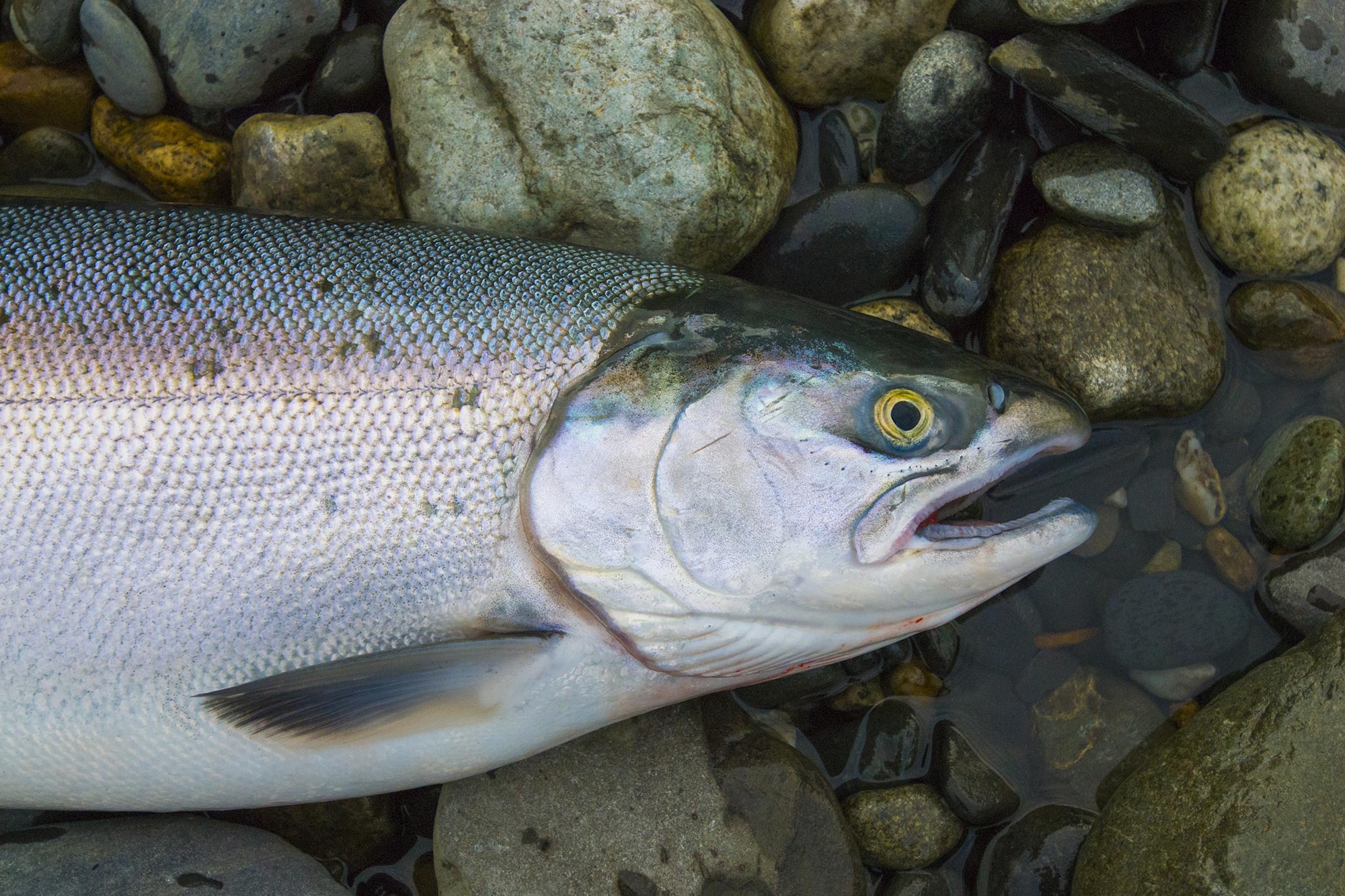
Scientists discovered the world's oldest salmon fossil in Arctic Alaska, dating back 73 million years, revealing that ancient salmonids thrived during the Cretaceous period and suggesting their origins in northern high-latitude regions.
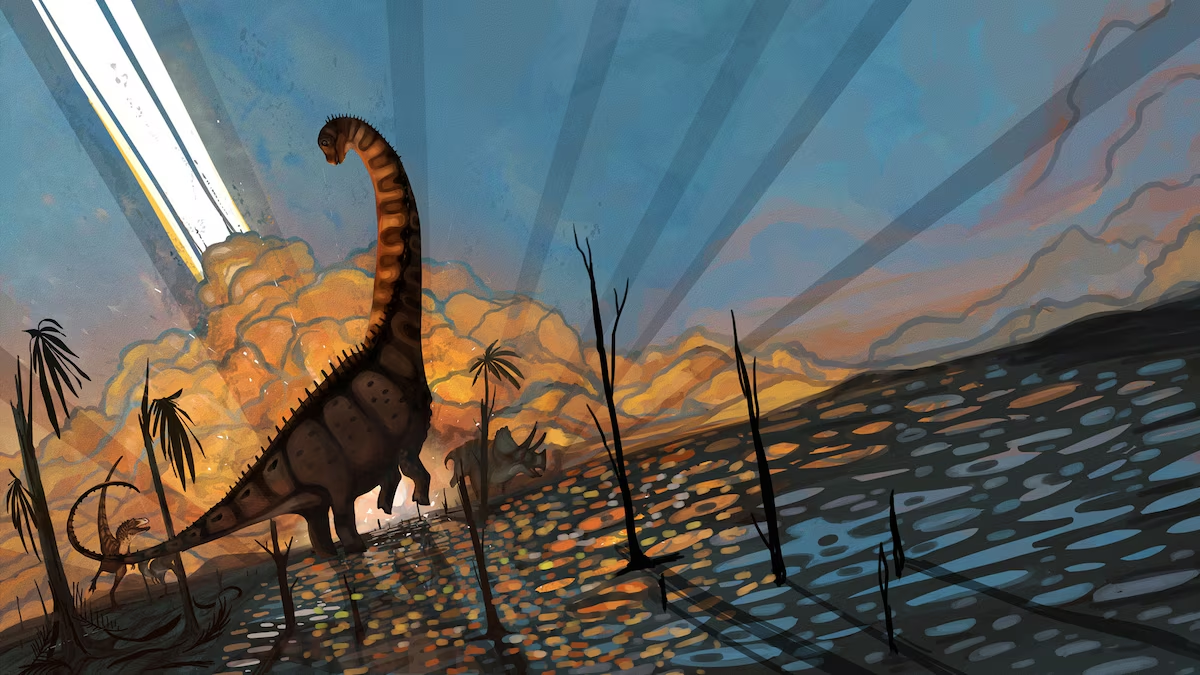
New dating of fossils from New Mexico suggests dinosaurs thrived until the asteroid impact, challenging previous beliefs that they declined long before the mass extinction, and revealing diverse ecosystems in the late Cretaceous period.
New research shows that dinosaurs in North America were thriving up until the asteroid impact 66 million years ago, with fossils from New Mexico indicating they lived just 340,000 years before the extinction event, challenging the idea that they were already in decline.
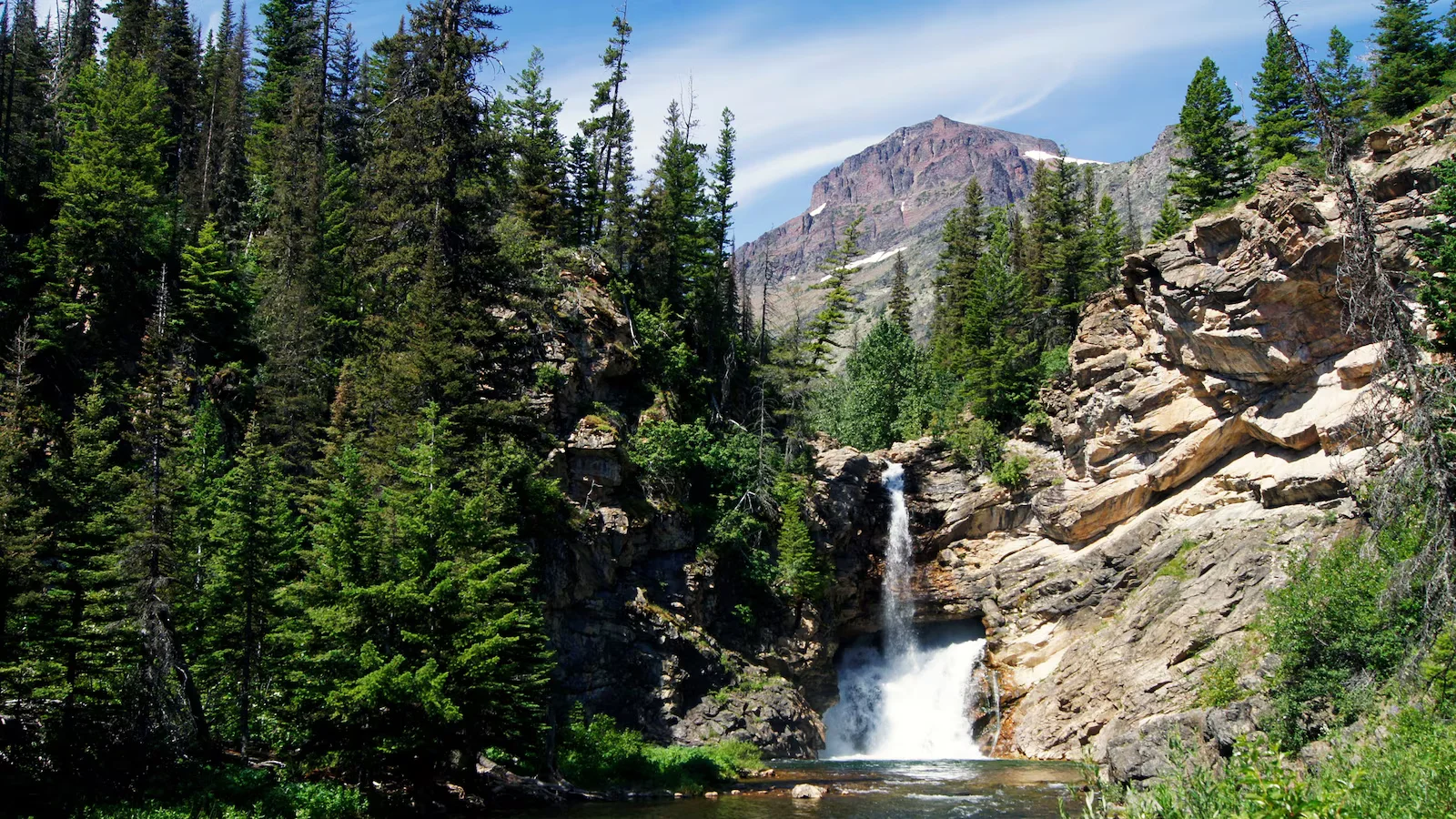
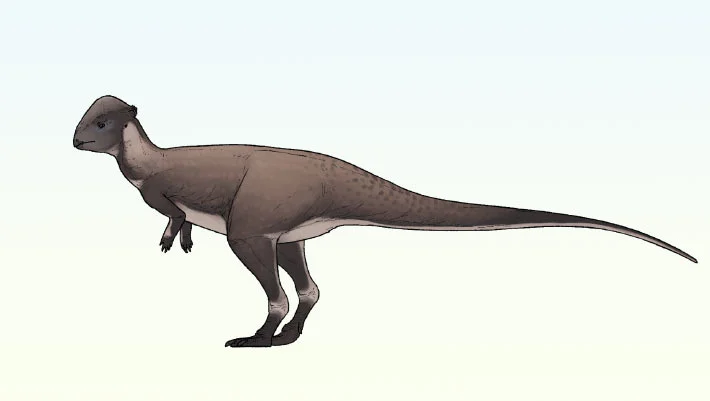
A new species of dome-headed dinosaur, Brontotholus harmoni, was discovered in Montana's Two Medicine Formation, dating back about 75 million years, and is notable for its size and unique features, expanding knowledge of pachycephalosaurid diversity in North America.
Paleontologists discovered a new species of dome-headed dinosaur, Brontotholus harmoni, in Montana's Two Medicine Formation, dating back about 75 million years. This herbivore, about 10 feet long, is the third largest North American pachycephalosaurid and provides new insights into the diversity and evolution of these dome-headed dinosaurs during the Late Cretaceous.
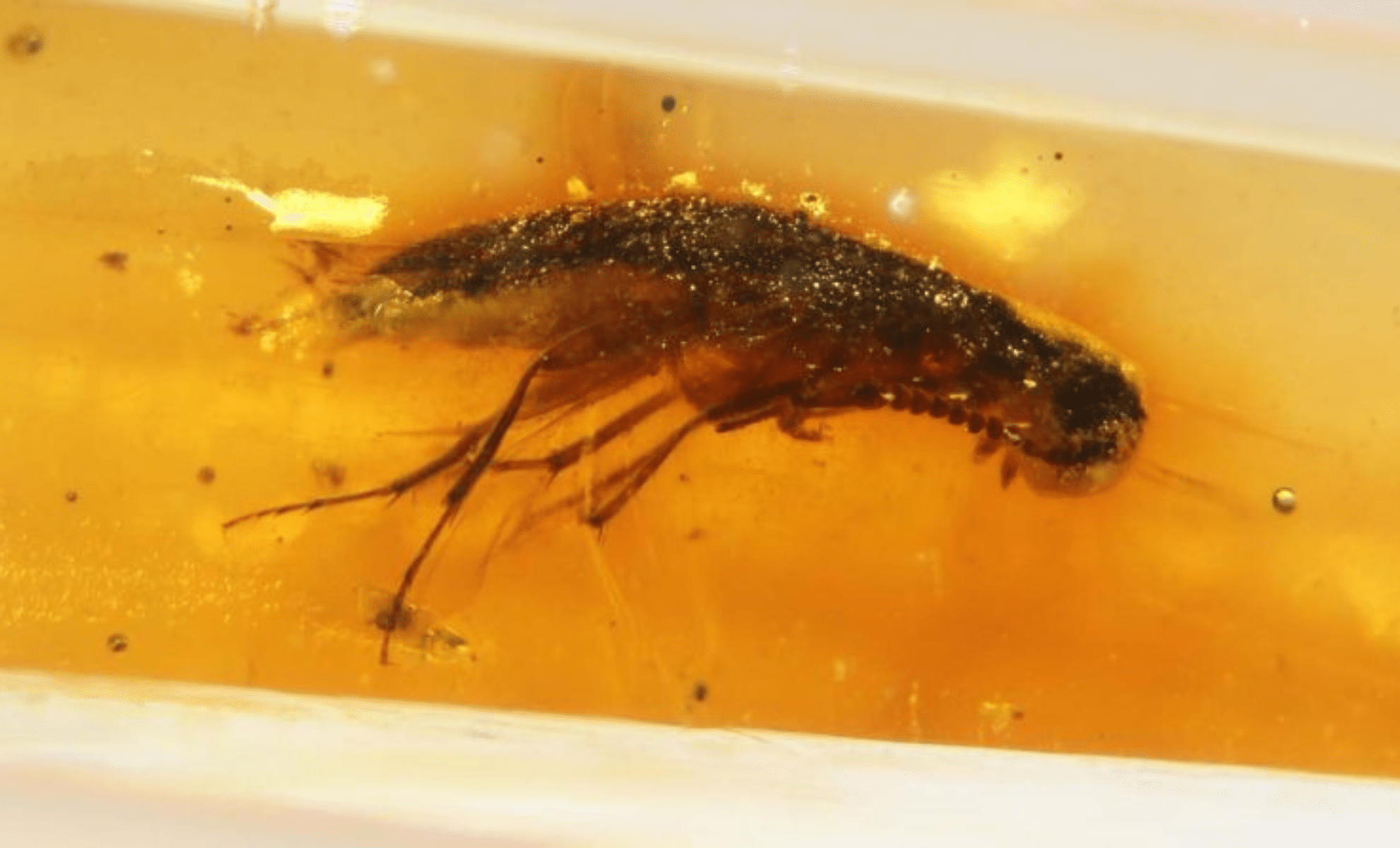
Scientists discovered 112-million-year-old insects and plant material preserved in amber from Ecuador, providing valuable insights into Gondwana's Cretaceous ecosystem and the biodiversity of the southern Hemisphere during that period.