Tag

Color Science

All articles tagged with #color science

Chasing the Perfect Red: The Hidden Challenge of Durable Pigments
technology3 days ago

Chasing the Perfect Red: The Hidden Challenge of Durable Pigments

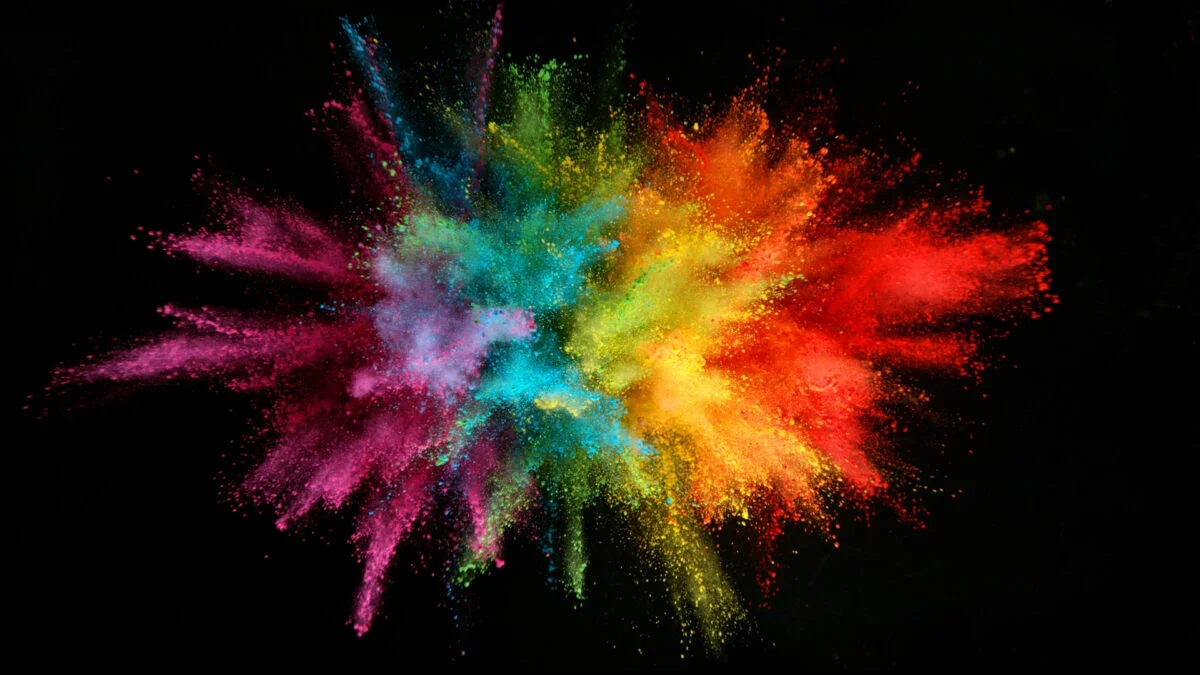
Color arises from how light interacts with a pigment's electrons; achieving a bright, durable red is exceptionally hard because the necessary electronic transitions depend on molecular structure, not just the element. Mas Subramanian’s YInMn Blue shows how targeted structure can yield lasting color, while researchers have only achieved reddish-magenta so far and a true perfect red remains elusive despite NSF funding and ongoing work.

"How Wearing Red or Green Can Enhance Your 2024 Solar Eclipse Experience"
astronomy1 year ago

"How Wearing Red or Green Can Enhance Your 2024 Solar Eclipse Experience"

Experts suggest that wearing red or green during the upcoming total solar eclipse on April 8 can enhance the experience due to the way our eyes perceive colors in low light. As the eclipse darkens the surroundings, warm colors like red and orange may appear less vibrant, while green will pop and look brighter. This phenomenon, known as the Purkinje effect, can turn the eclipse experience into a real-life science demonstration on clothing. Therefore, wearing red or green instead of neutrals like black, white, gray, or brown can not only enhance the eclipse experience but also make eclipse photos more vivid against the dark backdrop.

"The Surprising Science Behind Blueberries' Blue Hue and Potential Health Benefits"
science-and-nature2 years ago

"The Surprising Science Behind Blueberries' Blue Hue and Potential Health Benefits"

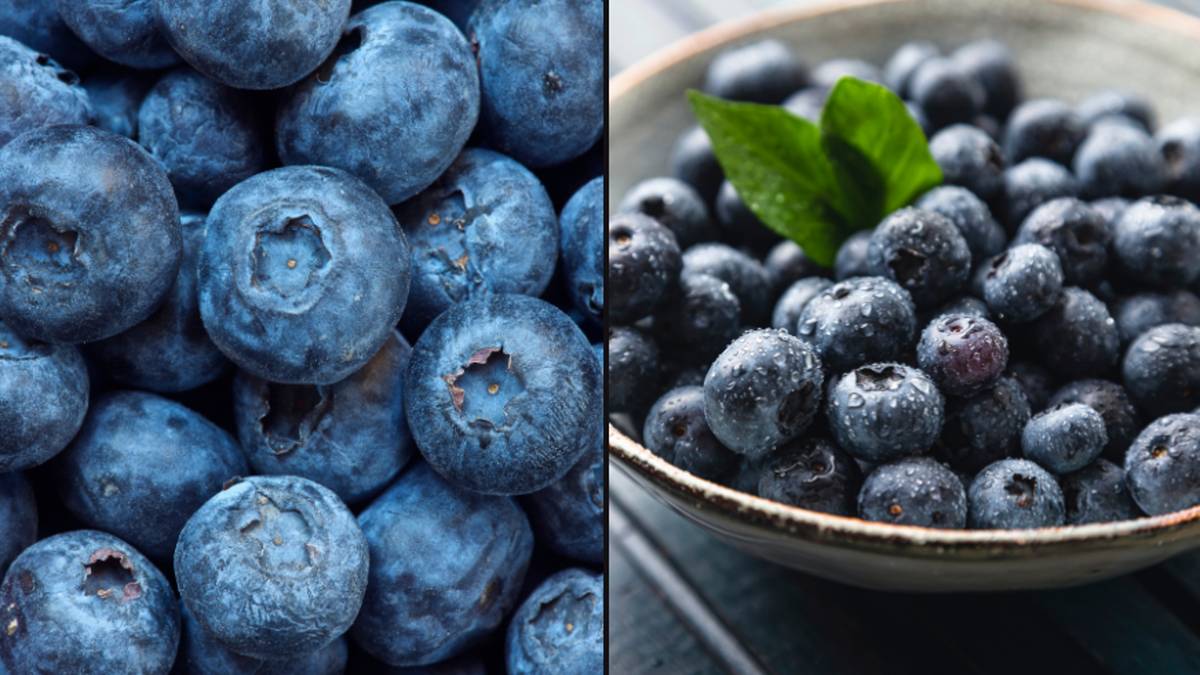
Blueberries are not actually blue in the true sense of the word; their color comes from a unique structural mechanism involving nanostructures in their waxy coating that scatter blue and ultraviolet light while absorbing other wavelengths. This "structural color" is also responsible for the blue and indigo hues in other fruits and natural elements. The discovery could lead to new types of blue paints and dyes in the future. The scarcity of true blue pigments in nature is due to the high-energy nature of the color, which plants typically absorb rather than reflect. Fruits and flowers that appear blue use various mechanisms, such as mixing non-blue pigments or relying on special colorants in their coatings.

"Surprising Truths: Blueberries, Lightning Strikes, and Gut Health"
food-and-science2 years ago

"Surprising Truths: Blueberries, Lightning Strikes, and Gut Health"

Research from the University of Bristol has revealed that blueberries aren't actually blue, but appear so due to a trick of the light caused by a colorless, two micron-thick wax layer covering the fruit, which has an intricate microscopic structure that interferes with light and makes it seem blue to the naked eye. The skin of the fruit is black and the berry juice is red, with no trace of any blue pigment in either the flesh or skin. This discovery has left many people surprised and intrigued, as the beloved superfood's true color is unveiled.