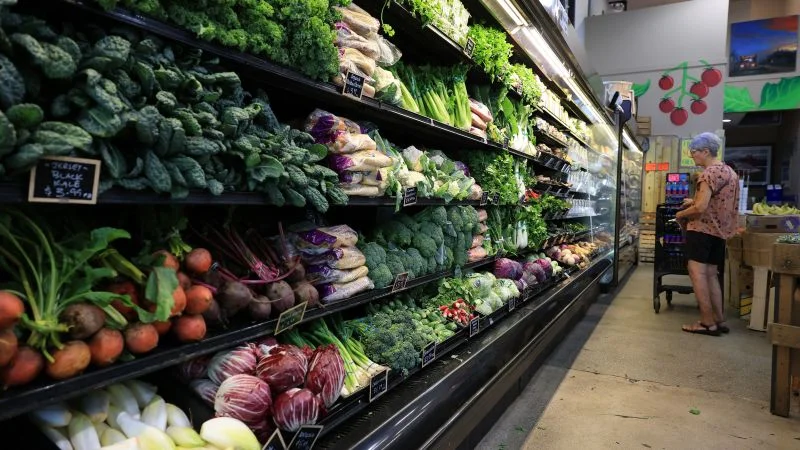
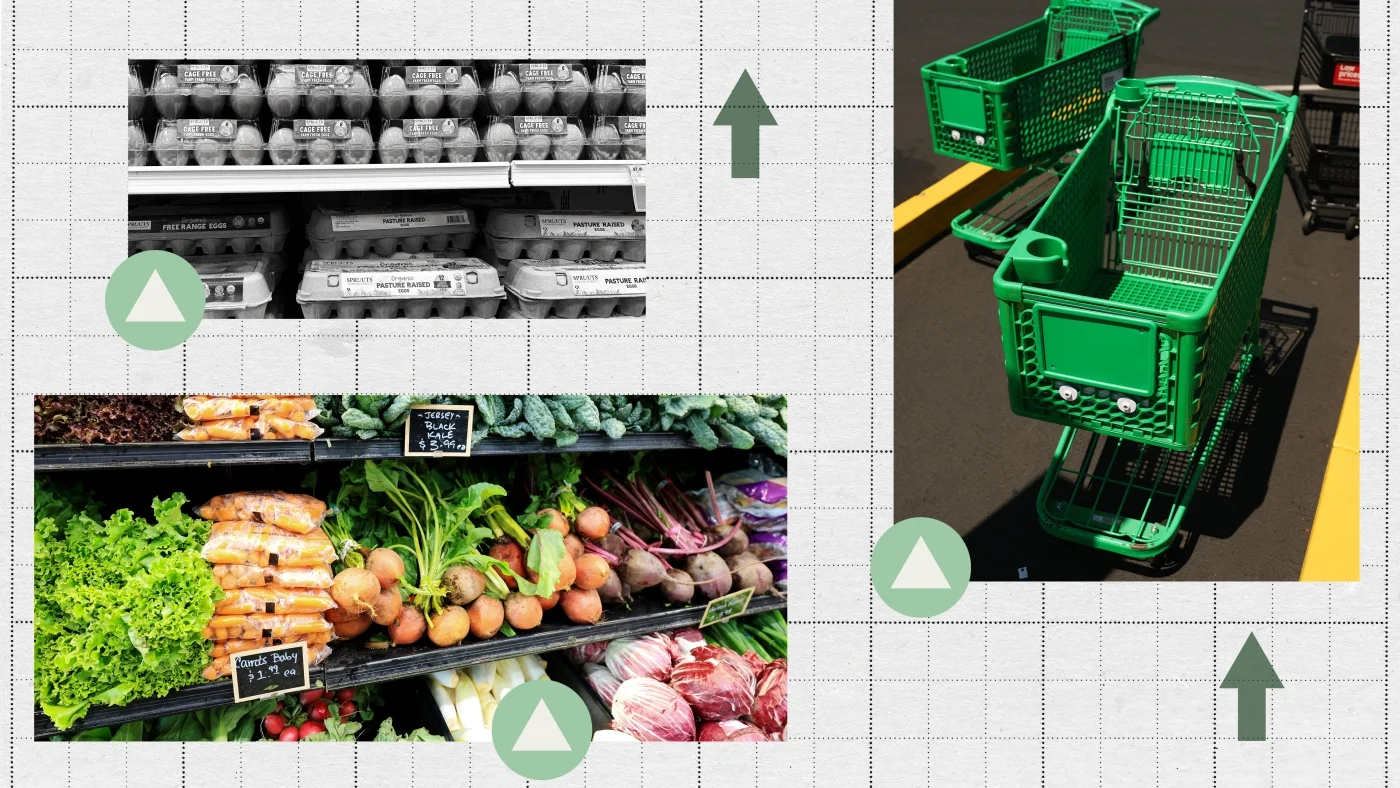
U.S. grocery prices are rising rapidly due to Trump's tariffs, immigration crackdown, and climate change impacts, affecting low- and middle-income Americans and leading to changes in shopping habits and increased food costs.
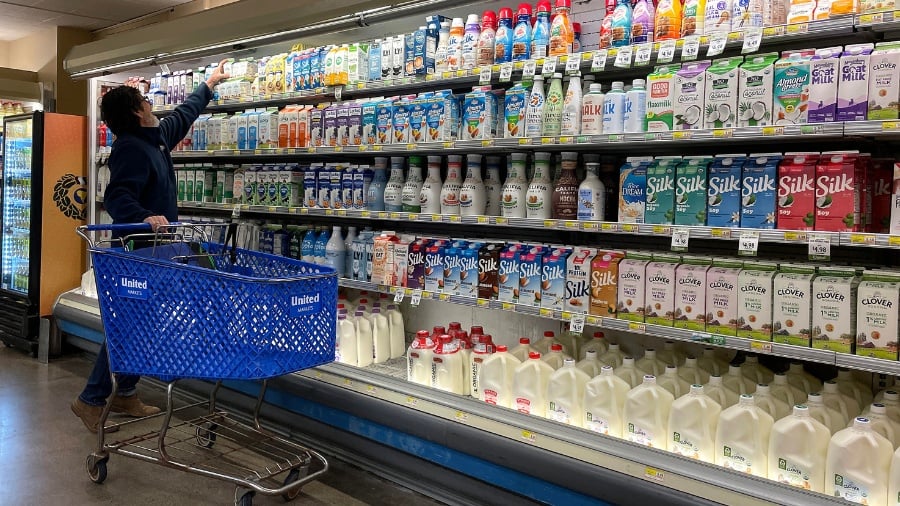
Grocery prices in the US have increased by 3.2% over the past year, driven by pandemic disruptions, geopolitical conflicts, and tariffs, causing significant stress for consumers who are adjusting their shopping habits and facing financial anxiety.
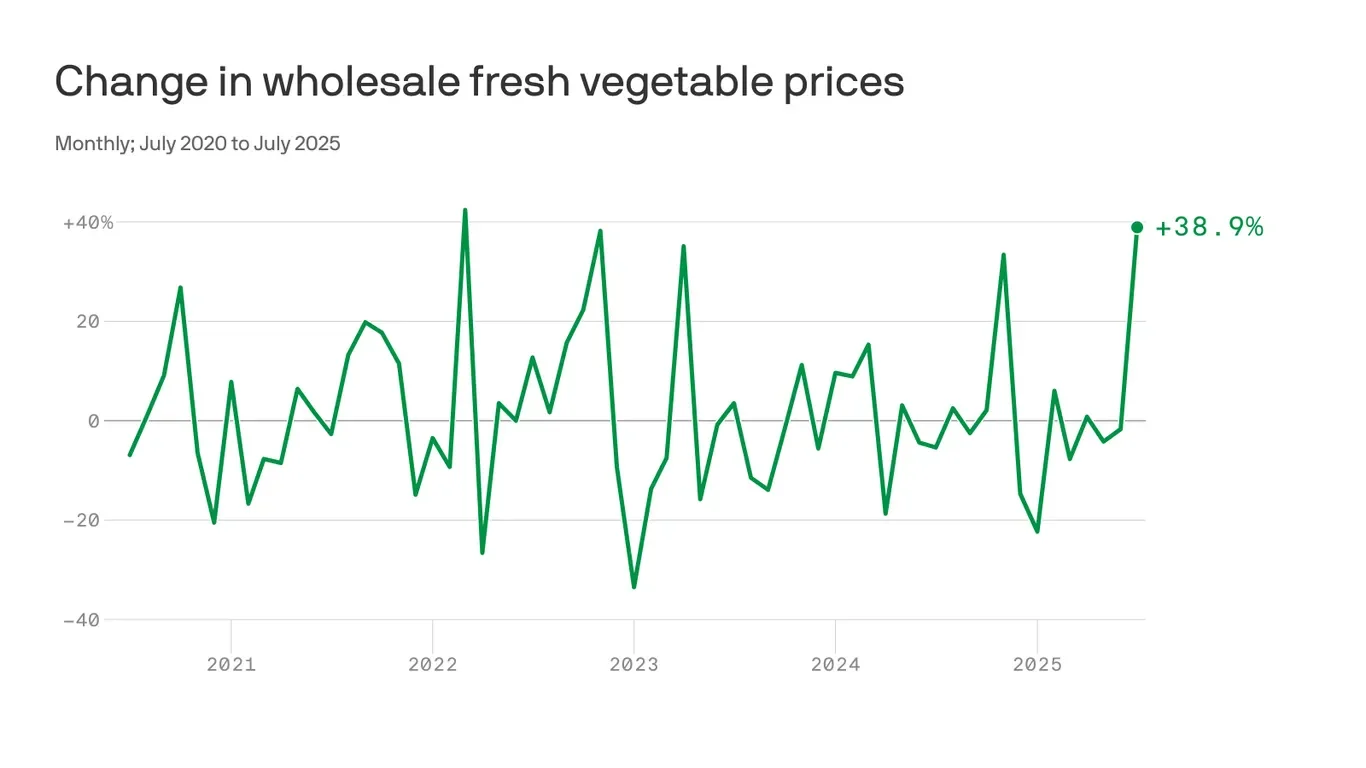
Wholesale vegetable prices in the U.S. surged to record levels in July, driven by tariffs and import issues, signaling potential increases in grocery store prices and inflation concerns for consumers.
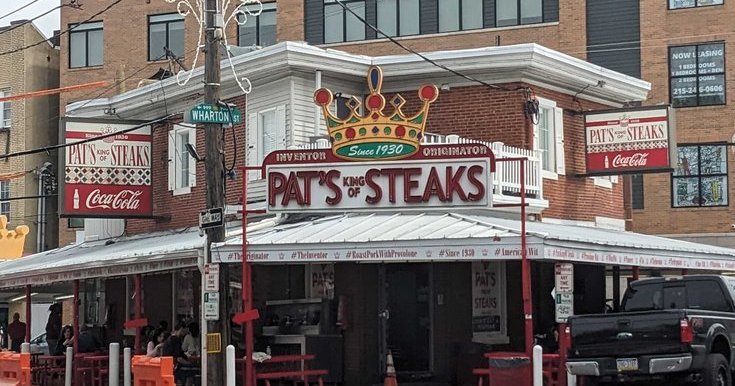
Rising beef prices due to droughts, tariffs, and political pressures are significantly increasing the cost of cheesesteaks in Philadelphia, forcing local shops to raise prices and consider cutbacks, with some shops now charging over $17 for a cheesesteak.
ALDI is cutting prices on nearly 25% of its products, about 400 items across all stores, to offer savings of up to 33% in response to high food costs, aiming to provide more value to shoppers during the summer.
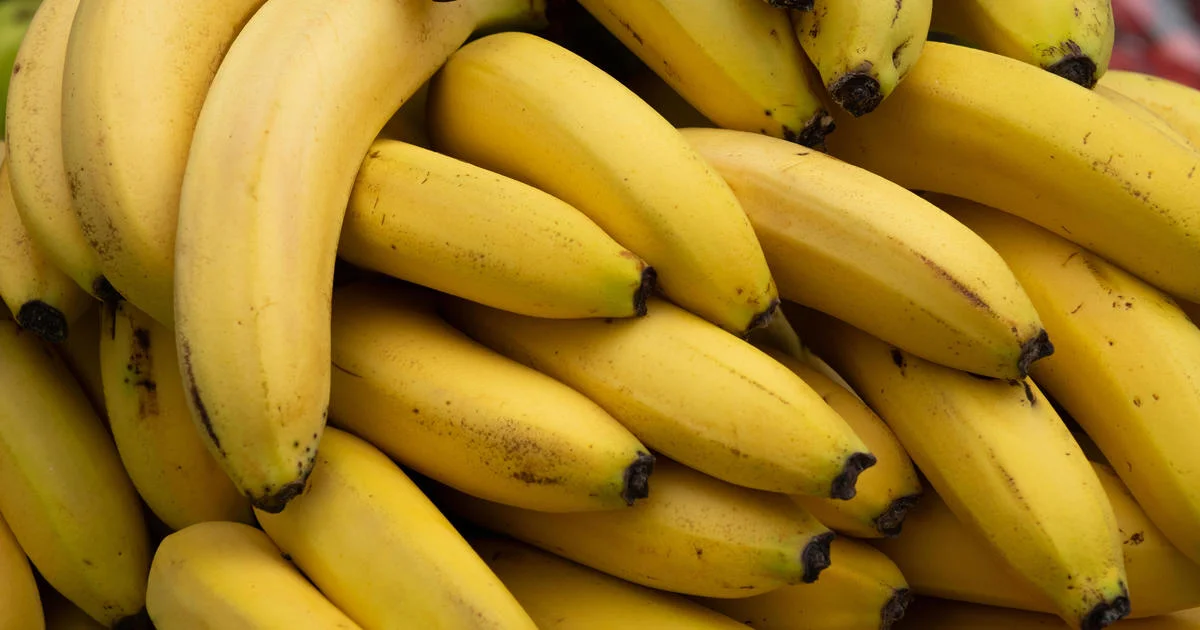
Trader Joe's has raised the price of a single banana for the first time in over 20 years, citing the need to adjust prices as costs change. The increase comes amid stubbornly high food prices and concerns about the impact of climate change on banana production. While some prices are rising, Trader Joe's has also lowered prices on certain items, including green onions and raw almonds.
Washington and Seattle residents face some of the highest grocery prices in the U.S., with weekly costs exceeding the national average by around $17. A federal survey revealed that Seattle residents pay more for groceries than almost any other city in the country. This analysis coincides with Washington's lawsuit to block the merger of Kroger and Albertsons, citing concerns about reduced competition leading to higher prices.
The Biden-Harris Administration, in partnership with the U.S. Department of Agriculture (USDA), is investing nearly $196 million in 185 projects across 37 states and Puerto Rico to strengthen American food and agriculture supply chains, expand markets for agricultural producers, and lower food costs. These investments aim to create economic opportunities for rural businesses and entrepreneurs, enhance local and regional food systems, and increase competition in the agricultural sector. The funding will support various projects, including the modernization of food processing facilities, expansion of marketing and sales for organic produce, and decarbonization efforts in farming. The initiatives are part of President Biden's agenda to lower costs for American families and boost investment in critical supply chains.
Chipotle reported better-than-expected earnings and same-store sales for the third quarter, with revenue growing 11% to $2.47 billion and same-store sales increasing 5%. The company's stock jumped 5% after the report. Chipotle attributed its strong performance to price hikes that helped offset higher food costs, including increased prices for beef and queso. The return of the Carne Asada limited-time offering also contributed to the quarter's success. Despite inflationary pressures, Chipotle's CFO noted that the company is performing well across income levels. The company plans to raise menu prices again next year and expects restaurant sales growth in the mid- to high-single-digit range for the fourth quarter. Chipotle's stock has outperformed the S&P 500 this year, and it is considered a top pick by analysts.
Chipotle's stock rose 3.8% in pre-market trading after the company reported better-than-expected earnings and same-store sales. Revenue grew 11% to $2.47 billion, with same-store sales increasing 5%. The quarter was boosted by the return of the Carne Asada, a fan favorite in 2019. The company offset higher food costs with price hikes and plans to raise menu prices again in the future. Chipotle expects restaurant sales growth in the mid- to high-single-digit range for Q4 and plans to open 285 to 315 new locations by 2024.
Grocery store prices are on the rise, with a nearly 17% increase over the past two years, leading to social media users sharing their shock and frustration. Many are struggling to afford basic groceries, resorting to food banks and seeking additional income. However, some users are sharing money-saving tips like couponing and buying in bulk to combat rising costs. Financial experts suggest taking advantage of sales, using store-brand products, and buying seasonal produce to save money. Small changes in shopping habits can make a difference in dealing with inflation.
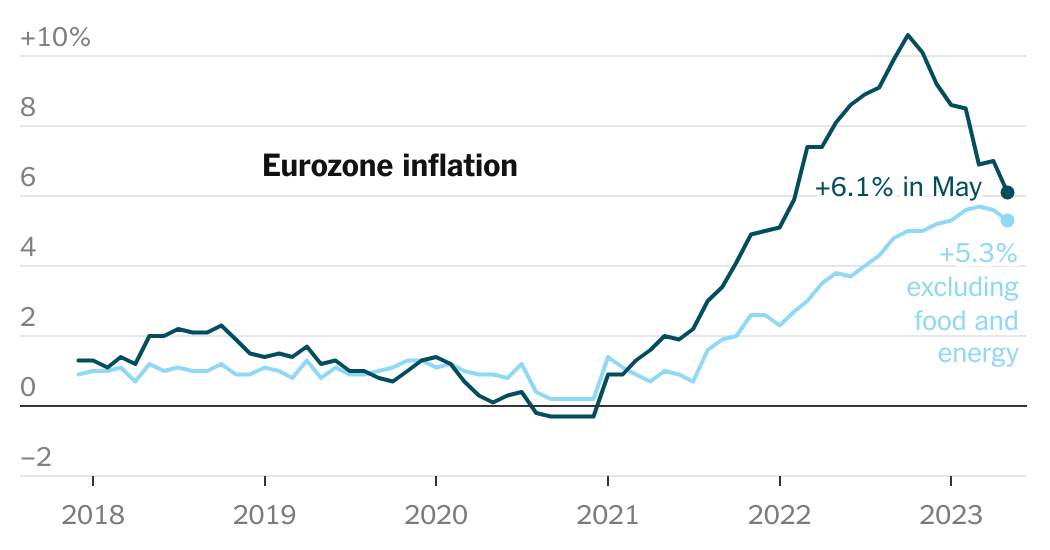
Inflation in the Eurozone fell to 6.1% in May, the lowest level in over a year, due to a slowdown in energy price increases. However, food and service costs continued to rise, leading to concerns that the European Central Bank will continue to raise interest rates to curb inflation. Core inflation, which excludes volatile food and energy costs, rose 5.3%. Despite government efforts to protect consumers from rising prices, food, alcohol, and tobacco costs increased by 12.5% annually in May. The labor market remains tight, with unemployment at a record low and hourly labor costs rising at a record pace.
Shrimp cocktail is becoming a pricey indulgence at steakhouses, brasseries, taverns, chic oyster bars, and elsewhere due to labor shortages, food costs, and other inflationary forces. The cost of preparing it is high enough that a chef could legitimately charge even more for it. Amid rising restaurant dish prices, dining out generally costs 21% more now than right before the COVID shutdown. Despite global shrimp prices being down from a decade ago, chefs might be offsetting the costs of other ingredients that are rising in price.
A new report suggests that the recent rise in gas prices is expected to have a ripple effect on food costs, as transportation costs increase for farmers and food manufacturers. This could lead to higher prices for consumers and contribute to overall inflation. The impact on consumer spending remains to be seen.
OPEC+ surprised the market with a production cut of over 1 million barrels a day, causing oil prices to surge. Exxon will provide details of its low-carbon solutions business at an investor event on Tuesday. The Biden Administration's new criteria for the full $7,500 tax credit provision in the Inflation Reduction Act is expected to reduce the number of eligible EV models in the US. The United Nations will release its monthly report on global food costs on Friday, with food inflation still a concern. Shipping demand has slowed due to a milder-than-expected winter in Europe, leading to oversupply and high stockpiles of fuel oil in Singapore.