Tag

Eurozone

All articles tagged with #eurozone

Brussels Countdown: The Race to Succeed Lagarde at the ECB
business11 days ago

Brussels Countdown: The Race to Succeed Lagarde at the ECB

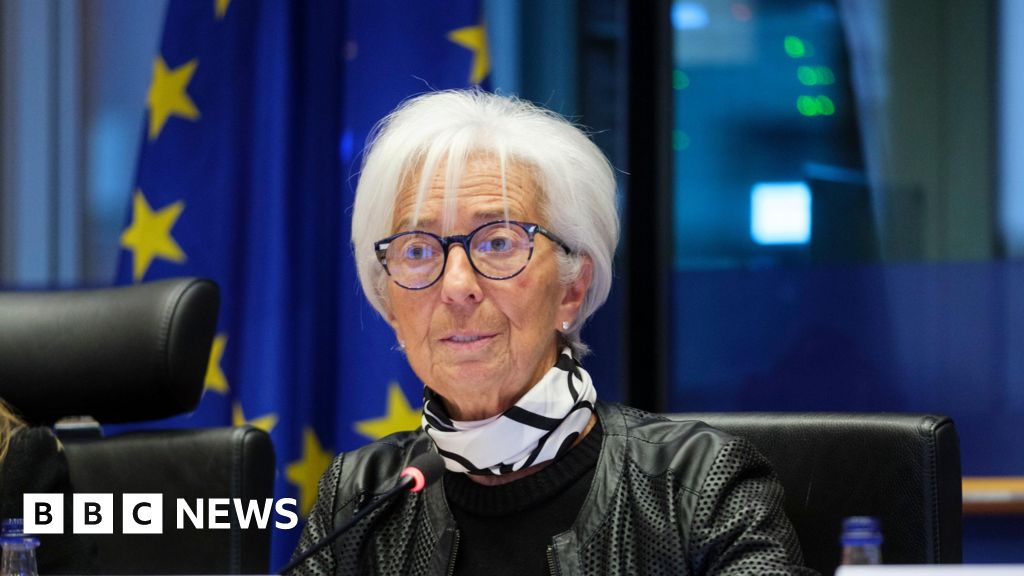
As Christine Lagarde’s term nears its end, three ECB executive-board vacancies will surface next year, triggering a high-stakes Brussels horse-trading over the presidency; Knot is widely viewed as the favorite, with Pablo Hernández de Cos as the insider pick, while several German contenders (Isabel Schnabel, Joachim Nagel, Jörg Kukies) vie for the post and Kristalina Georgieva is a potential fallback.

Poland sticks with the złoty as growth outpaces the eurozone, eyes G20 instead of euro adoption
economy1 month ago

Poland sticks with the złoty as growth outpaces the eurozone, eyes G20 instead of euro adoption

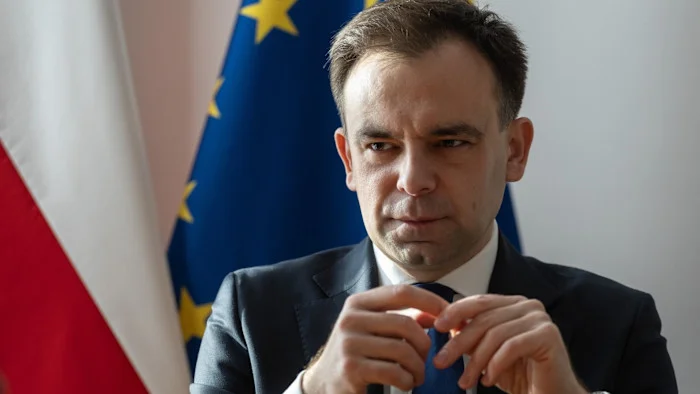
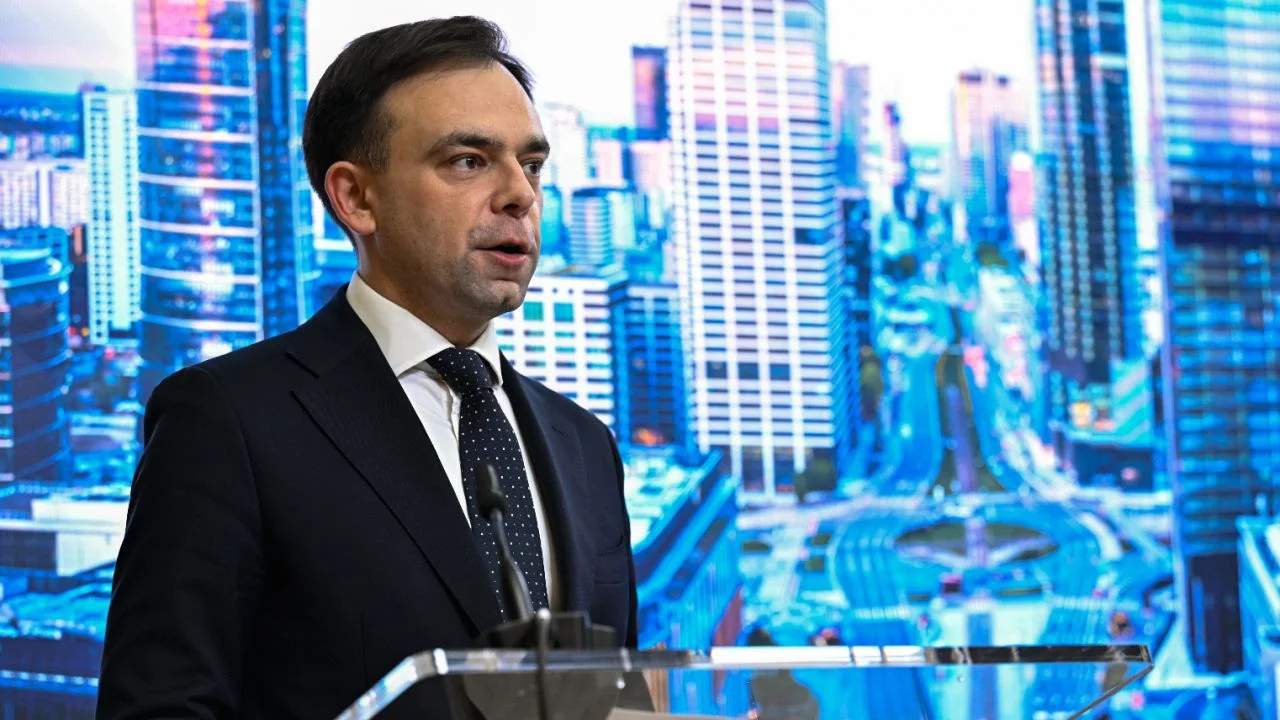
Poland’s finance officials say the country should keep the złoty for now, arguing the economy is outperforming eurozone peers and public opinion favors the currency; the shift under Prime Minister Tusk emphasizes economic reasons over politics as euro adoption is deprioritized. The OECD projects Poland to grow 3.4% this year, the fastest in the EU, while Warsaw seeks a G20 seat rather than joining the euro; Poland’s GDP topped $1 trillion and it has been invited to attend the Miami G20 meeting as an observer.

Poland bets on the zloty, delaying euro adoption amid booming growth
economy1 month ago

Poland bets on the zloty, delaying euro adoption amid booming growth

Poland says it will delay adopting the euro, arguing its economy now outperforms many euro-area peers and that keeping the zloty is in the country’s best interests. EU rules still require convergence before euro entry, but the timing is a political choice as Warsaw targets a G20 seat and public opinion leans toward staying with the zloty, with improved but careful relations between the government and the central bank amid tensions with the presidency.

Bulgaria Joins the Euro Amid Political Turmoil and EU Integration
world2 months ago

Bulgaria Joins the Euro Amid Political Turmoil and EU Integration

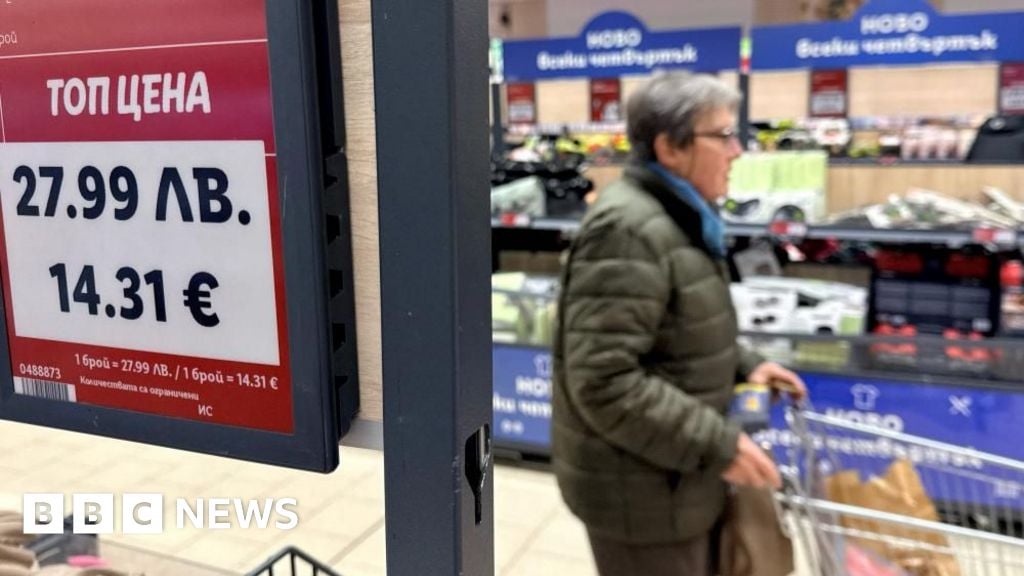
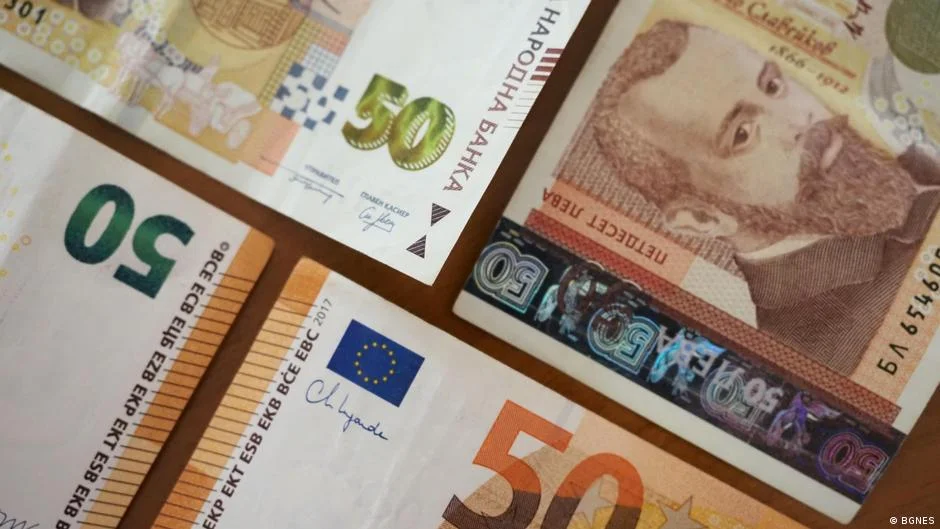
Bulgaria has officially joined the eurozone, marking a significant step in its integration into the European mainstream, despite mixed public opinions and political turmoil. The transition from the Bulgarian lev to the euro aims to boost trade and economic stability, with some fearing loss of sovereignty and economic stagnation, similar to Italy's experience, while others see it as an opportunity for growth.

Bulgaria's Euro Adoption: A Mix of Excitement and Uncertainty
world2 months ago

Bulgaria's Euro Adoption: A Mix of Excitement and Uncertainty

Bulgaria is set to join the eurozone on January 1, 2026, marking a significant milestone in its EU integration, supported by stable macroeconomic indicators but challenged by political instability, corruption, and public skepticism. Experts emphasize the need for reforms and caution against overspending post-adoption, while highlighting the geopolitical importance of deeper Western European integration.

Bulgaria Withdraws Budget Amid Massive Protests
politics3 months ago

Bulgaria Withdraws Budget Amid Massive Protests

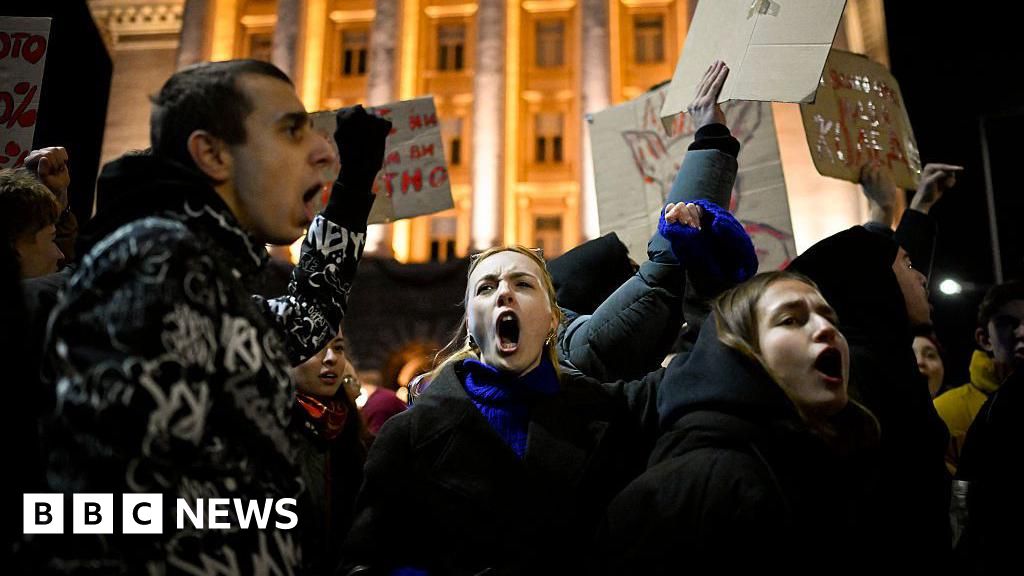
Bulgaria's government has decided to withdraw its controversial 2026 budget plan following massive protests across the country, which opposed the draft due to concerns over corruption, tax increases, and social security reforms. The protests, the largest in years, included clashes with police and attacks on political offices, prompting calls for government resignation and early elections. The government plans to start a new budget process amid ongoing political instability.

ECB Ends Rate Cuts After Eighth Reduction, Signals Stable Policy
economy8 months ago

ECB Ends Rate Cuts After Eighth Reduction, Signals Stable Policy

The European Central Bank (ECB) has cut its benchmark interest rate to 2%, signaling the possible end of its rate-cutting cycle after seven consecutive reductions, amid economic uncertainty and global trade tensions. ECB President Christine Lagarde indicated that the bank is in a good position to manage the economy and may pause rate cuts, with inflation forecasted to reach 2% this year and growth expected to remain modest.

Romania's Election Turmoil: Social Media and Foreign Influence Under Scrutiny
politics1 year ago

Romania's Election Turmoil: Social Media and Foreign Influence Under Scrutiny

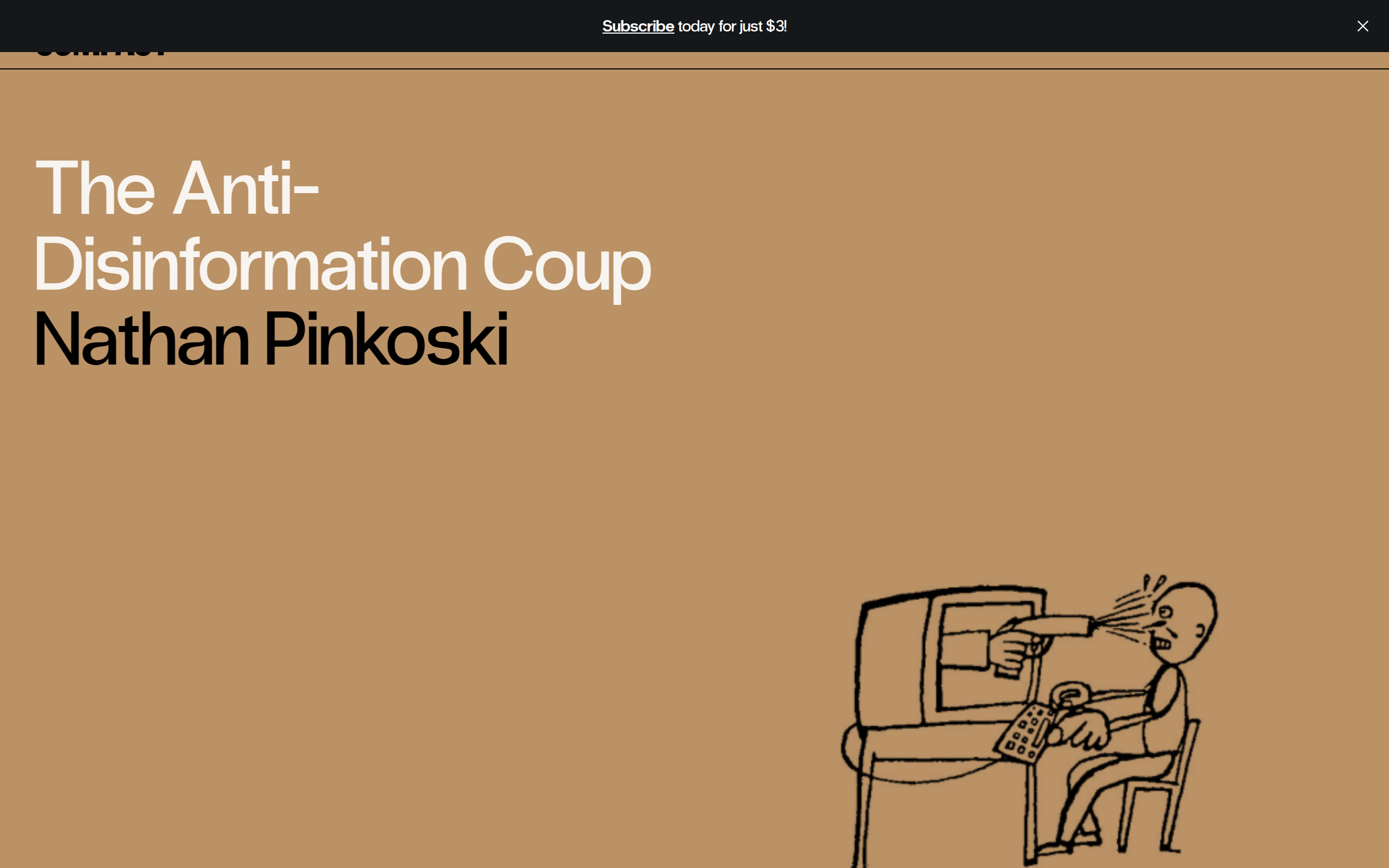
The Romanian constitutional court annulled the results of the first round of the presidential election and canceled the second round, citing alleged Russian interference through social media. This decision, praised by Western governments, reflects the growing influence of the anti-disinformation paradigm, which prioritizes combating misinformation over traditional democratic processes. The situation draws parallels to the Eurozone crisis, where the European Central Bank prioritized stability over national sovereignty, highlighting tensions between anti-disinformation efforts and postwar liberal democracy.

Europe Faces Economic Uncertainty Amid Political Turmoil
economy1 year ago

Europe Faces Economic Uncertainty Amid Political Turmoil

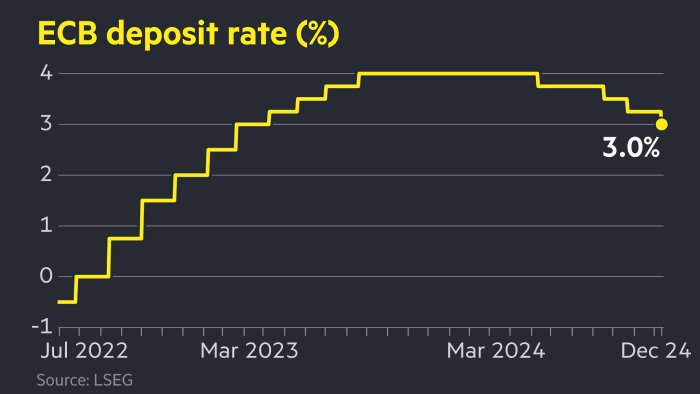
The European economy faces challenges as the European Central Bank (ECB) cuts interest rates to 3% amid slowing growth forecasts, with the eurozone's growth outlook reduced to 1.1% for next year. Germany's economic model is under pressure, while France's political landscape complicates governance. Despite some positive signs in Spain and other former crisis countries, Europe must address structural underperformance compared to the US. The looming Trump presidency adds uncertainty, with potential tariffs impacting trade.

ECB Slashes Rates to Stimulate Weakening Economy
economy1 year ago

ECB Slashes Rates to Stimulate Weakening Economy

The European Central Bank (ECB) has reduced its interest rates by a quarter-point to 3%, marking its fourth rate cut since June, as it shifts to a more dovish stance amid weaker growth forecasts for the Eurozone. ECB President Christine Lagarde indicated that further rate cuts are likely, with the central bank dropping its commitment to maintain restrictive policy rates. The decision comes as the Eurozone faces economic challenges, including potential trade tensions with the US under Donald Trump's presidency. The ECB's growth forecasts for the coming years have been lowered, and investors expect more rate cuts compared to the US Federal Reserve.