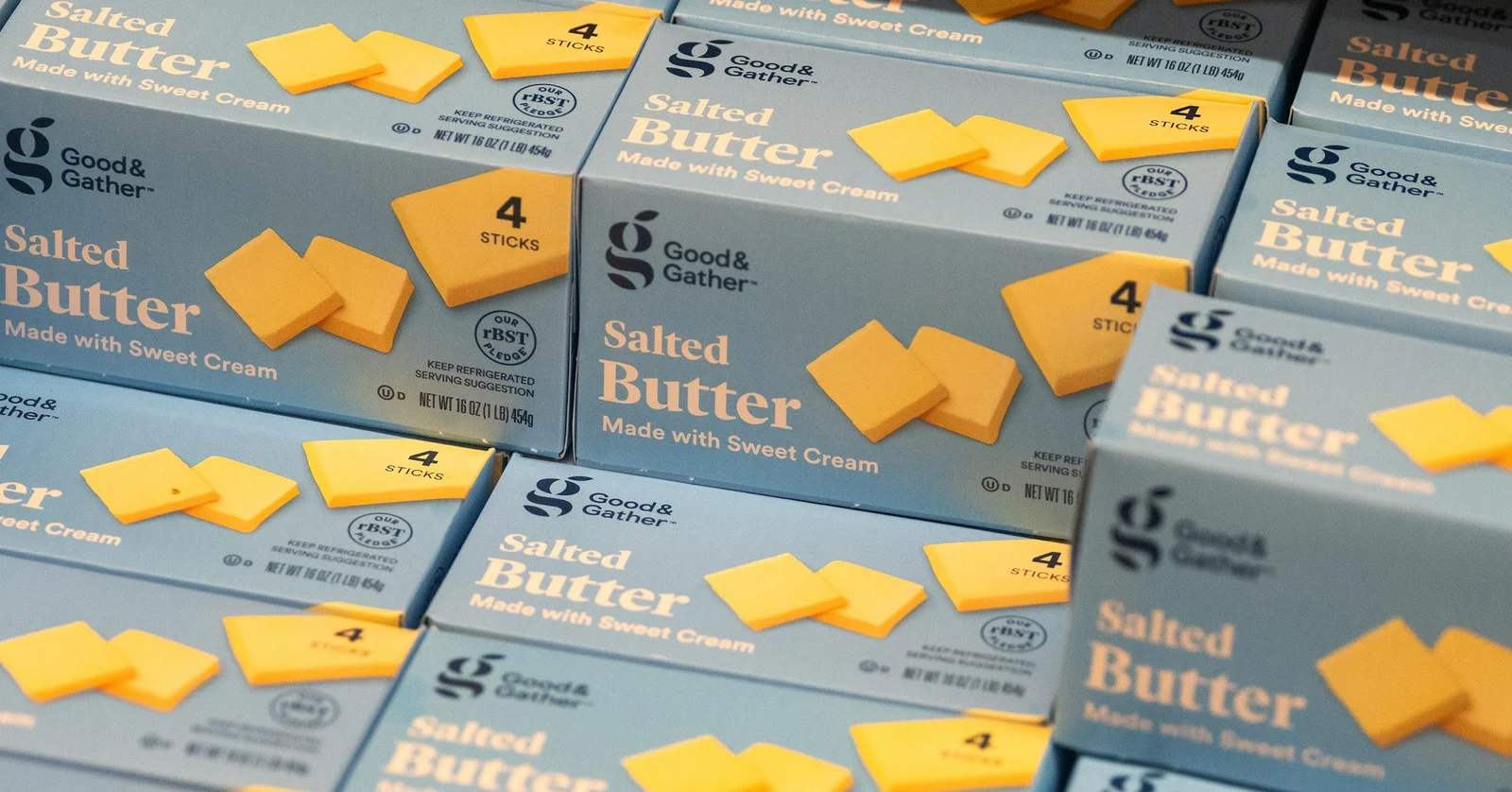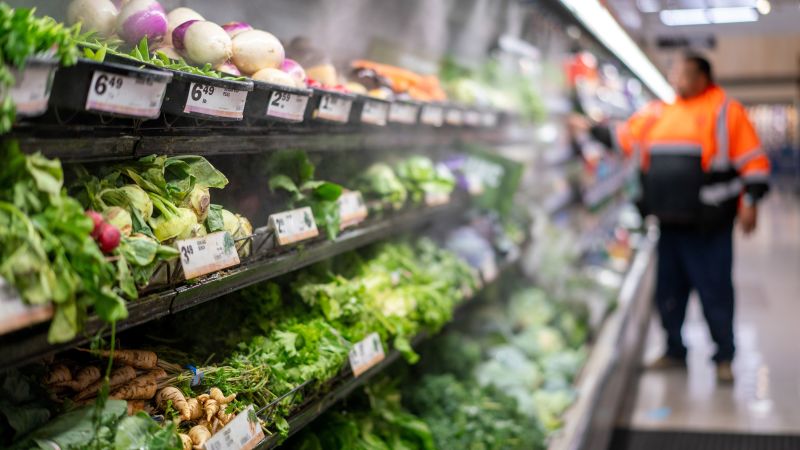
Target and other retailers are lowering prices on essential food items like milk, eggs, and butter ahead of the holiday season to help consumers manage tight budgets amid economic uncertainty and delays in SNAP benefits caused by a government shutdown. These price cuts aim to attract shoppers and offset increased demand, with some stores also reviving holiday promotions to boost sales. The situation highlights ongoing financial struggles for many Americans despite reports of a strong economy.
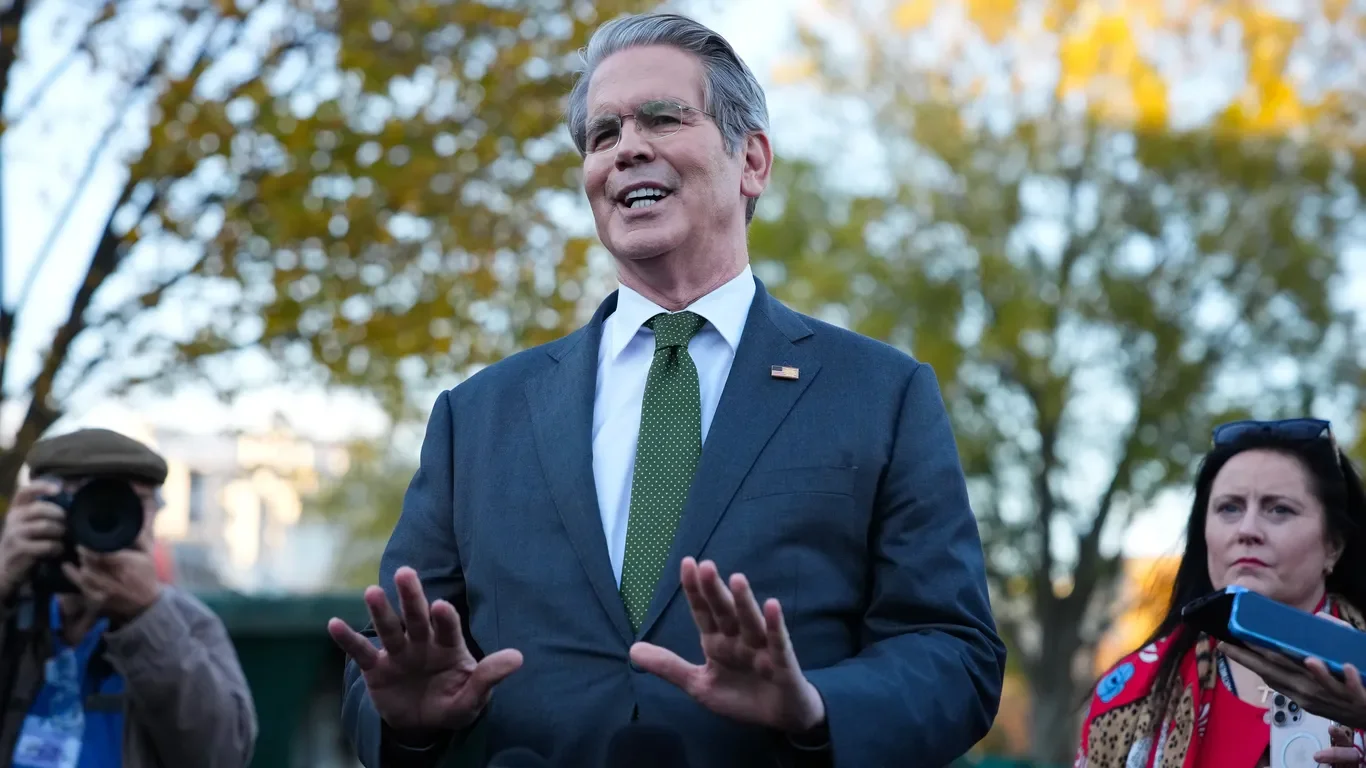
Trump officials insist there is no affordability crisis, claiming prices are stabilizing or falling, despite conflicting data showing rising consumer prices and increased grocery costs, and ongoing public concern about affordability.
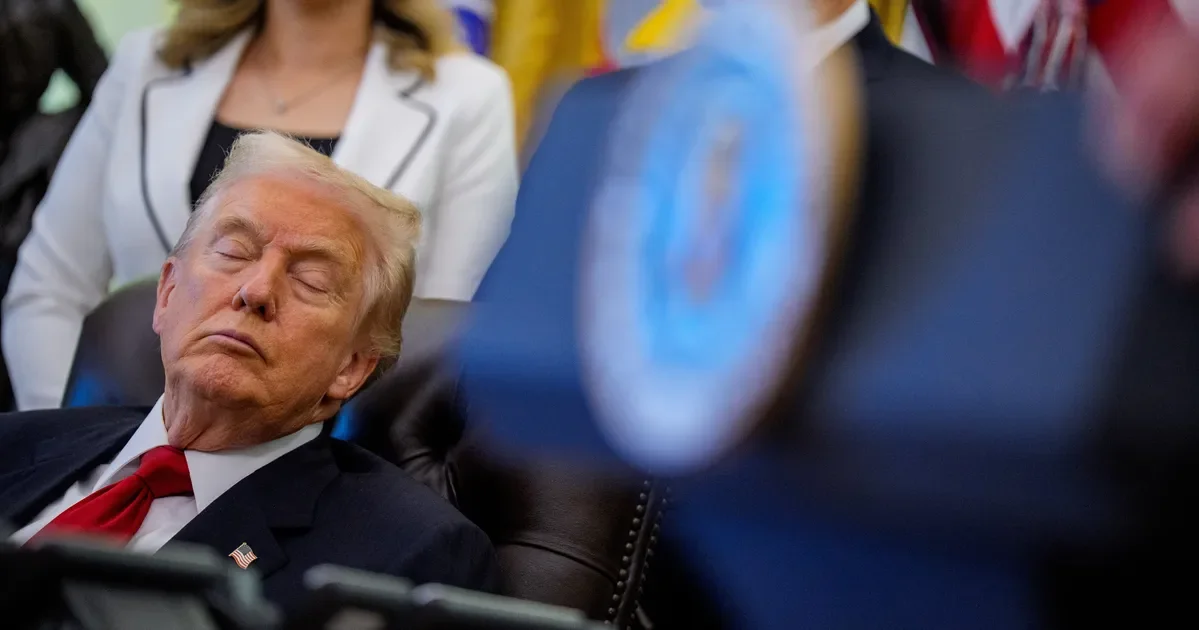
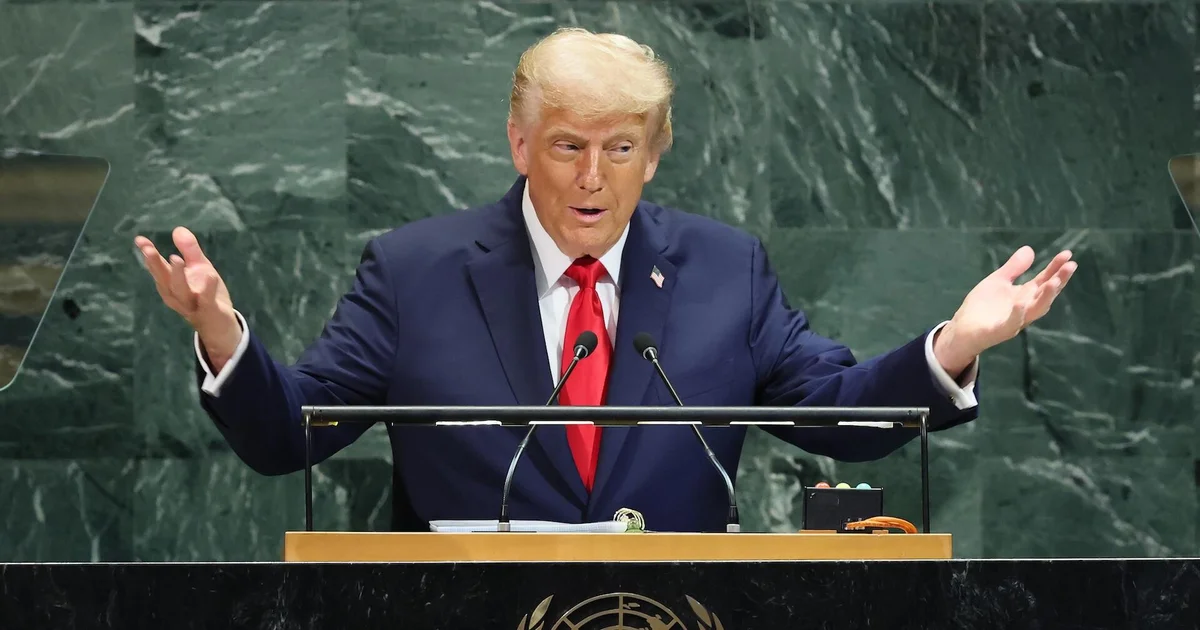
The article criticizes President Trump for falsely claiming that grocery prices are down, highlighting that inflation for food has actually increased due to tariffs he imposed, which have raised costs on imports like coffee and seafood. Experts and statistics show that prices are rising faster under his trade policies, contradicting his claims, and emphasizing the widespread impact on American consumers.
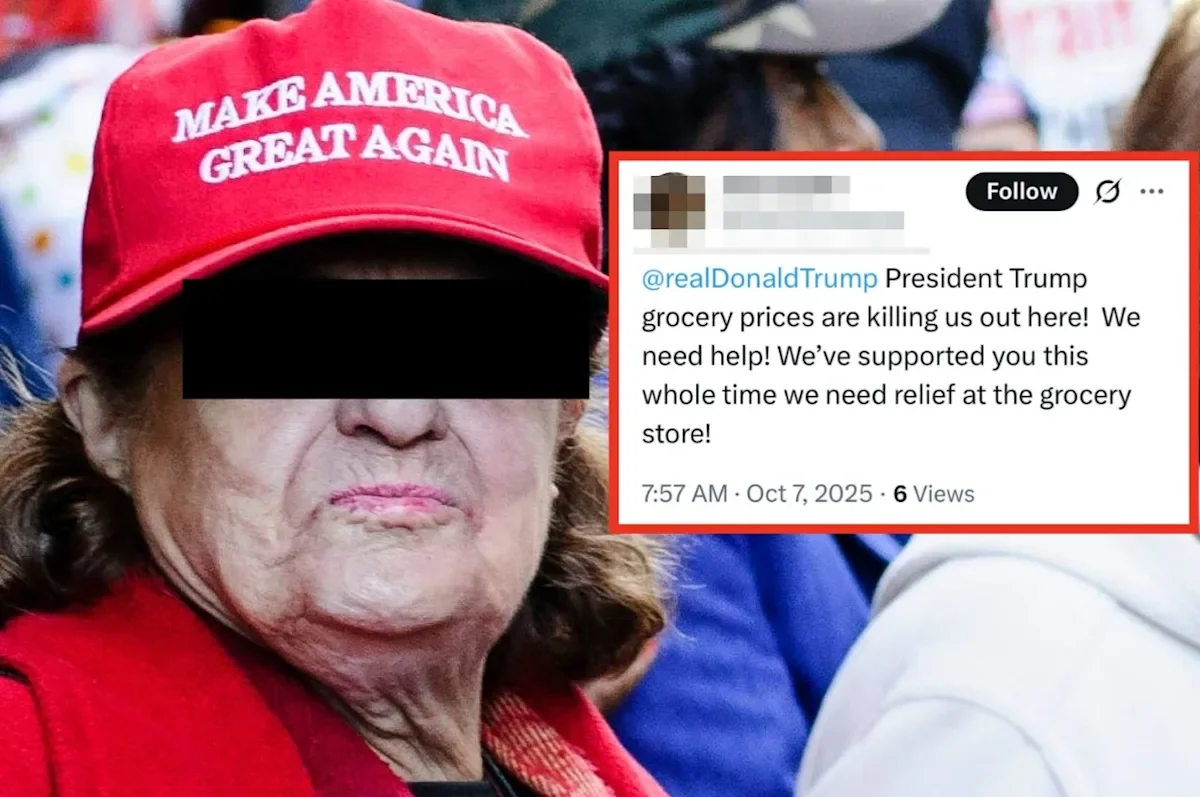
Several Trump supporters are expressing frustration on Reddit over rising grocery prices and inflation, contradicting Trump's promises to lower costs, and facing criticism from others who believe their expectations are unrealistic or misguided.
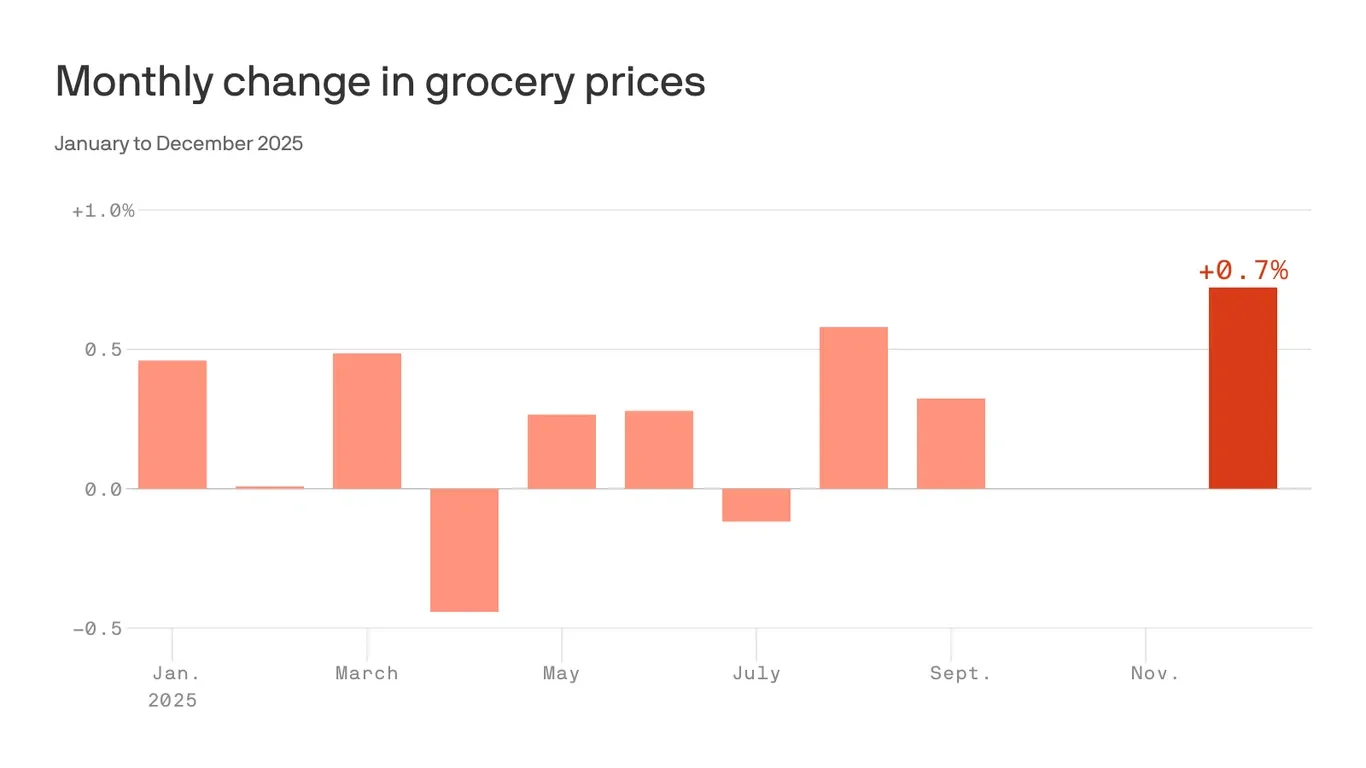
New inflation data shows grocery prices have increased since Trump took office, contradicting his claims that they are 'way down.' Prices rose 0.3% from August to September and are about 2.7% higher than a year ago, with broad increases across most categories. Experts attribute some of the rise to tariffs and trade policies implemented during his administration.
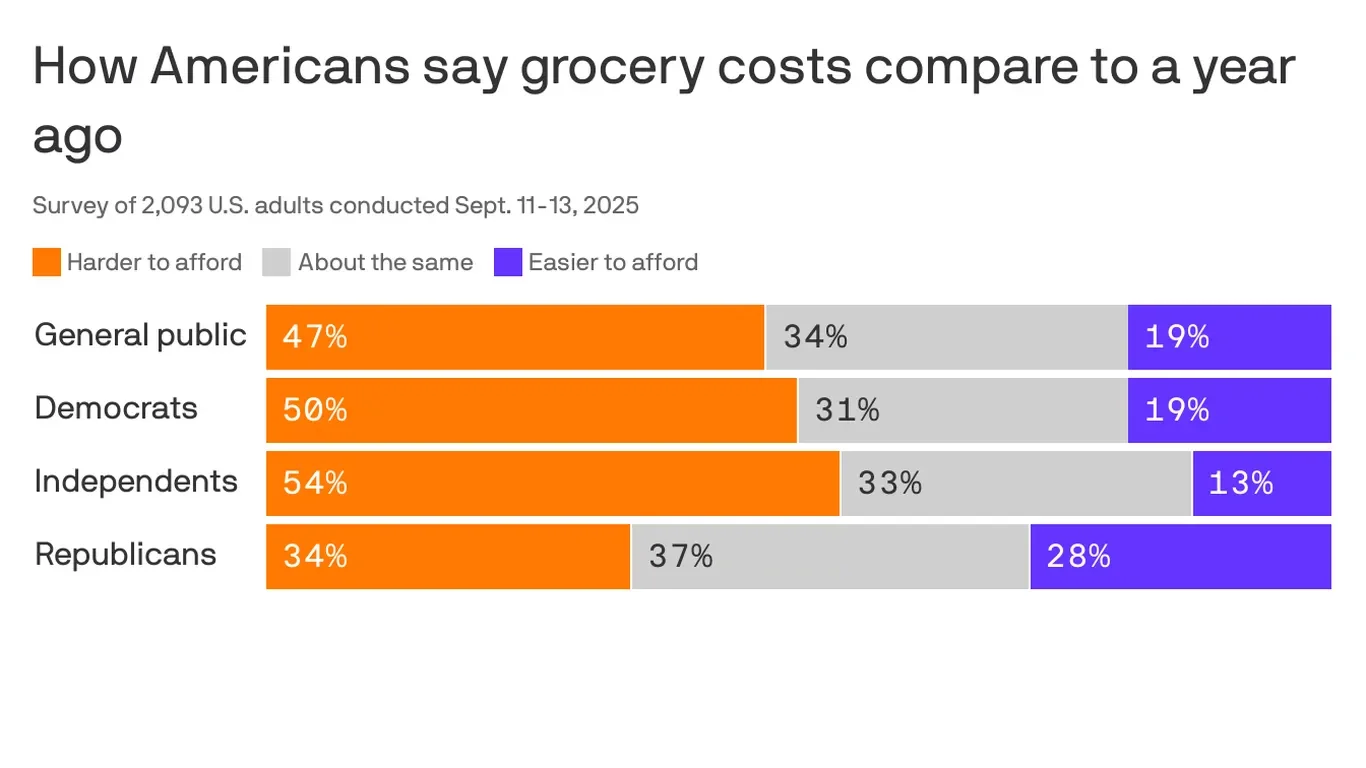
A recent Axios Vibes survey indicates that Americans are struggling with rising grocery prices, which could impact the upcoming midterm elections and pose a challenge for President Trump and Republicans, as most respondents feel their financial situation has worsened and blame current economic policies.
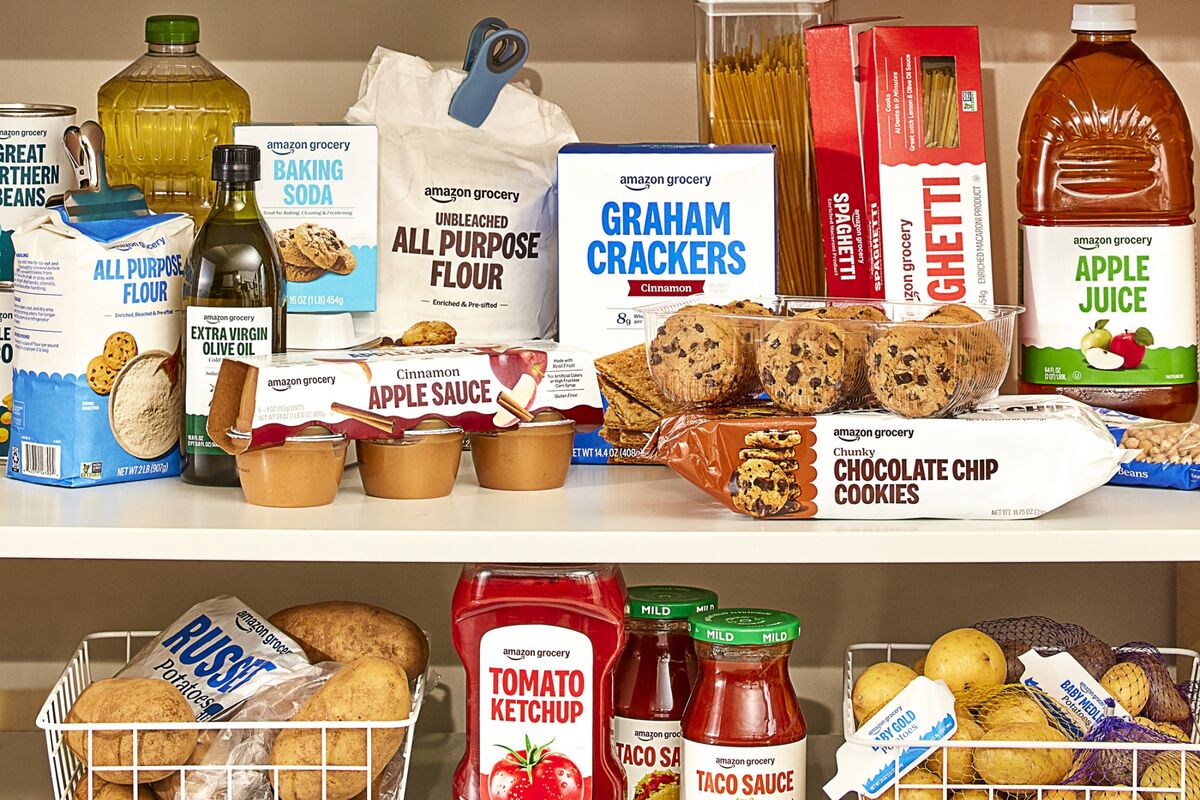
Amazon has launched a new private-label grocery brand called Amazon Grocery, offering over 1,000 items mostly under $5 to attract budget-conscious shoppers, available online and at Amazon Fresh stores, as part of its broader strategy to expand its grocery footprint amid rising food prices.
The article fact-checks President Trump's recent claims about the U.S. economy, finding that while some aspects like gasoline prices and mortgage rates have improved, others such as energy costs, grocery prices, and inflation are not as favorable as claimed. Overall, economic indicators show mixed results, with some metrics improving and others remaining problematic, contradicting the president's optimistic assertions.
U.S. grocery prices are rising rapidly due to Trump's tariffs, immigration crackdown, and climate change impacts, affecting low- and middle-income Americans and leading to changes in shopping habits and increased food costs.
Grocery bills are rising due to tariffs, climate change, and a labor shortage, with companies often passing costs to consumers through higher prices and shrinkflation, prompting shoppers to seek deals and reduce waste to save money.
Grocery prices in the US have increased by 3.2% over the past year, driven by pandemic disruptions, geopolitical conflicts, and tariffs, causing significant stress for consumers who are adjusting their shopping habits and facing financial anxiety.
Rising grocery prices driven by tariffs, climate change, and labor shortages may lead to shrinkflation, where products are reduced in size but sold at the same price, affecting consumer purchasing behavior and increasing costs.
Despite campaign promises to lower costs, Trump's tariffs and policies have led to increased prices for groceries, electricity, and other essentials in the US, disproportionately affecting low- and middle-income families and contradicting his promise to make America affordable again.
Walmart is expanding its employee grocery discount to 10% on nearly all items for its 1.6 million U.S. employees, in response to inflation concerns and rising tariffs, aiming to boost employee savings, retention, and spending at Walmart stores.
Grocery bills in the U.S. have increased by 3% over the past year, driven by climate change impacts such as droughts and heatwaves affecting food production globally, leading to higher prices for items like coffee, beef, eggs, and imported goods. Extreme weather events worldwide are causing significant price shocks in essential commodities like olive oil, rice, and cocoa.