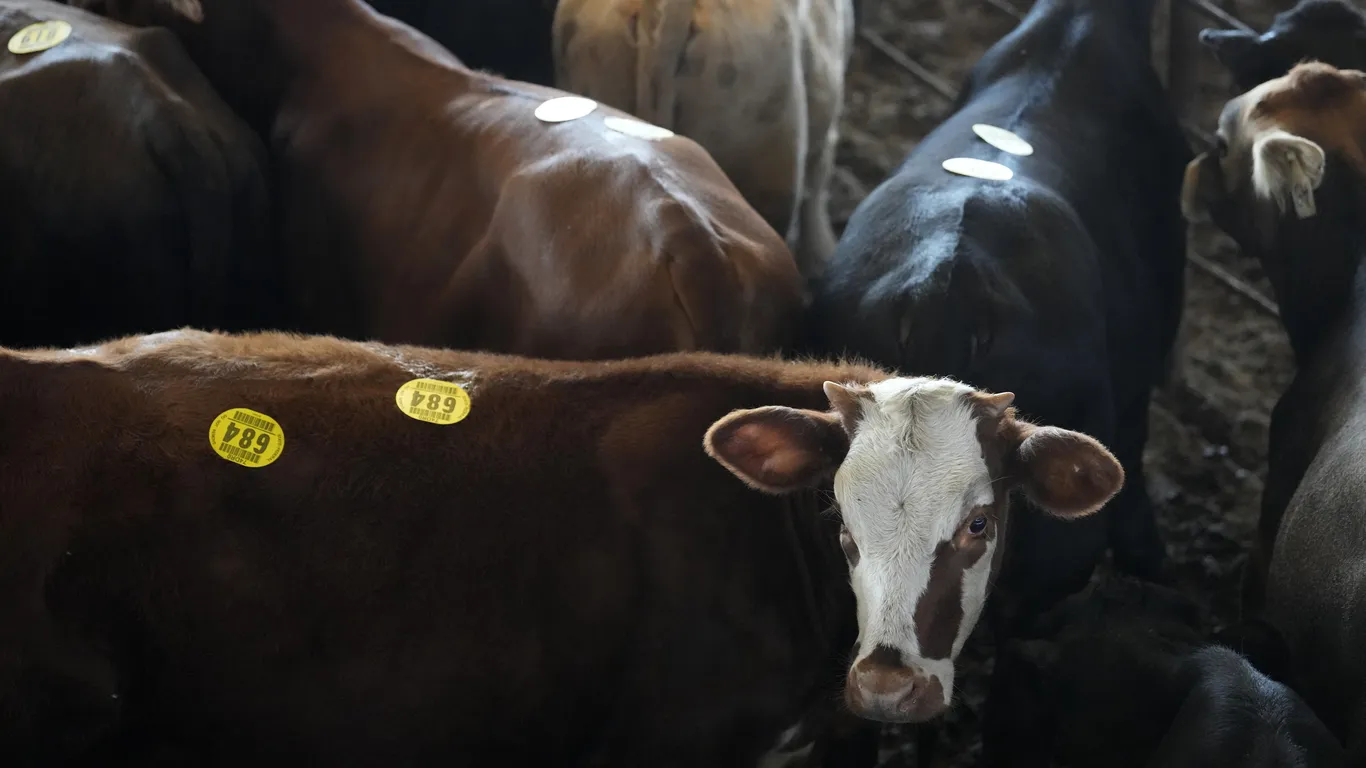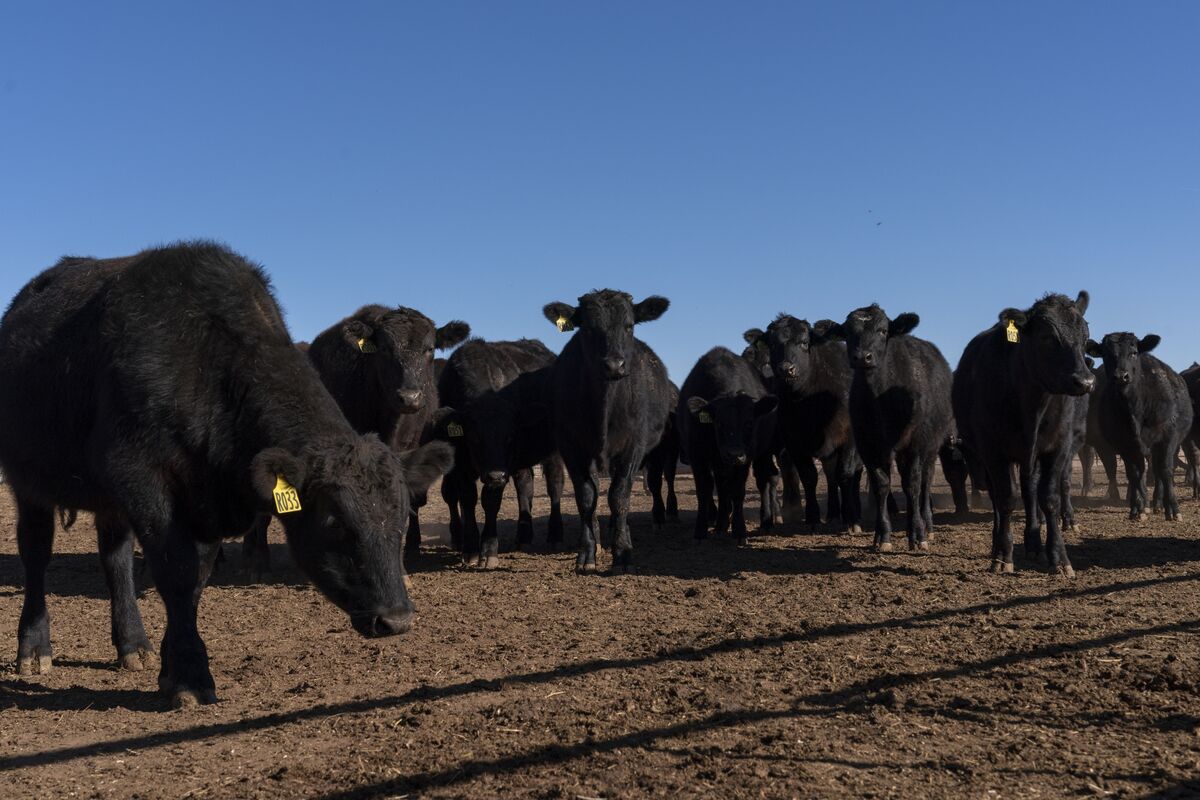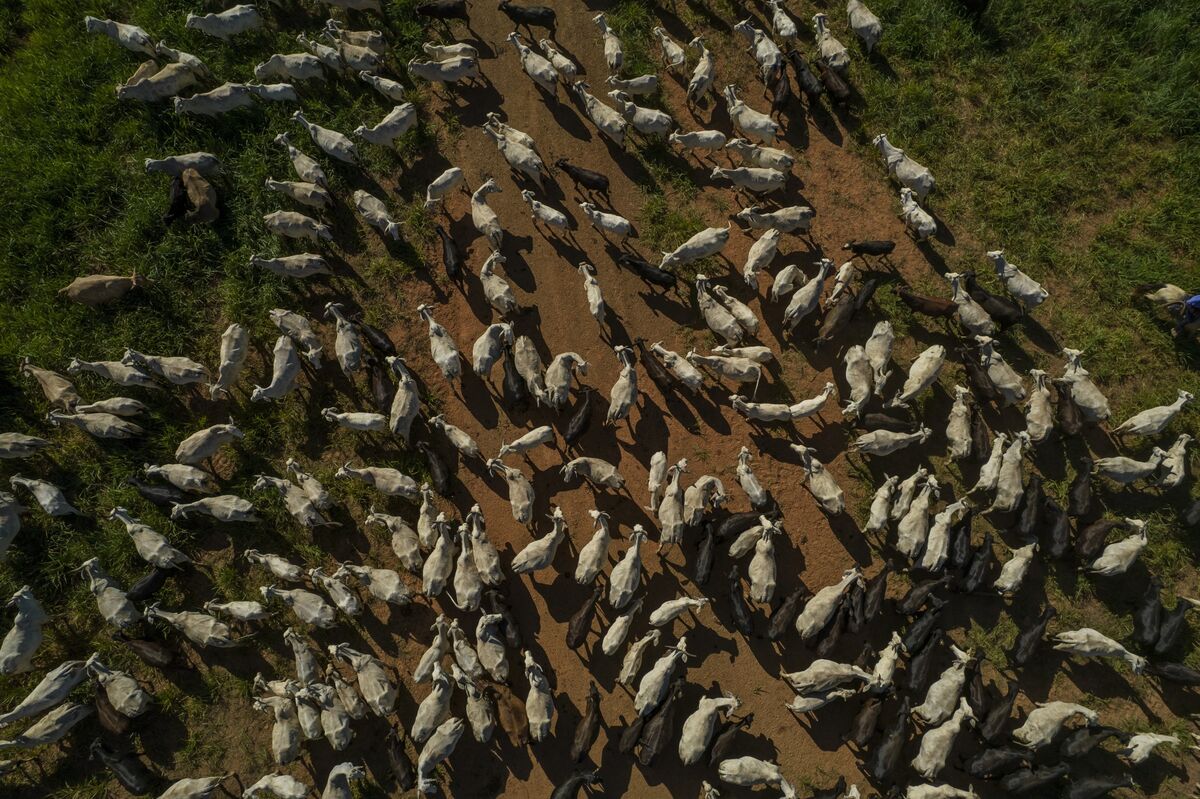
Brazil's cattle herd is shrinking as ranchers hold back female cattle to rebuild herds, leading to a projected 5-6% decline in beef output next year, which could push global beef prices higher and impact affordability worldwide, especially in the US where prices are already high.
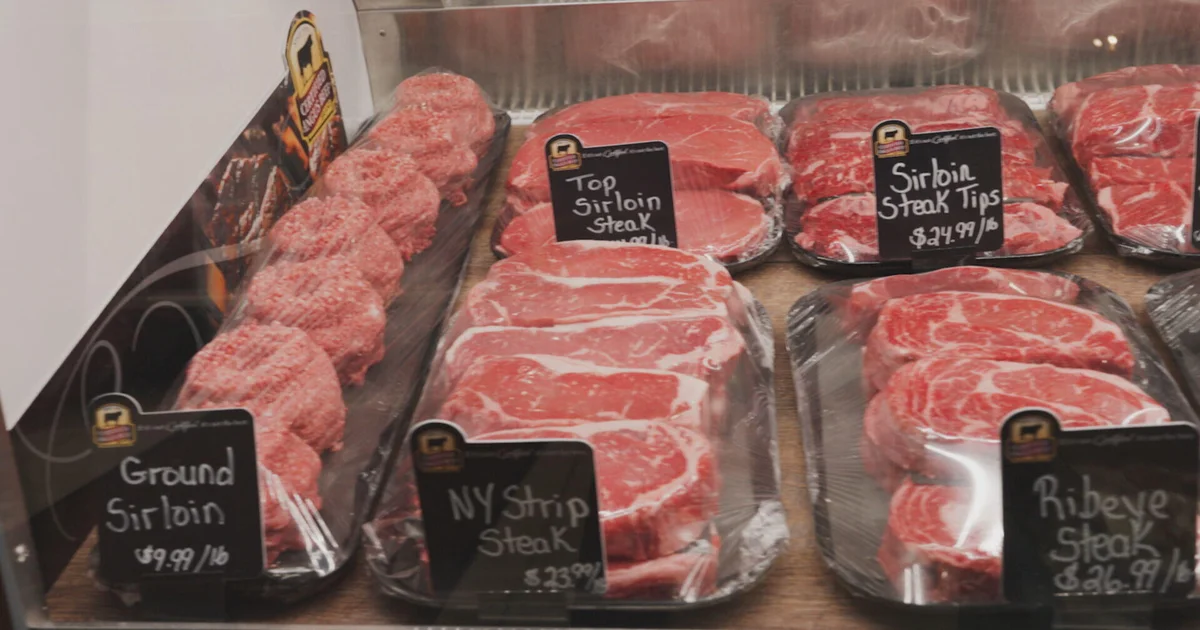
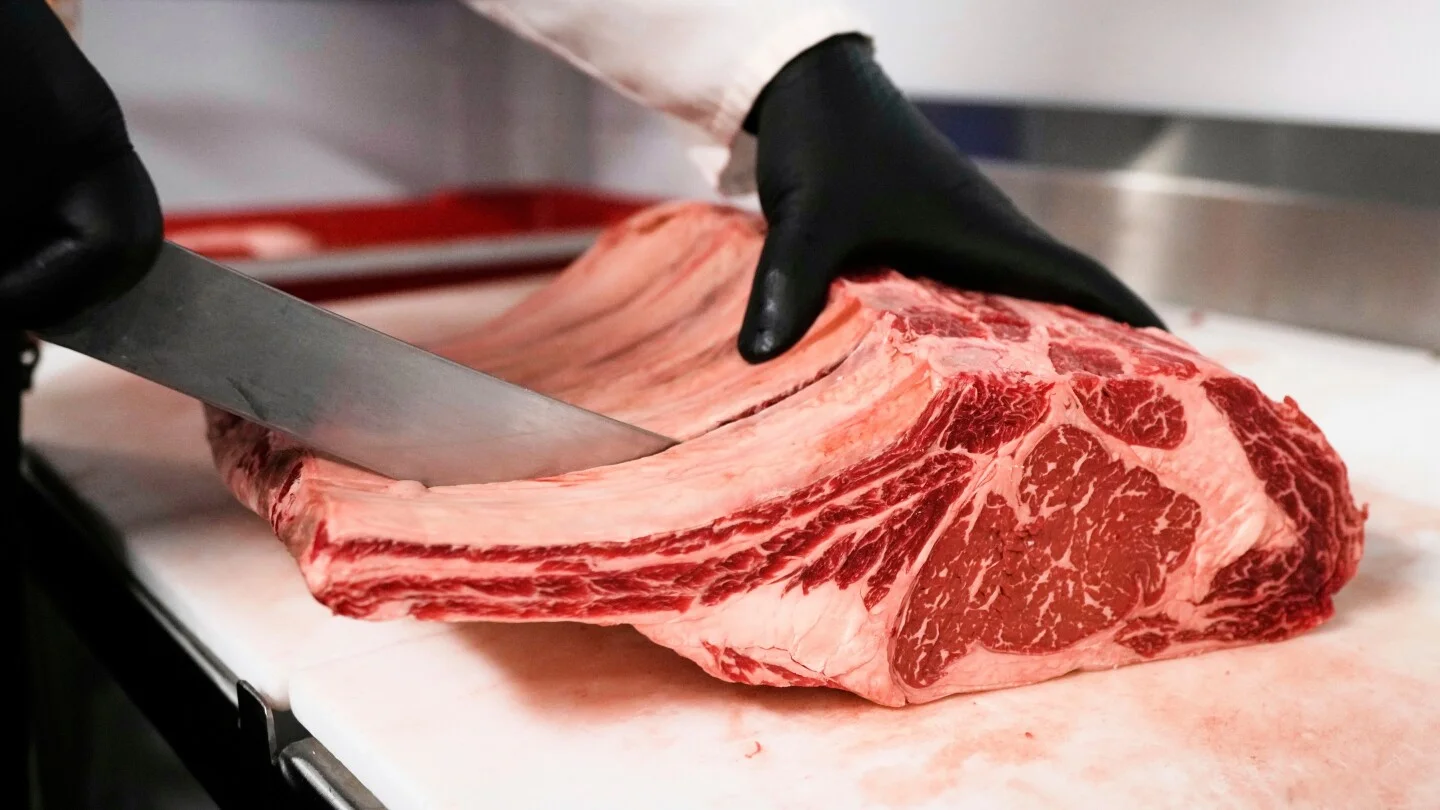
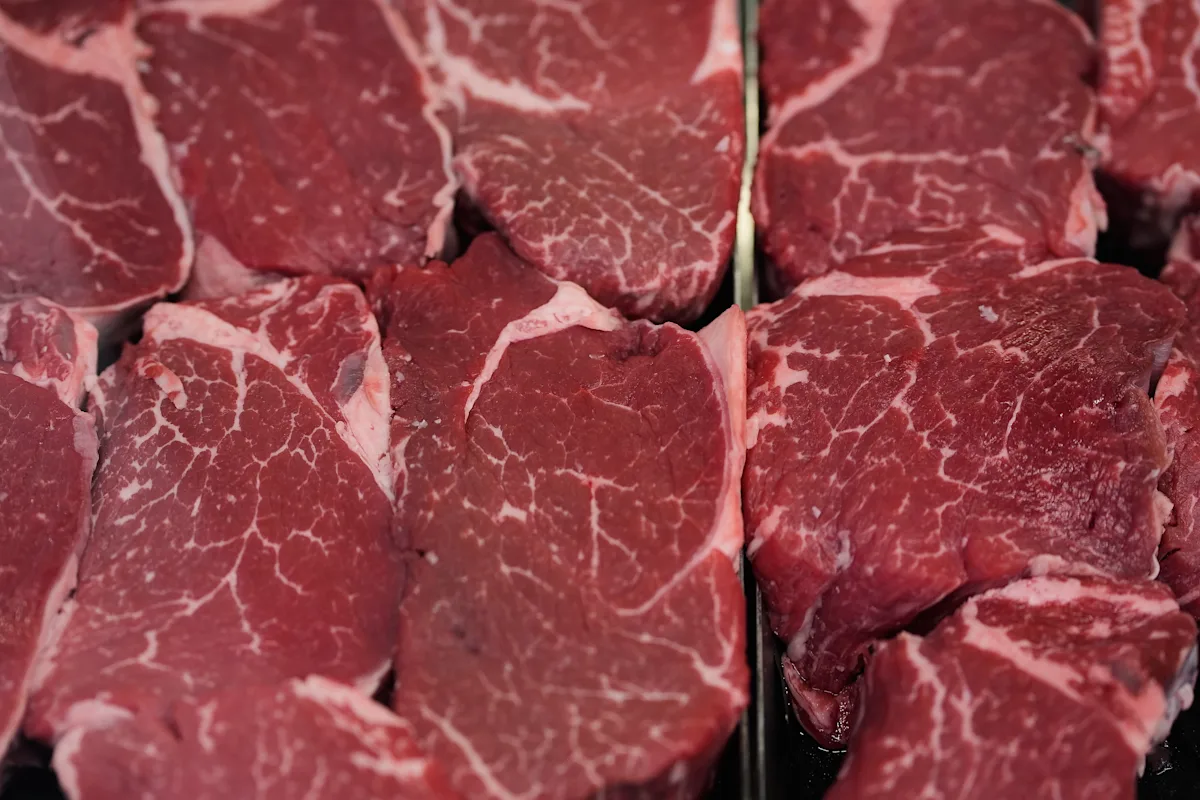
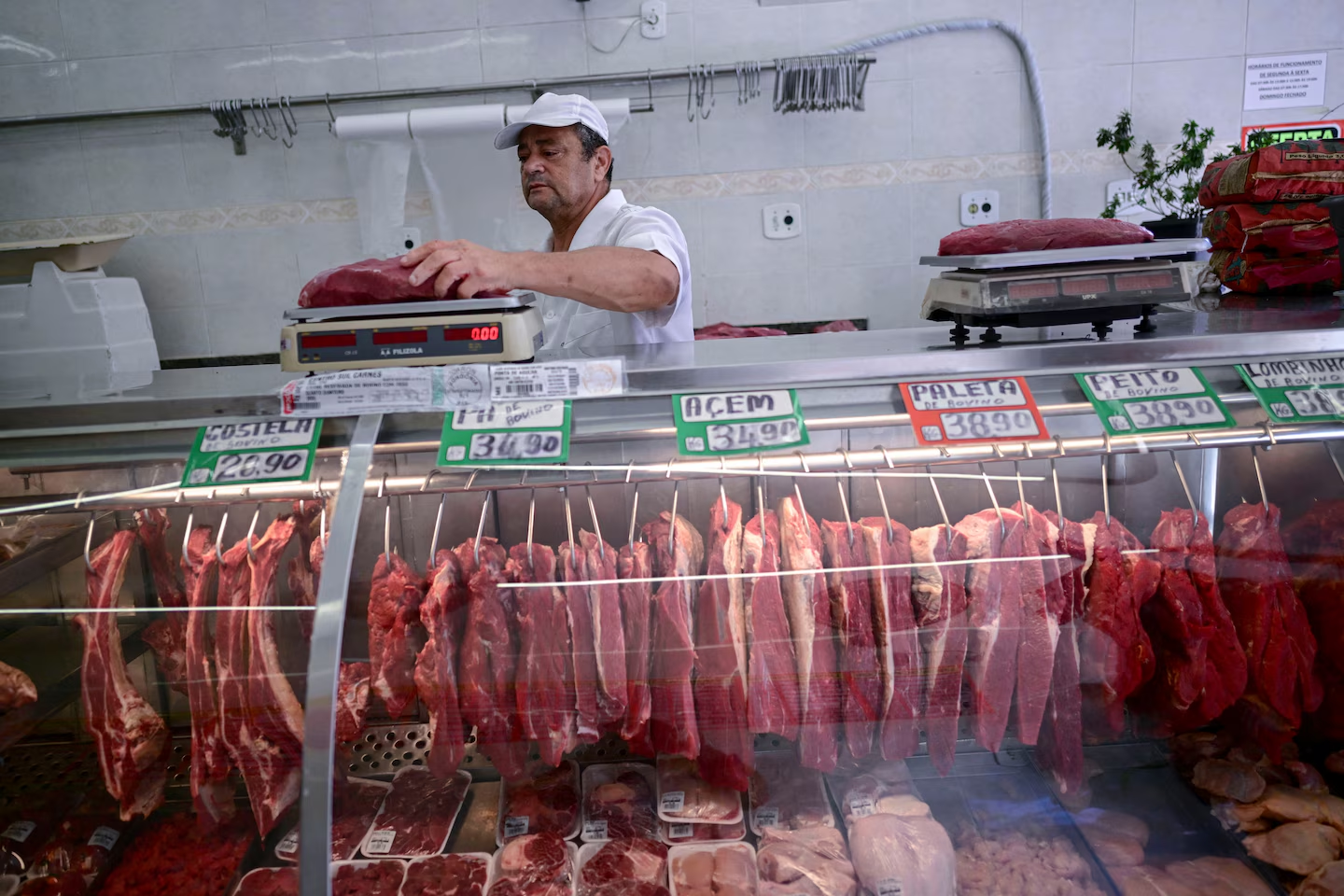
Small butcher shops like The Country Butcher in Connecticut are facing higher beef prices due to supply and demand issues, drought, and disease, leading customers to seek alternatives like sausage, while shops adapt to these challenges with optimism and resilience.
President Trump accused foreign-owned meat packers of inflating US beef prices and called for a Department of Justice investigation, citing concerns over market manipulation amid record-high beef prices driven by drought, demand, and tariffs, though experts and industry groups dispute these claims and suggest no evidence of collusion.
President Donald Trump accused foreign-owned meat packers of inflating U.S. beef prices and called for a Department of Justice investigation, amid rising food costs and concerns over market concentration, without providing proof for his allegations.
The Trump administration is considering importing more beef from Argentina to lower domestic beef prices, a move that has sparked criticism from U.S. farmers and Republicans who argue it could harm American ranchers and interests, amid broader trade tensions and economic challenges faced by U.S. agriculture.
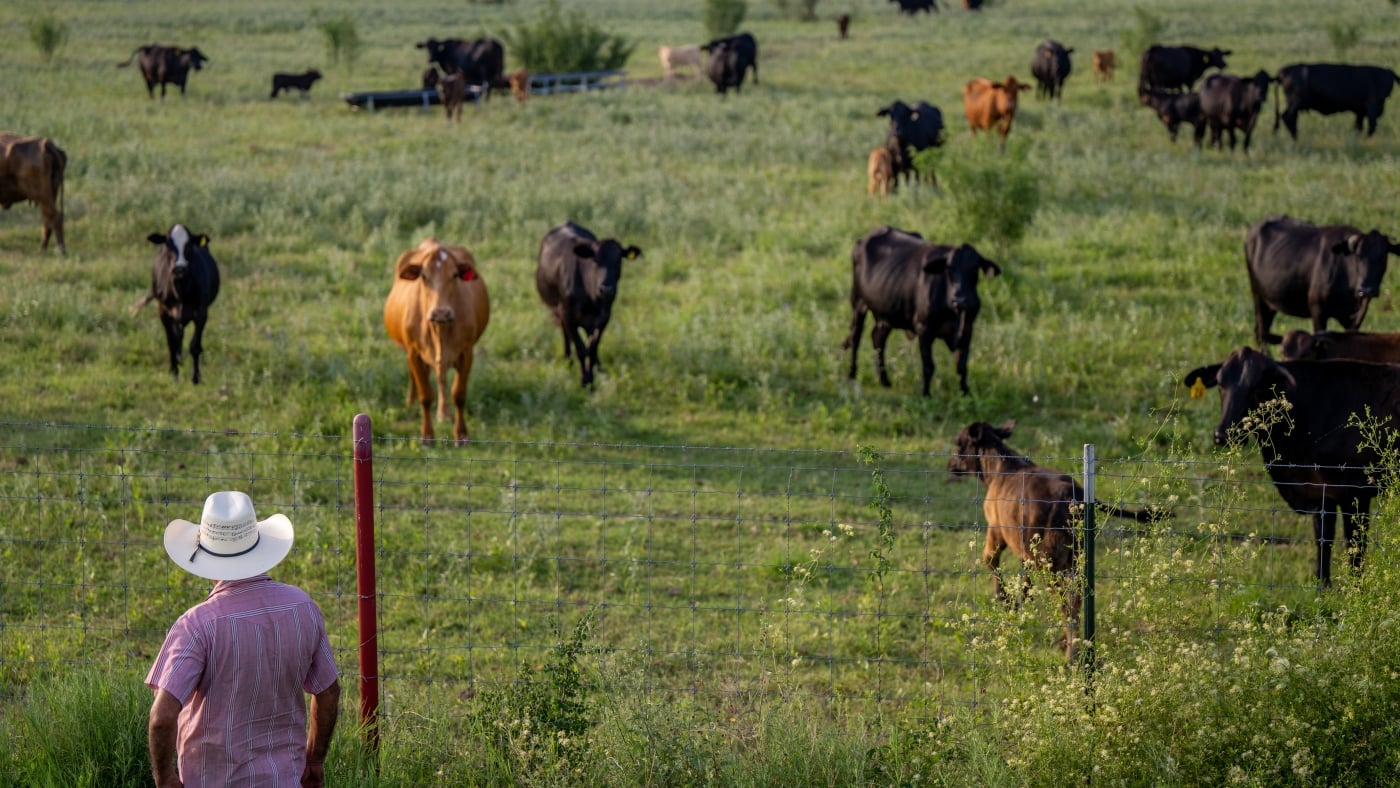
US beef prices are soaring due to a decline in cattle herds and industry consolidation, with political debates over potential solutions like increasing domestic production and imports. Ranchers face challenges from high costs and market control by a few large companies, and current proposals may not effectively lower prices for consumers.
U.S. consumer prices increased by 3% in September, reaching the highest level since January, with beef prices soaring nearly 15%, amid ongoing tariff tensions and economic uncertainties, including a potential impact on Federal Reserve interest rate decisions.
The White House supports increasing beef imports as a quick way to lower consumer beef prices, despite opposition from domestic producers and some Congress members, aiming to address rising prices driven by structural issues like drought and labor shortages.
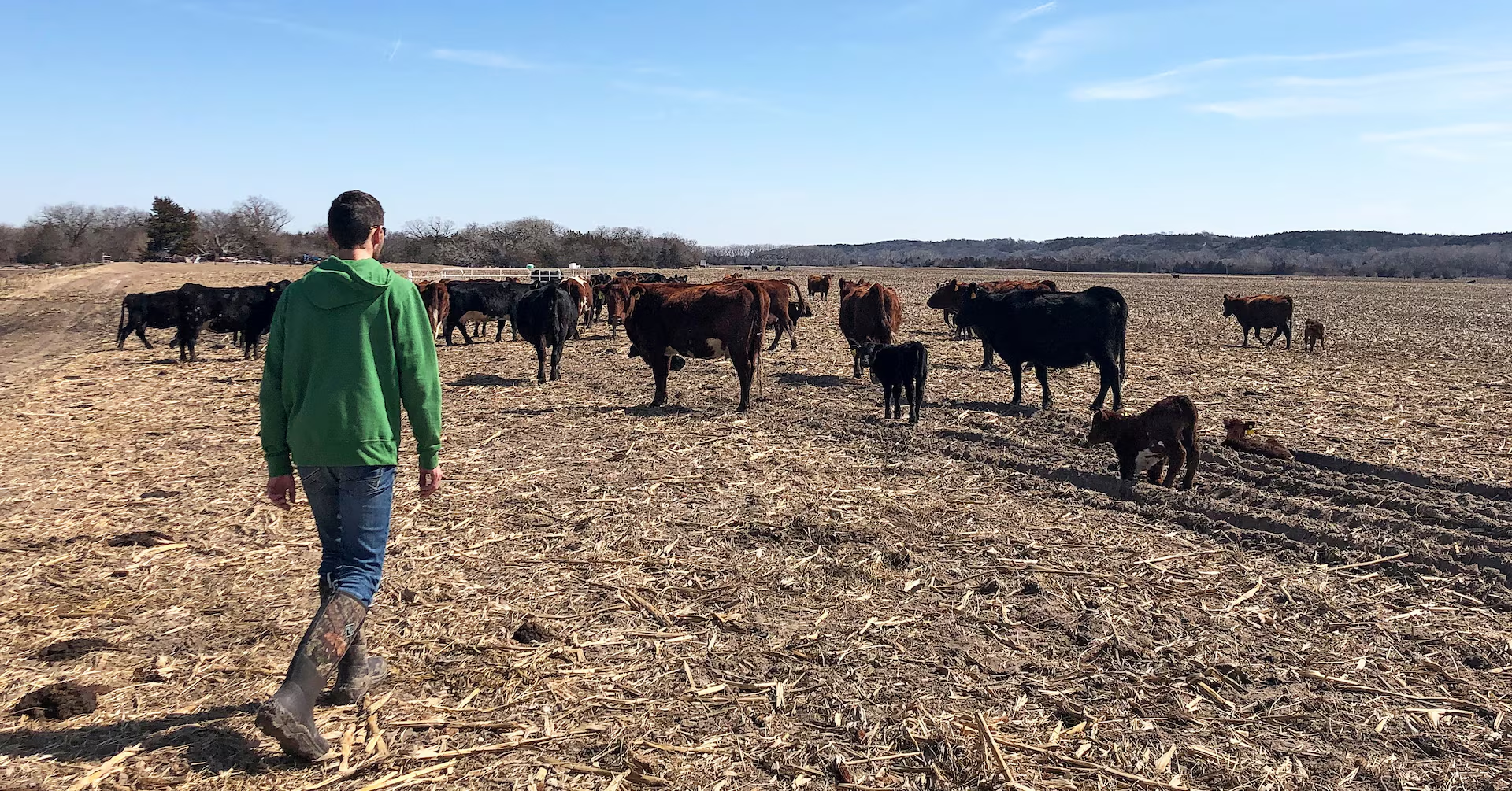
U.S. ranchers are feeling betrayed by President Trump's plan to import more beef from Argentina, which they believe could hurt domestic prices and industry, despite the administration's efforts to support local cattle farmers amid record-high beef prices and low cattle inventories. The move has sparked opposition from agricultural groups and concerns about market control and supply sufficiency.
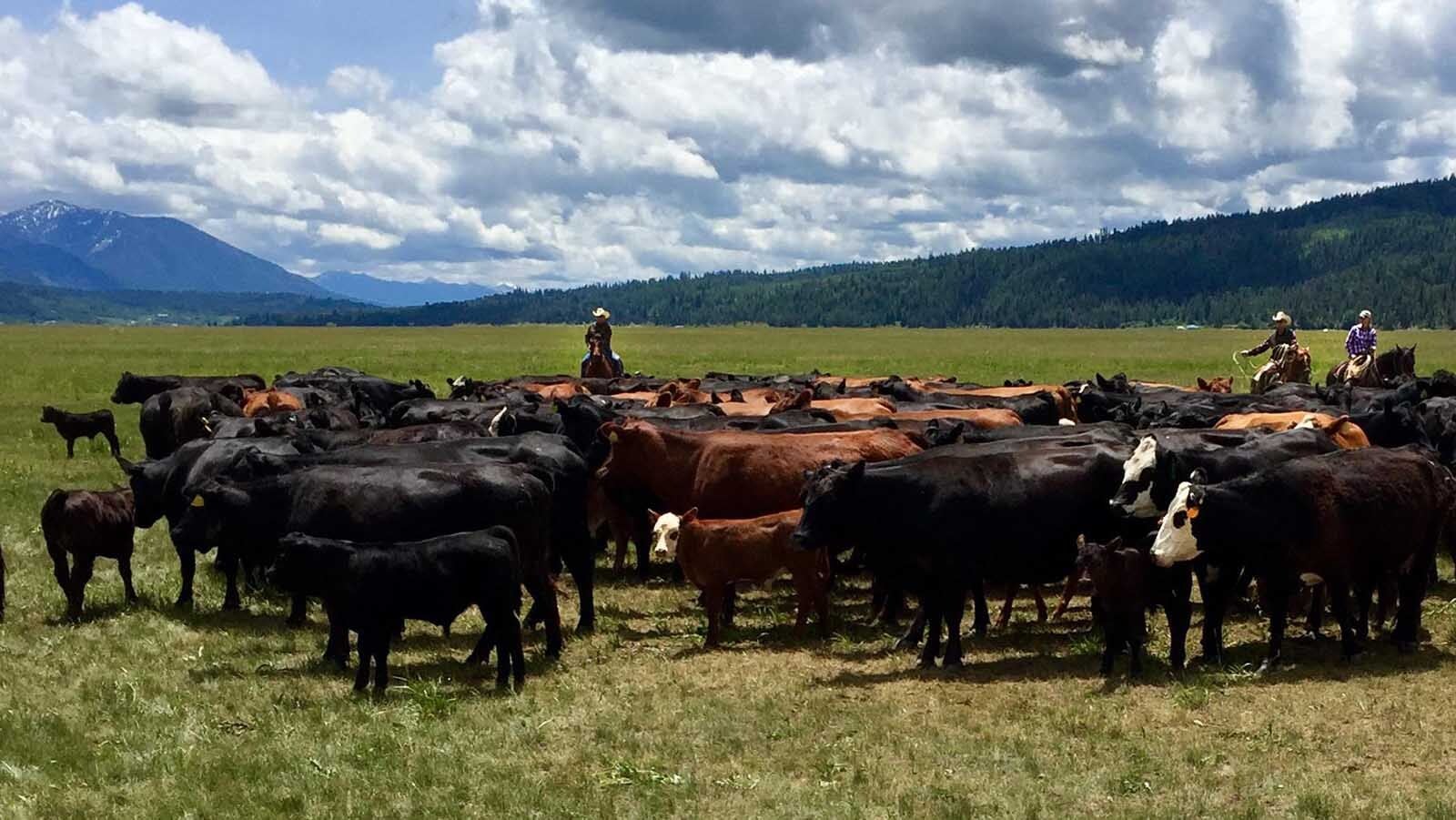
President Trump faces criticism from US cattle ranchers over plans to increase low-tariff beef imports from Argentina, which they see as a betrayal amid record beef prices and ongoing trade tensions. The move, supported by the White House as a way to lower consumer prices, has sparked concerns about harming American farmers and the domestic beef industry, which is already strained by drought, pests, and trade policies.
President Trump criticized US cattle ranchers over their opposition to his plan to import more beef from Argentina to lower prices, claiming tariffs have benefited them and urging them to reduce their product costs, amid ongoing debates about trade policies and domestic beef industry support.
US ranchers oppose President Trump's plan to import more Argentine beef, citing concerns over their own profitability and skepticism from experts that such imports would significantly lower grocery prices, as Argentine beef accounts for only a small portion of imports and current market factors keep prices high.
US farmers criticize President Trump's consideration of importing more beef from Argentina to lower prices, arguing it threatens their livelihoods and could discourage domestic herd expansion, despite economists doubting its effectiveness in reducing prices.
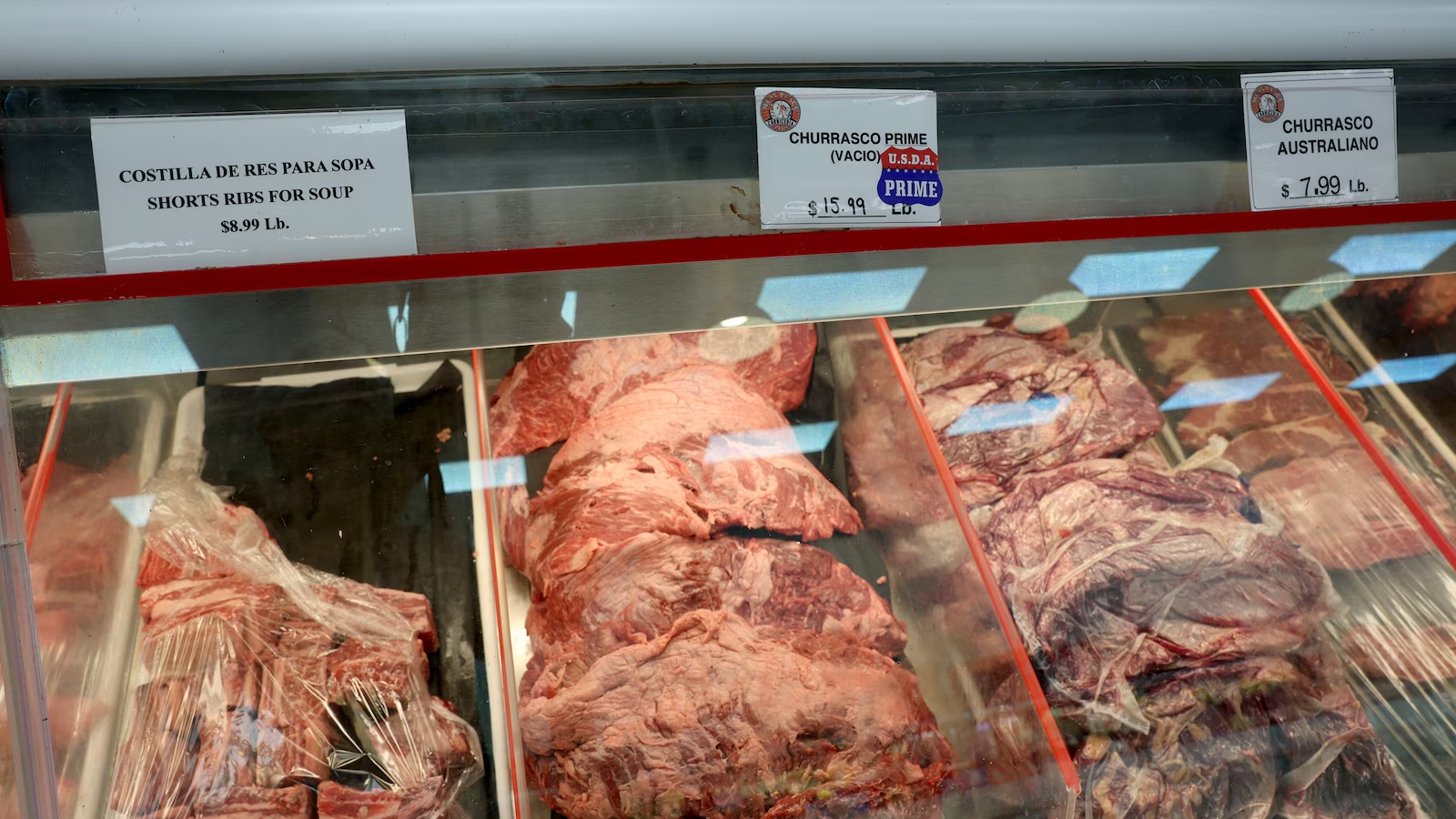
Beef prices are rapidly increasing with weekly adjustments, but meat lovers are still purchasing despite the rising costs, reflecting ongoing inflation and volatility in the meat industry.
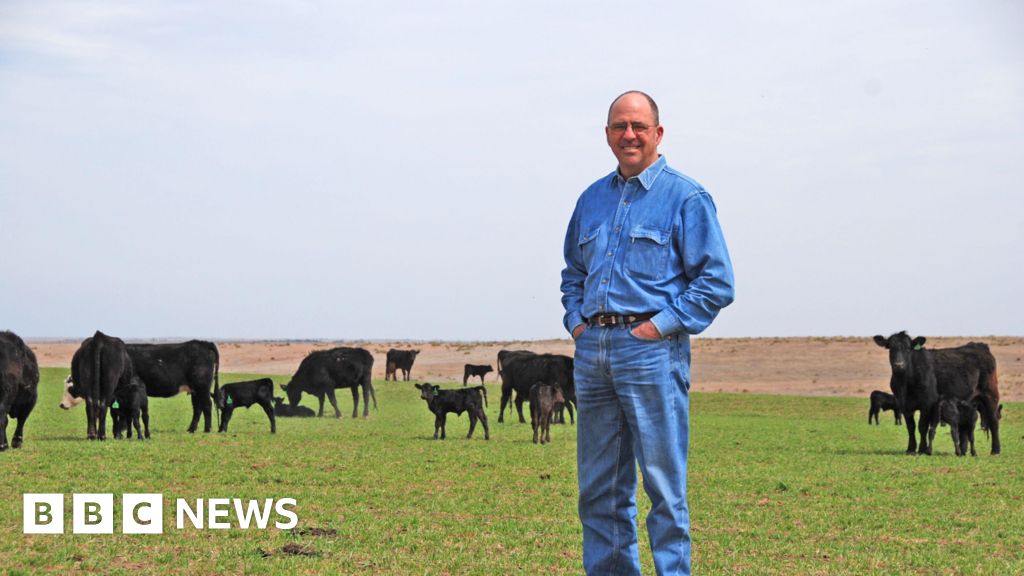
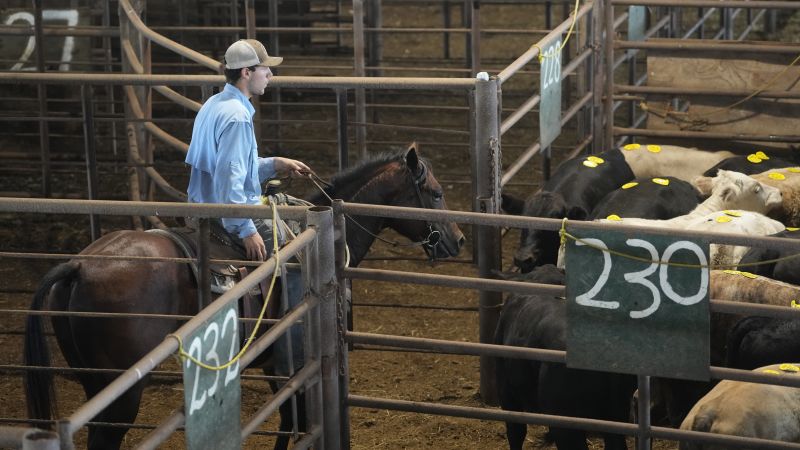
Record-high beef prices are prompting some aging ranchers to sell off their herds and exit ranching, while others hold on for continued profits, leading to a tight ranch real estate market and shifts in ownership dynamics. The industry faces challenges like labor shortages, drought, and rising costs, but strong demand and international markets sustain high prices, influencing the future landscape of American cattle ranching.